
Reviewed · OSAKA TOURS
Kuromon Market Food Walking Tour in Osaka (6 stops, 6 tastes)
Osaka’s food culture makes the most sense with something in your hand and a local person beside you. This two-hour Kuromon Market walk combines six tastes with stories about the city, a look at Doguyasuji’s kitchenware shops, and a little help ordering in Japanese. Guides such as Nina, Yuto, Rie, Niko, and Megumi have been praised for warmth, humor, and flexibility.
I like the small maximum of seven people, which makes it easier to ask questions and adjust the pace. I also like the useful local orientation: you get ideas for the rest of your Osaka visit, plus a look at Namba, Dotonbori, and the shops along Doguyasuji. The main caution is food quantity. A few people found the included tasting allowance too small, so this works better as an introduction than as a full meal.
Key points at a glance
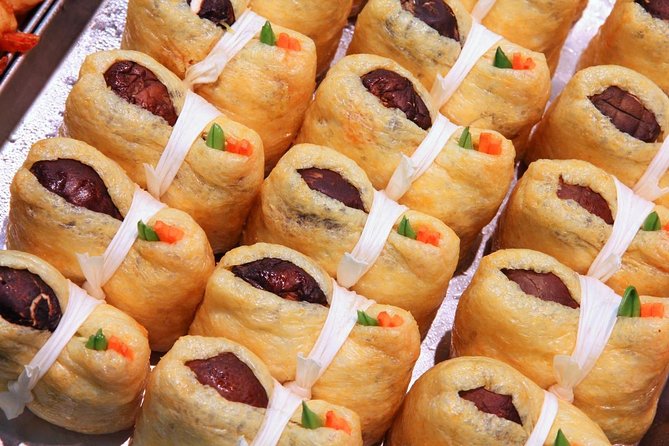
- Six tastes in Kuromon Market: Expect Osaka favorites and other market foods, with examples including takoyaki, sushi, yakitori, dumplings, oden, and sweets.
- A guide handles the ordering: Your host can help across language gaps and explain how to eat or approach unfamiliar foods.
- Doguyasuji adds a different angle: Browse knives, dishes, cooking tools, and restaurant supplies instead of spending the whole walk on food.
- The group stays small: The tour accepts no more than seven people, though a private-feeling outing depends on how many book.
- The route ends where it begins: Meet near Kintetsu Nippon-bashi Station and return to the same meeting point after about two hours.
- Plan for extra cash: The tour includes food, but bring money for additional snacks and drinks if you are hungry or spot something you want to try.
Why Kuromon Market is a smart first food stop

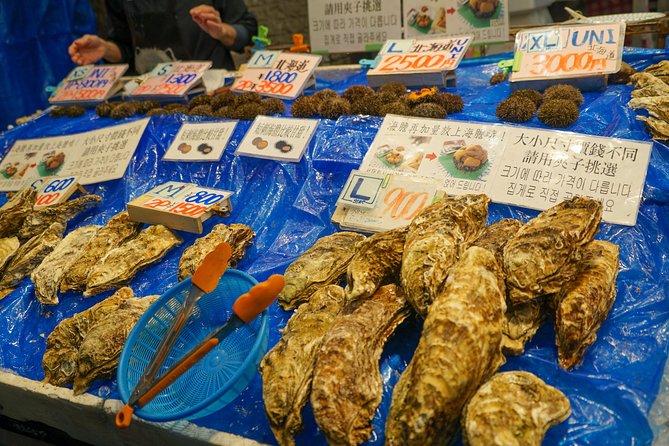
Kuromon Market is a long shopping street in Minami, the central part of Osaka. Its name comes from the black gate of Enmyoji Temple, a detail that gives the market more depth than a simple row of food stalls.
The appeal is variety. You are not confined to one restaurant or one style of cooking. You move through a market where fresh goods, prepared food, sweets, and useful everyday items sit close together. That makes it a good place to begin an Osaka stay, especially if you are not yet sure what you like.
A guide changes the experience in practical ways. You can point to something unfamiliar, ask how it is prepared, and get help ordering without guessing. You also avoid spending your short visit on random purchases that look good but do not suit your appetite.
This is especially useful in a market setting, where language can make even a simple choice feel awkward. Guides are not just there to carry you from stall to stall. The best ones, including Nina and Niko according to the feedback provided, explain local customs, answer questions, and adjust the route when they can.
More food tours in Osaka:
- Osaka: Shinsekai Food Tour with 13-15 Dishes at 5 Eateries
★ 4.8 · 2,204 reviews - Osaka Food Tour: 13 Dishes at 5 Local Eateries
★ 5.0 · 2,149 reviews - Hungry Osaka Street Food Tour:15 Tastings & 3 Drinks with a Local
★ 5.0 · 1,727 reviews
The six tastes: what you may actually eat
The tour is sold as six stops and six tastes, but the exact food selection can change. That is not a weakness by itself. Market availability, your preferences, and the guide’s choices all affect the final lineup.
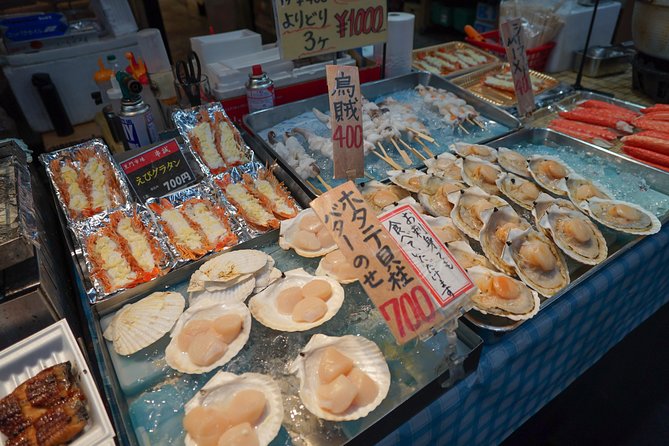
Foods named in the experience and guest feedback include takoyaki, sushi, yakitori, dumplings, oden, and sweets. Takoyaki is the obvious Osaka classic: small, hot batter balls with octopus inside. It is usually eaten carefully because the center can be much hotter than the outside.
Sushi gives the walk a fresh seafood angle, while yakitori offers a more cooked, savory bite. One particularly praised choice was mushroom yakitori, a useful reminder that you do not have to stick only to the most famous meat dishes.
Dumplings and oden bring different textures and flavors. Oden is a comforting simmered dish, and a local guide can help explain what you are choosing from the pot. The sweets provide a change of pace and keep the tasting sequence from becoming one long run of salty food.
The important point is that six tastes does not necessarily mean six full portions. This is a sampling walk, not a sit-down lunch. One unhappy participant said a 1,200-yen food budget for two people covered only two items and left them hungry. Other feedback found the amount reasonable for the price, but the difference likely came down to group size, food choices, and expectations.
I would book this expecting a guided introduction to local specialties. If you want lunch, eat something beforehand or budget for extra purchases. That small bit of planning can prevent the main disappointment associated with the experience.
A guide makes the market easier to read
Kuromon is simple to visit on your own, and that is part of the honest assessment. You can walk through the market, look at the displays, and buy food without paying for a guide.
The value here comes from conversation and judgment. A good host helps you decide what is worth trying, explains local food habits, and gets your questions answered. The feedback highlights hosts who made the experience personal rather than stiff, including Nina’s humor with children, Yuto’s care with dietary needs, and Taku’s help communicating with shop staff.
The guide can also take photos, which is handy if you are exploring alone. One solo participant especially appreciated having someone take pictures while also recommending gyoza and oden. Those small services matter more than they might sound. You can focus on eating and looking around instead of managing your phone at every stop.
The quality of the walk will depend partly on the individual host. Several guides have received strong praise, but the experience is not tied to one named person. You may be assigned Nina, Rie, Niko, Aina, Aya, Megumi, Taku, or another guide. The common strength described across the feedback is a friendly, personal approach, but the amount of explanation may vary.
If you want the most from the tour, ask questions early. Tell your host what you like, what you avoid, and what you already tried in Osaka. One useful suggestion is to walk through Kuromon before the tour, then point out shops or foods that caught your attention. That gives the guide a clear starting point.
Doguyasuji: the kitchenware street
The walk is not limited to eating. It also visits Doguyasuji, a shopping street devoted to kitchenware, tableware, and cooking equipment.
This is a welcome change of rhythm. After several tastes, you get to browse the tools that support Japan’s restaurant culture. You might find knives, dishes, cookware, and other supplies, though the exact shops and products are not specified.
Doguyasuji can be useful even if you do not plan to buy anything. It shows another side of Osaka’s food identity, one built around preparation, presentation, and professional cooking. The shop windows also make good conversation starters. Ask your guide what an item is used for, which goods are practical souvenirs, or how restaurant supplies differ from household tools.
If you are considering a knife or other sharp kitchen item, ask the shop about packing and transport before buying. The tour information does not promise shopping assistance or special shipping arrangements, so treat purchases as your own responsibility.
The market and Doguyasuji also suit different kinds of food lovers. Kuromon is about immediate taste. Doguyasuji is about the objects, skills, and presentation behind the meal. Together, they offer a fuller picture than a street-food crawl alone.
Same base, a completely different sort of day:
- Osaka Go Karting Tour with Funny Costume
★ 5.0 · 2,658 reviews - Osaka Castle: Museum and Tower Entry Ticket
★ 4.5 · 2,380 reviews - Osaka: teamLab Botanical Garden Entry Ticket
★ 4.5 · 1,710 reviews - Osaka: Tea Ceremony Experience
★ 4.9 · 1,426 reviews
Namba, Namba Grand Kagetsu, and Dotonbori
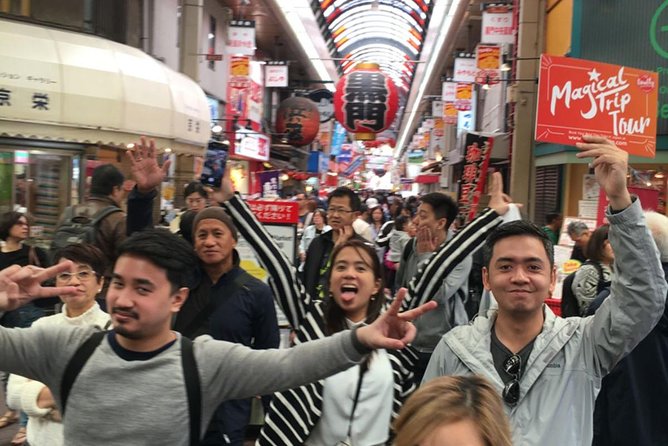
The route passes through several recognizable parts of central Osaka. You pass Namba Grand Kagetsu, a comedy theater operated by Yoshimoto Kogyo. You also pass through Namba, a major entertainment area connected to a busy interchange station and known for the Namba Parks complex, shops, and restaurants.
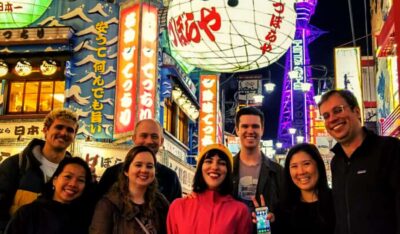
The tour then passes through Dotonbori, Osaka’s famous entertainment district. Its giant three-dimensional signs include the Glico running man and the Kani Douraku crab. These are the classic photo stops, but they are not the main event here.
That distinction matters. This is not a full Dotonbori sightseeing tour, and you should not expect long visits inside the theater, Namba Parks, or Dotonbori attractions. The route uses these districts as context and as part of the walk back toward the meeting point.
If you have already spent time in Dotonbori, Kuromon may feel more useful and less centered on signs and crowds. One person who had explored Dotonbori independently found Kuromon offered a different mood and food experience. I would agree with that planning logic: use Dotonbori for the lights and famous photos, then use Kuromon for a closer look at market eating.
Two hours is enough, but the pace matters
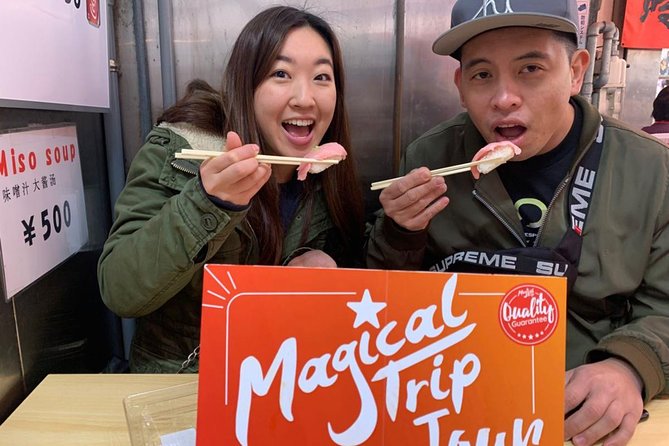
At about two hours, this is a compact tour. You get a strong first look without giving up half a day of sightseeing. That makes it easy to schedule near the beginning of your Osaka visit.
The short length also means the guide must keep moving. You will not have unlimited time at each stall, and the experience may feel quick if you want to browse every shop or pause for long explanations. The small group helps, but six tastes plus market walking and Doguyasuji is still a lot to fit into one outing.
Pace has generally been a strong point. Feedback describes guides who moved comfortably, helped with navigation, and adapted when possible. The walk can also work in poor weather because parts of the market and surrounding route offer cover. One guide kept a group moving through covered areas during torrential rain and still included small lanes and unusual shops.
Osaka’s weather deserves practical attention. Summer temperatures can reach 40°C, while winter lows can fall to -5°C. Wear shoes suitable for walking, carry water in hot weather, and dress for cold or rain. There is no need for special hiking gear, but you should not treat this as a fully indoor activity.
The meeting point is in front of the SMBC ATM at Nippon-bashi 1chome, near Kintetsu Nippon-bashi Station. Use Exit 10 from Kintetsu Nippon-bashi Station and allow extra time to find the exact spot. The tour starts on time, and arriving late can mean missing the group without a refund or rescheduling.
Is $50.41 a fair price?
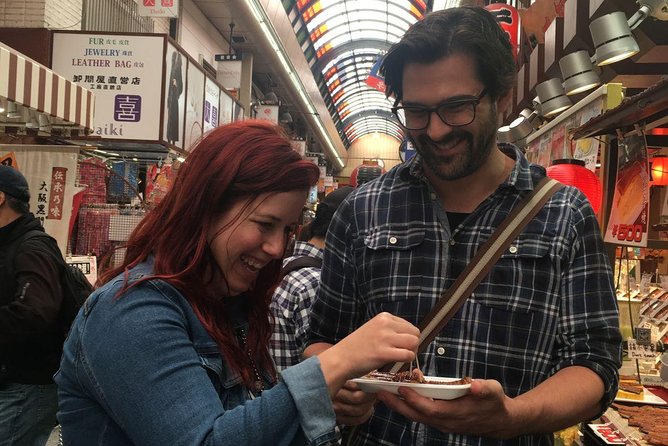
At $50.41 per person, the price is not simply paying for six cheap snacks. You are paying for a small-group guide, ordering help, cultural explanation, neighborhood orientation, and the convenience of trying several foods without planning each purchase yourself.
The value is strongest if you are new to Osaka, nervous about ordering, traveling with children, or interested in food but short on time. Families have liked the friendly pace, and one guide handled children’s questions with patience and humor. The format also suits solo visitors who want company and help with photos.
The value is weaker if you are comfortable eating independently and mainly want a large meal. Kuromon is accessible, and you can certainly buy food on your own. If you expect the included tasting to replace lunch, the price may feel high.
Food budgets appear to vary by group and selection, and the supplied details do not state a fixed menu or exact quantity for every stop. Bring cash for extras. You do not need to pay for the guide’s food or drinks, but your own additional purchases are separate.
Group discounts are available, and the tour accepts mobile tickets. Confirmation arrives when you book. Most ages can participate, and all ages are welcome, though very young children may find a crowded walking market easier in a sling than with a stroller. One family managed with an 18-month-old in a sling and recommended it for children.
Dietary needs and food allergies
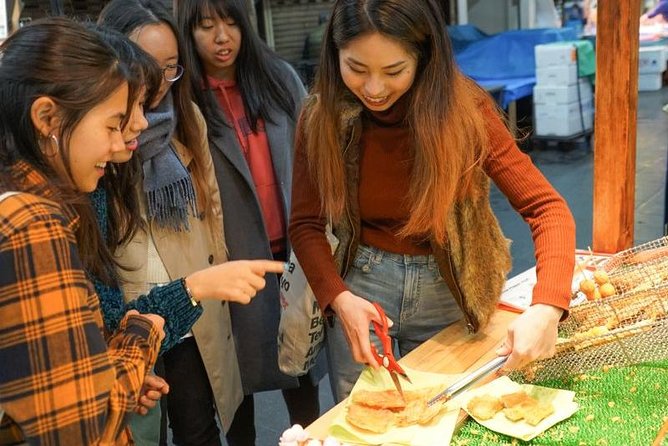
You must tell the operator about dietary requests or allergies at least one day before the tour. Requests made on the day cannot be accommodated, and the operator does not guarantee allergy-free meals or substitutions because the food comes from kitchens it does not control.
There is conflicting wording in the supplied information about gluten-free needs. One note says gluten-free requests cannot be accommodated, while another says vegetarian, vegan, and gluten-free requests may be accommodated but options can be limited. Treat this as a serious limitation and confirm directly before booking if gluten is important to your health.
Vegetarian and vegan participants should also expect fewer choices than someone eating everything. Japanese restaurants and market stalls may not be fully prepared for these diets. The guide can help identify possible options, but you should not assume that every stop will have a suitable substitute.
For allergies, tell the operator in advance and repeat the concern to your guide at the meeting point. The tour cannot promise a completely allergen-free meal.
Who will get the most from this walk?
I would recommend this tour to first-time Osaka visitors who want a friendly start to the city’s food scene. It gives you several ideas to pursue later, and the guide can point out areas worth revisiting.
It also suits families. Guides such as Nina and Aina have been praised for kindness, clear communication, and a pace that worked for children. Kids can ask questions, try small portions, and see food being sold in a real market rather than only in a formal restaurant.
Solo visitors are another good match. A guide can help with photos, ordering, and conversation, and a group of no more than seven is less awkward than a large coach outing.
You may want to skip it if you already know Kuromon well, speak Japanese comfortably, and prefer choosing every dish yourself. The market is easy enough to explore independently, and the tour will not give you unlimited time or a guaranteed full meal.
Final call: book it for guidance, not quantity
Book the Kuromon Market Food Walking Tour if you want a compact, social introduction to Osaka food with a local guide at your side. The strongest reasons are the small group, help with ordering, mix of market tastes and Doguyasuji shops, and the chance to learn about Namba beyond the usual signs.
Do not book it expecting an all-you-can-eat outing. Eat lightly beforehand, carry extra cash, and send dietary information at least a day early. If you make those expectations clear, the $50.41 price can be worthwhile, especially early in your Osaka stay when a good local recommendation can shape the rest of your meals.
Free cancellation is available up to 24 hours before the start time. After that point, the payment is not refunded and changes are not accepted.
FAQ
Where does the Kuromon Market food tour begin?
Meet in front of the SMBC ATM at Nippon-bashi 1chome near Kintetsu Nippon-bashi Station. From the station, use Exit 10.
Where does the tour finish?
The walk ends back at the original meeting point.
How long does the experience last?
The tour lasts about two hours.
How many people can join?
The maximum group size is seven people.
What food might I taste?
Possible foods include takoyaki, sushi, yakitori, dumplings, oden, and sweets. The exact selection can vary.
Is the guide’s food included?
You do not need to pay for the guide’s food or drinks. Bring cash if you want extra snacks or drinks for yourself.
Can the tour accommodate dietary restrictions?
You must report dietary requests or allergies at least one day before the tour. Vegetarian, vegan, and some gluten-free options may be limited, and allergy-free meals or substitutions are not guaranteed. The supplied information gives conflicting notes about gluten-free accommodation, so confirm before booking.
What happens if I arrive late?
The tour starts on time. If you arrive late and miss the group, you cannot join later, reschedule, or receive a refund.
More Shopping in Osaka
- Tokyo: Tsukiji Fish Market Food and Walking tour
★ 5.0 · 1,724 reviews - Tokyo: Tsukiji Fish Market Guided Walking Tour
★ 4.9 · 1,397 reviews - Nishiki Market Brunch Walking Tour (7 Tastings + Brunch)
★ 5.0 · 1,355 reviews - Tsukiji Fish Market Guided Tour and Sushi Making with Pro Chef
★ 5.0 · 775 reviews
More Markets in Osaka
- Osaka: Kuromon Market Food Walking Tour (6 stops, 6 tastes)
★ 4.6 · 272 reviews - Osaka: Cooking Class & Sake Tasting with Local Market Visit
★ 4.8 · 31 reviews - Osaka: Food Tour Kuromon Market & Dotonbori with Guide
★ 4.5 · 15 reviews - Tokyo Tsukiji Fish Market Food and Culture Walking Tour
★ 5.0 · 3,184 reviews
Just added around Osaka
- Discover Real Osaka: A Cultural Walk with Food & Drink★ 5.0 · 13 reviews
- From Osaka/Kyoto: Kyoto & Nara Day Trip with Optional Lunch★ 4.5 · 79 reviews
- Osaka 6hr Private Walking Tour with Government Licensed Guide★ 5.0 · 174 reviews
- Private Airport transfer Kansai Intl. Airport(KIX) to OSAKA CITY★ 4.5 · 12 reviews
- Osaka: Namba Local Food Walking Tour (Taste 15 Dishes)★ 5.0 · 20 reviews
- Osaka Delights: Traditional Japanese Food Tour★ 4.5 · 33 reviews
- Badminton in Osaka & Kyoto with Locals!★ 5.0 · 15 reviews
- From Osaka or Kyoto: Kyoto and Nara 1-Day Bus Tour★ 3.5 · 141 reviews
Osaka Tours, compared.

Shinsekai Food Tour with 13-15 Dishes at 5 Eateries
Read our review →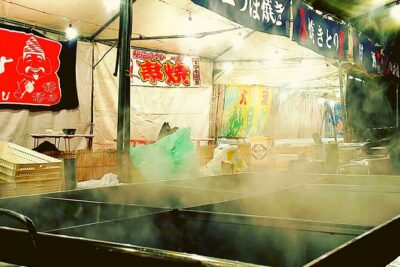
Osaka Food Tour: 13 Dishes at 5 Local Eateries
Read our review →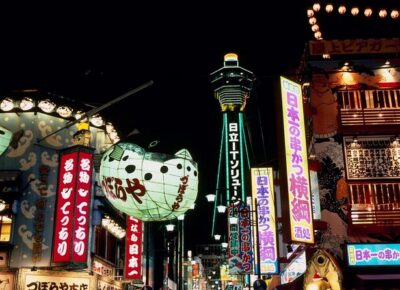
Hungry Osaka Street Food Tour:15 Tastings & 3 Drinks with a Local
Read our review →
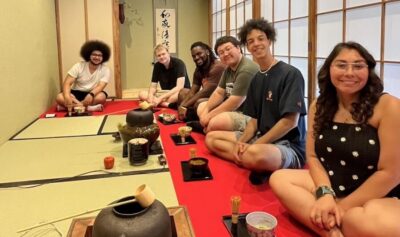
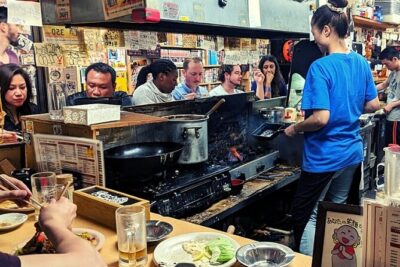
Hotspots & Hidden Gems Walking Tour Private or Group
Read our review →Browse the lists this tour appears in