
Reviewed · KYOTO TOURS
Kyoto Custom Private Walking Tour with A Guide (Private Tour)
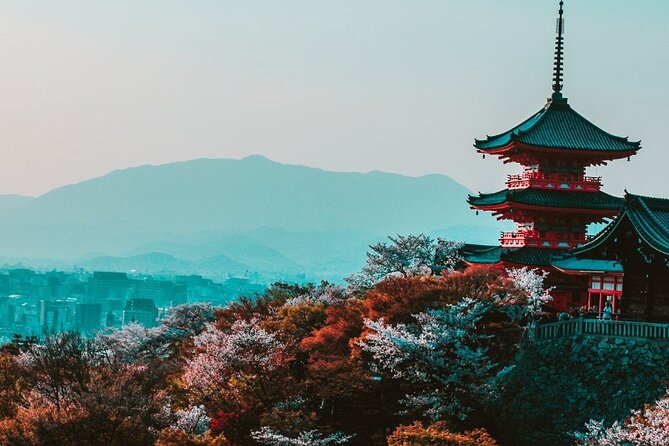
Kyoto’s best feature is also its challenge: there is far too much to see in one visit. This private custom walking tour helps you choose a sensible route, with a local guide adjusting the day to your interests, pace, and group needs. You might focus on Gion, temples, shrines, markets, museums, or quieter streets.
I like the personal itinerary, arranged after your guide contacts you, and the chance to get practical help beyond sightseeing. Guides such as Kokoro, Ian, Emma, and Qianyu have helped visitors find calmer temple areas, plan later days, and handle train connections. The main caution is consistency: some guides have been excellent, while a few lacked historical knowledge, arrived late, or communicated poorly.
Key points to know before booking
- Your route is built around your interests: Tell the guide in advance whether you care most about temples, food, markets, museums, local life, or photography.
- You get a private guide for your own group: There is no joining a larger public tour, and the guide can adjust the pace for families or a member with limited mobility.
- Popular areas can be combined with quieter stops: Past routes have included Gion, Maruyama Park, Nishiki Market, small streets, temples, and shrines.
- The guide can help with later plans: Some guides have suggested restaurants, bars, shopping areas, and self-guided stops for the rest of a Kyoto stay.
- The price is for guiding, not admission: At $53.15 per person, the cost is reasonable for a private introduction, but attraction tickets, food, drinks, and local transport are extra.
- Guide quality matters: Strong guides have included Kokoro, Ian, Emma, Qianyu, Keiko, Andy, and Paul, but the service record is not perfectly even.
Why a custom Kyoto walk can make sense
Kyoto is easy to admire and surprisingly easy to mishandle. One temple may be across town from the next, a famous district may be packed at the wrong hour, and a short map distance can become a tiring walk when you add crowds, hills, and photo stops.
This tour gives you a person to help make those choices. Before the outing, the guide contacts you to ask about your interests and preferences. That simple step matters. A couple seeking traditional streets needs a different day from a family with six children, and a visitor interested in Buddhism may want more explanation than someone mainly looking for food and atmosphere.
The tour is private, so the day belongs to you and your group. You can ask questions as they come up, pause when you like, and change direction more easily than on a fixed group outing. The guide may also point out places you would not have selected from a standard list of major sights.
The experience is best understood as an introduction to Kyoto, not a ticketed monument tour. You primarily explore the exterior of temples, shrines, historic areas, markets, and museums. If you want to enter a museum or another attraction, tell the company ahead of time. The team can help arrange tickets, but admission is not included.
More walking tours in Kyoto:
- Kyoto Geisha Walking Tour: Gion District & Hidden Gems
★ 4.7 · 3,273 reviews - Kyoto: Gion Magical Night Walking Tour with Geisha Trivia
★ 4.9 · 2,393 reviews - Kyoto: Gion Geisha District Walking Tour – Stories of Geisha
★ 4.7 · 2,187 reviews
Shaping the route before you arrive
The strongest part of this experience happens before the walking begins. You should be clear about what you want, because customized does not mean that every possible Kyoto sight will fit into one afternoon.
Tell the guide if this is your first time in the city. Also mention your preferred walking speed, food interests, children’s ages, mobility concerns, and any places already on your list. If you want a museum visit, say so early. The same applies to a particular temple, market, religious tradition, shopping area, or neighborhood.
Past itineraries have included Gion, Maruyama Park, nearby streets, temples, shrines, and Nishiki Market. Other guides have taken people along less visited routes and quieter temple grounds. Paul was especially praised for using back streets, while Ian was valued for taking groups to calmer places away from the main crowds.
That range is useful, but it also means you should not book this expecting one fixed sightseeing program. The exact route depends on your guide, your timing, and the interests you share in advance.
Gion, Maruyama Park, and Kyoto’s old streets
Gion is a natural starting point for a first look at traditional Kyoto. Its lanes and older buildings give you a sense of the city’s historic character, while nearby Maruyama Park provides a change of pace.
A guide can help you notice more than the surface details. You can ask about local customs, the difference between shrines and temples, Japanese language, religious practice, and how modern residents use these older districts. Emma, for example, was praised for explaining Japanese culture, history, and language while also suggesting places to eat and shop later.
The drawback is that Gion can become crowded, especially around well-known streets. A private guide cannot remove the crowds, but can adjust the route, use side streets, or spend more time in a nearby area. Ask directly for a quieter walk if that matters to you.
Maruyama Park and the streets around it also make sense for groups that want breaks between major sights. You are not locked into a rapid checklist. The guide can slow down, answer questions, and adapt the walk to the people in your group.
Temples, shrines, and the value of explanation
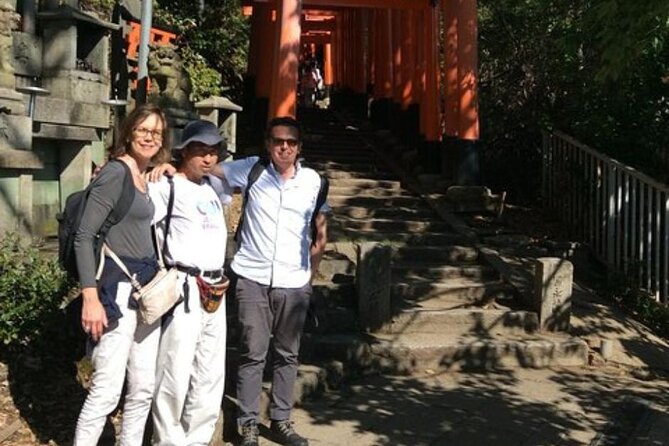
Kyoto has no shortage of beautiful religious sites. The harder part is understanding what you are seeing. A guide can explain the basic differences between Shinto shrines and Buddhist temples, point out customs, and connect the buildings to everyday life.
This is where guide quality makes the largest difference. Francisco received especially strong praise for his understanding of Buddhism and for offering thoughtful answers. Kokoro was repeatedly described as passionate about Kyoto, full of useful facts, and good at adding unexpected stops. Other strong guides included Keiko, Andy, Ian, and Qianyu.
You should also know the risk. Some guides have given weak or inaccurate explanations of Japanese history, religion, and local culture. One guide relied heavily on Google Maps and could identify places without explaining why they mattered. If cultural detail is your main reason for booking, ask for a guide with strong historical or religious knowledge when you communicate before the tour.
The most useful approach is to treat your guide as a conversation partner, not only a person leading you from one pin on a map to another. Prepare a few questions. Ask what a ritual means, how a site is used today, or what local practice you should observe. A good guide can turn a pretty building into a place you understand.
A few more Kyoto half-days to weigh up
- PERFECT KYOTO 1-Day Bus Tour
★ 5.0 · 13,518 reviews - Kyoto: Fushimi Inari, Kinkakuji, Bamboo Grove 1 Day Bus Tour
★ 4.8 · 4,316 reviews - Kyoto: Tea Ceremony in a Traditional Tea House in Kiyomizu
★ 4.9 · 3,519 reviews - Kyoto: Tea Ceremony Ju-An at Jotokuji Temple
★ 4.9 · 3,207 reviews
Nishiki Market and local food suggestions
Several routes have ended at Nishiki Market, which is a practical choice. A market gives you a look at food, shopping, and daily life, and it can be a more relaxed finish than another large monument.
Food and drinks are not included, so budget separately if you want to stop for lunch, snacks, or an evening meal. One six-hour outing raised the issue of meal timing, with the guide apparently reluctant to pause for lunch. That is a useful warning: confirm before starting whether you want a food break included in the walking plan.
The guide may also suggest restaurants, vegetarian options, bars, and shopping places for later. Emma helped with vegetarian restaurant ideas, and another guide included local food and drinks during an evening outing. These recommendations can be one of the better practical benefits of a private tour, particularly on your first night.
Do not assume every food stop is part of the booking. Ask what you want, and remember that you pay for anything you order.
Museums and optional indoor visits
The tour can be adjusted to include a museum, but this needs advance planning. The guide can help your group book tickets for desired visits, while the ticket cost remains separate.
This is a good option if you want more than exterior views. A museum can provide context on art, religion, crafts, or local history, especially on rainy days. Still, adding indoor visits changes the rhythm of the tour. A museum stop uses time that could otherwise go to streets, markets, parks, or temples.
Because the advertised duration ranges from two to eight hours, discuss the balance before the day begins. A two-hour walk may work well as a first orientation. A six-hour outing gives you room for several neighborhoods, a market, food, and a longer conversation. An eight-hour day can cover more, but it will require sensible pacing and breaks.
Guides who can shape the day well
The guide is the product here. The company assigns the person, but the supplied information includes several names associated with strong experiences.
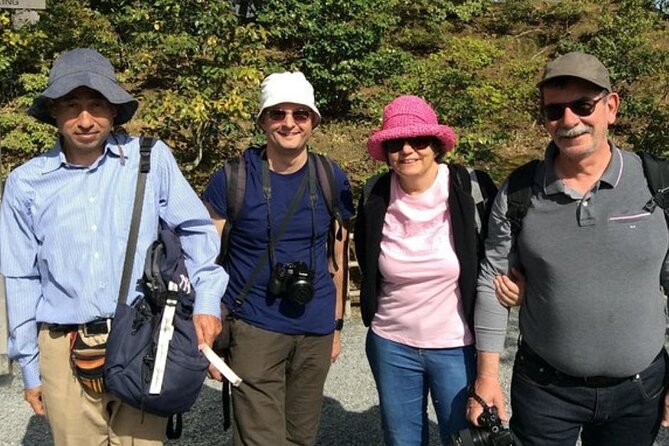
Kokoro was praised for being friendly, flexible, considerate, and full of useful information. He was also described as passionate about Kyoto and good at finding less obvious places. Ian was valued for a calm, flexible approach and for taking groups to peaceful temple areas. Qianyu planned around family needs and helped one group with limited mobility.
Emma combined cultural explanations with suggestions for restaurants, bars, and later sightseeing. Keiko was noted for communication and planning. Andy was described as patient and happy to answer questions, while Paul was praised for knowing back routes. Bamah handled a large family group with ten people, including six children, and balanced the group’s sightseeing wishes with the children’s needs.
These examples show what the tour can be at its best: part orientation, part history lesson, and part practical help for the rest of your stay.
The less positive experiences are important too. Problems included late arrival, unclear pickup communication, a guide walking too fast, poor English comprehension, weak cultural explanations, and even a confirmed booking where no guide appeared. The company offered refunds in cancellation cases and invited dissatisfied customers to contact its support team, but a missed appointment can still spoil a limited holiday day.
For that reason, confirm the meeting point and starting time before the day. If you need a particular pace or subject focus, repeat it clearly.
Timing, transport, and physical effort
This is a walking tour. Local and public transport are not included, and car transportation is not part of the experience. If your chosen route crosses a large part of Kyoto, you may need to pay for trains or buses separately.
Pickup is offered from accommodation located in the city. Clarify the exact hotel or meeting point, since one poor experience involved confusion between a hotel and Kyoto Station. A short message confirming the location can prevent an avoidable delay.
The tour lasts approximately two to eight hours. That broad range is useful, but you need to choose the length honestly. A two-hour introduction suits a tight schedule or a first evening. A four-hour outing offers a fuller neighborhood walk. Six hours can cover several areas, though you should ask for a meal break. An eight-hour booking is a full day on foot and should include rest periods.
Most people can participate, and service animals are allowed. Families have used the private format successfully, including a group with children and another with a member who had limited mobility. This is not a promise of a fully accessible route, so explain mobility needs in advance and ask the guide to avoid difficult stretches where possible.
Is $53.15 per person good value?
At $53.15 per person, the price is attractive for a private guide, especially if you are traveling with several people and can share the cost. You are paying for planning, guiding, local orientation, and the ability to shape the day around your group rather than following a fixed route.
The value is strongest on a first Kyoto visit. A good guide can help you understand where you are, avoid wasting time between districts, suggest later stops, and answer the questions that a map cannot. Help with train connections can also be useful, as one guide assisted a group returning to Tokyo.
The price does not include attraction tickets, food, drinks, tips, or local transport. Add those costs before comparing this with a public walking tour or self-guided day. If you already know Kyoto well and mainly want a list of major sites, you may get more from planning your own route.
The rating provided for the experience is 4.5 out of 5 from 78 ratings, but the individual experiences show a wide range. I would see the price as good value when the guide is a strong match, not as a guarantee of expert historical instruction.
Who should book this private walk?
I would consider it for first-time visitors who want help getting oriented without surrendering control of the day. It also fits couples, solo visitors, families, and groups with mixed interests.
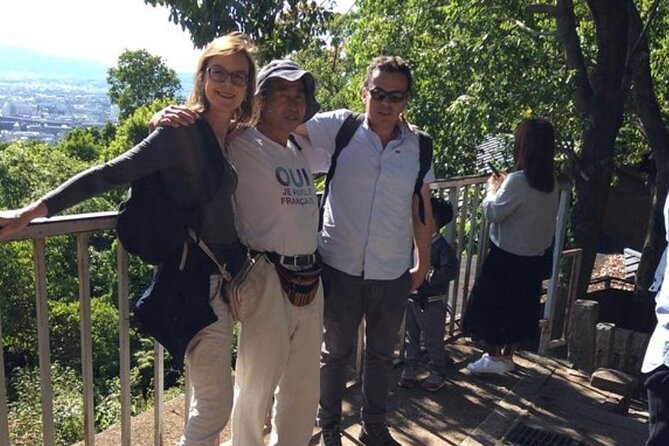
Families may benefit most from the private format. The guide can adjust the pace, choose shorter sections, and balance children’s needs with the adults’ wish to see temples and markets. A group of ten has used this type of planning successfully.
It is also useful if you want local suggestions for the next several days. Ask the guide to finish with a short plan for your remaining time in Kyoto. That can turn a single walk into a practical introduction to the whole city.
I would be more cautious if your top priority is formal academic history. The service includes some excellent cultural guides, but the quality is uneven. Ask in advance for someone strong in Japanese history, Buddhism, or religious architecture, depending on your interests.
Free cancellation is available up to 24 hours before the start time. Within 24 hours, the amount paid is not refunded, and changes are not accepted. If poor weather cancels the tour, you are offered another date or a full refund.
Final verdict: a useful introduction with one important caveat
I like the idea of this tour because Kyoto rewards thoughtful choices more than frantic sightseeing. A private guide can connect Gion, temples, markets, and quieter streets in a way that suits your group, then help you plan the rest of your stay.
Book it if you value flexibility, personal questions, local food advice, and a gentle introduction to Kyoto. Before paying, make your interests and mobility needs clear, confirm the pickup point, and ask for a guide with strong cultural knowledge. If the company cannot give you confidence about the guide or cannot meet your schedule, a public tour or self-guided plan may be safer.
The tour has real potential, and several guides have made it memorable. Just remember that you are booking a flexible person-to-person service, not a fixed professional lecture.
FAQ
How long does the Kyoto private walking tour last?
The tour lasts approximately 2 to 8 hours. You should choose the length based on how many areas you want to visit and how much walking your group can comfortably manage.
Is this a private tour?
Yes. Only your group participates, so the itinerary and pace can be adjusted to your interests and needs.
Can the guide customize the itinerary?
Yes. The guide contacts you before the tour to learn about your interests and preferences. You can discuss temples, shrines, markets, museums, local life, or other priorities.
Is hotel pickup available?
Pickup is offered from accommodation located within the city. Confirm the exact accommodation or meeting point before the tour.
Are attraction tickets included?
No. Tickets to attractions are optional and not included in the price. The team can help your group book tickets for planned visits.
Is food or drink included?
No. Food and drinks are not included. You may arrange a meal or market stop with your guide, but you pay for anything you purchase.
Is transportation included?
No. This is a walking tour, and local or public transportation is not included. Car transportation is also not part of the experience.
Can families and people with limited mobility participate?
Most people can participate, and families have used the tour successfully. Service animals are allowed. If someone in your group has limited mobility, explain the need before the route is finalized.
What is the cancellation policy?
You can cancel at least 24 hours before the start time for a full refund. Cancellations or changes made less than 24 hours before the start time are not refunded or accepted. If poor weather causes the company to cancel, you are offered another date or a full refund.
Just added around Kyoto
- Kyoto: Zen Meditation at a Private Temple with a Monk★ 5.0 · 25 reviews
- Kyoto: Gion Geisha District & Sake-in-Hand Walking Tour★ 5.0 · 37 reviews
- Private Pewter Sake Cup Experience with a Kyoto Artisan★ 5.0 · 31 reviews
- Your Private Vacation Photography Session In Kyoto★ 5.0 · 110 reviews
- Private Guided Traditional Buddhist Cooking in Japan★ 5.0 · 16 reviews
- Kyoto Wagashi(Japanese sweets) Cooking Class near Fushimiinari★ 5.0 · 60 reviews
- Traditional Japanese Music show & Experience Tour in Kyoto★ 5.0 · 57 reviews
- Kyoto:Family-Friendly Kimono & Yukata Experience at WARGO★ 5.0 · 147 reviews
Kyoto Tours, compared.


Fushimi Inari, Kinkakuji, Bamboo Grove 1 Day Bus Tour
Read our review →
Tea Ceremony in a Traditional Tea House in Kiyomizu
Read our review →
Kyoto Geisha Walking Tour: Gion District & Hidden Gems
Read our review →

Gion Magical Night Walking Tour with Geisha Trivia
Read our review →

Gion Geisha District Walking Tour – Stories of Geisha
Read our review →Browse the lists this tour appears in