Reviewed · KYOTO TOURS
Kyoto: Hop-on Hop-off Sightseeing Bus Ticket
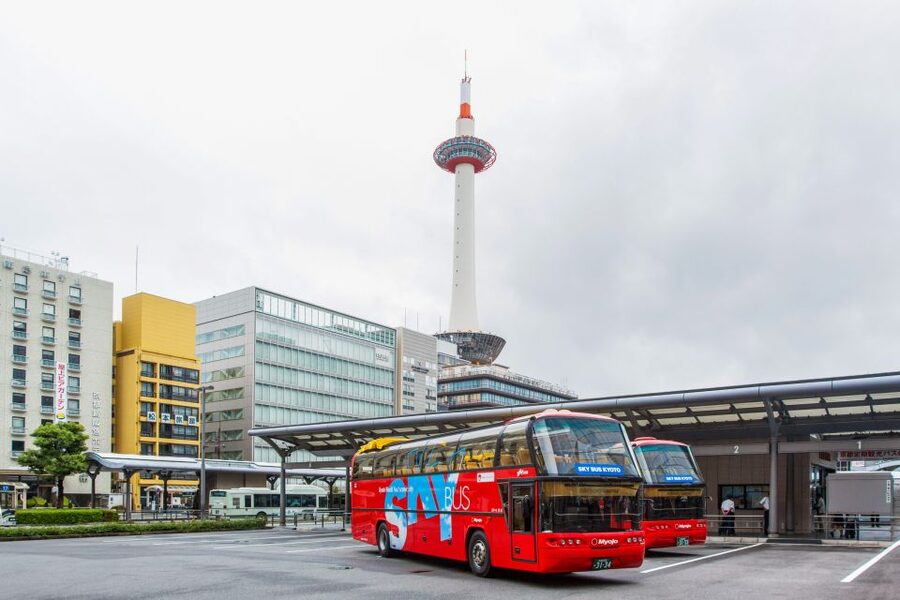
Kyoto’s temples and old districts are spread across the city, and this bus gives you a simple way to connect them without wrestling with unfamiliar train stations or crowded city buses. I especially like the freedom to hop off when a temple deserves more time, then continue with the same ticket. The open top also gives you a useful first look at Kyoto’s streets and hills.
Two things make this a good first-day choice: the stops are close to major sights, and the staff can help with directions. Attendants such as Miyuki, Casey, and Lauren have been singled out for clear advice and friendly service. The main catch is timing. Buses can be spaced far apart, with waits of up to about 45 minutes, and heavy traffic can eat into a tightly planned day.
Key points to know before boarding
- Kyoto Station is the easiest starting point: Find the stop in front of Isetan at the north central exit.
- The route links major temples and districts: You can reach Nijo Castle, Kinkakuji, Ginkakuji, Gion, Kiyomizu-dera, and Nishiki-ichiba Market.
- The two-day ticket is the calmer choice: One day works for an overview, but two days gives you time to visit the sights instead of only passing them.
- Audio is offered in seven languages: English, French, Japanese, Korean, Chinese, Spanish, and German are available.
- Bring sun and rain protection: The upper deck is open to direct sunlight, while raincoats are provided in wet weather.
- Admission is separate: Your ticket covers the bus and audio commentary, not temple, shrine, castle, food, or drink costs.
Why this bus works well in Kyoto
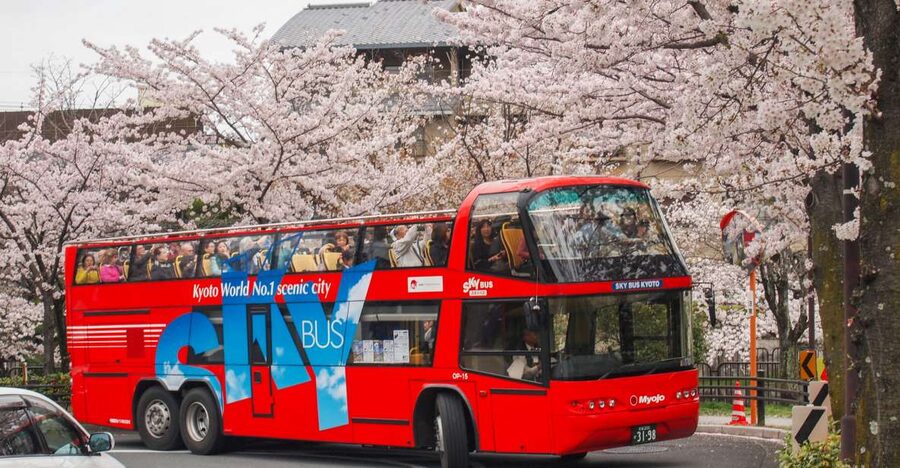
Kyoto is not a compact sightseers’ city. Kyoto Station is south of the central shopping streets, Nijo Castle is west of the Imperial Palace, Kinkakuji is farther northwest, and Ginkakuji sits on the eastern side near the Philosopher’s Path. Gion and Kiyomizu-dera are southeast of the center.
That spread makes a hop-on hop-off bus useful in a very practical way. You can ride a full circuit first, get your bearings, and decide which stops deserve your time. One full loop takes about 45 minutes, according to the operating information provided by passengers, so the first ride can work as a quick city orientation.
I would not treat this as a substitute for walking. Kyoto’s best moments happen beyond the bus stop, along temple approaches, quiet lanes, gardens, and market arcades. Think of the bus as your moving base, not as the main attraction.
The $27 price is strong if you use the pass several times in a day. A single ride between distant areas may not justify it, but a day that includes Kyoto Station, Kinkakuji, Ginkakuji, and Gion can make the cost worthwhile. The two-day option is even easier to justify if you want to visit rather than simply photograph several sites.
A few more Kyoto half-days to weigh up
- PERFECT KYOTO 1-Day Bus Tour
★ 5.0 · 13,518 reviews - Kyoto: Fushimi Inari, Kinkakuji, Bamboo Grove 1 Day Bus Tour
★ 4.8 · 4,316 reviews - Kyoto: Tea Ceremony in a Traditional Tea House in Kiyomizu
★ 4.9 · 3,519 reviews
Starting at Kyoto Station and getting your bearings
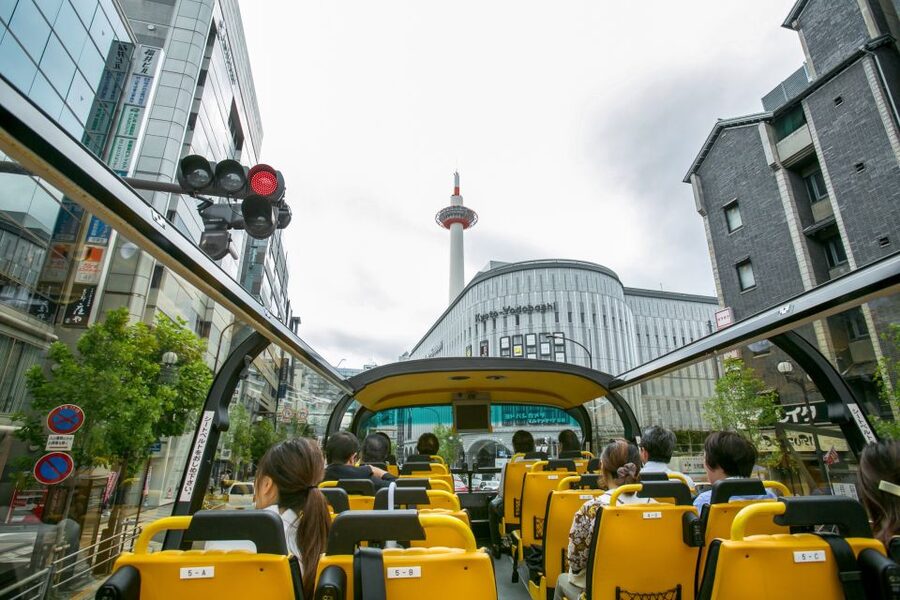
The first stop is at Kyoto Station. Leave through the north central exit and look for the sightseeing bus stop directly in front of the Isetan department store. This is the clearest place to begin because the station is a major transport hub and has shops, restaurants, and toilets if you need to organize yourself before setting out.
Show your mobile voucher when boarding. You can also join at any other stop along the route, which is helpful if the bus is not part of your morning plan.
I like starting here even if your hotel is elsewhere. The opening ride gives you a sense of how far apart Kyoto’s sights really are. It also helps you understand the route before committing to a stop.
The bus offers open-top seating, including a covered area upstairs, though conditions change with the weather. In strong sun, the upper deck can become hot. In cold weather, it can feel chilly, and in rain you may prefer the lower deck. Raincoats are provided when conditions are wet, but umbrellas are not allowed on board.
Nishihonganji and the west side of central Kyoto
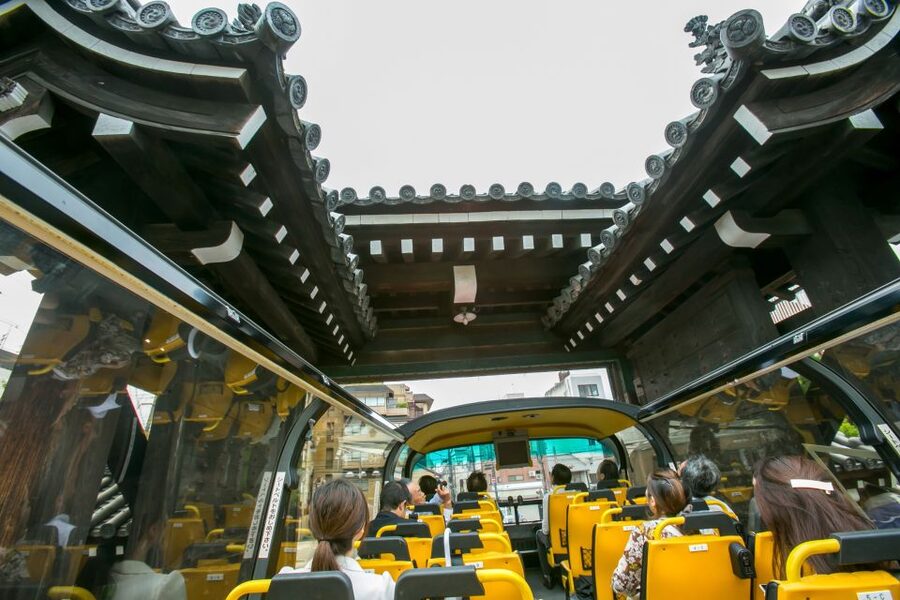
The Nishihonganji stop is by the Kyoto Tokyu Hotel. Nishihonganji is one of Kyoto’s major Buddhist temple complexes, known for broad wooden halls and a strong sense of scale. It is a useful stop if you want a substantial temple visit close to the station area without immediately heading to the more distant eastern or northern sights.
This stop also gives you a different feel from the famous photo stops. The setting is less about a single iconic image and more about large religious buildings, open space, and Kyoto’s continuing role as a center of Buddhist practice.
Afterward, you can rejoin the bus with the same pass. Allow enough time for the next departure. The service is usually described as orderly and punctual, but that does not mean another bus will appear right away if you miss one.
Nishiki-ichiba Market, Shijo, and city-center shopping
The Shijo Karasuma and Nishiki-ichiba Market stop is one of the most useful for combining sightseeing with food and shopping. Nishiki Market runs through a narrow covered arcade packed with food stalls and small shops. Nearby Teramachi-dori and the Kawaramachi area add more shopping streets and restaurants.
This is a good place to get off for lunch, but remember that food is not allowed on the bus. Only soft drinks with lids, such as plastic bottles or lidded coffee, may be carried aboard.
The city-center stop is also where some people transfer between the two service lines described by passengers as the red and blue routes. Pay close attention to the route signs and timetable because confusion between the lines can cost you time. The app or printed information should make the distinction clear before you board.
I would allow more time here than you might expect. The market itself is not a quick photo stop, and the surrounding streets reward a slow wander. If you are trying to visit several temples in one day, this is a stop to keep short. If you want a taste of ordinary Kyoto shopping, give it room.
Same base, a completely different sort of day:
- Kyoto Geisha Walking Tour: Gion District & Hidden Gems
★ 4.7 · 3,273 reviews - Kyoto: Tea Ceremony Ju-An at Jotokuji Temple
★ 4.9 · 3,207 reviews - Kyoto: Gion Magical Night Walking Tour with Geisha Trivia
★ 4.9 · 2,393 reviews - Kyoto: 45-Minute Tea Ceremony Lesson Experience
★ 4.3 · 2,378 reviews
Nijo Castle and Kyoto Imperial Palace
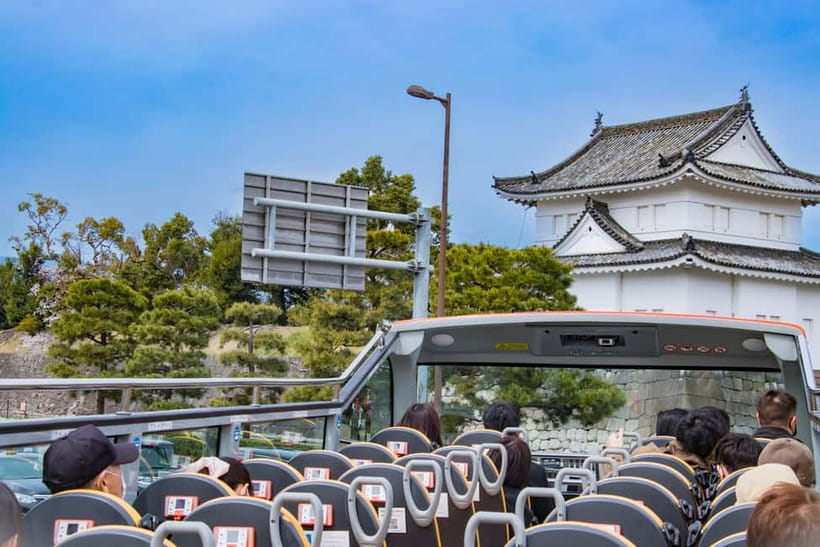
The Nijo-jo Castle stop puts you near one of Kyoto’s most approachable historic sights. Nijo Castle is known for its grand gates, decorated interiors, and famous nightingale floors, which make a soft chirping sound underfoot. The castle is one of the clearest places to understand the power of the shoguns in Kyoto.
Allow proper visiting time here. The bus only gets you close to the entrance, and the admission fee is separate. Trying to squeeze the castle into a short gap between buses can leave you rushing through its grounds.
The Kyoto Imperial Palace stop is near Doshisha University. The palace complex offers a different view of Kyoto’s past, with broad grounds and imperial associations rather than the fortified design of Nijo Castle. The area is also useful if you want a break from tight shopping streets.
These two stops are geographically close enough to compare, but they are not interchangeable. Nijo Castle feels more theatrical and controlled. The Imperial Palace area is more open and spacious. Choose based on your interests, or use the two-day pass to visit both without crowding them into one afternoon.
Kitano-Tenmangu and Kinkakuji
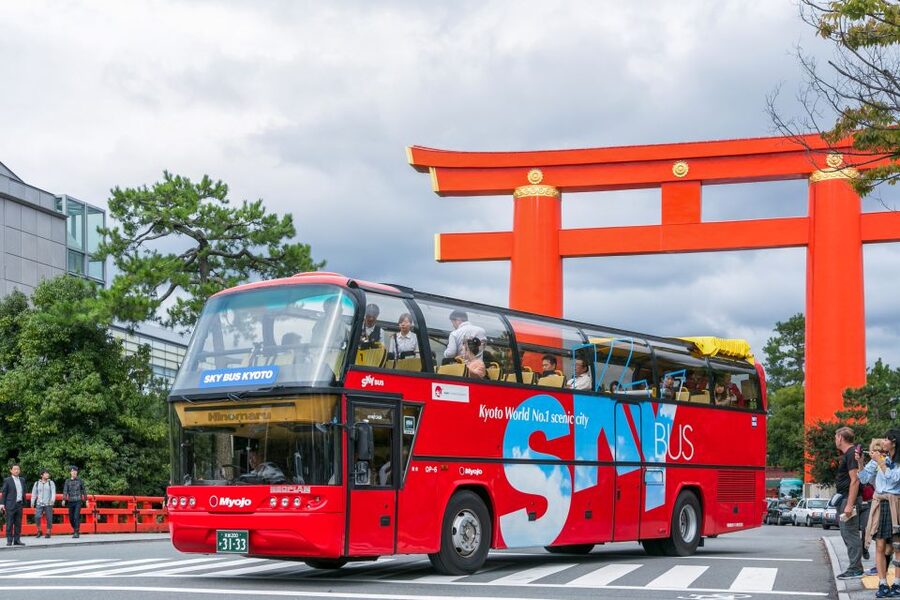
The Kitano-Tenmangu Shrine and Kamishichiken stop combines a major shrine with one of Kyoto’s traditional geisha districts. Kitano-Tenmangu is dedicated to Tenjin, the deity associated with scholarship, and has a lively religious atmosphere. Kamishichiken, meanwhile, is one of Kyoto’s historic entertainment districts, with traditional architecture and a quieter feel than central Gion.
From here, continue to Kinkakuji, the Golden Pavilion. This is the stop most people will have in mind when they buy the pass, and the bus makes it easier to reach than piecing together several unfamiliar connections.
The pavilion is striking, but keep your expectations practical. The route brings you near the site, not into it, and admission is not included. The grounds can be crowded, especially during popular seasons. If you plan to go, carry cash because the entrance has been specifically noted as cash-only, with no ATM on site.
Kinkakuji is usually best treated as a focused visit rather than a quick stop between other major temples. The route continues to Daitokuji, but I would not force both into a rushed morning. The northern part of Kyoto contains several places that look close on a map yet take time to visit properly.
Daitokuji and the quieter northern stretch
Daitokuji Temple offers a calmer counterpoint to Kinkakuji’s fame. It is a large Zen temple complex with multiple subtemples, though access to individual areas can vary. The stop is valuable for anyone who wants a less concentrated crowd and a more measured temple experience.
Do not assume that every part of the complex can be covered with one quick walk. The bus stop is a starting point, and the surroundings invite you to slow down. Check opening details for the specific subtemple you want to see if it is a priority.
This is one reason the two-day ticket makes sense. On day one, you can identify the northern stops that interest you. On day two, you can return with enough time to visit without watching the clock.
Ginkakuji and Kyoto’s eastern temples
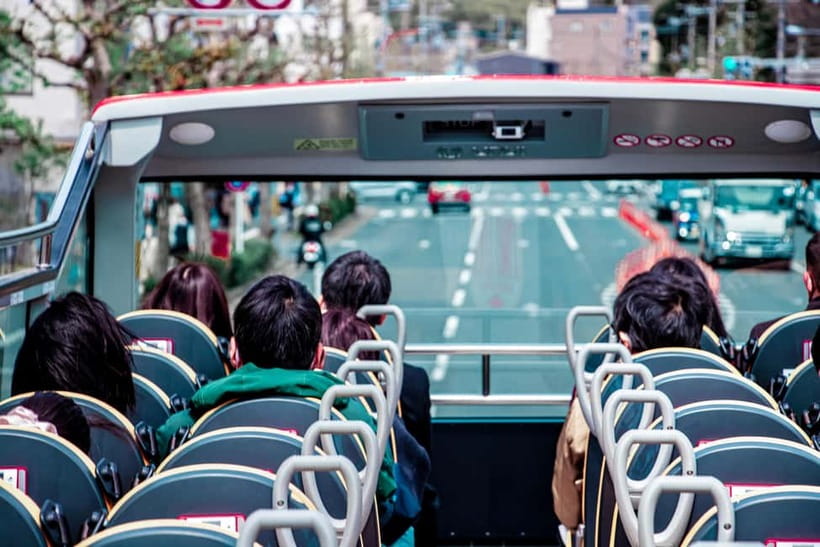
The Kyoto Imperial Palace route continues toward Ginkakuji, the Silver Pavilion. Despite its name, the pavilion is not covered in silver. Its appeal comes from the restrained design, garden, and hillside setting, not from flashy decoration.
Ginkakuji is especially useful for visitors who want more than the standard Golden Pavilion itinerary. It is also a gateway to the Philosopher’s Path, although the bus ticket itself does not include a walking tour or any entrance fee.
The stop can be one of the day’s best choices, but it requires time. The temple grounds and nearby walking routes are not something I would pair casually with several far-flung sights. If Ginkakuji matters to you, plan it as a main stop.
The audio commentary helps with basic context, but it is not a full guided visit. Some narration can be cut short as the bus approaches a stop, then shift to a directional announcement. Use it for orientation and small facts, then let the site itself do the rest.
Heian-jingu, Okazaki Park, and the route toward Gion
The Heian-jingu Shrine and Okazaki Park stop brings you into an area associated with museums, cultural buildings, and one of Kyoto’s most recognizable shrine gates. Heian-jingu is a comparatively modern shrine by Kyoto standards, built to honor the city’s imperial past, and its wide approach feels very different from the tight lanes around Gion.
Okazaki Park is a practical stop if you want to combine the shrine with nearby cultural attractions. Entrance fees and schedules vary by site, so keep your plans flexible.
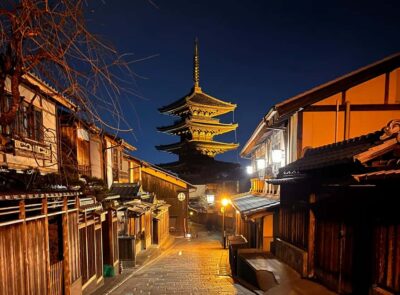
The route then reaches Gion near Kotowa-Kyoto Yasaka. Gion is Kyoto’s best-known traditional district, with wooden facades, narrow streets, teahouses, and access to Yasaka Shrine. It is most enjoyable when you walk quietly and respect private entrances and residential spaces.
Gion is also a good late-afternoon or early-evening area, but bus timing matters. Do not assume the next bus will arrive within a few minutes. If you are done sightseeing, you can also continue on foot toward nearby streets and return to the bus later from another stop.
Gojozaka for Kiyomizu-dera
The Gojozaka stop serves Kiyomizu-dera and the Gion area. Kiyomizu-dera is reached by an uphill approach through streets lined with shops and food stalls. The stop is close enough to be convenient, but you still need to walk uphill, and the temple grounds themselves are extensive.
This is another place where a short stop rarely feels sufficient. Kiyomizu-dera offers famous views, large wooden structures, and several different areas to explore. The approach is part of the experience, so allow more time than the simple bus map might suggest.
The stop is also near Sanjusangendo and the Kyoto National Museum via the Hyatt Regency Kyoto stop. Sanjusangendo is known for its long hall and rows of Buddhist statues, while the National Museum offers a more formal art and history visit. These are strong options if you want to balance temple architecture with indoor cultural sights.
How to use one day without rushing
A one-day ticket works best when you choose two or three major stops, not when you try to collect every attraction. A sensible plan might begin at Kyoto Station, continue to Kinkakuji, then move toward Ginkakuji or Gion. Another day could focus on Nijo Castle, Nishiki Market, and Kiyomizu-dera.
You can also ride the full circuit first. That approach is useful if you arrive without a firm plan, since it shows you the city’s shape and helps you decide where to return.
Keep the bus intervals in mind. At some periods, including late morning, waits may reach roughly 45 minutes. Traffic can also affect the schedule, even though the service is often punctual and attendants work hard to keep boarding clear.
Why I prefer the two-day option
The two-day pass is the better buy for most first visits if your schedule allows it. Kyoto’s main sights are not quick roadside attractions. Kinkakuji, Nijo Castle, Ginkakuji, and Kiyomizu-dera each deserve real time, and forcing them into a single day turns the bus into a race against the timetable.
Use the first day to get your bearings and visit one or two priorities. Use the second day for the stops you skipped, a longer market visit, or a return to the area you liked best.
The ticket is valid for one or two days, depending on the option you choose, with unlimited rides during that period. A three-day option is not listed, so if you have more time, use the bus for the first two days and switch to other transport or walking afterward.
Audio, staff, comfort, and weather
Audio commentary is available in English, French, Japanese, Korean, Chinese, Spanish, and German. It gives you useful background while you ride, but I would not expect detailed explanations of every temple. The narration can be interrupted by stop announcements, and the balance between music and spoken information has not always been ideal.
The human help is a real advantage. Staff members such as Miyuki, Casey, Lauren, and Frederick have been praised for answering questions, explaining local sights, and helping people find nearby shops or facilities. That matters in Kyoto, where a small direction mistake can lead to a long detour.
The bus is clean and comfortable, with upper-deck views and some covered seating. Wi-Fi is listed as temporarily suspended, so do not count on it for maps or messages. Download what you need before boarding.
Open-top sightseeing is pleasant in mild weather, but Kyoto can be very hot, cold, or wet. Wear sunscreen and bring a hat in sunny weather. In rain, use the provided raincoat. Smoking, alcohol, food, umbrellas, and selfie sticks are not allowed. Children aged five and under ride free when sitting on the lap of a ticketed adult, with one child per paying adult.
The lower deck may suit you better if you need shelter, though one recent suggestion called for more lower-deck seats and a boarding ramp. If mobility support is important to you, confirm current arrangements before booking.
Should you book the Kyoto hop-on hop-off bus?
Book it if you are visiting Kyoto for the first time, want an easy overview, or feel uneasy about navigating the city’s transport system. It is also a good fit for families and older visitors who want to reduce transfers between distant temple districts.
Choose two days if you want to visit the major sights properly. Choose one day if you mainly want a city orientation and a few carefully selected stops.
Skip it if you prefer walking, local trains, and spontaneous route changes, or if you expect a guided history lesson from the audio system. The bus does not remove crowds, entrance fees, uphill walks, or waiting between departures.
For $27, the pass earns its keep when you ride several times and use it to connect far-apart parts of Kyoto. Used thoughtfully, it gives you a comfortable framework for a complicated city, while still leaving the important work to you: getting off, walking in, and taking your time.
FAQ
Where do I board the bus at Kyoto Station?
Use the north central exit of Kyoto Station. The sightseeing bus stop is directly in front of the Isetan department store.
Can I board at a stop other than Kyoto Station?
Yes. You can board at any stop along the route by showing your mobile voucher.
How long is the ticket valid?
You can select a one-day or two-day ticket. The ticket provides unlimited rides during its validity period.
Which languages are available for the audio guide?
Audio commentary is available in English, French, Japanese, Korean, Chinese, Spanish, and German.
Are entrance fees included?
No. Entrance fees for attractions are not included. Food and drinks, hotel pickup, and hotel drop-off are also excluded.
Can I bring food or drinks on the bus?
Food is not allowed. Only soft drinks with lids, such as plastic bottles or lidded coffee, may be brought aboard.
What happens if it rains?
Raincoats are provided in wet weather. The bus may stop operating during severe weather such as typhoons or thunderstorms.
Do young children need a ticket?
Children aged 0 to 5 do not need a ticket if they sit on the lap of an adult passenger with a ticket. One child is allowed per ticketed adult.
Just added around Kyoto
- Kyoto: Zen Meditation at a Private Temple with a Monk★ 5.0 · 25 reviews
- Kyoto: Gion Geisha District & Sake-in-Hand Walking Tour★ 5.0 · 37 reviews
- Private Pewter Sake Cup Experience with a Kyoto Artisan★ 5.0 · 31 reviews
- Your Private Vacation Photography Session In Kyoto★ 5.0 · 110 reviews
- Private Guided Traditional Buddhist Cooking in Japan★ 5.0 · 16 reviews
- Kyoto Wagashi(Japanese sweets) Cooking Class near Fushimiinari★ 5.0 · 60 reviews
- Traditional Japanese Music show & Experience Tour in Kyoto★ 5.0 · 57 reviews
- Kyoto:Family-Friendly Kimono & Yukata Experience at WARGO★ 5.0 · 147 reviews
Kyoto Tours, compared.
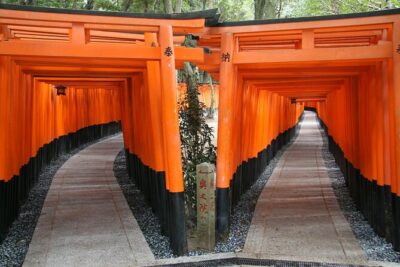
Fushimi Inari, Kinkakuji, Bamboo Grove 1 Day Bus Tour
Read our review →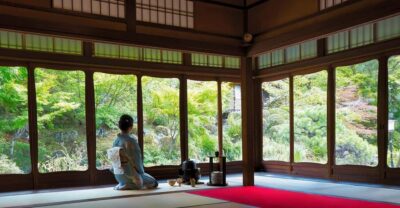
Tea Ceremony in a Traditional Tea House in Kiyomizu
Read our review →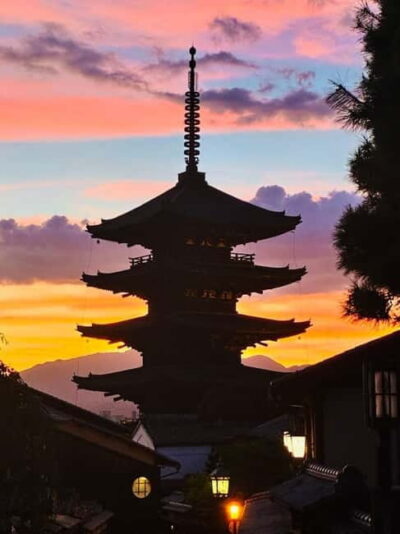
Kyoto Geisha Walking Tour: Gion District & Hidden Gems
Read our review →
Gion Magical Night Walking Tour with Geisha Trivia
Read our review →