
Reviewed · KYOTO TOURS
Kyoto: Kiyomizudera, Higashiyama and Yasaka Discovery Tour
Kiyomizudera is the star here, but the real pleasure is the walk that follows. You move from one of Kyoto’s grandest temples through old lanes, quiet temple grounds, a famous Shinto shrine, and finally Maruyama Park. It gives you a compact introduction to eastern Kyoto without wasting time on buses or long transfers.
I like the small group of no more than nine people, which makes it easier to hear your guide and ask questions. I also like the route itself: Kiyomizudera, Sannenzaka, Ninenzaka, Kodaiji, Yasaka Shrine, and Gion-Shijo Station form a natural downhill progression through one of the city’s most atmospheric areas.
The tradeoff is that this is a brisk three-hour walking tour. The streets can be crowded, the route includes slopes and uneven surfaces, and there is not enough time for a slow, detailed visit to every building. Bring comfortable shoes, and think of this as a well-guided introduction rather than a full day at Kyoto’s temples.
Key Points About This Kyoto Walking Tour
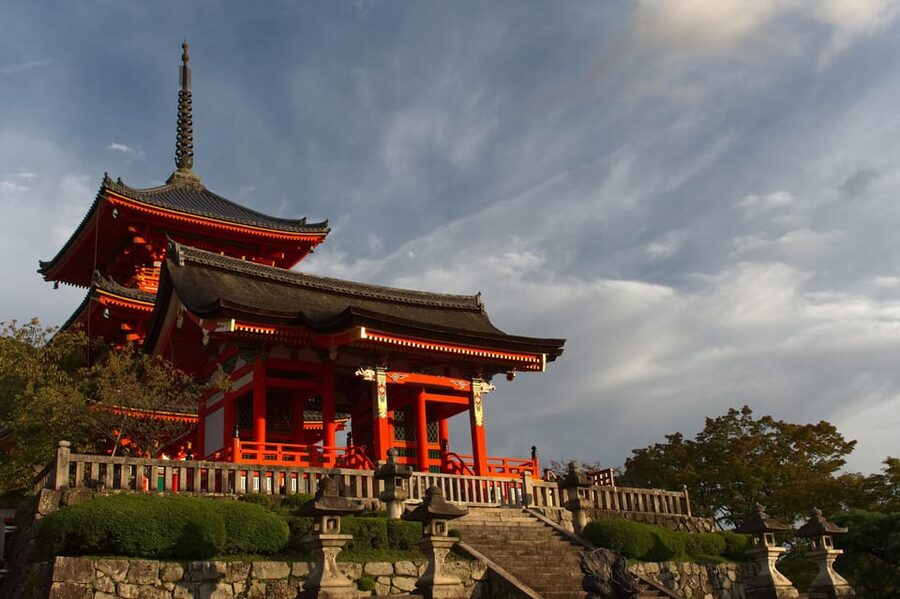
- Kiyomizudera opens the tour with wide Kyoto views, Buddhist teaching, and stories about Kannon and the sacred blue dragon.
- The route follows Sannenzaka, Ninenzaka, and Nene no Michi, where traditional shophouses give the walk its old-Kyoto feel.
- Kodaiji adds calm Zen gardens and lavish interiors to a route that could otherwise feel temple-heavy.
- Yasaka Shrine provides a useful introduction to Shinto customs, including the difference between shrine and temple traditions.
- Maruyama Park is a pleasant finish, especially if you visit during cherry blossom season.
- The guides make the difference, with Miyake Nobumasa, Yuko, CC, Jasmine, and others praised for clear explanations, humor, and useful Kyoto advice.
Starting at 112 Tatsumichō
The tour begins at 112 Tatsumichō, near a 7-Eleven. You should look for a guide wearing a TripGuru shirt or holding a TripGuru sign. Since this is a walking route, arrive ready to start rather than expecting hotel pickup.
The finish is at Gion-Shijo Station. That is useful because you can continue into the Gion area, return to your hotel by train, or use the station as a base for the rest of your day. The route has a clear east-to-west flow, beginning near the Kiyomizudera area and ending closer to central Kyoto.
With only three hours, the meeting point matters. You do not spend much of your paid time getting organized. The guide gathers the group, introduces the day, and gets you moving toward Kiyomizudera.
A few more Kyoto half-days to weigh up
- PERFECT KYOTO 1-Day Bus Tour
★ 5.0 · 13,518 reviews - Kyoto: Fushimi Inari, Kinkakuji, Bamboo Grove 1 Day Bus Tour
★ 4.8 · 4,316 reviews - Kyoto: Tea Ceremony in a Traditional Tea House in Kiyomizu
★ 4.9 · 3,519 reviews
Kiyomizudera: A Strong First Hour
Kiyomizudera is one of Kyoto’s best-known sights for good reason. The temple is a major architectural landmark and a UNESCO World Heritage Site, but its appeal is not limited to the famous wooden stage. The setting gives you broad views across Kyoto, while the temple grounds connect Buddhist worship, local custom, and memorable visual details.
Your guide spends about an hour here. That is enough time to put the site into context and point out details you could easily miss while walking alone. The tour focuses on Kannon, the deity associated with peace and mercy, and seiryuu, the sacred blue dragon.
Those stories help turn a large temple complex into a place with meaning. You are not simply checking off a famous building. You are learning how religious ideas shape the way people use the site and why particular images matter.
Kiyomizudera can also be one of the busiest stops on the route. The combination of a famous temple, narrow approach streets, shops, and photo spots means you should expect other people around you. A guide cannot remove the crowds, but a small group gives you a better chance of staying together and hearing the explanation.
The views are a major reward. Bring your camera, but do not spend the entire visit looking through it. The wide outlook over Kyoto is one of the moments when it pays to pause and take in the city from above.
Sannenzaka, Ninenzaka, and Nene no Michi
After Kiyomizudera, the tour becomes less about grand monuments and more about walking through Kyoto’s older street pattern. Sannenzaka, Ninenzaka, and Nene no Michi are lined with traditional shophouses and small businesses, giving you a closer look at the historic Higashiyama district.
This is where the tour feels most like a neighborhood walk rather than a standard temple visit. The streets are attractive, but the guide adds value by explaining what you are seeing and by helping you notice the transition from a major religious site to a living commercial district.
You might find shops selling matcha, sweets, crafts, and other local goods along the way. The tour includes snacks, but meals and other drinks are not included. One useful detail from the tour experience is that guides such as CC may allow a quick matcha or shopping stop when the timing works.
Do not count on a long shopping break. The schedule gives this part around 30 minutes, and the route still has two major sites ahead. If you see something you truly want, take note of the shop or make a quick purchase, but save serious browsing for after the tour.
The lanes can be uneven and may involve steps or slopes. This is one reason comfortable shoes are essential. The activity is not suitable for people with mobility impairments, and it is also not recommended for pregnant women or people with heart or respiratory problems.
Kodaiji and the Story Behind It
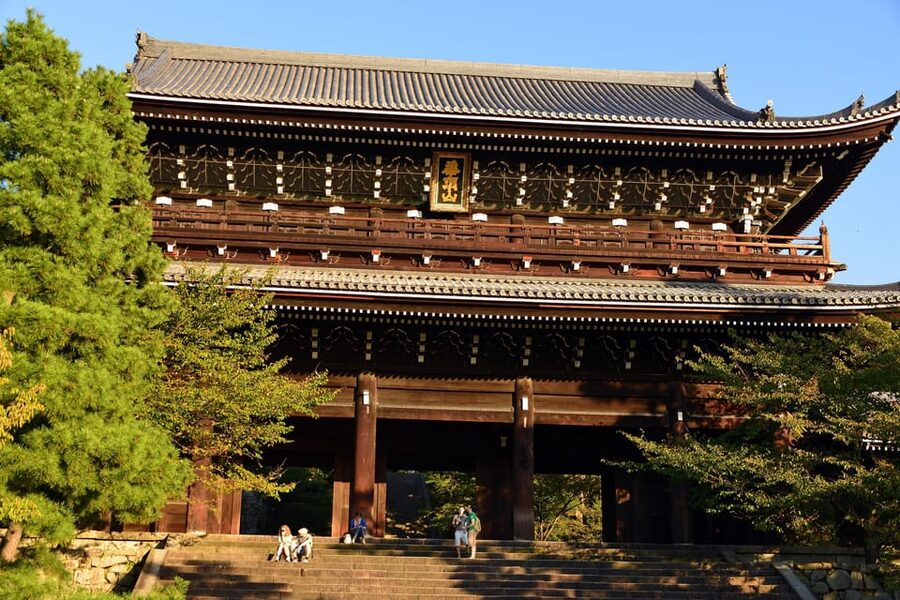
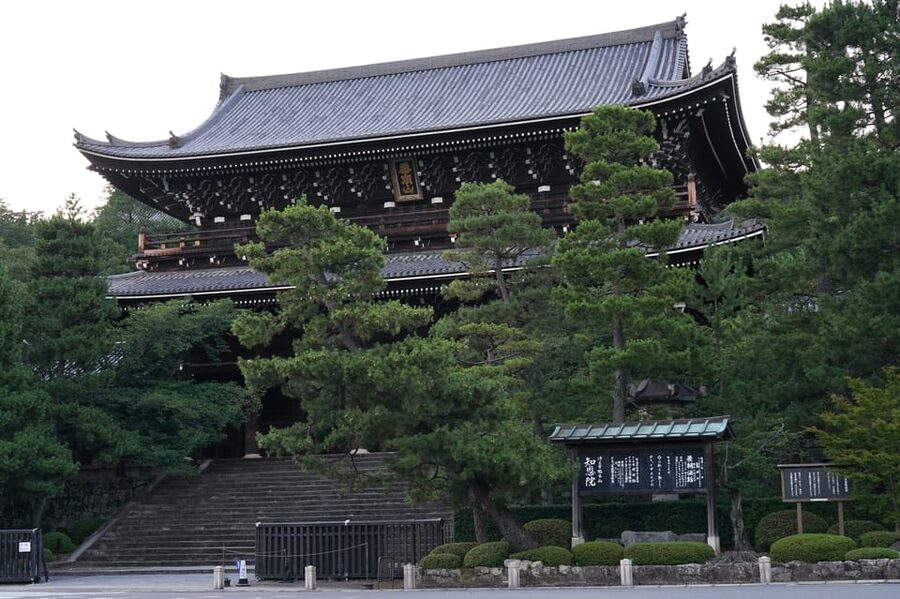
Kodaiji gets about 30 minutes, making it a shorter stop than Kiyomizudera but an important change of pace. The temple was built in memory of Toyotomi Hideyoshi’s wife, and that connection gives the site a personal story alongside its religious role.
The grounds are known for Zen gardens and lavish interiors. After the busy streets around Kiyomizudera, Kodaiji offers a more composed setting. I like this contrast because it keeps the tour from becoming a parade of similar temples.
A good guide can explain why the gardens feel so different from the city streets outside and can connect the temple to the political and personal world of Toyotomi Hideyoshi’s era. You get a sense of how temples in Kyoto have often served as places of worship, memorials, art, gardens, and family remembrance at the same time.
Entrance to Kodaiji is included, so you do not need to stop and handle another ticket during the tour. The same applies to Kiyomizudera. That is a small convenience, but it matters on a short guided walk, where every pause cuts into viewing time.
Thirty minutes is enough for an introduction and a look at the main features. It is not enough for a slow study of every garden or interior. If Kodaiji becomes your favorite stop, you may want to return on your own later.
Same base, a completely different sort of day:
- Kyoto Geisha Walking Tour: Gion District & Hidden Gems
★ 4.7 · 3,273 reviews - Kyoto: Tea Ceremony Ju-An at Jotokuji Temple
★ 4.9 · 3,207 reviews - Kyoto: Gion Magical Night Walking Tour with Geisha Trivia
★ 4.9 · 2,393 reviews - Kyoto: 45-Minute Tea Ceremony Lesson Experience
★ 4.3 · 2,378 reviews
Yasaka Shrine and Shinto Traditions
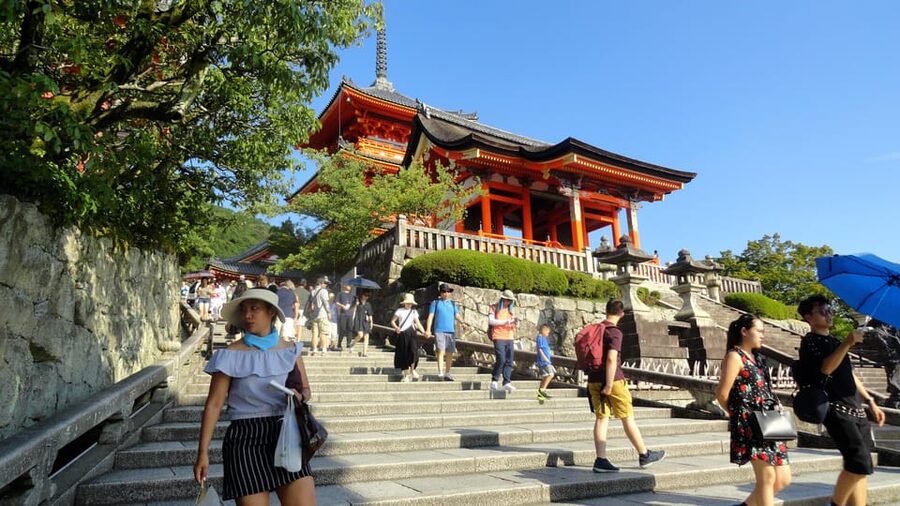
The final major sight is Yasaka Shrine, reached on foot from Kodaiji. This is a Shinto shrine rather than a Buddhist temple, so it gives the tour a useful change in religious focus.
Your English-speaking guide explains Shinto history, culture, and practices. This is one of the most useful parts of the tour for first-time visitors to Japan, since shrine customs can be easy to observe without fully understanding. A clear explanation helps you see the difference between entering a shrine precinct and visiting a Buddhist temple.
The tour gives Yasaka Shrine about 30 minutes. That keeps the pace moving, but it also means the visit concentrates on the main ideas and visible features rather than every corner of the grounds.
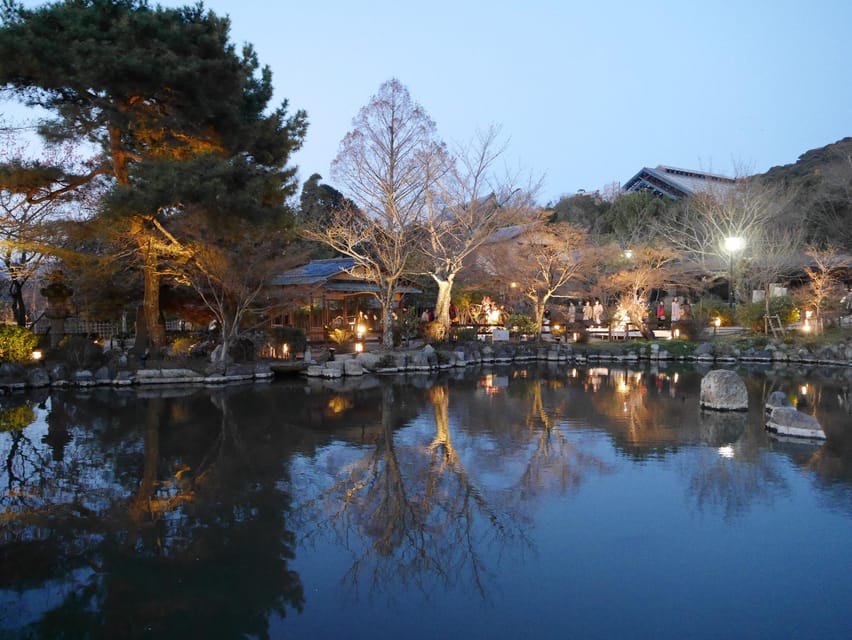
The shrine is closely connected with Kyoto’s Gion district and local festivals. Even without spending hours here, you get a sense of how religious sites remain part of everyday city life. The route then exits toward Maruyama Park, a pleasant transition from shrine grounds to open green space.
Maruyama Park and the Walk to Gion-Shijo Station
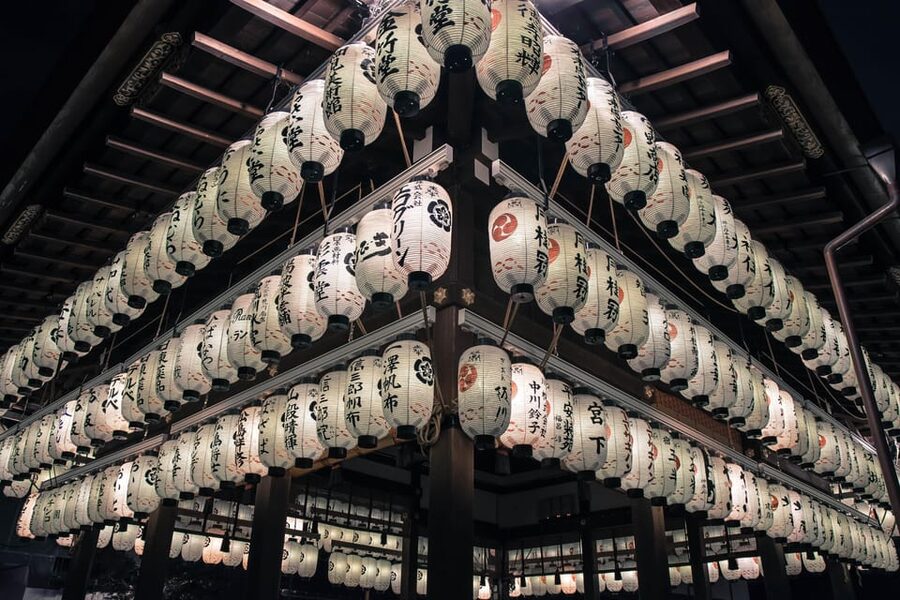
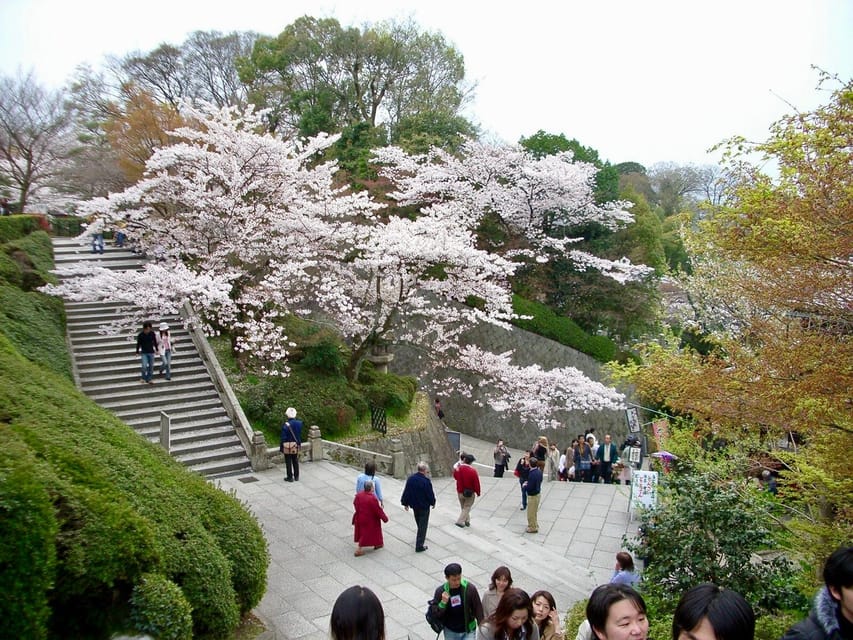
Maruyama Park is the final stop before the tour ends at Gion-Shijo Station. The park is especially popular during cherry blossom season, when its trees draw large crowds and give the area a festive feel.
The park also serves as a useful pause after several hours of temples, steps, lanes, and explanations. You can take a breath, look back on the route, and ask your guide for suggestions about the rest of your Kyoto visit.
The tour does not include hotel drop-off, so you are responsible for continuing from Gion-Shijo Station. That is not a major problem because the station is a practical end point, but you should plan your next move before the tour finishes.
Guides have also provided tips about seasonal sights, including places to see plum blossoms. That kind of advice can be valuable because Kyoto changes sharply with the calendar. If you have another day in town, ask your guide for suggestions before saying goodbye.
How the Guides Shape the Experience
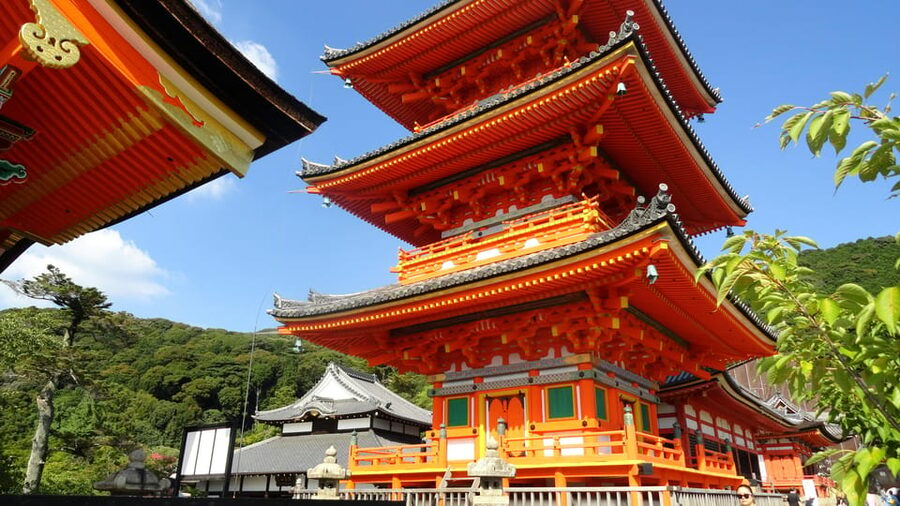
The strongest feature of this tour is the human element. The route is attractive on its own, but the explanations help you connect the buildings, streets, and customs.
Several guides are singled out in the supplied information. Miyake Nobumasa is praised for explaining the history and small details of Kiyomizudera, showing good photo locations, and offering useful advice about the Gion area. Yuko is described as well prepared and helpful with seasonal suggestions. CC is noted for a relaxed, funny style and for fitting in short matcha or shopping breaks when possible.
Other guides, including Jasmine, Alex, Rafael, Katz, and Nobumasa Miyake, are described as energetic, friendly, and clear. Rafael adjusted the route for a family’s interests when they were the only people on the tour. That points to one benefit of a group capped at nine: the experience may have room for questions and small adjustments, although you should not assume every departure will be private.
The guides also bring different personalities. Some visitors may prefer a lively storyteller, while others may want a quieter, more formal explanation. The exact guide is not guaranteed, so book this tour for the route and small-group format first, then treat the individual guide as an added bonus.
Is $54 a Fair Price?
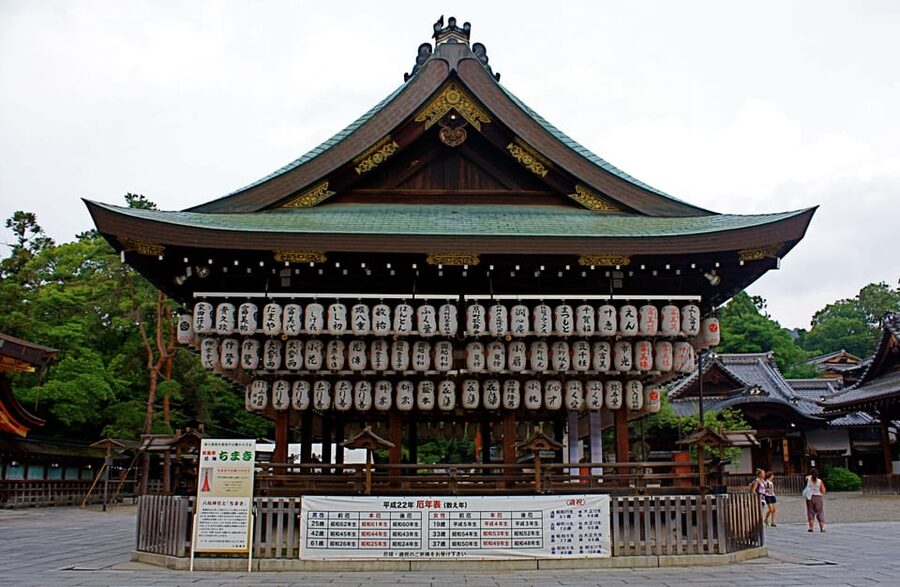
At $54 per person, the tour is reasonably priced for a three-hour guided walk that includes entrance fees to Kiyomizudera and Kodaiji, snacks, and an English-speaking guide.
The value comes from the combination of admission and interpretation. If you visit independently, you may pay less in guiding costs, but you will need to plan the route, understand the religious context, locate the best viewpoints, and manage the transitions between sites yourself.
The tour is not a bargain if you want long, quiet visits or extended shopping time. You are paying for a focused route and local explanation, not a full-day private tour. For a first visit to Kyoto, I think the price makes sense, especially if you have limited time and want to cover several major sights in one morning or afternoon.
The reserve-now, pay-later option and free cancellation up to 24 hours before departure also give you some flexibility. Starting times vary, so check availability for your date before building the rest of your day around it.
Who Should Book This Tour?
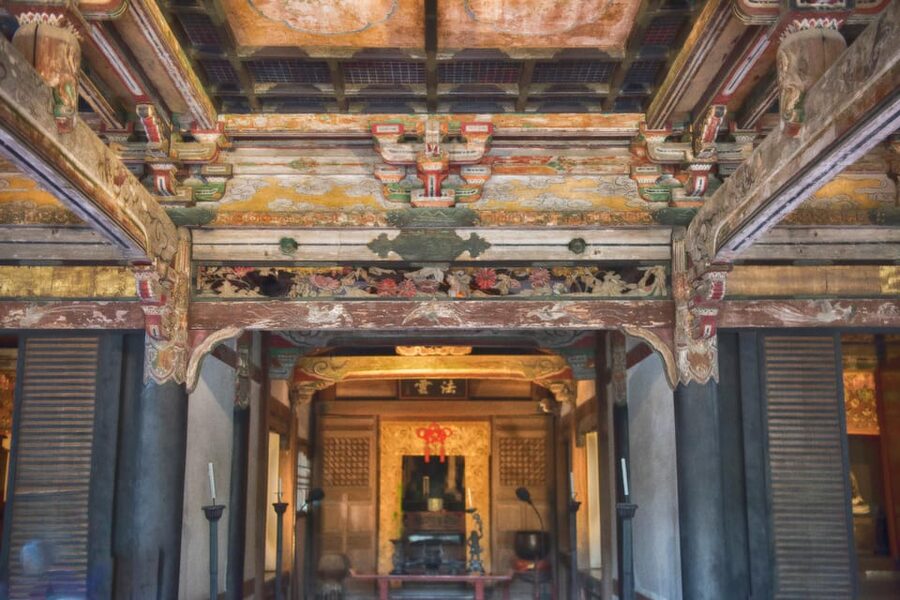
I would recommend it to you if this is your first visit to Kyoto, especially if you want a clear introduction to temples, shrines, and the Higashiyama streets without organizing every detail yourself.
It also suits solo visitors, couples, and families who prefer a small group rather than a large bus tour. The route offers enough variety to keep a short tour interesting: panoramic views, old streets, gardens, Buddhist ideas, Shinto customs, and a city park.
You may want a different plan if you have mobility limitations, heart or respiratory issues, or are pregnant. The walking conditions and pace are not designed for everyone. I would also skip this tour if your main goal is photography at a quiet hour, lengthy shopping, or a detailed study of one temple.
Wear comfortable shoes and carry cash, a camera, and water or another drink if you want one. Meals and extra drinks are not included, and personal spending is your responsibility.
Should You Book the Kiyomizudera and Yasaka Tour?
Book it if you want to cover Kyoto’s classic eastern sights in three well-organized hours and prefer learning from a local English-speaking guide. The strongest reasons are the small group, included temple admissions, useful cultural explanations, and the easy route from Kiyomizudera to Gion-Shijo Station.
Skip it if you need a slow pace or have difficulty with uneven streets and walking. For everyone else, this is a practical first look at Higashiyama, with enough history and local context to make the temples feel like more than attractive photo stops.
FAQ
How long is the Kyoto Kiyomizudera and Yasaka tour?
The tour lasts three hours.
What language is the tour conducted in?
The tour is conducted in English by a live guide.
How many people can join the group?
The group is limited to nine participants.
Where does the tour begin?
The meeting point is at the 7-Eleven near 112 Tatsumichō. Look for a guide wearing a TripGuru shirt or holding a TripGuru sign.
Where does the tour finish?
The tour ends at Gion-Shijo Station.
Are entrance fees included?
Yes. Entrance fees to Kiyomizudera and Kodaiji Temple are included.
Are food and drinks included?
Snacks are included. Meals and other drinks are not included.
What should I bring?
Bring comfortable shoes, a camera, and cash.
Can I cancel the tour?
You can cancel up to 24 hours in advance for a full refund. You can also reserve now and pay later.
Just added around Kyoto
- Kyoto: Zen Meditation at a Private Temple with a Monk★ 5.0 · 25 reviews
- Kyoto: Gion Geisha District & Sake-in-Hand Walking Tour★ 5.0 · 37 reviews
- Private Pewter Sake Cup Experience with a Kyoto Artisan★ 5.0 · 31 reviews
- Your Private Vacation Photography Session In Kyoto★ 5.0 · 110 reviews
- Private Guided Traditional Buddhist Cooking in Japan★ 5.0 · 16 reviews
- Kyoto Wagashi(Japanese sweets) Cooking Class near Fushimiinari★ 5.0 · 60 reviews
- Traditional Japanese Music show & Experience Tour in Kyoto★ 5.0 · 57 reviews
- Kyoto:Family-Friendly Kimono & Yukata Experience at WARGO★ 5.0 · 147 reviews
Kyoto Tours, compared.


Fushimi Inari, Kinkakuji, Bamboo Grove 1 Day Bus Tour
Read our review →
Tea Ceremony in a Traditional Tea House in Kiyomizu
Read our review →
Kyoto Geisha Walking Tour: Gion District & Hidden Gems
Read our review →

Gion Magical Night Walking Tour with Geisha Trivia
Read our review →
