
Reviewed · KYOTO TOURS
Kyoto: Mindful Tea Ceremony in 100-Year-Old Teahouse
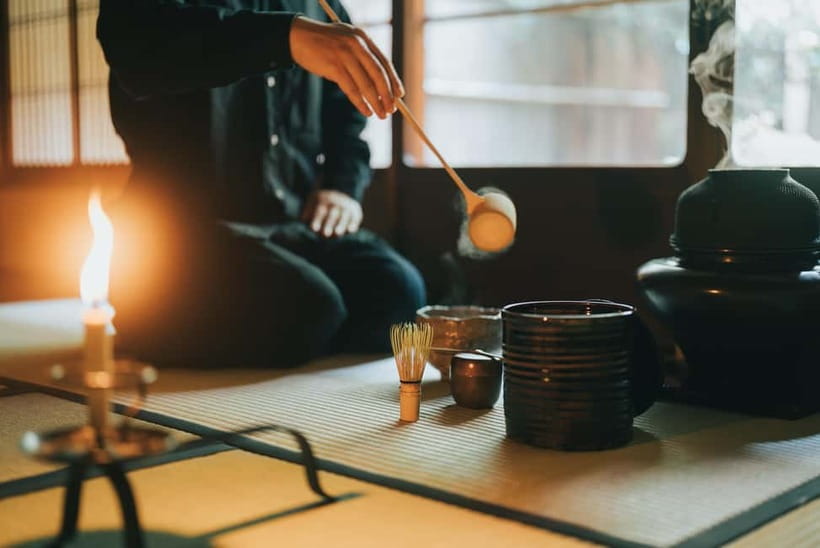
Kyoto has plenty of grand temples and famous gardens. Oboro offers something quieter: a candlelit matcha ceremony in a traditional teahouse more than 100 years old. The room, garden view, simmering water, and careful movements give you a welcome break from the city’s noise.
I especially like the relaxed teaching style. You can watch the utensils being purified, the matcha whisked, and the bowl presented without worrying about getting every rule right. I also like the small handmade candle you take home, a simple reminder of the calm you found here. The main consideration is that this is a quiet, shoes-off activity, and people with back problems or limited mobility may find the setting difficult.
Key points
- Candlelight and a garden view: The soft room and traditional house create a peaceful setting for the ceremony.
- A gentle introduction to matcha: Hosts explain the meaning behind each step without demanding strict etiquette from newcomers.
- Small groups of up to eight: The size allows time for questions and keeps the room calm.
- Three-part sense of place: The welcome area, preparation space, and main tearoom create a gradual shift from city pace to quiet attention.
- Seasonal tea details: Sweets accompany the tea, and summer sessions use chilled water and ice.
- A useful parting gift: You receive a small handmade candle to bring the mood home.
A candlelit pause in central Kyoto
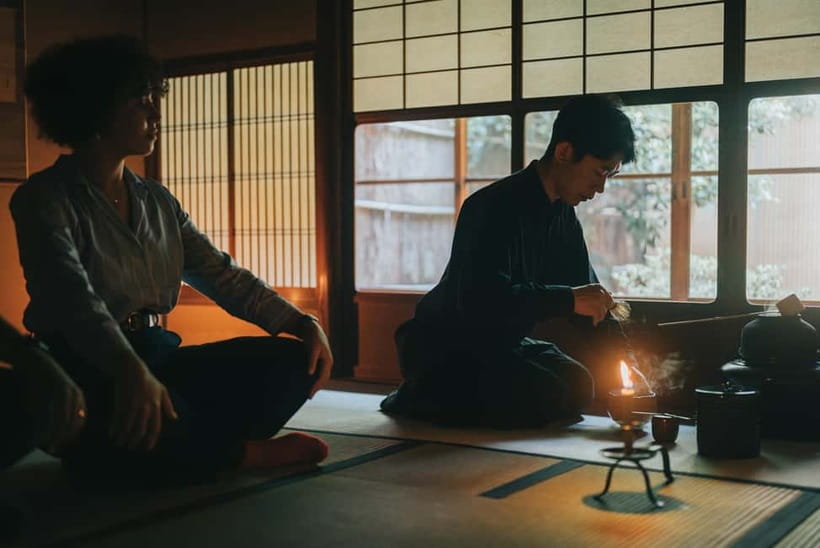
The special thing here is not simply the matcha. It is the way Oboro removes distractions so you notice small things: the scent of fresh tea, the sound of hot water, the warmth of the bowl, and the pause before the first sip.
That makes this a good choice after a day of temples, shopping, and train rides. Kyoto can be beautiful but tiring. Forty-five minutes of quiet may do more for your mood than another hurried stop on a sightseeing list.
The ceremony takes place in a traditional Japanese house, and the old interior is part of the experience. You are not sitting in a modern classroom with a tea demonstration added on. The building, garden view, candlelight, and subdued pace all help explain why tea ceremony developed as an art of attention.
Still, keep your expectations in check. This is a short introduction, not a full-day study of tea culture. You will learn the basic flow and meaning of the ceremony, but the focus is on calm participation rather than an advanced lesson in every school of Japanese tea.
More Tea Ceremonies in Kyoto
- Kyoto: Tea Ceremony in a Traditional Tea House in Kiyomizu
★ 4.9 · 3,519 reviews - Kyoto: Tea Ceremony Ju-An at Jotokuji Temple
★ 4.9 · 3,207 reviews - Kyoto: 45-Minute Tea Ceremony Lesson Experience
★ 4.3 · 2,378 reviews
Arriving at the 100-year-old teahouse
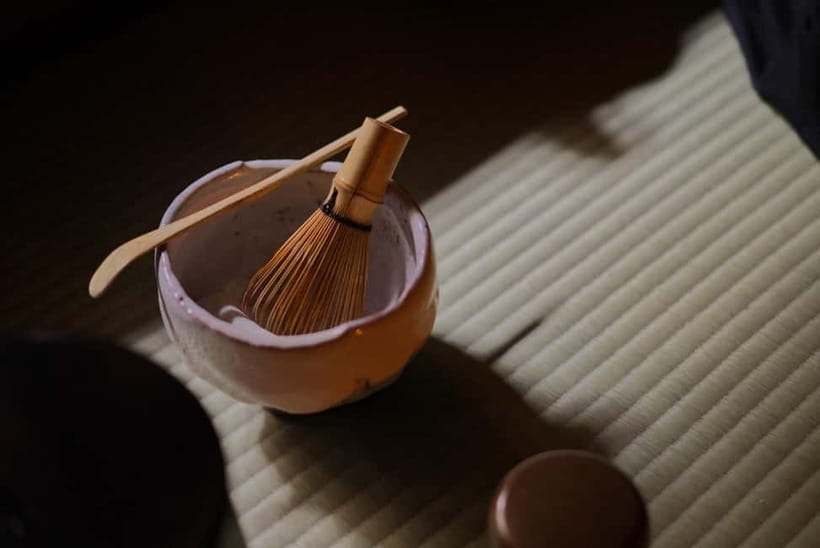
Plan to arrive 10 minutes early. The address can be found by searching for Oboro: Mindful Tea Ceremony on Google Maps, which is the clearest meeting-point advice provided for this activity.
At the door, you remove your shoes, so wear socks you are comfortable being seen in. Comfortable clothing also helps, especially because the experience asks you to sit quietly and keep your movements unhurried.
A host greets you, takes care of belongings if needed, and gives a short explanation of what will happen. This first orientation matters. Japanese tea ceremony can look formal from the outside, and first-time participants may worry about holding the bowl incorrectly or missing a cue. Here, the tone is designed to make you feel at ease.
Hosts who have led sessions include Taku and Naoki, and the teaching is offered in English. The style is informative but not stiff. You can observe quietly, ask questions, or simply follow along.
Do not arrive late. Participants are not allowed to enter if they are more than 10 minutes late, an understandable rule in a quiet ceremony where a late arrival would interrupt everyone.
The welcome tea and seasonal sweet
Before the main ceremony, you settle into comfortable seats and receive a welcome tea with a sweet. This gives you time to adjust to the house and the slower rhythm.
The welcome drink may be served cold in summer, and one session included chilled green tea that a participant found unusually smooth. Summer ceremonies use chilled water and ice, so the experience changes with the season rather than following exactly the same script all year.
The sweet is more than a snack. In tea ceremony, sweetness helps prepare your palate for the bitter, grassy flavor of matcha. The pairing also gives the host a natural way to explain how tea and sweets work together.
If you are not normally a matcha fan, do not assume you will dislike this. The tea used in a traditional ceremony can taste gentler and more balanced than the sweetened matcha drinks found in cafés. Of course, taste is personal, and there is no promise that every participant will become a matcha convert.
Moving into the main tearoom

The shift into the main tearoom is one of the most effective parts of the experience. The space is kept spare, with little to pull your attention away from the ceremony.
A view toward the garden adds a quiet visual point without turning the session into a garden tour. You may find yourself noticing details you would normally miss, such as the faint aroma of the tea or the water heating nearby.
The room is intentionally quiet. You should be prepared to keep your voice low and avoid casual chatter during the central part of the ceremony. That may sound restrictive, but it is also why the experience feels different from a standard cultural demonstration.
Photography is allowed without flash. Take pictures carefully and follow the host’s lead. Flash photography is not allowed, and the ceremony should not become a photo session.
Same base, a completely different sort of day:
- PERFECT KYOTO 1-Day Bus Tour
★ 5.0 · 13,518 reviews - Kyoto: Fushimi Inari, Kinkakuji, Bamboo Grove 1 Day Bus Tour
★ 4.8 · 4,316 reviews - Kyoto Geisha Walking Tour: Gion District & Hidden Gems
★ 4.7 · 3,273 reviews - Kyoto: Gion Magical Night Walking Tour with Geisha Trivia
★ 4.9 · 2,393 reviews
Watching each matcha movement
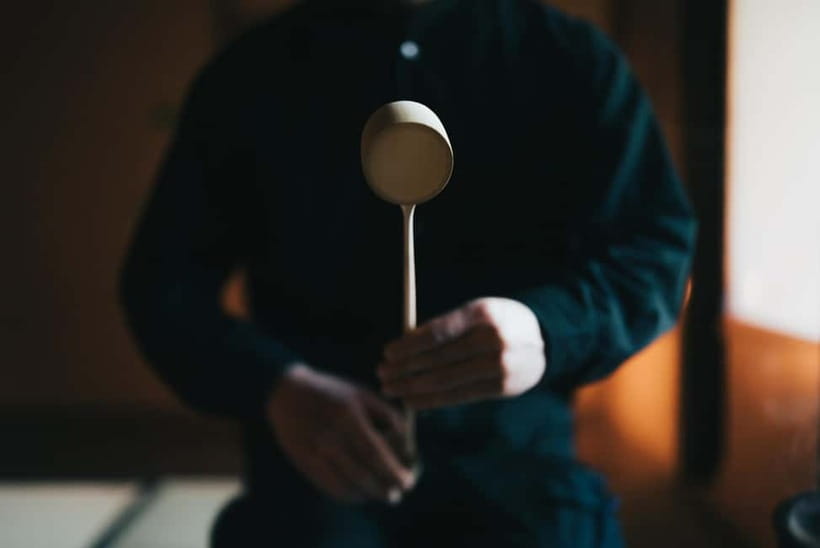
The host begins by preparing the equipment and purifying the utensils. Each action is deliberate, and the English explanation helps you understand that the ceremony is not a random sequence of elegant gestures.
You then watch the matcha being measured and whisked. The host presents the bowl with a graceful bow, and you are guided through the basic way to receive and drink it.
The instructions are gentle. You do not need prior knowledge of tea ceremony, and the aim is not to test your etiquette. The host explains what matters, while allowing you to experience the ritual without constant correction.
This balance is one of Oboro’s strongest points. A highly formal ceremony can leave a newcomer worried about making a mistake. Here, the tradition remains visible, but the teaching makes room for curiosity and ease.
The hosts also explain the purpose behind the steps and offer information about matcha quality and preparation. If you want to know why a utensil is handled in a certain way or how different teas compare, this is the moment to ask.
Drinking matcha with attention
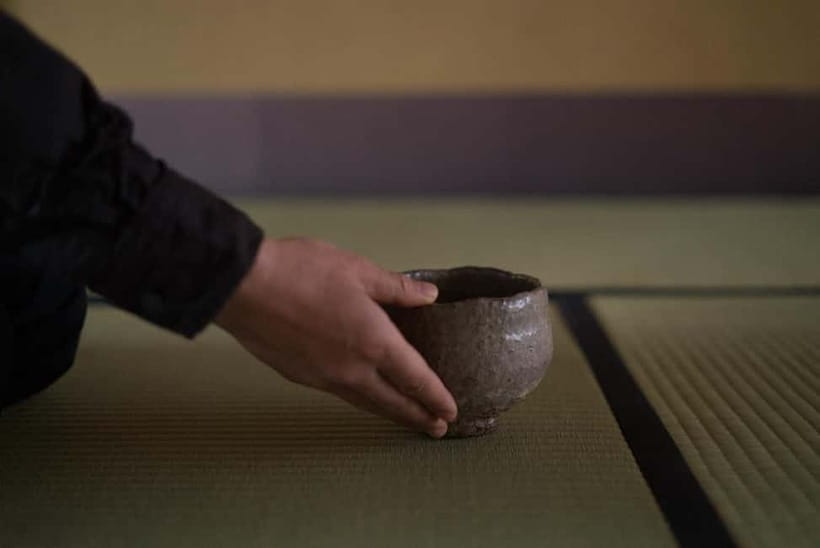
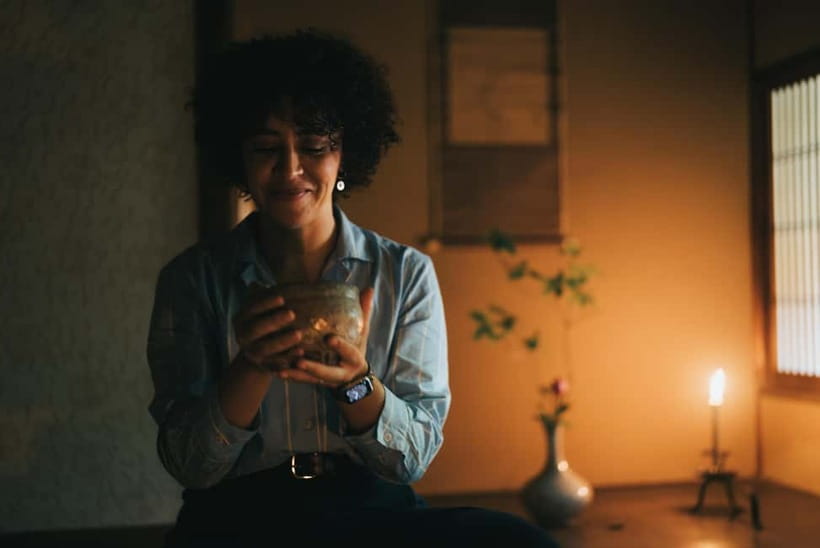
When you receive your bowl, you lift it gently, notice its warmth, and take time with the taste. The ceremony encourages you to pause before rushing to the next activity.
That pause is the real value of the session. You are not only consuming a drink. You are paying attention to the bowl, the color, the texture, the aroma, and the company around you.
The setting heightens those small details. Candlelight softens the room. The simmering water gives you a quiet sound to follow. The garden view offers a restful background. Even the silence becomes part of the experience.
Some people will find this deeply calming. Others may prefer a livelier, more hands-on cultural class. Oboro is best for someone willing to let the pace slow down rather than someone searching for a fast demonstration and plenty of conversation.
Why the small group matters
The group is limited to eight participants. That is a useful size for this type of activity.
A larger group would make the quiet room feel less personal and might limit questions. With eight or fewer people, you can see the preparation clearly and hear the explanations without the ceremony turning into a stage show.
The group setting also gives the experience a gentle social side. You share the same peaceful room with other people, but you are not pushed into forced interaction. You can speak when appropriate or simply enjoy the stillness.
The small size does not mean you receive a private ceremony. If you want individual instruction or a completely personal session, check the booking details carefully before reserving. The experience is designed as a shared small-group activity.
What the price includes at $45
At $45 per person, this is not the cheapest way to drink matcha in Kyoto. You can buy tea for much less at a café. The price makes more sense when you consider what is included: English instruction, the traditional setting, all equipment, seasonal sweets, the candlelit ceremony, and the host’s explanations.
You are paying for a cultural experience in a historic house, not just a bowl of tea. The setting does much of the work, but the host’s preparation and guidance are also important. The ceremony gives structure to the visit and helps you understand why the actions matter.
I consider the price fair for someone who wants a calm, well-organized introduction to Japanese tea culture. It is less compelling if you only want to sample matcha or if your schedule is already packed with formal cultural activities.
The 45-minute length is another value point. It is short enough to fit between other Kyoto plans and long enough to feel like a real pause. You do not need to commit half a day, but you should protect the full time rather than planning another appointment immediately afterward.
The handmade candle at the end
At the close of the session, you receive a small handmade candle. It is a thoughtful finishing touch, especially because it connects the object with the atmosphere of the teahouse.
The candle is not a major material souvenir, and it should not be treated as the reason to book. Its value is symbolic. You carry home a small prompt to recreate a few minutes of stillness after returning to a busy hotel, train, or office.
That final reflection gives the activity a clear shape. You arrive from the noisy city, settle with a welcome tea, watch the matcha ceremony, drink slowly, and leave with something linked to the mood of the room.
Practical limits to consider
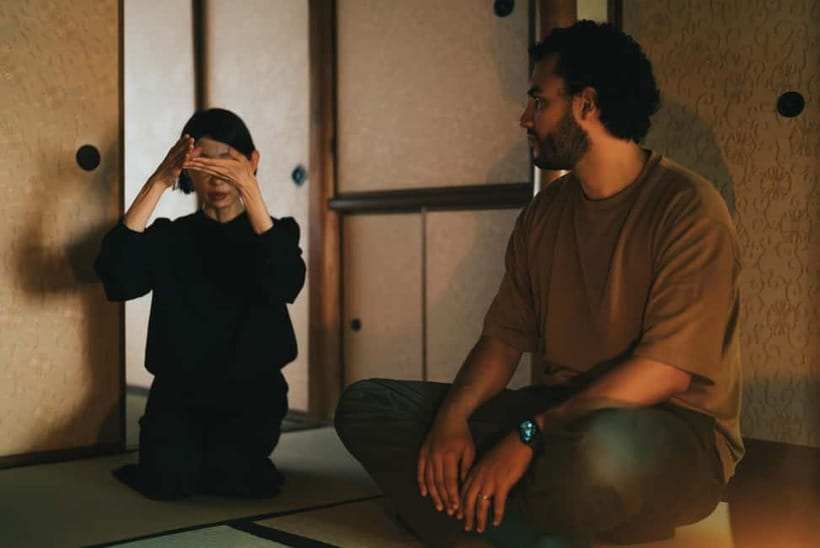
You must remove your shoes, so socks are required. Smoking is not allowed, and flash photography is prohibited.
The activity is not suitable for children under six. It is also not suitable for wheelchair users or people with back problems. The supplied information does not give detailed seating or access specifications, so anyone with mobility concerns should ask the provider before booking.
Silence is part of the experience. If you want to talk freely throughout the session, this may feel too restrained. If you enjoy quiet observation, it will likely feel refreshing.
The ceremony is also not built around a meal. Seasonal sweets are included, but meals are not. Eat beforehand if you need something substantial, and do not plan on this replacing lunch or dinner.
Who will enjoy Oboro most
I would recommend this for first-time visitors who want more than a quick matcha tasting. The English guidance, relaxed etiquette, and clear explanations make it approachable even if you know very little about tea ceremony.
It also suits couples, solo visitors, and small groups of friends looking for a calm Kyoto activity. The candlelight and garden view make it a pleasant choice for a quieter part of a trip, especially after several crowded sightseeing stops.
People interested in Japanese design and traditional houses will appreciate the building as much as the tea. Those interested in meditation may also like the measured pace, though this is a tea ceremony with mindful elements, not a formal meditation class.
I would be cautious about booking it for young children, anyone who cannot sit comfortably, or anyone hoping for a lively workshop. The activity asks for quiet, patience, and respect for the room.
Booking and timing advice
The experience offers free cancellation up to 24 hours in advance, and you can reserve now and pay later. That is useful when Kyoto plans depend on weather, train schedules, or changing sightseeing priorities.
Choose a time when you are not rushing from another appointment. Arrive early, silence your phone, and leave space afterward if possible. The calm effect is easier to appreciate when you do not have to sprint out the door as soon as the final bow ends.
In summer, expect chilled water and ice in the preparation. That seasonal change may appeal to you if you want a cooler version of the ceremony, while visitors seeking only the classic hot-tea feeling may prefer another season.
Should you book this Kyoto tea ceremony?
Book Oboro if you want a quiet, thoughtful introduction to matcha in a real traditional setting. The strongest reasons are the candlelit room, the 100-year-old house, the small group, and the hosts’ clear English explanations. The handmade candle is a nice final touch, but the atmosphere and pacing are the main draw.
Skip it if you want a meal, a lively class, or a quick café-style tea tasting. For most visitors who have spent days racing between Kyoto sights, though, 45 minutes of careful tea, soft light, and silence can be money well spent.
FAQ
How long does the tea ceremony last?
The experience lasts 45 minutes.
How much does the experience cost?
The listed price is $45 per person.
Is the tea ceremony conducted in English?
Yes. Expert instruction is provided in English.
How many people can join the activity?
The group is limited to eight participants.
What should I wear?
Wear comfortable clothes and socks because shoes must be removed.
How early should I arrive?
Arrive 10 minutes early to prepare.
Can I take photographs?
Yes, photography is allowed without flash. Flash photography is not allowed.
Can I arrive late?
You will not be allowed to enter if you are more than 10 minutes late.
Is food included?
Seasonal sweets are included, but meals are not.
Is the activity suitable for everyone?
It is not suitable for children under six, people with back problems, or wheelchair users.
Just added around Kyoto
- Kyoto: Zen Meditation at a Private Temple with a Monk★ 5.0 · 25 reviews
- Kyoto: Gion Geisha District & Sake-in-Hand Walking Tour★ 5.0 · 37 reviews
- Private Pewter Sake Cup Experience with a Kyoto Artisan★ 5.0 · 31 reviews
- Your Private Vacation Photography Session In Kyoto★ 5.0 · 110 reviews
- Private Guided Traditional Buddhist Cooking in Japan★ 5.0 · 16 reviews
- Kyoto Wagashi(Japanese sweets) Cooking Class near Fushimiinari★ 5.0 · 60 reviews
- Traditional Japanese Music show & Experience Tour in Kyoto★ 5.0 · 57 reviews
- Kyoto:Family-Friendly Kimono & Yukata Experience at WARGO★ 5.0 · 147 reviews
Kyoto Tours, compared.


Fushimi Inari, Kinkakuji, Bamboo Grove 1 Day Bus Tour
Read our review →
Tea Ceremony in a Traditional Tea House in Kiyomizu
Read our review →
Kyoto Geisha Walking Tour: Gion District & Hidden Gems
Read our review →

Gion Magical Night Walking Tour with Geisha Trivia
Read our review →

Gion Geisha District Walking Tour – Stories of Geisha
Read our review →Browse the lists this tour appears in