
Reviewed · KYOTO TOURS
Kyoto & Nara Private Tour from Osaka Kyoto Hotel Pick-up
Nara’s giant Buddha and Kyoto’s vermilion torii gates make a powerful one-day pairing. This private tour lets you cover both cities by van, with hotel pickup and no strangers slowing your group down. Ben, also called Yujiro, and Christine are among the guides who may lead the day.
I like the private transport, especially when you have children, limited time, or a group that wants to move at its own pace. I also like that the Todai-ji and Kinkaku-ji entrance fees are included, so the main costs are clear from the start. The tradeoff is distance: six major stops in 8 to 10 hours can feel busy, and one lower-rated experience reported too little explanation during long drives.
Key points to know before booking
- Two historic cities in one day: Begin with Nara’s Great Buddha and deer, then continue to Kyoto’s temples, bamboo grove, and shrine.
- Private van from your hotel: Pickup is offered from Osaka or Kyoto, with fuel, parking, and travel time included.
- Todai-ji admission is covered: The 800-yen entrance fee is included, along with the 500-yen ticket for Kinkaku-ji.
- A useful family option: A private vehicle makes this demanding route easier with children, luggage, or less mobile companions.
- Guides shape the experience: Ben, Christine, and Caroline have been praised for friendly service, local context, flexibility, and help with photos.
- Plan for a full day: The listed stops total more than five hours before driving, meals, traffic, and walking are added.
Why this private route works for a packed Japan schedule
This is not a slow, single-neighborhood Kyoto walk. It is a sightseeing sweep designed for people who want to see the famous places and have only one open day. You begin at your hotel in Osaka or Kyoto, ride in a private air-conditioned vehicle, and use the day to connect Nara with several of Kyoto’s best-known sights.
That arrangement has real value. Kyoto and Nara are easy to reach by train, but the sights are spread out. By van, you avoid changing trains, finding stations, and working out bus connections between temples. Parking fees, fuel, and the long transfer between Osaka, Nara, and Kyoto are included.
The private format also gives you a little breathing room. Your guide can adjust the pace and respond to requests. One family with two children found this especially helpful, while other groups appreciated water, snacks, umbrellas, and a spacious vehicle. Those extras are not listed as guaranteed inclusions, so treat them as possible guide-by-guide touches rather than promised services.
The price is $266.85 per person. That is a serious cost compared with public transport, particularly if you are traveling alone or as a couple. For a larger private group, the price may make more sense because you are paying for a dedicated vehicle, driver, guide, parking, fuel, and convenience rather than a simple admission-and-walking tour.
A few more Kyoto half-days to weigh up
- PERFECT KYOTO 1-Day Bus Tour
★ 5.0 · 13,518 reviews - Kyoto: Fushimi Inari, Kinkakuji, Bamboo Grove 1 Day Bus Tour
★ 4.8 · 4,316 reviews - Kyoto: Tea Ceremony in a Traditional Tea House in Kiyomizu
★ 4.9 · 3,519 reviews
Todai-ji and Nara Park: the strongest opening
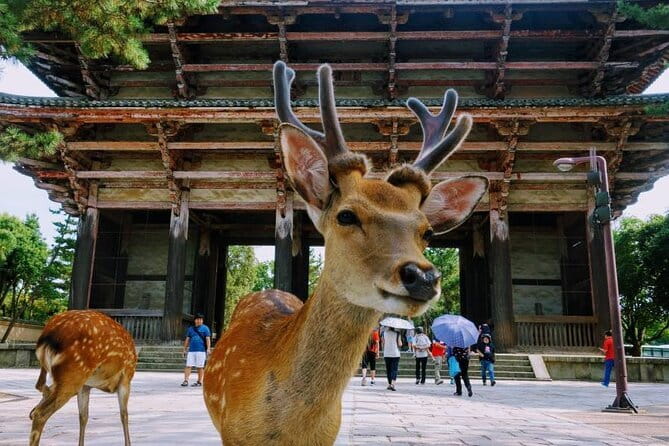
The day begins in Nara at Todai-ji Temple, one of Japan’s most impressive religious buildings. The main hall houses the Great Buddha, a huge bronze image that gives the visit a sense of scale you cannot get from photographs. The current wooden hall dates from later rebuilding, but the temple’s roots reach back to the eighth century.
You have about one hour here, with admission included. That is enough time to enter the hall, see the Buddha, take in the surrounding architecture, and hear your guide explain the temple’s place in Japanese religious history. Ask questions as you go. This is one of the stops where a good explanation can turn a large structure into a meaningful place.
The ticket covers the 800-yen Todai-ji entrance fee. Other parts of the Nara grounds may involve separate costs, but the listed temple admission is included.
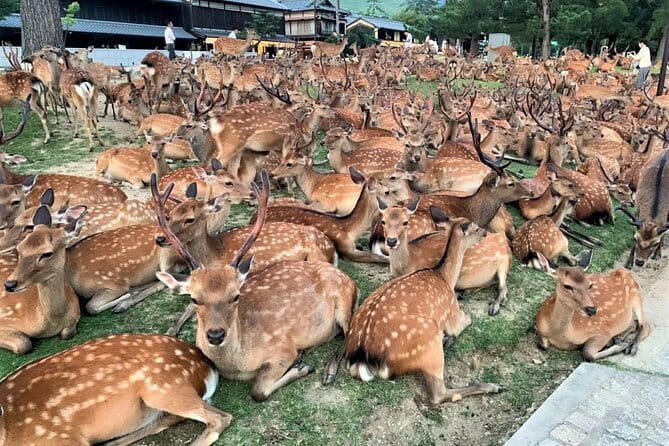
Next comes Nara Park, with about 20 minutes set aside. The park is famous for its free-roaming deer, which are regarded as sacred messengers. You can buy special deer crackers and feed them, though the experience is best handled with care. Hold the crackers where the deer can see them, and follow your guide’s instructions around the animals.
Twenty minutes is brief. It works for a quick deer encounter and photographs, but you will not have much time to wander through the wider park. The deer are often the most memorable part for children, and the private van means you do not need to organize the transfer from the temple yourself.
One useful detail is that lunch is not included. Some guides have taken groups to local ramen restaurants, including inexpensive places that made the day feel less formal. Ask about the meal stop and confirm whether a restaurant accepts cards, since at least one group found that a cash-only warning would have been useful.
Kinkaku-ji: Kyoto’s famous golden reflection
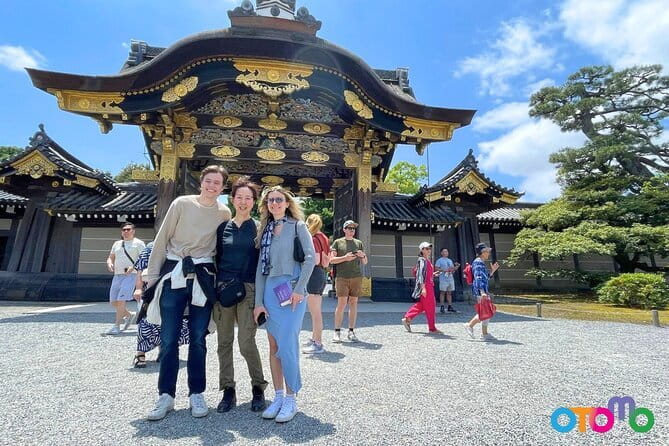
Kinkaku-ji, the Golden Pavilion, gives you a very different view of Japan from Todai-ji. The gold-covered building sits beside a pond in a carefully arranged garden, and the classic photograph shows its reflection on the water. You will follow the walking route around the grounds rather than enter the pavilion itself.
The planned visit lasts one hour, with the 500-yen admission included. That hour is enough to see the pavilion, walk through the garden paths, and pause at the main viewpoints. This is a popular place, so the experience depends heavily on crowd levels and weather. The pavilion is photogenic in almost any season, but a busy path can make the visit feel more like a procession than a quiet garden walk.
Your guide can add useful context about the building, the garden design, and the customs connected with temple visits. The quality of that commentary may vary by guide. Ben and Christine have been singled out for clear English, cultural explanations, and friendly answers to questions, but one person found the commentary too light during the longer drives. If history matters to you, say so at the beginning rather than assuming the day will be lecture-heavy.
Arashiyama’s Kimono Forest and bamboo paths
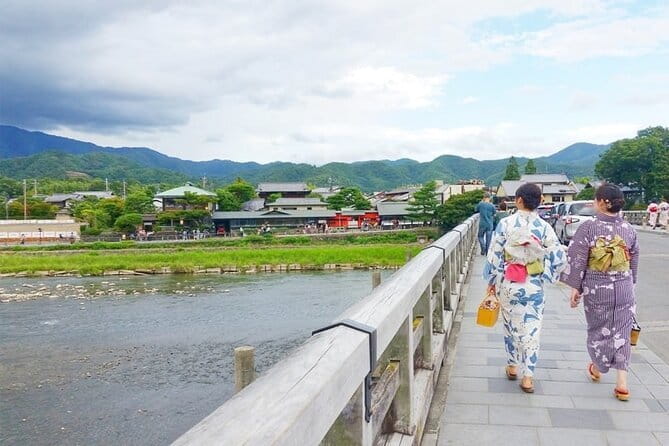
Arashiyama gives the tour its most scenic walking section. The stop is divided between the Kimono Forest and the bamboo grove, both near the Arashiyama Station area.
The Kimono Forest is an art installation made of cylindrical pillars covered in colorful kimono textiles. You have about 20 minutes here. It is easy to visit and makes a good contrast with the older temples and shrines, though it is a short photo stop rather than a major cultural site.
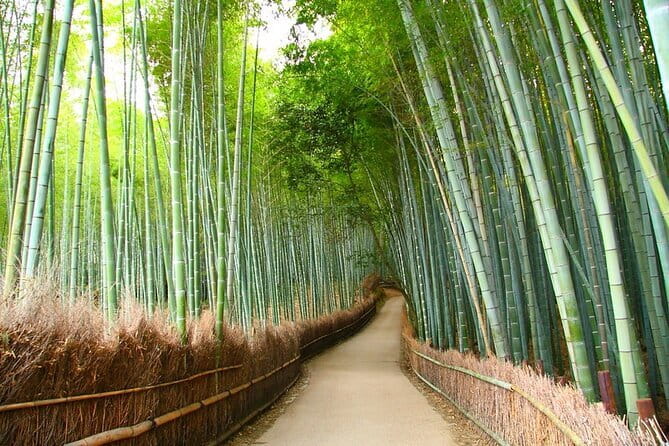
The bamboo grove receives about two hours. Tall bamboo lines narrow paths that create a cool, enclosed feeling, even when the area is busy. You will have time to walk, take photographs, and enjoy a slower stretch after the vehicle transfers.
Do not confuse the time allocation with two hours of solitude. Arashiyama is one of Kyoto’s best-known areas, and the main route can be crowded. The guide’s value here is practical: you can get briefed before walking, leave the van without figuring out the route, and return to a planned pickup point.
Some groups have also been taken through nearby shopping areas or the older parts of Kyoto, depending on the guide and the day. That flexibility is one of the better reasons to book private rather than fixed-group transport. Still, the published route names the Kimono Forest and Arashiyama bamboo area, so you should not assume a long visit to Gion or another neighborhood is included.
Same base, a completely different sort of day:
- Kyoto Geisha Walking Tour: Gion District & Hidden Gems
★ 4.7 · 3,273 reviews - Kyoto: Tea Ceremony Ju-An at Jotokuji Temple
★ 4.9 · 3,207 reviews - Kyoto: Gion Magical Night Walking Tour with Geisha Trivia
★ 4.9 · 2,393 reviews - Kyoto: 45-Minute Tea Ceremony Lesson Experience
★ 4.3 · 2,378 reviews
Fushimi Inari: torii gates and a flexible finish
Fushimi Inari-taisha is the final listed stop, with about one hour. Its famous path is lined with thousands of orange-red torii gates, donated over time by individuals and businesses. The shrine honors Inari, associated with rice, prosperity, and business success.
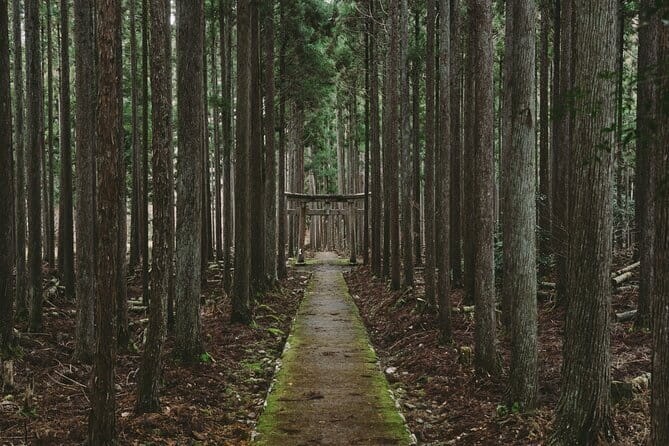
You can walk through the first section of gates and see the shrine grounds without committing to a long uphill hike. An hour is enough for a taste of the route and plenty of pictures, but not enough to explore every trail on the mountain. If you have limited mobility or tired children, tell your guide how far you want to walk.
This stop is a good example of why the route needs realistic expectations. The tour gives you access to a collection of famous places, not extended time at each one. If Fushimi Inari is your top priority, you may wish to spend more than the scheduled hour and shorten another stop. A private guide can sometimes help with that kind of adjustment, although no change is guaranteed.
The shrine is also a place where basic etiquette matters. Your English-speaking guide can explain how to approach the worship areas and how the torii paths function. Several highly praised guides, including Ben and Christine, have made local customs part of their commentary rather than treating the sites as photo backdrops.
The guides can make or break the day
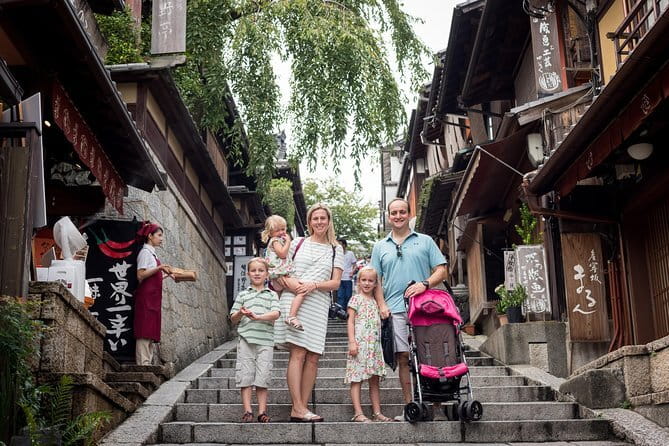
The strongest part of this experience is the human side. Ben, whose name is also given as Yujiro, is described as warm, professional, funny, and eager to answer questions. Christine is praised for prompt pickup, excellent English, local familiarity, and patient explanations. Caroline is also mentioned as a friendly guide who led groups through Nara and Kyoto.
Those details matter because this route involves long stretches in the vehicle. A guide who gives context between stops helps the day feel connected. You can ask about shrine customs, temple architecture, Japanese culture, food, sports, or pop culture, depending on your interests.
The feedback is not uniformly glowing. One person described a late pickup and missed opportunities. Another wanted more stories and facts during the long drives and reported concern when the driver appeared to fall asleep. Since the guide and driver arrangement can vary, confirm pickup details in advance and be direct about the amount of commentary you want.
The private setting gives you a better chance of getting that service. You are not sharing the day with a busload of strangers, and guides have adjusted visits for personal interests, children, photographs, and weather. A good guide can also help you avoid wasting time at entrances and explain what deserves your attention once you arrive.
Comfort, walking, and the real pace
The vehicle is air-conditioned, and parking, fuel, and travel time are included. That is a major practical advantage on a day linking Osaka, Nara, and Kyoto. You are still spending much of the day sitting in a vehicle, however, so this is not a compact walking tour.
The listed stops require moderate physical fitness. You will walk through temple grounds, shrine paths, gardens, and the bamboo area. Fushimi Inari can involve slopes and steps if you continue beyond the first gates. Service animals are allowed, and the tour is near public transportation, though the main appeal is the included private pickup.
The route can work well for families and mixed-age groups because you control the vehicle and do not need to keep pace with strangers. It may be less suitable if you prefer long meals, quiet temple visits, or a deep look at one district. Six stops create variety, but variety comes at the cost of lingering.
The weather policy also matters. The experience requires good weather. If poor weather causes cancellation, you are offered another date or a full refund. You can cancel for a full refund up to 24 hours before the start time, but changes or cancellations inside that window are not refunded.
Who gets the best value
I would look closely at this tour if you are staying in Osaka and want one organized day in the Kansai region. It is also useful if you are staying in Kyoto but want Nara added without learning two separate transport systems.
Families, first-time visitors, older relatives, and groups of friends are the natural audience. The van, hotel pickup, included tickets, and flexible private format remove much of the day’s friction. The tour is also a sensible choice if you want photographs at several famous sites and do not want to spend your limited vacation time navigating.
Independent visitors who enjoy trains and have several Kyoto days may find the price hard to justify. You can visit these areas on your own with more control over timing, though you will handle tickets, routes, transfers, and parking yourself. The value here is not low cost. It is time saved and planning reduced.
Should you book the Kyoto and Nara day?
Book it if your priority is to see the major sights efficiently, travel in a private van, and have a guide who can explain local customs and adjust the day to your group. Ben, Christine, or Caroline may add a personal touch that turns a tight schedule into a friendly day out.
Think twice if you want lengthy historical talks, quiet time at every temple, or a relaxed meal. Ask for strong commentary, confirm the pickup time, and tell the guide which stop matters most to you. At $266.85 per person, the tour earns its price through convenience, private transport, and coverage. It does not offer the slow pace of a specialist temple tour.
FAQ
Where does the tour pick up?
Pickup is offered from hotels in Osaka or Kyoto.
How long does the tour last?
The tour lasts approximately 8 to 10 hours.
Is the tour private?
Yes. Only your group participates in the activity.
Is transportation included?
Yes. A private air-conditioned vehicle is included, along with fuel surcharges, parking fees, and travel time between Osaka, Kyoto, Nara, and Osaka when applicable.
Which entrance fees are included?
Admission to Todai-ji Temple, listed as 800 yen, and Kinkaku-ji, listed as 500 yen, are included.
Is lunch included?
No. Lunch is not listed as an included item. Guides may suggest or arrange a local restaurant stop, but you should ask about payment methods.
How much time is planned at Todai-ji?
The scheduled visit to Todai-ji is one hour.
Can I feed the deer in Nara Park?
Yes. You can buy special deer crackers in Nara Park and feed the deer. The crackers are not listed as included.
Which Kyoto sights are visited?
The route includes Kinkaku-ji Temple, the Arashiyama Kimono Forest, Arashiyama’s bamboo area, and Fushimi Inari-taisha Shrine.
What happens if bad weather cancels the tour?
You will be offered a different date or a full refund if the experience is canceled because of poor weather.
Just added around Kyoto
- Kyoto: Zen Meditation at a Private Temple with a Monk★ 5.0 · 25 reviews
- Kyoto: Gion Geisha District & Sake-in-Hand Walking Tour★ 5.0 · 37 reviews
- Private Pewter Sake Cup Experience with a Kyoto Artisan★ 5.0 · 31 reviews
- Your Private Vacation Photography Session In Kyoto★ 5.0 · 110 reviews
- Private Guided Traditional Buddhist Cooking in Japan★ 5.0 · 16 reviews
- Kyoto Wagashi(Japanese sweets) Cooking Class near Fushimiinari★ 5.0 · 60 reviews
- Traditional Japanese Music show & Experience Tour in Kyoto★ 5.0 · 57 reviews
- Kyoto:Family-Friendly Kimono & Yukata Experience at WARGO★ 5.0 · 147 reviews
Kyoto Tours, compared.


Fushimi Inari, Kinkakuji, Bamboo Grove 1 Day Bus Tour
Read our review →
Tea Ceremony in a Traditional Tea House in Kiyomizu
Read our review →
Kyoto Geisha Walking Tour: Gion District & Hidden Gems
Read our review →

Gion Magical Night Walking Tour with Geisha Trivia
Read our review →
