
Reviewed · KYOTO TOURS
Kyoto: Nara, Todaiji, Kasuga Taisha Shrine Private Full Day
Nara’s magic is easy to grasp: deer wander through open parkland while ancient temples and shrines rise nearby. The day brings you face to face with Todaiji’s enormous Great Buddha, then into Kasuga Taisha’s lantern-lined grounds and Naramachi’s old merchant streets. The deer and the Buddha make a memorable pair.
I like the simple train ride from Kyoto and the fact that a private guide can explain details as you go. I also like the mix of major sights and quieter street scenes, especially Naramachi. The main catch is cost: at $183 per person, you still pay for the train and lunch, and the day includes plenty of walking.
Key points to know before booking
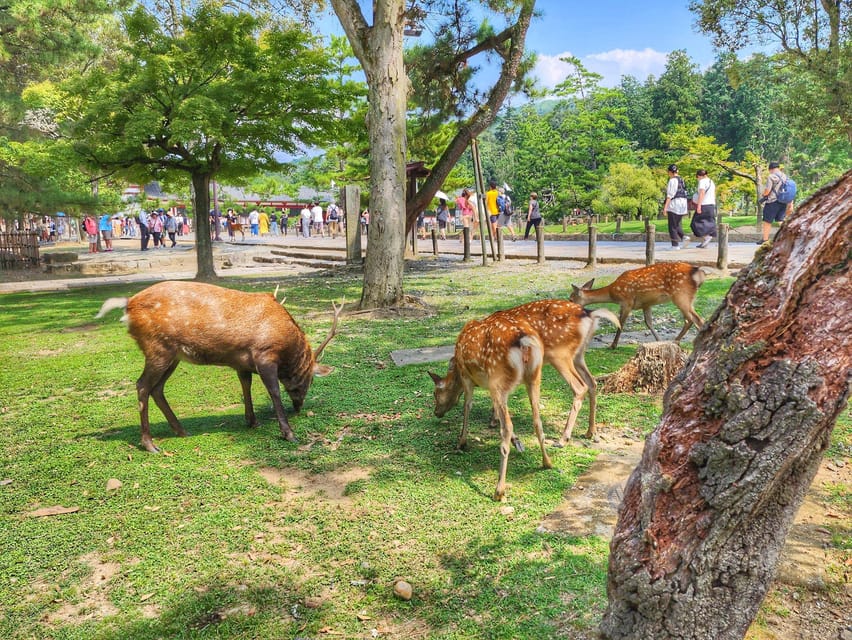
- Sacred deer in Nara Park: See free-roaming Sika deer, a symbol of Nara and traditional messengers of the gods.
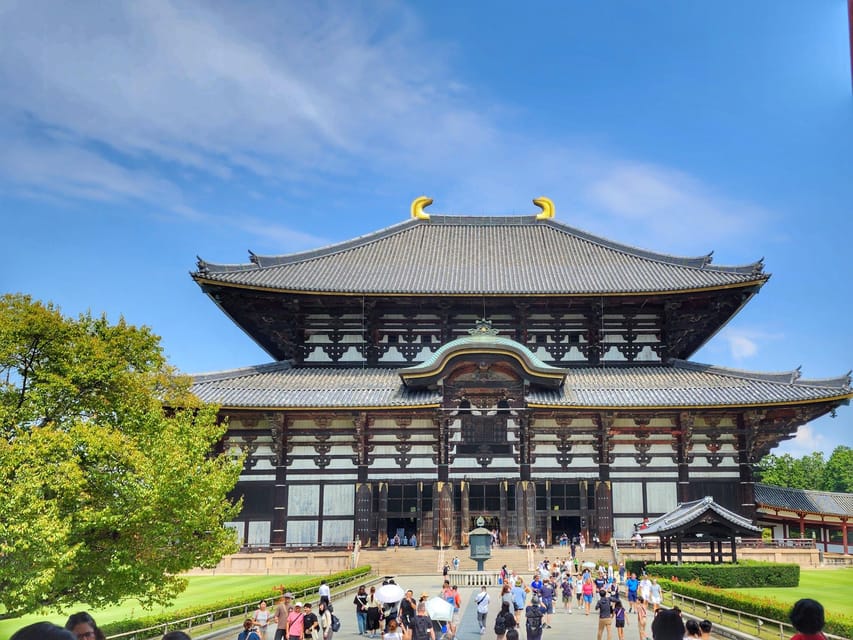
- Todaiji’s Great Buddha: Enter one of Nara’s essential sights and see one of Japan’s largest bronze Buddha statues.
- Private guiding: Your own group receives explanations in English, French, or Spanish, with guides including Akiko, Naoki, Gustavo, Alex, and Vincent.
- Train-based outing: Meet at Kyoto Station, travel about an hour each way, and receive help buying the Nara ticket.
- Lunch costs extra: The optional traditional meal at Kotoya is about JPY 2,500 per person, or you can bring your own food.
- A full eight-hour day: Expect temples, shrine grounds, park paths, old streets, and two one-hour train rides.
Why Nara makes a strong day trip from Kyoto
Kyoto has no shortage of temples, but Nara feels different. Its sights are spread through broad parkland, and deer appear between temple gates, paths, and grassy spaces. The result is less about checking off one monument and more about seeing how sacred sites and everyday town life fit together.
This tour gives you a sensible introduction to that mix. You begin at Kyoto Station, ride the express train to Nara, and work through the city on foot before returning by train. An eight-hour schedule is long enough to cover the major stops without forcing you to plan every turn yourself.
I especially like the private format. If you want to ask about Japanese religion, imperial capitals, local customs, or the meaning of the lanterns at Kasuga Taisha, you can shape the conversation around your own interests. The guides have also received praise for being friendly, clear, attentive, and flexible. Akiko, Naoki, Gustavo, Alex, and Vincent are among the guides named in the feedback, with Gustavo earning repeated praise for helpful explanations and close attention to questions.
The drawback is that this is not a budget day out. The advertised price is $183 per person, and transportation and lunch are separate. The train costs about JPY 1,280 each way, though a JR Pass can be used, and the traditional lunch is around JPY 2,500. That can still be fair for a private full-day guide, but you should calculate the full spend before booking.
A few more Kyoto half-days to weigh up
- 5 Top Highlights of Kyoto Full Day Bike Tour (E-bike option)
★ 5.0 · 511 reviews - Full Day Biking Tour Exploring the Best of Kyoto
★ 5.0 · 498 reviews - Full Day Guided Tour to Kyoto and Nara from Osaka by Van
★ 5.0 · 420 reviews
Meeting at Kyoto Station and riding to Nara
The meeting point is the 7-Eleven Heart-In at the Central Entrance of JR Kyoto Station. Look for a guide wearing a TripGuru shirt or holding a TripGuru sign. Kyoto Station is large, so give yourself enough time to find the Central Entrance rather than arriving at the last minute.
The train ride takes about one hour. Your guide helps you purchase the ticket on the day, which removes one small but useful hurdle. You are responsible for the fare unless your JR Pass covers it.
This start works well for people staying near Kyoto Station or those comfortable reaching the station on their own. Hotel pickup and drop-off are not included, so you need to handle that part yourself. The train also means you avoid spending the morning figuring out a complicated route to Nara.
Kofukuji and the story of Nara’s capital
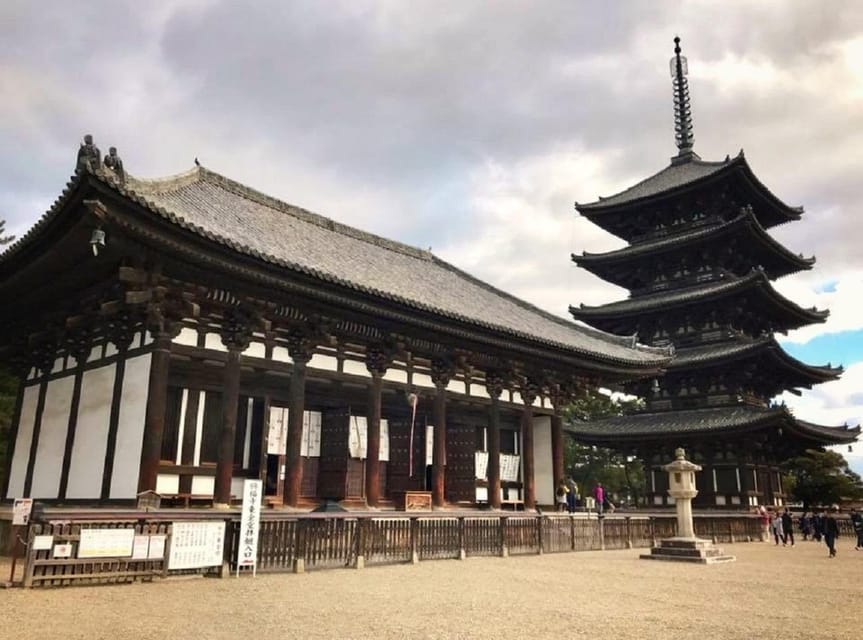
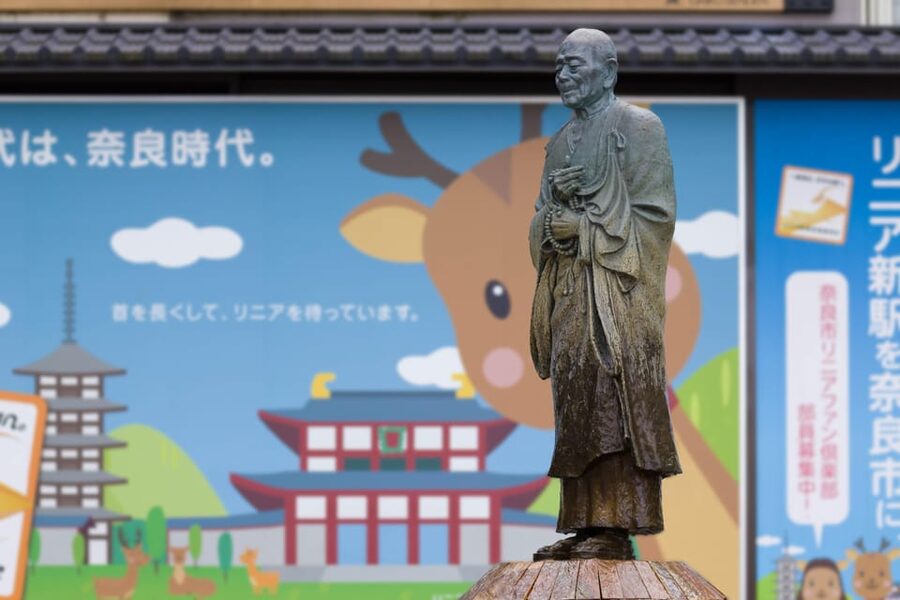
After arriving in Nara, the route begins near the Gyoki Statue and continues through the grounds of Kofukuji Temple. The stop lasts about 30 minutes and gives your guide a chance to explain how Nara grew around the imperial capital of Heijo-kyo.
The value here is context. Kofukuji is not simply another temple on a long sightseeing list. It helps you understand why Nara became such an important center of government and religion. With a guide beside you, details about the temple and the old capital can turn the first stop into a useful frame for the rest of the day.
Thirty minutes is enough for an introduction, but it is not a long temple visit. If you want extended time for every building, garden, or photo angle, the schedule may feel brisk. The tradeoff is that you preserve time for Todaiji, Kasuga Taisha, and Naramachi, which are the day’s larger experiences.
Meeting Nara’s free-roaming Sika deer
Nara Park is the most playful part of the outing. Sika deer move freely through the open spaces, and they are treated as sacred messengers of the gods in Shinto tradition. You will have time to walk through the park and take photos before heading to Todaiji.
The deer are not a staged attraction behind a barrier. They are part of the public park, which gives the stop its charm. You can watch them moving through the green spaces and see why deer have become Nara’s symbol.
Keep your camera ready, but also pay attention to the setting. The wide park paths and temple buildings create a memorable contrast, with quiet natural space beside major religious sites. This is also a good point to slow down after the train ride.
The listed park visit is about 15 minutes, though the overall walking time around the sights will be longer. If deer are your main reason for visiting Nara, that short scheduled stop may feel limited. The guide can help you make the most of it, but the day is designed to cover several parts of the city rather than focus only on animals.
Same base, a completely different sort of day:
- PERFECT KYOTO 1-Day Bus Tour
★ 5.0 · 13,518 reviews - Kyoto: Fushimi Inari, Kinkakuji, Bamboo Grove 1 Day Bus Tour
★ 4.8 · 4,316 reviews - Kyoto: Tea Ceremony in a Traditional Tea House in Kiyomizu
★ 4.9 · 3,519 reviews - Kyoto Geisha Walking Tour: Gion District & Hidden Gems
★ 4.7 · 3,273 reviews
Entering Todaiji and seeing the Great Buddha
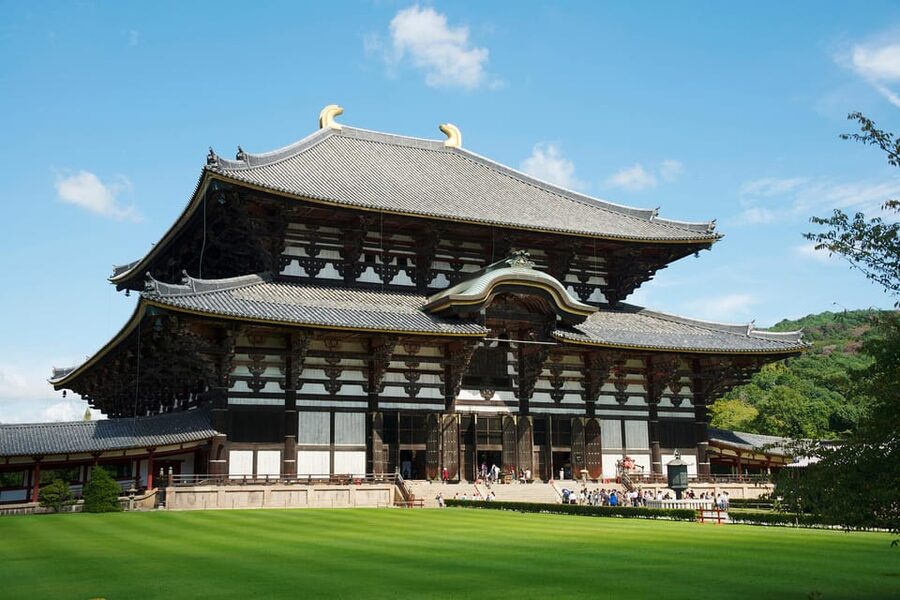
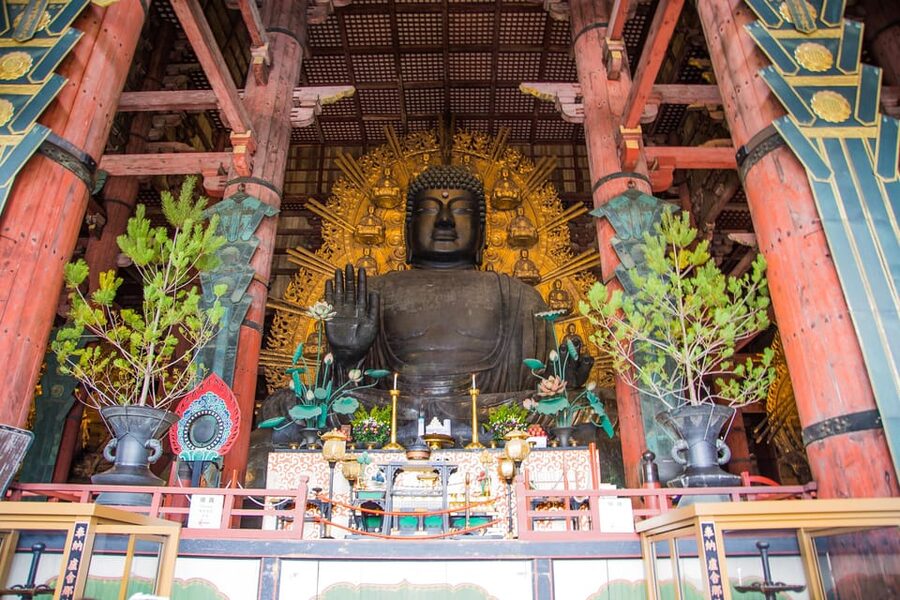
Todaiji receives about an hour with a guided visit. This is the day’s major architectural and spiritual stop, and the Great Buddha, or Daibutsu, is the centerpiece. The bronze statue is one of the largest Buddha figures in Japan and gives the enormous temple interior its sense of scale.
I like the way Todaiji follows Nara Park. You first see the deer in an open setting, then move toward a building built to hold a figure of extraordinary size. The sequence makes the visit feel connected rather than like two unrelated attractions.
Your guide can explain the temple’s cultural importance and point out details you might otherwise pass without understanding. The English, French, or Spanish language options make this particularly useful if you want more than a quick photo stop.
One hour is a practical amount of time for a first visit, but it will not satisfy every temple enthusiast. You will need to keep moving with the group, and the day includes several later stops. Still, if you have only one day for Nara, Todaiji is the sight that deserves priority, and this schedule gives it proper attention.
Taking a flexible lunch break at Kotoya
Lunch is planned at Kotoya Restaurant and lasts about an hour, but the meal is optional and not included in the price. The traditional Japanese lunch costs around JPY 2,500 per person. You may also bring your own food.
This arrangement is useful because it keeps the tour flexible. You can choose the local meal if you want to try Nara specialties in a set restaurant setting, or save money with your own lunch. Cash is worth carrying, since personal expenses are not included.
The one-hour break gives you a chance to sit down before the afternoon visits. That matters on a day with temple grounds, park paths, shrine approaches, and old streets. If you choose the restaurant, confirm the added cost when planning your budget.
Walking beneath the lanterns at Kasuga Taisha
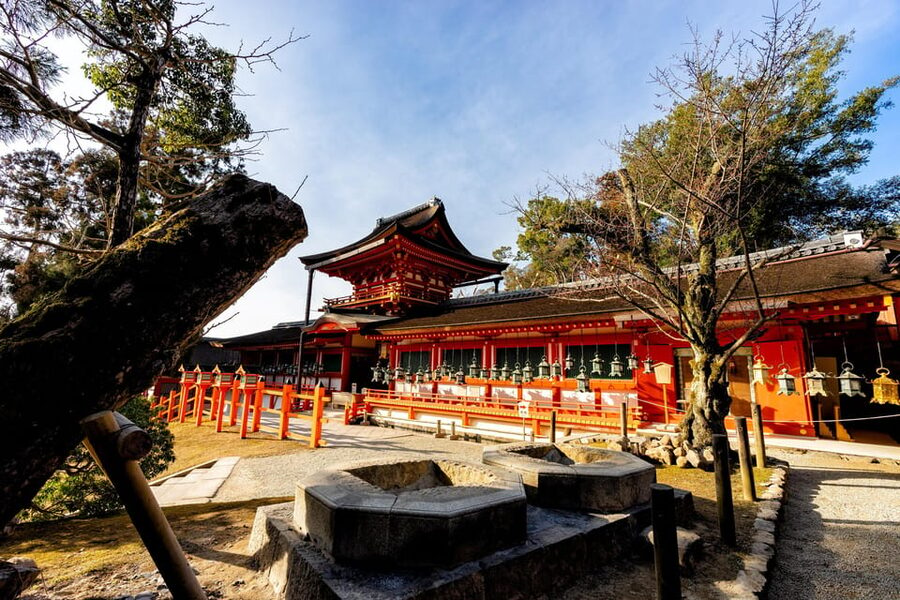
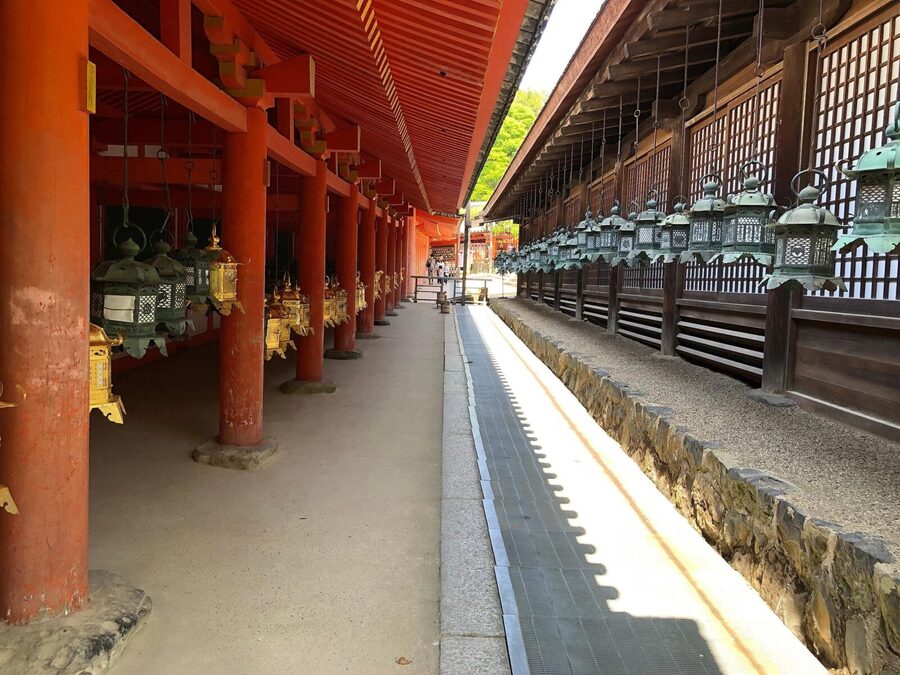
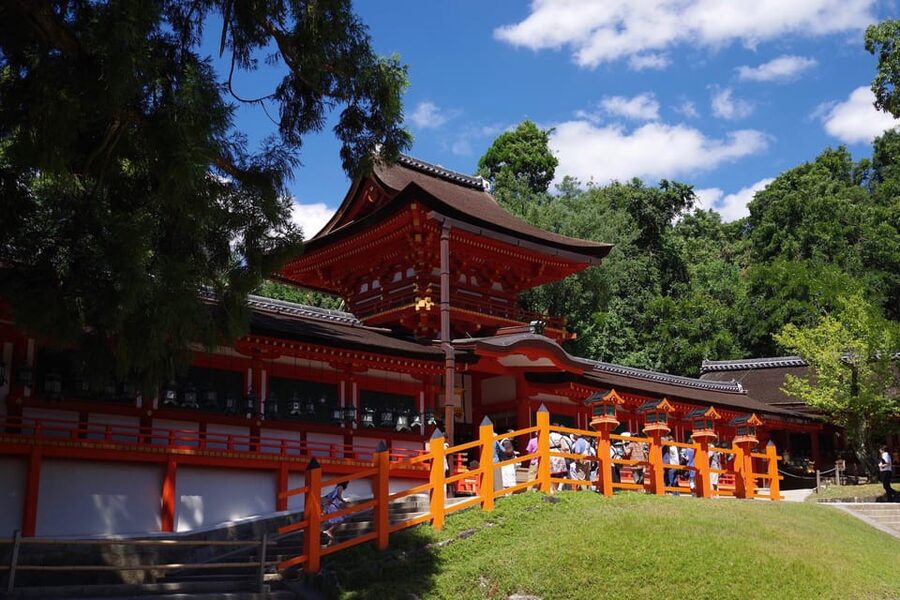
Kasuga Taisha receives about an hour with the guide. The shrine is known for its picturesque grounds and thousands of hanging lanterns, which give the visit a distinct look from Todaiji’s huge temple interior.
This is where the day shifts from the scale of the Great Buddha to a more atmospheric shrine setting. The lanterns, wooded approach, and traditional details make Kasuga Taisha a good counterpoint to the open spaces of Nara Park.
A guide is helpful here because Shinto shrines can seem quiet and simple if you do not know what you are looking at. You can ask about the shrine’s religious role, the lanterns, and the customs connected with the grounds. The scheduled hour should allow a solid visit without turning the afternoon into a race.
As with the other stops, this is an introduction rather than an exhaustive study. If you want to linger at every corner, take many photos, or explore at a slow pace, a private tour still has a timetable to follow.
Finding old Japan in Naramachi
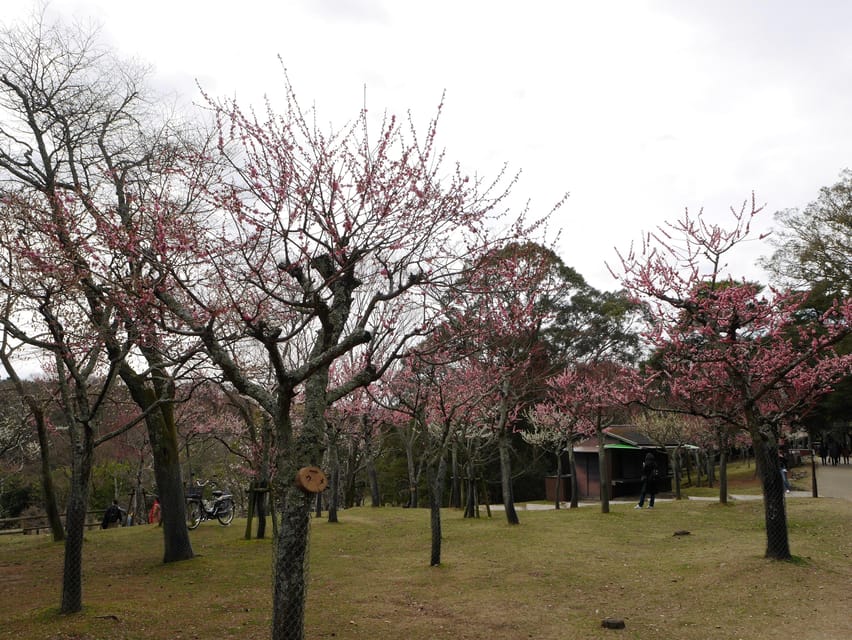
The final major stop is Naramachi, with about an hour to explore. Narrow lanes and well-preserved traditional merchant houses give this district a very different feel from the open park and formal temple compounds.
Naramachi is valuable because it shows ordinary town architecture rather than only famous monuments. The old houses and compact streets offer a glimpse of the Edo period and help you see Nara as a living city, not just a collection of sacred sites.
I like having Naramachi at the end. After the deer, the temple, the lunch stop, and the shrine, the old lanes provide a calmer way to finish. You can look closely at the street fronts and absorb the town’s character without needing another major monument.
The hour goes quickly, especially if you enjoy traditional buildings. Still, it is enough to get a feel for the district and decide if you want to return on your own. The tour then heads back to the station for the roughly one-hour train ride to Kyoto.
What the $183 price really covers
At $183 per person, this is best judged as a private guided day, not as a simple sightseeing pass. The price includes an English, French, or Spanish speaking guide, entrance fees for Todaiji and Kasuga Shrine, and snacks.
You pay extra for the train, with the fare listed at about JPY 1,280 each way, unless you use a JR Pass. Lunch is also separate, at roughly JPY 2,500 for the optional Kotoya meal. Hotel transfers and personal spending are not covered.
The value is strongest if you want help with transport, historical context, and day planning without joining a large group. A private guide can adjust explanations to your questions and make the day easier for a first visit to Nara. The value is weaker if you already know the city well, prefer wandering alone, or want to spend long periods at one sight.
The 4.9 rating from 18 reviews reflects a consistent pattern in the feedback: guides are praised for clear explanations, warm manners, flexibility, and practical help. That matters because the guide is the main reason to choose this format over a self-guided train trip.
Walking, timing, and who should skip it
Wear comfortable shoes. You will travel by train, but the Nara portion includes walking through temple grounds, the park, shrine areas, and Naramachi. Bring a camera and cash for the train, lunch, and personal expenses.
This experience is not suited to pregnant women, people with mobility impairments, or people with heart or respiratory problems. The day is active, and the supplied information does not promise special mobility arrangements.
The itinerary can change, so treat the schedule as a useful outline rather than a minute-by-minute guarantee. The private group format gives you more personal attention, but it does not remove the walking or the need to keep moving between stops.
Free cancellation is available up to 24 hours before the tour for a full refund, and you can reserve now and pay later. Starting times vary, so check availability for your chosen date.
Should you book this Nara day trip?
Book it if you want Nara’s essential sights in one organized day and value a guide who can explain what you are seeing. The combination of deer, Todaiji, Kasuga Taisha, and Naramachi is well chosen, and the private format suits couples, families, and small groups who want a more personal pace of conversation.
Think twice if your main goal is a low-cost outing or a slow, unstructured day. The $183 price does not include train fare or lunch, and the schedule gives each stop a set window. For most first-time visitors who want cultural context and a straightforward route from Kyoto, the tour offers a useful balance of famous sights and local character.
FAQ
Where does the tour meet in Kyoto?
Meet at the 7-Eleven Heart-In at the Central Entrance of JR Kyoto Station. Look for a guide wearing a TripGuru shirt or holding a TripGuru sign.
How long is the tour?
The tour lasts eight hours, including the train rides between Kyoto and Nara.
Is transportation included?
No. The train fare is separate and costs about JPY 1,280 each way. A JR Pass can be used, and the guide assists with buying the ticket on the day.
Is lunch included?
No. You may choose a traditional lunch at Kotoya for about JPY 2,500 per person or bring your own food.
What languages are available?
The live guide service is available in English, French, and Spanish.
Are entrance fees included?
Yes. Entrance fees for Todaiji Temple and Kasuga Shrine are included. Snacks are also included.
Can I cancel the booking?
You can cancel up to 24 hours in advance for a full refund. The activity also offers a reserve-now, pay-later option.
Just added around Kyoto
- Kyoto: Zen Meditation at a Private Temple with a Monk★ 5.0 · 25 reviews
- Kyoto: Gion Geisha District & Sake-in-Hand Walking Tour★ 5.0 · 37 reviews
- Private Pewter Sake Cup Experience with a Kyoto Artisan★ 5.0 · 31 reviews
- Your Private Vacation Photography Session In Kyoto★ 5.0 · 110 reviews
- Private Guided Traditional Buddhist Cooking in Japan★ 5.0 · 16 reviews
- Kyoto Wagashi(Japanese sweets) Cooking Class near Fushimiinari★ 5.0 · 60 reviews
- Traditional Japanese Music show & Experience Tour in Kyoto★ 5.0 · 57 reviews
- Kyoto:Family-Friendly Kimono & Yukata Experience at WARGO★ 5.0 · 147 reviews
Kyoto Tours, compared.


Fushimi Inari, Kinkakuji, Bamboo Grove 1 Day Bus Tour
Read our review →
Tea Ceremony in a Traditional Tea House in Kiyomizu
Read our review →
Kyoto Geisha Walking Tour: Gion District & Hidden Gems
Read our review →

Gion Magical Night Walking Tour with Geisha Trivia
Read our review →
