
Reviewed · KYOTO TOURS
Kyoto: Private Customized Walking Tour with a Local Insider
Kyoto’s best moments often come between the famous sights: a quiet garden, a small food counter, a temple detail you would have walked past. This private walking tour gives you a local host who shapes the route around your interests, from shrine visits and Japanese food to Gion alleys and everyday city life. I like the pre-tour questionnaire because it gives your guide a useful starting point, and I like the freedom to stop for an unplanned snack or change direction when something catches your eye. The main tradeoff is that you pay extra for personal attention, and transportation, food, and entry fees cost more.
I also like using this tour early in a Kyoto stay. Guides such as Emi have helped visitors understand local customs and train travel, while others have suggested restaurants and further sights for later. Just remember that a 2-hour walk can cover only so much, and public transport may be needed to connect distant parts of town.
Five things to know before booking
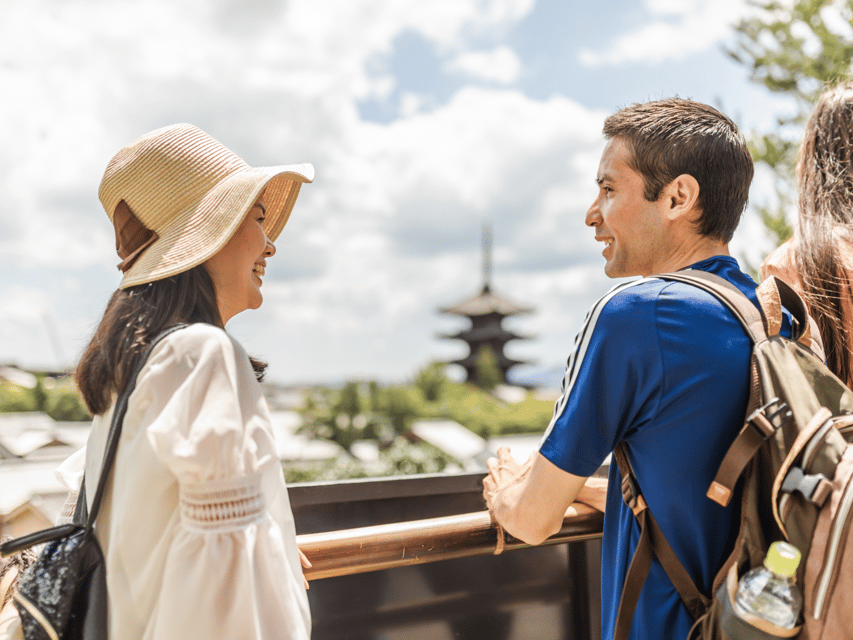
- Your interests shape the day: Tell your host if you want temples, gardens, food, shopping, Gion, local culture, or quieter streets.
- The pace is genuinely flexible: Your guide can adapt timing, route, snack stops, and sightseeing priorities.
- It works well as a first Kyoto activity: You can get help with trains, basic customs, restaurants, and planning the rest of your visit.
- Food can be part of the route: Nishiki Market, a traditional tea room, lunch stops, and small local counters may fit your plan, but food is extra.
- It is a walking tour, not a private car tour: Central hotel pickup is available, but taxis and public transport cost extra when needed.
A Kyoto tour built around your interests
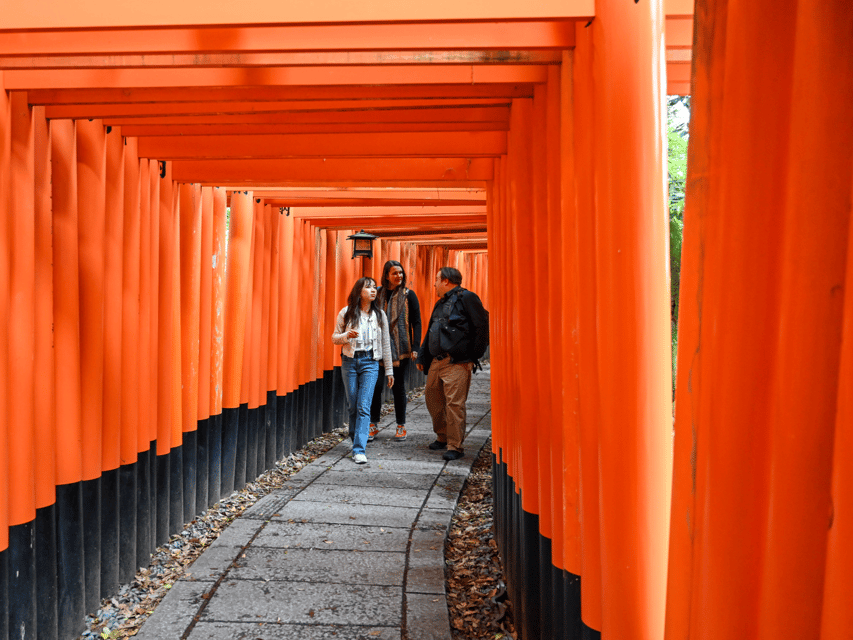
The clever part of this experience happens before you meet your guide. You fill out a short questionnaire about your personality and interests, then communicate directly with your host about a possible plan.
That process matters in Kyoto. The city has far too many temples, markets, gardens, neighborhoods, and food streets for a generic half-day route to cover them all. If you want famous sights, your host can focus there. If you have already seen the major temples, you can ask for quieter places, local food, or the details of daily life that large group tours tend to skip.
You might be paired with a host such as Nisa, who has led walks focused on geisha culture and Japanese life, or Milo, whose tours have included history, city navigation, and less crowded places. Other guides named in visitor feedback include Mia, Hiro, Takaya, Eiko, Sasha, Ai, and Shingo. The important point is not the name alone. It is the direct exchange before the tour, which gives you a chance to explain what you actually want.
Be specific. Say if you dislike rushing, need frequent breaks, have dietary requirements, want help with trains, or prefer history over shopping. One guide adjusted a route for mobility needs, while another helped recover a teenager’s forgotten phone. Those practical touches can matter as much as the sightseeing.
More walking tours in Kyoto:
- Kyoto Geisha Walking Tour: Gion District & Hidden Gems
★ 4.7 · 3,273 reviews - Kyoto: Gion Magical Night Walking Tour with Geisha Trivia
★ 4.9 · 2,393 reviews - Kyoto: Gion Geisha District Walking Tour – Stories of Geisha
★ 4.7 · 2,187 reviews
Choosing between famous Kyoto and quieter Kyoto
A private guide gives you a useful choice: follow Kyoto’s classic sights, or use your time to find a less crowded side of the city.
First-time visitors may ask for shrines, temples, Gion, and traditional streets. During cherry blossom season, a route might include the Philosopher’s Path and Gion, as one family requested. These areas give you the Kyoto most people picture, with historic religious sites, old lanes, and seasonal scenery.
The drawback is crowding. Gion and the best-known temples can be packed, especially during blossom season and other busy periods. A guide can help you organize the route, but a private walk does not remove the crowds. It also cannot guarantee entry to every sight unless tickets are arranged and paid for separately.
If you prefer a calmer day, ask about gardens, smaller shrines, or areas away from the busiest routes. One visitor’s four-hour walk included quiet gardens and Nanzenji, along with matcha in a traditional tea room. Another guide showed less crowded parts of Kyoto and explained Japanese garden design. These are the sorts of details that make a private tour worthwhile when you have already seen the headline sights.
You should also be realistic about distance. Kyoto spreads out. A walk through Gion, a market visit, and a temple area may fit together nicely, but adding a faraway attraction can require a train, bus, or taxi. Your host can help make the route efficient, but the extra fare is yours.
Food stops that go beyond a market stroll
Food is one of the strongest reasons to choose this experience. You can ask your host to include Nishiki Market, a lunch recommendation, a tea stop, or a small local place that suits your needs.
Nishiki Market is a useful choice if you want to sample Kyoto foods in one concentrated area. A guide can explain what you are seeing and help you decide what to try instead of leaving you to guess at unfamiliar dishes. Food and drinks are not included, so budget separately for snacks and meals.
The more unusual food experiences can be the most memorable. One visitor was taken to a tiny counter in someone’s home, while others stopped for a traditional Japanese lunch or matcha in a temple tea room. These examples show what a local host can add: not just a list of restaurants, but context, ordering help, and a better sense of how the food fits into Kyoto life.
Still, do not book this as a guaranteed food tour. The exact stops depend on your interests, the host, timing, and availability. Tell your host about allergies or dietary requirements before the day. A guide has accommodated specific lunch needs, but you should make those needs clear in advance.
If food is central to your plan, choose a longer duration. Two hours may allow for a market and nearby sights, but four to six hours gives you room for lunch, conversation, and more than one neighborhood.
What the guide adds at temples and gardens
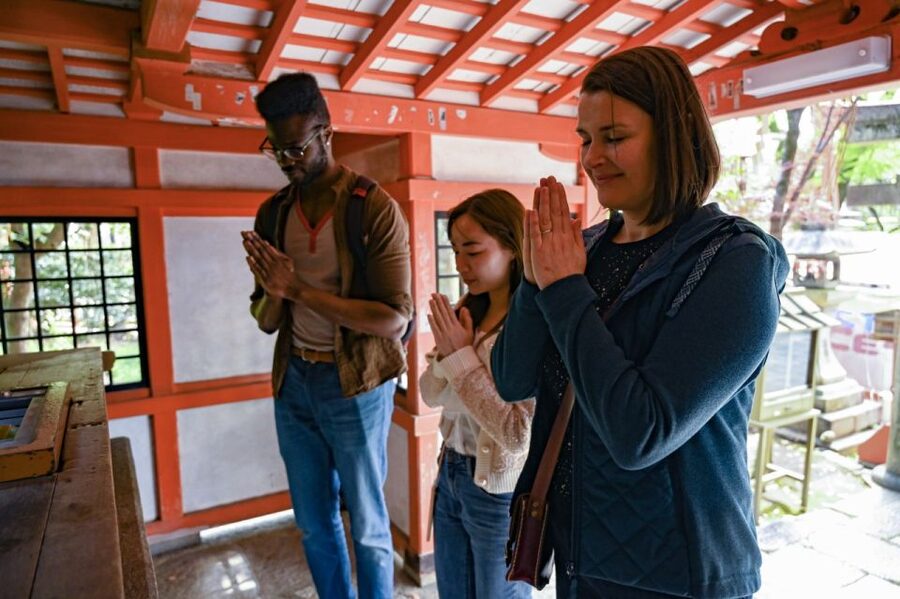
Kyoto’s religious sites can be beautiful but confusing. A private guide can explain the difference between Buddhist and Shinto traditions, point out meaningful design features, and give you the basic behavior cues that help you feel comfortable.
Several guides have been praised for making history easy to follow. Shingo has explained Japanese history and culture to families, while Milo has helped visitors understand both historical sites and practical city navigation. Nisa has discussed Buddhism, local religions, and geisha culture. That range is useful because Kyoto is not one single story.
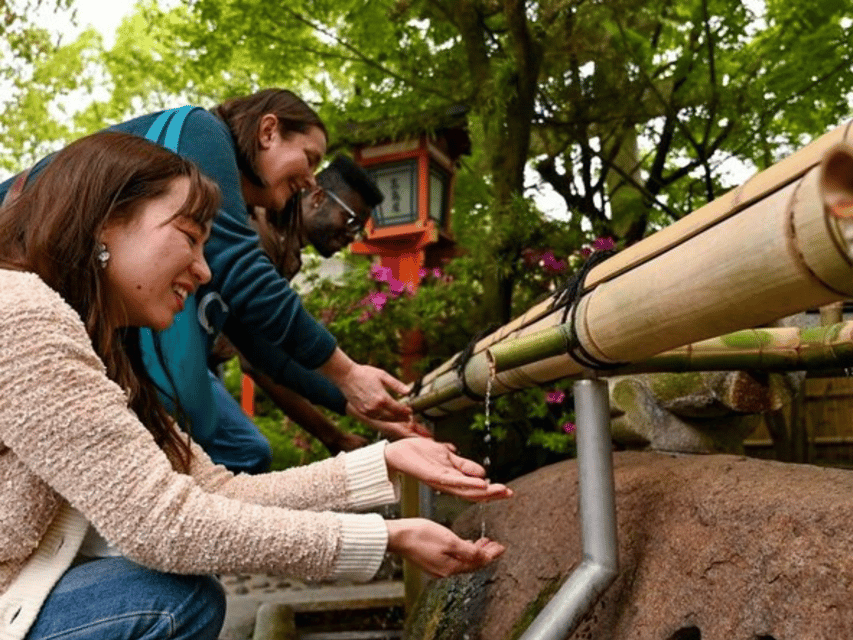
At a garden, your host might explain why stones, water, moss, or borrowed views are arranged in a certain way. At a shrine, you can ask about rituals instead of simply copying the person in front of you. At a temple, you can slow down for a detail that a standard route might treat as a quick photo stop.
The experience depends on the individual guide, so expectations should remain sensible. You are not booking a specialist academic lecture. You are booking a local companion who can explain places clearly, answer questions, and adapt the day. If you want expert-level art history or a formal religious study tour, check the host’s background before confirming your plan.
A few more Kyoto half-days to weigh up
- PERFECT KYOTO 1-Day Bus Tour
★ 5.0 · 13,518 reviews - Kyoto: Fushimi Inari, Kinkakuji, Bamboo Grove 1 Day Bus Tour
★ 4.8 · 4,316 reviews - Kyoto: Tea Ceremony in a Traditional Tea House in Kiyomizu
★ 4.9 · 3,519 reviews - Kyoto: Tea Ceremony Ju-An at Jotokuji Temple
★ 4.9 · 3,207 reviews
Gion, local life, and the value of conversation
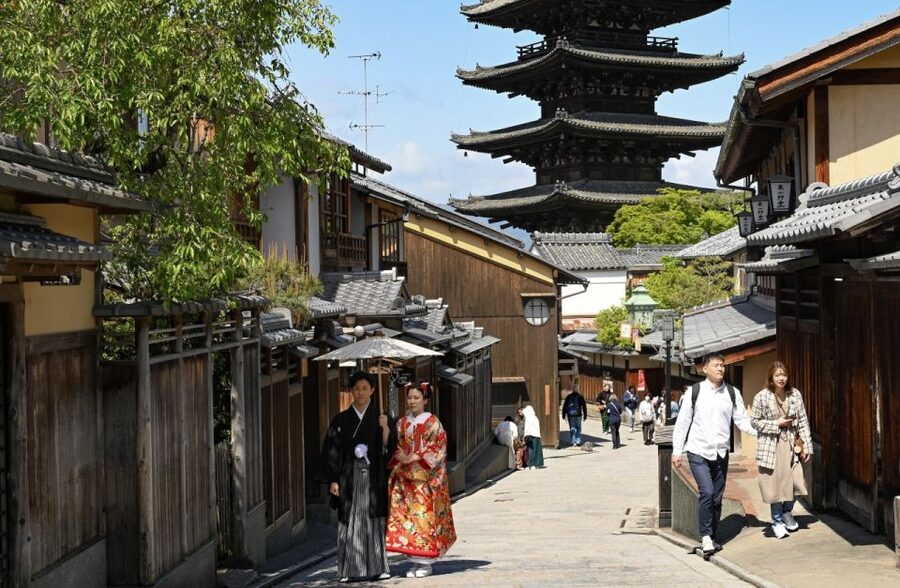
Gion is more than a photo stop. It is also a living neighborhood, and a good guide can help you approach it with respect.
Ask your host about geisha culture, local customs, and appropriate behavior in narrow lanes. Nisa has been singled out for her ability to explain geisha culture and wider Japanese life, while other guides have helped visitors understand everyday social habits. That kind of conversation can prevent awkward mistakes and add meaning to what you see.
The walking format works well here because the streets are best experienced slowly. You can pause, ask questions, and notice the change from a busy main road to a quieter lane. Your host may also suggest restaurants or places to return to later.
Do not expect every alley to be open for casual exploration or photography. Gion is a working neighborhood, not a theme park. Your guide can offer useful advice, but you still need to follow local signs and respect private property.
Why a first-day booking can be smart
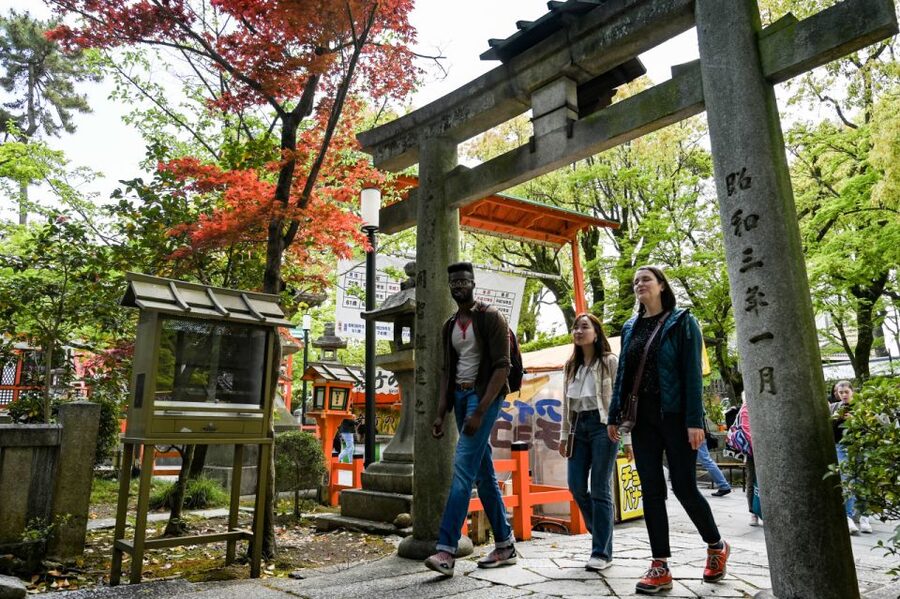
I would seriously consider booking this on your first or second day in Kyoto. The value is not only the sights covered during the walk. It is the head start you get on the rest of your trip.
Guides have helped visitors understand trains, buy needed items, choose restaurants, and plan further temple visits. Emi helped one visitor feel more prepared for Japanese customs and basic city routines. Hiro assisted a family with train questions and suggested local restaurants after visiting shrines.
That advice can save time and reduce small stresses. Kyoto’s transport system is manageable, but a local explanation is useful when you are tired, carrying luggage, or trying to connect two distant areas. You can also ask your host to mark places on a map or suggest what to do after the tour.
The tour can work just as well later in a trip if you want a fresh angle. Returning visitors can request quiet gardens, neighborhood walks, food, or cultural subjects they missed the first time.
How much time should you book?
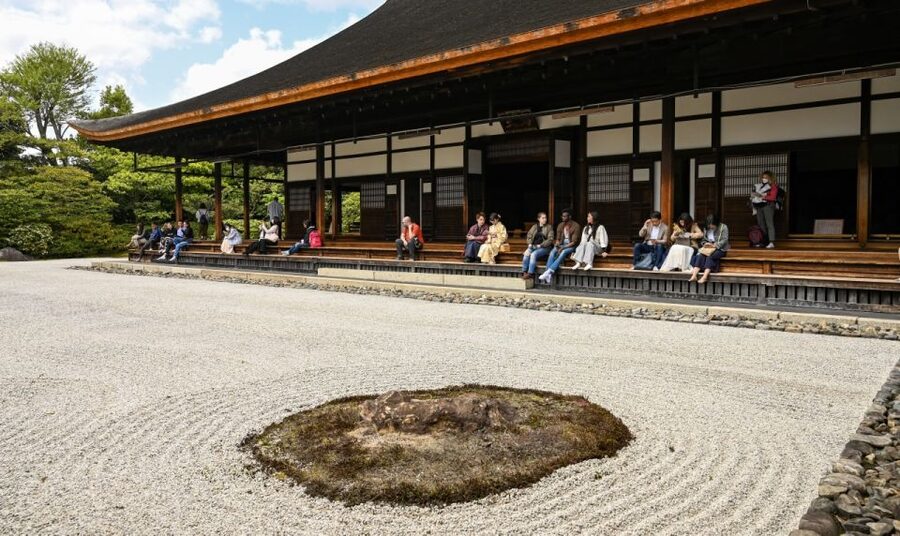
The tour lasts from 2 to 6 hours. The right length depends on your goal.
Two hours is best for a focused introduction. Choose one neighborhood or a tight theme, such as Gion, a market, nearby shrines, or basic Kyoto orientation. This is also a good choice if you have limited energy or a packed schedule.
Three to four hours gives you a useful half-day. You can combine several nearby sights, stop for food, and leave time for questions. Many visitors found four hours enough to see a strong selection of places without feeling hurried.
Five to six hours makes sense if you want several neighborhoods, a meal, quieter stops, or help with transport between areas. It is also the better choice for families who need a slower pace and more flexibility.
Walking takes energy. Kyoto’s streets, temple grounds, and steps can add up, even when the route looks easy on a map. Discuss mobility needs with your host before meeting. A guide has adapted plans for visitors with mobility concerns, but the tour remains a walking experience.
Price, private attention, and what you still pay
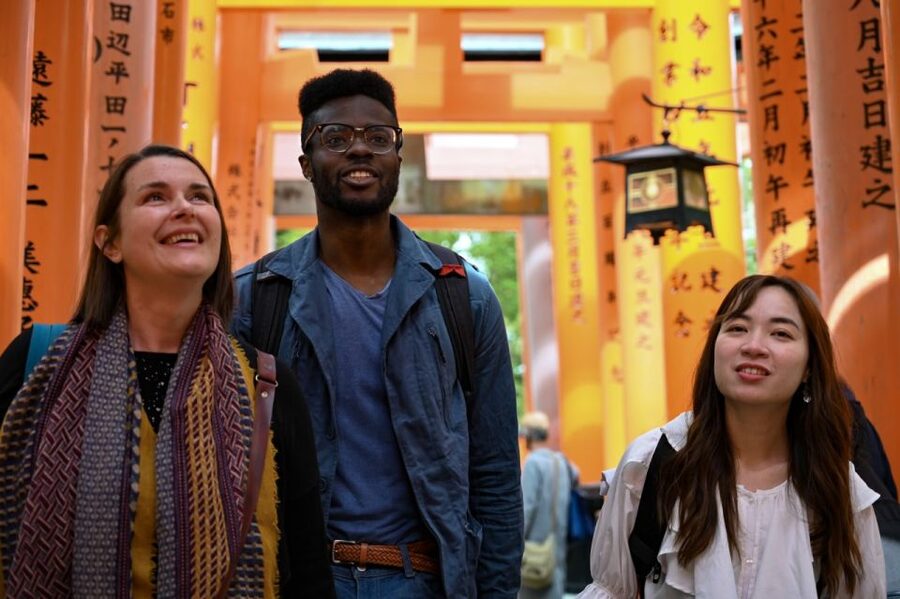
At $64 per person, this tour can be good value for a private experience, especially for a couple, family, or small group that wants personal attention. The price becomes easier to justify when you use the guide for more than sightseeing: ask about trains, local manners, food choices, and plans for the next few days.
A private guide also means you are not waiting for a large group or following a fixed script. If your child loses interest, you can change pace. If you find a market stall or garden worth lingering over, you can stay longer.
The cost does not cover food, drinks, attraction tickets, or transportation. Since public transport and taxis may be used between areas, ask your host about the likely route and extra fares before the day. If you want to keep spending low, request a compact walking route with nearby sights.
Hotel pickup can be arranged from central Kyoto hotels. Otherwise, the standard meeting point is Starbucks Coffee at Kyoto Sanjo-ohashi Bridge, at 113 Nakajimacho, Nakagyo Ward. Confirm the meeting details directly with your host.
You can cancel up to 24 hours before the tour for a full refund, and the reserve-now, pay-later option helps if your schedule is still shifting. The tour is offered in English and Japanese, for a private group, and is listed as wheelchair accessible.
Who will get the most from this Kyoto walk?
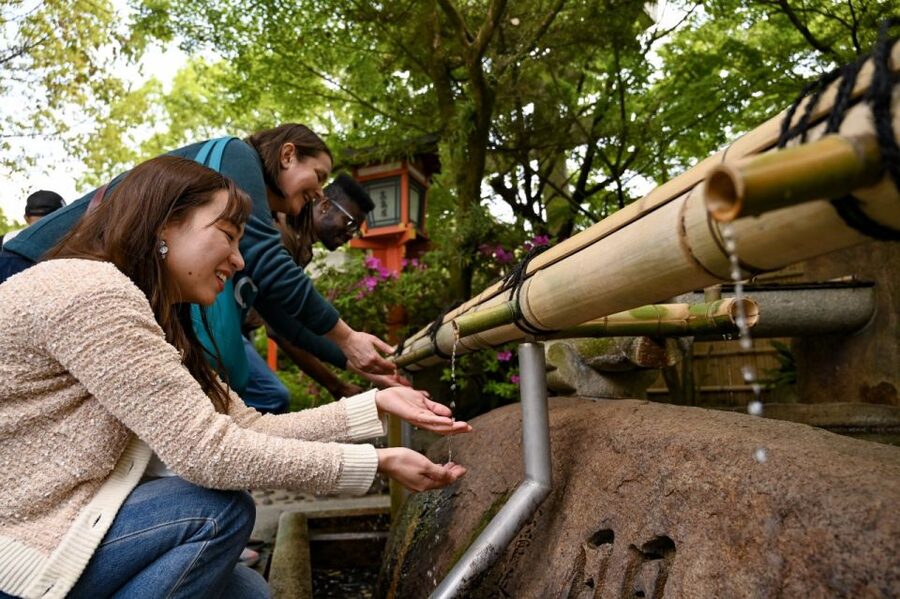
I would recommend it most strongly to:
- First-time visitors who want help getting oriented
- Families who need a route shaped around children and changing energy levels
- Couples who prefer conversation to a formal group lecture
- Returning visitors who want quieter temples, gardens, or local food
- People with specific dietary or mobility needs to discuss in advance
- Anyone who wants practical advice for the rest of a Kyoto stay
It may be less suitable if you want a fixed sightseeing package with guaranteed attractions, included meals, or private transportation. It is also not the cheapest option for a solo visitor who only wants a quick look at one temple.
The experience is strongest when you take part in the planning. A vague request can produce a pleasant walk, but a detailed questionnaire and a clear conversation give your host more to work with.
Should you book it?
Book this Kyoto private walking tour if you value flexibility, personal conversation, and local help more than a fixed checklist. The best use is early in your stay, with four hours reserved for a mix of sights, food, and practical advice.
For $64 per person, you are paying for a flexible route and a local person who can adjust the day to your interests. Ask for the sights you care about, request quieter alternatives when needed, and confirm extra transport and meal costs. If that sounds better than joining a large group, this is a sensible way to begin finding your own Kyoto.
FAQ
How long is the Kyoto private walking tour?
You can choose a duration from 2 to 6 hours when booking. Starting times depend on availability.
Is this a private tour?
Yes. The experience is for a private group, with a personal local host rather than a shared group guide.
Can I choose what to see?
Yes. You complete a pre-tour questionnaire about your interests and personality, then communicate directly with your host to discuss a suggested route.
What languages are available?
The tour is offered in English and Japanese.
Can my central Kyoto hotel arrange pickup?
Hotel pickup can be arranged from any central Kyoto hotel. The alternative meeting point is Starbucks Coffee at Kyoto Sanjo-ohashi Bridge.
Is transportation included?
No. This is a walking tour, and a private vehicle is not included. Public transport or local taxis may be used between sites at an additional cost.
Are food and attraction tickets included?
No. Additional food, drinks, and attraction tickets are not included in the price.
Can I cancel the tour?
Yes. You can cancel up to 24 hours in advance for a full refund. You can also reserve now and pay later.
Just added around Kyoto
- Kyoto: Zen Meditation at a Private Temple with a Monk★ 5.0 · 25 reviews
- Kyoto: Gion Geisha District & Sake-in-Hand Walking Tour★ 5.0 · 37 reviews
- Private Pewter Sake Cup Experience with a Kyoto Artisan★ 5.0 · 31 reviews
- Your Private Vacation Photography Session In Kyoto★ 5.0 · 110 reviews
- Private Guided Traditional Buddhist Cooking in Japan★ 5.0 · 16 reviews
- Kyoto Wagashi(Japanese sweets) Cooking Class near Fushimiinari★ 5.0 · 60 reviews
- Traditional Japanese Music show & Experience Tour in Kyoto★ 5.0 · 57 reviews
- Kyoto:Family-Friendly Kimono & Yukata Experience at WARGO★ 5.0 · 147 reviews
Kyoto Tours, compared.
Fushimi Inari, Kinkakuji, Bamboo Grove 1 Day Bus Tour
Read our review →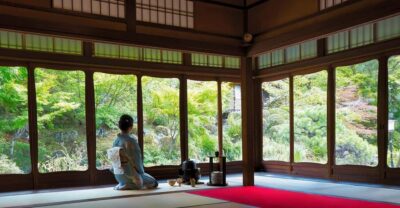
Tea Ceremony in a Traditional Tea House in Kiyomizu
Read our review →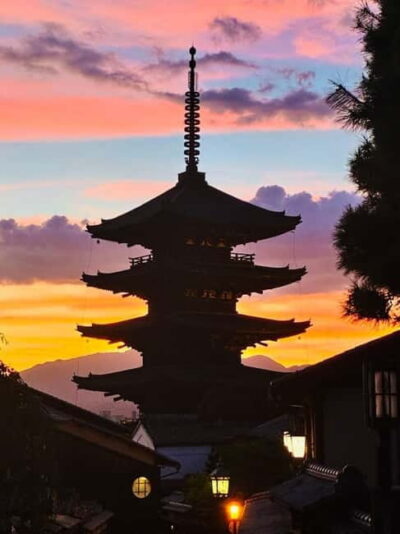
Kyoto Geisha Walking Tour: Gion District & Hidden Gems
Read our review →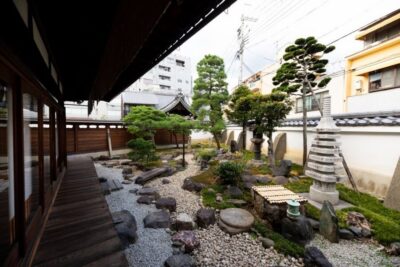
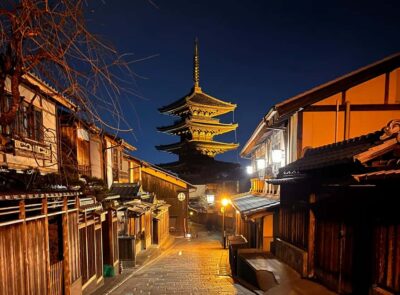
Gion Magical Night Walking Tour with Geisha Trivia
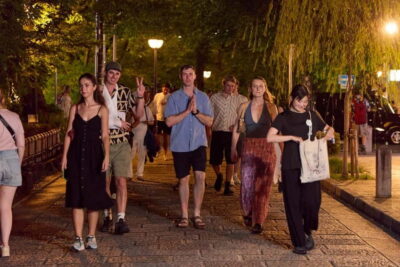
Read our review →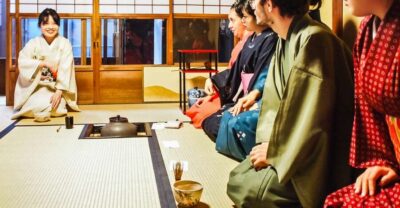
Gion Geisha District Walking Tour – Stories of Geisha
Read our review →Browse the lists this tour appears in