
Reviewed · KYOTO TOURS
Kyoto: Private Rickshaw Tour of Gion and Higashiyama Area
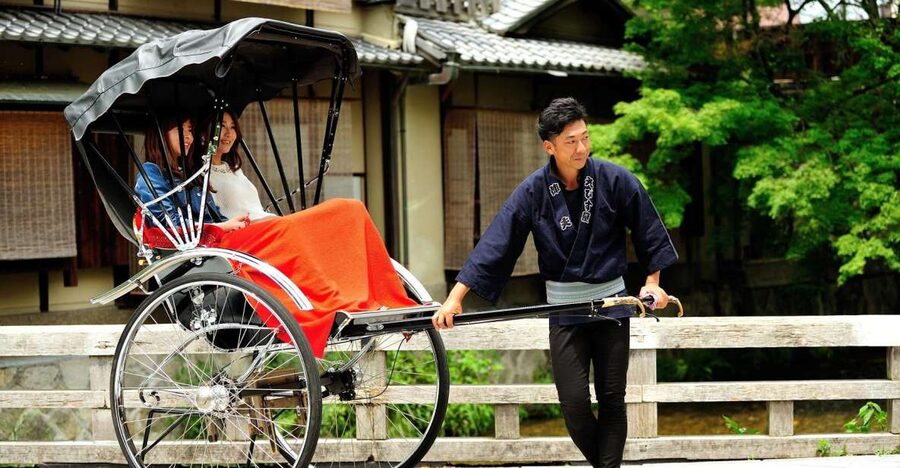
Kyoto’s old streets make more sense from a rickshaw. Sitting above the crowd, you glide past wooden townhouses, temple lanes, willow-lined water, and Gion’s geisha district while your guide explains what you are seeing. The ride itself is part sightseeing, part local history lesson, and part photo session.
I like the private format, which lets you ask questions and adjust the route to your interests. I also like the guides’ personal touch: Moto, Fumi, Shiro, Daichi, and others are praised for clear English, humor, local stories, and creative photos. The main drawback is space. Each rickshaw is only about 21.1 inches, or 74 centimeters, wide, so two adults may feel snug.
Key points to know before booking
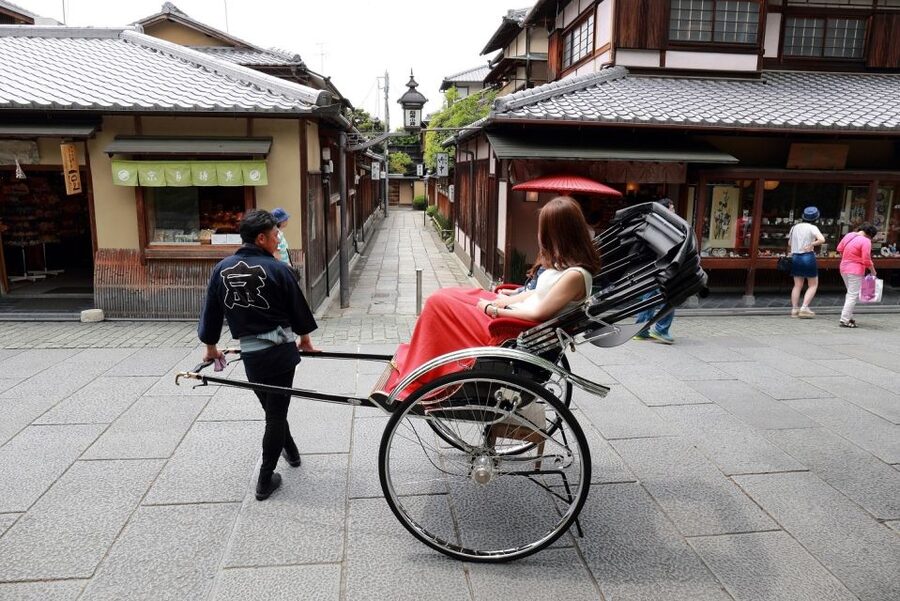
- The meeting point is beside Kodaiji Temple, at the corner of Nene Street and Ichinenzaka Street.
- You ride through Higashiyama and Gion, with traditional wooden buildings, temples, shops, narrow lanes, and photo stops.
- The tour is private and customizable, so your guide can shape the ride around your interests and available time.
- English and Japanese guides are available, with guides such as Moto, Fumi, Shiro, Daichi, and Takuto praised for explanations and friendly service.
- Four tour lengths are offered, beginning with a 45-minute introduction and extending to longer routes through southern Higashiyama and northern Gion.
- One rickshaw is best for one adult or two smaller adults, while families and larger adults may be more comfortable using separate rickshaws.
Why a rickshaw works so well in Higashiyama
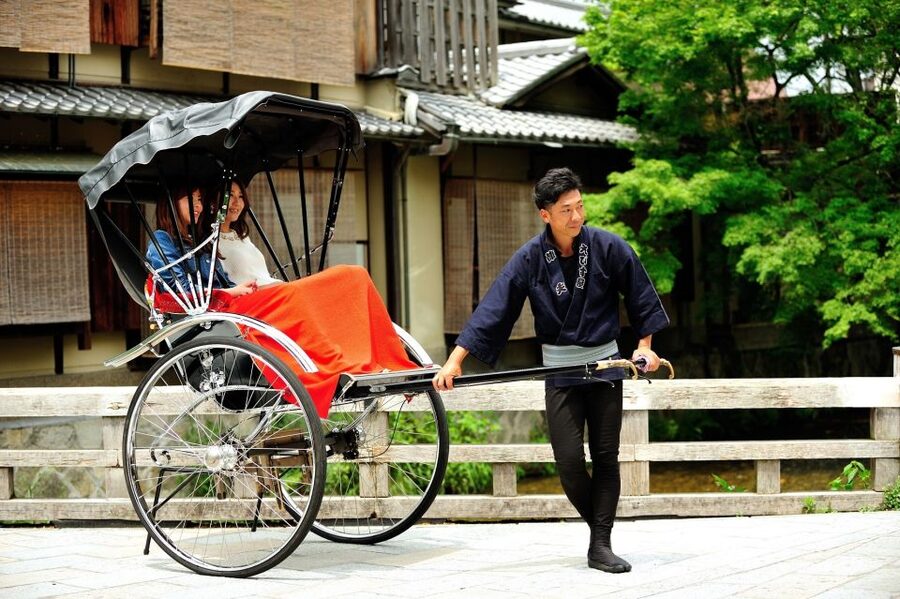
Higashiyama is one of Kyoto’s most atmospheric sightseeing areas, but it can also be tiring. Its stone and cobbled lanes rise and fall around temples, shops, and old wooden houses. Walking gives you freedom, but it also means stopping often to check a map, avoid crowds, and keep an eye on traffic.
A rickshaw removes much of that fuss. You sit comfortably while your guide does the work, pointing out details that are easy to miss from street level. You can focus on the shape of the buildings, the signs, the temple entrances, and the rhythm of the neighborhood.
This is not a transport service in the usual sense. The driver is also your guide and photographer. The best guides explain what makes a street or building important, answer questions, suggest other places to visit, and stop at good picture spots. Several guides are singled out by name for this mix of energy and care, including Fumi, Shiro, Moto, Daichi, Yoshito, Kai, and Takuto.
The private setup matters. You are not sharing the ride with strangers, and you can ask for more history, more photos, or a route focused on temples, traditional streets, or Gion. The route is not entirely free-form, but the experience can be adjusted to suit your interests.
More geisha-district evenings:
- Kyoto Geisha Walking Tour: Gion District & Hidden Gems
★ 4.7 · 3,273 reviews - Kyoto: Gion Magical Night Walking Tour with Geisha Trivia
★ 4.9 · 2,393 reviews - Kyoto: Gion Geisha District Walking Tour – Stories of Geisha
★ 4.7 · 2,187 reviews
Meeting near Kodaiji Temple
You meet at the corner of Nene Street and Ichinenzaka Street, near Kodaiji Temple. This is a useful starting point because you are already in the historic Higashiyama district, rather than being dropped into the area from a modern commercial street.
Kodaiji is a nationally designated historic area, and the surrounding streets quickly give you the Kyoto most people hope to see. Traditional shops and wooden townhouses line the route. The atmosphere changes from ordinary city traffic to a slower, older-looking part of Kyoto.
Allow time to find the meeting point. The starting streets are narrow and busy, and the voucher is valid for this Kyoto Higashiyama and Gion branch only, not the company’s Arashiyama branch. That distinction is important if you are comparing several rickshaw options in Kyoto.
At the start, your guide will get you settled in the seat and explain the plan. A little flexibility helps here. If you have a particular temple, street, or type of photo in mind, tell the guide before setting off.
The short ride: what 45 minutes can cover
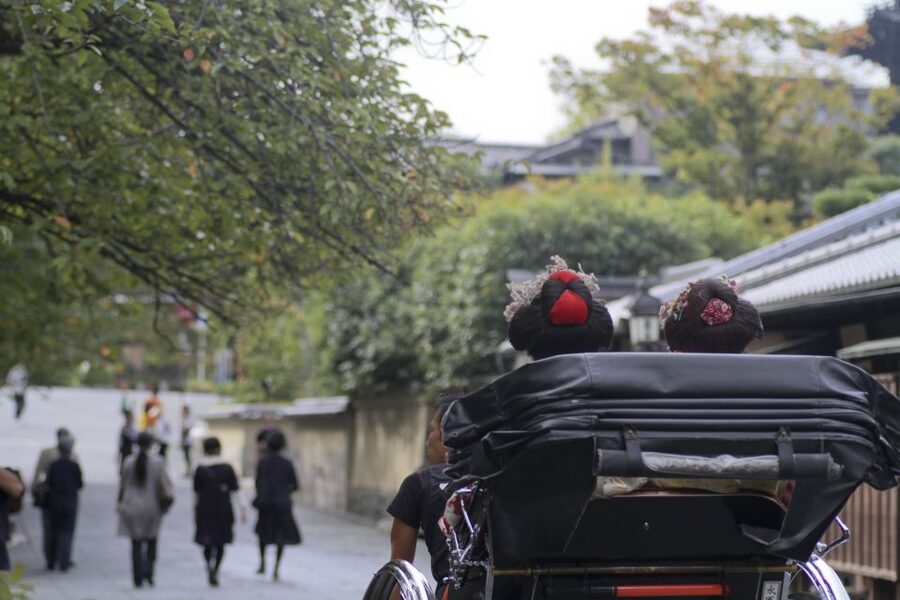
The 45-minute option is an introduction, not a full tour of every corner of Gion and Higashiyama. It works well if your schedule is tight or if you want a taste of the rickshaw experience without committing a large part of your day.
You can expect a compact route through the old streets near Kodaiji, with explanations of the buildings and local customs along the way. There are photo stops at scenic places, and your guide can help frame pictures rather than simply snapping a quick shot as you pass.
A short tour can still be worthwhile. One guest booked 45 minutes and found the guide, Atsuki, added plenty of history and humor at each stop. Another party found the same length well worth the time and money. The key is to treat it as a focused overview.
I would choose 45 minutes if you are visiting Kyoto for only a day, have temple reservations afterward, or want an easy first look at Higashiyama. If this is your main chance to explore the district, choose a longer option. One guest who booked a short ride later wished they had allowed more time.
Longer routes through Gion and northern Higashiyama
The longer choices give the experience room to breathe. Instead of staying close to the starting point, you can continue through more of Higashiyama and into northern Gion.
The route may include ancient temples, additional traditional streets, and a picturesque river lined with weeping willows. You pass through the famous entertainment district of Gion, where wooden facades and discreet entrances hint at the area’s long connection with tea houses and traditional performing arts.
Gion is also a place where expectations need some care. You may see maiko or geisha, but sightings are not guaranteed, and the district is not a stage set for photographs. Your guide can explain the customs and point out important areas, but you should be respectful and avoid treating people as props.
The longer ride is especially useful if you want context. Instead of seeing one attractive lane and moving on, you have time to connect the temples, homes, shops, river paths, and entertainment streets into a clearer picture of Kyoto’s old center.
The published information gives four duration choices, with options ranging from 45 minutes to longer outings. The details describe the longest tour as 3 hours and 10 minutes, while another duration line lists a maximum of 130 minutes. Check the exact time shown for your selected booking before paying, since the route and coverage depend heavily on the duration you choose.
A few more Kyoto half-days to weigh up
- PERFECT KYOTO 1-Day Bus Tour
★ 5.0 · 13,518 reviews - Kyoto: Fushimi Inari, Kinkakuji, Bamboo Grove 1 Day Bus Tour
★ 4.8 · 4,316 reviews - Kyoto: Tea Ceremony in a Traditional Tea House in Kiyomizu
★ 4.9 · 3,519 reviews - Kyoto: Tea Ceremony Ju-An at Jotokuji Temple
★ 4.9 · 3,207 reviews
Wooden townhouses and the old Kyoto streets
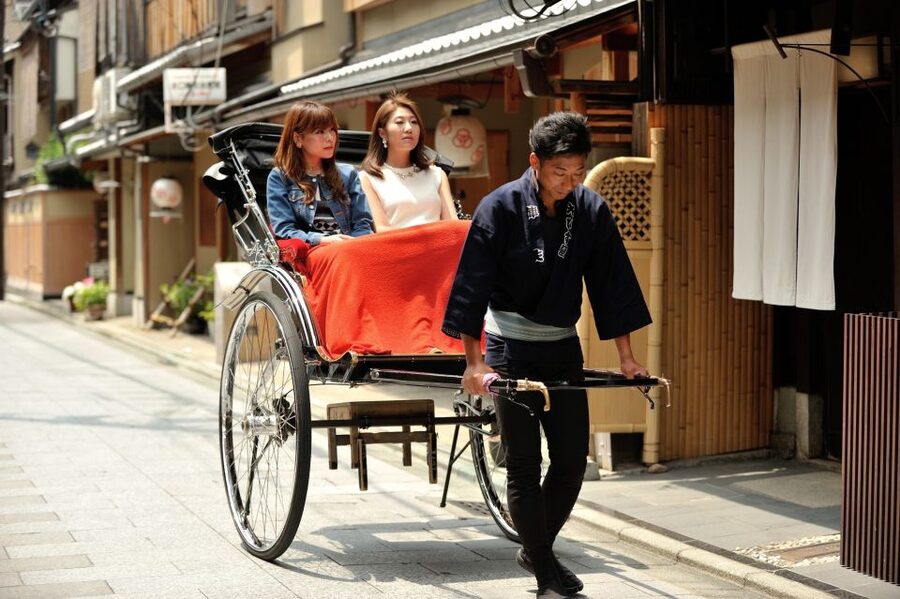
The most satisfying part of the ride is often not a single famous sight. It is the steady view of machiya, Kyoto’s traditional wooden townhouses, along lanes that still preserve the old scale of the city.
These buildings create a strong sense of place. Their narrow fronts, wooden screens, tiled roofs, and shop entrances show how homes and businesses once shared the same small footprint. From a rickshaw, you have time to notice the details without stopping in the middle of a pedestrian lane.
The streets around Ichinenzaka and Nene Street are scenic, but they can also be crowded. A rickshaw gives you a higher view and lets you cover ground without wearing yourself out. It does not make the lanes empty, however. At busy times, the ride may slow down, and your guide will need to work carefully around pedestrians.
That slower pace is not a flaw. It gives your guide time to explain what you are passing. The best part of the tour is the combination of movement and commentary, not speed.
Temples, river views, and photo stops
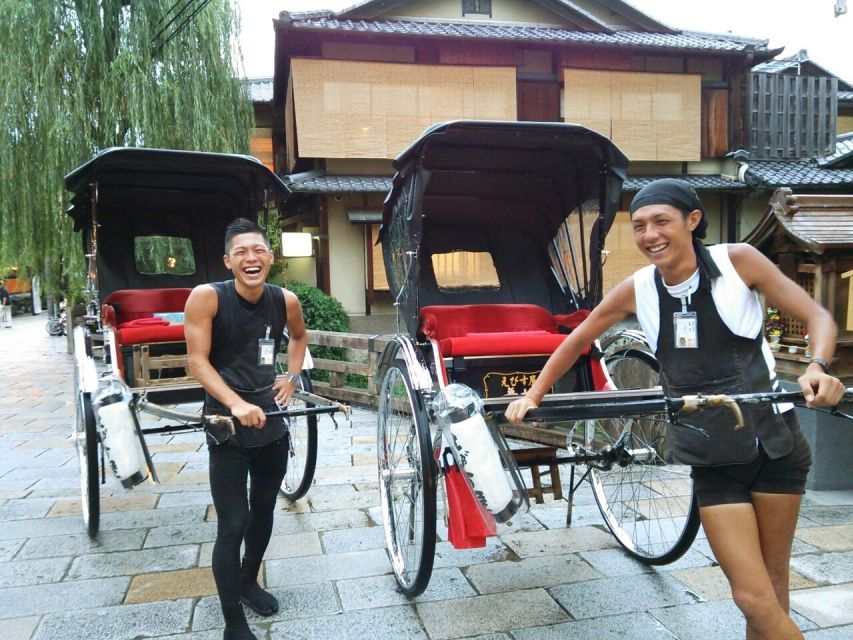
The tour passes some of Kyoto’s best-known temples and scenic corners, though the exact stops depend on the duration and route. You see temple grounds and historic approaches from the rickshaw, but entry fees are not included.
That distinction matters. This is a neighborhood tour, not a temple-entry tour. If you want to spend an hour inside Kodaiji or another temple, plan that separately before or after the ride. The rickshaw is useful for understanding where the sights are and deciding which ones deserve a longer visit on foot.
Photo stops are built into the experience. Guides know which streets and viewpoints create better pictures, and several guides are praised for taking a large number of photographs, including more creative shots. Some have also helped make short videos with a passenger’s phone.
Bring a charged phone and enough storage. The tour includes a souvenir postcard and sticker, but the photos are likely to be your most useful keepsake. Tell your guide if you prefer natural portraits, group pictures, temple backdrops, or simple street scenes.
Rain does not necessarily ruin the ride. One guide, Shuhei, kept a rainy morning enjoyable and offered useful suggestions for the rest of the day. Still, weather affects visibility, comfort, and picture quality, so dress for the forecast.
Gion and the etiquette that matters
Gion is Kyoto’s best-known geisha district, but it is also a working neighborhood. You pass tea houses, restaurants, residences, and streets where people live and work. A good guide helps you understand the difference between seeing a cultural district and intruding on it.
You may encounter maiko, geisha, or people dressed in kimono for sightseeing. Those are not the same thing, and your guide can help explain the difference. One guide, Shiro, was praised for explaining the Gion area and its traditions clearly, while Yoshito was noted for answering many questions about the district.
Use your camera with care. Do not block a narrow lane for a photograph, follow someone, or use a selfie stick. Selfie sticks are specifically not allowed on this tour. Your guide will direct you to suitable photo stops, which is both safer and more considerate.
The ride gives you a useful introduction to Gion, but it cannot explain every layer of the district in a single outing. Think of it as a well-paced orientation with a personal guide, not a complete course in Kyoto’s performing arts.
The guide can make or break the experience
The strongest part of this tour is the guide. You are not simply being pulled from one address to another. Your driver explains the area, handles the rickshaw safely, chooses stops, and often takes your photos.
The names attached to especially strong experiences include Moto, Fumi, Shiro, Daichi, Takuto, Kai, Atsuki, Shintaro Hutakeyna, and Yoshito. The praised qualities are consistent: clear English, humor, energy, patience, local knowledge, and genuine enthusiasm for the work.
Moto is described as especially fluent in English and good at answering questions. Fumi is praised for friendly conversation, safe driving, and creative photos. Daichi is noted for finding less obvious places and tailoring the route. Shiro is repeatedly described as informative and engaging.
Guide assignments can change, so you should not book on the assumption that one named person will lead your ride. Still, the pattern is encouraging. The company appears to place real importance on communication, hospitality, and photo skills, not just on pulling power.
You may also pick up practical advice for the rest of your Kyoto visit. Several guides have suggested other areas to see, and that can be valuable early in your stay. If possible, schedule the tour near the beginning of your Kyoto time so you can use those suggestions afterward.
Comfort, seating, and family details
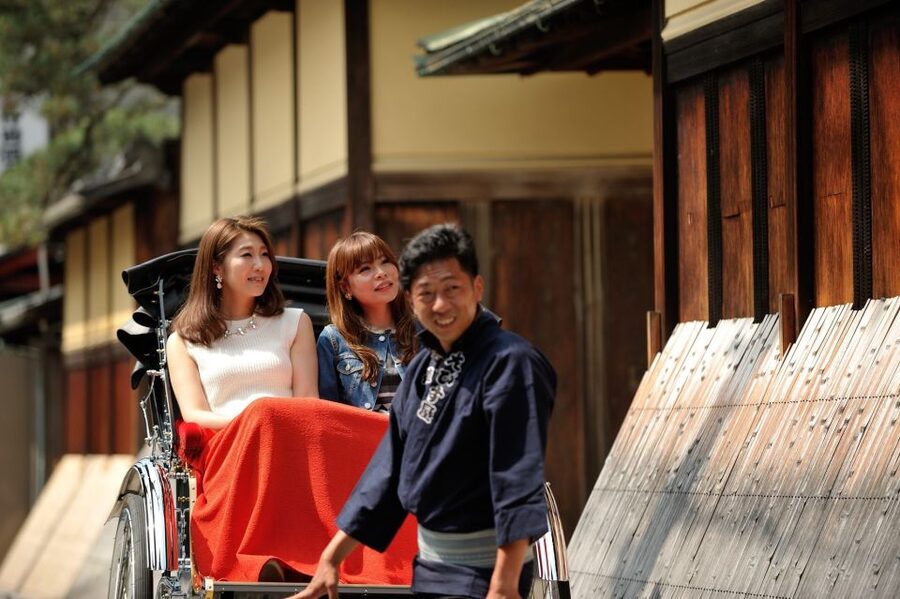
Each rickshaw is about 74 centimeters wide. That is narrow, and two average-sized adults may find the seat close. One passenger advised booking one rickshaw per average-sized person unless both riders are small. Families of four commonly use two rickshaws.
Children aged six and older pay the adult price. Up to two children aged five and under can ride with two adults, with one child on each adult’s lap. If a child under six uses one of the two seats, that child must be booked as a full-fare adult.
The ride is wheelchair and stroller-friendly, but you should still check the practical setup when booking if you need specific assistance. The vehicle is open to the street, and the route includes narrow and sometimes steep streets.
The experience is not recommended for pregnant women, people with back problems, or those in the first 16 weeks of pregnancy. The listing gives slightly different wording in its restrictions, so anyone with a medical concern should treat the stricter advice as the safer guide.
One older passenger, aged 80, was kept warm and safe by the guide, and another person with mobility problems found the rickshaw allowed access to more of the area than walking would have. Even so, comfort varies from person to person. If you have chronic pain or limited mobility, mention it before the ride begins.
Is $51 per person good value?
At $51 per person, the value depends on how you use the tour. You are paying for a private vehicle, a local guide, photo stops, cultural explanation, and the chance to cover historic streets without doing all the walking yourself.
For two people, the price buys more than a simple ride. You get a personal introduction to Gion and Higashiyama, help with photographs, and the ability to ask questions as you go. The value is strongest if you care about history, want a private experience, or have mobility limits.
It is less compelling if you only want transportation or plan to spend the whole day inside temples. Food, drinks, hotel pickup, and temple entry fees are not included, so budget for those separately.
The short ride offers the easiest value calculation. At 45 minutes, you get a compact overview and a memorable activity for a modest time commitment. Longer rides cost more in total, but they give you a better chance to reach northern Gion, see the river, and get a fuller picture of the district.
When to book this Kyoto ride
I would book it early in a Kyoto visit, especially if this is your first time in the city. The guide can help you understand the layout of Higashiyama and Gion, then suggest what to revisit on foot.
Choose 45 minutes if you want an introduction, have a packed schedule, or are traveling with someone who may tire quickly. Choose a longer route if Gion is a major reason for your Kyoto visit, if you want more temple and river views, or if you prefer one guided experience over several hours of independent wandering.
Families should plan on two rickshaws for four adults or for larger children. Couples should consider their size and comfort before assuming two people will fit easily in one seat.
Should you book the Ebisuya Rickshaw tour?
Book this tour if you want Kyoto’s old streets explained as you pass through them, rather than simply photographed from a distance. It is particularly good for first-time visitors, couples, families, older adults, and anyone who wants to limit long walks without giving up the historic districts.
I would skip it if your main goal is a quiet, private walk or extensive temple interiors. The lanes can be crowded, the seat is narrow, and the tour gives you an outside view of many sights.
For most people, the 45-minute ride is a safe choice when time is short. If you can spare it, I prefer a longer option because Gion and Higashiyama reward a slower route. Ask for the kind of experience you want, bring a charged phone, and let the guide handle the traffic, stories, and photographs.
FAQ
Where does the Kyoto rickshaw tour begin?
Meet your guide at the corner of Nene Street and Ichinenzaka Street, by Kodaiji Temple in Higashiyama.
Which areas does the tour visit?
The tour travels through Higashiyama and the Gion area. Longer routes can continue through more of Higashiyama and northern Gion.
How long does the tour last?
The available options begin at 45 minutes. The activity information describes four duration choices, including a longest option of 3 hours and 10 minutes, while another section lists durations up to 130 minutes. Check the exact duration when selecting your booking.
Is the tour private?
Yes. It is offered as a private group experience.
Which languages are available?
Live guides are available in English and Japanese.
Is the tour customizable?
Yes. The route can be adjusted depending on your interests.
Are temple entry fees included?
No. Entry fees, food, and drinks are not included.
Can children ride in the rickshaw?
Children aged six and older pay the adult price. Up to two children aged five and under may ride with two adults, with one child on each adult’s lap. A child under six using one of the two rickshaw seats must be booked as a full-fare adult.
Is the rickshaw suitable for people with mobility concerns?
The tour is wheelchair and stroller-friendly, and it may help people who cannot walk long distances. It is not suitable for pregnant women or people with back problems, and it is not recommended during the first 16 weeks of pregnancy.
Just added around Kyoto
- Kyoto: Zen Meditation at a Private Temple with a Monk★ 5.0 · 25 reviews
- Kyoto: Gion Geisha District & Sake-in-Hand Walking Tour★ 5.0 · 37 reviews
- Private Pewter Sake Cup Experience with a Kyoto Artisan★ 5.0 · 31 reviews
- Your Private Vacation Photography Session In Kyoto★ 5.0 · 110 reviews
- Private Guided Traditional Buddhist Cooking in Japan★ 5.0 · 16 reviews
- Kyoto Wagashi(Japanese sweets) Cooking Class near Fushimiinari★ 5.0 · 60 reviews
- Traditional Japanese Music show & Experience Tour in Kyoto★ 5.0 · 57 reviews
- Kyoto:Family-Friendly Kimono & Yukata Experience at WARGO★ 5.0 · 147 reviews
Kyoto Tours, compared.


Fushimi Inari, Kinkakuji, Bamboo Grove 1 Day Bus Tour
Read our review →
Tea Ceremony in a Traditional Tea House in Kiyomizu
Read our review →
Kyoto Geisha Walking Tour: Gion District & Hidden Gems
Read our review →

Gion Magical Night Walking Tour with Geisha Trivia
Read our review →

Gion Geisha District Walking Tour – Stories of Geisha
Read our review →Browse the lists this tour appears in