
Reviewed · KYOTO TOURS
Kyoto: Private Tea Ceremony at local home with tea master
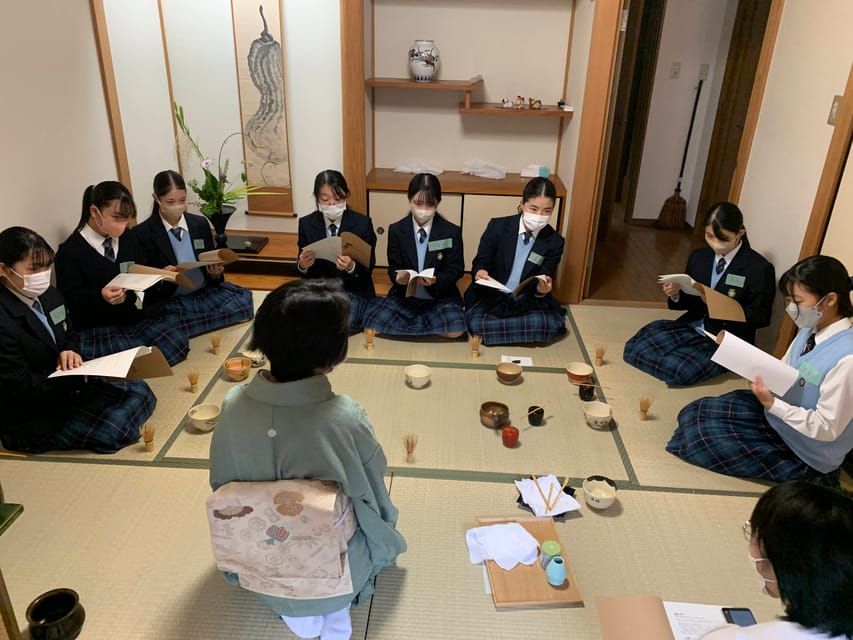
Kyoto’s tea ceremony can feel mysterious from the outside. Here, a certified tea master welcomes you into a local home near Nijo Castle and explains the meaning behind each careful movement, from folding the cloth to turning the tea bowl. You do not simply watch. You prepare matcha yourself and learn how the ritual fits into Japanese culture.
I like the small private setting, which feels more personal than a large demonstration. I also like the chance to taste high-quality Uji matcha with two types of made-to-order seasonal Japanese sweets. The main consideration is time: one hour goes quickly, and one past session felt a little rushed near the end when another group was due.
Aya-san, a certified tea master born and raised in Kyoto, leads the session in English or Japanese. You will learn the basics, handle the utensils, follow tea etiquette, and receive a certificate. At $101 per person, it is not a casual cup of tea, but the private instruction and cultural context make it a fair choice for visitors who want more than a photo opportunity.
Key points to know before you book
- Local home near Nijo Castle: The tea room is only about three minutes on foot from Nijo Castle and the Nijojo-mae subway and bus stops.
- Certified Kyoto tea master: Aya-san explains both the practical steps and the cultural ideas behind the ceremony.
- Two cups of Uji matcha: You receive matcha during the demonstration and have a chance to prepare it yourself.
- Seasonal sweets made to order: Two kinds of traditional dried Japanese sweets are served to balance the tea.
- Private one-hour format: The session is designed for your private group, with time for questions and hands-on practice.
- Dress rules matter: Wear socks and long trousers or a long skirt. Shorts, bare feet, hats, strong fragrances, and shoes indoors are not allowed.
Entering a Kyoto tea room near Nijo Castle
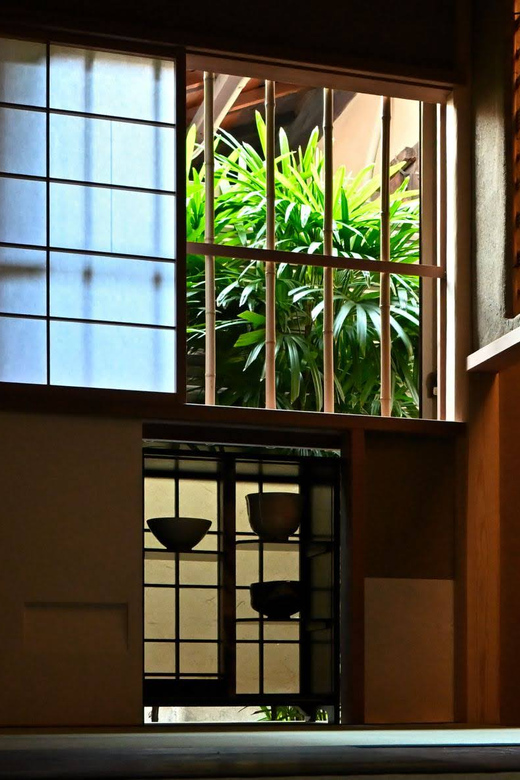
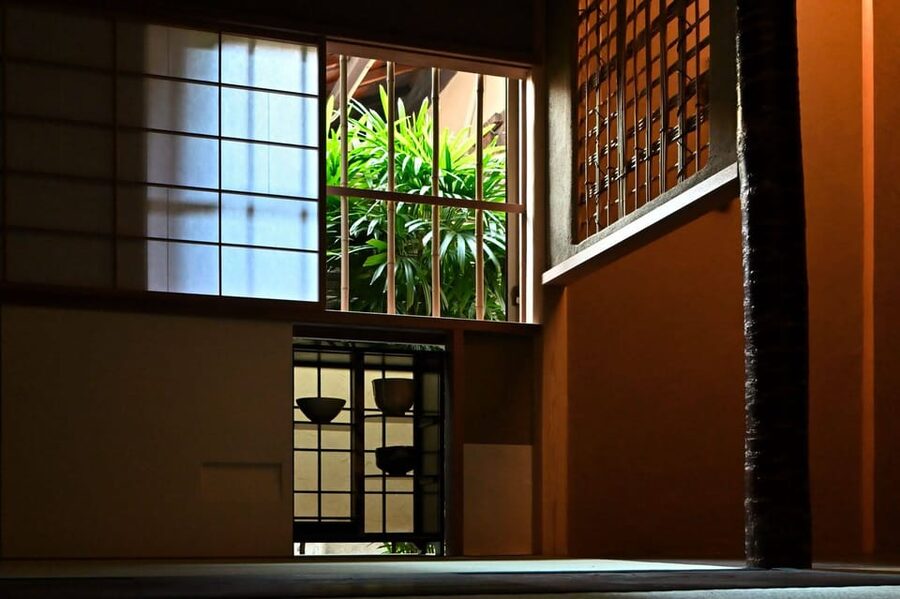
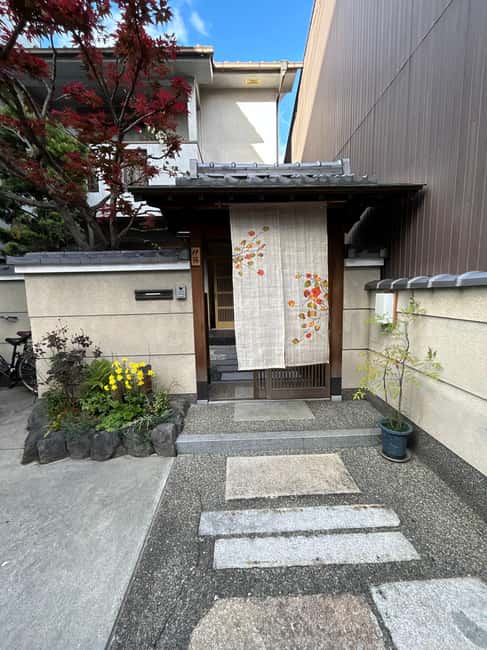
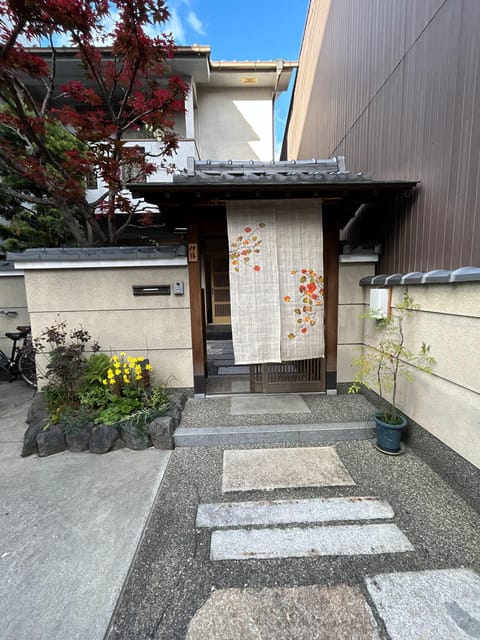
The setting does much of the teaching before the ceremony even begins. You meet at さくら 日本文化体験, a convenient central Kyoto location close to Nijo Castle and the Kyoto Imperial Palace. From Nijojo-mae Station, the walk takes about three minutes. The Nijojo-mae city bus stop is also about three minutes away.
That location makes this an easy addition to a sightseeing day. You can visit Nijo Castle before the ceremony, then walk over without losing much time. From Shijo Station on the Hankyu line, allow about 15 minutes on foot. A taxi from Kyoto Station takes about 10 minutes, though traffic can affect the actual journey.
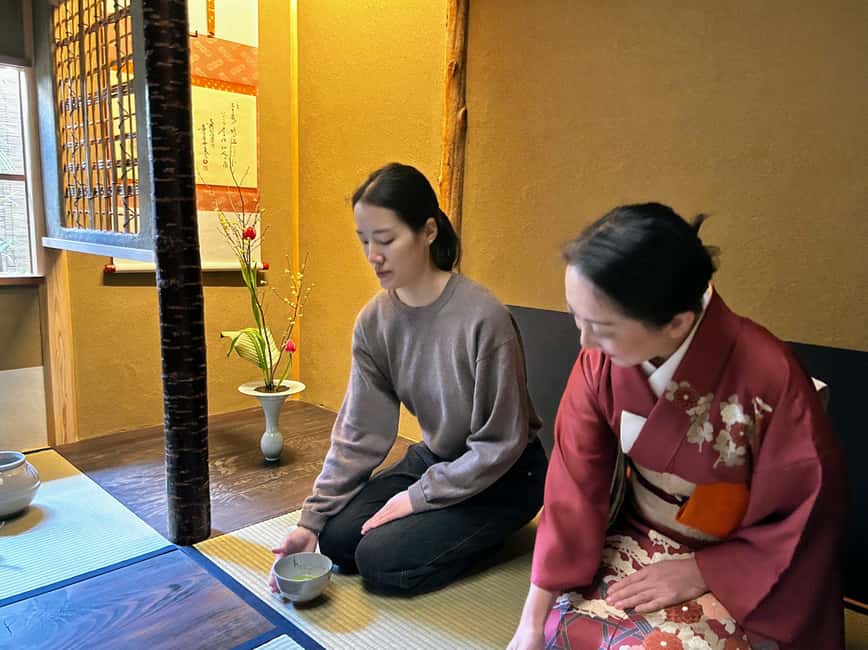
Inside, you leave your shoes and enter the tea room. This is not a theatrical stage set built for a quick picture. The activity takes place in a local home, which gives the session a more direct connection to ordinary Japanese hospitality. The room’s simplicity helps you pay attention to small things: the bowl, the cloth, the whisk, the position of your hands, and the quiet pauses between actions.
You should arrive prepared for a formal space, even though the tone is welcoming. Wear socks, since bare feet are not permitted. Long trousers or a long skirt are required, while shorts and short skirts are not suitable for the tea room. Leave hats, jewelry, strong perfume, and other strong fragrances behind. Shoes stay outside.
More Tea Ceremonies in Kyoto
- Kyoto: Tea Ceremony in a Traditional Tea House in Kiyomizu
★ 4.9 · 3,519 reviews - Kyoto: Tea Ceremony Ju-An at Jotokuji Temple
★ 4.9 · 3,207 reviews - Kyoto: 45-Minute Tea Ceremony Lesson Experience
★ 4.3 · 2,378 reviews
Learning why the ceremony matters
The session begins with an introduction to the history and cultural background of tea ceremony. This part matters because the movements can otherwise look like a string of rules. Aya-san explains how the practice developed and how it connects with Japanese ideas of respect, attention, and hospitality.
I especially like this teaching approach for first-time visitors. You are not expected to know terms or behave perfectly from the start. The explanations are designed for beginners, and complex actions are broken into manageable steps. That makes the ceremony easier to follow and keeps you from worrying about making a mistake.
The pace also gives you room to ask questions. You can learn what the ceremony is trying to express, rather than simply copying hand movements. The focus is on being present, treating the other person with care, and giving proper attention to the tools and tea.
The format works for someone who has seen tea ceremony before, too. Returning participants can pay more attention to the seasonal details, the utensils, or the relationship between the sweets and matcha. The class is introductory, so it will not provide advanced training, but it offers a clear foundation.
Meeting the chawan, chasen, and chashaku
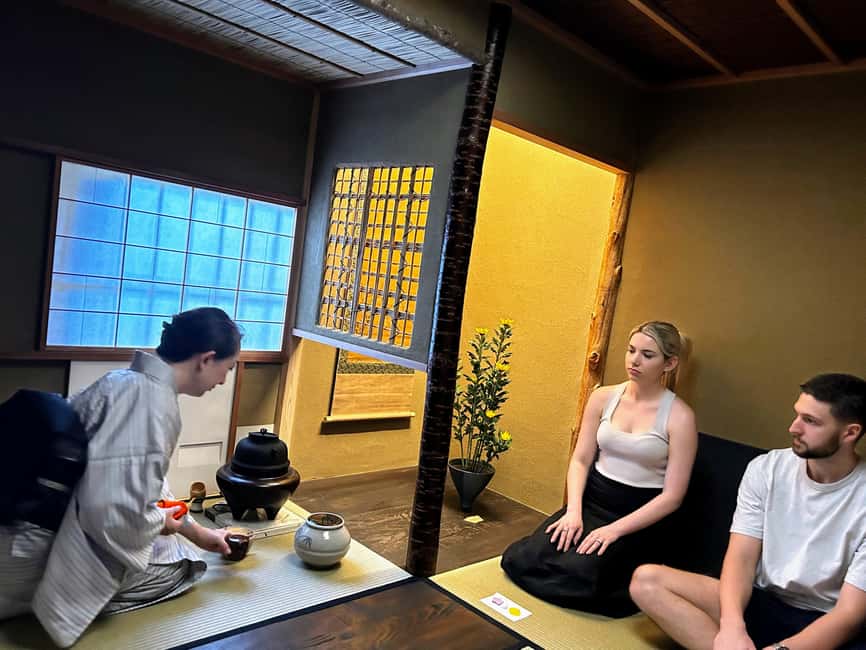
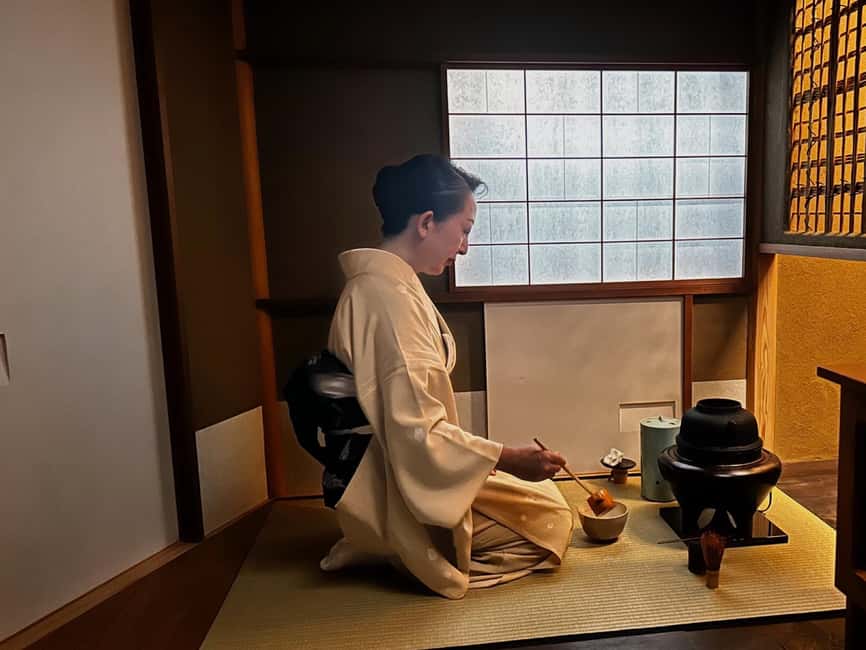
Tea utensils are not random kitchen items. The tea bowl, or chawan, holds the drink and becomes the object you learn to handle with care. The bamboo whisk, or chasen, turns powdered tea into a smooth drink. The tea scoop, or chashaku, measures the matcha.
Aya-san explains what each tool does, why it matters, and how to use and care for it. That practical detail gives the experience value beyond the hour itself. Afterward, you will recognize the basic equipment and understand why the whisk requires a different kind of handling from the bowl.
The etiquette lesson covers how to receive the bowl, how to hold it, and how to appreciate the tea. These actions may feel precise at first, but they are not meant to intimidate you. They give structure to the meeting and show respect for the person who prepared the tea.
Pay attention to the little instructions. The tea bowl is not just a container, and the sweets are not merely snacks. Each part helps create a balanced encounter between host and guest. You will get more from the experience if you resist rushing through the steps.
Watching the tea master’s demonstration
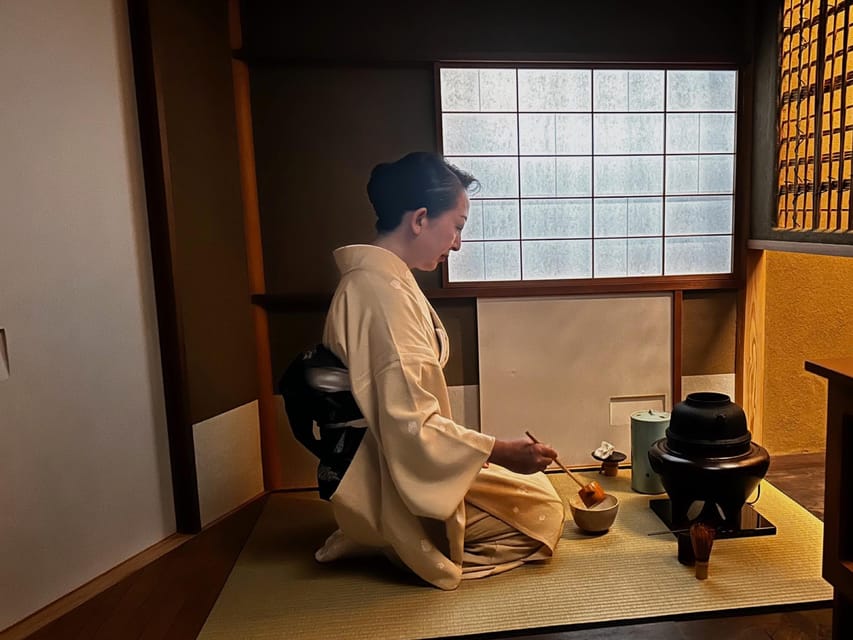
The demonstration is the calm center of the session. Aya-san prepares the tea with measured movements while explaining what is happening. Folding the ceremonial cloth, cleaning or handling the utensils, scooping the matcha, and whisking the tea all have a place in the sequence.
You will see how the ceremony combines practical work with quiet attention. The movements are graceful, but the point is not performance alone. The demonstration shows how hospitality can be expressed through preparation, order, and care.
The tea is made with matcha sourced from Uji in Kyoto, an area closely associated with Japanese tea production. You receive two cups during the experience. One forms part of the demonstration, and the other comes through your own preparation, giving you a chance to taste the difference between watching and doing.
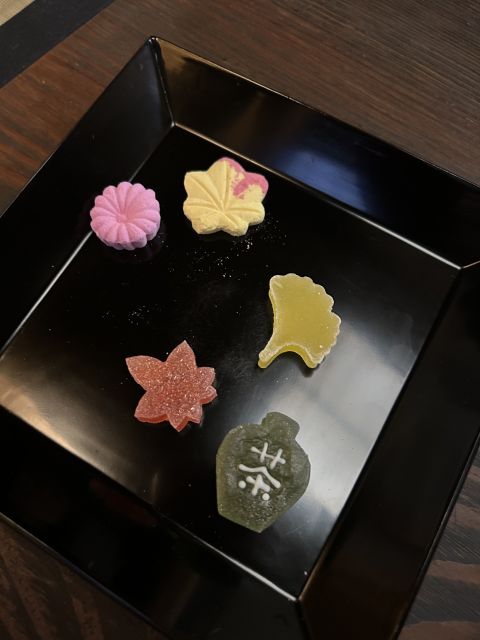
The ceremony also includes two types of traditional Japanese dried sweets. Their sweetness helps balance matcha’s strong, grassy flavor. The sweets are seasonally inspired and made to order, so they add a visual and culinary element to the session. They are small, but they are part of the tea experience rather than an afterthought.
Same base, a completely different sort of day:
- PERFECT KYOTO 1-Day Bus Tour
★ 5.0 · 13,518 reviews - Kyoto: Fushimi Inari, Kinkakuji, Bamboo Grove 1 Day Bus Tour
★ 4.8 · 4,316 reviews - Kyoto Geisha Walking Tour: Gion District & Hidden Gems
★ 4.7 · 3,273 reviews - Kyoto: Gion Magical Night Walking Tour with Geisha Trivia
★ 4.9 · 2,393 reviews
Preparing your own bowl of Uji matcha
The hands-on section is what separates this activity from a simple cultural talk. You will receive instruction on preparing matcha and then try it yourself. The whisking takes attention, and your first bowl may not look exactly like the tea master’s. That is fine. The point is to feel the process.
I like this part because it turns an idea into a physical memory. You learn how much coordination goes into a bowl of tea, and you gain a better sense of why the ceremony values controlled movement. Even a short attempt helps you understand the role of the chasen and the importance of handling the bowl properly.
You will also learn how to appreciate the finished tea. Matcha has a firm flavor that may surprise you if you usually drink sweetened tea. The seasonal sweets provide contrast and make the tasting more approachable.
The activity is not a full professional tea-training course. It is a guided introduction with practical participation. If you want advanced instruction, a longer class would be more suitable. If you want a thoughtful first encounter with the tradition, this format gives you the essentials without taking half a day.
A private hour with room for questions
The private-group format is a strong feature. You can ask questions without worrying about interrupting a large class, and the tea master can respond to the pace and interests of your group. English and Japanese instruction is available.
The hour includes history, utensil explanations, etiquette, a demonstration, hands-on preparation, tasting, and a question period. That is a lot to fit into 60 minutes. You should expect a focused introduction rather than a long, meditative retreat.
One practical warning: keep an eye on the clock if you want plenty of time for questions. The ceremony has a set rhythm, and the hands-on portion takes time. A previous session felt rushed near the end because other people were arriving. That does not make the experience poor, but it is worth knowing if you prefer an unhurried class.
The private format also makes this a better choice for people who want personal guidance. You can ask about utensils, etiquette, the history of tea, or the meaning of particular actions. A large public demonstration may show you more ceremony, but this session gives you more direct instruction.
Why the $101 price can make sense
At $101 per person, this is priced as a private cultural lesson, not as a quick tasting. The cost includes two cups of matcha, two kinds of traditional dried sweets, hands-on preparation, instruction from a certified tea master, and a certificate.
The value depends on what you want from Kyoto. If you only want to sample matcha, you can spend much less at a café. If you want a private introduction to tea etiquette and Japanese culture, the price is easier to justify. You are paying for the setting, the teacher’s time, the explanation of each step, and the chance to participate.
The certificate is a pleasant extra, though I would not choose the activity for that alone. The real value is the personal instruction and the local-home setting near major sights. For a couple, family group with older children, or small group of friends, the private arrangement may feel worth the added cost.
The experience also accommodates LGBTQ visitors, Halal and vegan needs, and various allergies. You should provide any dietary information when booking so the sweets and service can be handled properly. The supplied details do not promise a particular replacement sweet, so ask ahead if you have strict dietary requirements.
Who will enjoy this tea ceremony most
This activity suits adults and children aged 13 and older who want cultural context along with a hands-on activity. It is particularly good for a first visit to Japan, since the instructor explains unfamiliar customs in plain terms.
You will probably like it if you enjoy:
- Learning the reason behind a traditional practice
- Small private activities rather than large group demonstrations
- Calm, structured experiences
- Japanese food and seasonal presentation
- Trying a new skill under patient instruction
- Visiting Nijo Castle or the Imperial Palace on the same day
It is less suitable if you want a casual, drop-in tea tasting, dislike formal clothing rules, or need a long activity with lots of free time. The ceremony asks you to sit and pay attention. Shorts, sleeveless shirts, bare feet, hats, jewelry, strong fragrances, smoking, vaping, alcohol, and drugs are not allowed.
Video and audio recording are also prohibited. You can take in the details with your eyes, but this is not the place to film every whisk movement. That rule helps protect the quiet character of the tea room.
The location is wheelchair accessible, which is useful for visitors who need step-free access. Since the ceremony takes place in a traditional-style tea room, you should still confirm any specific mobility needs before booking.
Booking, cancellation, and practical preparation
The activity lasts one hour, with starting times based on availability. You can reserve now and pay later, which helps if your Kyoto schedule is still shifting. Cancellation is free up to 24 hours before the activity for a full refund.
Bring comfortable clothing, but follow the formal requirements. Long trousers or a long skirt are the safest choice. Bring socks, and do not arrive wearing perfume. If you forget socks, they are available for purchase, but packing your own is simpler.
Plan your route carefully even though the meeting point is central. Nijojo-mae Station is the easiest public transport option, and the nearby bus stop is equally convenient. From Kyoto Station, a taxi is listed at about 10 minutes, but allow extra time if the roads are busy.
I would schedule this before or after Nijo Castle rather than squeeze it between distant sights. The short walk from the castle makes the pairing natural, and you will not spend the hour worrying about crossing the city for your next appointment.
Should you book this Kyoto tea ceremony?
Book it if you want to understand the tea ceremony rather than simply watch one. The private local-home setting, instruction from Kyoto-born tea master Aya-san, Uji matcha, seasonal sweets, and hands-on practice create a useful introduction to a tradition that can otherwise seem hard to approach.
The one-hour length is both strength and limitation. It fits neatly into a sightseeing day, but the final question period may feel brief. The $101 price is reasonable for private teaching and included tastings, though it is high if all you want is a bowl of matcha.
Wear the right clothes, arrive without perfume, and bring socks. If you do that, this is a thoughtful choice for adults and visitors aged 13 or older who want a quiet, personal look at Japanese culture close to Nijo Castle.
FAQ
How long does the tea ceremony last?
The experience lasts one hour, including the introduction, utensil lesson, demonstration, hands-on matcha preparation, tasting, questions, and reflection.
Where does the activity meet?
It begins and ends at さくら 日本文化体験, about three minutes on foot from Nijo Castle and Nijojo-mae subway station. It is also about three minutes from the Kyoto city bus stop named Nijojo-mae.
Who leads the tea ceremony?
A certified tea master named Aya-san leads the experience. She was born and raised in Kyoto and provides instruction in English or Japanese.
How much does the experience cost?
The listed price is $101 per person.
What is included?
The experience includes two cups of matcha, two kinds of traditional Japanese dried sweets, hands-on preparation, instruction, and a certificate from a tea master.
What should I wear?
Wear comfortable clothing with long trousers or a long skirt, and bring socks. Shorts, short skirts, sleeveless shirts, hats, and bare feet are not permitted in the tea room.
Are dietary needs accommodated?
The experience accommodates LGBTQ visitors, Halal and vegan requirements, and various allergies. Provide your dietary information when booking so suitable arrangements can be considered.
Is the activity wheelchair accessible?
Yes, the activity is listed as wheelchair accessible. It is still sensible to share your specific access needs when booking.
Just added around Kyoto
- Kyoto: Zen Meditation at a Private Temple with a Monk★ 5.0 · 25 reviews
- Kyoto: Gion Geisha District & Sake-in-Hand Walking Tour★ 5.0 · 37 reviews
- Private Pewter Sake Cup Experience with a Kyoto Artisan★ 5.0 · 31 reviews
- Your Private Vacation Photography Session In Kyoto★ 5.0 · 110 reviews
- Private Guided Traditional Buddhist Cooking in Japan★ 5.0 · 16 reviews
- Kyoto Wagashi(Japanese sweets) Cooking Class near Fushimiinari★ 5.0 · 60 reviews
- Traditional Japanese Music show & Experience Tour in Kyoto★ 5.0 · 57 reviews
- Kyoto:Family-Friendly Kimono & Yukata Experience at WARGO★ 5.0 · 147 reviews
Kyoto Tours, compared.


Fushimi Inari, Kinkakuji, Bamboo Grove 1 Day Bus Tour
Read our review →
Tea Ceremony in a Traditional Tea House in Kiyomizu
Read our review →
Kyoto Geisha Walking Tour: Gion District & Hidden Gems
Read our review →

Gion Magical Night Walking Tour with Geisha Trivia
Read our review →

Gion Geisha District Walking Tour – Stories of Geisha
Read our review →Browse the lists this tour appears in