
Reviewed · KYOTO TOURS
Kyoto Private Tea Ceremony with Tea Master at Home
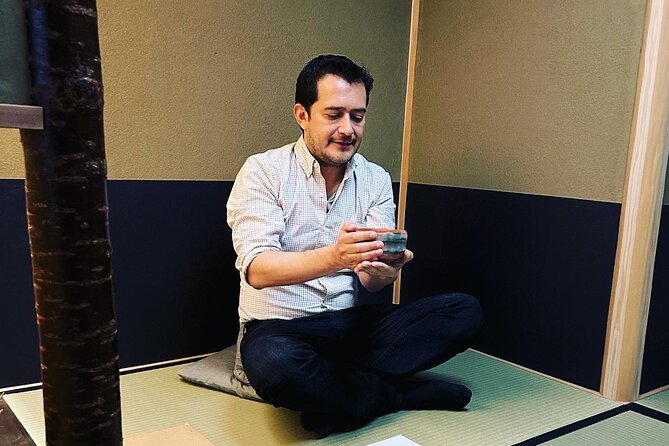
The best part of this Kyoto experience is its setting: you enter a real local home, not a large attraction built for quick photo stops. Aya Ito, known as Aya-sensei during the class, guides you through the ceremony in English, explaining why each movement, bowl, sweet, and pause matters. I like the private tea-room setting and the chance to whisk your own matcha. I also like the three seasonal wagashi from a long-established Kyoto confectioner.
The main thing to consider is the strict etiquette. You must arrive on time, wear socks, avoid perfume, and dress in long trousers or a long skirt with sleeves. Children aged 13 and under cannot attend, and the one-hour format gives you a fine introduction rather than a full study of tea practice.
Key points to know before you book
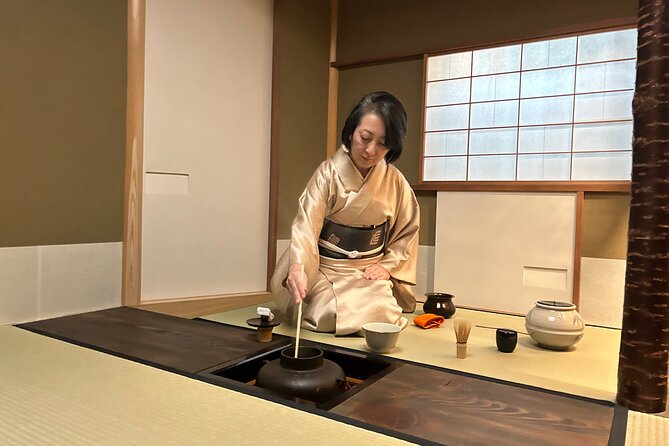
- Aya Ito leads the ceremony: She is a certified tea instructor with excellent English and a calm, patient teaching style.
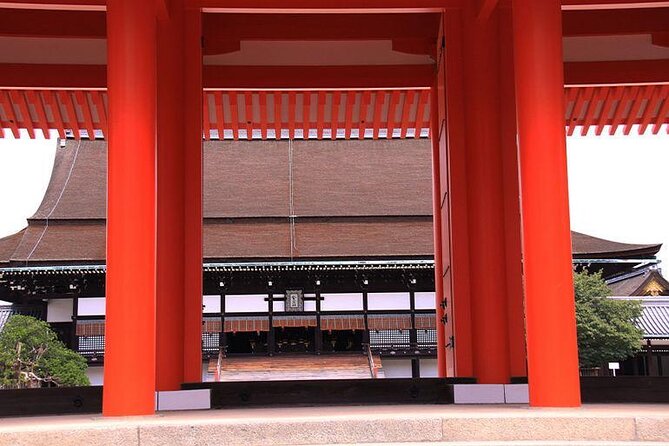
- You visit a private home near Nijo Castle: The quiet setting feels personal and traditional, with tea rooms named Koma and Hiroma.
- You prepare your own matcha: A bamboo whisk, clear instructions, and hands-on practice make this more than a demonstration.
- The sweets suit many diets: Three seasonal wagashi are included, and they are gluten-free and vegan.
- You receive two bowls of tea: The matcha is an original blend made with tea from historic Uji gardens.
- Small details matter: Wear socks, skip fragrance, arrive no more than 15 minutes late, and do not expect a kimono rental.
Entering a Kyoto home near Nijo Castle
The meeting point is Sakura Experience Japanese Culture Nijo Home, at 660 Izumicho in Nakagyo Ward. It is near public transportation and about a six-minute walk from Hotel Mitsui, according to one detailed account, with Nijo Castle close enough to pair with the class afterward.
That location makes the timing useful. You can schedule the ceremony as a gentle start to a sightseeing day, then walk to Nijo Castle, or place it between visits in central Kyoto. The activity returns to the same home, so you do not need to arrange a separate ride at the end.
This is not a performance in a public hall. You are invited into the tea rooms of a private residence, where the tone is quiet and attentive. The home has welcomed dignitaries, cultural figures, and museum professionals, but the class is designed to explain the tradition clearly to international visitors who may be seeing a tea ceremony for the first time.
The intimate format is important. Only your own group takes part, so you can ask questions without worrying about holding up a large class. It also gives Aya-sensei room to adjust her explanations and guide each person through the practical steps.
More Tea Ceremonies in Kyoto
- Kyoto: Tea Ceremony in a Traditional Tea House in Kiyomizu
★ 4.9 · 3,519 reviews - Kyoto: Tea Ceremony Ju-An at Jotokuji Temple
★ 4.9 · 3,207 reviews - Kyoto: 45-Minute Tea Ceremony Lesson Experience
★ 4.3 · 2,378 reviews
The first lesson: etiquette before the tea
A tea ceremony can look simple from across the room. Someone cleans utensils, adds powder to a bowl, whisks tea, and serves it. Up close, the order is deliberate, and the class helps you understand the thought behind it.
Aya-sensei introduces the background and procedures before the hands-on portion begins. You learn how to enter the tea room, how to behave around the utensils, and how to receive the bowl respectfully. The focus is not on memorizing a long list of rules. It is on noticing the care given to the room, the season, the tea, and the people sharing the moment.
This explanation is one of the strongest reasons to choose this experience over a quick cultural demonstration. The ceremony becomes easier to appreciate once you understand that its beauty comes from restraint and precision. Small actions are not empty formalities. They help create a calm exchange between host and visitor.
The pace is also well suited to beginners. Aya has been praised for speaking clear English, answering questions patiently, and explaining the tradition in a way that feels accessible to American visitors and other international audiences. You do not need previous knowledge of matcha or Japanese customs.
Three wagashi, three seasonal tastes
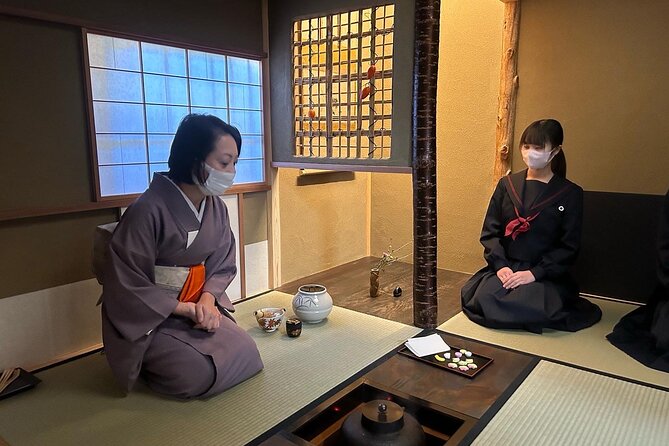
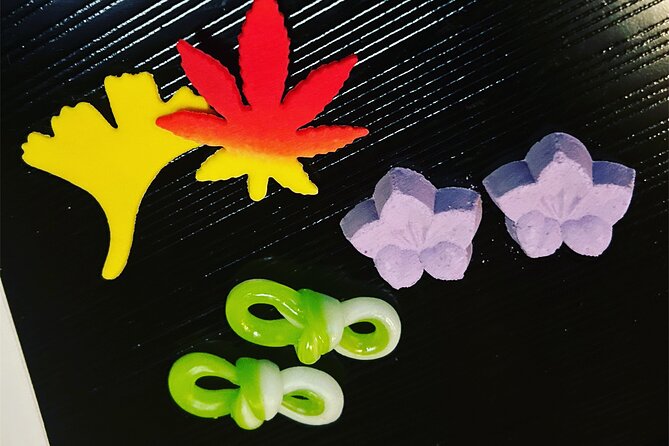
The sweets arrive before the tea, as they traditionally do. You receive three kinds of handcrafted wagashi from a long-established Kyoto confectioner.
Wagashi are not simply snacks to fill time while the tea is prepared. Their shape, color, and seasonal character are part of the ceremony. The sweetness also prepares your palate for matcha, which has a grassy, slightly bitter taste that can seem strong when served alone.
The three sweets provide variety, though the exact selection changes with the season. That changing menu is a virtue if you value a connection to the time of year, but it means you should not book expecting particular flavors or designs.
The dietary information is especially useful. The sweets are gluten-free and vegan, accommodating many plant-based and gluten-sensitive diets. You should still communicate any serious allergies when booking, since the provided details do not promise an allergy-free kitchen or list every ingredient.
I like this food element because it gives you something tangible to notice. You can compare the sweets, observe their careful presentation, and see how the flavors work with the tea. It is a small part of the hour, but one that makes the ceremony more memorable.
Watching Aya-sensei prepare matcha
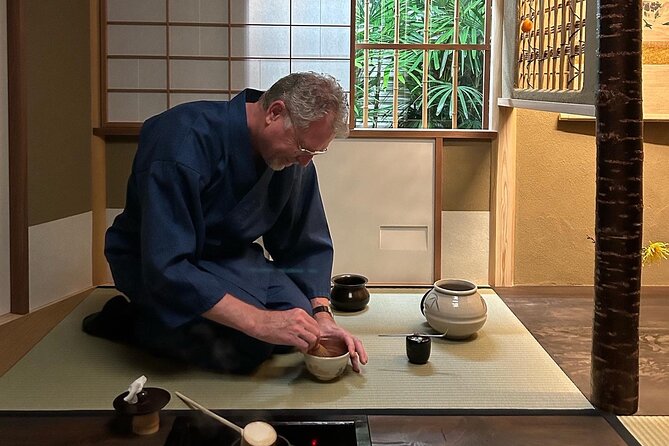
The demonstration is the visual heart of the class. Aya-sensei prepares matcha in the traditional manner, using a bamboo whisk and carefully chosen utensils.
The bowls are part of the experience, too. The home has custom-made tea bowls commissioned from Kiyomizu and Raku potters, two names closely linked with Kyoto ceramics. The bowl in your hands is not just a cup. Its shape, glaze, weight, and seasonal suitability help express the host’s attention to the occasion.
The matcha itself is an original blend sourced from historic tea gardens in Uji. Uji, just south of Kyoto, has long been associated with high-quality Japanese tea. The use of Uji tea gives the class a clear local connection rather than treating matcha as a generic green powder.
You receive two bowls of matcha during the session. One is prepared for you, and the other is made during your own practice. The class is therefore both a ceremony and a lesson. You can watch the movements first, then try the whisk yourself with Aya’s guidance.
That hands-on part is where the hour earns its keep. You are not simply watching someone perform a polished ritual. You are learning how much control and attention go into making a bowl of tea look effortless. It is normal if your first whisking does not look like a master’s. The point is to understand the process and take part respectfully.
Same base, a completely different sort of day:
- PERFECT KYOTO 1-Day Bus Tour
★ 5.0 · 13,518 reviews - Kyoto: Fushimi Inari, Kinkakuji, Bamboo Grove 1 Day Bus Tour
★ 4.8 · 4,316 reviews - Kyoto Geisha Walking Tour: Gion District & Hidden Gems
★ 4.7 · 3,273 reviews - Kyoto: Gion Magical Night Walking Tour with Geisha Trivia
★ 4.9 · 2,393 reviews
A private lesson with room for questions
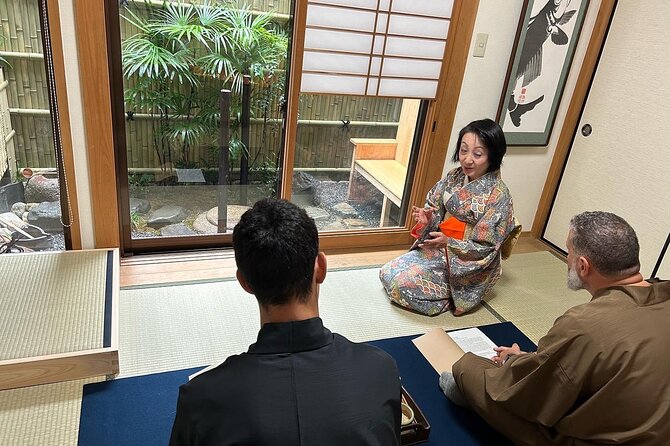
A large group class can show you the basic steps, but it often leaves little time to ask why a gesture matters. Here, the private format allows a more personal exchange.
Aya’s teaching style is described as warm, patient, and engaging. She explains the history, then gently guides you through the sequence. You can ask about the utensils, matcha, sweets, etiquette, or the role of tea in Japanese culture.
This is also a good choice for families with teenagers. Children 13 and under are not permitted, but older teens can take part. The activity combines a calm cultural lesson with a practical task, which may hold attention better than a lecture alone.
The setting suits people who enjoy quiet rooms and traditional manners. If you want jokes, costumes, a large group, or a fast-moving cultural show, this may feel too restrained. Tea ceremony asks you to slow down and notice details. That is its appeal, but it is also the reason the experience will not suit every schedule or personality.
Some classes offer kimono rental as part of the picture. This one does not. The provider previously offered kimono but now focuses on explaining Kyoto culture through the ceremony itself. You should dress neatly and comfortably, but you should not book this expecting a costume session.
The tea room, bowls, and atmosphere
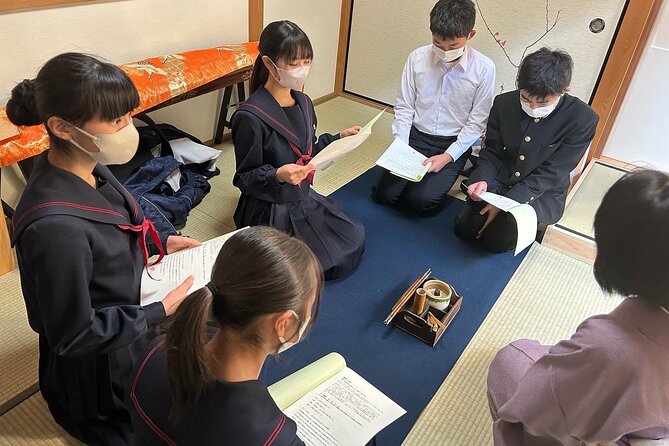
The home includes two traditional tea rooms, Koma and Hiroma. The specific room used for your session may depend on the class arrangement, so it is best to think of them as part of the home’s cultural setting rather than promised sightseeing stops.
Tatami etiquette is taken seriously. You need to wear socks, not go barefoot, both for hygiene and to protect the mats. If you forget, socks are available for purchase on site, but it is easier to pack a pair in your day bag.
Clothing also affects comfort and etiquette. Wear long trousers or a long skirt and a top with sleeves. Shorts, mini skirts, and sleeveless tops are not permitted. Avoid perfume, including musk-based scents, because fragrance can interfere with the atmosphere of the tea room and the aromas of the tea and sweets.
Low seating can be a concern for some people. Small chairs are available for anyone who needs them, but you should tell the provider in advance. The supplied information does not promise full step-free access or other specific mobility arrangements, so ask before booking if you have access needs beyond a chair.
Photography is worth clarifying before you arrive. One family received photographs taken during the ceremony by Aya’s husband and sent while they were still at the home. That may be available for some sessions, but it is not listed as an included feature, so treat it as a possible courtesy rather than part of the guaranteed package.
What the one-hour schedule really gives you
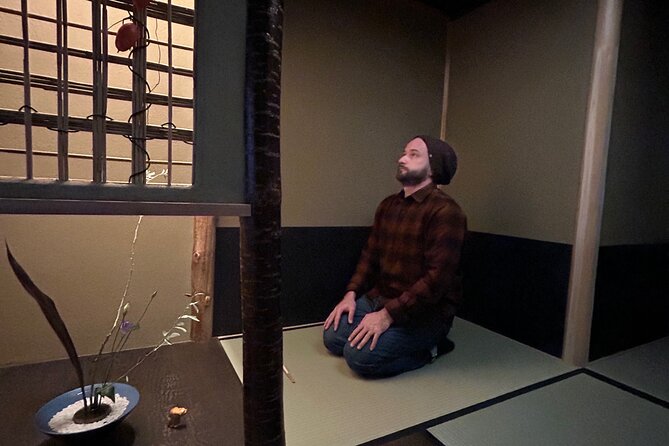
One hour is short for a formal Japanese tea practice, but it works well for a first encounter. You have enough time for an introduction, a demonstration, sweets, two bowls of matcha, and hands-on preparation without giving up half a day of sightseeing.
The tradeoff is depth. You will learn the main ideas and procedures, but you will not become proficient in tea ceremony after a single class. If you have a serious interest in the discipline, think of this as a carefully taught introduction and use the booklet as a reminder of the etiquette afterward.
The included tea ceremony booklet is useful for that reason. It is a concise guide to the spirit and manners of tea, giving you something to reread once the details of the ceremony begin to blend together. It also makes a more meaningful souvenir than a generic shop purchase.
Plan your route carefully. Late arrival is not treated casually: anyone arriving more than 15 minutes after the start cannot participate and will not receive a refund. Kyoto transport can be unpredictable, so leave extra time and aim to reach the neighborhood early.
Is $99.08 a fair price?
At $99.08 per person, this is not the cheapest way to taste matcha in Kyoto. You can find simpler tea tastings and public demonstrations for less.
The value here comes from the private format and the quality of the instruction. Your fee covers a certified tea master, a home setting, a demonstration, your own preparation practice, two bowls of Uji matcha, three handcrafted sweets, and the booklet. You are paying for focused time and cultural explanation, not only for a drink.
The private arrangement matters most for couples, families, and small groups who want to ask questions. It can also be good value for a group that qualifies for a discount, though the exact savings are not provided. Since the class is booked an average of 48 days ahead, popular times may fill early, especially during busy Kyoto periods.
I would compare it with the cost of another guided cultural activity, not with the price of a café matcha. If you want a quick refreshment, this is too structured and costly. If you want to understand the ritual and practice it yourself, the price is reasonable for a private one-hour lesson.
Free cancellation is available until 24 hours before the start time. After that deadline, the payment is not refunded, and changes are not accepted. That policy makes early planning sensible, but it also means you should confirm your Kyoto schedule before the final day.
Who will appreciate this most?
I would choose this for someone who wants a quieter side of Kyoto. It suits couples, small families with teenagers, solo visitors, and anyone with an interest in Japanese art, etiquette, food, or traditional crafts.
It is especially appealing if you have already seen temples and gardens and want an activity that explains how culture is practiced inside a home. The local setting gives the experience a personal feel without asking you to travel far from central Kyoto.
It is also a good choice for visitors who like to learn by doing. Whisking your own tea turns an abstract tradition into a physical memory. The sweets, bowls, and booklet add several points of connection, so the class does not depend only on listening.
I would hesitate if you dislike sitting on tatami, have a strong need for flexible timing, or want to wear a kimono. I would also skip it for children 13 and under, since they cannot attend under the stated age policy.
Practical tips for making the hour go well
Arrive early enough to find the home without rushing. The provider sends confirmation at booking, and the address is near public transportation, but Kyoto streets can still take time to navigate.
Wear socks from your hotel. Choose loose long trousers or a long skirt and a sleeved top. Avoid strong scents, even if you normally wear only a small amount of perfume.
Keep your group small and ready to participate. The class is private, but it is not passive. You will be asked to follow instructions, handle the whisk, and observe the etiquette around the bowl.
Plan a nearby activity afterward. Nijo Castle is an obvious pairing, and the location makes it practical to continue sightseeing without crossing the city.
Finally, allow the ceremony to move at its own pace. The quiet pauses are not wasted time. They are part of what you are there to learn.
Should you book this Kyoto tea ceremony?
Book it if you want a personal introduction to tea ceremony, clear English instruction, and the chance to practice matcha in a real Kyoto home. Aya Ito’s calm guidance, the two bowls of Uji tea, the three seasonal wagashi, and the carefully chosen bowls give the hour real substance.
Skip it if you are mainly shopping for a kimono photo, a casual cup of green tea, or a flexible drop-in activity. The rules on age, clothing, fragrance, socks, and punctuality are firm.
For the right visitor, this is a thoughtful use of one hour in Kyoto. It gives you a better sense of why tea ceremony is treated as an art of attention, not simply a method for serving tea.
FAQ
Where does the tea ceremony take place?
It takes place at Sakura Experience Japanese Culture Nijo Home, located at 660 Izumicho, Nakagyo Ward, Kyoto, 604-0015, Japan. The experience is held in a private local home near Nijo Castle.
How long does the experience last?
The tea ceremony lasts approximately one hour and ends back at the meeting point.
Is the tea ceremony private?
Yes. This is a private activity, and only your group participates.
Who leads the tea ceremony?
The session is led by Aya Ito, also referred to as Aya-sensei, a certified tea instructor. English instruction is available.
What food and drink are included?
You receive three seasonal handcrafted wagashi and two bowls of matcha. The matcha is made with an original blend from Uji, and the sweets are gluten-free and vegan.
Is kimono rental included?
No. Kimono rental is not included, and you should attend in suitable everyday clothing.
What should I wear?
Wear socks, long trousers or a long skirt, and a top with sleeves. Shorts, mini skirts, sleeveless tops, bare feet, and perfume are not permitted.
Can children attend the class?
Children aged 13 and under cannot attend. Visitors older than 13 may participate, subject to the booking.
Just added around Kyoto
- Kyoto: Zen Meditation at a Private Temple with a Monk★ 5.0 · 25 reviews
- Kyoto: Gion Geisha District & Sake-in-Hand Walking Tour★ 5.0 · 37 reviews
- Private Pewter Sake Cup Experience with a Kyoto Artisan★ 5.0 · 31 reviews
- Your Private Vacation Photography Session In Kyoto★ 5.0 · 110 reviews
- Private Guided Traditional Buddhist Cooking in Japan★ 5.0 · 16 reviews
- Kyoto Wagashi(Japanese sweets) Cooking Class near Fushimiinari★ 5.0 · 60 reviews
- Traditional Japanese Music show & Experience Tour in Kyoto★ 5.0 · 57 reviews
- Kyoto:Family-Friendly Kimono & Yukata Experience at WARGO★ 5.0 · 147 reviews
Kyoto Tours, compared.


Fushimi Inari, Kinkakuji, Bamboo Grove 1 Day Bus Tour
Read our review →
Tea Ceremony in a Traditional Tea House in Kiyomizu
Read our review →
Kyoto Geisha Walking Tour: Gion District & Hidden Gems
Read our review →

Gion Magical Night Walking Tour with Geisha Trivia
Read our review →

Gion Geisha District Walking Tour – Stories of Geisha
Read our review →Browse the lists this tour appears in