
Reviewed · KYOTO TOURS
Kyoto: Tea Ceremony Experience in a Small Tea Room
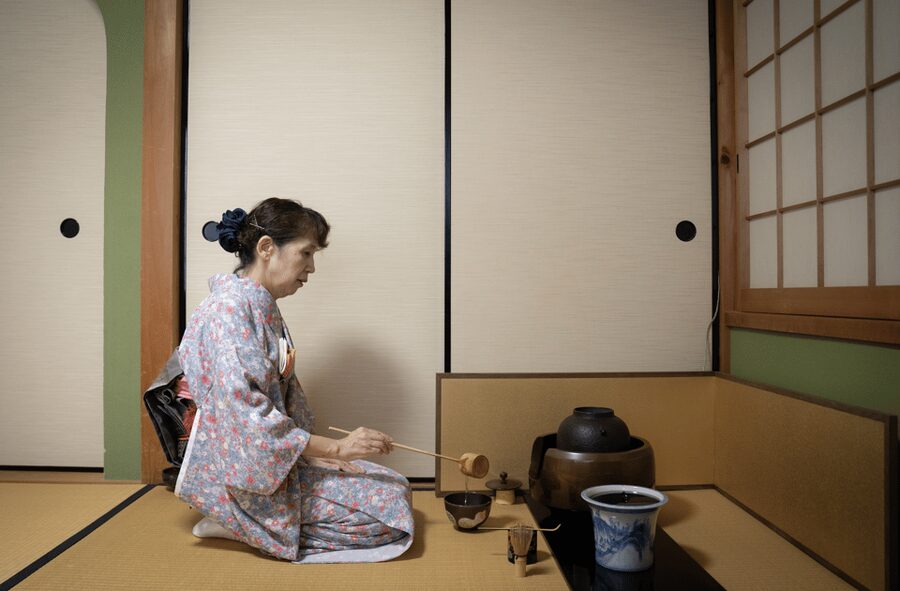
Kyoto’s tea tradition can feel formal from the outside, but this one-hour session brings it down to a human scale. You sit in a small tea room, learn from a teacher with 30 years of experience, and make your own matcha if you wish. The setting near the Kamogawa Delta adds a quiet local touch to a classic Kyoto activity.
I like two things right away: the six-person limit, which gives you room to ask questions, and the English instruction, which helps you understand why the movements matter rather than simply copy them. I also like that the host, identified in reviews as Ms Yamazaki, is patient with beginners. The main consideration is the short one-hour format. You get a clear introduction, not a full study of tea ceremony.
Key points
- A teacher with 30 years of experience explains the customs and movements in plain English.
- You can prepare your own matcha, with guidance through whisking and the basic steps.
- The small group is limited to six people, keeping the room calm and personal.
- Traditional dried sweets and matcha are included, giving you the full basic tea pairing.
- The setting is a 15-minute walk from Kamogawa Delta and Demachiyanagi Station.
- The $38 price is fair for a focused cultural lesson, especially if you value personal instruction.
A small tea room near Kyoto’s riverside
This experience takes place in a Japanese house near Kyoto’s Kamogawa Delta. The meeting point is marked by a sign reading Tisato, so look for the house and sign rather than expecting a large commercial venue.
The location gives you an easy way to pair the ceremony with a walk beside the Kamo River. Kamogawa Delta is about 15 minutes away on foot, and the riverside is a pleasant place to slow down before or after your appointment. This is not a sightseeing tour with a long route through Kyoto. Its appeal is the contrast between the city’s busy attractions and one quiet hour indoors.
Demachiyanagi Station is also about a 15-minute walk away. That matters if you are planning a wider day in northeastern Kyoto. From there, the area is connected with trips toward places such as Kibune Shrine and Rurikou Temple. You should check your own route and timing, but the tea session can fit neatly into a day built around the station and nearby sights.
Do not expect a grand pavilion or a staged performance. The small-house setting is part of the point. You enter a more intimate environment where the teacher can speak directly to you and adjust the pace for the people in the room.
More Tea Ceremonies in Kyoto
- Kyoto: Tea Ceremony in a Traditional Tea House in Kiyomizu
★ 4.9 · 3,519 reviews - Kyoto: Tea Ceremony Ju-An at Jotokuji Temple
★ 4.9 · 3,207 reviews - Kyoto: 45-Minute Tea Ceremony Lesson Experience
★ 4.3 · 2,378 reviews
What happens during the one-hour session
The session begins with an introduction to Japanese tea ceremony and its place in Kyoto’s culture. The precise order of events is not specified, so I would not promise a fixed minute-by-minute program. You can expect the teacher to explain the basic customs, show the preparation of matcha, and guide you through the steps.
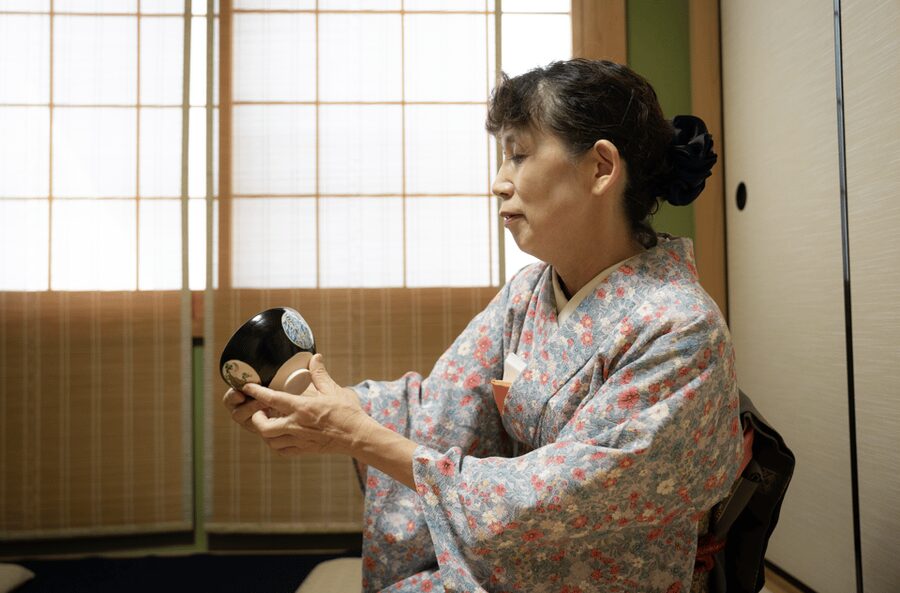
The value here is the explanation. A tea ceremony is not simply a matter of whisking powdered tea until it becomes foamy. The movements, objects, pace, and way of serving all carry meaning. A seasoned teacher can point out those details while you watch them happen in front of you.
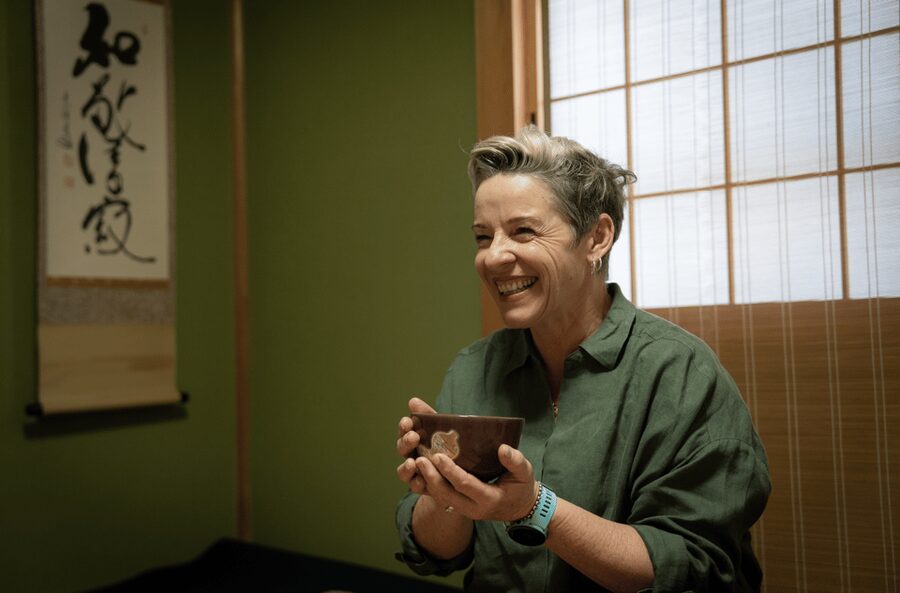
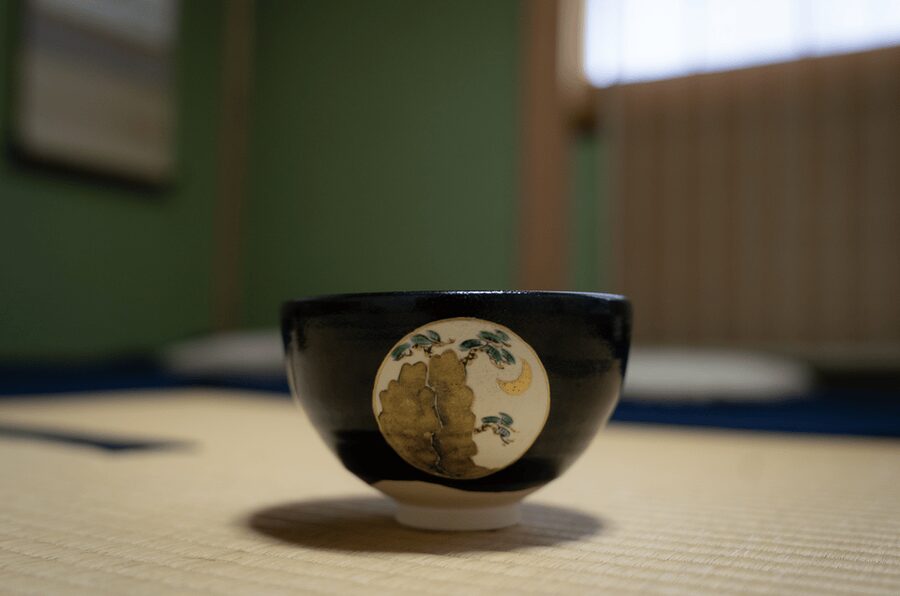
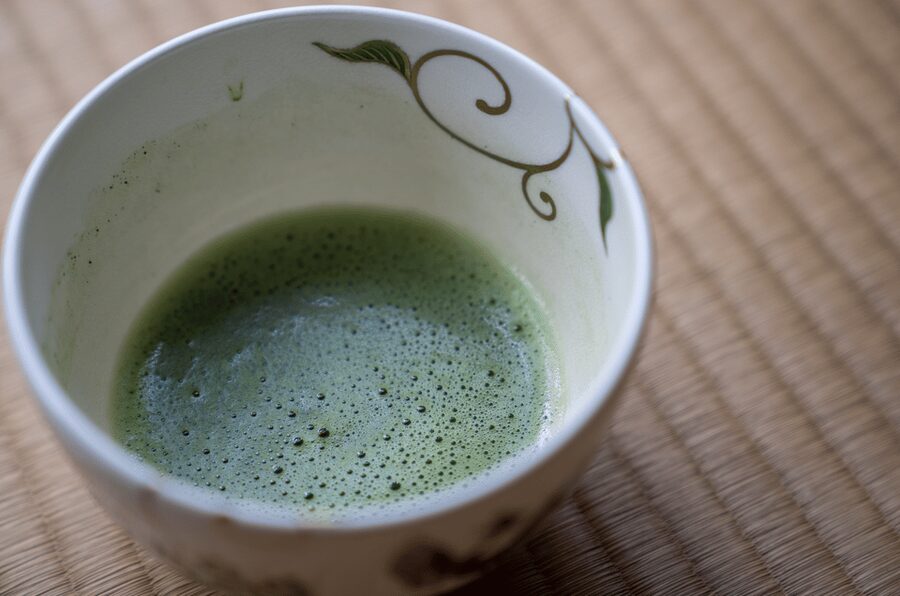
You will be served matcha with traditional dried sweets. The sweet is not just a small snack on the side. Its role is to balance the strong, grassy taste of matcha. If you have only had sweetened matcha drinks, the flavor may surprise you. The dried sweet gives your palate a gentler starting point before the tea.
At some point, you can make your own tea if you want to participate. This is the most hands-on part of the experience. You learn how to whisk the powdered tea and follow the deliberate movements that give the ceremony its calm rhythm.
The wording matters: you can make your own tea if you wish. That makes the session friendly to different personalities. Some people want to take part at once. Others prefer to watch first, especially if they are nervous about using the tools or following unfamiliar etiquette. You are not required to arrive with experience.
Learning matcha without feeling awkward
Traditional tea ceremony can seem full of rules. That can be fascinating, but it can also make a first visit feel intimidating. This class is designed to lower that barrier.
The teacher’s job is not only to perform the ceremony correctly. It is also to help you understand what you are doing. The available feedback points to clear explanations and patience, especially from Ms Yamazaki. One German-speaking participant described the explanations as very good, while another praised the host’s patience and found the experience highly authentic.
You will still encounter formal movements. That is part of learning the tradition. But the small group and English instruction should make it easier to ask what a gesture means or why a step is done in a certain way.
I would recommend taking part even if your whisking is not perfect. The aim is not to pass an exam. The hands-on step helps you remember the ceremony better than simply watching a demonstration. You may also come away with a greater sense of how much care goes into a bowl of matcha.
Why the six-person limit matters
The group is limited to six participants. That is a useful detail, not just a marketing label.
In a larger class, you might spend much of the hour watching someone else prepare tea from far away. In this small setting, you have a better chance to see the teacher’s hand movements and receive direct instructions when it is your turn.
A small group also suits the mood. Tea ceremony depends on attention and quiet. Six people can still create a social experience, but the room is less likely to feel like a crowded demonstration.
The tradeoff is that spaces this small may sell out at popular times. The activity allows you to reserve now and pay later, and you can cancel up to 24 hours before the session for a full refund. Those terms are useful if your Kyoto schedule is still changing, but you should still check the available starting times before building a tight itinerary around it.
Same base, a completely different sort of day:
- PERFECT KYOTO 1-Day Bus Tour
★ 5.0 · 13,518 reviews - Kyoto: Fushimi Inari, Kinkakuji, Bamboo Grove 1 Day Bus Tour
★ 4.8 · 4,316 reviews - Kyoto Geisha Walking Tour: Gion District & Hidden Gems
★ 4.7 · 3,273 reviews - Kyoto: Gion Magical Night Walking Tour with Geisha Trivia
★ 4.9 · 2,393 reviews
The value of a $38 Kyoto activity
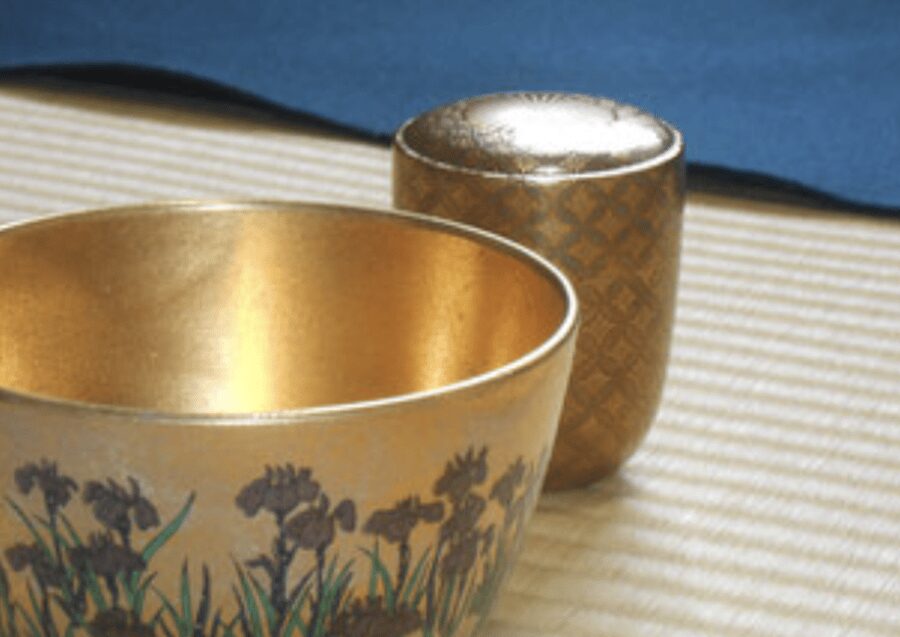
At $38 per person, this is not the cheapest way to drink tea in Japan. You can find tea in many places for far less. But that comparison misses what you are paying for.
The price includes the tea ceremony, English instruction, matcha, traditional dried sweets, and the chance to prepare your own tea. The largest part of the value is the teacher’s time and attention. You are not paying only for a beverage. You are paying for context, demonstration, and a guided introduction to a cultural practice that can be difficult to understand from a book or casual café visit.
The six-person limit strengthens the value. If the class were large, the price would feel less appealing. Here, the small group gives the teacher a better chance to explain and correct each participant.
I would call the price reasonable for someone who wants a focused Kyoto cultural activity. It is less compelling for a visitor who simply wants to taste matcha or take a quick photo in traditional clothing. This experience is about learning the meaning behind the tea, not collecting a souvenir image.
Fitting the ceremony into your Kyoto day
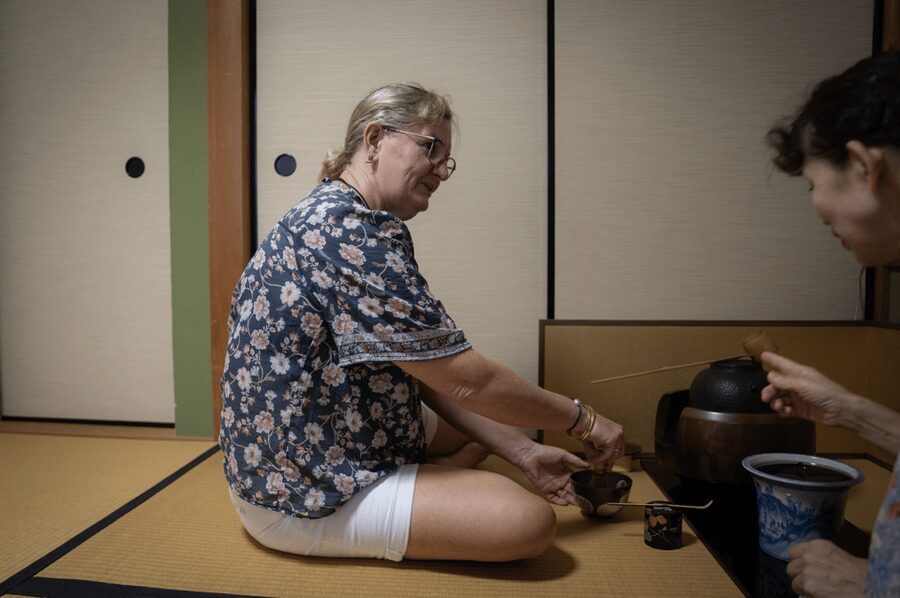
The best way to use this activity is to treat it as one calm piece of a larger day near Demachiyanagi. Allow walking time to find the Japanese house and the Tisato sign. The activity itself lasts one hour, but you should leave extra time before the start so you are not rushing into a quiet room from a hurried train connection.
A simple plan is to visit Kamogawa Delta before or after the ceremony. The 15-minute walk gives you a chance to see the river area and enjoy a different side of Kyoto from the major temple districts.
Demachiyanagi Station is also about 15 minutes away on foot. The station is described as a starting point for exploring Kibune Shrine and Rurikou Temple, so the tea ceremony may work well as an early or late stop around that part of your itinerary. I would not claim that the session includes visits to those places. It does not. They are nearby options for your own plans.
The location is especially useful if you are already exploring northern or northeastern Kyoto. If you are staying far away and must cross the city only for this one-hour appointment, the travel time becomes a larger part of the cost. In that case, pair it with other stops in the same area.
What the reviews help you understand
The overall rating is 4.9 from 70 reviews, and the praise is consistent in a few specific areas.
First, the teaching is a major strength. The comments repeatedly focus on clear explanations, useful information, and a strong sense of authenticity. That tells me this is better suited to someone who wants to understand tea ceremony than to someone looking for a quick, decorative performance.
Second, the host’s manner matters. Several comments describe the host as kind, patient, and pleasant. One review specifically identifies Ms Yamazaki and praises her warmth and understanding of the tradition. For a hands-on lesson, patience is important. Beginners need time to watch, try, and ask questions without feeling foolish.
Third, the simple refreshments make a good impression. The tea and sweets are described as tasty, but food is not the central reason to book. You should think of them as part of the ceremony and its etiquette rather than a snack stop.
The feedback is almost entirely positive, but it does not tell you that every participant will prefer the same style. If you want a long, elaborate ceremony with extensive historical discussion, one hour may feel brief. If you want a welcoming first look at the tradition, the length is likely an advantage.
Who should book this experience
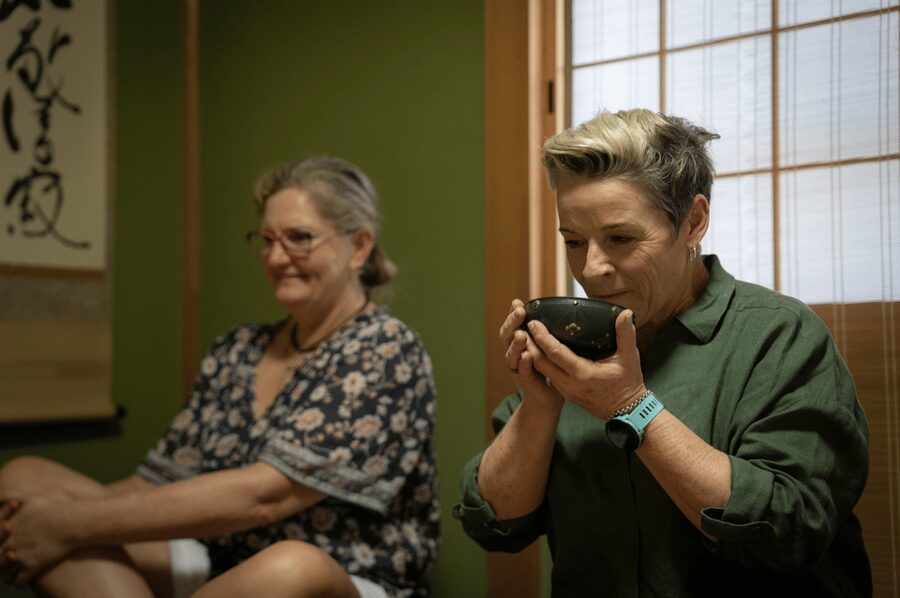
I would choose this tea ceremony for first-time visitors to Japan, couples, solo travelers, and families or friends who want a quiet cultural activity. You do not need previous knowledge of tea ceremony, and the English instruction removes a major concern for international visitors.
It also suits people who prefer participation to passive sightseeing. You can watch the teacher, but you also have the option to prepare your own matcha. That small act makes the tradition easier to remember.
This may be a good choice for an afternoon when you need a pause from temples and crowded streets. The room, the small group, and the careful pace offer a change of mood.
I would hesitate if your schedule is so tight that a one-hour appointment must be followed by a rushed cross-city transfer. I would also look elsewhere if your main goal is a large-scale, highly formal ceremony or an elaborate meal. Those are not promised here.
Practical details before you go
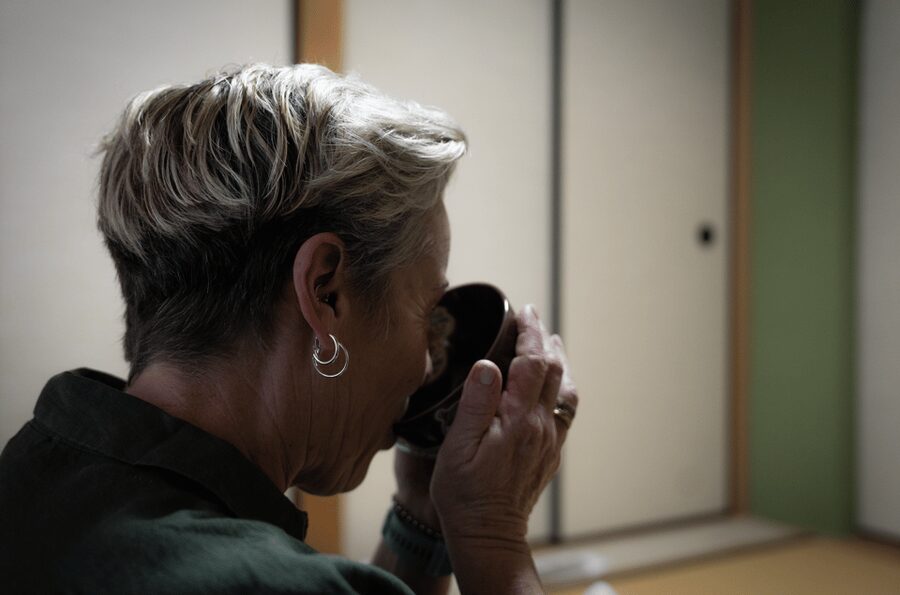
The session is conducted in English. The instructor has more than 30 years of experience, and the activity is designed for beginners as well as people who already know something about tea ceremony.
The meeting point is a Japanese house with a sign that says Tisato. This is the detail you need most on arrival. Look for the sign and house carefully rather than expecting a prominent attraction entrance.
The activity lasts one hour. Starting times vary, so check availability before booking. The group has no more than six participants.
Matcha and traditional dried sweets are included. The option to make your own tea is also included, but participation is voluntary. Free cancellation is available up to 24 hours before the start, with a full refund, and you can reserve without paying immediately.
Wear something that lets you sit and move comfortably. The supplied details do not specify a strict dress code or seating arrangement, so I would avoid making assumptions about either. If you have questions about physical requirements, ask the provider before booking.
Should you book the Tisato tea ceremony?
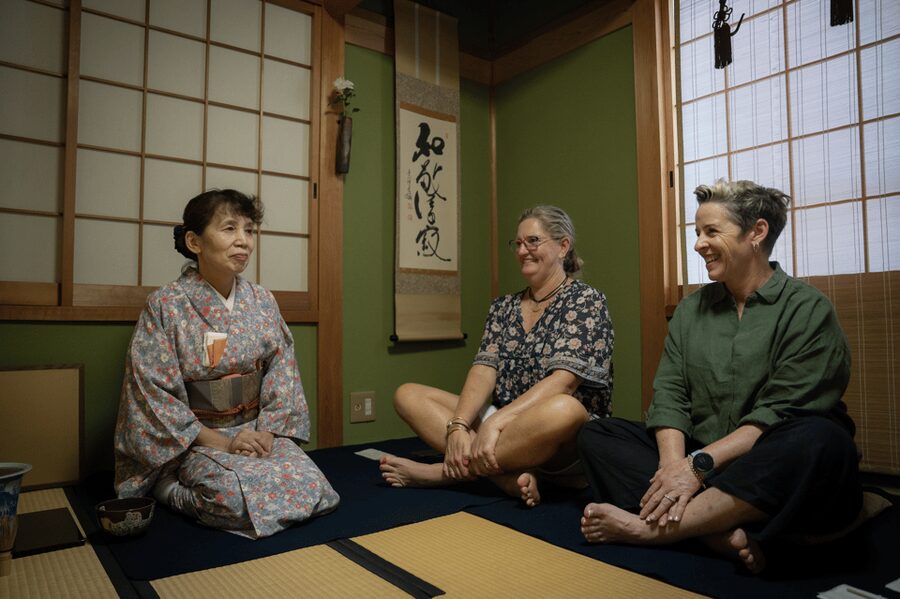
Book it if you want a personal introduction to Kyoto’s tea tradition, clear English teaching, and a small setting near Kamogawa Delta. The strongest reasons are the experienced teacher, the chance to whisk your own matcha, and the patient approach that makes beginners feel welcome.
At $38, the activity offers good value when you count the instruction and small group rather than the tea alone. The one-hour length keeps it easy to fit into a busy Kyoto itinerary, but it also limits how far the lesson can go.
My advice is simple: schedule it alongside Kamogawa Delta or a Demachiyanagi outing, arrive with time to find the Tisato sign, and take part in the preparation if you are comfortable. If you want a calm, thoughtful hour that explains why tea ceremony matters, this is a sound choice.
FAQ
How long does the Kyoto tea ceremony last?
The tea ceremony lasts one hour.
How much does the experience cost?
The listed price is $38 per person.
Is the tea ceremony taught in English?
Yes. The instructor language is English.
How many people are in each group?
The group is limited to six participants.
Is matcha included?
Yes. Matcha tea is included in the experience.
Are sweets included?
Yes. Traditional dried sweets are included.
Where is the meeting point?
Enter the Japanese house marked with a sign that says Tisato.
Can I make my own matcha?
Yes. You can prepare your own tea under the teacher’s guidance if you wish.
How close is the ceremony to Kamogawa Delta and Demachiyanagi Station?
The location is about a 15-minute walk from both Kamogawa Delta and Demachiyanagi Station.
Can I cancel my booking?
You can cancel up to 24 hours in advance for a full refund. You can also reserve now and pay later.
Just added around Kyoto
- Kyoto: Zen Meditation at a Private Temple with a Monk★ 5.0 · 25 reviews
- Kyoto: Gion Geisha District & Sake-in-Hand Walking Tour★ 5.0 · 37 reviews
- Private Pewter Sake Cup Experience with a Kyoto Artisan★ 5.0 · 31 reviews
- Your Private Vacation Photography Session In Kyoto★ 5.0 · 110 reviews
- Private Guided Traditional Buddhist Cooking in Japan★ 5.0 · 16 reviews
- Kyoto Wagashi(Japanese sweets) Cooking Class near Fushimiinari★ 5.0 · 60 reviews
- Traditional Japanese Music show & Experience Tour in Kyoto★ 5.0 · 57 reviews
- Kyoto:Family-Friendly Kimono & Yukata Experience at WARGO★ 5.0 · 147 reviews
Kyoto Tours, compared.


Fushimi Inari, Kinkakuji, Bamboo Grove 1 Day Bus Tour
Read our review →
Tea Ceremony in a Traditional Tea House in Kiyomizu
Read our review →
Kyoto Geisha Walking Tour: Gion District & Hidden Gems
Read our review →

Gion Magical Night Walking Tour with Geisha Trivia
Read our review →

Gion Geisha District Walking Tour – Stories of Geisha
Read our review →Browse the lists this tour appears in