
Reviewed · KYOTO TOURS
Kyoto: Tea Ceremony Meditation – Make Matcha with Tea Master
Kyoto’s tea ceremony can seem formal from the outside, but this 45-minute experience makes it friendly and hands-on. In a 100-year-old townhouse, an English-speaking tea master demonstrates the Omotesenke tradition, then helps you prepare your own bowl of matcha.
I like the small group size, limited to 10 people, and the chance to ask real questions instead of simply watching in silence. I also like that the experience uses handcrafted tea utensils and includes a traditional sweet. The main consideration is time: 45 minutes gives you a clear introduction, not a full study of tea ceremony or a kimono photo session.
Key points to know before you book
- You make your own matcha: After watching the demonstration, you whisk a bowl yourself with guidance from the tea master.
- The setting is part of the experience: The ceremony takes place in a century-old Kyoto townhouse with tatami and a quiet, simple atmosphere.
- English explanations are a major strength: Guides including Miki, Aki, Yoko, Joko, and Kiyoka have helped visitors understand both the actions and the ideas behind them.
- Small groups keep it personal: With no more than 10 participants, you have room to ask questions and receive help with the whisking.
- The $45 price is fair for a short cultural activity: Your fee includes the ceremony, one bowl of matcha, and a Japanese sweet, but not a kimono or hotel transfer.
- Come fragrance-free and on time: Perfume can interfere with the tea’s aroma, and you should arrive no more than 10 minutes early.
Entering a 100-year-old Kyoto townhouse
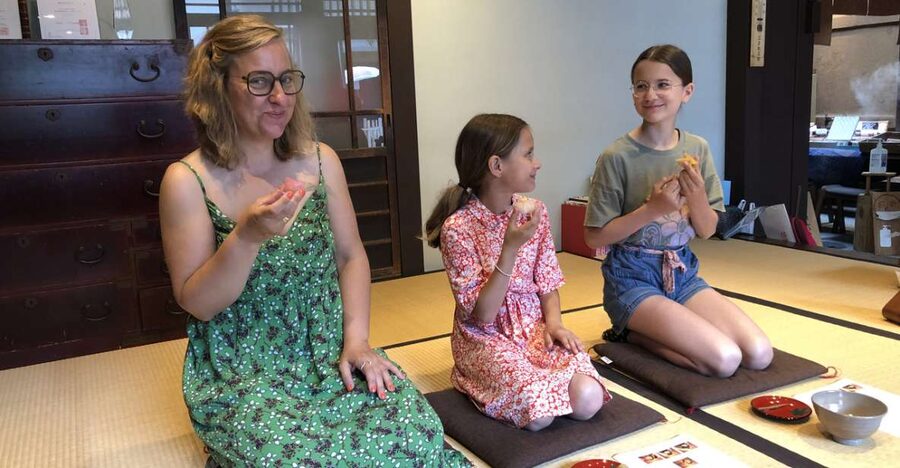
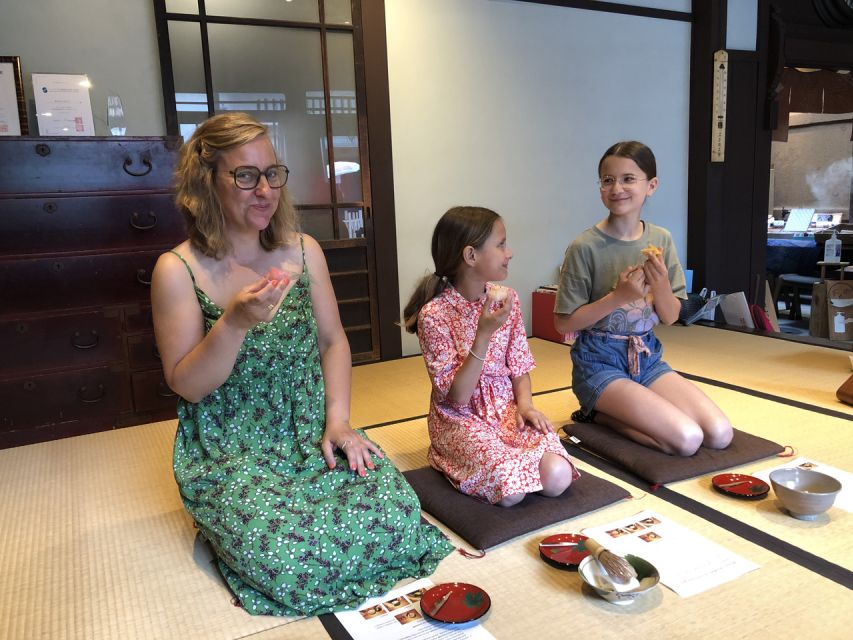
The first pleasure is the setting. You step into a traditional townhouse where tatami, quiet rooms, and the scent of natural materials quickly change your pace. Kyoto offers plenty of grand temples and busy shopping streets, so this calmer interior gives you a useful pause in the middle of a sightseeing day.
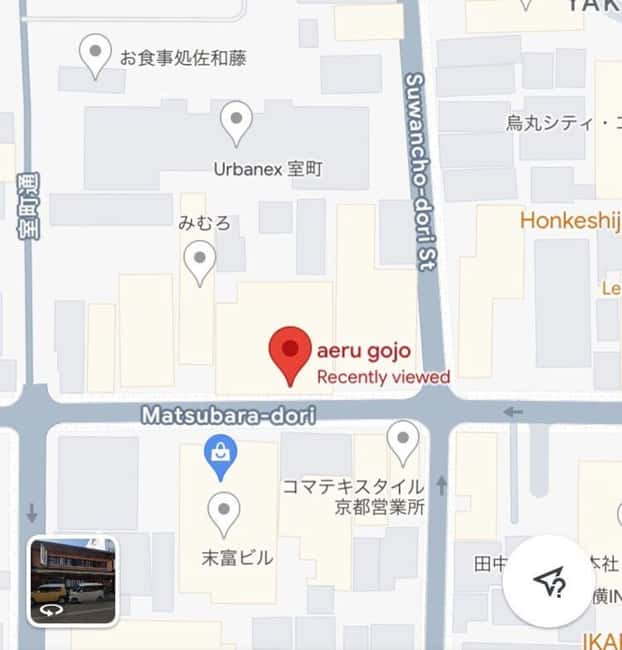
The location is in central Kyoto, at the venue known as aeru gojo. If you come from Karasuma-dori Street, turn at the corner with the Family Mart convenience store, walk straight for one block, and look for the aeru gojo sign beside Only Corporation and across from Zen Kyoto.
I would allow a few extra minutes to find the entrance, but do not arrive too early. The room is small, and the hosts ask you to come no earlier than 10 minutes before your scheduled time. There is no parking lot, and bicycles are not allowed inside. If you arrive by rental bicycle, use a public bicycle parking area. The closest one is identified by the operator through a map link.
This is not a meal stop. Food and drinks are not allowed, and the space is not intended for eating before or after the ceremony. Plan to have lunch or a snack elsewhere.
More Tea Ceremonies in Kyoto
- Kyoto: Tea Ceremony in a Traditional Tea House in Kiyomizu
★ 4.9 · 3,519 reviews - Kyoto: Tea Ceremony Ju-An at Jotokuji Temple
★ 4.9 · 3,207 reviews - Kyoto: 45-Minute Tea Ceremony Lesson Experience
★ 4.3 · 2,378 reviews
A gentle introduction to Omotesenke tea
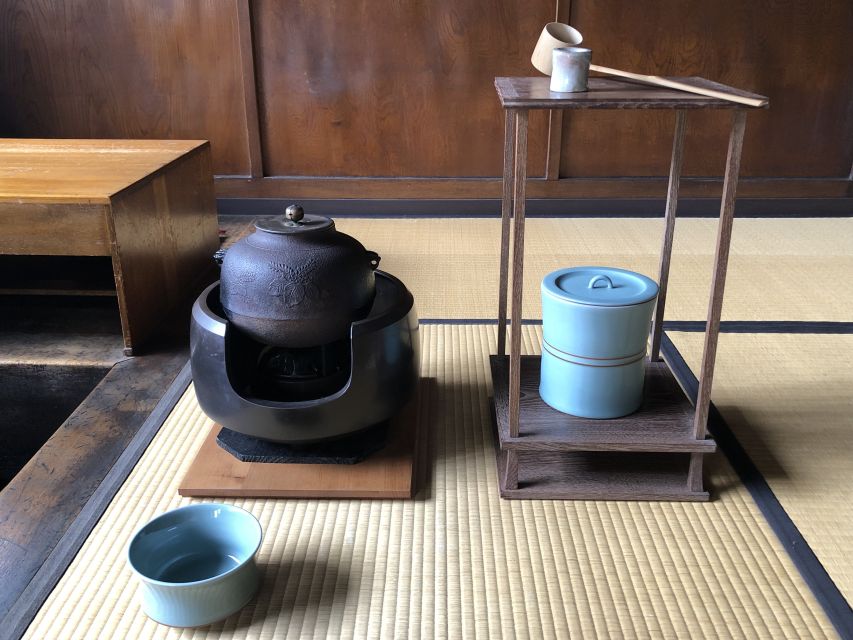
Your tea master begins by showing you how matcha is prepared and explaining what each movement means. The host is not simply teaching you how to make a green drink. You learn why the bowl, whisk, scoop, cloth, and other tools are handled with care, and how the exchange between host and guest shapes the ceremony.
The experience follows the Omotesenke tradition, one of Japan’s respected tea schools. That matters because tea ceremony is not just a fixed set of poses. Different schools have their own methods, manners, and details. Here, you get a clear introduction to one established approach without being expected to know Japanese etiquette in advance.
The demonstration is deliberately slow. You can watch the preparation, follow the order of the actions, and ask why things are done in a particular way. Guides named Miki, Aki, Yoko, Joko, and Kiyoka have led sessions at different times, and the teaching style described by the experience is warm, patient, and conversational.
That balance is useful. A highly formal ceremony can be beautiful but difficult to follow if you do not understand the gestures. This format explains the purpose behind the ritual, so you can pay attention to both the visual details and the cultural meaning.
Making your own bowl of matcha
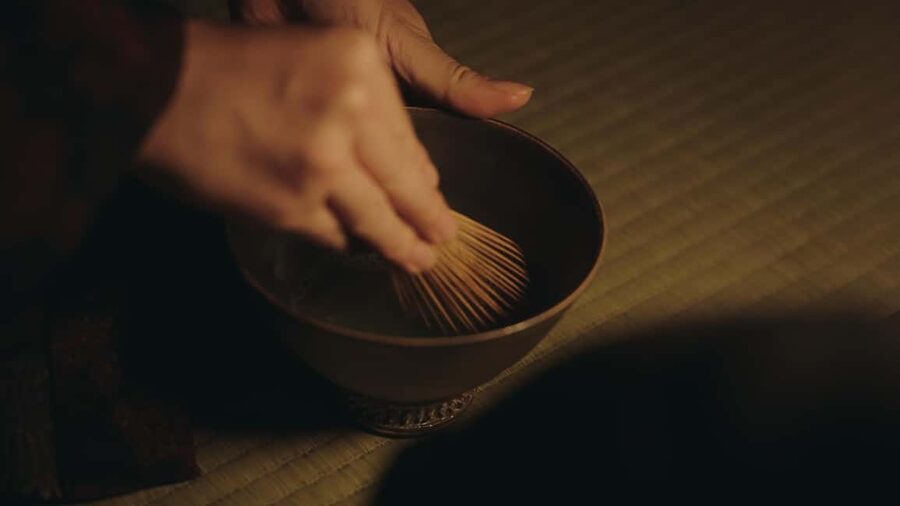
The hands-on portion is the heart of the activity. After the demonstration, you prepare your own matcha with an authentic bamboo whisk and other traditional utensils. The tea master guides you through the process and helps you handle the tools correctly.
You do not need to arrive with a practiced wrist. The point is to learn the basic movement, not to produce a perfect bowl on your first attempt. The small group makes a real difference here. You have space to concentrate, and the teacher can give individual help rather than leaving everyone to copy from a distance.
This is also where the activity becomes more memorable than a simple tea tasting. You feel the weight of the bowl, use the whisk, and see how water and powdered tea come together. The preparation asks for a little care and attention, which is why the short session can feel soothing even when you are doing something new.
The matcha is served with a Japanese traditional sweet. The sweet provides a gentle contrast to the tea’s earthy, slightly bitter taste. The experience includes one cup of matcha and one traditional sweet, so you should not book it expecting several servings or a full snack course.
A few practical details improve the experience. Avoid perfume or cologne so you can notice the aroma of the matcha and avoid overwhelming the small room. Wear something comfortable that allows you to sit and work with the bowl. The information provided does not require a particular dress code, and a kimono is not included.
Why the small group matters
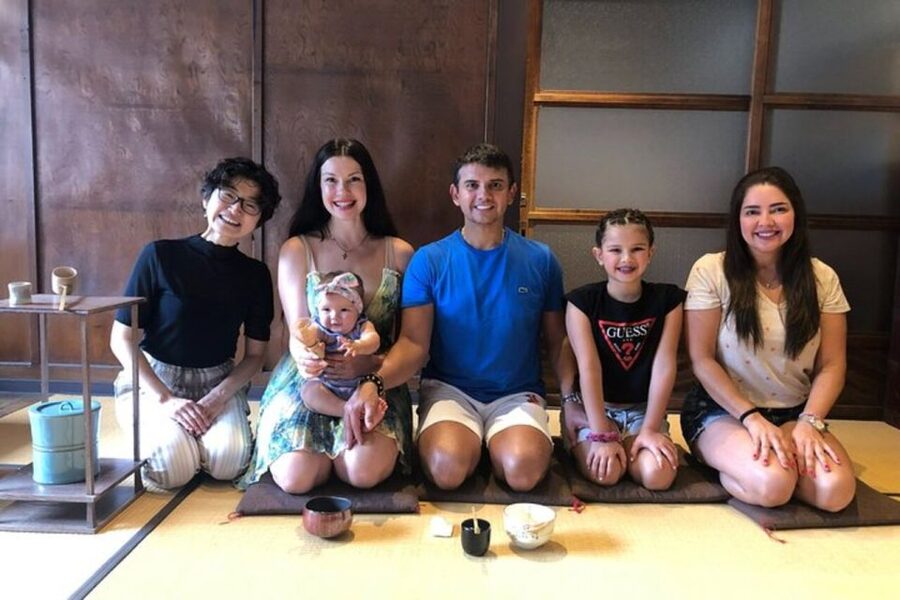
A group of up to 10 people is small enough for conversation but large enough to give the session a social feel. You may meet other international visitors, then learn alongside them as everyone tries the same steps. For solo visitors, that makes the activity less solitary without turning it into a large tour.
The format also suits families better than a silent, highly formal ceremony might. Children aged 8 and 10 have enjoyed the mix of explanation and hands-on work, and a patient host has helped a restless toddler feel welcome. Still, this is a quiet cultural activity. If your children cannot sit still or follow a careful demonstration, the atmosphere may be harder for them.
I would recommend it for attentive older children and teenagers, especially if you explain beforehand that the ceremony rewards patience. The hosts can be friendly and flexible, but they cannot turn the activity into a play session.
The small size helps with questions, too. You can ask about matcha, Japanese customs, the ceremony’s history, or details that catch your eye. The English-speaking instructors are there to explain, not just perform, and several guides have been praised for answering questions patiently and clearly.
Same base, a completely different sort of day:
- PERFECT KYOTO 1-Day Bus Tour
★ 5.0 · 13,518 reviews - Kyoto: Fushimi Inari, Kinkakuji, Bamboo Grove 1 Day Bus Tour
★ 4.8 · 4,316 reviews - Kyoto Geisha Walking Tour: Gion District & Hidden Gems
★ 4.7 · 3,273 reviews - Kyoto: Gion Magical Night Walking Tour with Geisha Trivia
★ 4.9 · 2,393 reviews
What the 45-minute schedule feels like
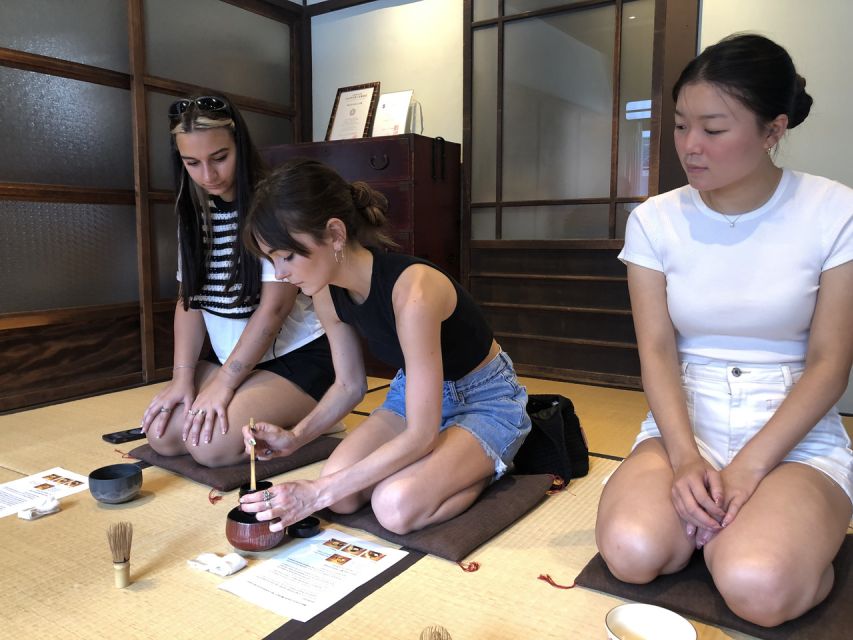
The timing works well as a compact Kyoto activity. You begin with an introduction to the room, the tea, and the ceremony. The tea master then performs the preparation, explaining the utensils, movements, and etiquette as the session progresses.
Next comes your own turn to make matcha. You follow the demonstrated steps, whisk the tea, and receive help as needed. The activity ends with drinking your tea alongside the Japanese sweet and making space for questions and conversation.
Forty-five minutes is long enough to learn the basic sequence and short enough to fit between other plans. You could schedule it before a temple visit, after shopping in central Kyoto, or during a break from a packed sightseeing day.
There are limits. You will not receive a kimono, hair styling, hotel pickup, or drop-off. You also will not become a tea practitioner in one session. If your main goal is formal etiquette training, a longer course would suit you better. If you want a thoughtful first introduction that lets you participate, the timing is sensible.
Handcrafted utensils and meaningful souvenirs
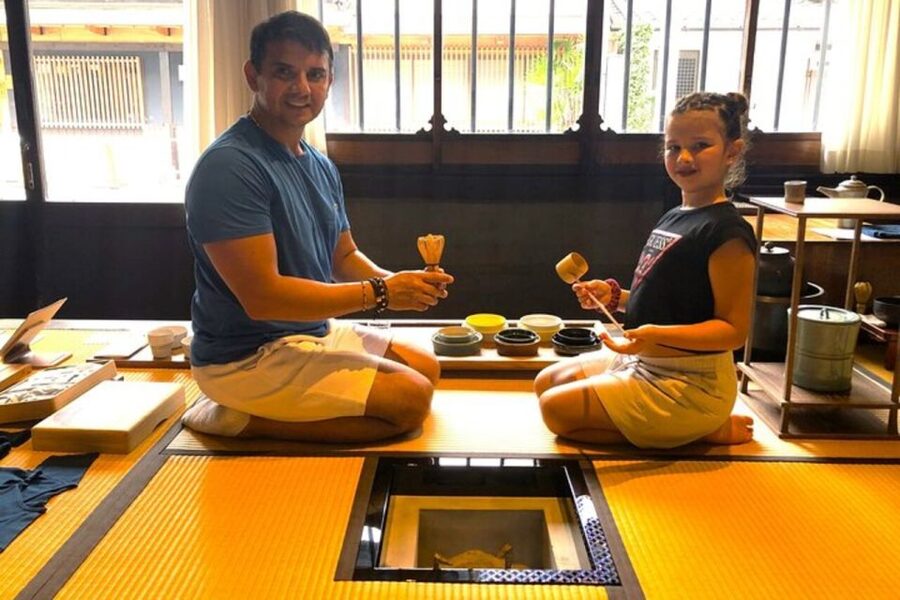
The tools are not disposable props. The experience uses authentic, handcrafted utensils made by skilled artisans. That adds weight to the lesson because you are handling objects designed for this tradition rather than generic workshop equipment.
At the end, you can browse selected Japanese crafts and tea-related goods to take home. Buying something is optional, and the activity does not promise a souvenir in the price. Still, the opportunity is useful if you want a physical reminder of the lesson or a practical gift connected to Japanese culture.
I would look closely before buying. The value of a souvenir depends on what you want and what is available on the day. The important point is that the shopping comes after the cultural experience, rather than replacing it with a quick retail stop.
Is $45 a good value?
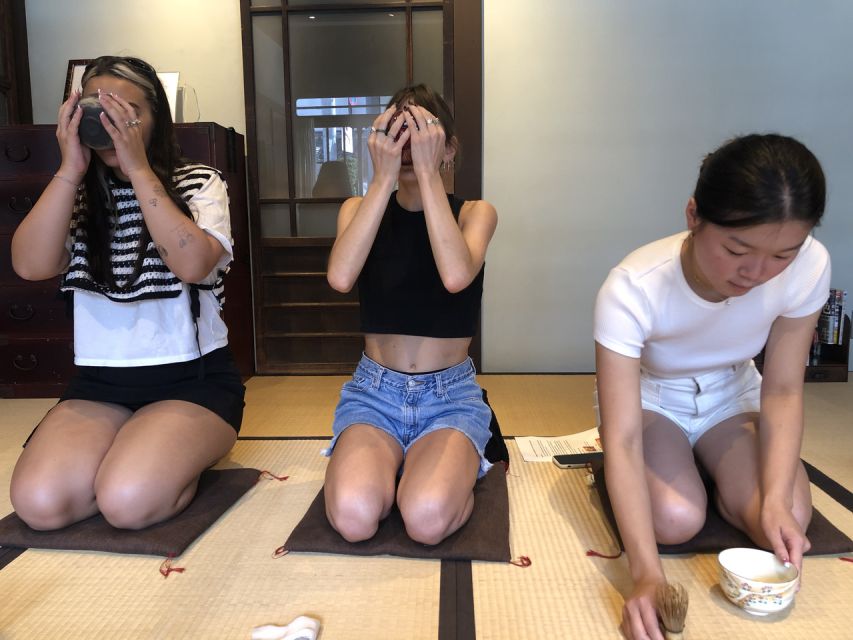
At $45 per person, this is a reasonable price for a short, guided cultural activity in central Kyoto. The fee covers the tea ceremony, one bowl of matcha, and a traditional Japanese sweet. You also receive instruction from an English-speaking tea master in a historic townhouse and get to use proper tea utensils.
The value is strongest if you have never attended a tea ceremony. You are paying for context as much as for tea. The explanation of the gestures, the chance to ask questions, and the practice of making matcha give you more than a drink at a café.
The price is less attractive if you mainly want a cheap cup of matcha or a costume photograph. A café will cost less, and this activity does not include a kimono or hair setting. It is also not a full meal, and there are no free refills included.
For me, the hands-on element makes the difference. Watching a ceremony can be beautiful, but making the tea gives you a clearer sense of the care and concentration involved. Add the small group and the townhouse setting, and $45 feels fair for a focused Kyoto memory.
Who will enjoy this most?
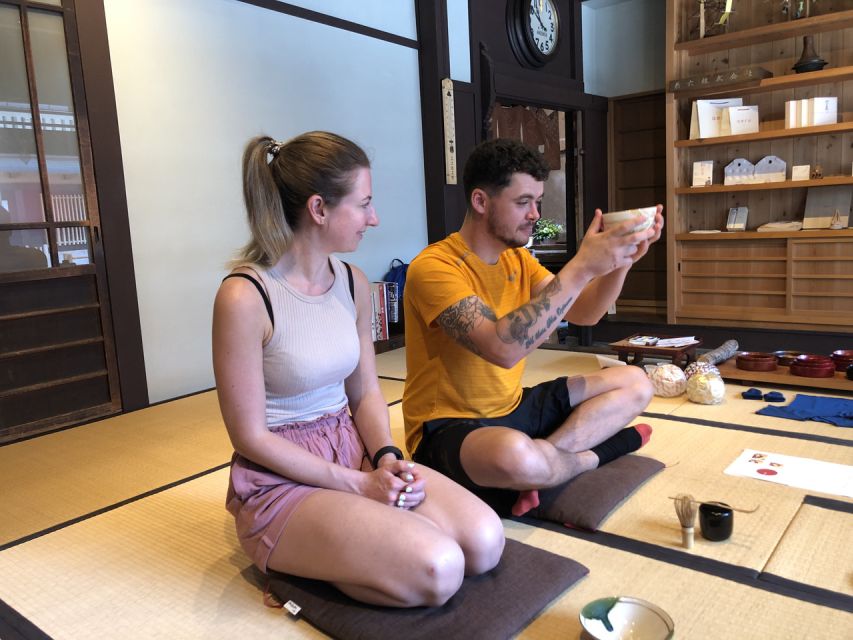
I would choose this for first-time visitors who want cultural context without committing half a day. It also suits couples, solo visitors, families with older children, and anyone curious about the difference between powdered matcha and the tea ceremony built around it.
You will get the most from it if you enjoy asking questions and trying the steps yourself. The hosts welcome conversation, so you do not need to sit quietly with unanswered questions about etiquette or Japanese culture.
This may not suit you if you want a grand, highly formal performance, a kimono included in the fee, or a long ceremony with several courses of tea and sweets. The tone is accessible and adapted for international visitors. That makes it easier to understand, but it is still a brief introduction rather than an advanced traditional lesson.
Accessibility is another practical plus. The activity is listed as wheelchair accessible, although you should still check the booking details for any personal access needs before you go.
Booking and arrival tips for Gojo
The operator offers free cancellation up to 24 hours before the scheduled start, with a full refund. You can also reserve now and pay later, which helps if your Kyoto schedule is still changing.
Choose a starting time that leaves room for the walk to aeru gojo. Use the Family Mart on Karasuma-dori as your turning point, then continue for one block. Bring only what you need, since bikes, food, and drinks are not allowed in the venue.
Arrive no more than 10 minutes before your appointment. Skip perfume and cologne that day. These rules are small, but they protect the quiet atmosphere and let you notice the tea’s aroma.
I would also avoid placing this immediately before a major timed attraction across town. The session itself lasts 45 minutes, but you need time to reach the townhouse, settle in, and continue afterward.
Should you book this matcha experience?
I would book it if you want an approachable look at Japanese tea ceremony, especially if you have never tried making matcha. The strongest reasons are the old townhouse, the English-speaking instruction, the small group, and the chance to prepare your own tea with real utensils.
Book with realistic expectations. This is not a kimono rental, a full meal, or an advanced tea-school course. It is a compact cultural lesson with a calm setting, a sweet, and enough practical instruction to help you understand what you are seeing.
At $45, it offers solid value for a 45-minute activity in central Kyoto. If you can spare the time and are willing to slow down, this is an easy way to add a quieter, more personal experience to a busy Japan itinerary.
FAQ
How long does the Kyoto tea ceremony experience last?
The experience lasts 45 minutes. It includes the demonstration, instruction on preparing matcha, your own hands-on tea-making, a traditional sweet, and time for questions.
What is included in the price?
The price includes the tea ceremony experience, one cup of matcha tea, and Japanese traditional sweets.
Is a kimono included?
No. Kimono rental and hair setting are not included.
Is the activity conducted in English?
Yes. The instructor language is English, and English-speaking tea masters guide the ceremony and answer questions about tea and Japanese culture.
How large is the group?
The activity is limited to 10 participants, making it a small-group experience.
Can I cancel my booking?
You can cancel up to 24 hours in advance for a full refund. Reserve-now, pay-later booking is also available.
Just added around Kyoto
- Kyoto: Zen Meditation at a Private Temple with a Monk★ 5.0 · 25 reviews
- Kyoto: Gion Geisha District & Sake-in-Hand Walking Tour★ 5.0 · 37 reviews
- Private Pewter Sake Cup Experience with a Kyoto Artisan★ 5.0 · 31 reviews
- Your Private Vacation Photography Session In Kyoto★ 5.0 · 110 reviews
- Private Guided Traditional Buddhist Cooking in Japan★ 5.0 · 16 reviews
- Kyoto Wagashi(Japanese sweets) Cooking Class near Fushimiinari★ 5.0 · 60 reviews
- Traditional Japanese Music show & Experience Tour in Kyoto★ 5.0 · 57 reviews
- Kyoto:Family-Friendly Kimono & Yukata Experience at WARGO★ 5.0 · 147 reviews
Kyoto Tours, compared.
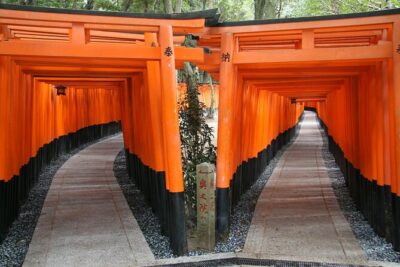
Fushimi Inari, Kinkakuji, Bamboo Grove 1 Day Bus Tour
Read our review →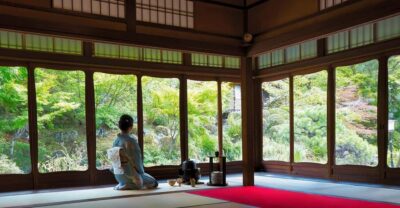
Tea Ceremony in a Traditional Tea House in Kiyomizu
Read our review →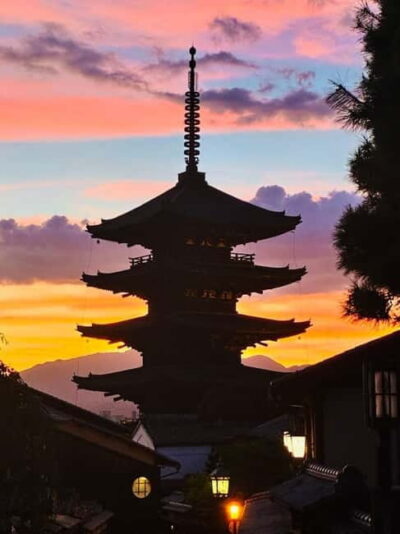
Kyoto Geisha Walking Tour: Gion District & Hidden Gems
Read our review →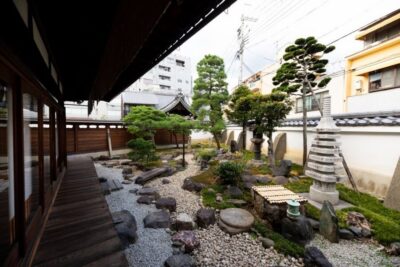
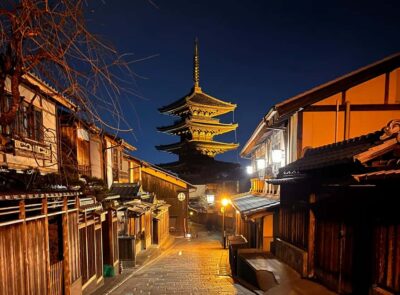
Gion Magical Night Walking Tour with Geisha Trivia
Read our review →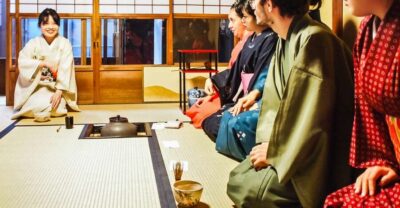
Gion Geisha District Walking Tour – Stories of Geisha
Read our review →Browse the lists this tour appears in