
Reviewed · KYOTO TOURS
Kyoto: Traditional Yuzen Dyeing Experience
Kyoto Yuzen is not a quick souvenir workshop. Inside an artisan’s home in the historic Nishijin district, you use carefully mixed dyes to color a silk design under the eye of a retired kimono artisan. The striking part is the partnership: you make the creative choices, while the master guides the color balance and technique.
I like the small group limit of six, which gives the artisan time to help with each brushstroke. I also like the calm setting, with its traditional machiya rooms, studio, and view of a Zen garden. You leave with finished silk artwork rather than a factory-made trinket.
The main consideration is the price, $161 per person for two hours. It is a serious charge for a short activity, and the limited choice of prepared designs may disappoint anyone hoping to create a completely original image. You should also ask ahead about seating if sitting on the floor is difficult.
Key points
- Paint silk in a working artisan’s home: The class takes place in a traditional Nishijin machiya, not a large tourist center.
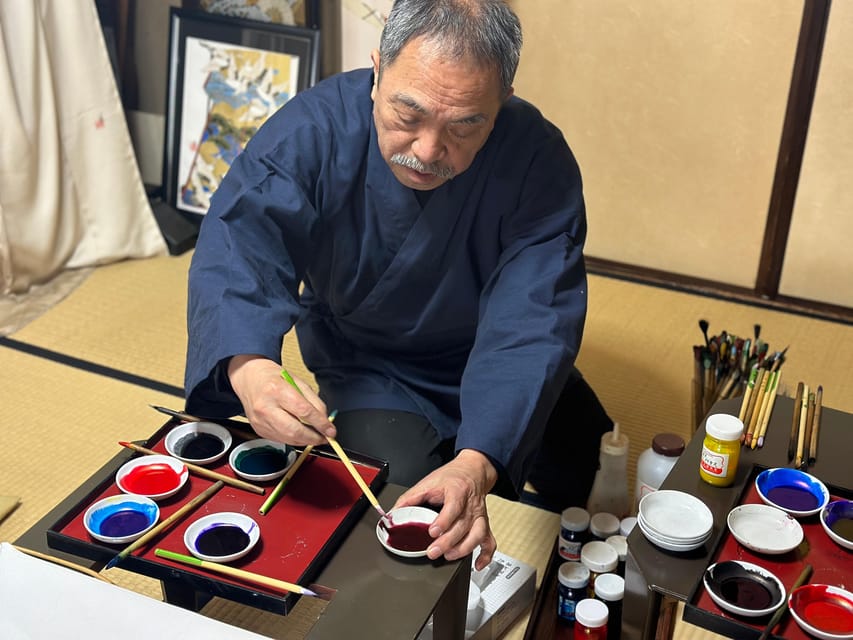
- Work with Master Shin’Ichiro: The artisan mixes colors, demonstrates the right paint and water balance, and suggests combinations that work well together.
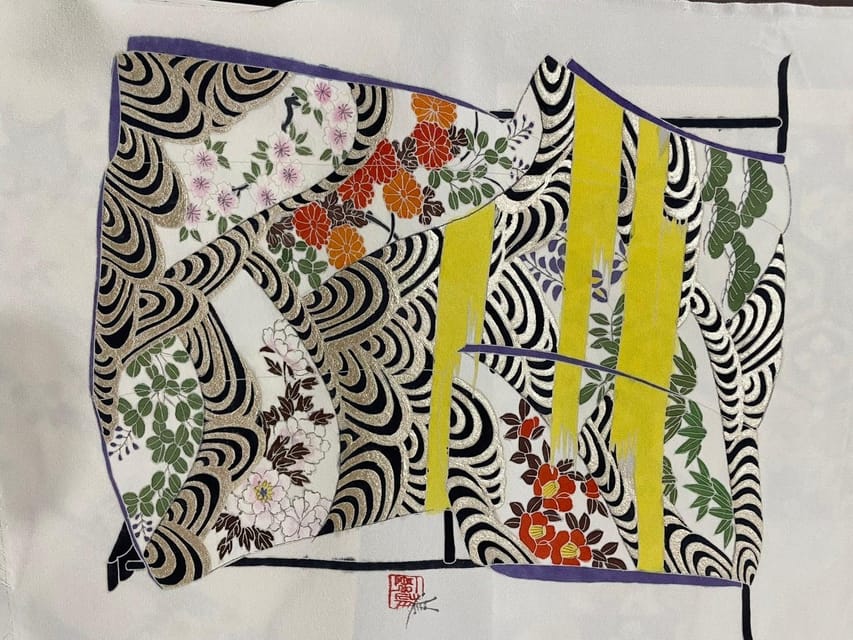
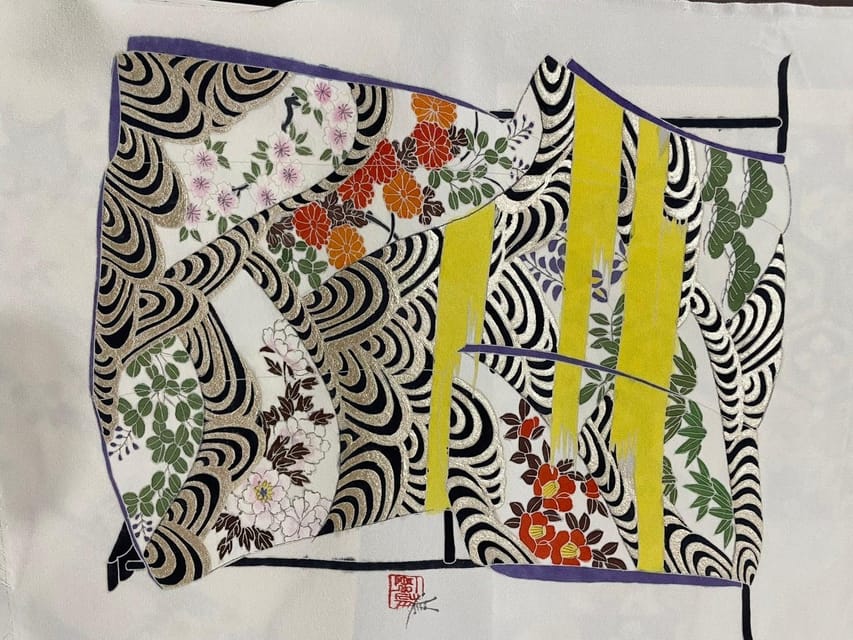
- Choose from prepared designs: Phoenixes, cranes, and fans are among the available motifs, already outlined on silk.
- Get language support: An English or Chinese interpreter helps explain the process and translate the master’s advice.
- Take home finished artwork: Your painted silk piece is prepared for you to keep as a personal Kyoto souvenir.
- Plan for a calm, focused session: The activity lasts two hours, but some participants have needed extra time to finish.
Entering a Nishijin Machiya
The setting does much of the work here. Nishijin is one of Kyoto’s historic textile districts, and the class happens inside a traditional machiya townhouse that also serves as the artisan’s home and studio.
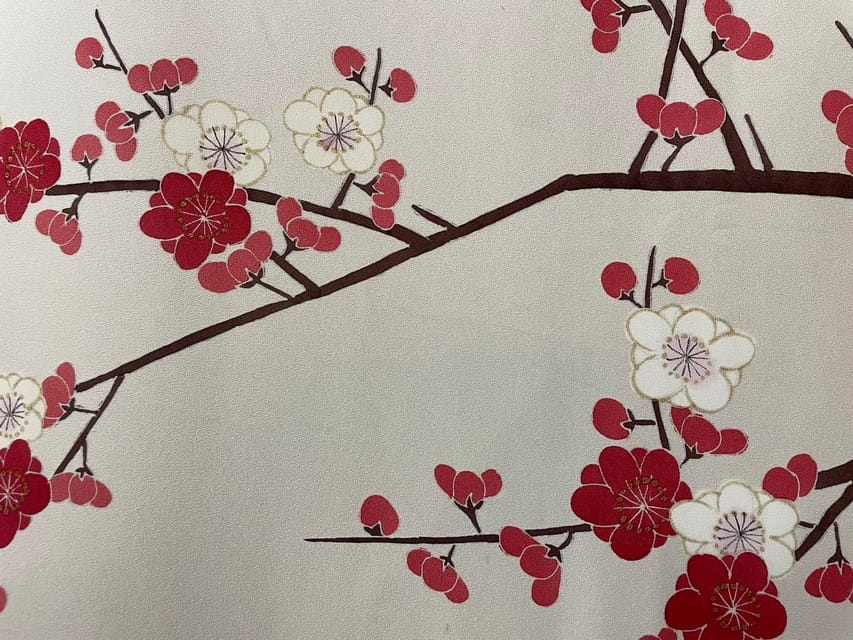
This is more personal than entering a modern craft classroom. You see the artisan’s own Yuzen-dyed works on display, learn in the same surroundings where the craft is practiced, and get a glimpse of a Kyoto residence that most short sightseeing stops do not provide.
One account describes a studio looking toward a Zen garden. That detail matters because Yuzen dyeing rewards patience. You are not racing through a noisy room with a dozen other people. The quiet setting helps you pay attention to the brush, the silk, and the way each color spreads.
The group is capped at six people, though smaller bookings can feel almost private. Some sessions have been attended by only one person or a couple. If you are looking for a social party activity, this is not it. If you prefer time to ask questions and work at your own pace, the small format is a real advantage.
A few more Kyoto half-days to weigh up
- PERFECT KYOTO 1-Day Bus Tour
★ 5.0 · 13,518 reviews - Kyoto: Fushimi Inari, Kinkakuji, Bamboo Grove 1 Day Bus Tour
★ 4.8 · 4,316 reviews - Kyoto: Tea Ceremony in a Traditional Tea House in Kiyomizu
★ 4.9 · 3,519 reviews
What Kyoto Yuzen Means
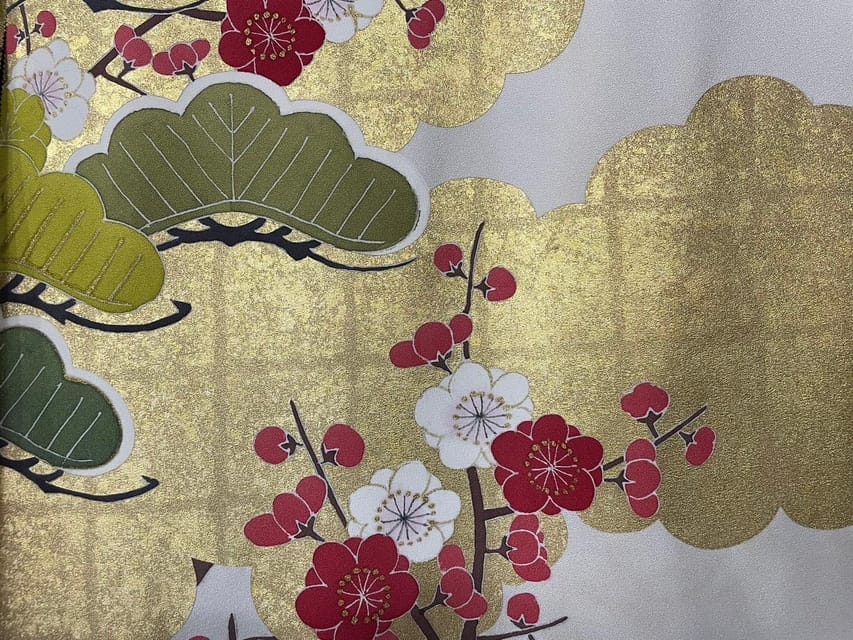
Yuzen is one of Kyoto’s best-known dyeing arts, closely linked with the decoration of kimono and silk textiles. The work depends on controlled color, fine outlines, and careful handling of the fabric. It looks simple when a practiced artisan does it. Your own brush quickly shows you why the skill takes years to develop.
The activity introduces you to the tools, materials, and basic methods without pretending that two hours can turn you into a professional. The prepared design gives you a clear boundary to follow, so you can focus on applying color rather than drawing a complex image from scratch.
The process also shows the difference between this workshop and a standard tie-dye class. You are not twisting a T-shirt, tying rubber bands, or making random color bursts. You paint within a silk design, using a brush and liquid dye. One available motif has been described as a phoenix in front of a crescent moon, while cranes and fans may also be offered.
The art has a cultural value beyond the finished object. You are taking part in a small effort to keep a specialized craft in use. That does not make the session a formal museum lesson, but it gives the activity more weight than a generic paint-and-take-home class.
Choosing a Motif and Color Palette
Early in the session, you choose a design from the available prepared pieces. Samples and finished artworks are displayed to help you decide. The selection may include phoenixes, cranes, and fans, but the exact range can be limited. One person found only three design options, so do not book this expecting a huge catalog.
My practical advice is to choose fairly quickly. You need most of the session for painting, and spending too long comparing motifs can leave you watching the clock later.
Once you choose the design, you select one or two colors that appeal to you. The master then helps shape the rest of the palette. This is one of the best parts of the class. You retain a personal say in the artwork, but you also benefit from an artisan’s sense of balance.
Master Shin’Ichiro mixes the dyes for you and can adjust the amount of paint and water to produce a particular shade. If there is a sample showing how a color will look on silk, he can use it to guide your choice. This is helpful because a color in a mixing dish may not look the same once it reaches the fabric.
You do not need formal art training. The gold or otherwise prepared outlines give you a pattern to follow, and the interpreter explains each stage. Still, this is hands-on work. A heavy brush can make the dye bleed, so use a light touch and do not overload the bristles.
Painting Silk With the Artisan’s Help
The painting stage is the heart of the two-hour visit. You work through the prepared image section by section while the artisan checks your progress and offers suggestions.
The master does not simply hand you paint and leave. He controls the dye mixture, shows how much liquid belongs on the brush, and helps you see how the tone should appear on the silk. That personal attention is especially useful for first-time painters.
The interpreter provides an important bridge. English and Chinese language support is available, and several participants have singled out the interpreter’s kindness and clear help. One interpreter, Ha, has also helped with photographs during the session. The exact interpreter may vary, but you should have support for the instructions and conversation.
The tone is gentle and patient. You can ask questions as you work, and the artisan may talk with you through the interpreter. The result is less like a lecture and more like spending time as an apprentice in a small studio.
You should wear clothing that you do not mind getting dye on. This is not a place for your best white shirt. The activity may involve chemicals, so tell the provider in advance about allergies or sensitivities.
A useful mental adjustment is to accept that handmade work will not be perfectly uniform. One participant noted that keeping perfectionism under control was part of the lesson. The outlines make the activity accessible, but the final silk will still show your hand. That is a virtue, not a flaw, if you want a personal souvenir.
Same base, a completely different sort of day:
- Kyoto Geisha Walking Tour: Gion District & Hidden Gems
★ 4.7 · 3,273 reviews - Kyoto: Tea Ceremony Ju-An at Jotokuji Temple
★ 4.9 · 3,207 reviews - Kyoto: Gion Magical Night Walking Tour with Geisha Trivia
★ 4.9 · 2,393 reviews - Kyoto: 45-Minute Tea Ceremony Lesson Experience
★ 4.3 · 2,378 reviews
The Finished Silk Keepsake
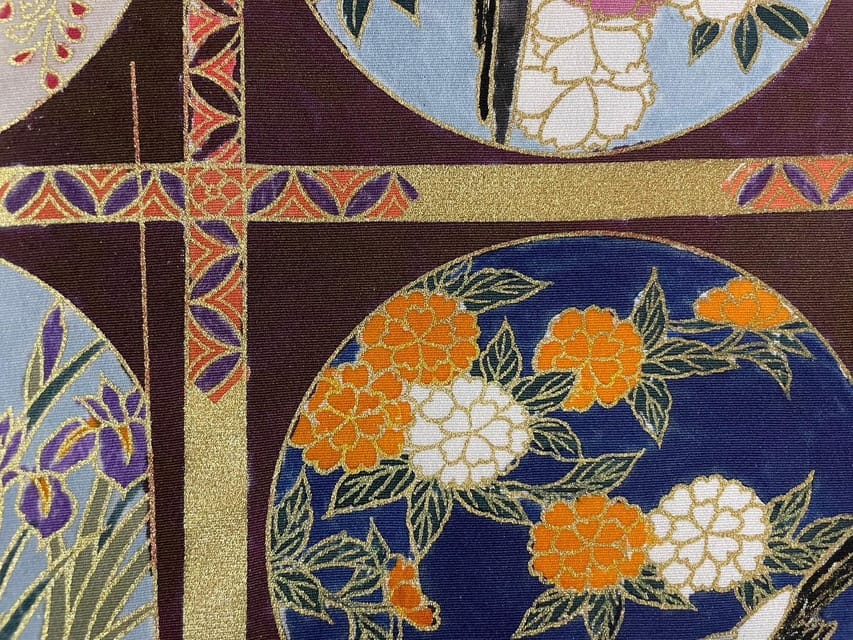
At the end, you take home the silk piece you have painted. Some accounts describe the artisan ironing the work so it is dry and ready to keep. You are not just carrying home a worksheet or a half-finished craft. You have a completed piece of Japanese textile art made through your choices and the master’s guidance.
The size and final format can depend on the selected design, so do not assume you are making a kimono or a large wall hanging. The finished work is better understood as a silk artwork or decorative keepsake.
This is where the price gains some value. A $161 activity is costly for two hours, but it includes direct instruction from an artisan, an interpreter, access to a private home studio, a look at finished Yuzen works, and the piece you create. It is a better fit for someone who values cultural contact and a meaningful object than for someone simply seeking inexpensive entertainment.
The artwork also travels well compared with many Kyoto purchases. You should still protect it carefully in your luggage, but it is a compact reminder of the city and of the time spent making it.
Timing, Comfort, and Accessibility
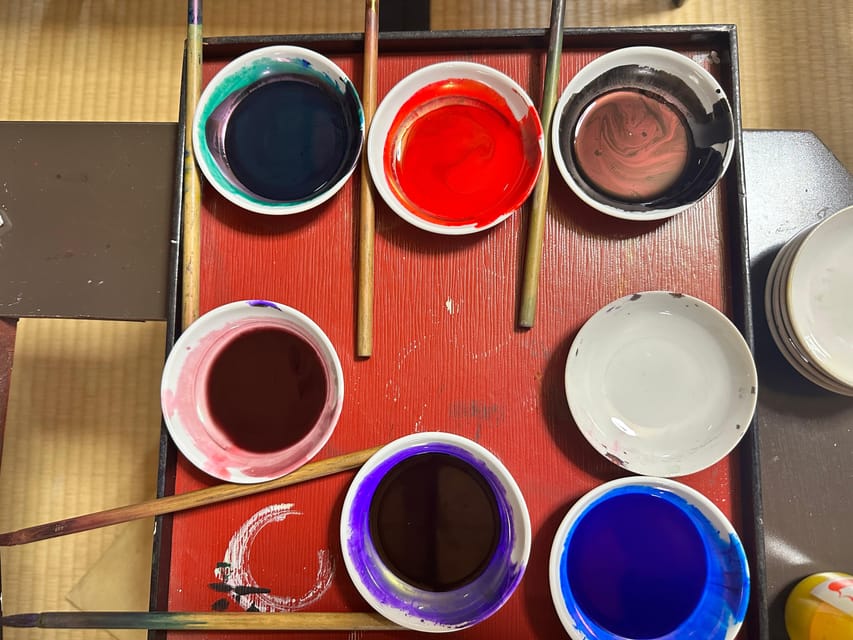
The advertised duration is two hours. In practice, allow some flexibility. A few participants finished on schedule, while others continued around 30 minutes beyond the planned end. The artisan has sometimes allowed extra time when people were still engaged in the work, but you should not count on an extension if you have a train, meal reservation, or another timed booking.
The activity is listed as wheelchair accessible. At the same time, one detailed account cautioned that the class may involve sitting on the floor for two hours. These details may depend on the room arrangement and individual needs, so contact the provider before booking if floor seating, transfers, or workspace height matter to you.
Transportation to and from the meeting point is not included. Plan your route separately and leave enough time to arrive in Nishijin without rushing. The location is part of the appeal, but the activity should not be treated as a drop-in stop between tightly scheduled sights.
Children under 10 are not accepted, and babies under 1 year are not suitable for the session. Party groups, alcohol, drugs, and fireworks are not allowed. Those rules fit the nature of the workshop: it is a quiet craft lesson in a private home, not a casual group outing.
Who Will Get the Most From This Class
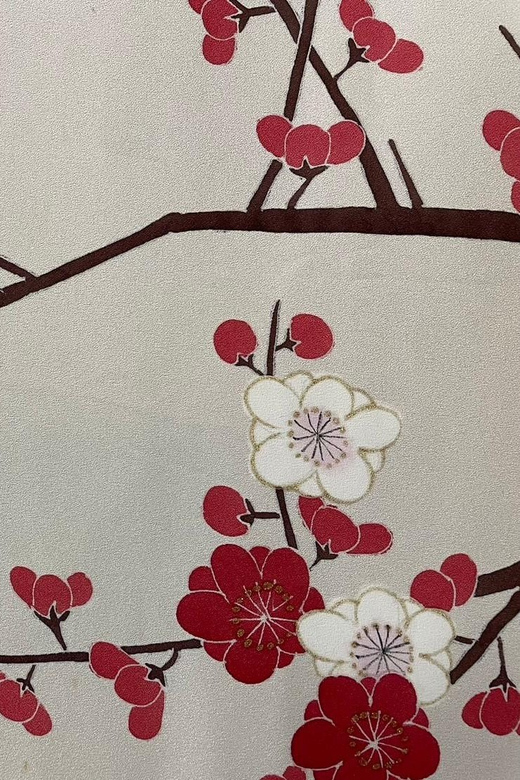
I would recommend this for adults, couples, solo visitors, and families with older children who enjoy making things with their hands. It is especially well suited to art lovers, textile fans, and anyone who wants to see a side of Kyoto beyond temples and shopping streets.
It also works for people who prefer a slow morning or afternoon. The activity has a meditative quality, and the concentration required can make two hours pass quickly. You are occupied, but not pushed through a rigid sequence of demonstrations.
This may not suit you if you dislike detailed work, cannot sit comfortably for an extended period, or want a broad choice of blank canvases and original subjects. The prepared outlines help beginners, but they also limit your freedom. You are collaborating with the artisan within his designs, not creating an entirely independent painting.
The class can also be a good choice for repeat visitors to Kyoto. If you have already seen the major temples and gardens, a private workshop in Nishijin offers a different kind of local contact. You support an individual craftsperson while learning how a traditional art is handled.
Booking Value and Practical Tips
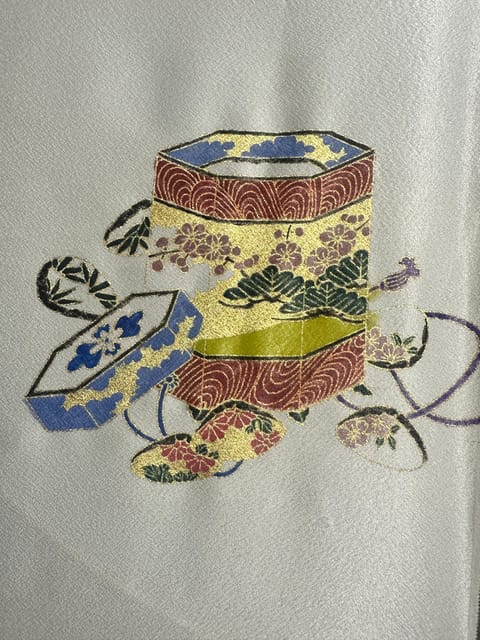
At $161 per person, this is not a bargain activity. For a two-hour class, the cost is far above a basic craft workshop. The value comes from the setting, the small group, the artisan’s direct involvement, interpreter support, and the finished silk artwork.
I would compare it with the cost of buying a quality Kyoto textile. You are not simply paying for materials. You are paying for time with Master Shin’Ichiro, his color judgment, the use of his prepared designs, and entry into a traditional home studio. If those elements matter to you, the price can make sense. If you mainly want a cheap souvenir, choose another activity.
Book with your schedule open on both sides. The class itself is two hours, but the careful pace and possible extra finishing time make a rushed connection unwise.
Wear comfortable clothes that can survive a splash of dye. Tell the provider about allergies or sensitivities before arriving. If you have a strong preference for a particular image, ask what designs are currently available, since the selection may be small.
Cancellation is flexible if you cancel at least three days in advance, when a full refund is available. English and Chinese support is offered, and the small group format limits attendance to six people.
Should You Book the Kyoto Yuzen Experience?
Book it if you want a quiet, personal activity with a real artisan, a traditional machiya setting, and a finished silk piece that carries your own choices. The strongest part is the guided color work. Master Shin’Ichiro does not just explain the craft, he helps you understand how water, pigment, and balance affect the final result.
Skip it if $161 feels too high for two hours, if you need a fully open-ended art project, or if floor seating would be uncomfortable. For the right person, though, this is an unusually personal Kyoto experience. You leave with something far better than a standard souvenir: a small piece of silk made in collaboration with a master.
FAQ
How long does the Yuzen dyeing experience last?
The scheduled activity lasts two hours. Some people have needed extra time to finish, so avoid booking another appointment immediately afterward.
How much does the experience cost?
The listed price is $161 per person.
Where does the activity take place?
It takes place inside a traditional machiya townhouse in Kyoto’s historic Nishijin district, in the artisan’s home and studio.
Who leads the dyeing class?
Master Shin’Ichiro guides the dyeing work. An interpreter provides English or Chinese language support.
What can I make during the activity?
You paint a prepared silk design using Yuzen dyeing techniques and take the finished silk artwork home. Available motifs may include phoenixes, cranes, and fans.
Do I need previous art experience?
No. The prepared design provides outlines to follow, and the artisan guides you through the colors and painting process.
Is the activity suitable for children?
Children under 10 are not suitable for this experience. Babies under 1 year are also not accepted.
Is the experience wheelchair accessible?
The activity is listed as wheelchair accessible. However, the session may involve sitting on the floor, so contact the provider in advance to discuss your specific access needs.
What should I wear?
Wear comfortable clothes that you do not mind getting dye on. Inform the provider ahead of time about any allergies or sensitivities because chemicals may be used.
Just added around Kyoto
- Kyoto: Zen Meditation at a Private Temple with a Monk★ 5.0 · 25 reviews
- Kyoto: Gion Geisha District & Sake-in-Hand Walking Tour★ 5.0 · 37 reviews
- Private Pewter Sake Cup Experience with a Kyoto Artisan★ 5.0 · 31 reviews
- Your Private Vacation Photography Session In Kyoto★ 5.0 · 110 reviews
- Private Guided Traditional Buddhist Cooking in Japan★ 5.0 · 16 reviews
- Kyoto Wagashi(Japanese sweets) Cooking Class near Fushimiinari★ 5.0 · 60 reviews
- Traditional Japanese Music show & Experience Tour in Kyoto★ 5.0 · 57 reviews
- Kyoto:Family-Friendly Kimono & Yukata Experience at WARGO★ 5.0 · 147 reviews
Kyoto Tours, compared.


Fushimi Inari, Kinkakuji, Bamboo Grove 1 Day Bus Tour
Read our review →
Tea Ceremony in a Traditional Tea House in Kiyomizu
Read our review →
Kyoto Geisha Walking Tour: Gion District & Hidden Gems
Read our review →

Gion Magical Night Walking Tour with Geisha Trivia
Read our review →
