
Reviewed · TOKYO TOURS
Let’s make kimono !(Kimono is a gift for you
The clever idea here is that you do not simply rent a kimono for an hour. You choose a vintage garment, help adjust it, learn how to put it on, and take it home. The women’s version is remade into an easier-to-wear outfit, while men can select a kimono and add a haori jacket. It is a hands-on souvenir, not just a costume photograph.
I like the wide choice of vintage fabrics and the friendly, patient help, especially for children, taller people, and larger sizes. I also like the small setting in Kiba, a residential part of Tokyo that feels far less staged than a large rental shop. The main catch is simple: many of the more ornate kimonos cost extra, and the experience may not match your expectations if you think you will sew a complete traditional kimono from scratch.
Key points to know
- You keep the kimono: The central appeal is taking home the remade garment after the 90-minute session.
- Vintage choices vary in price: Basic options are included, while upgrades generally cost ¥2,000 to ¥6,000.
- The group stays small: A maximum of five people allows for individual fitting help.
- Men and children have tailored options: Men can add a haori and Japanese name printing, while children follow a slightly different process.
- An obi is included for rental: Obiage, obijime, and an obi pillow are also provided for the session.
- Sandals and tabi are not included: You will need to arrange Japanese footwear separately if you want a full traditional look.
What you actually make in 90 minutes
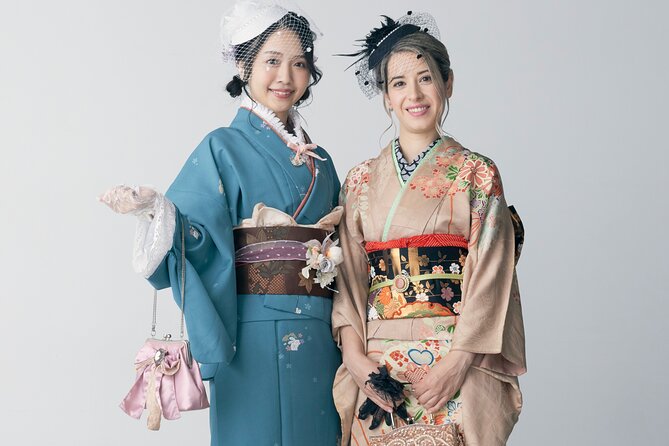
The title suggests a full kimono-making class, but the practical experience is closer to kimono upcycling and fitting. You choose a pre-owned kimono, adjust it to your body, and learn a simpler way to wear it.
For women, the process includes selecting a kimono, customizing it to your size, learning how to put it on, and posing for photographs. The work can include cutting, folding, hemming, and ironing. You do not need advanced sewing skills. If you can handle basic cutting and folding, you should be able to take part, and staff help when a step becomes tricky.
That distinction matters. A traditional kimono is a carefully constructed garment with a very specific dressing method. This workshop gives you a more practical version that you can wear without needing the same level of expertise. One of the useful lessons is how fabric can be adjusted so that people outside standard Japanese clothing sizes can enjoy the garment too.
The finished result may be a skirt-and-jacket style outfit rather than an untouched, full-length kimono. That is the main point to understand before booking. If your goal is to own a wearable piece inspired by kimono design, this is a strong fit. If you want a formal kimono-making course, you may find the name misleading.
More Kimono Experiences in Tokyo
- Tokyo: Matcha and Kimono Experience
★ 4.7 · 219 reviews - Tokyo: Asakusa Kimono Dressing and Matcha Experience
★ 4.9 · 173 reviews - Asakusa: Kimono Tea Ceremony with Matcha and Sweet
★ 4.9 · 153 reviews
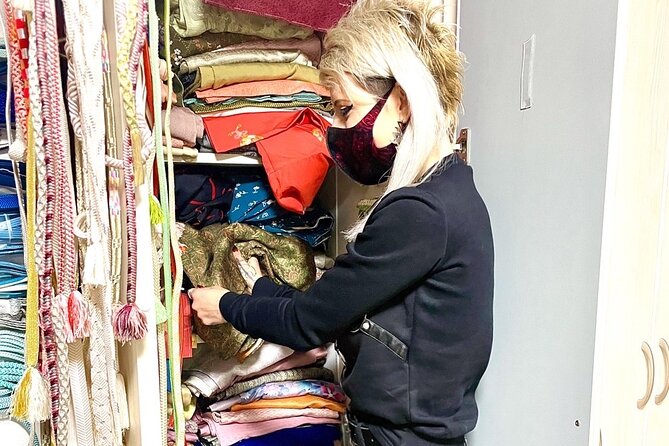
Choosing among vintage fabrics in Kiba
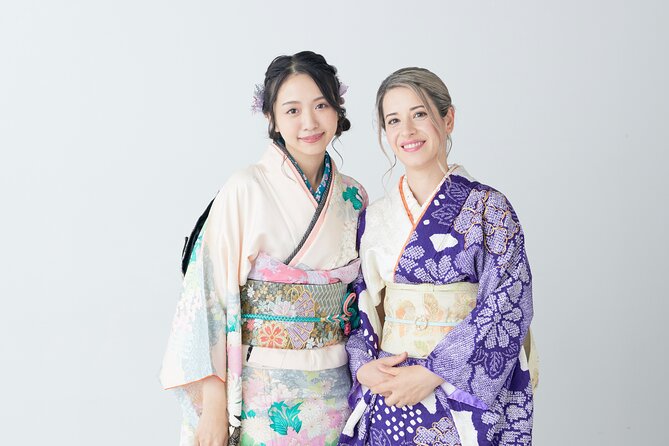
The selection is one of the most enjoyable parts. You can look through vintage and pre-owned kimono fabrics in different colors, patterns, and textures. Some are plain and included in the base price. Others are more ornate and require an upgrade.
The fabric choice shapes the whole experience. You are not handed one standard outfit and photographed in it. You make a personal decision about color, pattern, and how elaborate you want the final piece to be. Staff can suggest combinations and help you find something that works for your size.
The basic price is about $43.11 per person. That is a reasonable starting point for a 90-minute activity that includes the kimono, instruction, fitting, and a garment to keep. Still, treat the advertised price as an entry point rather than a guaranteed final total. Extra charges for upgraded women’s kimonos are listed at roughly ¥2,000 to ¥6,000, and individual costs can vary with the fabric and accessories you select.
Some people choose a fancier kimono and pay several thousand yen more. That can be worthwhile if the fabric is the part you care about most. If you are watching your budget, ask which choices are included before you settle on a design. The staff can show you the difference between the basic and upgraded options, but it is sensible to confirm the cost early.
Learning the easy-to-wear method
After choosing the garment, you help prepare it for your body. The workshop teaches a way to manipulate the kimono so you can wear it more quickly and easily than a formal traditional dressing process allows.
This is where the activity becomes useful rather than purely decorative. You learn what to fold, where to adjust the fabric, and how the pieces sit together. The staff guide you through the work and can take over difficult parts without making the class feel like a demonstration you merely watch.
For taller or larger people, this adjustment step can be especially valuable. Traditional Japanese garments may not always fit off the rack, but the workshop can alter the material to make the experience possible. That does not mean every body will have unlimited options. Vintage garments differ in size, condition, and available fabric, so selection will still matter.
The kimonos are vintage, and some may have stains or signs of age. That is part of their character, but you should inspect your chosen piece before committing to it. If you want something perfectly new and uniform, this is not the right kind of clothing experience.
Women’s kimono session and photo time
The women’s session centers on the garment you choose and the changes needed to make it wearable. Staff customize the kimono to your size, explain the dressing method, and help you complete the final look.
The included obi rental is important because the obi gives the outfit its shape. Obiage, obijime, and an obi pillow are also available as free rentals for the session. These details help the final clothing look more complete than a kimono worn without its traditional supporting pieces.
You do not receive Japanese sandals or tabi as part of the base experience. You can still take part without them, but your photographs will not show a full footwear set unless you arrange those items separately. Ask about any accessories you may want to purchase, since the obi-related pieces are available for sale as well as rental.
The photo time comes after the fitting and dressing. Staff take photographs of you in the finished outfit, and the relaxed studio setting gives you a chance to enjoy the result instead of rushing through a timed rental return. It is also useful to bring a phone with enough battery, since you may want your own photos in addition to the studio pictures.
More kimono rentals in Tokyo:
- Tokyo Asakusa: Traditional Kimono Rental Experience at Wargo
★ 4.7 · 87 reviews - Tokyo Asakusa: Miu Kimono Rental and Optional Photoshoot
★ 4.9 · 54 reviews - Tokyo: Kimono Rental inside Shinjuku Gyoen National Garden
★ 4.9 · 39 reviews - Tokyo: Asakusa Kimono Rental Experience
★ 5.0 · 30 reviews
Men’s kimono details and name printing
Men select a kimono, then can add a haori and kimono set for an additional ¥2,000. The men’s experience also includes printing your name in Japanese kanji and choosing the font color, followed by ironing the name onto the kimono.
That personalized detail makes the men’s option more than a basic fitting. It gives you a small, visible souvenir linked to your own name. The haori upgrade is worth considering if you want a more formal appearance in the photographs or a layered outfit to keep.
As with the women’s choices, check the additional cost before choosing an upgrade. The base price includes the kimono, but the haori and kimono set is specifically listed as an extra.
Children’s kimonos follow a different route
Children can join, but the process is not exactly the same as the women’s session. Girls’ kimonos may not require adjustment, so some can be worn without cutting the material.
Boys who choose a kimono can have their name printed in Japanese on the collar. That is a nice personal touch for a child, especially if the garment becomes a keepsake after the visit.
Parents should allow for a little less predictability with children’s choices. Some garments need no alteration, while others may follow a different process. The staff are accustomed to helping children, and the small group size should make it easier to give each child attention.
This is a good activity for families who want something quieter and creative. It involves standing, handling fabric, dressing, and some work with an iron, so adults will need to stay involved with younger children.
An intimate home-style setting in Kiba
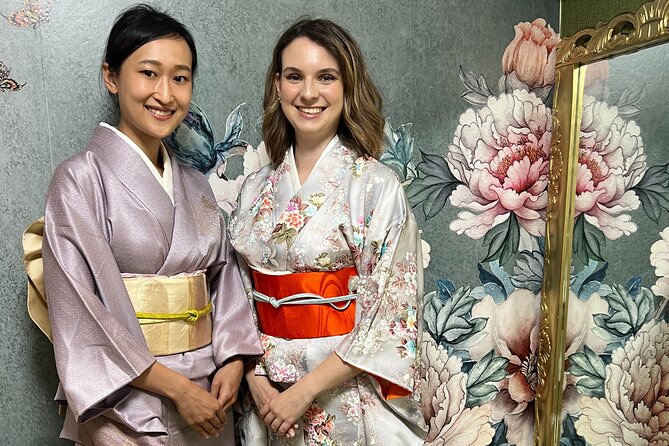
The meeting point is at 6-chōme-8-6 Kiba, Koto City, Tokyo, postal code 135-0042. The activity begins and ends there. It is in an older residential area and may feel more like entering someone’s home than arriving at a polished tourist shop.
That can be part of the charm, but it can also make arrival confusing. Give yourself time to find the address, and keep your phone available in case you need help locating the entrance. The area offers a glimpse of everyday Tokyo away from the best-known sightseeing streets.
The group maximum is five people. That is small enough for hands-on help with cutting, fitting, ironing, and dressing. It also means the experience may feel personal rather than anonymous. Morning and afternoon sessions are available, so you can fit it around other Tokyo plans.
The activity is near public transportation. The exact station route is not provided, so check your own map carefully before leaving. Service animals are allowed, and most people can participate, but the process may involve standing, handling fabric, and dressing assistance.
What the staff add to the experience
The staff help you choose suitable fabric, adjust the garment, explain the dressing process, and take photographs. English assistance is available, and the experience works well for people who do not know much about kimono beforehand.
The human guidance is particularly useful when you are unsure how much material to cut or how to position the folds. You are encouraged to take part rather than simply watch. The staff can also offer advice about styling and how to wear the finished piece.
The experience received the Gold Award from the Omotenashi Selection, an award chosen by a panel of foreigners living in Japan. That is a useful sign that the service is designed with international participants in mind, though it does not remove the need to check upgrade prices or understand the upcycling format.
One limitation is that cultural explanation may not be the main focus. You can ask questions about kimono, history, and traditional wear, and the staff can explain details as you work. But the scheduled 90 minutes are mainly devoted to selecting, altering, fitting, and photographing the garment. If you want a formal lecture on kimono history, you may need another activity as well.
How the value compares with a standard rental
A standard kimono rental usually focuses on temporary wear and photographs. Here, you pay for instruction and leave with the clothing. That changes the value equation.
At the base price, you get a vintage kimono, an obi rental, the related obi accessories for use during the session, fitting help, dressing instruction, and photographs. The garment is yours to keep. For someone who wants a lasting souvenir, that is more useful than paying for a costume that must be returned the same day.
The final price can rise quickly if you choose upgraded fabric, a more ornate kimono, or extra accessories. A good way to control the cost is to decide what matters most before you arrive. You might choose a basic kimono and spend nothing extra, or pay more for a pattern you genuinely love.
The kimono’s vintage condition is also part of the price. You are buying a pre-owned garment with character, not a flawless new product. Small marks may appear. Inspect the fabric and ask about any concern before the alteration begins.
Who should book this activity
I would choose this for you if you want a creative Tokyo activity, a wearable souvenir, and personal help rather than a quick rental counter. It works well for couples, families, mothers and daughters, and solo visitors who want to make something connected to Japan.
It is also a strong option if you are tall or larger than standard Japanese clothing sizes. The staff can adjust the material, and the selection process gives you more flexibility than simply accepting a ready-made rental.
Children can join, and teenagers tend to have plenty of room to choose a style that feels personal. Older adults can participate too, though you should consider how comfortable you are with the physical parts of changing and working with fabric.
I would be cautious if you want a pristine modern kimono, a formal sewing course, or a detailed cultural lecture. I would also be careful about booking if you dislike surprise costs. The base price is clear, but upgraded fabrics and sets are an important part of the choice.
The experience is non-refundable and cannot be changed after booking. If poor weather causes the provider to cancel, you are offered another date or a full refund. Since the activity takes place indoors, the weather rule is worth confirming before you commit, especially if your Tokyo schedule is tight.
My verdict on making a kimono in Tokyo
Book it if you like the idea of turning a vintage Japanese garment into something you can take home and wear. The small group, patient staff, fitting help, children’s options, name printing for men, and final photos give the 90 minutes plenty of purpose.
Go in with the right expectation: you are not constructing a complete traditional kimono from raw fabric. You are selecting and adapting a vintage kimono into an easier-to-wear piece. Ask about which fabrics are included, inspect the garment for stains, and set an upgrade budget before choosing.
For a practical, personal souvenir with a creative side, this is a good value at the basic price. For a formal cultural lesson or a full traditional dressing service, choose something else or pair this workshop with a separate kimono history experience.
FAQ
How long does the kimono experience last?
The activity lasts approximately 1 hour and 30 minutes.
How much does the experience cost?
The listed price is $43.11 per person. Upgraded kimonos and some clothing sets cost extra.
Are morning and afternoon sessions available?
Yes. You can choose a morning or afternoon session.
What is included in the price?
The experience includes a kimono, an obi rental, obiage, obijime, and an obi pillow for use during the session.
Can I keep the kimono?
Yes. The kimono is a gift for you and can be taken home after the experience.
Are sandals and tabi included?
No. Japanese sandals and tabi are not included.
Can men take part?
Yes. Men can choose a kimono, and a haori and kimono set is available for an additional ¥2,000. Men can also print their name in kanji and choose the font color.
Can children join the experience?
Yes. Children’s kimono experiences are available for both girls and boys. Children follow a different process from the women’s kimono session.
How many people can join?
The maximum group size is five travelers.
Where does the activity take place?
The meeting point is 6-chōme-8-6 Kiba, Koto City, Tokyo 135-0042, Japan. The activity ends at the same location.
Just added around Tokyo
- Private Arrival Transfer : Narita International Airport to Central Tokyo City★ 4.5 · 12 reviews
- Narita Airport(NRT): Private Transfer to Tokyo/Yokohama 1-9pax★ 5.0 · 47 reviews
- Private Transfer from Narita Airport to Yokohama Port and City★ 4.5 · 17 reviews
- [Narita Airport Terminals 1, 2] 40-60km Sawara Itako Historic Bike Tour★ 5.0 · 13 reviews
- 3 Day Japan Highlights Tour: Tokyo, Mt.Fuji, Nara, Kyoto, Osaka★ 5.0 · 22 reviews
- Small Town in the Big City: Tasting Tokyo’s Kichijoji★ 5.0 · 195 reviews
- Small Town in the Big City: Tasting Tokyo’s Kichijoji★ 5.0 · 16 reviews
- The 10 Tastings of Tokyo With Locals: Private Street Food Tour★ 5.0 · 48 reviews
Tokyo Tours, compared.

Mt Fuji and Hakone 1-Day Bus Tour Return by Bullet Train
Read our review →

teamLab Planets TOKYO Digital Art Museum Entry Ticket
Read our review →
Mt Fuji & Hakone Cruise, Drum Show Bullet Train 1 Day from Tokyo
Read our review →
Sumo Show Experience with Chicken Hot Pot and a Photo
Read our review →
Shinjuku Food Tour (13 Dishes at 4 Local Eateries)
Read our review →
Tokyo Mt Fuji 5th St & Hakone Cruise Bus Tour w/Bullet Train
Read our review →
Flagship 2-Hours Official Street Go-Kart Tour – Tokyo Bay Shop
Read our review →Browse the lists this tour appears in