
Reviewed · TOKYO TOURS
Tokyo: Kimono Rental inside Shinjuku Gyoen National Garden
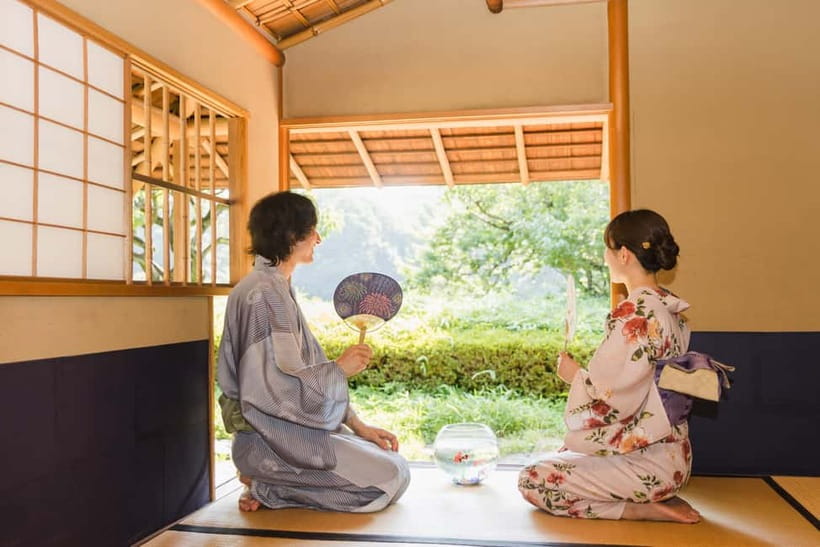
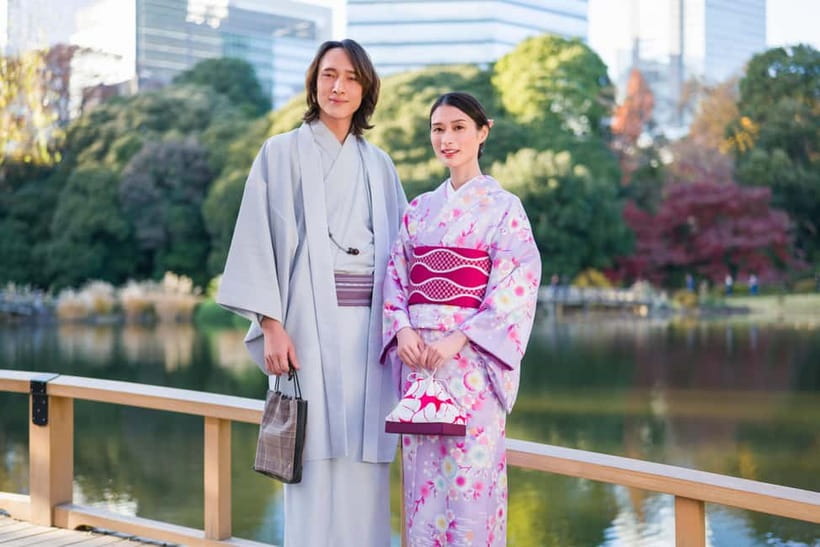
Shinjuku Gyoen is one of Tokyo’s calmest places to wear a kimono, and this small tea-room shop puts you right inside the garden rather than sending you across town afterward. You choose from seasonal designs at Rakuu-tei Kouichi Store, then receive help with the kimono, obi, tabi socks, sandals, handbag, and basic hair styling for women.
I especially like the peaceful garden setting and the careful, friendly dressing service. The small group size, limited to five people, also keeps the appointment personal. The main drawback is the strict return time: your kimono must be back by 4:00 PM, and you cannot leave Shinjuku Gyoen while wearing it.
Key points to know before booking
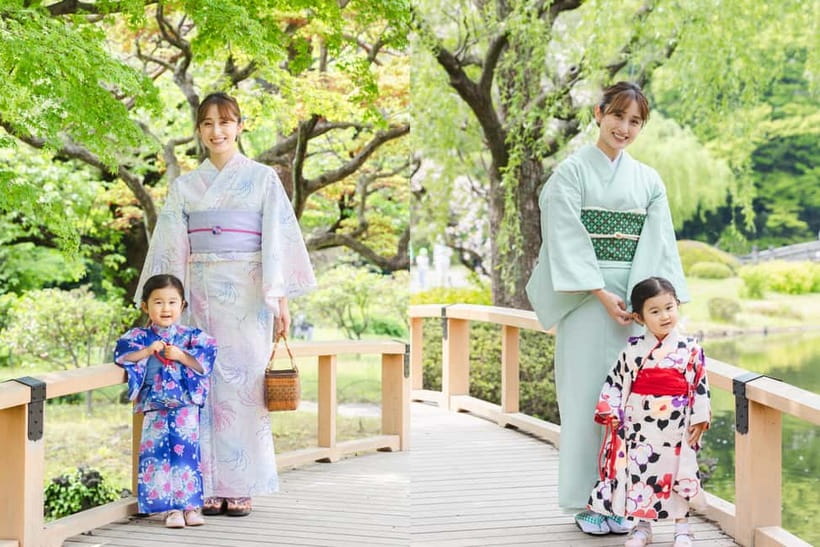
- The kimono rental takes place inside Shinjuku Gyoen: You can walk straight from the dressing room into one of Tokyo’s best gardens.
- The outfit includes the important pieces: Your rental comes with the kimono, obi belt, tabi socks, traditional sandals, and Japanese handbag. Men also receive a haori jacket.
- Allow 60 to 90 minutes for preparation: Selection, dressing, reception, and basic hairstyling for women take most of the scheduled time.
- Returns are due by 4:00 PM: Book an early slot if you want time for a relaxed garden walk and photographs.
- Bring photo identification: A passport or government-issued photo ID is required at check-in.
- The $45 price covers the cultural setup, not garden admission: You must pay the Shinjuku Gyoen entrance fee separately.
Why this kimono experience works so well in Shinjuku
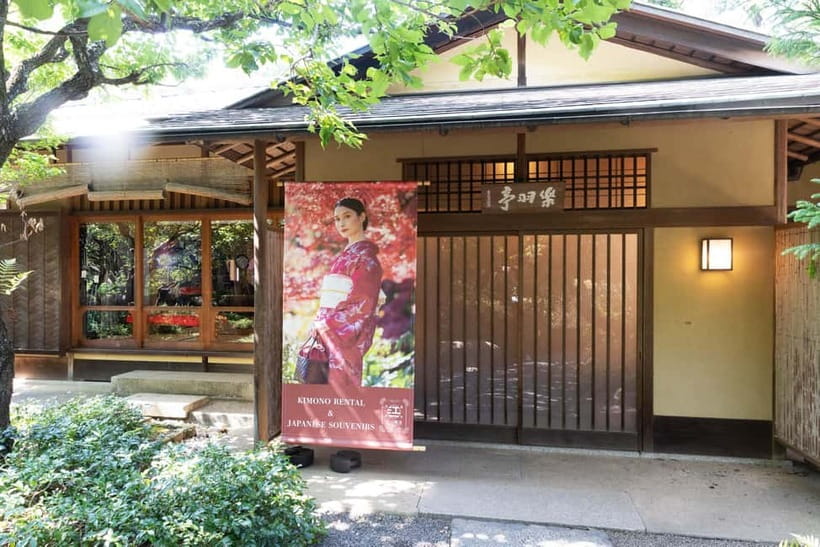
Many kimono rentals in Tokyo require you to dress in a shop, then find your own way to a scenic place. Here, the scenic place is already under your feet. Rakuu-tei Kouichi Store is located inside Shinjuku Gyoen National Garden, in the traditional tea room known as Rakuu-tei.
That arrangement saves time and makes the activity feel less like a costume appointment followed by a separate sightseeing stop. Once you are dressed, you can step outside and enjoy the garden without arranging extra transport or worrying about crossing busy streets in unfamiliar footwear.
Kouichi Store has been making kimono for 174 years, according to the company’s background. That does not turn a 90-minute rental into a formal craft lesson, but it helps explain why the dressing process is treated with care. The staff select the pieces, fasten the obi, arrange the clothing, and provide the smaller items that make the outfit look complete.
The setting also gives the activity a gentler rhythm than a crowded studio. The shop is small, the group size is limited to five, and the room has the quiet feel of a tea-house setting. Several ratings praise the staff’s kindness, organization, and patient help with choosing and putting on the kimono.
More Kimono Experiences in Tokyo
- Let’s make kimono !(Kimono is a gift for you
★ 5.0 · 252 reviews - Tokyo: Matcha and Kimono Experience
★ 4.7 · 219 reviews - Tokyo: Asakusa Kimono Dressing and Matcha Experience
★ 4.9 · 173 reviews
Your first hour at Rakuu-tei
Plan the visit in three stages: arrival and selection, dressing and hairstyling, then time in the garden. The first two stages together usually take about 60 to 90 minutes, so a 90-minute booking does not mean 90 full minutes of wandering in the kimono.
First, you check in and select your outfit from the available seasonal designs. The exact selection changes, so you will need to choose from what is on hand that day. The range is intended for different seasons, giving you a chance to pick a color and pattern that suits the garden and the time of year.
The staff then dress you in the kimono and secure the obi belt. This is the part you should not rush. A kimono is not simply a robe that you put on over ordinary clothes, and the obi needs to be arranged correctly for both appearance and comfort.
Women receive basic hair styling as part of the experience. If you want a more elaborate style, that costs extra. No photography plan is currently included, although you can take your own pictures during your garden walk.
Your outfit also includes tabi socks, traditional sandals, and a Japanese-style handbag. Men receive the kimono pieces plus a haori jacket. Small extras, such as a traditional umbrella, are available for an additional charge.
One practical point matters here: there is no restroom inside the building. Use the restroom before arriving at the shop, especially because the dressing process can take an hour and the kimono is not convenient to adjust quickly.
A garden walk with a firm 4:00 PM deadline
Once you are dressed, you can explore Shinjuku Gyoen at your own pace. The rental is limited to the garden, so you cannot walk out to Shinjuku streets, visit a nearby café, or continue sightseeing elsewhere while wearing the kimono.
That restriction is reasonable, but you should plan around it. Shinjuku Gyoen is large enough to make an unhurried walk worthwhile, and the garden provides a far more fitting background than a city sidewalk. You can take pictures among the garden paths and enjoy the contrast between the formal clothing and the quiet setting.
The final return time is 4:00 PM. If you return late, an extra fee of ¥1,100 applies. I would book an earlier starting time whenever possible, particularly if your goal is to walk, stop for photographs, and enjoy the garden rather than hurry back to the tea room.
The practical timing works like this: allow up to 90 minutes for the appointment and dressing process, then use the remaining time before 4:00 PM for your garden visit. Check the actual start times when booking, because the available schedule determines how much free time you will have.
The garden entrance adds another small time consideration. From Shinjuku Gate, it takes about 10 to 15 minutes to walk to the meeting point. Arrive early enough to enter the garden, find Rakuu-tei, and check in without cutting into your dressing time.
What makes the clothing package good value
At $45 per person, this is not the cheapest way to rent Japanese clothing in Tokyo. The price makes better sense when you count what is included: the kimono, obi, tabi socks, sandals, handbag, professional dressing, and basic women’s hairstyling.
You are also paying for the location. Instead of renting in a neighborhood shop and paying for transport to a garden, you dress inside Shinjuku Gyoen and begin your walk there. The arrangement is especially useful if you want a simple cultural activity that fits into a Tokyo sightseeing day.
The value depends on how much time you want in the outfit. If you only want a quick change of clothes and a few indoor photos, the experience may feel short because the preparation takes much of the scheduled period. If you want the clothing for a garden stroll and personal photographs, the location makes the fee easier to justify.
Remember that Shinjuku Gyoen admission is separate. The activity price does not cover entry to the national garden, so add that cost to your plan. Optional accessories and extra hairstyling also cost more.
More kimono rentals in Tokyo:
- Asakusa: Kimono Tea Ceremony with Matcha and Sweet
★ 4.9 · 153 reviews - Tokyo Asakusa: Traditional Kimono Rental Experience at Wargo
★ 4.7 · 87 reviews - Tokyo Asakusa: Miu Kimono Rental and Optional Photoshoot
★ 4.9 · 54 reviews - Tokyo: Asakusa Kimono Rental Experience
★ 5.0 · 30 reviews
Comfort matters more than the pictures suggest
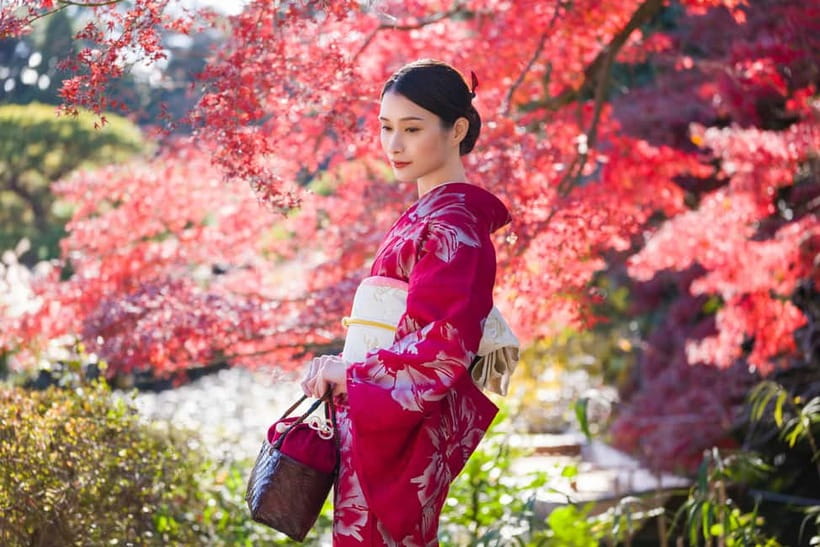
A kimono can look light and graceful in photographs, but it may feel restrictive after you have been dressed. The obi is fitted around your waist, and traditional sandals can be awkward if you are not used to them.
The shop provides sandals, but you may wear your own shoes if the traditional pair is difficult to walk in. That is a useful option, particularly if you expect to cover a lot of ground or have foot problems.
Cold weather deserves special attention. A January experience received strong praise for the staff and clothing but also noted that the garden felt extremely cold, even with several layers underneath. If you book in winter, wear warm layers that fit comfortably beneath the kimono and do not interfere with dressing.
Weather can also change the plan. In bad weather, the experience may be modified or canceled. The garden setting is the main attraction, so rain or strong winter conditions can reduce the value even if the dressing service itself goes smoothly.
The experience is not suitable for pregnant women. The listed size range also has limits, so contact the provider with your size and body type when reserving if you have any concern about fit.
The human side of the dressing service
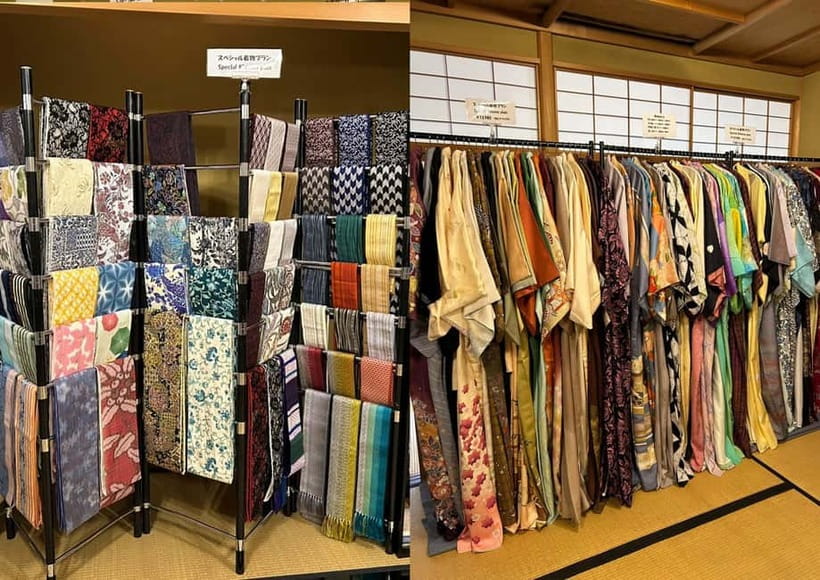
The strongest part of the experience is the staff interaction. The available ratings repeatedly praise the women who handle the dressing, describing them as kind, professional, gentle, and helpful. One Japanese-language rating specifically highlights the careful help with both kimono selection and dressing.
That matters because the process can feel unfamiliar at first. You may not know which design to choose, how to stand during dressing, or how tightly the obi should sit. Friendly guidance takes away much of that uncertainty.
The shop also received praise for its calm atmosphere and organized service. That makes this a good choice for a first kimono experience, including a parent booking with a nervous teenager or two friends trying traditional clothing together.
Do not expect a long cultural lecture or a formal photography session. The focus is practical: choose a kimono, get dressed properly, receive basic hair styling if you are a woman, and enjoy the garden. If you want a photographer, you will need to arrange your own plan because photography is not included.
Souvenirs after your garden stroll
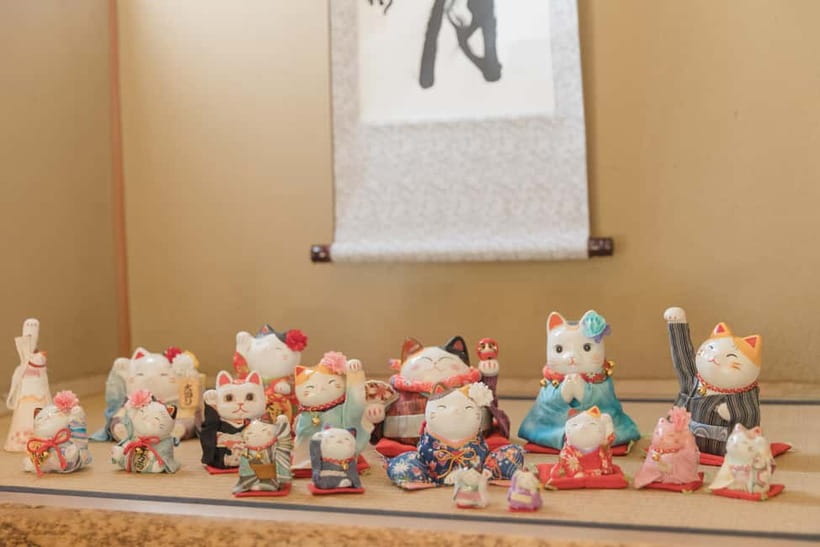
Rakuu-tei Kouichi Store also sells Japanese souvenirs and gifts. This gives you a convenient final stop when you return to remove the kimono.
The shop’s souvenir selection adds a small advantage to the visit. You can browse for a gift connected to the day without making another shopping trip. The available information does not specify individual products, so I would treat this as a useful extra rather than the main reason to book.
After your walk, return to Rakuu-tei for kimono removal. Leave enough time to get back before 4:00 PM, especially if you have wandered far through the garden or are moving slowly in sandals.
Who will enjoy this most
I would recommend this experience to you if you want a manageable introduction to kimono and care more about the setting than about a long formal lesson. The garden gives you a natural reason to wear the outfit, and the small group keeps the preparation from feeling like a large production.
It also suits photographers using their own camera or phone. You can create garden pictures at your own pace, although you do not receive a dedicated photographer or photography package.
Families with older children and teenagers may find the calm setting less stressful than a crowded city shop. The service has also worked well for people who feel nervous about the dressing process, thanks to the staff’s patient assistance.
I would think twice if you want to wear a kimono around Shinjuku, visit several city sights, or keep the outfit all day. You cannot leave the garden in the rental, and the 4:00 PM return rule is firm.
You should also reconsider a winter booking if you dislike cold weather. The garden can be chilly, and the outfit may not provide enough warmth for a long outdoor visit without careful layers.
Booking details that can save you trouble
Bring your passport or government-issued photo ID. Every person taking part must show valid identification at check-in, and someone without it may not be allowed to participate.
Leave oversize luggage at your accommodation or another suitable storage place. Smoking, alcohol, drugs, pets, and party groups are not allowed, although assistance dogs are permitted.
The activity lasts 90 minutes as a scheduled experience, with dressing and preparation taking about one hour. The group is limited to five people, and you can cancel up to 24 hours before the start for a full refund. A reserve-now, pay-later option is also available.
Choose an early time slot if you want a proper garden walk. Arrive with enough time for the 10 to 15-minute walk from Shinjuku Gate, use the restroom before entering the shop, and tell the provider about sizing concerns when you book.
Should you book the Rakuu-tei kimono rental?
Book it if you want traditional clothing in a genuinely peaceful setting, with the dressing service handled for you. The staff’s warmth, the included accessories, and the fact that you can step directly into Shinjuku Gyoen make this more satisfying than a quick indoor costume change.
The $45 price is fair for the complete outfit and professional dressing, but remember to add garden admission and any optional extras. An early appointment, warm clothing in winter, comfortable shoes, and a passport will make the experience much easier.
Skip it if you need a full-day rental, a private photographer, or the freedom to leave the park. For a short, well-organized cultural activity with a beautiful backdrop, though, Rakuu-tei is a sensible choice.
FAQ
Where does the kimono rental take place?
The rental takes place at Rakuu-tei Kouichi Store, a traditional tea room inside Shinjuku Gyoen National Garden. The meeting point can vary depending on the option booked.
How long does the experience last?
The scheduled experience lasts 90 minutes. Reception, kimono selection, dressing, and basic hairstyling for women take about 60 to 90 minutes, followed by time to explore the garden within the available schedule.
What is included in the rental?
The rental includes a kimono, obi belt, tabi socks, traditional sandals, and a Japanese-style handbag. Men also receive a haori jacket, and basic hair styling is included for women.
Is the Shinjuku Gyoen entrance fee included?
No. You must purchase the Shinjuku Gyoen entrance ticket separately.
Can I leave the garden while wearing the kimono?
No. The kimono rental is limited to the inside of Shinjuku Gyoen, and you cannot exit the garden while wearing it.
When must I return the kimono?
The final return time is 4:00 PM. A ¥1,100 additional fee applies to returns after that time.
Do I need identification?
Yes. Every person must present a valid passport or government-issued photo ID at check-in. Anyone unable to show identification may not be able to take part.
Is photography included?
No photography plan is currently included. You may take your own pictures during your garden walk, and optional accessories such as a traditional umbrella may be available for an extra charge.
Just added around Tokyo
- Private Arrival Transfer : Narita International Airport to Central Tokyo City★ 4.5 · 12 reviews
- Narita Airport(NRT): Private Transfer to Tokyo/Yokohama 1-9pax★ 5.0 · 47 reviews
- Private Transfer from Narita Airport to Yokohama Port and City★ 4.5 · 17 reviews
- [Narita Airport Terminals 1, 2] 40-60km Sawara Itako Historic Bike Tour★ 5.0 · 13 reviews
- 3 Day Japan Highlights Tour: Tokyo, Mt.Fuji, Nara, Kyoto, Osaka★ 5.0 · 22 reviews
- Small Town in the Big City: Tasting Tokyo’s Kichijoji★ 5.0 · 195 reviews
- Small Town in the Big City: Tasting Tokyo’s Kichijoji★ 5.0 · 16 reviews
- The 10 Tastings of Tokyo With Locals: Private Street Food Tour★ 5.0 · 48 reviews
Tokyo Tours, compared.

Mt Fuji and Hakone 1-Day Bus Tour Return by Bullet Train
Read our review →

teamLab Planets TOKYO Digital Art Museum Entry Ticket
Read our review →
Mt Fuji & Hakone Cruise, Drum Show Bullet Train 1 Day from Tokyo
Read our review →
Sumo Show Experience with Chicken Hot Pot and a Photo
Read our review →
Shinjuku Food Tour (13 Dishes at 4 Local Eateries)
Read our review →
Tokyo Mt Fuji 5th St & Hakone Cruise Bus Tour w/Bullet Train
Read our review →
Flagship 2-Hours Official Street Go-Kart Tour – Tokyo Bay Shop
Read our review →Browse the lists this tour appears in