
Reviewed · TOKYO TOURS
Tokyo: Matcha and Kimono Experience
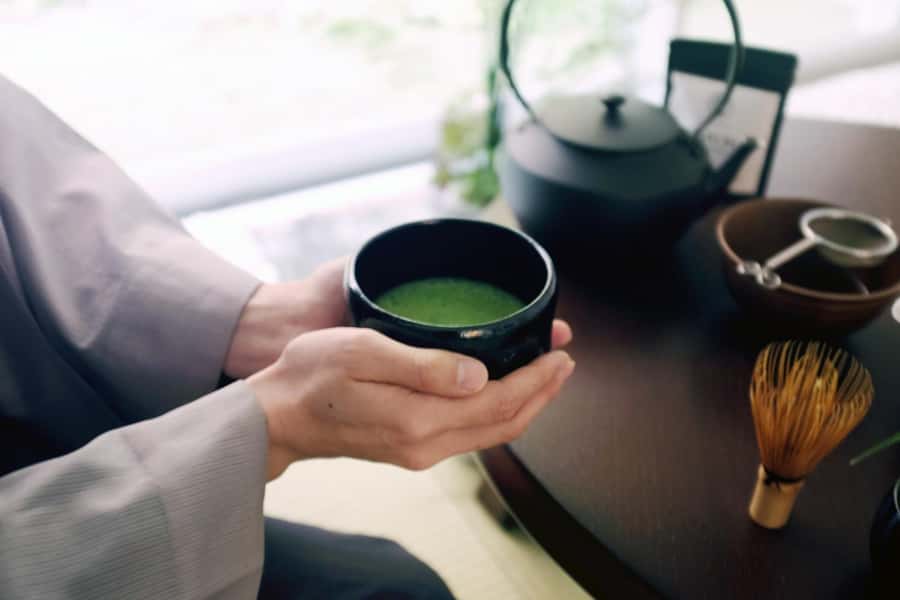
The best part of this Tokyo workshop is that it treats matcha as more than a trendy green powder. Near Yotsuya, close to Shinjuku, tea master Komei explains how to judge matcha with your eyes, nose, and tongue, then shows you how to prepare it properly. You also choose an easy-wear kimono before the lesson begins.
I like the chance to compare Japanese matcha with overseas versions, and I like that you actually make your own bowl rather than simply watching a formal ceremony. The main consideration is balance: the kimono dressing and lecture take a fair share of the session, so anyone wanting a long, highly formal tea ceremony may find the practical workshop format less traditional.
Key points at a glance
- First-flush matcha: Taste a premium early harvest tea selected from a collection of more than 100 Japanese matchas.
- Four cultural themes: Learn about matcha, tea ceremony, teaism, and kimono in one compact activity.
- Easy kimono dressing: Put on a specially designed kimono without the lengthy process required for a full formal kimono.
- Hands-on preparation: Practice four key points for making a good bowl of matcha at home.
- Small-group feel: The format is personal and conversational, with past sessions sometimes limited to about five people.
- Useful Tokyo location: The meeting point is about a six-minute walk from Yotsuya Station, near Shinjuku.
Why this matcha workshop feels different
Tokyo offers plenty of quick tea tastings, but this activity gives you a better sense of what sits behind the cup. You learn how tea is grown, prepared, served, and appreciated, while also seeing how clothing and manners fit into Japanese culture.
The session covers four connected subjects: tea ceremony, teaism, matcha, and kimono. That combination matters. A tea ceremony is not just a set of hand movements, and matcha is not simply a beverage to stir with hot water. The workshop explains the ideas behind the ritual, including the care given to tools, guests, posture, presentation, and drinking.
I also like the practical aim. By the end, you should know the basic method for preparing a pleasing bowl at home. You will not become a tea master in one session, but you will understand why the powder, water, whisk, bowl, and movements all affect the result.
The class is offered in English or Japanese. Komei is the named host associated with the experience, and the strongest praise centers on his clear teaching, warmth, humor, and enthusiasm for the subject. That personal style helps keep the material approachable, especially if you know little about tea ceremony.
More Kimono Experiences in Tokyo
- Let’s make kimono !(Kimono is a gift for you
★ 5.0 · 252 reviews - Tokyo: Asakusa Kimono Dressing and Matcha Experience
★ 4.9 · 173 reviews - Asakusa: Kimono Tea Ceremony with Matcha and Sweet
★ 4.9 · 153 reviews
Meeting Komei near Yotsuya
The meeting point is in front of the LUUP scooter stand beside the ACN Yotsuya Building. Look for the workshop sign and guide. From Yotsuya Station, allow about six minutes on foot.
This is a useful location for a Tokyo day plan. Yotsuya is close to Shinjuku, but the activity does not take place in the middle of Shinjuku Station’s maze. You get a more manageable starting point, then return to the same place when the workshop ends.
Pay attention to the appointment time. A delay of more than 10 minutes results in automatic cancellation without a refund. That rule is strict enough that I would plan to arrive early, especially if you are navigating Tokyo rail lines, changing trains, or walking from another neighborhood.
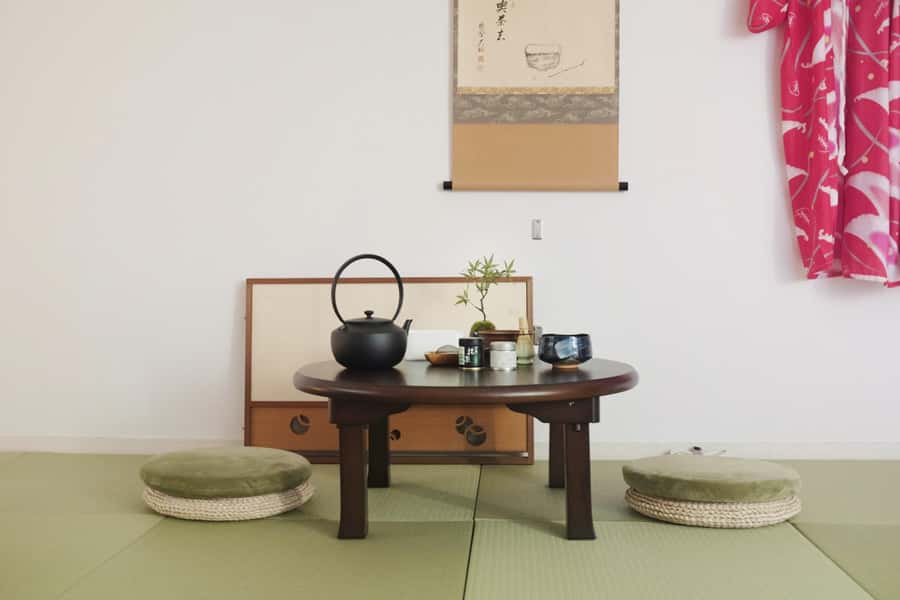
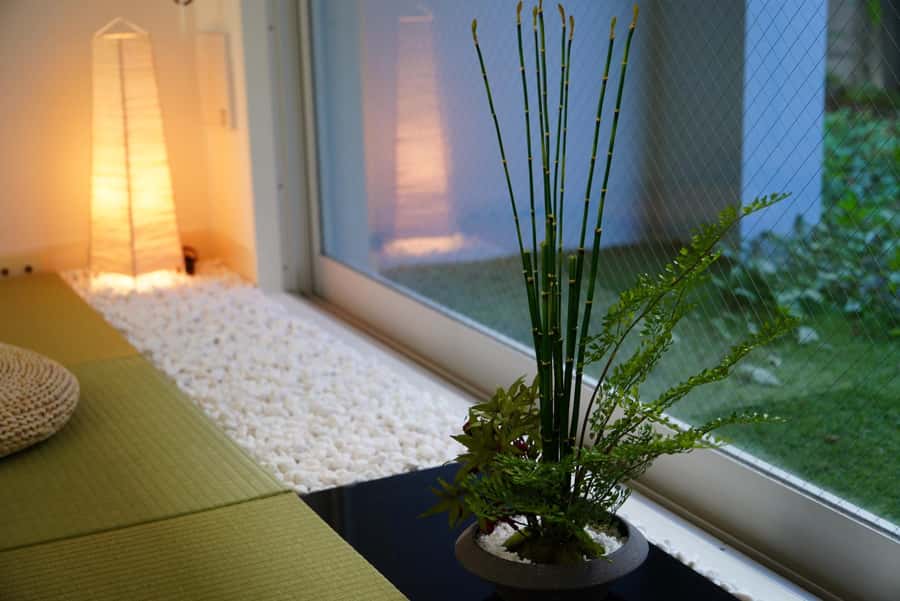
Bring socks. You will be asked to protect the traditional flooring, and if you forget, the workshop asks you to buy socks at the venue. Strong fragrances, alcohol, drugs, and noisy behavior are not allowed. These rules make sense in a small room where clothing, tea utensils, and traditional flooring all require care.
Choosing and wearing the easy kimono
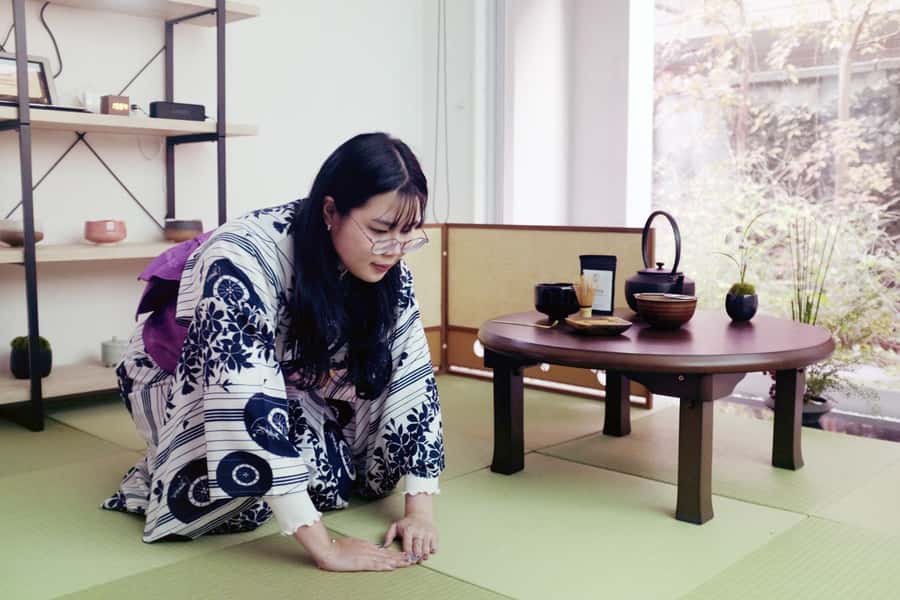
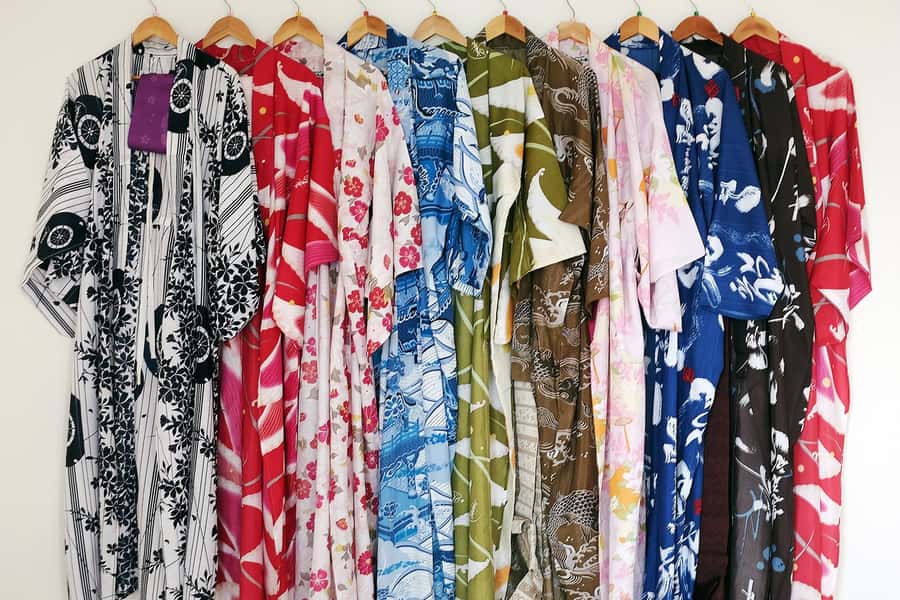
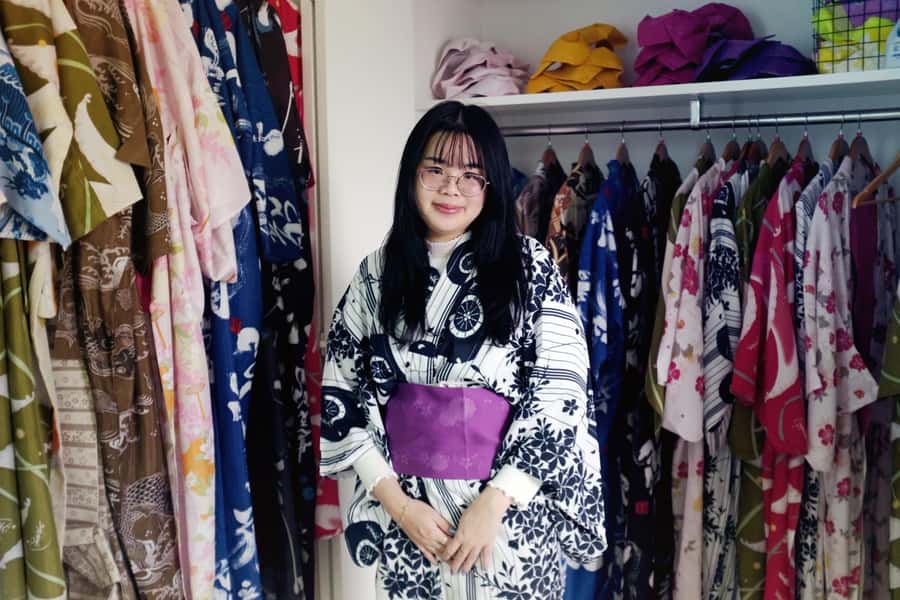
Before the tea lesson, you choose a kimono to wear throughout the activity. This is not the same as being dressed in a full formal kimono, which can take around 30 minutes to put on. The workshop uses an easy-to-wear design so you can get into traditional clothing quickly and spend more time learning.
That convenience is important for a short cultural activity. You get the visual and social pleasure of wearing a kimono without committing to a full dressing appointment or managing a complicated outfit for the rest of the day.
The kimono portion also gives Komei a chance to explain basic history and proper wearing. One participant described learning how to put on the kimono correctly, while others particularly enjoyed the photographs taken during the session. If you are traveling with family or friends, this is likely to be one of the most memorable photo opportunities of the activity.
There is a tradeoff. Some people may want the kimono dressing itself to be the main event, while this workshop uses it as one part of a larger tea lesson. You choose clothing and learn the basics, but this is not a full kimono styling session with an elaborate formal dressing process.
Comparing more than 100 matchas
The tasting is where the workshop becomes especially useful for anyone who already likes matcha. The host selects an exclusive first-flush matcha, described as the highest-quality harvest, and draws from a collection of more than 100 matchas from around Japan.
You are encouraged to use your eyes, nose, and tongue to find the style you prefer. That sounds simple, but it gives you a better way to think about matcha than treating every bright-green powder as the same. Color, aroma, bitterness, sweetness, and texture all help shape your impression.
The workshop also compares Japanese matcha with matcha from overseas. The session presents them as very different products, which is useful for anyone who buys matcha at home or has only tasted it in sweetened drinks.
You should not expect a large tasting menu of every tea in the collection. The information says the host selects from that collection, so the exact matchas available may vary. Still, the point is well chosen: you learn how to assess the tea in front of you, rather than relying only on a label or price.
A welcome drink and Japanese traditional sweets are included. The sweets provide the customary contrast to the tea’s bitterness and help you understand why small confections are part of the tea setting.
More kimono rentals in Tokyo:
- Tokyo Asakusa: Traditional Kimono Rental Experience at Wargo
★ 4.7 · 87 reviews - Tokyo Asakusa: Miu Kimono Rental and Optional Photoshoot
★ 4.9 · 54 reviews - Tokyo: Kimono Rental inside Shinjuku Gyoen National Garden
★ 4.9 · 39 reviews - Tokyo: Asakusa Kimono Rental Experience
★ 5.0 · 30 reviews
Tea ceremony, teaism, and the meaning behind the tools
The lecture explains the difference between several types of tea, including green tea, black tea, and Chinese tea. It then moves into teaism and tea ceremony, giving you a framework for understanding the ritual rather than memorizing isolated rules.
This is one of the more valuable parts for first-time visitors. Without context, the quiet gestures of a tea ceremony can seem mysterious. With an explanation of the philosophy and purpose, the arrangement begins to make sense: the tools, the sequence, the care taken with the bowl, and the manners used when receiving tea.
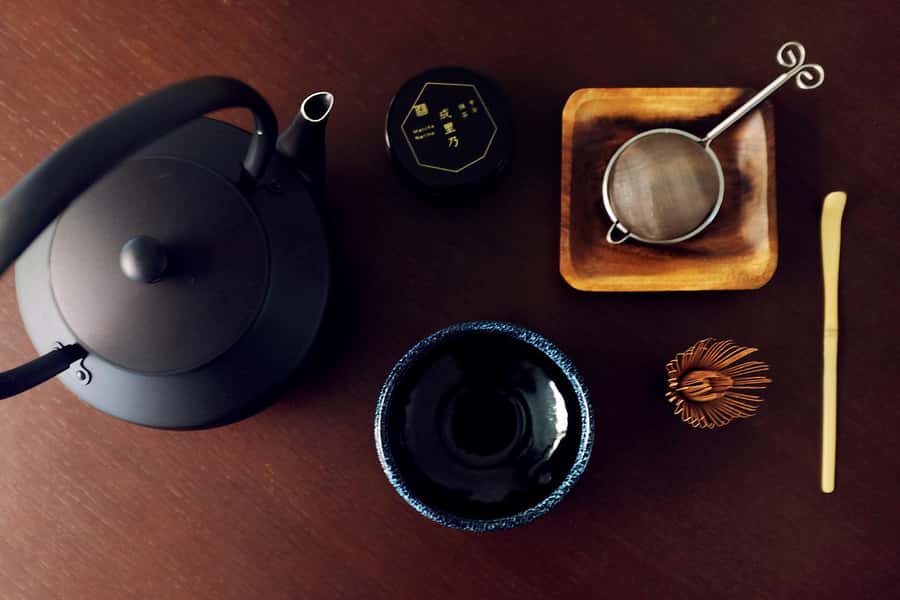
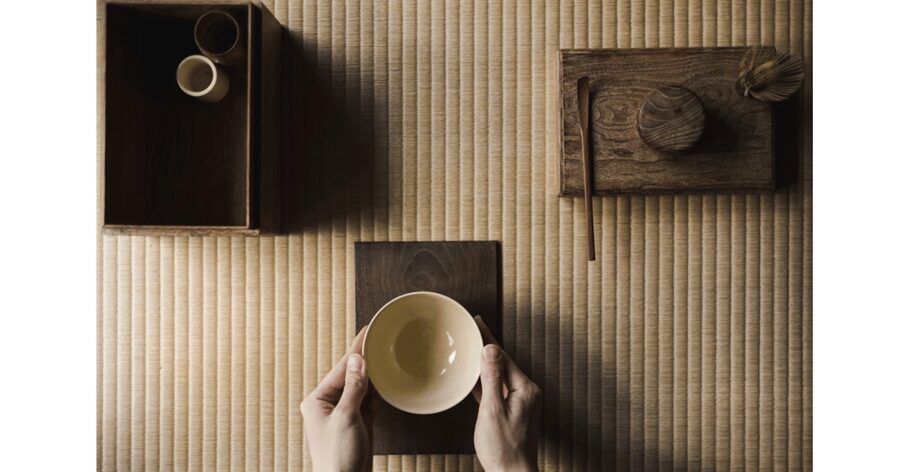
You also learn about the tea tools used to prepare matcha. Rental of the tools is included, so you do not need to bring equipment. The host explains what each item does and how to handle it.
The tone appears to be educational but casual rather than stiff. Komei is described as warm, funny, and easy to talk with, and the format allows questions. That is a good fit if you want culture explained in plain English instead of a silent demonstration where you are expected to copy every movement without context.
Making your own bowl of matcha
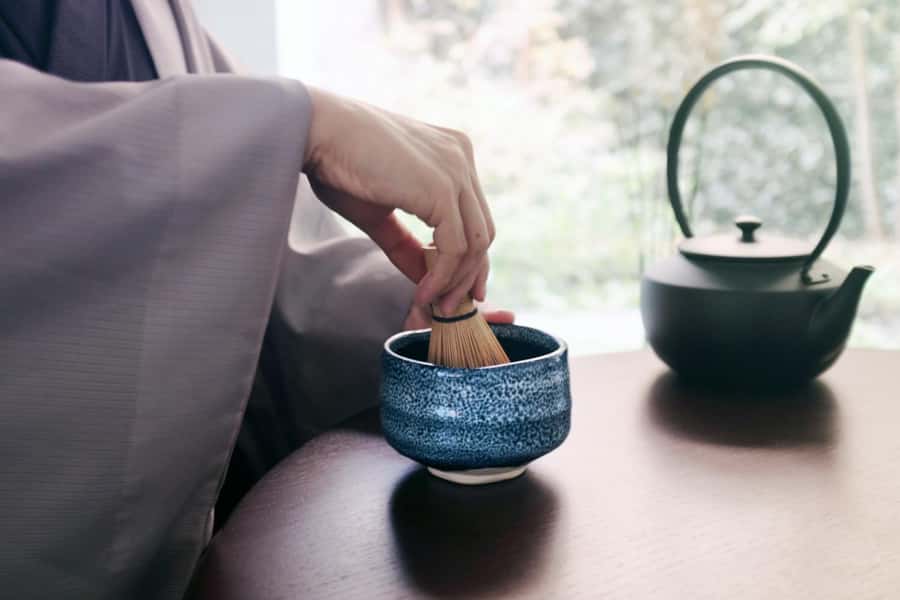
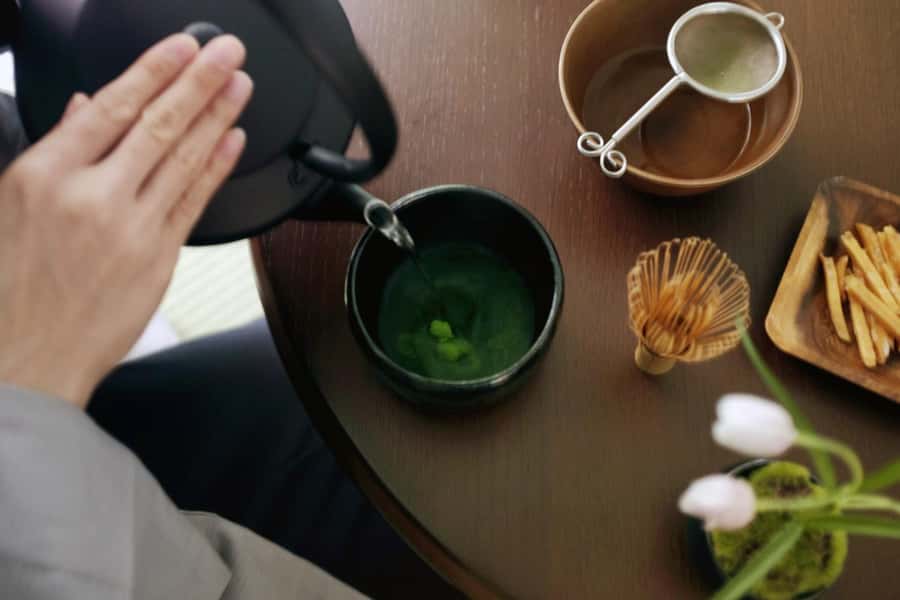
The hands-on lesson is the practical center of the activity. You prepare a bowl of matcha using traditional tools, with guidance on four key points that affect the finished drink.
The method is more involved than adding powder to water and giving it a quick stir. You learn how to handle the tools, prepare the tea, and create a smooth, attractive bowl. You also practice the basic manner for drinking matcha correctly.
I like this approach because you leave with a skill you can repeat. The workshop does not only tell you that matcha is important. It shows you how the drink is made and lets you feel the rhythm of whisking for yourself.
The lesson is still introductory. One person who enjoyed the activity wished for a little more time making matcha and a little less time on the kimono section. That is a fair point to keep in mind. If your priority is repeated practice with the whisk, this may feel brief. If you want a broad introduction to Japanese culture, the mix is a strength.
The tea itself is described as especially good, and the premium first-flush selection gives the tasting a clear focus. You also get to drink the bowl you make, which makes the process more satisfying than a demonstration alone.
How much value do you get for $57?
At $57 per person, this sits above a simple café matcha tasting but below the cost of a full private cultural appointment. The price includes the matcha lesson, kimono rental, tea lecture, first-flush matcha, Japanese sweets, a welcome drink, and use of the tea tools.
The value depends on what you want from Tokyo. If you only want to drink matcha, you can spend much less elsewhere. If you want clothing, cultural context, a guided tasting, hands-on preparation, and a chance to ask questions in one visit, the price is more reasonable.
I would especially consider it good value for a first visit to Japan. You do not need prior knowledge of tea ceremony, and you do not need to buy equipment or arrange kimono dressing separately. The activity also works well when you want a quieter cultural stop between larger Tokyo sights.
The strongest value comes from the teaching. Komei’s explanations cover both broad ideas and small practical details, including the difference between real and fake matcha and the steps for making a better bowl at home. If you are curious about buying matcha after your trip, that guidance can be more useful than a quick tasting with no explanation.
Who will enjoy this experience most?
I would recommend it to anyone who likes matcha, Japanese food culture, traditional clothing, or small-group learning. It is also a good choice if you want an activity that gives you photographs without turning into a simple costume session.
Couples and friends can enjoy choosing kimonos together, tasting tea, and comparing their homemade bowls. Solo visitors should also fit the format well because the class is designed around instruction and conversation.
Families need to note the age restriction. Children under five are not suitable for the activity. No other age limits are provided, so older children may be possible if they can follow the clothing, flooring, and quiet-room rules.
This is not the best pick if you want a long, formal tea ceremony with a highly ceremonial atmosphere from beginning to end. It is better understood as a guided introduction that combines explanation, dress, tasting, and practice.
Practical planning before you book
Wear clothing that makes changing into the easy kimono comfortable. The only required item listed is socks, but you should also arrive ready to respect the traditional room and keep strong scents away.
Give yourself extra time to reach Yotsuya. The meeting point is not directly at the station, and the no-refund 10-minute delay rule leaves little room for confusion. Save the map in advance and look for the LUUP scooter stand and workshop sign beside the ACN Yotsuya Building.
Cancellation is free up to 24 hours before the activity. You can also reserve now and pay later, which helps if your Tokyo schedule is still shifting.
The activity begins and ends at the same meeting point. That makes it easy to connect with a meal, shopping in the Shinjuku area, or another Yotsuya stop without arranging a second pickup.
Should you book the matcha and kimono experience?
I would book this if you want a friendly, practical introduction to Japanese tea culture rather than a purely formal ceremony. The combination of premium matcha tasting, kimono wear, and hands-on preparation gives you several ways into the subject, while Komei’s teaching style appears to keep the session personal and easy to follow.
Think twice if your main goal is extended whisking practice or a full-length traditional kimono dressing. The workshop gives both subjects meaningful attention, but it also includes a lecture on tea types, teaism, manners, and cultural background.
For $57, you receive more than a cup of tea. You get a lesson, ingredients, tools, sweets, clothing, and a better sense of why matcha ceremony works the way it does. For a first taste of traditional Japan near Shinjuku, that is a sensible package.
FAQ
Where does the matcha and kimono experience meet?
Meet in front of the LUUP scooter stand next to the ACN Yotsuya Building. The guide will have a workshop sign.
How far is the meeting point from Yotsuya Station?
The meeting point is about a six-minute walk from Yotsuya Station.
Does the activity take place near Shinjuku?
Yes. The meeting point is in the Yotsuya area, next to Shinjuku according to the provided location details.
Where does the activity end?
The experience ends back at the meeting point.
What languages are available?
The activity is offered in English and Japanese.
Is kimono rental included?
Yes. A kimono is provided for you to wear throughout the experience.
Is the kimono difficult to put on?
The activity uses an easy-to-wear kimono designed to be put on more quickly than a normal kimono. A standard kimono can take about 30 minutes to dress in.
What should I bring?
Bring your own socks to protect the traditional flooring.
What happens if I forget socks?
You will be asked to buy socks at the workshop location.
Are children under five allowed?
No. The activity is not suitable for children under five years old.
Just added around Tokyo
- Private Arrival Transfer : Narita International Airport to Central Tokyo City★ 4.5 · 12 reviews
- Narita Airport(NRT): Private Transfer to Tokyo/Yokohama 1-9pax★ 5.0 · 47 reviews
- Private Transfer from Narita Airport to Yokohama Port and City★ 4.5 · 17 reviews
- [Narita Airport Terminals 1, 2] 40-60km Sawara Itako Historic Bike Tour★ 5.0 · 13 reviews
- 3 Day Japan Highlights Tour: Tokyo, Mt.Fuji, Nara, Kyoto, Osaka★ 5.0 · 22 reviews
- The 10 Tastings of Tokyo With Locals: Private Street Food Tour★ 5.0 · 48 reviews
- Small Town in the Big City: Tasting Tokyo’s Kichijoji★ 5.0 · 195 reviews
- Small Town in the Big City: Tasting Tokyo’s Kichijoji★ 5.0 · 16 reviews
Tokyo Tours, compared.

Mt Fuji and Hakone 1-Day Bus Tour Return by Bullet Train
Read our review →
teamLab Planets TOKYO Digital Art Museum Entry Ticket
Read our review →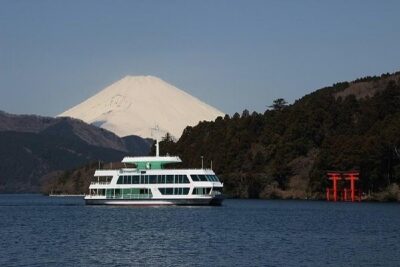
Mt Fuji & Hakone Cruise, Drum Show Bullet Train 1 Day from Tokyo
Read our review →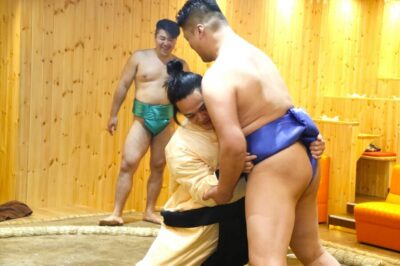
Sumo Show Experience with Chicken Hot Pot and a Photo
Read our review →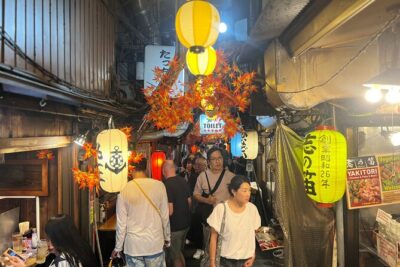
Shinjuku Food Tour (13 Dishes at 4 Local Eateries)
Read our review →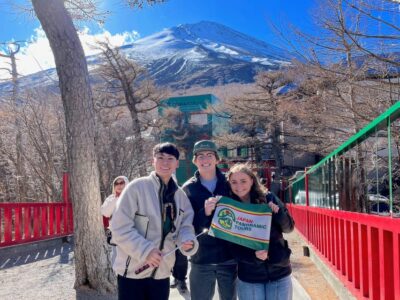
Tokyo Mt Fuji 5th St & Hakone Cruise Bus Tour w/Bullet Train
Read our review →
Flagship 2-Hours Official Street Go-Kart Tour – Tokyo Bay Shop
Read our review →Browse the lists this tour appears in