
Reviewed · NIKKO TOURS
Nikko Full-Day Private Tour with Government-Licensed Guide
Nikko packs grand shrines, mountain scenery, waterfalls, and quiet forest walks into one rewarding day from Tokyo. This private tour helps you sort the choices without being tied to a busload of strangers. I especially like the three-or-four-site format, which keeps the day focused, and the guides’ practical command of Nikko’s buses, trains, and timing. Guides such as Yumi, Yoko, Yoshii, and Ichiro have helped visitors make smart changes when weather, crowds, or a late train disrupt the plan.
The main catch is that this is not a fully driven tour. You meet your guide at Nikko Station, walk between nearby sights, and pay separately for buses, taxis, entrance fees, and lunch. You should also arrive with a rough idea of what you want to see. One four-star assessment found repeated questions about where to go a little stressful, though other guides contacted people well ahead of time with suggested routes.
Key points to know before booking
- Choose three or four sights: The flexible plan lets you focus on shrines, waterfalls, mountain scenery, gardens, or a mix.
- Meet at Nikko Station: You make your own way to Nikko, then begin on foot within the designated area.
- Expect public transport: Bus and taxi costs are extra, and carrying cash is a smart move.
- Strong guide support: Yumi, Yoko, Yoshii, Ichiro, Yuki, Taka, and others have helped with route planning, delays, restaurant choices, and local transport.
- Six hours goes quickly: Toshogu, Kegon Falls, and Lake Chuzenji alone can fill the day, especially in bad weather or heavy traffic.
- The price buys personal planning: At $155.86 per person, the value depends on how much you want historical explanation and help with Nikko’s tricky logistics.
Why a private day works well in Nikko
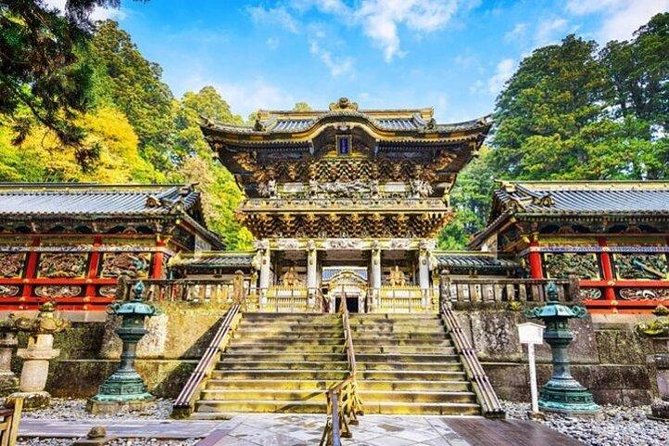
Nikko is easy to admire and surprisingly hard to organize. The famous shrine area lies near the station, while Lake Chuzenji and Kegon Falls are farther into the mountains. Add a long list of temples, gardens, bridges, waterfalls, and walking trails, and a first-time visit can turn into a timetable puzzle.
That is where this tour earns its keep. Your guide can shape the day around your interests instead of forcing everyone into the same route. You might spend most of your time at the World Heritage shrine complex, or trade one ornate building for a forest gorge, imperial villa, or mountain viewpoint.
The private format matters most if you have limited time, children, older family members, or a particular interest. One guide adjusted explanations for teenagers, while another helped a visitor collecting temple stamps find special opportunities. Guides have also changed plans around rain, heat, bus schedules, and late trains.
The tour lasts about six hours. That sounds generous until you add transfers, queues, photographs, and the long road toward the lake. Think of it as a guided introduction to Nikko, not a complete survey of the entire area.
More licensed-guide days in Japan:
- Tokyo 6hr Private Tour with Government-Licensed Guide
★ 5.0 · 3,902 reviews - Tokyo 4hr Private Tour with Government-Licensed Guide
★ 5.0 · 1,394 reviews - Kyoto 6hr Private Tour with Government-Licensed Guide
★ 5.0 · 1,369 reviews
Starting at Nikko Station, with the practical details clear
You are responsible for getting to Nikko. The guide meets you at the station, and the included service is a walking tour within the designated Nikko area. Hotel pickup may be offered on foot in some arrangements, but this is not a private vehicle service.
That distinction should shape your expectations. The guide can help you use local buses and arrange taxis, but transportation fees are yours to pay. Some people have carried around ¥10,000 for buses and admission charges, though your actual cost depends on the route and the sites you enter.
Bring cash, comfortable shoes, and enough room in your schedule for delays. Nikko’s mountain route can be affected by traffic and weather. One family arrived after a train delay of about 45 minutes and still covered its planned stops because the guide knew the local timetable well. That kind of local skill is a real benefit, but it cannot make six hours behave like ten.
The tour includes a licensed local English-speaking guide. Admission, lunch, public transport, private transport, and personal spending are not included. The guide’s entry fees are covered only for sights listed in the expected route, so confirm the plan if you want to add a less typical stop.
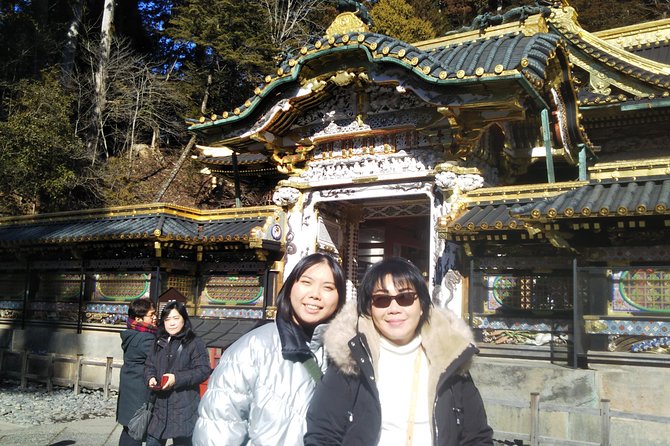
Toshogu Shrine, where Nikko turns theatrical
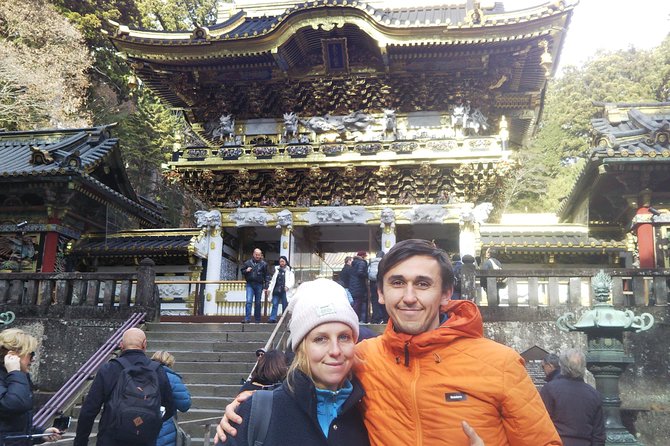
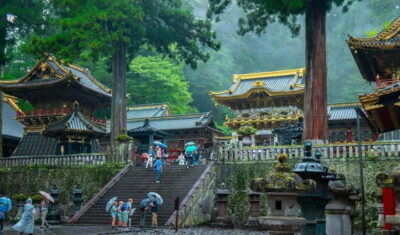
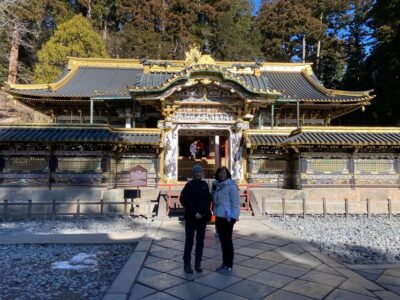
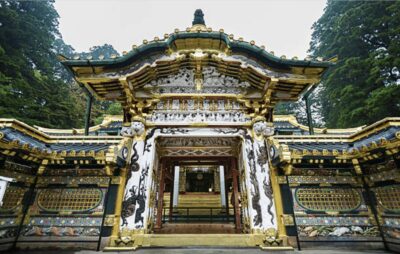
Toshogu is the main reason many people come to Nikko. It is the mausoleum of Tokugawa Ieyasu, founder of the shogunate that ruled Japan for more than two centuries. The complex is famous for its elaborate carvings, gates, religious buildings, and carefully planned approach through the trees.
The short suggested visit of 30 minutes is enough for an introduction, but it is not enough for a slow examination of every building. If you care about Japanese political history, Buddhist and Shinto practice, architecture, or symbolic carvings, make Toshogu one of your main choices and tell your guide in advance.
A guide adds meaning here. Without context, the complex can feel like a grand sequence of gates and rooflines. With explanation, you can better understand why this site became such a powerful expression of Tokugawa authority and devotion.
Admission is extra. Crowds can also affect the pace, especially on weekends and during popular seasons. A weekday visit gives you a better chance of moving at a reasonable speed. If Toshogu is your top priority, do not assume you can pair it comfortably with every mountain stop in six hours.
Rinnoji, Taiyuin, and Futarasan in the shrine district
Nikko’s central religious area offers more than Toshogu. Rinnoji is the city’s key Buddhist temple, founded by Shodo Shonin, who introduced Buddhism to Nikko in the eighth century. Its Sanbutsudo building and religious art give you a quieter counterpoint to Toshogu’s decoration.
Taiyuin is the mausoleum of Tokugawa Iemitsu, Ieyasu’s grandson and the third shogun. Its layout and architecture resemble Toshogu, but the setting and mood feel different. A 30-minute visit gives you a useful comparison between the two mausoleums.
Futarasan Shrine is older and less lavish than Toshogu. Founded in 782, it is linked to the mountains and to Nikko’s early religious identity. The shrine sits close to Toshogu, making it a sensible pairing if you want to concentrate on the heritage district and avoid long bus rides.
You will need separate admission for these paid sites. The advantage of having a guide is not simply getting from one gate to the next. It is being able to ask how the Buddhist temple and Shinto shrines relate to one another, and why Nikko developed as a sacred center.
A few more Japan half-days to weigh up
- From Tokyo: Mount Fuji Full-Day Sightseeing Trip
★ 4.5 · 4,970 reviews - Mount Fuji Full-Day Private Tour from Tokyo (Customizable)
★ 4.9 · 1,470 reviews - Hiroshima / Miyajima Full-day Private Tour with Government Licensed Guide
★ 5.0 · 1,298 reviews - Tokyo Private Full-Day Tour by Car or Van
★ 5.0 · 684 reviews
Shinkyo Bridge and Kanmangafuchi Abyss for a quieter side of Nikko
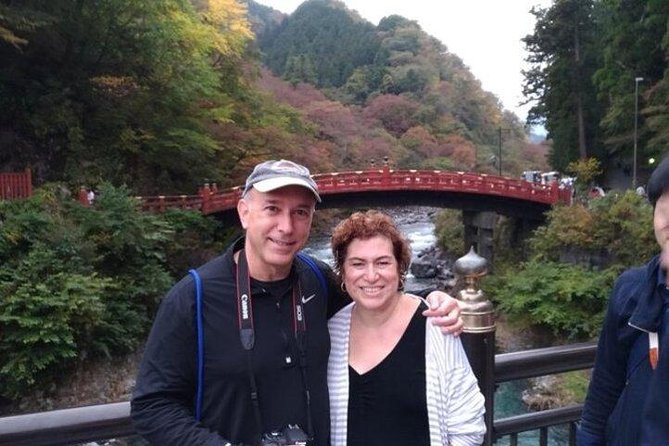
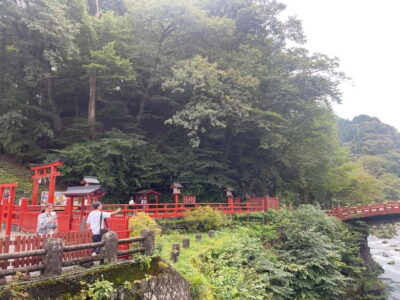
Shinkyo Bridge marks the entrance to the shrine and temple district. Its red form over the river makes a quick, memorable stop, and admission is listed as free for this experience. It technically belongs to Futarasan Shrine and is ranked among Japan’s three finest bridges.
The bridge is a good choice for photographs and orientation, but it is a brief stop rather than a full activity. If you have already seen it from the road, use your limited time elsewhere unless bridges and religious legends are central to your interests.
Kanmangafuchi Abyss offers a different experience. A short riverside trail follows a gorge formed by an eruption of Mount Nantai. The walk is only a few hundred meters, so it does not require a major hiking commitment, yet it gives you forest, running water, and a break from ornate buildings.
I would choose this route if you prefer nature and a slower pace. It pairs well with Rinnoji or Tamozawa Imperial Villa. It is less useful if your goal is to check off every major shrine in one day.
Kegon Falls and Lake Chuzenji, the mountain half of the day
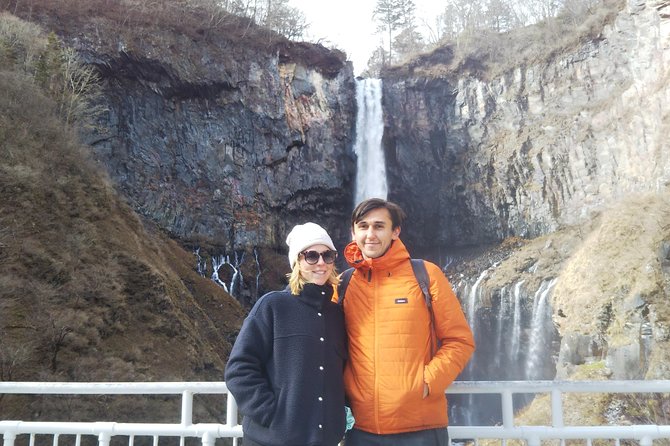
Kegon Falls drops 97 meters from Lake Chuzenji. It is the best-known of Nikko’s 48 waterfalls and one of the area’s most dramatic natural sights. The suggested stop is only 15 minutes, but that is enough for a look if the road is clear and you are not waiting long for access.
An observation lift takes you toward the base area, with admission charged separately. If you want to spend time at the waterfall, ask your guide how much of the six-hour schedule it will use. Kegon Falls is not a casual add-on to Toshogu. The mountain journey takes time, and conditions can slow buses and cars.
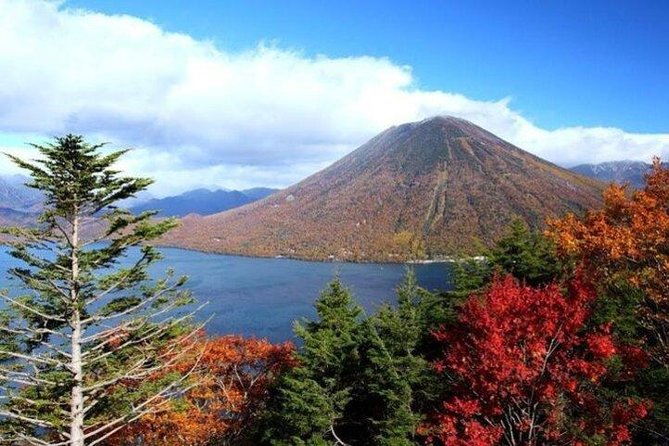
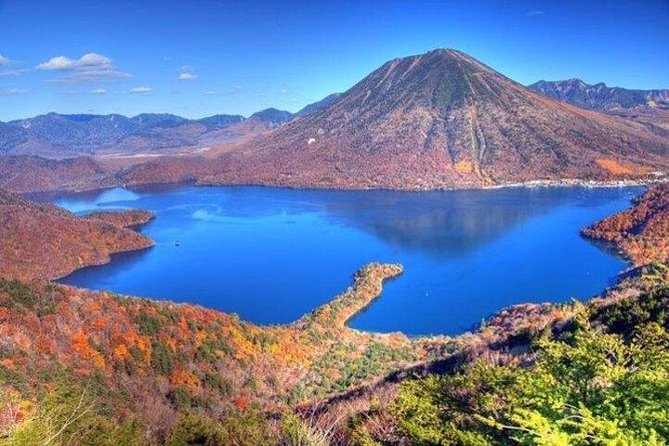
Lake Chuzenji is the largest lake in Tochigi Prefecture, framed by about 25 kilometers of mountain nature. It became a summer resort for foreign residents in the late nineteenth and early twentieth centuries, and former villas help explain that chapter of Nikko’s past.
The lake is worth choosing for scenery and breathing room. It can also make the day feel rushed if you combine it with several shrine interiors. I would pair Kegon Falls and Lake Chuzenji together, then add one or two nearby sights, rather than trying to connect them with the full heritage district.
Senjogahara and Akechidaira for mountain views
Senjogahara is a broad natural area whose name means battlefield. Local legend says the gods of Mount Nantai and Mount Akagi fought over nearby lakes. The stop offers a chance to see Nikko beyond its buildings and roads.
The listed 15-minute visit is only a taste. If you want a proper walk, you need to discuss the route and available time before the tour. This is one place where the flexible format helps, since your guide can tell you whether it fits your pace.
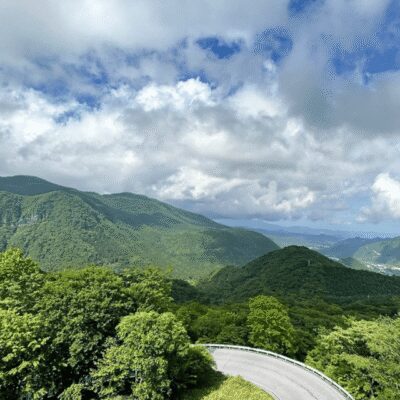
Akechidaira Plateau sits near the top of the Irohazaka Slope. From its observation area, you can see the winding road and mountain scenery. A ropeway goes up to the viewing platform, with costs not included.
This is a strong choice in clear weather, but a poor use of time in low cloud or heavy rain. Ask your guide to judge conditions on the day. The tour’s flexibility is most useful when it responds to what you can actually see, not simply what appears on a checklist.
Tamozawa Villa, botanical gardens, and Kirifuri Waterfall
Tamozawa Imperial Villa gives you a look at a different side of Japanese architecture. Built in 1899, it combines Edo-period elements with early modern Meiji design across 106 rooms. The building once used parts of a Tokyo residence, and its scale makes it a worthwhile choice for anyone interested in court life, architecture, or changing Japanese tastes.
The villa and memorial park require admission. Allow more than a quick glance if you want to appreciate the rooms and garden setting. It is also a good alternative when you want culture without another large shrine complex.
Nikko Botanical Garden is owned by the University of Tokyo and serves as a branch of its main research garden in Koishikawa. It gives plant lovers and repeat visitors a reason to see Nikko from a less monumental angle. Admission is extra, and the 30-minute suggested stop keeps it as a sampler rather than a full garden visit.
Kirifuri Waterfall is a 75-meter, two-tiered fall northeast of the central shrines. Its viewing area makes a short nature stop possible, though it adds another transfer. Choose it if waterfalls interest you more than the lake, not as an attempt to collect every waterfall in a single afternoon.
Kanaya Hotel History House and the human side of Nikko
The Kanaya Hotel History House served as the predecessor to the celebrated Kanaya Hotel. It offers a small but useful window into Nikko’s early foreign tourism and the town’s transition from sacred destination to resort.
At 15 minutes, this is a compact stop. It works well for people who enjoy social history and old buildings, but it should not displace Toshogu or the lake if this is your first and only day.
A private guide can connect these less famous places to the larger story of Nikko. That is one of the tour’s better qualities. You are not limited to the most photographed sites, and you can ask for a day built around architecture, religion, nature, or local resort history.
What the guides add to the day
The strongest part of this experience is the human guidance. Yumi is praised for planning ahead, adapting routes, handling bus schedules, and finding unusual temple stamps. Yoko has helped families settle on an itinerary, arrange lunch, and make transport choices. Yoshii has guided visitors through the shrine district and waterfalls while also offering advice for a second day of hiking.
Ichiro is described as prepared with detailed options, while Taka has helped arrange taxis in heavy rain. Yuki has been especially attentive to families, including teenagers, and has even brought practical items such as towels for a foot bath and ice packs on a hot day.
These examples point to a useful pattern: guide quality can shape the day more than the printed list of stops. You may receive a formal history lesson, practical local advice, or a mix of both. The English level and style will vary by guide, so if a particular guide is available, request that person when booking, but do not assume availability.
The one clear weakness is the open-ended planning. Some people want a guide to lead firmly, not keep asking what comes next. To avoid that, send your priorities early. Say plainly if you want shrines, nature, a relaxed lunch, temple stamps, short walks, or maximum coverage.
Is $155.86 per person good value?
At $155.86 per person, this is not the cheapest way to see Nikko. You still pay for transport, admissions, food, and any taxi. If you already understand the bus system and know exactly which three sites you want, a self-guided visit will cost less.
The price makes more sense for a small private group that values time and explanation. You are paying for a licensed English-speaking guide, a day shaped around your interests, help with transfers, and the ability to adjust when conditions change. That can prevent an expensive mistake, such as spending too long in the shrine district and then missing the lake.
Group discounts may improve the value, but the activity cannot combine separate tour groups. The more people in your own party, the more reasonable the per-person cost can feel, provided everyone agrees on the itinerary.
Who should book this Nikko tour?
Book it if you are making a first visit, coming from Tokyo for one day, or feeling uneasy about Nikko’s transport. It is also a good fit for families, couples, older relatives, and anyone who wants cultural context rather than a quick photo stop.
You will get the most from it if you communicate before the day begins. Pick two priorities and one optional stop. For example, choose Toshogu and Rinnoji for culture, then add Shinkyo Bridge. Or choose Toshogu, Kegon Falls, and Lake Chuzenji for a balance of heritage and mountain scenery.
Skip it if you want a fully private car, a fixed luxury itinerary, or a leisurely full-day hike. This is a walking-based tour with public transport and a six-hour limit. Free cancellation is available up to 24 hours before the start time, but changes or cancellations inside that window are not accepted for a refund.
Should you book it?
I would book this tour for a focused first day in Nikko, especially if you are coming from Tokyo and want to see both the shrines and the natural sights. The best value comes from a strong guide and a clear plan, so contact the provider early with your priorities and ask for a route that fits six hours.
Choose a weekday when possible, carry cash, and do not promise yourself every stop on the list. If you accept those limits, a private guide can turn Nikko’s scattered sights into a far more manageable and meaningful day.
FAQ
Where does the tour begin?
You make your own way to Nikko and meet the guide at Nikko Station. The included meetup service is on foot within the designated area of Nikko.
How long does the experience last?
The tour lasts approximately six hours.
How many sights can I choose?
The tour includes a customizable visit to three or four sites from the available list.
Is transportation included?
No. Public transport, taxis, private transportation, and other transportation fees are not included. The basic tour is on foot, so bring cash for local travel.
Are entrance fees included?
No. Entrance fees are generally extra. Guide entry fees are covered only for sights listed under the expected stops.
Is lunch included?
No. Lunch and other personal expenses are not included.
Is this a private tour?
Yes. Only your own group participates, and separate tour groups cannot be combined.
Can I cancel for a full refund?
Yes, if you cancel at least 24 hours before the experience start time, based on local time. Cancellations or changes made less than 24 hours in advance are not accepted for a refund.
Just added around Japan
- Private Arrival Transfer : Narita International Airport to Central Tokyo City★ 4.5 · 12 reviews
- Narita Airport(NRT): Private Transfer to Tokyo/Yokohama 1-9pax★ 5.0 · 47 reviews
- Private Transfer from Narita Airport to Yokohama Port and City★ 4.5 · 17 reviews
- [Narita Airport Terminals 1, 2] 40-60km Sawara Itako Historic Bike Tour★ 5.0 · 13 reviews
- 3 Day Japan Highlights Tour: Tokyo, Mt.Fuji, Nara, Kyoto, Osaka★ 5.0 · 22 reviews
- Private Nara Tour and Sake Tasting (Departing from Kyoto/Nara)★ 5.0 · 40 reviews
- Hammer a Pattern on Your Ring Workshop★ 5.0 · 57 reviews
- All must-sees in 3 hours – Nara Park Classic Tour! From JR Nara!★ 5.0 · 108 reviews
Nikko Tours, compared.
Browse the lists this tour appears in