
Reviewed · KYOTO TOURS
Private Highlights of Kyoto Tour
Kyoto packs centuries of temples, shrines, gardens, and old streets into a surprisingly compact city, but its sights are scattered. This private seven-hour tour tackles that problem with trains, buses, and a guide who can explain what you are seeing instead of simply pointing you toward the next gate. You choose between a northwest route and a southeast route, then finish in Gion.
I especially like the chance to use public transportation rather than spend the day sealed in a vehicle, and I like the personal attention. Guides such as Mie, Chako, Choko, Mai, and Hiseko have been praised for clear English, cultural insight, patience with children, and flexible pacing. The main drawback is the price, $151.20 per person, plus your own lunch and the steady walking required.
Key points to know before booking
- Two distinct Kyoto routes: Pick Arashiyama, Ryoan-ji, Kinkaku-ji, and Nishiki in the northwest, or Fushimi Inari, a sake museum, Kiyomizu-dera, and Gion in the southeast.
- A private guide makes the difference: You can ask questions, adjust the pace, and request practical help with trains, buses, food, and local customs.
- Public transport is part of the experience: The day begins at Kyoto Station, and the included transport helps you learn how to get around Kyoto.
- The day involves plenty of walking: Bamboo paths, temple grounds, and the slopes around Kiyomizu-dera require comfortable shoes.
- Lunch is not included: Plan to pay for your meal, though guides may suggest a suitable restaurant, including ramen or okonomiyaki.
- Best for a first Kyoto visit: The tour gives you a broad introduction, but you will need another day for a slower look at individual temples and neighborhoods.
Why this private Kyoto tour works well for a first visit
Kyoto is easy to admire and surprisingly easy to mismanage. The major sights sit in different parts of town, and a first-time visitor can lose a large part of the day figuring out routes, ticket counters, and bus stops. A private guide removes much of that friction.
You meet at Hotel Granvia Kyoto beside Kyoto Station at 9:00 am. From there, the tour uses public transportation. That matters because you are not just being carried between attractions. You learn something about moving around Kyoto, and the included one-day city bus pass can continue to be used after the tour.
The group size is limited to eight people, although the private format means the guide’s attention is directed to your party. You can ask why a temple is important, get help with Japanese pronunciation, or slow down for a child who needs a break. Several guides have also helped with photos, restaurant choices, and small changes to the planned day.
The experience receives a 4.8 rating from 84 ratings, with a 96 percent recommendation rate. That is a strong signal, though the price and the walking should still fit your plans.
A few more Kyoto half-days to weigh up
- PERFECT KYOTO 1-Day Bus Tour
★ 5.0 · 13,518 reviews - Kyoto: Fushimi Inari, Kinkakuji, Bamboo Grove 1 Day Bus Tour
★ 4.8 · 4,316 reviews - Kyoto: Tea Ceremony in a Traditional Tea House in Kiyomizu
★ 4.9 · 3,519 reviews
Choose the northwest route for bamboo, gardens, and the Golden Pavilion
The northwest option is the more scenic choice. It links Arashiyama, Ryoan-ji, Kinkaku-ji, and either Nishiki Food Market or Nijo Castle. It is a good match if you want Kyoto’s best-known postcard scenes in one day.
Arashiyama and the Bamboo Forest Street
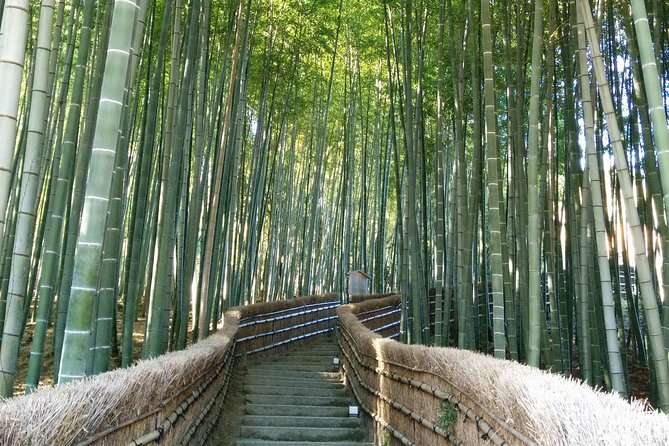
The day begins in the Arashiyama area, known for its temples, the Togetsukyo Bridge, and the famous bamboo grove. The scheduled walk through Bamboo Forest Street lasts about 30 minutes.
The bamboo path is photogenic, but it is not a quiet private garden. The route can feel crowded, and the short stop gives you enough time for a walk and photographs rather than a long, wandering visit. Your guide adds value here by explaining what belongs to the wider Arashiyama district and helping you make sense of the surrounding temples.
The Togetsukyo Bridge is another useful point in this part of town. Its broad wooden span and river setting provide a change from the tight bamboo paths. If you enjoy scenery and traditional Kyoto views, this route starts strongly.
Ryoan-ji and the 15-stone garden
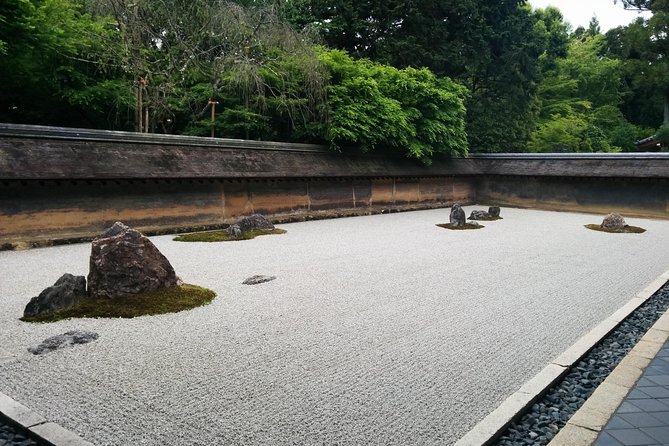
Ryoan-ji offers a different mood. Its Zen rock garden is spare, controlled, and deliberately open to interpretation. The scheduled visit lasts about 30 minutes, so you should expect a focused stop rather than a long period of quiet contemplation.
The garden is famous for its 15 stones, although the arrangement means you cannot see all of them at once from the usual viewing position. That simple detail gives your guide a natural opening to discuss Zen design and the way Japanese gardens use empty space.
If you prefer temples with statues, bright decoration, and dramatic views, Ryoan-ji may feel restrained. I find that contrast useful. After the noise and visual drama of Arashiyama, the garden offers a pause.
Same base, a completely different sort of day:
- Kyoto Geisha Walking Tour: Gion District & Hidden Gems
★ 4.7 · 3,273 reviews - Kyoto: Tea Ceremony Ju-An at Jotokuji Temple
★ 4.9 · 3,207 reviews - Kyoto: Gion Magical Night Walking Tour with Geisha Trivia
★ 4.9 · 2,393 reviews - Kyoto: 45-Minute Tea Ceremony Lesson Experience
★ 4.3 · 2,378 reviews
Kinkaku-ji, the Golden Pavilion
Kinkaku-ji, often called the Golden Pavilion, is one of Kyoto’s most recognizable sights. Its gold-leaf exterior reflects across the pond, with trees and water framing the building.
You have about 50 minutes here, and admission is included. The visit follows a set path around the grounds, so you are not entering every part of the pavilion. The reward is the view from outside, especially when the building and its reflection line up across the water.
This is a high-demand stop, and the appeal is visual rather than intimate. Still, it deserves its fame. A guide can point out details in the architecture and decoration that are easy to miss when you are focused on getting the perfect photograph.
Nishiki Food Market or Nijo Castle
After lunch at your own expense, the northwest plan gives you a choice between Nishiki Food Market and Nijo Castle. Confirm the day’s exact choice with your guide, since you may not have time for both in a seven-hour tour.
Nishiki is the better pick if food and everyday Kyoto interest you. The market is a narrow culinary corridor where you can see ingredients, snacks, and local specialties. It is a place to look closely and sample carefully, though lunch is not covered in the tour price.
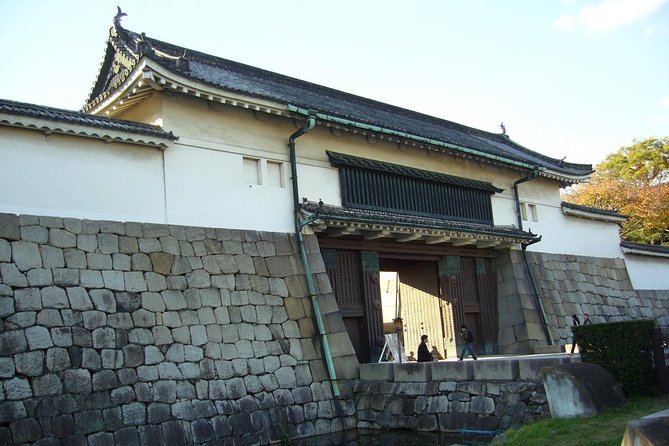
Nijo Castle suits you better if political history and grand interiors appeal to you. Built during the Tokugawa Shogunate period in the early 17th century, it is Kyoto’s only castle. The original living quarters of the shogun are the main draw, with gold leaf and elaborate artwork inside.
Choose the southeast route for torii gates, sake, and Gion
The southeast course is the stronger choice if Fushimi Inari is high on your list. It combines a sake museum, a major Shinto shrine, Sanjusangendo, Kiyomizu-dera, the old hillside lanes, and Gion.
Gekkeikan Okura Sake Museum
The Gekkeikan Okura Sake Museum introduces the production of sake, Japan’s traditional rice wine. The stop lasts about 50 minutes, and admission is included.
This is more than a tasting stop. The museum explains the tools and methods used by one of Japan’s oldest sake brands. One detailed account of the tour also included sake tasting, although tasting should be confirmed for your date and route.
This stop adds local flavor to a day otherwise heavy on religious sites. It also gives you a useful explanation of an important part of Japanese food culture. If you do not drink alcohol, the museum still offers historical and production context, but you may find the stop less compelling than the shrine visits.
Fushimi Inari and its thousands of red gates
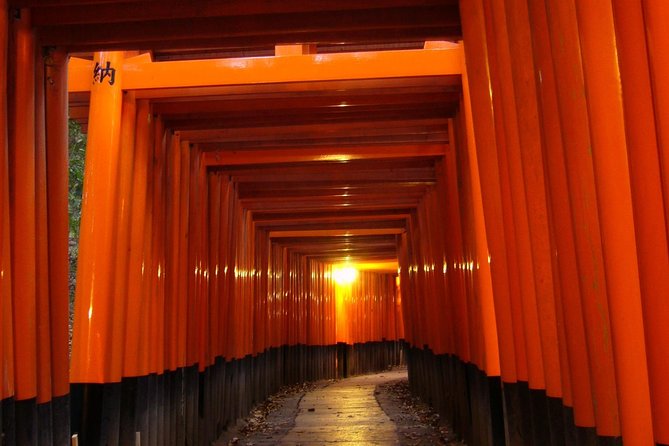
Fushimi Inari-taisha is known for its long corridors of red torii gates climbing the mountain. Stone foxes and small shrines appear along the route, reflecting Inari’s connection with rice, business, and prosperity.
The listed visit lasts about 50 minutes. That is enough to walk through an impressive section of the gates, but not enough to climb the entire mountain. Wear shoes with a good grip, since the route rises and includes steps.
Fushimi Inari is one of Kyoto’s most famous sights, so do not expect solitude. The guide helps you focus on the shrine’s meaning and details instead of treating the gates as one endless red tunnel. This is one of the tour’s most memorable stops, but it is also one of the day’s more active walks.
Sanjusangendo’s 1,001 Kannon statues
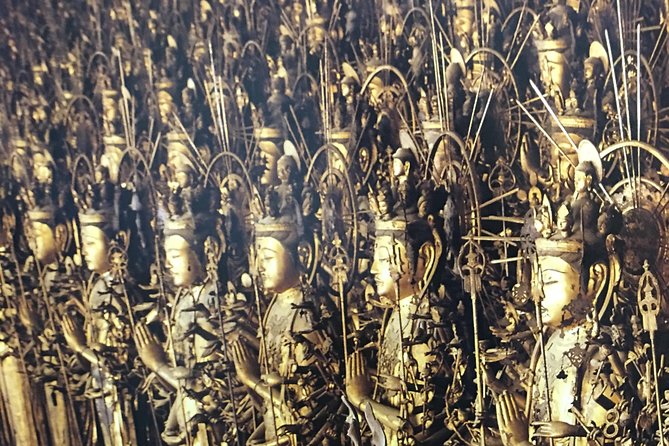
Sanjusangendo provides a dramatic indoor contrast to Fushimi Inari. Its hall contains 1,001 statues of Kannon, creating a powerful, orderly view as you look along the rows.
You have about 50 minutes here, with admission included. This is a good stop for learning about Buddhist imagery, sculpture, and the symbolism found in Japanese temples. The scale of the hall makes the visit feel very different from the open grounds at Kinkaku-ji or the mountain path at Fushimi Inari.
Photography rules and quiet behavior matter in temple interiors. Your guide can help you understand what is appropriate and explain the figures without reducing the visit to a quick photograph.
Kiyomizu-dera and Kyoto from the hillside
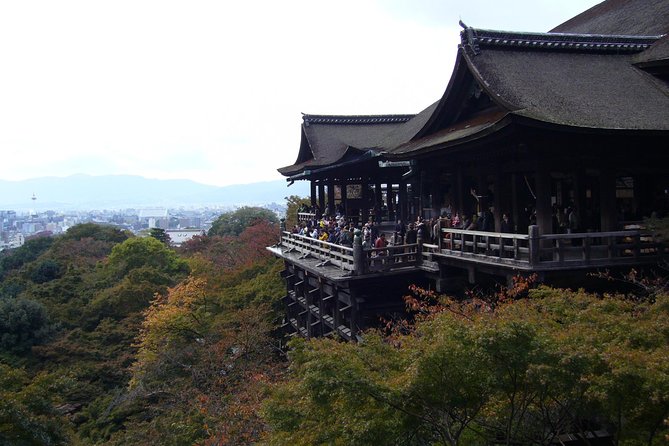
Kiyomizu-dera dates back to the eighth century and is one of Kyoto’s defining landmarks. Its wooden balcony looks across Kyoto, offering the broad city view often seen in guidebooks and postcards.
The scheduled stop lasts about 50 minutes, but the visit includes more than the temple itself. You will walk the steep historic lanes of Ninenzaka and Sannenzaka on the way through the old hillside district. These streets are lined with traditional-looking buildings, shops, and food stops, though crowds can make the narrow lanes feel tight.
This is one place where a private guide can make the day easier. The slopes are not extreme for most people, but the combination of stairs, temple grounds, and a full day on foot adds up. Tell your guide if you need a slower pace.
Gion gives the day a fitting finish
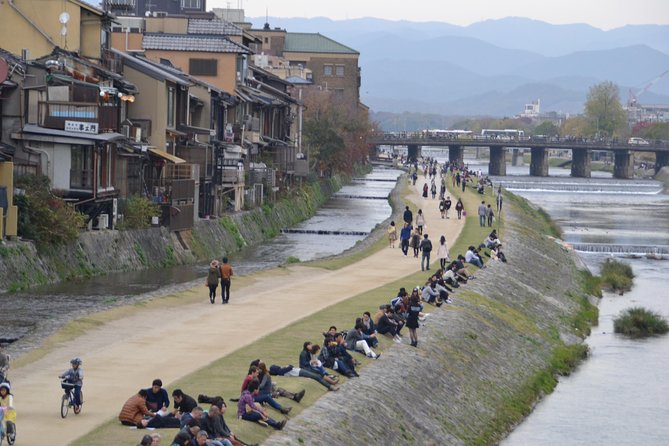
Both routes end in Gion, Kyoto’s best-known district for geisha traditions. The tour includes about 50 minutes in the area, with no admission fee.
Gion is best appreciated by walking respectfully and paying attention to the streets, wooden buildings, and traditional atmosphere. Do not treat it as a stage set. The area is a working neighborhood, and your guide can explain the difference between common assumptions about geisha culture and the realities of the district.
Ending here also gives you an easy choice after the tour. You can continue exploring on your own, find dinner, or join a separate Gion-focused tour that begins at 6:00 pm. The timing makes this a useful handoff into an evening in central Kyoto.
What the guide adds to the price
At $151.20 per person, this is not a bargain sightseeing bus. The value comes from the private format, the guide’s time, included public transportation, and admission to the listed paid sites. Group discounts may improve the cost for larger parties.
The price makes more sense if you are visiting Kyoto for the first time, have limited time, or want help connecting temples with Japanese history and customs. Guides named Mie, Chako, Choko, Mai, and Hiseko have been especially praised for clear English, humor, preparation, and flexibility, but you should not assume a particular guide will be assigned.
The tour price does not include lunch, food, or drinks. Build that into your budget. Guides have suggested ramen, okonomiyaki, and other local meals, including restaurants away from the most obvious tourist spots, but the final choice and bill are yours.
A less positive experience is possible if your guide gives only basic directions between sights. The private structure cannot guarantee the same depth of explanation from every guide. If interpretation and cultural context are important to you, ask questions early and tell the guide what interests you.
Walking, weather, and practical planning
This is a full seven-hour day, not a relaxed shuttle ride. You will walk through temple grounds, city streets, bamboo paths, market lanes, and the hills around Kiyomizu-dera. Comfortable shoes are essential.
The tour requires good weather. If poor weather cancels the experience, you are offered another date or a full refund. Even in light rain, the day can still work, but wet paths and umbrellas may slow the group.
Meet at Hotel Granvia Kyoto by the central entrance of Kyoto Station at 9:00 am. Hotel pickup and drop-off are not included. The tour is near public transportation, service animals are allowed, and most people can participate, but the amount of walking makes the experience less suitable for anyone who struggles with hills or stairs.
Children must be accompanied by an adult, and the child rate applies only when sharing with two paying adults. Families can benefit from the private format because guides such as Mie have adjusted the pace and kept younger children involved.
Free cancellation is available up to 24 hours before the start time for a full refund. Changes or cancellations inside that window are not accepted for a refund.
Who should book this Kyoto highlights tour?
I would choose this experience if I had one main sightseeing day in Kyoto and wanted an informed introduction rather than a list of disconnected photo stops. The northwest route is best for bamboo, gardens, Kinkaku-ji, and food. The southeast route is best for Fushimi Inari, sake, Kiyomizu-dera, and Gion.
It also suits families, couples, and small groups who value flexibility. The guide can explain details at your level, help with local transit, and offer suggestions for the rest of your stay.
I would skip it if you already know Kyoto well, dislike organized schedules, or want to spend half a day sitting quietly in one temple garden. You will cover a lot of ground, but you will not have unlimited time at each place.
Final verdict
Book this tour if you want a smart first look at Kyoto, especially when your time is short and the city’s public transport feels confusing. Choose the route that matches your priorities, confirm which optional stop is planned, and set aside money for lunch.
The $151.20 price is reasonable for a private guide, transport, and several included admissions, but it is still a premium way to tour. Its real strength is the human element: guides such as Mie and Chako have helped make history understandable, answered questions, managed children, and adjusted the day to suit individual interests. For a first visit, that help can be worth more than squeezing in one extra temple.
FAQ
Where does the Kyoto highlights tour begin?
The tour begins at 9:00 am at Hotel Granvia Kyoto, near the central entrance of Kyoto Station.
How long does the tour last?
The experience lasts approximately seven hours.
What are the two route choices?
The northwest route includes Arashiyama and its bamboo forest, Ryoan-ji, Kinkaku-ji, and a choice between Nishiki Food Market and Nijo Castle. The southeast route includes the Gekkeikan Okura Sake Museum, Fushimi Inari-taisha, Sanjusangendo, Kiyomizu-dera, the Ninenzaka and Sannenzaka area, and Gion.
Is lunch included?
No. Lunch, food, and drinks are not included. You pay for your own meal.
Does the tour include transportation?
Yes. Public transportation and a one-day city bus pass are included. The bus pass can continue to be used after the tour.
Can I cancel for a full refund?
Yes, if you cancel at least 24 hours before the local start time. Cancellations or changes made less than 24 hours in advance are not refunded. If poor weather causes the operator to cancel, you are offered another date or a full refund.
Just added around Kyoto
- Kyoto: Zen Meditation at a Private Temple with a Monk★ 5.0 · 25 reviews
- Kyoto: Gion Geisha District & Sake-in-Hand Walking Tour★ 5.0 · 37 reviews
- Private Pewter Sake Cup Experience with a Kyoto Artisan★ 5.0 · 31 reviews
- Your Private Vacation Photography Session In Kyoto★ 5.0 · 110 reviews
- Private Guided Traditional Buddhist Cooking in Japan★ 5.0 · 16 reviews
- Kyoto Wagashi(Japanese sweets) Cooking Class near Fushimiinari★ 5.0 · 60 reviews
- Traditional Japanese Music show & Experience Tour in Kyoto★ 5.0 · 57 reviews
- Kyoto:Family-Friendly Kimono & Yukata Experience at WARGO★ 5.0 · 147 reviews
Kyoto Tours, compared.


Fushimi Inari, Kinkakuji, Bamboo Grove 1 Day Bus Tour
Read our review →
Tea Ceremony in a Traditional Tea House in Kiyomizu
Read our review →
Kyoto Geisha Walking Tour: Gion District & Hidden Gems
Read our review →

Gion Magical Night Walking Tour with Geisha Trivia
Read our review →
