
Reviewed · TOKYO TOURS
Tea Ceremony Experience in a Private Tea Room in Shibuya
Shibuya is best known for giant screens, packed crossings, and late-night energy. This experience takes you just eight minutes from the station into a quiet private tea room where Tatsuya, also called Tatsu, explains the rituals, objects, and farming behind Japanese matcha. The contrast is the real treat: Tokyo noise outside, careful silence inside.
I like the personal teaching and the chance to whisk your own tea rather than only watch a demonstration. I also like that the matcha is a rare organic grade, with only about 2 percent of Japan’s total circulation, and that the wagashi sweets come from a shop with more than 200 years of history. The main consideration is the small room and lack of a toilet, so plan ahead before entering.
Key points at a glance
- Eight-minute walk from Shibuya Station: Meet outside The OneFive Tokyo Shibuya hotel, close to Hachiko, the Scramble Crossing, and other central sights.
- A private tea room in an apartment building: The modest entrance gives way to a calm, traditionally arranged room.
- Tatsuya’s family connection to tea: He brings personal experience from two generations of tea farming.
- Formal service, then hands-on practice: You first receive matcha in the proper style, then learn to make your own bowl.
- Premium organic matcha and aged wagashi: The tasting includes high-grade tea and traditional sweets from a long-established confectioner.
- A good introduction for beginners: The English and Japanese experience explains both the ritual and the everyday techniques behind the tea.
From Shibuya Station to Tea Room Kakoi
Your meeting point is in front of The OneFive Tokyo Shibuya hotel at 1-8-11 Jinnan, Shibuya-ku. Look for the guide holding a sign marked TEA ROOM KAKOI. The walk from Shibuya Station takes about eight minutes, which makes this easy to fit between shopping, sightseeing, and a visit to the Hachiko Statue or Shibuya Scramble Crossing.
That location gives the activity a useful rhythm. You do not need to spend half a day reaching a remote temple or tea school. You can see modern Shibuya first, then step into a very different side of Japanese culture almost at once. At the end, you return to the same meeting point.
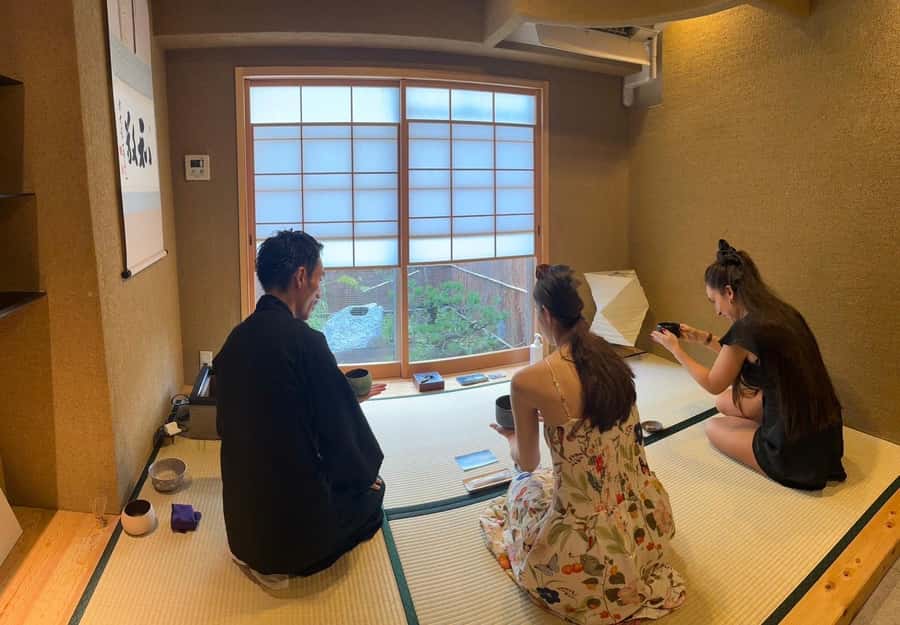
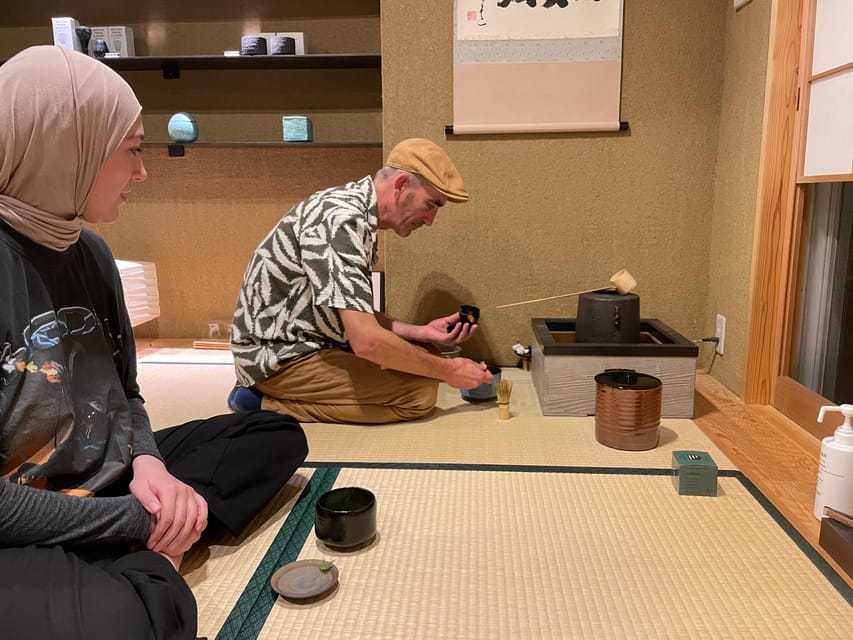
The tea room is in an apartment building opposite the hotel. That may sound less grand than a historic garden pavilion, and it is worth setting expectations correctly. You are not entering a famous monument or a large cultural center. You are entering a compact, carefully arranged room created for a small-scale lesson.
That modest approach is part of the charm. One visitor was initially unsure about the tiny room inside an apartment complex, then found that the interior felt like a separate world. I would treat the plain exterior as a practical city setting, not a flaw. The ceremony itself takes place indoors, away from Shibuya’s visual and audio overload.
More Tea Ceremonies in Tokyo
- Tokyo: Traditional Tea Ceremony with a Tea Master
★ 5.0 · 528 reviews - Tea Ceremony Workshop in Tokyo by the Experienced Instrucor
★ 5.0 · 189 reviews - Tokyo: Asakusa Kimono Dressing and Matcha Experience
★ 4.9 · 173 reviews
A quiet room with a serious purpose
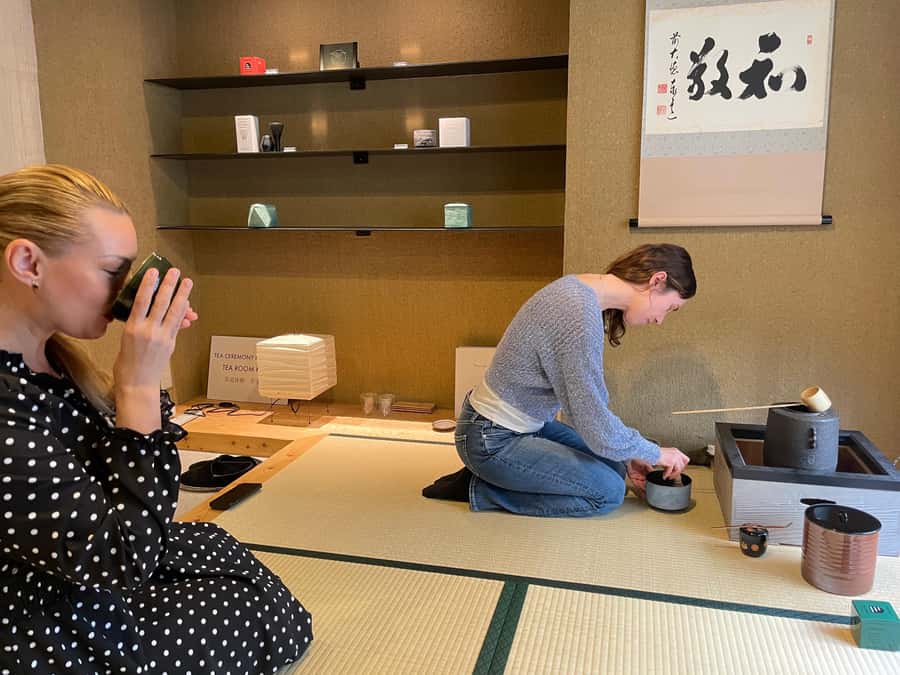
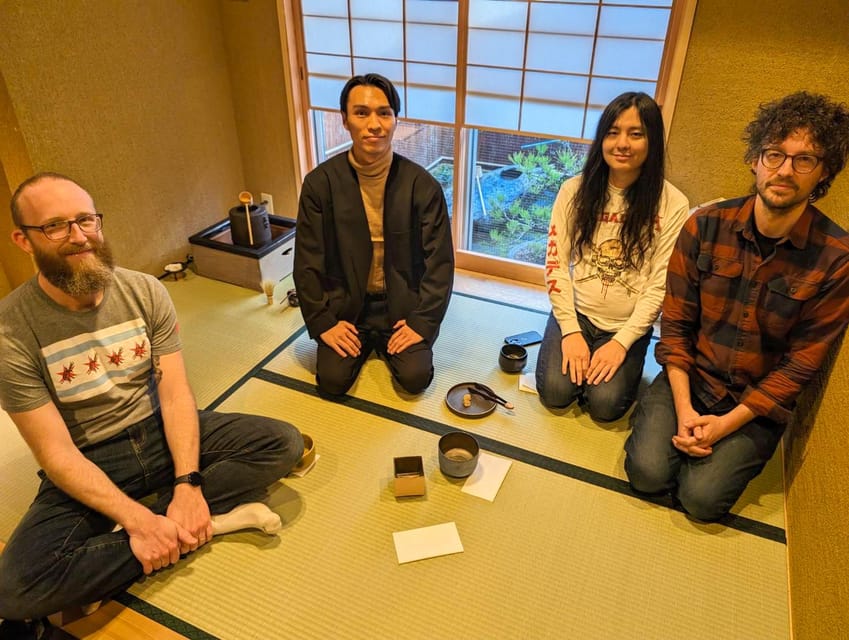
Once inside, the pace changes. The setting is designed to keep your attention on the tea, the tools, and the movements involved. The room has been described as beautifully decorated and authentically arranged, but it is still small. That creates a more personal lesson, though it also means this is not the right pick if you want a spacious venue or a grand architectural setting.
The host begins with an explanation of the Japanese tea ceremony. You learn why the ceremony values calm behavior, respect for each object, and care in serving another person. The point is not simply to drink green tea. The order of the movements and the way each item is handled are part of the experience.
Tatsuya’s connection to tea adds useful context. He has spoken about a family background in tea farming spanning two generations, and he runs a tea farm himself. That gives the conversation a practical side. You can ask about the crop, the differences between matcha grades, and how the powder reaches the bowl, rather than hearing only a memorized set of ritual terms.
The teaching is offered in English and Japanese. The tone is patient and friendly, which matters because tea ceremony etiquette can feel intimidating at first. You are not expected to know the correct gestures before you arrive. The explanation gives you enough grounding to follow the ceremony without worrying that you will make a serious mistake.
Learning how matcha reaches the bowl
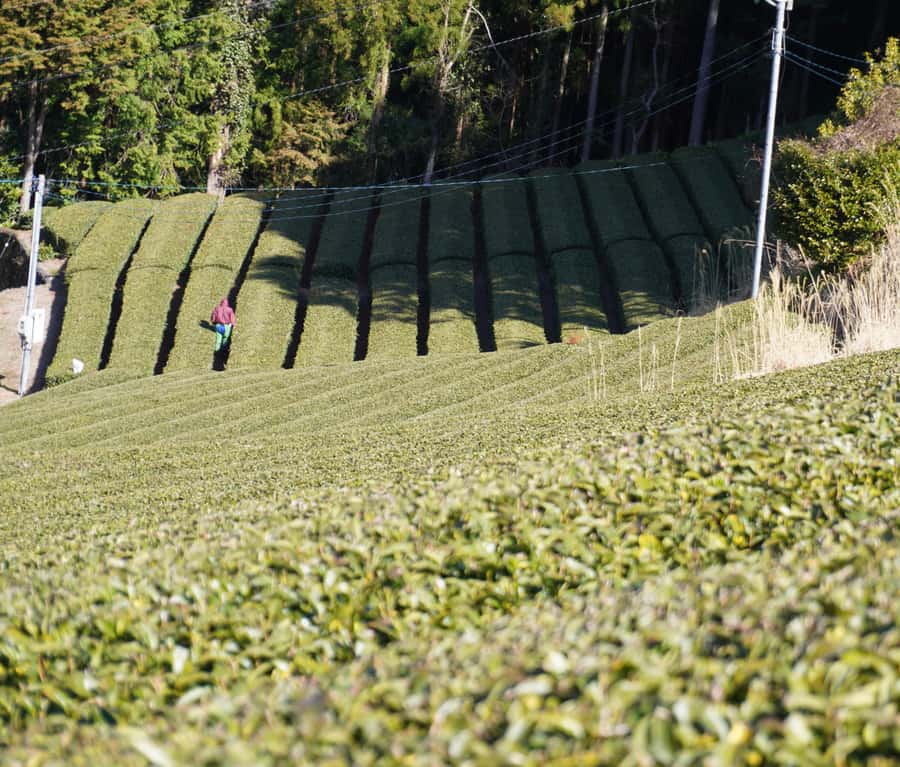
The first lesson covers the production of matcha and its place in Japanese culture. You hear about how the tea is made and why high-grade powder differs from ordinary green tea. The experience presents this particular organic matcha as an especially rare product, representing only about 2 percent of the total circulation in Japan.
That percentage helps explain the price and focus of the tasting. At $30 per person, you are paying for more than a cup of tea. The fee includes a guided cultural lesson, a formal serving, traditional sweets, and your own preparation session. If you already know Japanese tea well, the short format may feel introductory. For most first-time visitors, the combination offers solid value.
I especially like the farm-to-cup angle. Matcha can be treated as a trendy drink, but this session places it in an agricultural and ceremonial setting. You learn to pay attention to flavor, texture, color, and foam instead of simply adding powder to hot water and calling it done.
The caffeine note is important. Matcha contains caffeine, so you should consider that if you are sensitive to it or planning to drink several caffeinated beverages during the day. The experience also excludes pregnant women, children under 10, and babies under 1 year old. Those limits are worth checking before you reserve.
Watching the formal tea service
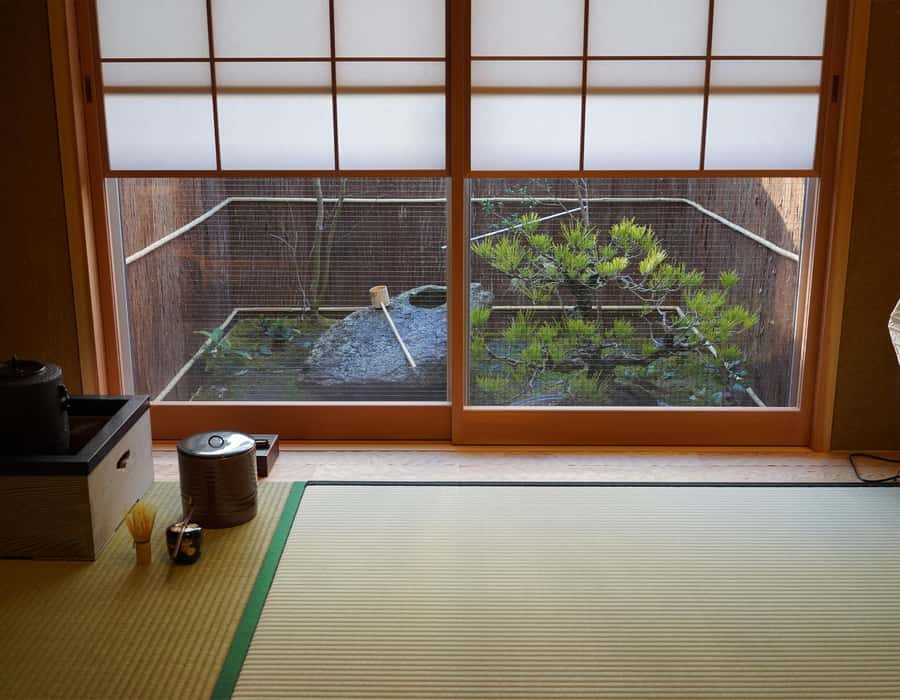
After the introductory talk, Tatsuya prepares matcha in the formal tea ceremony style and serves it to you. This is the part where the room’s quiet design earns its keep. With fewer distractions, you can watch the sequence of movements and understand that the ceremony is built around attention and respect.
The host explains how to receive the bowl, how to drink the tea properly, and why certain gestures matter. You are not just handed a drink with a quick explanation. The service shows the difference between a casual matcha beverage and tea prepared as a traditional practice.
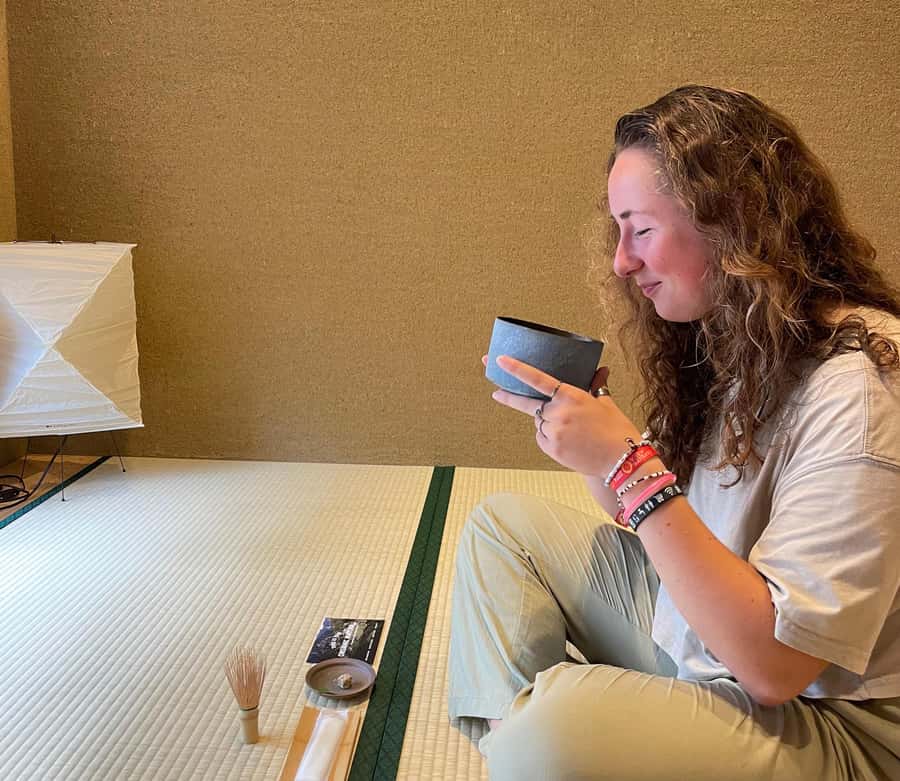
The matcha itself is described as rich, smooth, and calming, with a fine froth when made correctly. Taste is personal, of course, and some people may find ceremonial matcha stronger or more grassy than sweetened café versions. The accompanying wagashi helps balance that flavor.
These sweets come from a long-established Japanese wagashi shop with more than 200 years of history. Their role is not only decorative. Traditional sweets are served with matcha partly to offset the tea’s bitterness and give the palate a gentle contrast. It is a small detail, but it makes the tasting feel more complete.
Same base, a completely different sort of day:
- Mt Fuji and Hakone 1-Day Bus Tour Return by Bullet Train
★ 5.0 · 26,383 reviews - 1-Day Tokyo Bus Tour
★ 5.0 · 14,250 reviews - Tokyo: TOKYO SKYTREE® Admission ticket
★ 4.5 · 11,192 reviews - Tokyo: teamLab Planets TOKYO Digital Art Museum Entry Ticket
★ 4.6 · 9,779 reviews
Making your own bowl of matcha
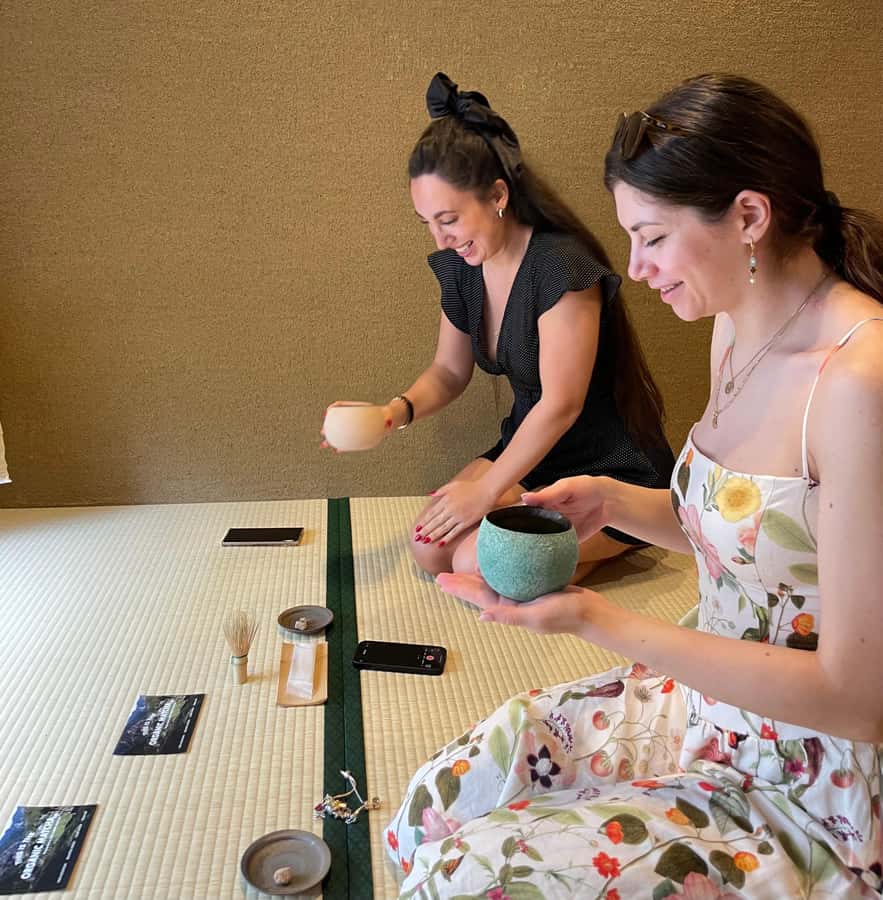
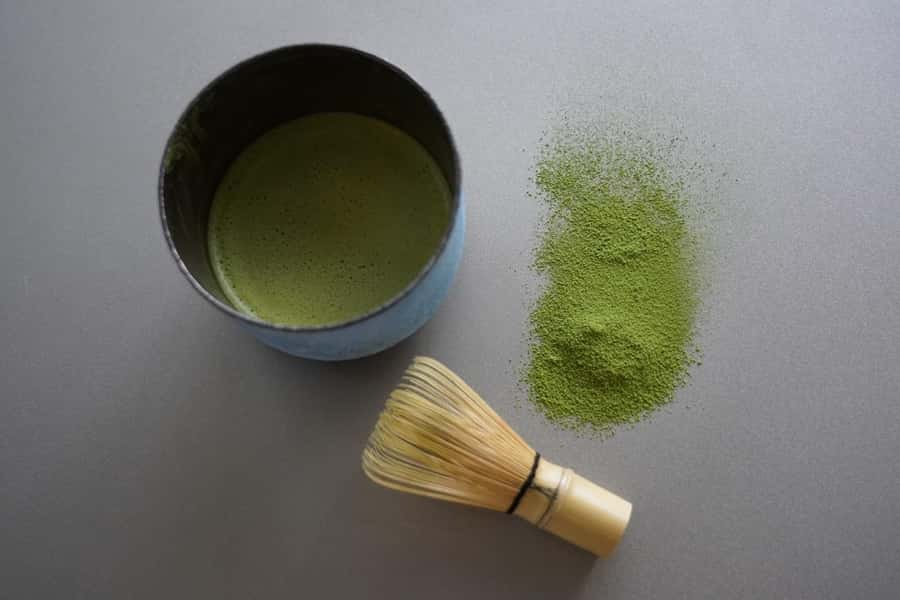
The hands-on section is where this activity becomes more than a demonstration. Tatsuya guides you through making your own matcha and explains the technique as you go. You learn how to handle the tools and create the familiar froth, while also hearing why the process is done with care.
Do not worry about producing a perfect bowl on your first try. The value is in understanding the motions and seeing how small changes affect the result. You may leave with a better sense of why tea masters practice so carefully, and why the whisk is more than a prop.
This section also gives you a chance to ask questions. You can discuss the flavor differences between matcha types, how the ceremony developed, or the best way to prepare the tea at home. Several visitors found the host especially patient during this part, which is helpful if you have never handled a bamboo whisk before.
The activity does not turn you into a tea master in one sitting. It does give you a working introduction. Afterward, you should know the basic tools, the broad structure of the ceremony, and the proper way to approach a bowl of matcha with more understanding.
Why the Shibuya setting adds value
A tea ceremony in Kyoto or at a formal temple may offer a grander backdrop. This Shibuya experience offers something different: a direct meeting with traditional culture in one of Tokyo’s most famous modern districts.
That contrast is worth seeking out. You can spend the morning among department stores and neon signs, then sit quietly with a bowl of tea a short walk away. The activity does not pretend that Shibuya is an old tea village. Instead, it shows how a traditional practice can continue in a modern city.
The location also makes this a practical choice for a short Tokyo itinerary. You can pair it with the Hachiko Statue, Shibuya Scramble Crossing, Meiji Shrine, or the Pokémon Center. The tea room itself is not at those attractions, but the meeting point keeps them within the same general sightseeing plan.
I would allow extra time to find the hotel entrance and use a toilet before meeting the guide. There is no toilet in the tea room. This is a small but important point, especially if you are combining the session with a long day of walking.
What $30 gets you
At $30 per person, the experience sits in the affordable range for a guided cultural activity in central Tokyo. The price includes the organic matcha, traditional sweets, the formal serving, the explanation of tea production and ceremony customs, and the practical matcha-making lesson. You do not need to bring special equipment.
The value is strongest if you want context. A café matcha may cost less, but it will not usually include an explanation of tea farming, ceremonial etiquette, traditional sweets, and guided preparation in a private tea room. On the other hand, if you only want to taste matcha and take a quick photograph, this may be more instruction than you need.
You can also buy the organic matcha and original tea tools as souvenirs after the session. That option is useful because you have tasted the product and learned how to prepare it before deciding to purchase. Buying is optional, so you are not committed to an extra expense.
Payment flexibility is another practical advantage. You can reserve and pay later, and cancellation is allowed up to 24 hours in advance for a full refund. Those terms make it easier to fit the activity into a changing Tokyo schedule.
Who should book this tea ceremony
I would recommend this to first-time visitors who want a gentle introduction to Japanese culture without giving up a large part of the day. It also suits tea drinkers who want to understand matcha beyond its modern café image.
The experience works well for solo visitors and couples who prefer a calm indoor activity. The intimate room and personal guidance are central to its appeal. If you want a large performance, a historic estate, or a ceremony set in a garden, you should choose a different type of tea experience.
It is also a good match for visitors who enjoy asking questions. The final free time lets you discuss the ritual, the tea, and preparation methods. You will get more from the session if you arrive curious rather than treating it as a quick photo stop.
Families should note the age rule. Children under 10 are not accepted, and the experience is not suitable for babies under 1 year. Pregnant women are also listed as unsuitable participants. Assistance dogs are allowed, but other pets are not.
A few practical expectations
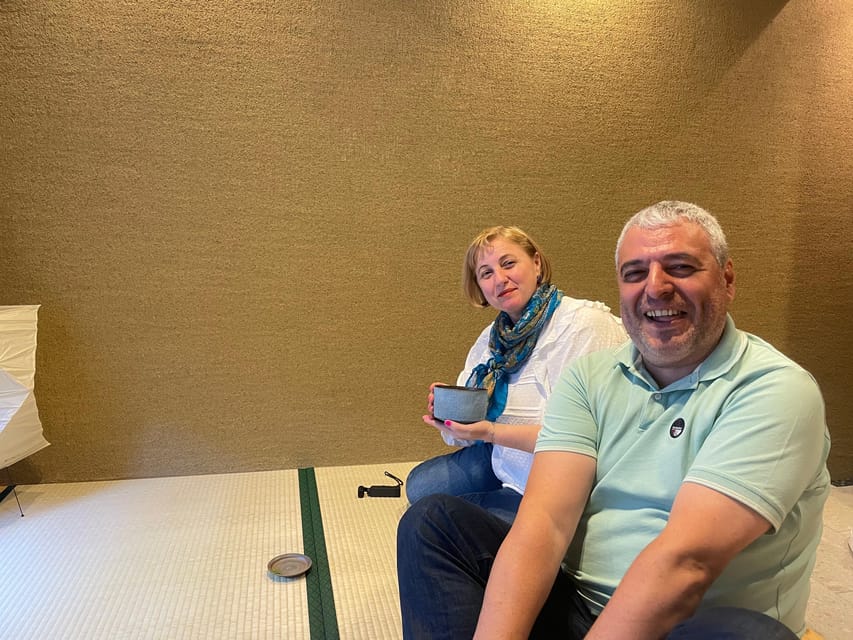
Wear something that lets you sit comfortably and move your arms freely while preparing the tea. The supplied information does not specify a dress code, so you do not need to plan a formal outfit. Still, a calm, respectful approach fits the setting better than rushing in from a crowded shopping trip.
Arrive at the stated hotel meeting point and watch for the TEA ROOM KAKOI sign. The guide sends a message beforehand, which should help you confirm the meeting details. Since the activity returns to the starting point, you can continue sightseeing in Shibuya without arranging separate transport.
The room’s size is both a strength and a limitation. It supports close instruction and a quiet mood, but it may feel tight if you prefer open spaces. The activity is built around conversation, ceremony, tasting, and practice, not elaborate entertainment.
The overall rating is 4.9 from 125 ratings, and the strongest praise centers on the same features: the peaceful room, clear teaching, careful tea preparation, and Tatsuya’s personal connection to matcha. Those are the parts I would use to judge the experience. The setting is simple, but the content is thoughtful and focused.
Should you book Tea Room Kakoi?
Book it if you want to learn what a Japanese tea ceremony means, taste high-grade organic matcha, and make your own bowl in a quiet room close to central Shibuya. The $30 price is fair because it combines instruction, food, equipment, and a hands-on lesson rather than offering only a short tasting.
Skip it if you need a large venue, a toilet inside the tea room, or a grand historic setting. Also skip it if caffeine is a concern or if the age and pregnancy restrictions affect your group.
For most curious adults, this is a smart small-scale cultural stop. You leave with more than a pleasant drink. You gain a clearer understanding of the ritual, the farming behind the powder, and the care that turns a simple bowl of tea into a shared act of hospitality.
FAQ
Where does the tea ceremony meet?
Meet in front of The OneFive Tokyo Shibuya hotel at 1-8-11, Jinnan, Shibuya-ku, Tokyo, 150-0041. The guide will hold a sign marked TEA ROOM KAKOI.
How far is the tea room from Shibuya Station?
The tea room is about an eight-minute walk from Shibuya Station.
What is included in the $30 price?
The price includes premium organic matcha, traditional Japanese sweets, the formal tea service, a matcha-making session, and all equipment needed for the activity.
Is the experience available in English?
Yes. The activity is offered in English and Japanese.
Can I buy matcha or tea tools afterward?
Yes. You may purchase high-quality organic matcha and original tea tools as souvenirs, but buying them is optional.
Are there restrictions on who can participate?
The activity is not suitable for children under 10, pregnant women, or babies under 1 year. Pets are not allowed, although assistance dogs are permitted. Matcha contains caffeine, and there is no toilet in the tea room.
Just added around Tokyo
- Private Arrival Transfer : Narita International Airport to Central Tokyo City★ 4.5 · 12 reviews
- Narita Airport(NRT): Private Transfer to Tokyo/Yokohama 1-9pax★ 5.0 · 47 reviews
- Private Transfer from Narita Airport to Yokohama Port and City★ 4.5 · 17 reviews
- [Narita Airport Terminals 1, 2] 40-60km Sawara Itako Historic Bike Tour★ 5.0 · 13 reviews
- 3 Day Japan Highlights Tour: Tokyo, Mt.Fuji, Nara, Kyoto, Osaka★ 5.0 · 22 reviews
- The 10 Tastings of Tokyo With Locals: Private Street Food Tour★ 5.0 · 48 reviews
- Small Town in the Big City: Tasting Tokyo’s Kichijoji★ 5.0 · 195 reviews
- Small Town in the Big City: Tasting Tokyo’s Kichijoji★ 5.0 · 16 reviews
Tokyo Tours, compared.

Mt Fuji and Hakone 1-Day Bus Tour Return by Bullet Train
Read our review →

teamLab Planets TOKYO Digital Art Museum Entry Ticket
Read our review →
Mt Fuji & Hakone Cruise, Drum Show Bullet Train 1 Day from Tokyo
Read our review →
Sumo Show Experience with Chicken Hot Pot and a Photo
Read our review →
Shinjuku Food Tour (13 Dishes at 4 Local Eateries)
Read our review →
Tokyo Mt Fuji 5th St & Hakone Cruise Bus Tour w/Bullet Train
Read our review →
Flagship 2-Hours Official Street Go-Kart Tour – Tokyo Bay Shop
Read our review →Browse the lists this tour appears in