
Reviewed · TOKYO TOURS
Tea ceremony experience in Japanese-style room 60min
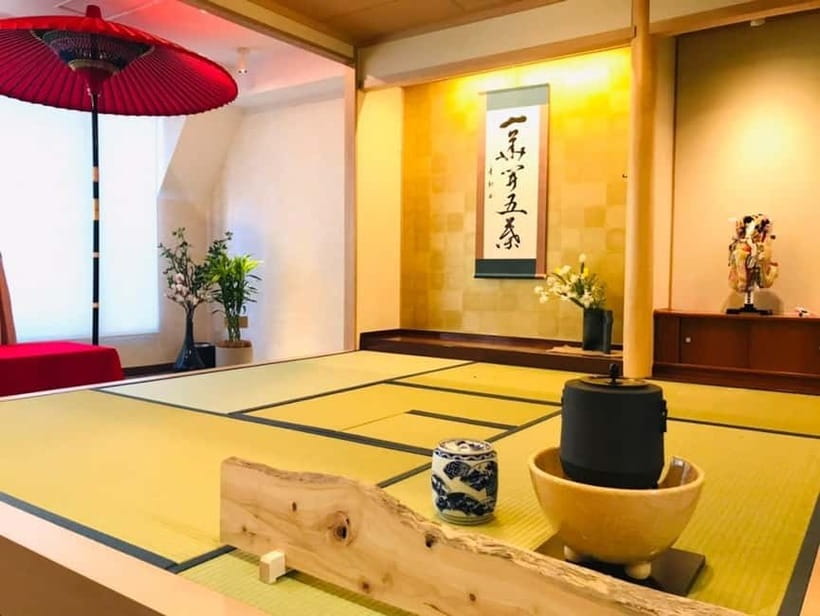
A bowl of matcha, a delicate sweet, and a quiet Japanese room can tell you a great deal about the country’s customs. At Wasako, you first watch tea master Ryouko prepare the tea, then learn the movements yourself and make your own matcha. The bowls are individually explained, which gives the ceremony a personal touch.
I especially like the freedom to choose both your sweet and bowl, plus the chance to take photographs in a registered tangible cultural property. The small group size, with no more than seven participants, also suits anyone who wants room for questions. The main caution is timing: the experience is described as 45 to 60 minutes, and one booking finished in about 40 minutes, so it may feel brief for the price.
Key points at a glance
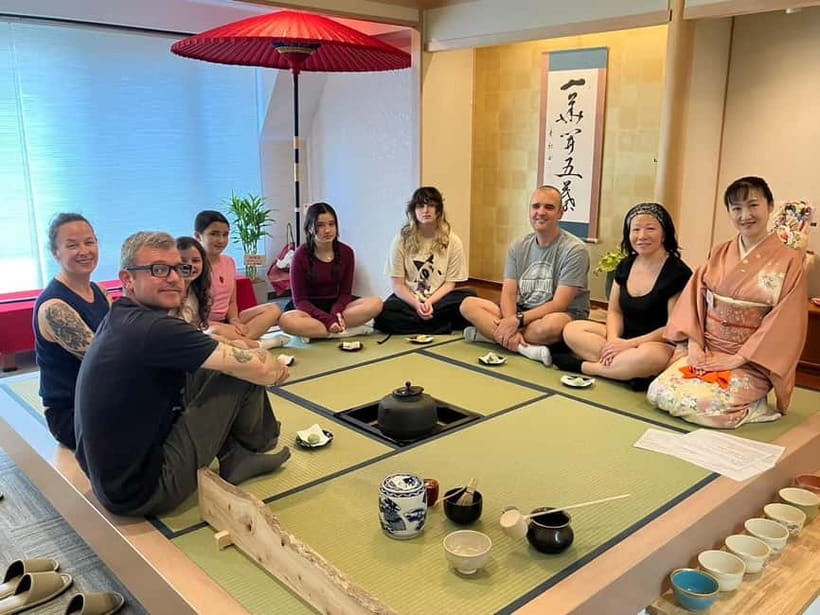
- Choose your own bowl: Each matcha bowl has a different design and receives its own explanation.
- Watch, then participate: You see the ceremony first, enjoy tea and sweets, and then prepare matcha yourself.
- A historic setting: Ichimatsu is a registered tangible cultural property with several attractive places for photographs.
- Friendly personal guidance: Ryouko and her assistant Akiko have helped participants with tea preparation, questions, photographs, and optional kimono dressing.
- Small-group format: The room is limited to seven people, with instruction available in English or Japanese.
- Bring socks: Shoes are not permitted indoors, and socks are required if you want to step onto the tatami.
Entering Wasako near Asakusa
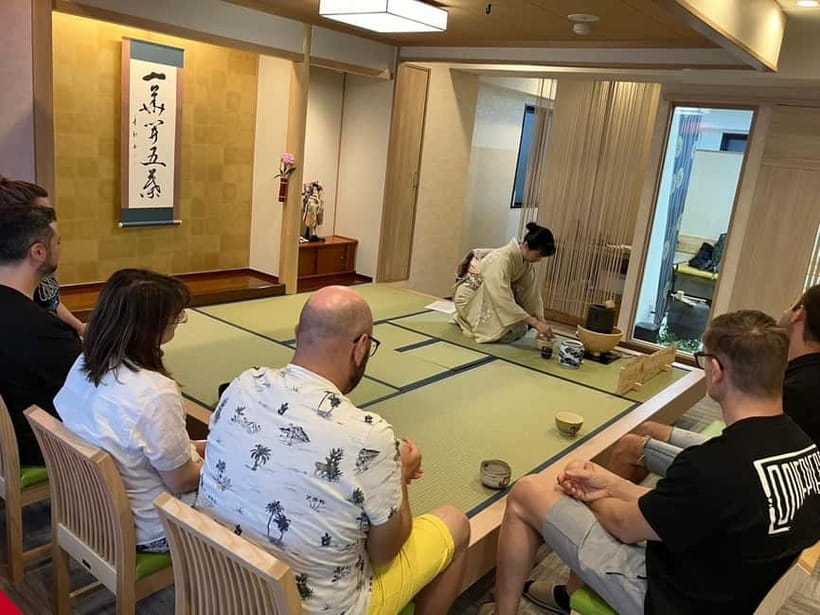
The experience takes place in Wasako, a Japanese-style room inside the Charyo-Ichimatsu restaurant. You are not meeting at a park or outdoor attraction. You are stepping into a carefully arranged interior where the room, furnishings, hanging scrolls, utensils, and serving rituals all help set the tone.
The location is convenient for an Asakusa sightseeing day. From Tawaramachi Station on the Tokyo Metro Ginza Line, use Exit 3 and allow about five minutes on foot. From Asakusa Station on the Toei Asakusa Line, Exit A4, it is about a 10-minute walk.
Give yourself a few extra minutes to find the entrance. Directions can feel a little vague, so look for the green signs marked Tea ceremony experience. The room is on the fifth floor, two doors to the right of the kimono rental area, near a doorway associated with an incense shop. That extra bit of attention matters because arriving flustered is not the best way to begin a quiet ceremony.
You will remove your shoes indoors. If you plan to sit or step on the tatami, bring socks. If you arrive without them, socks are available for 500 yen. This is a small cost, but an easy one to avoid.
More Tea Ceremonies in Tokyo
- Tokyo: Traditional Tea Ceremony with a Tea Master
★ 5.0 · 528 reviews - Tea Ceremony Workshop in Tokyo by the Experienced Instrucor
★ 5.0 · 189 reviews - Tokyo: Asakusa Kimono Dressing and Matcha Experience
★ 4.9 · 173 reviews
Choosing a bowl and Japanese sweet
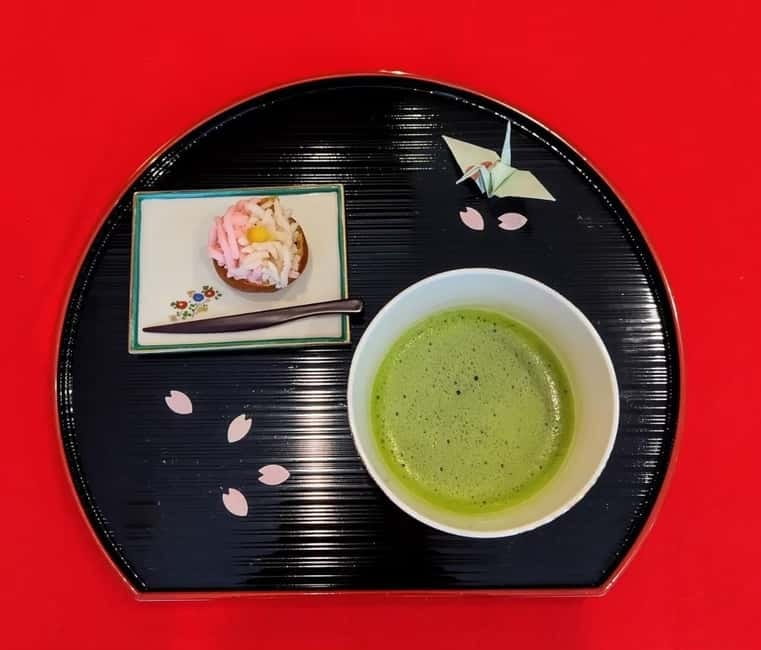
One of the nicest parts of the experience comes before the tea is prepared. You choose the matcha bowl that will be used for your drink and select the tea sweet served alongside it.
The bowl is not just a cup. Its shape, glaze, color, and design are part of the experience, and each bowl is explained individually. That turns a simple choice into a short lesson in the objects used for tea. You are encouraged to look closely rather than treat the bowl as a plain serving dish.
The sweet provides a gentle contrast to matcha’s strong, grassy taste. You enjoy it during the demonstration, before drinking the tea. This order is important because the sweetness helps prepare your palate for the bitter edge of the matcha.
For families and couples, the selection also gives you a small way to personalize the ceremony. You can choose something that appeals to you visually, then keep the memory of that object in your photographs. The activity does not list a large tasting menu, so you should book it for the ceremony and cultural instruction, not for a full food experience.
Watching the ceremony in the Japanese room
Once everyone is settled, Ryouko demonstrates the tea preparation. The movements are deliberate and controlled. You will see the utensils handled in a set order, the matcha measured and whisked, and the finished tea presented with care.
Explanations are given as needed about the hanging scrolls, furnishings, utensils, and customs. The amount of explanation can vary with the group and the questions you ask. One participant found the historical information a little short, while others appreciated the chance to ask questions throughout the session.
That difference is useful to know. This is a hands-on introduction rather than a long lecture on Japanese tea schools. If you want more background, speak up and ask. The hosts are prepared to explain the meaning behind the steps and the tools, and English and Japanese instruction are available.
The setting does much of the teaching. A hanging scroll, the arrangement of objects, and the quiet room show how tea ceremony connects everyday actions with attention and respect. You do not need prior knowledge, special clothing, or experience with matcha. The demonstration gives you a clear model to follow.
Making your own matcha
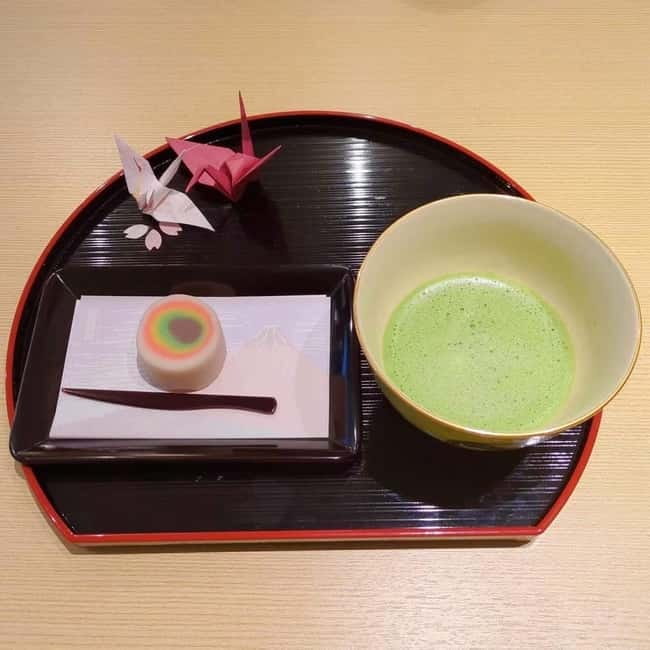
The second half shifts from watching to doing. You learn how to prepare matcha, then have the chance to whisk your own bowl.
This is where the experience earns its place on a Tokyo itinerary. A formal demonstration can be beautiful, but making the tea gives you a better sense of the skill involved. You are not simply handed a drink. You take part in the process and learn the basic movements under guidance.
Do not worry about getting every motion perfect. The point is to understand the care behind the preparation and to experience the tea in a traditional setting. Ryouko’s calm instruction is well suited to first-time participants, including families with older children and adults who are curious but unfamiliar with Japanese etiquette.
The activity is not suitable for children under six. That age limit makes sense because the ceremony requires quiet attention, careful handling of bowls, and sitting indoors without shoes. Older children and teenagers can find the hands-on part especially appealing. One family with a teenage daughter and two sons in their 20s found the activity worked well for all of them.
Same base, a completely different sort of day:
- Mt Fuji and Hakone 1-Day Bus Tour Return by Bullet Train
★ 5.0 · 26,383 reviews - 1-Day Tokyo Bus Tour
★ 5.0 · 14,250 reviews - Tokyo: TOKYO SKYTREE® Admission ticket
★ 4.5 · 11,192 reviews - Tokyo: teamLab Planets TOKYO Digital Art Museum Entry Ticket
★ 4.6 · 9,779 reviews
Why the photographs matter here
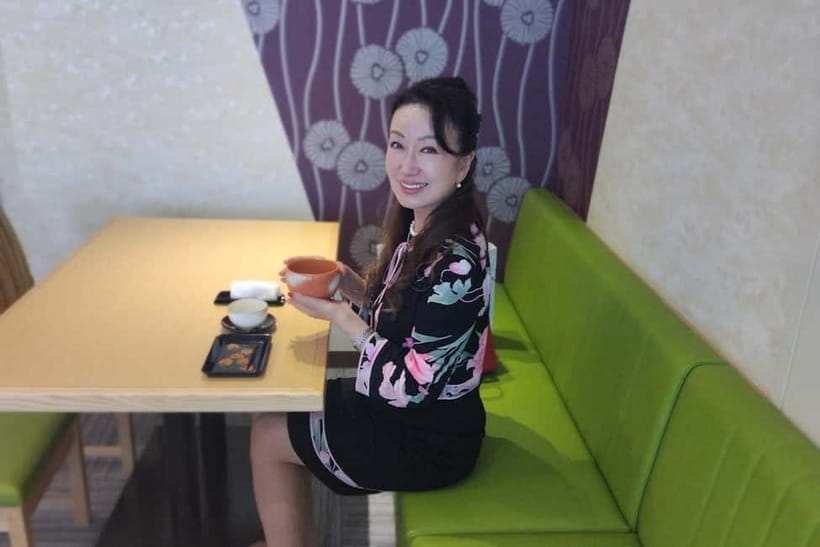
Photography is welcome, and the hosts may also take pictures for you during the ceremony. This is more useful than it sounds. Once you begin whisking tea or handling the bowl, you will not always have a free hand for a camera.
The building, Ichimatsu, is designated as a registered tangible cultural property in Japan. Its traditional design provides several photo-worthy spots, and the Japanese room gives the pictures a stronger sense of place than a standard restaurant interior would.
You can take your own photographs and videos, then ask the staff to capture moments of the ceremony. Ryouko and her assistant have also helped arrange photos for people dressed in kimono. If you want pictures of yourself preparing matcha, tell the host early so the timing is easy.
A kimono option is available through the nearby rental service and has been paired with this tea activity by several participants. It is not included in the listed tea ceremony price, so treat it as an extra arrangement rather than part of the basic booking. Dressing takes additional time and changes the feel of the visit from a short lesson into a larger photo and cultural outing.
Ryouko, Akiko, and the human touch
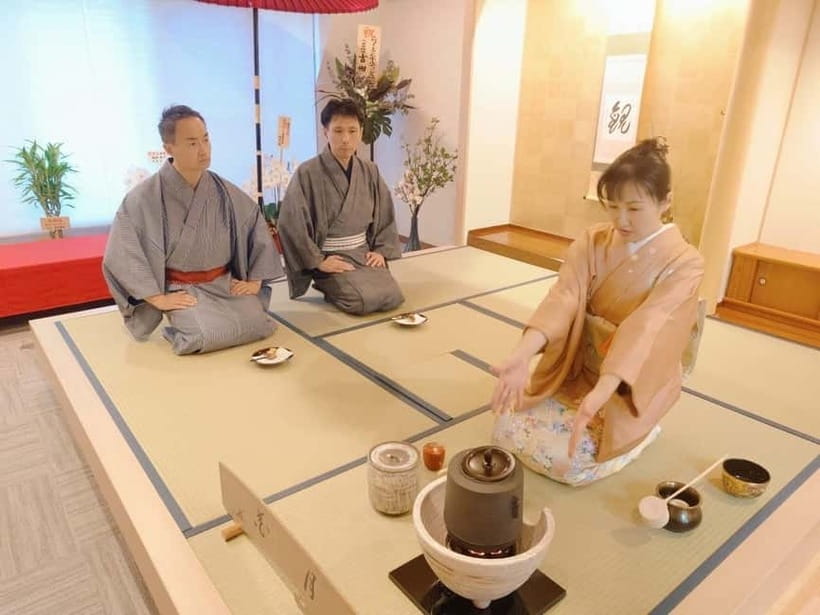
The staff are a major part of the experience. Ryouko is the owner and tea master, and Akiko has assisted with kimono dressing and the ceremony. Their role goes beyond serving tea. They explain the steps, answer questions, help with photos, and make adjustments so first-time participants feel at ease.
That personal care comes through in practical ways. If you choose a kimono, the staff can help with the many layers and fastenings. If you want to record the demonstration, you are encouraged to do so. If you have a question about a utensil or custom, you can ask instead of trying to guess.
Instruction is available in English and Japanese. The experience is still shaped by the individual host and the size of the group, so expect a warm introduction rather than a large, scripted presentation. With seven people or fewer, the room should allow for a more direct exchange than a big cultural show.
Some bookings have had only one participant. That can create an especially calm session with plenty of attention, though you should not assume you will have a private ceremony unless your booking confirms it.
How long the visit really takes
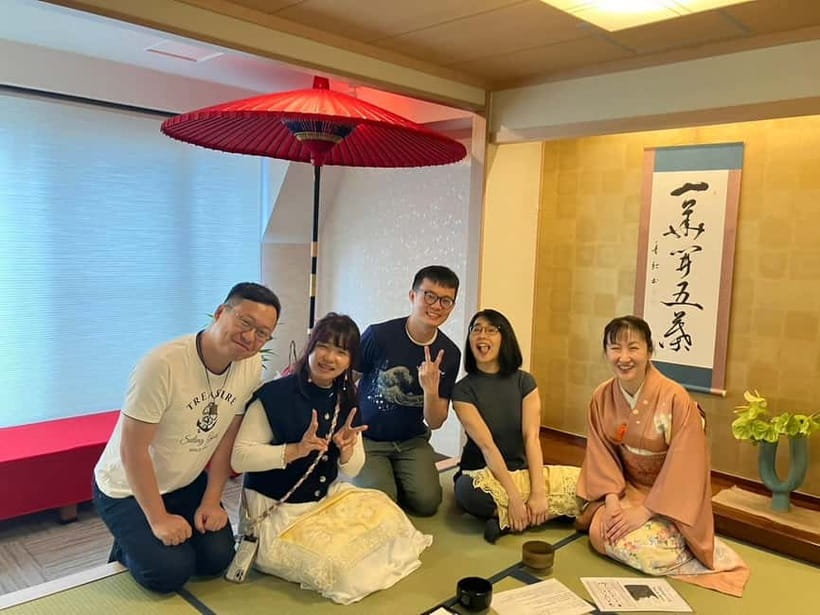
The experience title refers to 60 minutes, while the stated duration range is 45 minutes to four hours. The main tea activity itself appears to be a short session, not a half-day program. One booking finished after roughly 40 minutes, including an early arrival.
That timing can be a benefit if you are building a busy Tokyo day. You can fit the ceremony between visits to Senso-ji, Nakamise-dori, the Sumida River area, or other Asakusa sights. It also works well when you want a calm pause without giving up half a day.
The shorter length is the main value question. At $45 per person, you are paying for instruction, tea sweets, matcha, use of the traditional room, and the chance to make your own tea. You are also paying for the staff’s attention and the setting, not just for a drink.
I think the price is reasonable for someone who wants a focused cultural activity with photographs and personal instruction. It is less convincing if you expect a long formal ceremony, an extended history lesson, or several kinds of tea. Check the available start time and expected duration before booking, especially if the exact length matters to you.
There are four listed start times: 10:00, 11:30, 13:30, and 15:00. Availability can vary, so check the calendar when selecting your date.
Who will get the most from this experience
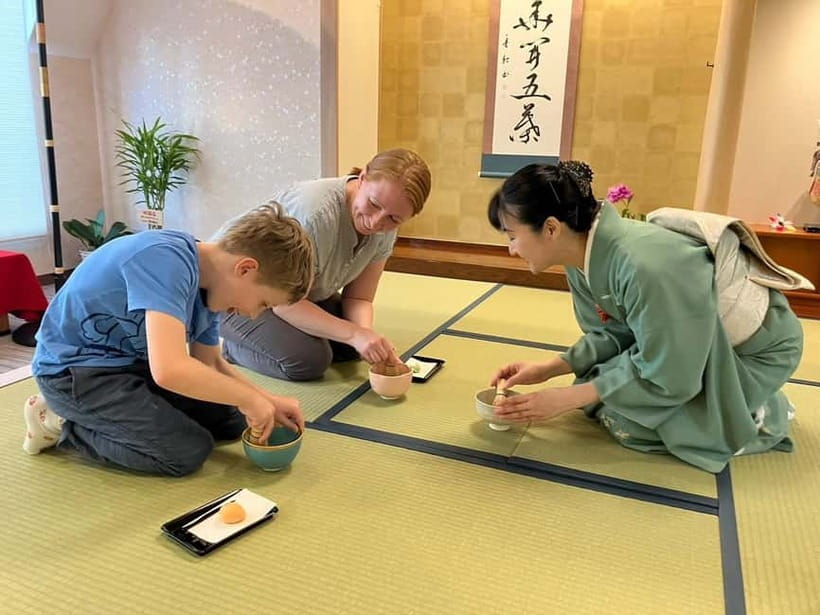
This is a strong choice for a first introduction to matcha and tea ceremony. You receive enough explanation to understand the basic customs, but you also get to participate rather than sit silently for the entire visit.
I would recommend it especially to:
- Couples wanting a traditional setting and photographs
- Families with children aged six and older
- Solo visitors who enjoy small-group instruction
- Anyone interested in Japanese utensils, room design, and etiquette
- People who want to combine tea with an optional kimono rental
- Visitors with a free hour near Asakusa or Tawaramachi
It may not suit you if you have difficulty sitting on a tatami room floor or need wheelchair access. The activity is not suitable for wheelchair users, and shoes are not allowed indoors. Bring socks, wear clothing that is comfortable for sitting, and do not schedule it so tightly that a small delay will cause trouble.
Making the booking fit your day
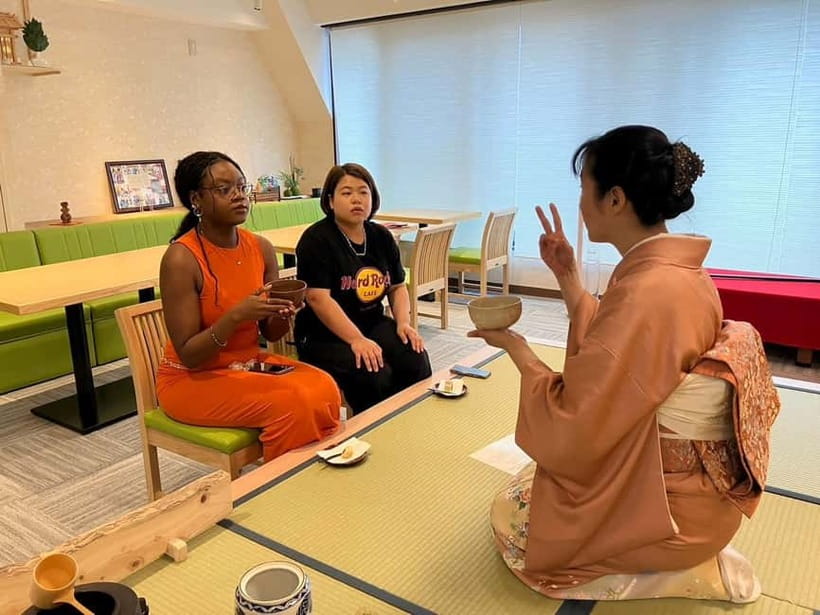
The location makes this easy to pair with Asakusa sightseeing. A morning start can lead into temple visits and lunch. An afternoon session works as a quiet break after walking through the older streets around Asakusa.
The four start times also help spread bookings through the day, but you should not assume every time will be open. The group limit is seven, so reserving ahead is sensible during busy periods. The reserve-now, pay-later option lets you hold a place without paying on the day of booking.
Cancellation terms need attention. You can cancel up to 24 hours in advance for a full refund. A cancellation made the day before carries a 50 percent fee, while a same-day cancellation carries a 100 percent fee. These rules are stricter close to the appointment, so confirm your Tokyo schedule before the final day.
FAQ
Where does the tea ceremony take place?
It takes place in the Japanese-style room of Wasako, located inside the Charyo-Ichimatsu restaurant in Tokyo.
How do I reach Wasako by train?
It is about a five-minute walk from Tawaramachi Station Exit 3 on the Tokyo Metro Ginza Line. It is about a 10-minute walk from Asakusa Station Exit A4 on the Toei Asakusa Line.
What start times are available?
The listed start times are 10:00, 11:30, 13:30, and 15:00. Check availability for the date you want.
How long does the experience last?
The activity is described as lasting 45 minutes to four hours, while the experience title refers to 60 minutes. The tea session itself is a short activity, and one booking lasted about 40 minutes.
Is the activity offered in English?
Yes. Instruction is available in English and Japanese.
How many people can join?
The group is limited to seven participants.
Do I need to bring anything?
Bring socks if you plan to step onto the tatami. Shoes are not allowed indoors. If you do not bring socks, they can be purchased for 500 yen.
Can I take photographs or videos?
Yes. Photography and video are allowed, and the staff may also take photographs for you during the ceremony.
Is a kimono included?
A kimono rental can be arranged as an additional option, but it is not included among the listed tea ceremony inclusions.
Is the activity suitable for young children or wheelchair users?
The activity is not suitable for children under six or for wheelchair users.
Should you book the Wasako tea ceremony?
Book it if you want a friendly, compact introduction to Japanese tea culture with real participation. Choosing the bowl and sweet, watching Ryouko’s demonstration, making your own matcha, and taking photographs in a historic Japanese room create a well-rounded hour.
I would be less quick to book it if your main goal is a lengthy formal ceremony or a detailed academic history of tea. In that case, the short format and variable timing may leave you wanting more.
For most visitors near Asakusa, the experience offers a pleasant change of pace and a useful cultural lesson. Bring socks, allow time to find the fifth-floor entrance, ask questions, and consider the kimono option if photographs are important to you. At $45, it is best understood as a personal cultural workshop in a beautiful room, not simply a cup of tea.
Just added around Tokyo
- Private Arrival Transfer : Narita International Airport to Central Tokyo City★ 4.5 · 12 reviews
- Narita Airport(NRT): Private Transfer to Tokyo/Yokohama 1-9pax★ 5.0 · 47 reviews
- Private Transfer from Narita Airport to Yokohama Port and City★ 4.5 · 17 reviews
- [Narita Airport Terminals 1, 2] 40-60km Sawara Itako Historic Bike Tour★ 5.0 · 13 reviews
- 3 Day Japan Highlights Tour: Tokyo, Mt.Fuji, Nara, Kyoto, Osaka★ 5.0 · 22 reviews
- Small Town in the Big City: Tasting Tokyo’s Kichijoji★ 5.0 · 195 reviews
- Small Town in the Big City: Tasting Tokyo’s Kichijoji★ 5.0 · 16 reviews
- The 10 Tastings of Tokyo With Locals: Private Street Food Tour★ 5.0 · 48 reviews
Tokyo Tours, compared.

Mt Fuji and Hakone 1-Day Bus Tour Return by Bullet Train
Read our review →

teamLab Planets TOKYO Digital Art Museum Entry Ticket
Read our review →
Mt Fuji & Hakone Cruise, Drum Show Bullet Train 1 Day from Tokyo
Read our review →
Sumo Show Experience with Chicken Hot Pot and a Photo
Read our review →
Shinjuku Food Tour (13 Dishes at 4 Local Eateries)
Read our review →
Tokyo Mt Fuji 5th St & Hakone Cruise Bus Tour w/Bullet Train
Read our review →
Flagship 2-Hours Official Street Go-Kart Tour – Tokyo Bay Shop
Read our review →Browse the lists this tour appears in