
Reviewed · KYOTO TOURS
Tea Ceremony Experience in Traditional Kyoto Townhouse
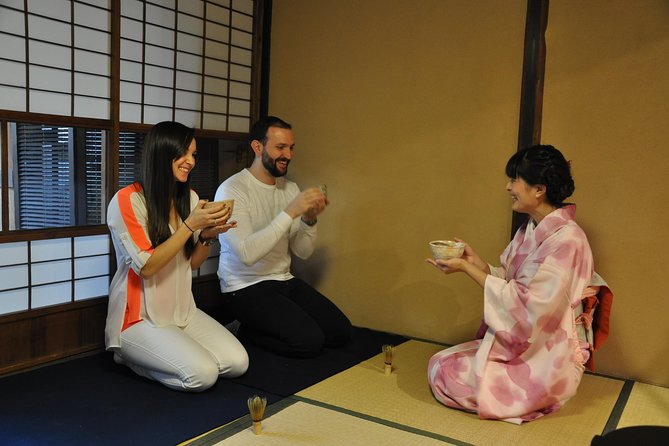
Kyoto’s tea culture feels much more real when you practice it inside an 80-year-old machiya, not in a modern classroom. This one-hour visit at Ami Kyoto combines a demonstration, a hands-on matcha lesson, and a bowl of tea with sweets from a famous Kyoto confectionary.
I like two things in particular: the group is limited to six people, so the instruction can feel personal, and the tea comes from an organic farm rather than being treated as a generic green-tea sample. The clear explanations and careful demonstration also suit parents, first-time visitors, and anyone curious about the ritual’s links to monks and samurais.
The main consideration is time. One hour gives you a focused introduction, but not a long study of Japanese tea culture. The townhouse setting is the real draw, so allow extra time to find the meeting point at 605 Nishidacho and enjoy the atmosphere before rushing off.
Key points to know before booking
- An 80-year-old machiya: You visit one of Kyoto’s remaining wooden townhouses, a rare setting for a short cultural activity.
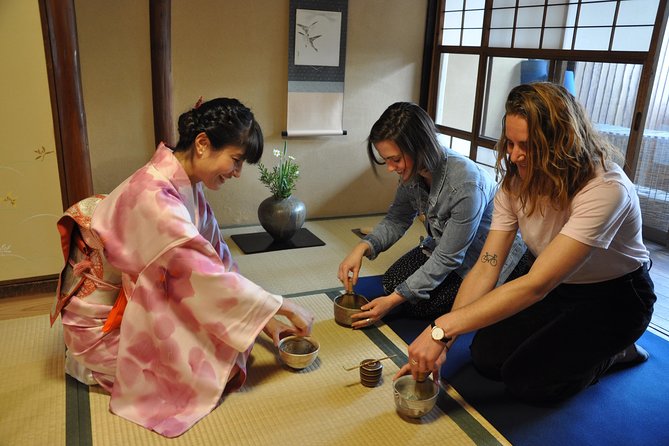
- You make your own matcha: This is not only a demonstration. You prepare a bowl yourself under guidance.
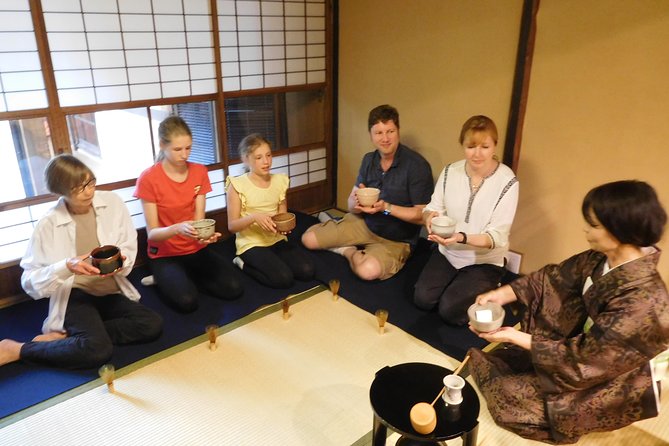
- A small maximum group of six: The format allows for direct explanations and personalized demonstrations.
- Organic-farm matcha and Kyoto sweets: Your included refreshment is more thoughtful than a basic cup of tea.
- One focused hour: It fits neatly into a busy Kyoto day, though the lesson stays introductory.
- A strong choice for families: Clear, simple explanations and hands-on preparation make the ritual easier to follow.
Entering Ami Kyoto’s 80-year-old machiya
The experience takes place at Ami Kyoto, at 605 Nishidacho in Kyoto’s Shimogyo Ward. The setting is a traditional machiya, the narrow wooden townhouse once common across Kyoto. This building is about 80 years old, giving your tea lesson a sense of place that a hotel lounge or purpose-built activity room cannot match.
I like the way the building shapes the visit. You are not simply learning how to whisk powdered tea. You are doing it inside a form of Kyoto architecture that has become far less common. Even if the tea ceremony is your main goal, the townhouse adds a useful piece of local context.
The activity begins and ends at the same meeting point. Hotel pickup and drop-off are not included, so you need to make your own way there. The address is near public transportation, which makes it practical to combine with other stops in central Kyoto, but you should still allow a little time to locate the entrance.
The group maximum is six people. That matters here. Tea preparation involves small movements, close attention, and questions that can be easy to lose in a large class. With six or fewer, you have a better chance to see the demonstration clearly and receive help when it is your turn.
More Tea Ceremonies in Kyoto
- Kyoto: Tea Ceremony in a Traditional Tea House in Kiyomizu
★ 4.9 · 3,519 reviews - Kyoto: Tea Ceremony Ju-An at Jotokuji Temple
★ 4.9 · 3,207 reviews - Kyoto: 45-Minute Tea Ceremony Lesson Experience
★ 4.3 · 2,378 reviews
A short lesson on matcha and ceremony
The host begins by explaining the place of tea in Japanese culture. You learn about the ritual’s lesser-known connection with monks and samurais, which helps explain why tea ceremony is about more than drinking a warm beverage.
The lesson is designed for people who may know very little about matcha. Explanations are described as clear and simple, and the demonstration is thorough. That combination is useful because tea ceremony includes details of preparation and presentation that may seem mysterious if you only watch from a distance.
You are introduced to the basics of making a good bowl of matcha. The focus is practical: how to prepare the tea, how to handle the tools, and how to produce a pleasing cup. The host also gives personalized demonstrations, so the session is not limited to one fixed performance for the whole group.
Kimi is the name attached to the provider’s responses, and the replies use a warm, attentive tone. The experience is presented as professional without being stiff. That balance matters in a ceremony that can otherwise feel intimidating to first-time participants.
You should not expect a full training course in tea ceremony etiquette. The one-hour format is an introduction, with enough background to make the ritual meaningful and enough practice to let you take part.
Making a bowl of organic matcha yourself
The hands-on portion is the heart of the activity. After watching the preparation, you get the chance to make your own tea. This changes the experience from a performance into something you actively take part in.
Matcha is powdered tea, so preparation is different from steeping loose leaves in a pot. The texture, amount of water, and whisking all affect the final bowl. You do not need previous experience. The point is to follow the demonstration and learn through doing.
I especially like that the matcha comes from an organic farm. The description does not provide the farm’s name, so you should not book this expecting a detailed farm-to-cup presentation. Still, the choice gives the tasting a more considered feel than an anonymous green-tea drink.
The preparation can also be enjoyable for families. One parent and child can watch together, or several family members can take turns making tea. A pair of parents who attended found the explanations easy to follow and the preparation fun, which suggests the activity works well for mixed ages and different levels of interest.
The small group helps here too. If your whisking needs a little correction, the host can give direct help. You can also ask about a step that you did not understand during the first demonstration.
Japanese sweets make the tea easier to appreciate
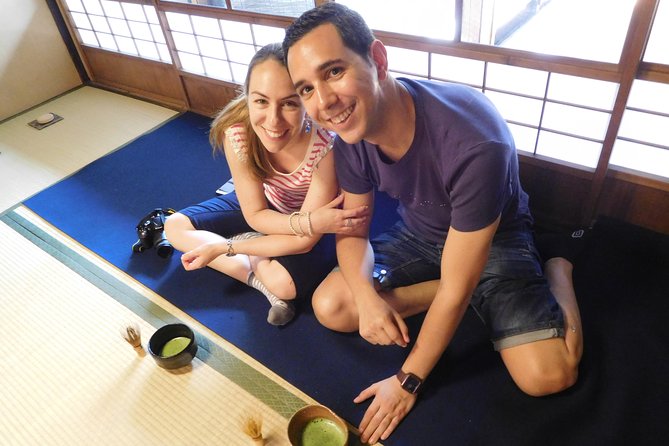
A bowl of matcha and Japanese sweets are included in the price. The sweets come from a famous Kyoto confectionary, adding a local food element to the ceremony.
The sweet is not just an extra snack. Japanese sweets are often served with matcha because their sweetness balances the tea’s bitter, grassy taste. For someone trying matcha for the first time, this pairing makes the drink more approachable.
The available information does not specify the exact sweet served, so you should not expect a particular type or flavor. If you have dietary concerns, ask the provider before booking, since no ingredient or allergy information is provided.
I see the tea and sweets as a good use of the short schedule. You get a chance to taste the result of your preparation rather than ending as soon as the whisking is finished. It also gives the group a natural pause after the instruction.
Same base, a completely different sort of day:
- PERFECT KYOTO 1-Day Bus Tour
★ 5.0 · 13,518 reviews - Kyoto: Fushimi Inari, Kinkakuji, Bamboo Grove 1 Day Bus Tour
★ 4.8 · 4,316 reviews - Kyoto Geisha Walking Tour: Gion District & Hidden Gems
★ 4.7 · 3,273 reviews - Kyoto: Gion Magical Night Walking Tour with Geisha Trivia
★ 4.9 · 2,393 reviews
Why the townhouse setting adds real value
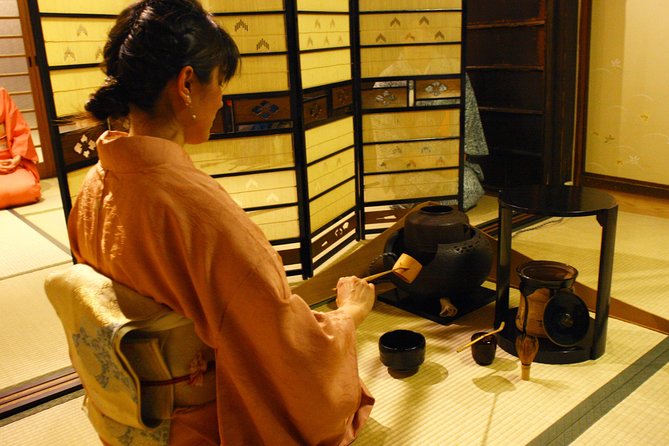
Kyoto has plenty of cultural activities, but the room in which you learn can matter as much as the lesson itself. A machiya offers a direct connection to the city’s older domestic architecture.
These wooden townhouses were once a common part of Kyoto’s streets. The building used by Ami Kyoto is about 80 years old, and the activity gives you access to an interior you would not normally see while walking through the city.
I would choose this experience for the setting as much as for the matcha. If you have already visited several temples and shrines, the townhouse provides a different view of Kyoto. It is domestic, compact, and tied to everyday urban life rather than monumental religious architecture.
The setting also makes the visit feel quieter and more personal. This is not described as a large public ceremony with a crowd watching from rows of seats. The maximum of six keeps the focus on the room, the tea, and the people taking part.
One caution: the information does not describe every architectural feature of the machiya. Do not book this expecting a detailed house tour. The townhouse is the setting for the tea lesson, not a separate sightseeing stop with a long architectural presentation.
How the one-hour schedule works for your day
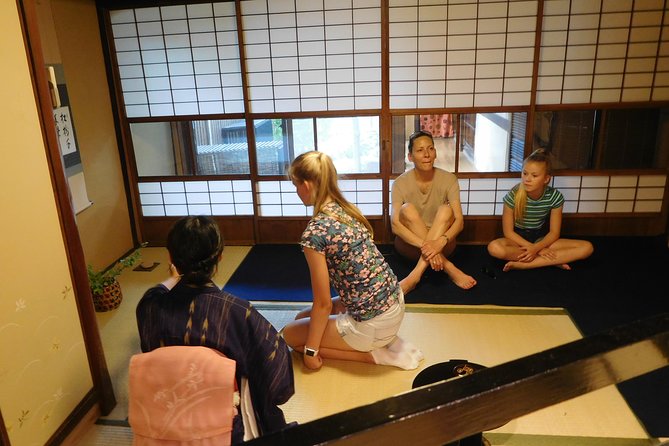
The activity lasts about one hour, and it returns to the meeting point. That makes it easy to place between other Kyoto plans.
A morning booking could fit before lunch and further sightseeing. An afternoon session could provide a calm break after walking through central Kyoto. Since the activity does not include hotel transportation, you should plan your route before leaving your hotel and allow time for local transit and finding 605 Nishidacho.
The short duration is both a strength and a limit. I like it for a first introduction because you can learn the basics without giving up half a day. It is also useful if your itinerary includes temples, gardens, shopping, or a separate food activity.
On the other hand, you will not cover every part of tea ceremony in one hour. The history is presented as background, not as a long lecture. The preparation lesson is practical rather than advanced. If you want formal etiquette training or an extended ceremonial performance, this may feel too brief.
The small group helps the hour feel worthwhile. With no more than six people, less time is lost to crowd management, and more of the session can be spent watching, preparing, and asking questions.
Who will enjoy this Kyoto tea activity most
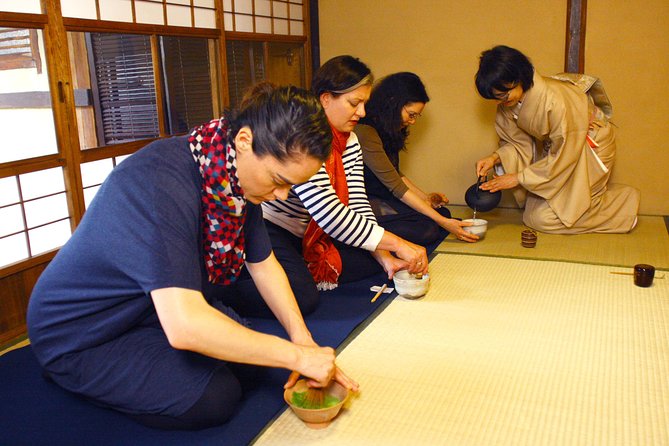
I would recommend this to anyone who wants a cultural activity with direct participation. You do not merely sit and watch. You learn how to prepare matcha and then drink what you have made.
It is especially well suited to:
- First-time visitors who want a simple introduction to Japanese tea culture
- Matcha fans interested in improving their preparation technique
- Families looking for an activity parents and children can share
- Couples who prefer a quiet indoor stop to another major sightseeing site
- Visitors who value traditional architecture and small-group instruction
- Anyone with a spare hour near central Kyoto
The experience also suits people who may feel unsure about formal tea ceremony. The explanations are described as clear and simple, and the practical lesson gives you something concrete to focus on.
I would be more cautious about booking it if your main aim is a long, highly formal ceremony. The emphasis here is on learning, preparation, and participation. It is a compact workshop with a ceremony element, not an all-day cultural course.
Is $27.59 a fair price?
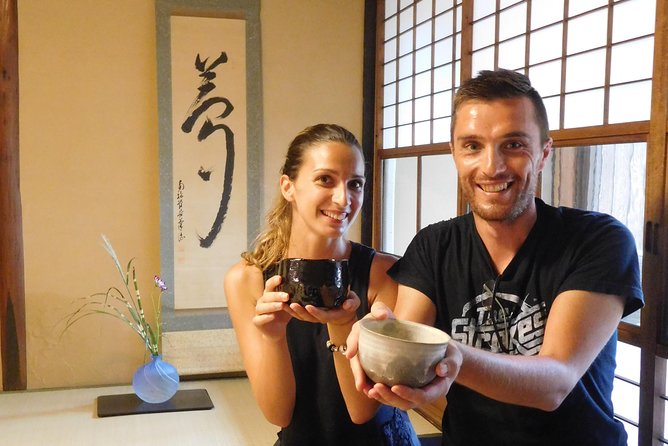
At $27.59 per person, the value comes from the combination of four elements: access to an old machiya, instruction, hands-on matcha preparation, and included tea with Japanese sweets.
You are not paying only for a drink. You are paying for a guided activity in a private-feeling historic setting, with a group capped at six. That is a reasonable price for visitors who want more context than they would get from ordering matcha at a café.
The value is strongest if you would otherwise spend money on a tea tasting or a short cultural class. You get both explanation and practice, plus the setting. It is less compelling if you only want to sample matcha, since Kyoto cafés can provide a simpler drink at a lower cost.
The average booking lead time is 19 days. That suggests you should reserve ahead if your dates are fixed, especially since availability must be confirmed within 48 hours of booking. The activity offers free cancellation up to 24 hours before the start time. Cancellations or changes made less than 24 hours ahead are not accepted for a refund.
Practical details before you reserve
Your mobile ticket is convenient, but you still need to reach the meeting point yourself. The start and end location is 605 Nishidacho, Shimogyo Ward, Kyoto, postal code 600-8397.
The activity is near public transportation. Hotel pickup and drop-off are not included. The full visit lasts about one hour, and the group can have no more than six people.
Most people can take part, according to the provided participation information. No special ability requirements are listed. Since the activity involves traditional tea preparation, you may want to ask ahead about any personal mobility or dietary concerns that are not covered in the details.
The included items are one bowl of matcha and Japanese sweets. Nothing indicates that transportation, hotel service, or additional food is part of the price.
Should you book the Ami Kyoto tea ceremony?
Book this if you want a short, friendly introduction to matcha that lets you make the tea yourself. The small group and townhouse setting give it more character than a basic tasting, while the clear explanations make it approachable for people with no background in Japanese tea.
I also like it for families and first-time Kyoto visitors. The lesson has enough cultural context to explain why the ceremony matters, but it does not require you to commit half a day.
Skip it if you want a long, formal ceremony or a detailed architectural tour of the machiya. For everyone else, $27.59 is a fair price for an hour of instruction, organic-farm matcha, Kyoto sweets, and access to a traditional wooden home. Reserve ahead if your schedule is tight, then arrive ready to whisk, taste, and pay attention to the small details.
FAQ
Where does the tea ceremony take place?
It takes place at Ami Kyoto, located at 605 Nishidacho, Shimogyo Ward, Kyoto, 600-8397, Japan.
How long does the experience last?
The activity lasts approximately one hour.
What is included in the price?
The price includes one bowl of matcha green tea and Japanese sweets.
Is hotel pickup included?
No. Hotel pickup and drop-off are not included. You must reach the meeting point on your own.
Where does the activity end?
The experience ends back at the same meeting point where it begins.
How many people can join the activity?
The group has a maximum of six people.
Is the activity suitable for most people?
The participation information says most people can take part. No additional restrictions are listed.
Is the ticket available on a mobile device?
Yes. The experience includes a mobile ticket.
Can I cancel for a refund?
Yes. You can cancel at least 24 hours before the start time for a full refund. Cancellations or changes made less than 24 hours before the start time are not accepted, and the amount paid will not be refunded.
Just added around Kyoto
- Kyoto: Zen Meditation at a Private Temple with a Monk★ 5.0 · 25 reviews
- Kyoto: Gion Geisha District & Sake-in-Hand Walking Tour★ 5.0 · 37 reviews
- Private Pewter Sake Cup Experience with a Kyoto Artisan★ 5.0 · 31 reviews
- Your Private Vacation Photography Session In Kyoto★ 5.0 · 110 reviews
- Private Guided Traditional Buddhist Cooking in Japan★ 5.0 · 16 reviews
- Kyoto Wagashi(Japanese sweets) Cooking Class near Fushimiinari★ 5.0 · 60 reviews
- Traditional Japanese Music show & Experience Tour in Kyoto★ 5.0 · 57 reviews
- Kyoto:Family-Friendly Kimono & Yukata Experience at WARGO★ 5.0 · 147 reviews
Kyoto Tours, compared.


Fushimi Inari, Kinkakuji, Bamboo Grove 1 Day Bus Tour
Read our review →
Tea Ceremony in a Traditional Tea House in Kiyomizu
Read our review →
Kyoto Geisha Walking Tour: Gion District & Hidden Gems
Read our review →

Gion Magical Night Walking Tour with Geisha Trivia
Read our review →

Gion Geisha District Walking Tour – Stories of Geisha
Read our review →Browse the lists this tour appears in