
Reviewed · KYOTO TOURS
The Art of Mindful Living: Tea Ceremony in Kyoto
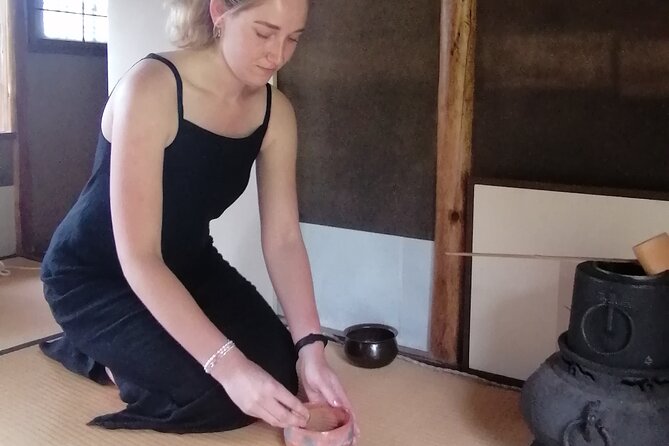
Kyoto’s tea culture feels most meaningful in a real old residence, not a crowded show built for quick photos. At Kaze no Wa, Naomi guides you through the history, manners, and quiet rhythm of tea ceremony, then lets you whisk your own bowl of organic Uji matcha and enjoy a Japanese sweet in a traditional room.
I like two things right away: you get both explanation and participation, and the garden gives you a calm place for photos before or after the ceremony. The one-hour format is easy to fit into a busy Kyoto day, though the location is outside the downtown core and takes extra planning.
- Make your own matcha: Watch Naomi prepare tea, then try whisking it yourself.
- Taste Kyoto ingredients: The experience uses organic Uji matcha from Kyoto and includes one Japanese sweet.
- Enjoy a real old house: The tea room and garden provide a traditional setting away from central Kyoto crowds.
- Choose your sweet: Pick a bean-paste cake or fresh-fruit daifuku, with allergy and vegan accommodations available.
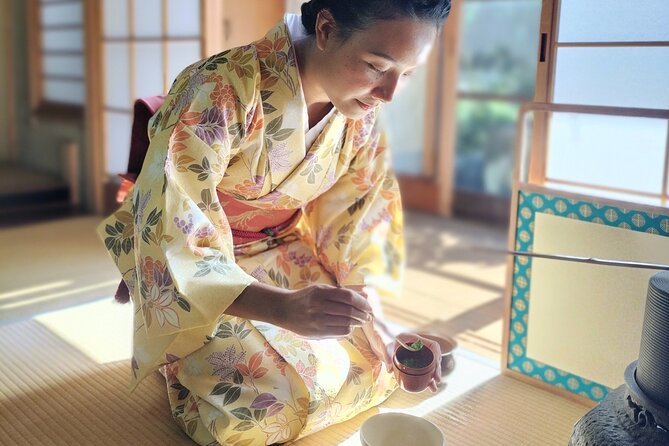
- Add a kimono: Kimono rental costs ¥4,000, with hakama, baby kimono, and undershirt rentals also available.
- Keep it comfortable: Chairs are provided, and children can have cocoa instead of matcha.
A Quiet Tea Ceremony in Kyoto’s Old House Setting
This experience takes place at Kaze no Wa, at 14 Utanokitanoinchō in Kyoto’s Ukyo Ward. The house has a tea room and a garden, giving the hour a sense of place that a hotel meeting room cannot match.
The setting is in the direction of Kinkakuji Temple and Arashiyama, rather than in the thick of downtown. That distance is the main practical weakness. You should allow time to reach the address, and you may find it easiest to pair this with other sightseeing in the northwest part of Kyoto.
I like that the ceremony is not treated as a silent performance with no explanation. Naomi introduces the history of tea ceremony, the effects and qualities associated with matcha, different types of Japanese tea, and the proper way to drink it. That background helps you understand why each movement is slow and deliberate.
The activity lasts about one hour. That is enough time to see a demonstration, taste matcha and sweets, and make tea yourself, but it is not a long formal tea-school lesson. For most people, that balance works well. You get a cultural experience without giving up half a day.
What Naomi Explains Before the Tea
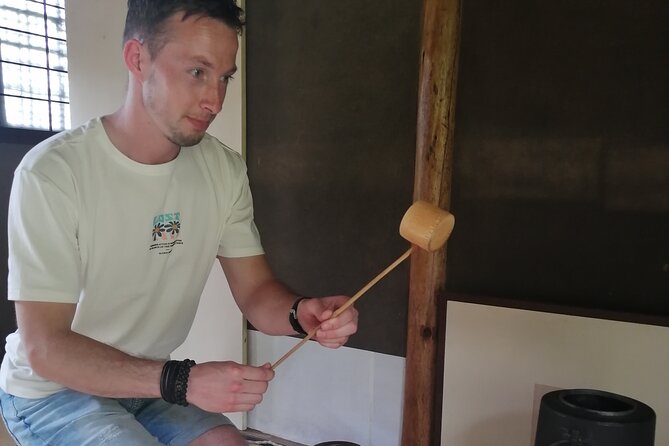
Naomi is the main host, and her clear English and friendly communication are important parts of the experience. She presents tea ceremony as more than a set of rules. The purpose is also attention, calm, and respect for the moment.
You learn how to hold and drink matcha, along with some of the customs that shape the ceremony. This matters because Japanese tea ceremony can seem mysterious if you only watch from the side. A little context turns an unfamiliar bowl, whisk, and sweet into a connected ritual.
The teaching style appears light enough for families and first-time visitors. One family described enjoying the history as much as the hands-on portion, while another found the atmosphere soothing and almost meditative. I would not book this expecting a severe, highly formal training session. I would book it if you want a thoughtful introduction that still feels relaxed.
Naomi may be assisted by her niece, depending on the session. The setting and teaching are especially well suited to small groups, where you can see the preparation and ask questions without competing with a large crowd.
More Tea Ceremonies in Kyoto
- Kyoto: Tea Ceremony in a Traditional Tea House in Kiyomizu
★ 4.9 · 3,519 reviews - Kyoto: Tea Ceremony Ju-An at Jotokuji Temple
★ 4.9 · 3,207 reviews - Kyoto: 45-Minute Tea Ceremony Lesson Experience
★ 4.3 · 2,378 reviews
Watching the Ceremony and Tasting Uji Matcha
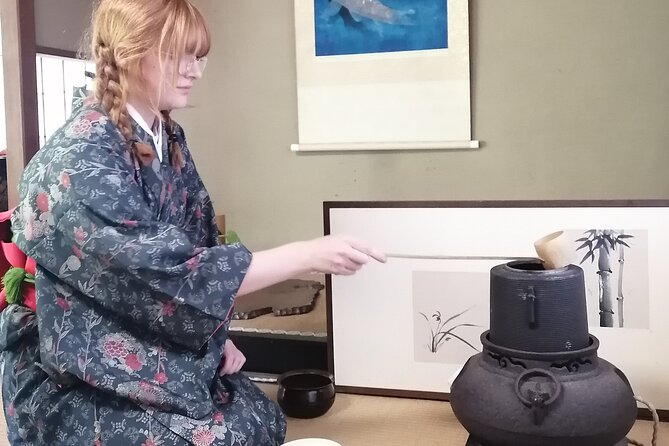
After the introduction, Naomi performs the tea ceremony while you watch. You receive matcha and one Japanese sweet during the experience, so the demonstration is paired with actual tasting rather than observation alone.
The matcha is organic Uji matcha made in Kyoto. Uji is closely linked with Japanese tea production, and using tea from the region makes the tasting feel tied to Kyoto rather than generic. The description also notes that this is not a famous brand, so the value here is the ingredient and setting, not a luxury label.
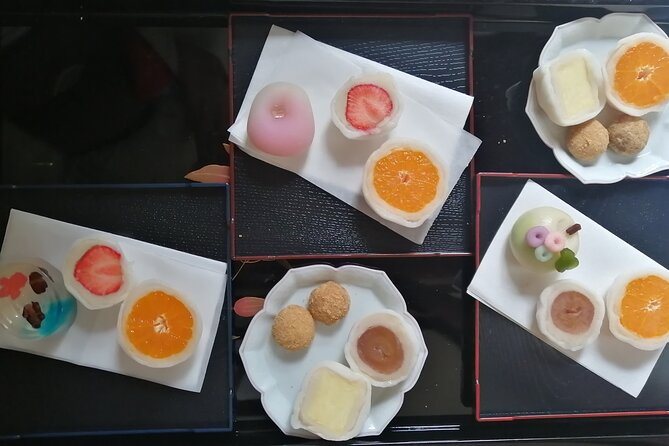
Matcha has a grassy, savory taste that can surprise anyone used to ordinary tea. The sweet helps balance it. You can select a traditional bean-paste cake or fresh-fruit daifuku. The fruit daifuku brings a softer, fresher contrast, while the bean-paste option follows the classic pairing more closely.
One sweet is included. If you want to try both choices, the extra cost is ¥500 per person. That is a useful detail for couples or families who want to compare, but the included serving is enough to complete the basic experience.
Food needs are handled with advance care. Allergy and vegan options are available, so you should provide those details when arranging the session. Children do not have to drink matcha. Cocoa can be served instead, which makes the activity more approachable for younger members of a family.
Alcoholic drinks are not included, though that is hardly a surprise for a tea ceremony. The focus stays on matcha, sweets, and the ceremony itself.
Making Your Own Bowl of Matcha
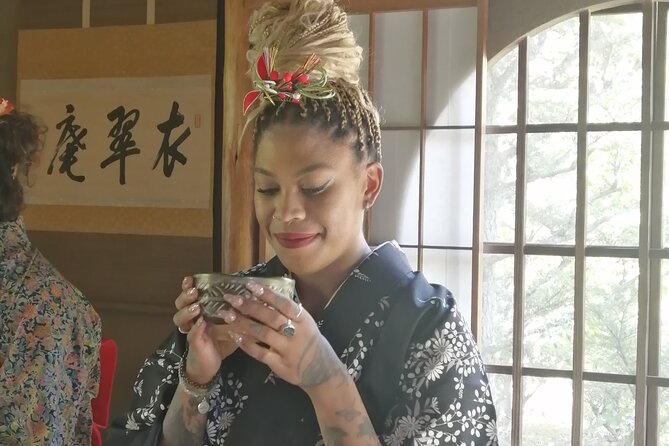
The best part for many people is the hands-on preparation. After watching Naomi, you get to make matcha yourself with the traditional whisk.
This is not just a photo opportunity. You feel how much movement goes into producing the tea’s foam and texture, and you gain a better sense of the care behind the ceremony. Your bowl may not look perfect on the first attempt, which is part of the fun. Naomi can guide you through the process so the activity remains welcoming rather than intimidating.
I like this structure because it gives you a simple souvenir that costs nothing extra: you leave knowing how matcha is prepared and how to repeat the basic method at home. The experience also works well for families because each person can take part rather than sitting quietly through a full demonstration.
The session is limited to six people for a standard group. Larger groups can sometimes be accommodated, but you should arrange that before booking rather than assume it will happen on arrival. A private session is also possible if you contact the provider before booking.
A private tea ceremony can be worth considering for a family, couple, or small group that wants a slower pace or more personal instruction. Be clear about the price and any upgrade before agreeing to it. An earlier visitor had confusion about additional charges, so written confirmation is a sensible step.
The Garden, Photos, and Traditional Dress
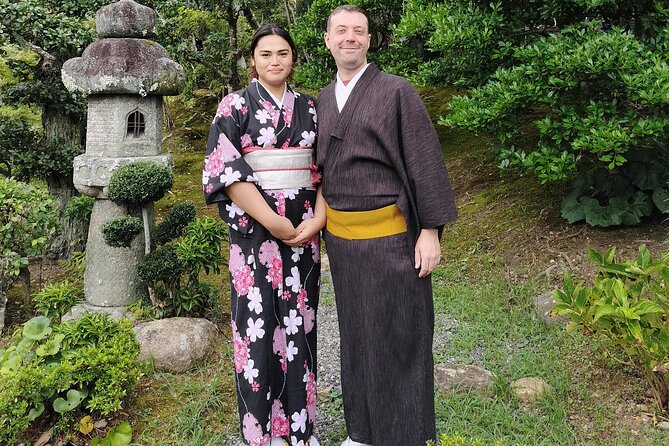
The garden behind the house adds another reason to make the trip. It provides a peaceful outdoor setting for photos and gives you time to enjoy the old residence beyond the tea room.
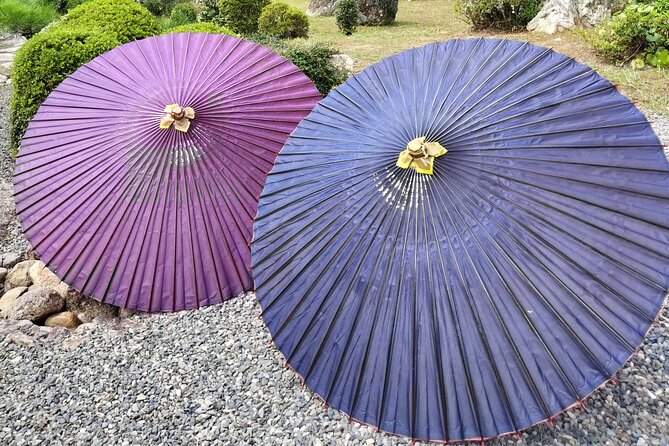
You can take photos during the ceremony and in the garden before it begins. In rainy weather, photos may be taken while holding a traditional umbrella. You cannot wear a kimono outdoors in the rain without an umbrella, so weather can affect the picture-taking portion even if the ceremony still goes ahead.
For an additional ¥4,000, you can rent a kimono to wear during the tea ceremony. This is a good choice if traditional clothing is a major part of your Kyoto plans and you want the setting to match. It also adds time, since putting on a kimono takes longer than simply arriving and sitting down.
A hakama rental costs ¥8,000. A baby romper-style kimono costs ¥600, and an undershirt rental costs ¥200. Hair styling and makeup are not provided, but hair accessories are available for people using the kimono rental.
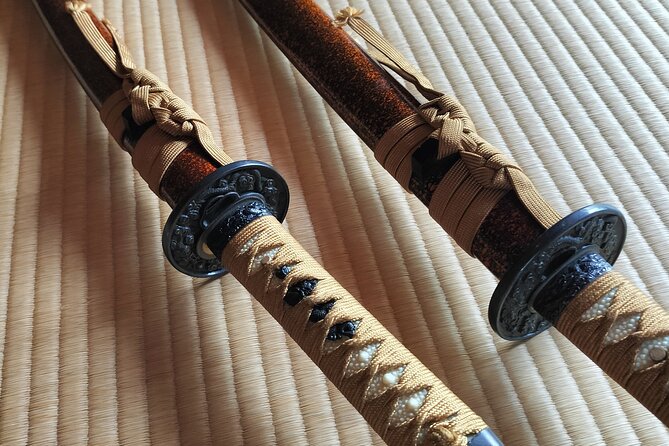
The private-session photo option includes a traditional Japanese umbrella and an imitation sword for pictures only. These props are clearly meant for photographs, not for use during the ceremony. If you want a polished portrait session, remember that no hair or makeup service is included.
Chairs are provided, which is a small but important comfort. Traditional tea rooms may suggest floor seating, yet sitting on the floor can be hard for some people. The chairs make this experience easier for older family members and anyone with limited mobility, though the house itself may still require some care with movement.
Same base, a completely different sort of day:
- PERFECT KYOTO 1-Day Bus Tour
★ 5.0 · 13,518 reviews - Kyoto: Fushimi Inari, Kinkakuji, Bamboo Grove 1 Day Bus Tour
★ 4.8 · 4,316 reviews - Kyoto Geisha Walking Tour: Gion District & Hidden Gems
★ 4.7 · 3,273 reviews - Kyoto: Gion Magical Night Walking Tour with Geisha Trivia
★ 4.9 · 2,393 reviews
Price, Group Size, and Overall Value
At $44.42 per person, the basic experience offers a good amount for a one-hour activity. You receive instruction, a tea ceremony, organic Kyoto matcha, a Japanese sweet, and the chance to prepare your own tea. The garden and old house also provide a setting that adds real value.
The price makes the most sense if you want cultural context rather than only a cup of matcha. Kyoto has plenty of places to drink green tea for less money. Here, you are paying for Naomi’s teaching, the ceremony, the residence, the garden, and the guided hands-on practice.
The standard group maximum is six people. That is small enough to keep the demonstration visible and the room reasonably calm. A larger group may be possible, but the standard format is better for anyone who values personal attention.
Kimono rental changes the total cost. Add ¥4,000 for a kimono, ¥8,000 for hakama, or the smaller listed fees for children’s and undershirt rentals. I would treat the clothing as an optional photo and atmosphere upgrade, not as part of the core value of the tea lesson.
The activity is booked about 13 days ahead on average. That suggests you should not leave it until the final morning of your Kyoto stay, especially if you want a private session or kimono rental. Confirmation arrives within 48 hours, subject to availability.
Getting to Utanokitanoinchō
The meeting point is Kaze no Wa, 14 Utanokitanoinchō, Ukyo Ward, Kyoto, 616-8201. The activity ends at the same place.
The address is near public transportation, but it is not close to Kyoto’s main downtown sights. You should check the route carefully and build in extra time. The location works well on a day that includes Kinkakuji or sightseeing toward Arashiyama. It is less convenient if you are trying to squeeze the ceremony between central Kyoto appointments.
This is one of those activities where the setting is part of the appeal, but the setting also creates the main inconvenience. The quiet garden and old residence are possible partly because the venue is away from the busiest streets. I would plan the tea ceremony as an intentional stop rather than a quick detour.
A stroller can enter the property but cannot be taken inside the building. Families with young children should be ready to leave it outside the interior rooms. The cocoa option and baby kimono rental make the experience family-friendly, but the one-hour ceremony still requires children to stay engaged in a calm setting.
The ticket is mobile, which keeps arrival simple. You should still confirm the meeting details and any food or clothing requests ahead of time.
Who Will Enjoy This Experience Most
I would recommend this tea ceremony to first-time visitors who want a clear introduction to Japanese tea culture without committing to a lengthy formal program. It is also a strong fit for families, since children can drink cocoa and each person gets a chance to make tea.
Couples may like the garden and optional kimono rental, especially if photos are a major part of the day. Small groups of friends should also find the six-person limit comfortable.
This is less suitable for someone who wants a downtown activity with no transport planning. It is also not the right choice if you are looking for an advanced tea-school lesson, a full beauty service, or a long ceremonial performance.
The tone is warm and personal. Naomi’s explanations cover serious cultural ideas, but the experience is designed to be enjoyable and accessible. Several of the host’s own responses make clear that she wants people to understand tea ceremony while also creating a pleasant memory of Kyoto. That balance is the main strength.
Booking, Weather, and Cancellation Details
You can cancel for a full refund up to 24 hours before the local start time. Changes or cancellations inside that 24-hour window are not accepted for a refund.
The experience requires good weather. If poor weather causes cancellation, you receive the choice of another date or a full refund. A minimum number of people is also required, and if that minimum is not met, you are offered another date or experience, or a full refund.
Because confirmation is subject to availability, I would avoid booking this for the only hour you have available in Kyoto. Give yourself flexibility, particularly if your schedule depends on outdoor garden photos or a kimono rental.
Should You Book This Kyoto Tea Ceremony?
Book it if you want a personal, hands-on cultural lesson in a traditional home, with good matcha, a sweet, and a garden rather than a quick drink at a café. Naomi’s clear English, calm teaching style, and willingness to accommodate allergies, vegan diets, children, and private groups make the activity easy to recommend.
Think twice if you need a central location or a tightly packed sightseeing schedule. The trip to Ukyo Ward takes planning, and kimono rental adds both cost and time. For the right visitor, though, the quieter setting is exactly what makes the hour work.
At $44.42, the basic session is fair value. You are buying an hour of instruction and participation, not simply refreshments. If you are already visiting Kinkakuji or heading toward Arashiyama, this tea ceremony becomes an especially sensible addition.
FAQ
How long does the tea ceremony experience last?
The experience lasts approximately one hour.
Where does the activity begin and end?
It begins and ends at Kaze no Wa, 14 Utanokitanoinchō, Ukyo Ward, Kyoto, 616-8201, Japan.
Is matcha included in the price?
Yes. The experience includes matcha and one Japanese sweet. The matcha is organic Uji matcha made in Kyoto.
Can children take part?
Yes. Children can have cocoa instead of matcha. A baby romper-style kimono is also available to rent for ¥600.
Is kimono rental available?
Yes. Kimono rental costs ¥4,000. Hakama rental costs ¥8,000, and an undershirt rental costs ¥200. Hair styling and makeup are not provided, but hair accessories are available.
Can I cancel for a refund?
You can cancel at least 24 hours before the local start time for a full refund. Cancellations or changes made less than 24 hours before the start time are not accepted.
Just added around Kyoto
- Kyoto: Zen Meditation at a Private Temple with a Monk★ 5.0 · 25 reviews
- Kyoto: Gion Geisha District & Sake-in-Hand Walking Tour★ 5.0 · 37 reviews
- Private Pewter Sake Cup Experience with a Kyoto Artisan★ 5.0 · 31 reviews
- Your Private Vacation Photography Session In Kyoto★ 5.0 · 110 reviews
- Private Guided Traditional Buddhist Cooking in Japan★ 5.0 · 16 reviews
- Kyoto Wagashi(Japanese sweets) Cooking Class near Fushimiinari★ 5.0 · 60 reviews
- Traditional Japanese Music show & Experience Tour in Kyoto★ 5.0 · 57 reviews
- Kyoto:Family-Friendly Kimono & Yukata Experience at WARGO★ 5.0 · 147 reviews
Kyoto Tours, compared.


Fushimi Inari, Kinkakuji, Bamboo Grove 1 Day Bus Tour
Read our review →
Tea Ceremony in a Traditional Tea House in Kiyomizu
Read our review →
Kyoto Geisha Walking Tour: Gion District & Hidden Gems
Read our review →

Gion Magical Night Walking Tour with Geisha Trivia
Read our review →

Gion Geisha District Walking Tour – Stories of Geisha
Read our review →Browse the lists this tour appears in