
Reviewed · KYOTO TOURS
The Way of Tea: Kyoto Crafts, Hidden Temples & Wabi-Sabi Walk
Kyoto’s tea culture makes the most sense when you see it beside the city’s temples, crafts, and quiet garden spaces. This three-and-a-half-hour walk links Gion, Kennin-ji, a ceramics shop, and a traditional tea house, so you get more than a stand-alone tea demonstration. I like the small maximum of seven people, which should make it easier to ask questions, and I like that the route ends with hands-on matcha preparation rather than only watching a ceremony. The main concern is guide communication: one English-speaking guide was described as speaking very softly, which made explanations hard to follow.
The $94.45 price is reasonable if you want several admissions, a local guide, a matcha experience, and tour photos in one booking. You will need to arrive on time at Gion Shijo Station, though, since late arrivals cannot join, reschedule, or receive a refund.
Key points at a glance
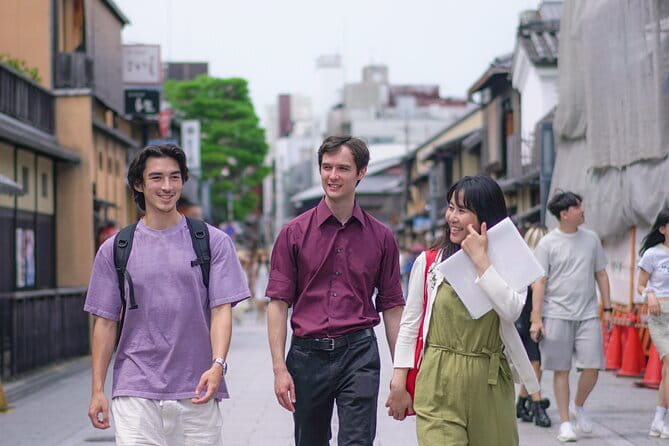
- Gion begins the story: Learn how Japanese tea is made while walking through one of Kyoto’s best-known historic districts.
- Kennin-ji adds temple depth: Visit one of Kyoto’s long-standing Zen temples with admission included.
- Crafts connect tea to daily life: A tea bowl shop introduces the character and meaning of raku ceramics.
- The group stays small: No more than seven people are scheduled, giving you better access to the guide.
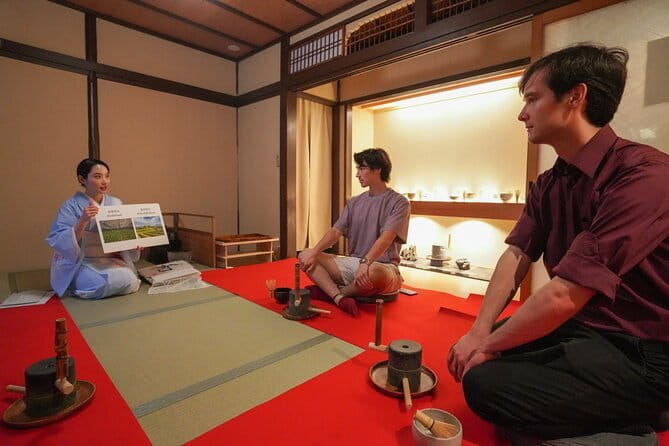
- The tea house is the finale: Make matcha with instruction from a tea master in a traditional Japanese house.
- The route is one-way: You start at Gion Shijo Station and finish near Kiyomizu, not back at the meeting point.
Why this Kyoto walk works as a combined experience
Many Kyoto tours force you to choose between temples and tea. This one puts both in the same afternoon, then adds crafts and a garden. That combination matters because Japanese tea is not just a drink. The bowl, room, garden, movements, and season all shape the experience.
You begin with a guide, which removes the usual Kyoto problem of finding the right lane, gate, or small shop. The meeting point is the Statue of Izumo-no-Okuni outside Exit 5 of Gion Shijo Station on the Keihan Line. Look for the guide holding an orange MagicalTrip Tour signboard.
The route lasts about three hours and 30 minutes. Most of the walking and sightseeing comes before the tea ceremony, which lasts about one hour. The exact order and pacing may vary, but the published plan gives you roughly 30 minutes at each of the first four stops before the longer tea session.
That is enough time for an introduction and a few good questions, but not enough for a slow, detailed study of every site. I would book this as an overview with a strong cultural theme, not as a specialist architecture tour.
More walking tours in Kyoto:
- Kyoto Geisha Walking Tour: Gion District & Hidden Gems
★ 4.7 · 3,273 reviews - Kyoto: Gion Magical Night Walking Tour with Geisha Trivia
★ 4.9 · 2,393 reviews - Kyoto: Gion Geisha District Walking Tour – Stories of Geisha
★ 4.7 · 2,187 reviews
Gion and the first taste of matcha culture
Gion is a fitting place to begin. Its traditional streets provide the setting for the first lesson about Japanese tea and the way matcha is made. You visit a well-known matcha shop during a walk lasting about 30 minutes.
The value here is context. Instead of arriving at the tea house with no background, you start by seeing tea as part of Kyoto’s food, craft, and neighborhood life. The guide can connect what you see in the shop with the later ceremony, including the importance of preparation and presentation.
Admission is free at this stop, and the visit does not include additional food or drinks. If you want something beyond the included tea ceremony, budget separately for purchases or refreshments.
Gion can be busy, and a short walk through the district will not explain every street or custom. Still, this opening should suit you if you want a quick introduction before moving to the quieter temple and craft portions of the route.
Kennin-ji, Kyoto’s oldest Zen temple
Kennin-ji is the first major temple visit. The site has stood for centuries, and the tour includes admission to two temples overall. You spend about 30 minutes here, enough for a guided look at the temple grounds and a sense of its place in Kyoto.
I like the inclusion of Kennin-ji because it gives the tour a solid historical anchor. The tea ceremony can feel abstract if you only learn the steps. A temple visit helps explain the Buddhist setting in which tea culture developed and gives you a chance to see traditional religious architecture at close range.
Thirty minutes is a brisk visit. You should expect highlights, not every hall, garden, or work of art. If Kennin-ji is high on your Kyoto list, you may want to return on your own for a longer visit. On this tour, the temple works best as one part of a larger story.
Temple admission is included, so you do not need to handle another ticket or decide if the entrance fee fits your budget. That small convenience helps keep the group moving.
Kyoto crafts and the character of a raku bowl
The route then turns toward Kyoto craft shops. This part is especially useful because it shows that tea culture depends on objects made by hand, not just ceremony and etiquette.
The key stop is a tea bowl shop, where the raku teacup receives special attention. Your guide explains how each bowl can have its own character, history, and meaning. The provided schedule allows about 30 minutes for the craft portion.
Raku ware is closely tied to the tea ceremony because the bowl is held, turned, and viewed as part of the act of drinking. Its shape and surface affect how the tea feels in your hands. The point is not simply that one bowl is expensive or attractive. It is that a tea utensil can carry the maker’s choices and the user’s experience.
You may find this section more rewarding if you already enjoy ceramics, design, or Japanese crafts. If shopping is your main goal, keep expectations sensible. The tour gives you an introduction to the craft shop, not an extended buying session, and extra purchases are not included in the tour price.
A few more Kyoto half-days to weigh up
- PERFECT KYOTO 1-Day Bus Tour
★ 5.0 · 13,518 reviews - Kyoto: Fushimi Inari, Kinkakuji, Bamboo Grove 1 Day Bus Tour
★ 4.8 · 4,316 reviews - Kyoto: Tea Ceremony in a Traditional Tea House in Kiyomizu
★ 4.9 · 3,519 reviews - Kyoto: Tea Ceremony Ju-An at Jotokuji Temple
★ 4.9 · 3,207 reviews
A quieter temple and garden before the tea house
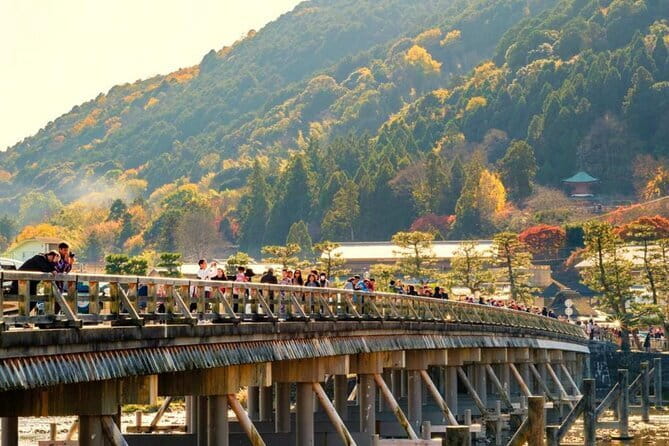
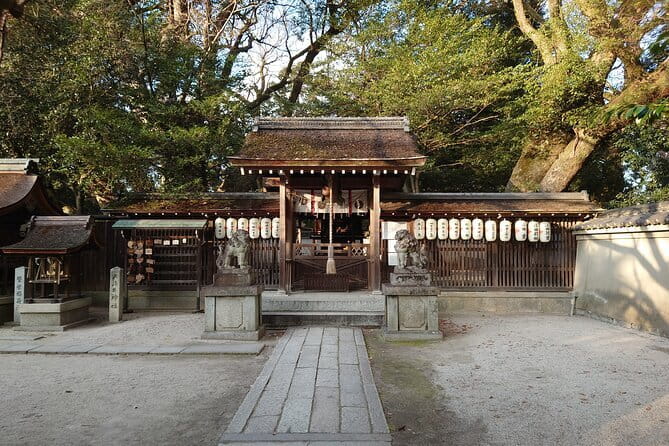
Another 30-minute stop takes you to a tucked-away temple and garden. The name is not specified in the tour details, so you should not book this expecting a particular famous landmark. The appeal is the change of pace from Gion and Kennin-ji.
This is where the idea of wabi-sabi becomes easier to discuss. Wabi-sabi is often explained through simplicity, age, restraint, and the acceptance of imperfection. A garden or temple space can make those ideas more concrete than a lecture can.
The stop also prepares you for the final tea ceremony. You have already looked at a historic district, a temple, and a handmade tea bowl. The garden adds the setting and mood that tie those elements together.
The trade-off is time. Thirty minutes may feel short if you want to sit quietly, take many photos, or examine every garden detail. Treat it as a focused pause rather than a full temple visit.
Making matcha in a traditional Japanese house
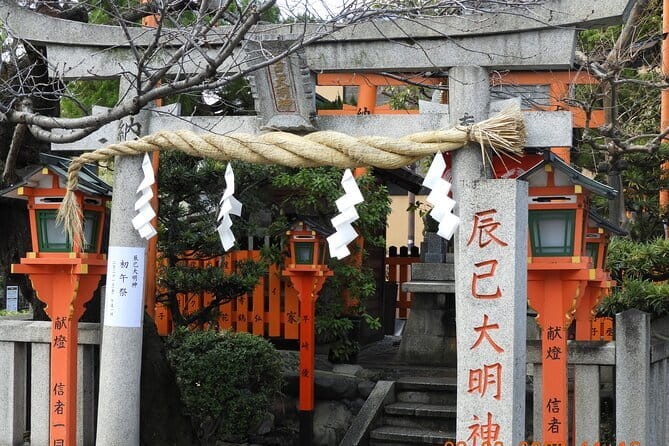
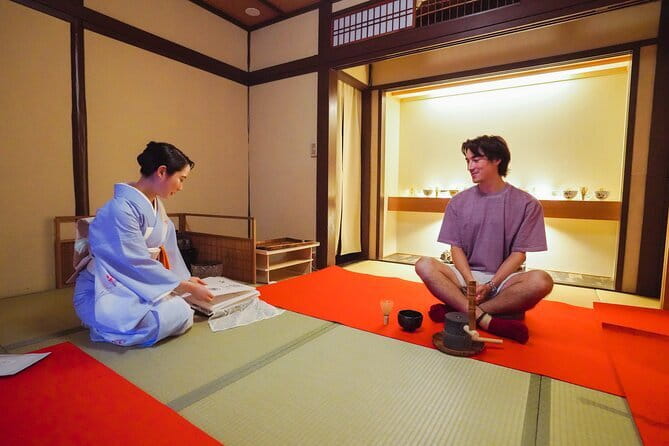
The final hour is the heart of the experience. At the Chayu tea experience, you take part in a tea ceremony in a real traditional Japanese house and receive instruction from a tea master.
This is more personal than simply drinking a cup of matcha in a café. You learn by taking part in the preparation, then connect the ceremony to the wabi-sabi ideas introduced during the walk. The tea ceremony admission and matcha drink are included.
You should expect a guided cultural activity, not a private formal ceremony with no explanation. The tea master’s instruction makes the experience approachable for first-time visitors. Children must be at least six years old to take part in the tea ceremony itself. Younger children may come along, but one adult must stay outside the facility with them during that portion.
The tea house is located near Kiyomizu, and the tour ends there. This is useful if you plan to continue sightseeing in the Kiyomizu area, but less convenient if you need to return to Gion immediately. Plan your afternoon around the finish point rather than assuming you will be brought back to the station.
What the $94.45 price includes
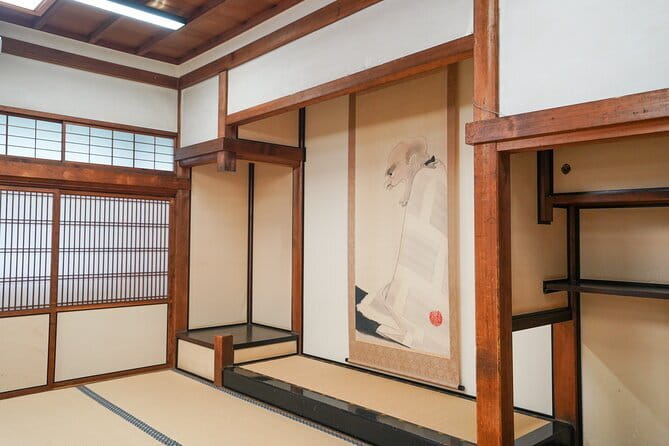
At $94.45 per person, this is not the cheapest way to drink matcha in Kyoto. You are paying for a bundled cultural outing, not just a beverage.
The price includes:
- An English-speaking local guide for about three hours
- Admission to two temples
- The matcha tea ceremony
- A drink of matcha in a traditional Japanese house
- Photos taken during the tour
The value is strongest if you want structure. A self-guided visit to Gion, Kennin-ji, and a tea house may cost less, but you would need to plan the route, arrange admissions, find the craft stop, and book a ceremony separately. This tour puts those pieces together and limits the group to seven people.
The value is weaker if you already know Kyoto’s tea culture, prefer long temple visits, or want plenty of free time for shopping. The 30-minute stops are designed to keep the route moving, and the craft visit is not a dedicated shopping tour.
Additional food and drinks are not included. You also do not need to pay for the guide’s food or drinks, so there is no separate expectation of covering those costs.
Group size, guide quality, and the practical details
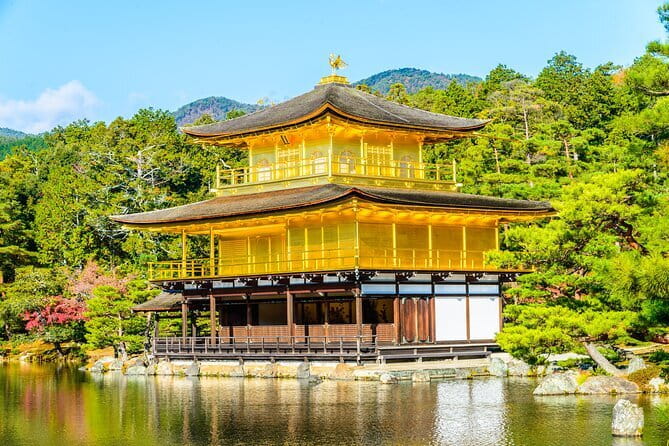
The maximum group size is seven. That is a real advantage on a walking tour with cultural explanations. You should have a better chance to hear the guide, ask questions, and stay connected while moving through Gion’s streets.
Guide quality matters here more than it would on a simple sightseeing transfer. The experience depends on clear explanations about tea, temples, wabi-sabi, and ceramics. One low-scoring experience reported that the guide spoke very softly and was difficult to understand in English. The guide tried to help, but unclear speech and gaps in site information made the outing frustrating.
That concern does not cancel out the tour’s strengths, but it is worth keeping in mind. If you have hearing difficulties, stand close to the guide and ask for repetition early. A group of seven makes that easier than a large coach tour, though it cannot guarantee a particular guide or speaking style.
The tour is near public transportation, beginning at Gion Shijo Station. Wear comfortable shoes and prepare for weather. Kyoto can reach about 40°C, or 110°F, in summer and fall to about -5°C, or 20°F, in winter. Rain or unsafe weather can lead to cancellation.
Arrive early. The tour starts on time, and missing the group means no joining later, refund, or rescheduling. Free cancellation or rescheduling is available until 24 hours before the start time. Changes made inside that window are not accepted.
Who should book this tea and temple route
I would recommend this experience to first-time Kyoto visitors who want a clear cultural introduction without spending a full day on a single site. It suits you especially well if you like temples, traditional crafts, and hands-on activities in equal measure.
It is also a good fit for visitors who find tea ceremony customs intimidating. The earlier stops give you useful background, and the tea master provides instruction rather than leaving you to guess what to do.
Families can book it if every child taking part in the tea ceremony is at least six. Younger children require an adult to remain outside during the tea portion, which may be awkward for a family hoping to share the full activity together.
I would choose another format if you want an in-depth temple study, a long ceramics shopping session, or a private guide. The maximum of seven keeps the group small, but this is still a scheduled group walk with fixed stops.
Should you book The Way of Tea?
Book it if you want Kyoto’s tea ceremony explained through the places and objects around it. The combination of Gion, Kennin-ji, a temple garden, raku ceramics, and matcha preparation gives you a fuller picture than a tea demonstration alone.
Skip it if your priority is free time, detailed temple photography, or a slow garden visit. Also think carefully about the fixed start and one-way finish. Arrive early at Gion Shijo Station, dress for the weather, and plan to continue near Kiyomizu after the tea house.
For most first-time visitors, the included temple admissions, small group, photos, and one-hour tea experience make the $94.45 fare fair. The one point I would watch is communication with the guide, since clear English explanations are central to the tour’s value.
FAQ
Where does the tour begin?
It begins in front of the Statue of Izumo-no-Okuni, outside Exit 5 of Gion Shijo Station on the Keihan Line, at Kawabatacho, Higashiyama Ward, Kyoto.
How do I find the guide?
The guide will hold an orange signboard marked MagicalTrip Tour.
Where does the tour end?
The tour ends at the tea experience location at 4-chōme-172-7 Kiyomizu, Higashiyama Ward, Kyoto, after the tea ceremony.
How long does the experience last?
The experience lasts approximately three hours and 30 minutes. The tea ceremony portion lasts about one hour.
Is temple admission included?
Yes. Admission to two temples is included in the tour price.
What is included in the tea ceremony?
The experience includes a matcha drink and tea ceremony instruction in a traditional Japanese house. Additional food and drinks are not included.
Can children join the tea ceremony?
Children must be at least six years old to take part in the tea ceremony. Younger children may come along, but one adult must accompany them outside the facility during that portion.
Just added around Kyoto
- Kyoto: Zen Meditation at a Private Temple with a Monk★ 5.0 · 25 reviews
- Kyoto: Gion Geisha District & Sake-in-Hand Walking Tour★ 5.0 · 37 reviews
- Private Pewter Sake Cup Experience with a Kyoto Artisan★ 5.0 · 31 reviews
- Your Private Vacation Photography Session In Kyoto★ 5.0 · 110 reviews
- Private Guided Traditional Buddhist Cooking in Japan★ 5.0 · 16 reviews
- Kyoto Wagashi(Japanese sweets) Cooking Class near Fushimiinari★ 5.0 · 60 reviews
- Traditional Japanese Music show & Experience Tour in Kyoto★ 5.0 · 57 reviews
- Kyoto:Family-Friendly Kimono & Yukata Experience at WARGO★ 5.0 · 147 reviews
Kyoto Tours, compared.


Fushimi Inari, Kinkakuji, Bamboo Grove 1 Day Bus Tour
Read our review →
Tea Ceremony in a Traditional Tea House in Kiyomizu
Read our review →
Kyoto Geisha Walking Tour: Gion District & Hidden Gems
Read our review →

Gion Magical Night Walking Tour with Geisha Trivia
Read our review →

Gion Geisha District Walking Tour – Stories of Geisha
Read our review →Browse the lists this tour appears in