
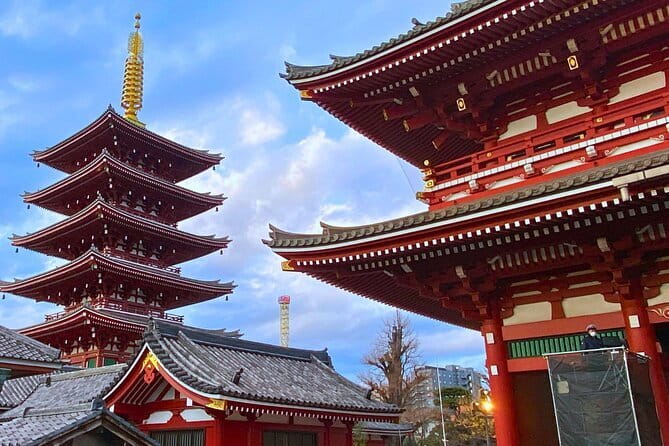
Reviewed · TOKYO TOURS
Tokyo: Asakusa Temple & Shrine Walking Tour with Local Guide
Asakusa is at its best when someone explains what you are seeing. This tour connects the famous Sensō-ji Temple with quieter religious sites, shopping streets, river views, and simple rituals that are easy to miss on your own. You may even begin with the local nickname for the Asahi building’s golden sculpture: the golden poop.
I like the eight-person limit, which gives you room to ask questions without shouting over a large group. I also like the practical teaching: how to wash your hands, read an omikuji fortune, use incense, bow, and pray properly at both Buddhist and Shinto sites. The main drawback is that this is a walking tour through busy streets, with no wheelchair access and little help for anyone with limited fitness.
Key points to know before you book
- Two religions in one compact visit: Learn how Buddhist Sensō-ji and Shinto Asakusa Shrine sit side by side.
- A smart opening route: Start at Azuma Bridge, see Tokyo Skytree, then get a high view over the temple grounds before entering Kaminarimon.
- Useful local guidance: Ask about snacks, souvenirs, translations, photographs, restaurants, or where to continue after the tour.
- Hands-on customs: Try temizu hand washing, incense rituals, omikuji fortune telling, and Buddhist and Shinto prayer methods.
- Small and personal: Groups are limited to eight, and some departures may feel almost private if few people book.
- Good value at $30: The tour covers the major sights, local context, and cultural etiquette in two focused hours.
Why this Asakusa walk works so well
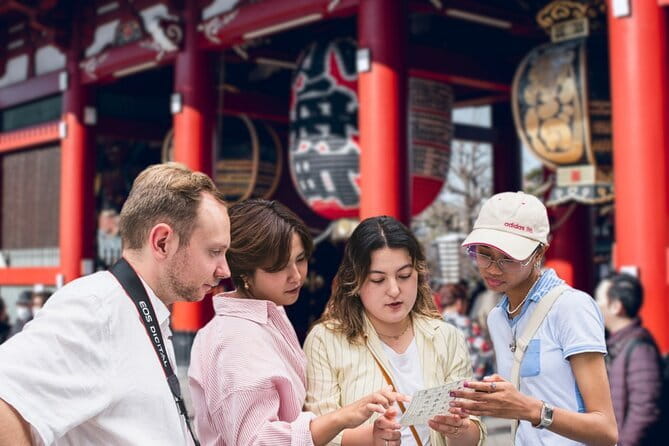
You can visit Sensō-ji without a guide. The large red gates and temple hall are easy to spot. What is harder is understanding why people stop at the water basin, how the incense is used, why the prayer routine changes from one site to the next, and how Buddhism and Shinto share this corner of Tokyo.
That is where this experience earns its modest price. For $30, you get two hours with a local guide in a group capped at eight people. You are not paying for entry to a major attraction. You are paying for context, small corrections in etiquette, help with translations, and a route that adds several less obvious stops around the main temple.
The tone also seems intentionally relaxed. Guides named Nicolas, Erik, Lino, Nana, Diane, Ayaka, Arief, Joe, Somi, and Ariel have led recent departures, so the exact personality will vary. The common thread is an informal style that leaves space for questions. Nicolas, in particular, is noted for explaining Buddhist and Shinto ideas in plain English and for helping people continue to Kappabashi Street or find lunch afterward.
You should not expect a lecture packed with dates. This is better suited to someone who wants a clear explanation while walking, looking, and trying the customs for themselves.
More walking tours in Tokyo:
- Tokyo Tsukiji Fish Market Food and Culture Walking Tour
★ 5.0 · 3,184 reviews - Tokyo: Imperial Palace and Shogun Historical Walking Tour
★ 5.0 · 2,251 reviews - Tokyo: Shinjuku Local Bar and Izakaya Guided Walking Tour
★ 4.9 · 1,794 reviews
Starting beside the Sumida River
The meeting point is at Burger King Asakusa Azumabashi, though the exact meeting arrangement can depend on the option you book. From there, the walk begins near Azuma Bridge, where you get about ten minutes for river views and photographs.
This is a useful opening because it places Asakusa in the wider Tokyo picture. You can look toward Tokyo Skytree and see the famous golden sculpture on the Asahi building. The local nickname is direct, slightly silly, and memorable. It gives the guide an easy way to break the ice before the more formal temple explanations begin.
Expect an outdoor start, with no shelter guaranteed. The tour runs in rain or shine, so weather matters. On a hot day, carry water. Vending machines are available along the way, but bringing your own bottle is simpler.
The high view from Asakusa Culture Tourist Information Center
The next stop is the Asakusa Culture Tourist Information Center, where the guide takes you to an upper-level viewpoint. You get roughly fifteen minutes here, including time for photographs and an explanation of the temple area below.
This is one of the most useful stops on the route. At ground level, Sensō-ji can feel like a sequence of gates, shops, crowds, and rooflines. From above, the layout makes sense. You can see how Kaminarimon leads to Nakamise, how the approach continues toward Hōzōmon, and where the temple and shrine sit within the larger district.
I would pay attention here even if you are eager to reach the famous gate. The viewpoint helps you recognize the route later, and it gives you a good orientation for returning to Asakusa on your own.
Entering through the 700-kilogram Thunder Gate
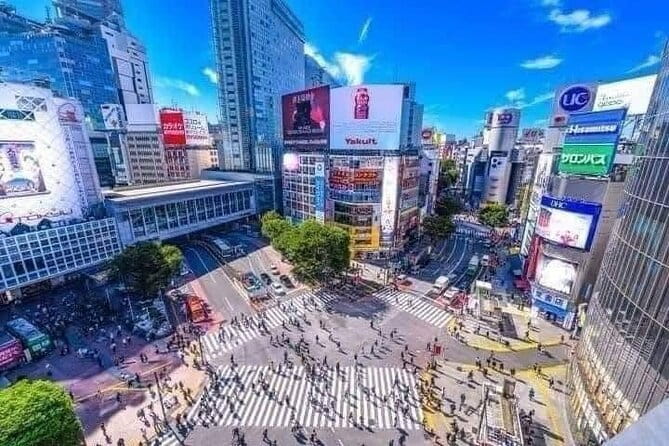
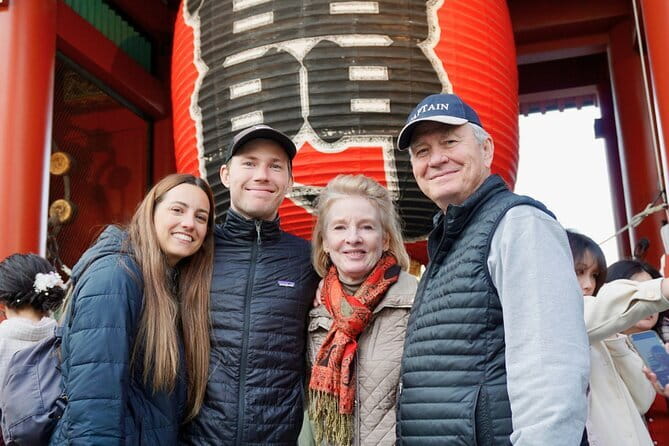
At Kaminarimon, the tour pauses for about ten minutes. This is the big red entrance with the huge lantern, a natural photo stop and one of Asakusa’s best-known sights.
Your guide explains the gate’s name, which means Thunder Gate, along with the story behind its roughly 700-kilogram lantern. The detail is more useful than simply learning the translation. It helps you see the gate as a religious entrance, not just a dramatic backdrop for photographs.
This is also where crowds can slow the group. The area is popular, and people stop suddenly for pictures. A small group helps, but you should still expect to walk at the pace of a busy public district. If you want a particular photograph, ask your guide. The guides are familiar with photo locations and can often suggest a better angle or a less crowded moment.
A few more Tokyo half-days to weigh up
- Mt Fuji and Hakone 1-Day Bus Tour Return by Bullet Train
★ 5.0 · 26,383 reviews - 1-Day Tokyo Bus Tour
★ 5.0 · 14,250 reviews - Tokyo: TOKYO SKYTREE® Admission ticket
★ 4.5 · 11,192 reviews - Tokyo: teamLab Planets TOKYO Digital Art Museum Entry Ticket
★ 4.6 · 9,779 reviews
Nakamise Street, snacks, and practical shopping advice
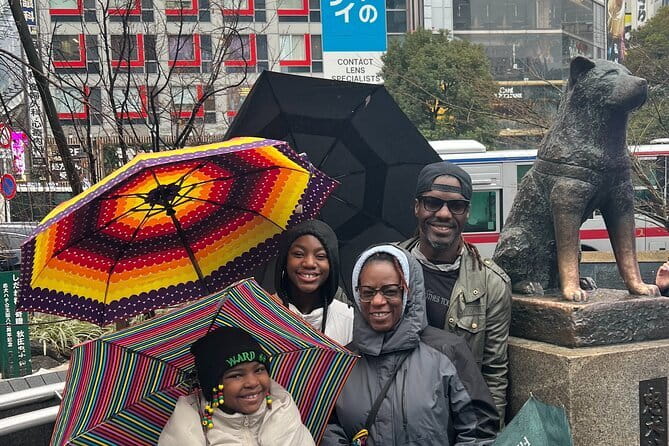
From Kaminarimon, you walk along Nakamise Shopping Street for about fifteen minutes. The street leads toward the temple and is lined with food, sweets, souvenirs, and traditional-style goods.
The value here is not simply having time to shop. Your guide explains the cultural meaning behind some of the treats and souvenirs and can point out which items are worth your attention. You can also ask for translation help, a useful service when packaging and signs are difficult to read.
Personal purchases are not included in the $30 price, so treat this as an optional shopping stop rather than part of the ticket. You might buy a snack, but you do not need to spend extra to enjoy the walk. If you are traveling with children, this section can keep them interested between the larger religious sites. A recent family departure worked well for children ages five and eight because the guide answered questions in simple terms and kept the route active.
Nakamise can be crowded, especially when several groups arrive together. Keep your belongings close and do not expect a quiet browsing experience. The guide’s local suggestions are most useful if you already know what you want, such as edible gifts, small souvenirs, or help finding a specific item.
Hōzōmon Gate and the smaller temple stops
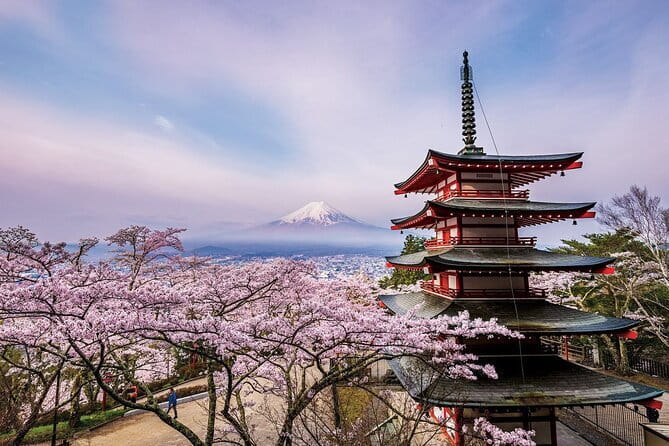
After Nakamise, the route reaches Hōzōmon Gate, with about ten minutes for sightseeing and explanation. This gate is larger and more imposing than the first, and it marks the approach to the main Sensō-ji grounds.
The tour then includes two additional temple or shrine sites listed as shorter stops, each around ten minutes. The exact names are not specified in the tour details, but the purpose is clear: to show you parts of Asakusa that many people walk past while heading straight to Sensō-ji.
These smaller stops are important because Asakusa is not only one temple with a shopping street in front of it. It is a district with several religious sites and layers of practice. Your guide can explain what you are looking at, how the sites relate to one another, and what local people do there.
Do not expect every stop to be grand. That is part of the point. Some may be brief, quiet, or less visually dramatic than Sensō-ji. If you prefer a tour that moves only between major monuments, this portion may feel slower. If you want help noticing local religious life beyond the headline attraction, it adds real value.
Sensō-ji and the rituals you can try
The tour allows about thirty minutes at Sensō-ji Temple, the main stop and the heart of the walk. This is enough time for a guided visit, photographs, and several hands-on customs, although it is not a long, private temple study.
You learn how to use the temizuya, the water basin used for ritual hand washing. The guide explains the order and purpose instead of leaving you to copy the nearest person. You may also try the incense ritual, where people use the smoke for physical and mental healing.
Omikuji fortune telling is another practical part of the visit. The guide explains how the process works and what to do with the result. These activities turn the visit from passive sightseeing into a cultural lesson. You are not only looking at a building. You are learning how people approach the place.
The Buddhist prayer method is explained inside Sensō-ji. You also learn about bowing, where to walk, and how to behave around the gates. These small points matter because they help you show respect without worrying that you are making an obvious mistake.
The temple can be crowded, and prayer areas may not feel peaceful during the busiest parts of the day. The tour cannot control the crowds. It can, however, give you a better way to move through them and understand what is happening.
Asakusa Shrine and the difference between Shinto and Buddhism
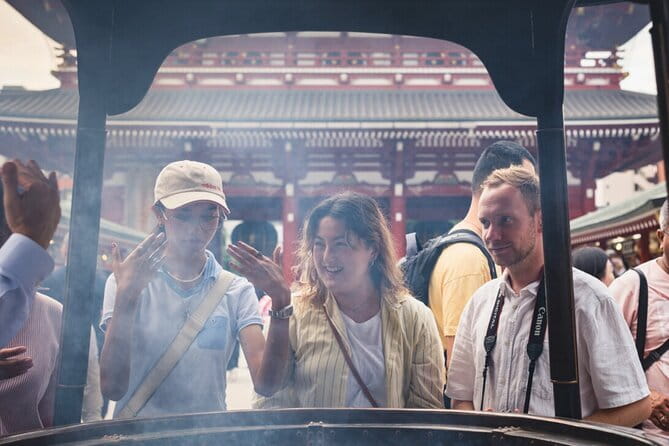
The final major stop is Asakusa Shrine, with about fifteen minutes of guided time. Its close position beside Sensō-ji makes Asakusa a particularly clear place to compare Shinto and Buddhism.
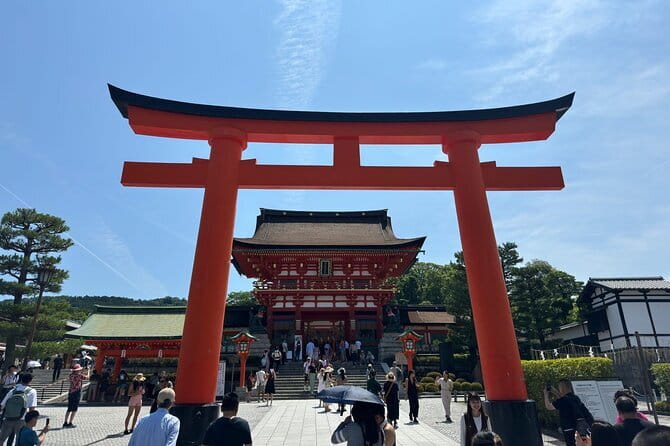
The guide explains that the two traditions have different rituals and symbols, even though they share the same neighborhood. You learn the Shinto prayer process, which differs from the Buddhist method at Sensō-ji. You also hear about the torii gate, including the custom of walking on the correct side.
This comparison is the tour’s strongest educational feature. Many first-time visitors see a water basin, incense, bells, offerings, and bows at several sites and assume the customs are interchangeable. They are not. The guide gives you a working framework that you can use at other temples and shrines during your Japan trip.
You do not need prior religious knowledge. The explanations are designed for curious newcomers, and you can ask questions as you go. That makes this a good first or second day activity in Tokyo. Afterward, other shrines and temples will make more sense.
The guide makes the difference
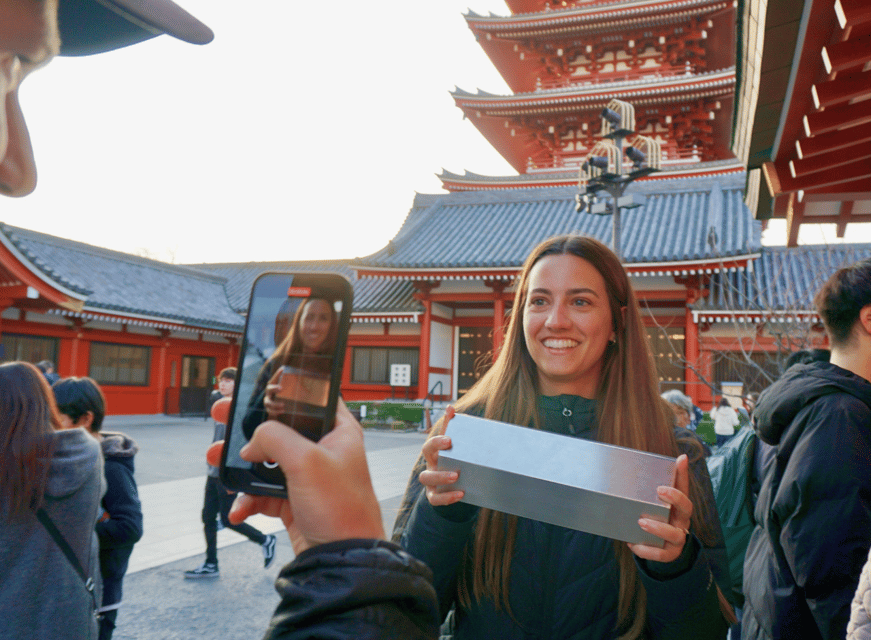
A small-group tour is only as good as the person leading it. Here, the guide’s role goes beyond reciting facts. The strongest departures use the two hours as a conversation, with time for questions about Tokyo, Japanese customs, food, shopping, and onward plans.
Nicolas is frequently singled out for his clear explanations of Buddhism and Shinto, his personal connection to Asakusa, and his willingness to help people after the formal route. Erik has been praised for working well with children and for offering small coins to visitors who wanted to make a temple offering but did not have any. Lino has been described as friendly and calm, creating the feel of exploring with a local acquaintance rather than following a rigid script.
Those details give you a useful expectation, but they do not guarantee a particular guide. Guides include English and French speakers, and the assigned person may change. Ask questions early, especially if you need help with translations, want a photograph, or hope to continue to another district afterward.
Is $30 a fair price?
At $30 per person, this is a reasonable buy if you value explanation and personal attention. A self-guided visit to Asakusa costs less, since the outdoor gates, street, shrine, and temple approach are available without a tour fee. But you would need to research the rituals, identify the smaller sites, and work out the difference between Buddhist and Shinto prayer on your own.
The group limit of eight improves the value. You can hear the guide, ask follow-up questions, and avoid the anonymous feel of a large walking group. If only one or two people book, the experience may feel close to private without a private-tour price.
The two-hour length also fits neatly into a Tokyo day. You can schedule it before lunch or use it as an introduction before exploring Asakusa independently. Some guides may point you toward Kappabashi Street, a restaurant, or another nearby area, but those extras should be viewed as helpful suggestions rather than guaranteed parts of the route.
Who should book this walk?
I would recommend it to first-time Tokyo visitors who want a clear introduction to Japanese religious customs. It is also a good fit for solo visitors who want company without committing to a large group, and for couples who prefer a guide with time for conversation.
Families can do well here, particularly when children enjoy stories, shopping, and trying simple rituals. The guide can adapt explanations, but the walking and crowds may still tire very young children. Comfortable shoes are essential.
You should think twice if you have a mobility impairment, use a wheelchair, or have a low level of fitness. The activity is on foot, takes place in crowded public areas, and has no stated wheelchair suitability. There is no dress code, tattoos are welcome, and you can dress for comfort, but you should prepare for the weather.
A kimono rental can also be arranged through a partner shop about two minutes from the meeting point. Ask about it in advance if you want to combine traditional clothing with the Asakusa visit.
Final verdict: a useful first look at old Tokyo
Book this tour if you want more than photographs of a red gate and a famous temple. The best reason to go is the practical cultural guidance: how to wash, bow, pray, read a fortune, use incense, and tell a Shinto shrine from a Buddhist temple.
Skip it if you prefer to wander alone, dislike fixed stops, or already feel comfortable with Japanese temple and shrine etiquette. For most first-time visitors, though, $30 buys a well-sized group, a sensible route, and the kind of explanation that can improve the rest of your time in Japan.
The strongest choice is to take it early in your Tokyo stay. You will leave with a better sense of Asakusa, a few useful local tips, and enough confidence to explore the next temple or shrine without treating it like a museum.
FAQ
How long is the Asakusa Temple and Shrine Walking Tour?
The tour lasts two hours, including the guided walks, viewpoints, shopping street, temple visits, shrine visit, and cultural rituals.
How many people are in each group?
The group is limited to eight participants. If fewer people book a departure, the experience may feel much more personal.
Which places does the tour visit?
The route includes Azuma Bridge, the Asakusa Culture Tourist Information Center viewpoint, Kaminarimon Gate, Nakamise Shopping Street, Hōzōmon Gate, smaller local temple sites, Sensō-ji Temple, and Asakusa Shrine.
Which languages are available?
The tour is offered with live guides in English and French.
Is there a dress code, and are tattoos allowed?
There is no dress code, and tattoos are welcome. You should still dress for the weather because the tour operates outdoors in rain or shine.
Is the tour suitable for wheelchair users or people with mobility impairments?
No. The activity is not suitable for wheelchair users, people with mobility impairments, or people with a low level of fitness. Comfortable walking shoes and water are recommended.
Just added around Tokyo
- Private Arrival Transfer : Narita International Airport to Central Tokyo City★ 4.5 · 12 reviews
- Narita Airport(NRT): Private Transfer to Tokyo/Yokohama 1-9pax★ 5.0 · 47 reviews
- Private Transfer from Narita Airport to Yokohama Port and City★ 4.5 · 17 reviews
- 3 Day Japan Highlights Tour: Tokyo, Mt.Fuji, Nara, Kyoto, Osaka★ 5.0 · 22 reviews
- [Narita Airport Terminals 1, 2] 40-60km Sawara Itako Historic Bike Tour★ 5.0 · 13 reviews
- Small Town in the Big City: Tasting Tokyo’s Kichijoji★ 5.0 · 195 reviews
- Small Town in the Big City: Tasting Tokyo’s Kichijoji★ 5.0 · 16 reviews
- The 10 Tastings of Tokyo With Locals: Private Street Food Tour★ 5.0 · 48 reviews
Tokyo Tours, compared.

Mt Fuji and Hakone 1-Day Bus Tour Return by Bullet Train
Read our review →

teamLab Planets TOKYO Digital Art Museum Entry Ticket
Read our review →
Mt Fuji & Hakone Cruise, Drum Show Bullet Train 1 Day from Tokyo
Read our review →
Sumo Show Experience with Chicken Hot Pot and a Photo
Read our review →
Shinjuku Food Tour (13 Dishes at 4 Local Eateries)
Read our review →
Tokyo Mt Fuji 5th St & Hakone Cruise Bus Tour w/Bullet Train
Read our review →
Flagship 2-Hours Official Street Go-Kart Tour – Tokyo Bay Shop
Read our review →Browse the lists this tour appears in