
Reviewed · TOKYO TOURS
Tokyo Castle & Imperial PalaceーShogun Walking Tour
Edo Castle was once Japan’s largest castle, and this tour helps you see the enormous fortress hidden beneath modern Tokyo. You walk past moats, gates, stone walls, gardens, and castle ruins while your guide explains how the shogun held power during 260 years of samurai rule.
I like the small groups of no more than 10, which make it easier to hear the guide and ask questions. I also like the mix of military history and quiet garden scenery, especially the koi, carefully tended trees, and views across the Imperial Palace grounds. The main consideration is that much of the two hours takes place outdoors, and the tour is offered in English only.
Key points to know before booking
- Edo Castle is the real subject: You see surviving moats, gates, walls, towers, and foundations rather than a rebuilt castle interior.
- The group stays small: With up to 10 participants, the guide can answer questions and keep the walk personal.
- The history reaches from samurai to modern Japan: Expect explanations of shogun power, castle defenses, Tokyo’s growth, and the imperial family.
- Ninomaru Garden adds a peaceful change of pace: Koi, seasonal plants, and trees from around Japan soften the military story.
- The tour is well suited to first-time visitors: Guides including Anju, Fuma, Yuuka, Tomo, and Keiko are praised for clear explanations and friendly pacing.
- Bring weather-ready clothing: The route is outdoors, and there is a security check at the Imperial Palace entrance.
Why Edo Castle makes a good Tokyo history walk
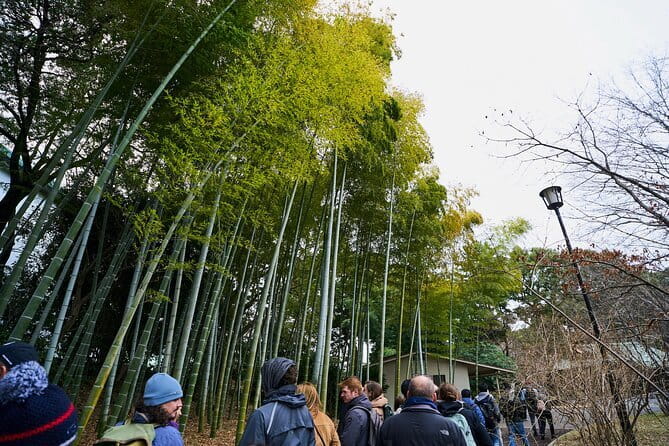
Tokyo can feel like a city built at full speed, with trains, towers, shopping streets, and office blocks filling every gap. Inside the Imperial Palace grounds, the pace changes. The broad open spaces and old stone defenses make it easier to picture the city before it became Tokyo.
This is not a tour of lavish castle rooms. Edo Castle was largely lost, so the experience depends on reading what remains. A wide moat suggests the scale of the old fortress. A massive gate shows how visitors were controlled. A stone wall hints at the labor and planning required to protect the shogun.
That is where a guide earns the $23 price. You could walk through parts of the grounds alone, but it is easy to see a gate as simply an old gate. A good guide explains its purpose, the layers of defense, and how the castle worked as the center of political power. Several guides, including Anju, Fuma, K, and Xin Yan, are especially praised for bringing these details to life with stories, questions, and fun facts.
The tour also connects two systems that are often confused. Edo Castle was the seat of the shogun, Japan’s military ruler. The Imperial Palace is now associated with the emperor, whose institution is described on the tour as a tradition lasting 2,600 years. That shift from shogun rule to the modern imperial era gives the walk a useful structure.
More walking tours in Tokyo:
- Tokyo Tsukiji Fish Market Food and Culture Walking Tour
★ 5.0 · 3,184 reviews - Tokyo: Imperial Palace and Shogun Historical Walking Tour
★ 5.0 · 2,251 reviews - Tokyo: Shinjuku Local Bar and Izakaya Guided Walking Tour
★ 4.9 · 1,794 reviews
Meeting at Wadakura Fountain Park Starbucks
The meeting point is in front of Starbucks Coffee Kōkyo Gaien Wadakura Fountain Park Store at 3-1 Kōkyo Gaien, Chiyoda City, Tokyo. Look for a guide holding a Local Guide Stars sign.
This is a sensible place to meet because it is beside the Imperial Palace area and easy to recognize. Still, give yourself enough time to find the correct Starbucks. Tokyo has many branches, and this one is specifically in Kōkyo Gaien, near Wadakura Fountain Park.
The walk returns to the same place at the end. That makes the tour easy to fit into a day of sightseeing. You do not need to arrange transport between the stops, and there is no complicated transfer in the middle of the experience.
The activity lasts two hours, though the exact starting time depends on the date and availability. A small group can move at a steady pace, but you should still expect a fair amount of walking on paved paths and around broad palace grounds.
Sakurada Tatsumi Yagura and the first castle clues
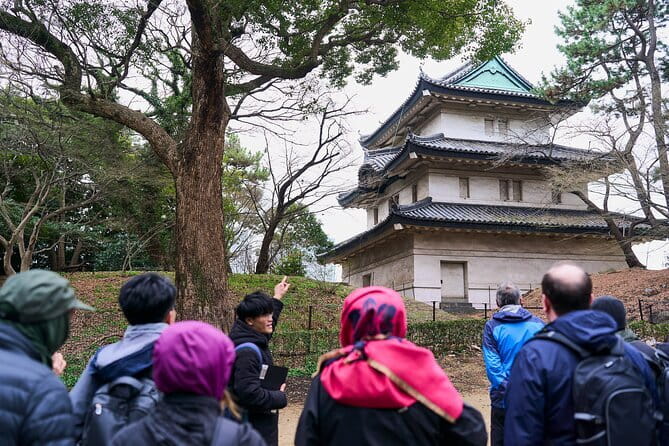
The first stop is Sakurada Tatsumi Yagura, a photo stop and introduction to the castle complex. The word yagura refers to a tower structure used for defense and observation. Here, the guide begins to show you that the Imperial Palace is not just a residence surrounded by gardens. It occupies the site of a fortress designed to control access and protect the shogun.
The scheduled stop is short, about five minutes. Think of it as a first visual lesson rather than a long visit. Your guide may point out the shape of the tower, nearby walls, and the relationship between the structures and the moat.
This is also a good moment to test the pace and ask your first question. The route becomes easier to understand once you know what to watch for: height, distance, water, narrow entrances, and changes in the stonework.
Ote-Mon Gate shows how power controlled entry
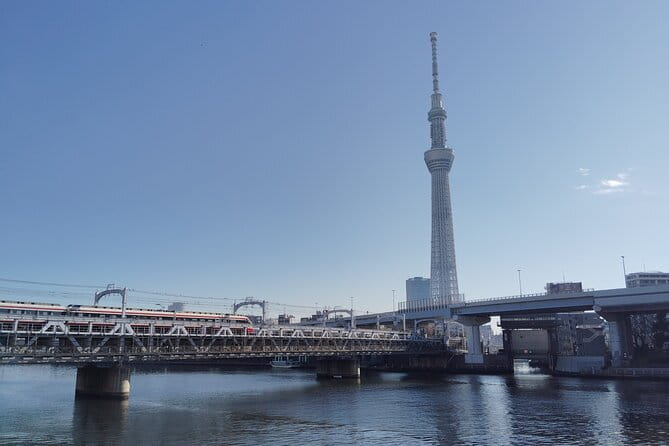
Ote-Mon Gate receives about 15 minutes, giving your guide more room to explain castle security. Gates were not simple openings in a wall. They were controlled spaces where movement could be slowed, watched, and restricted.
The tour focuses on how Edo Castle’s defenses made it nearly impossible to attack. You learn how the castle used moats, gates, walls, and carefully arranged approaches as part of one defensive system. The point is not only that the castle was large. It was built to make an enemy work through one problem after another.
This stop is especially useful if you have watched a samurai drama and want to separate screen action from the practical workings of a castle. The guide can explain the roles of the shogun, samurai, and retainers, along with the political importance of Edo during the long period of peace under shogun rule.
The gate is also one of the tour’s better photo spots. Photography is encouraged throughout the walk, so keep your camera or phone ready. At the same time, remember that this is a guided visit, not a free photo session. You will have time for pictures, but the group continues on schedule.
A few more Tokyo half-days to weigh up
- Mt Fuji and Hakone 1-Day Bus Tour Return by Bullet Train
★ 5.0 · 26,383 reviews - 1-Day Tokyo Bus Tour
★ 5.0 · 14,250 reviews - Tokyo: TOKYO SKYTREE® Admission ticket
★ 4.5 · 11,192 reviews - Tokyo: teamLab Planets TOKYO Digital Art Museum Entry Ticket
★ 4.6 · 9,779 reviews
The Imperial Palace grounds connect past and present
The next stop is the Tokyo Imperial Palace, with around 20 minutes for sightseeing and explanation. The palace grounds provide the tour’s central contrast. You are looking at a place linked with Japan’s current emperor while standing on the former center of shogun power.
The tour does not promise access to private palace rooms or a royal interior. Its focus is the grounds, exterior structures, views, and surviving traces of Edo Castle. That distinction matters. If you want a museum-style look at imperial objects or an indoor palace tour, this is not that experience.
What you do get is context. Your guide explains how the site changed over time and how the imperial system continued through major periods of Japanese history. Guides such as Elise and Ioana are praised for linking the Edo period to present-day Japan, which is helpful if you know a little about samurai but less about the modern imperial family.
This section can also be the most crowded or visually open part of the walk, depending on the day. The broad grounds offer strong views and plenty of space, but not every stop has a dramatic building. Much of the appeal comes from the story your guide places around the walls, paths, and remaining structures.
Ninomaru Garden brings in koi and seasonal color
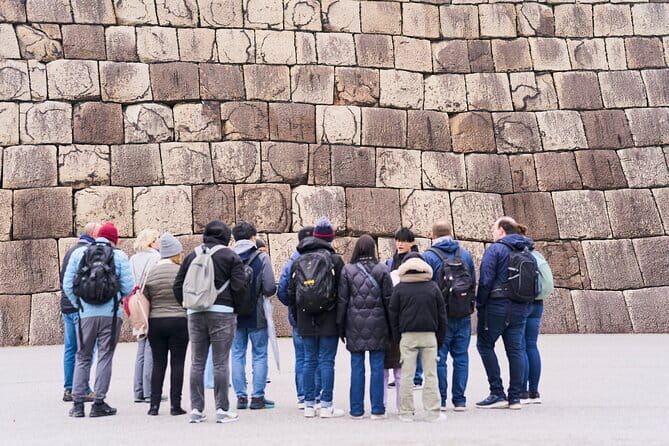
After the castle defenses and palace setting, Ninomaru Garden offers a welcome change. The scheduled visit lasts about 15 minutes, and the focus shifts from military planning to Japanese garden design.
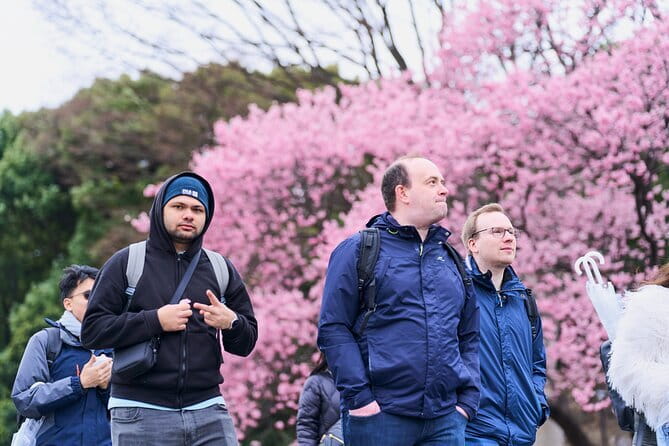
You can expect carefully arranged plantings, seasonal scenery, and special koi. The grounds also include trees from different parts of Japan, giving the guide a chance to discuss nature, regional variety, and the way gardens were valued by the imperial household.
This is a quiet section of the route, and I think it helps keep the tour from becoming a string of dates and battles. The garden gives you space to pause, take photographs, and notice details you might otherwise walk past. One guide, Anju, is praised for pointing out the gardens, koi pond, and structures in a way that makes the setting easier to appreciate.
Do not expect a long garden stroll. Fifteen minutes passes quickly, particularly if you stop often for photographs. If gardens are your main interest, you may want extra time in the area after the tour if access and opening conditions allow.
Edo Castle ruins make the lost buildings easier to picture
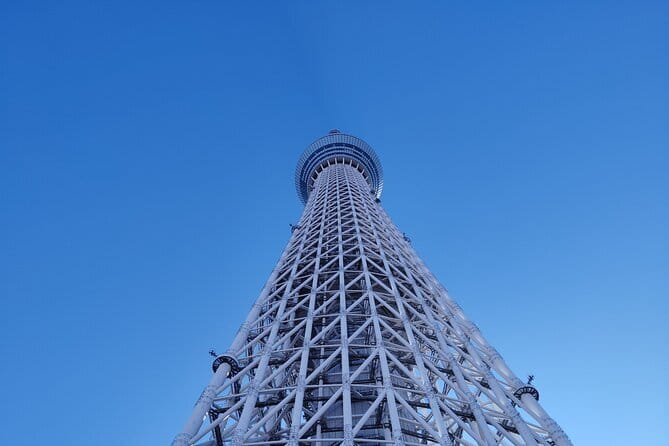
The Edo Castle Ruins stop lasts about 10 minutes. The remains are not a complete castle, but they are important because they show the physical scale of the former complex.
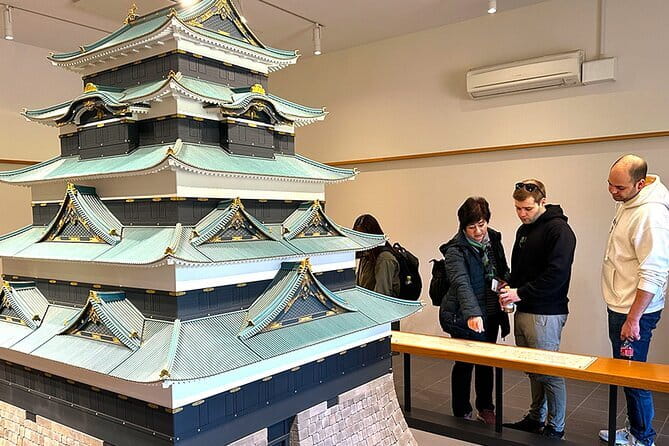
Your guide uses the ruins to explain what Edo Castle looked like and how large it was. The tour also includes a miniature structure of the former palace, which helps fill in the gaps left by missing buildings. This is one of the most useful features for visual learners. A foundation or stone platform can be hard to understand until you see how it fit into the larger palace plan.
The castle was central to the samurai government that kept Japan at peace for roughly 260 years. That peace did not mean the castle stopped mattering. The size and layout of the site reflected the shogun’s authority, and the movement of retainers, officials, and visitors was closely managed.
The short time here means the guide must choose the best details. If the Edo period is your main reason for booking, stay close, listen carefully, and ask questions while the group is stopped. The tour gives you a solid introduction, not a specialist study of castle architecture.
Imperial Palace East Gardens finish the walk

The final major stop is the Imperial Palace East Gardens, with about 20 minutes for a guided visit. This is where the tour’s different subjects come together: old castle defenses, imperial history, garden culture, and modern Tokyo.
The gardens offer a calmer ending than Ote-Mon Gate. You can see trees, seasonal plantings, stonework, and koi while your guide explains how the grounds function today. The setting is especially pleasant in good weather, but the open-air route also means heat, rain, or cold can affect your comfort.
Guides are consistently praised for keeping a relaxed pace. Pina describes the walk as calm and unrushed, while other participants point to the smooth pacing and time for questions. That matters here. A garden is easy to rush through, but the tour allows you to slow down enough to notice the design.
The East Gardens are also a good place to take final photographs. Bring a camera, but avoid letting photography pull you too far from the group. The guide’s explanations are the main reason to take the tour rather than simply visit alone.
What the guides add to the experience
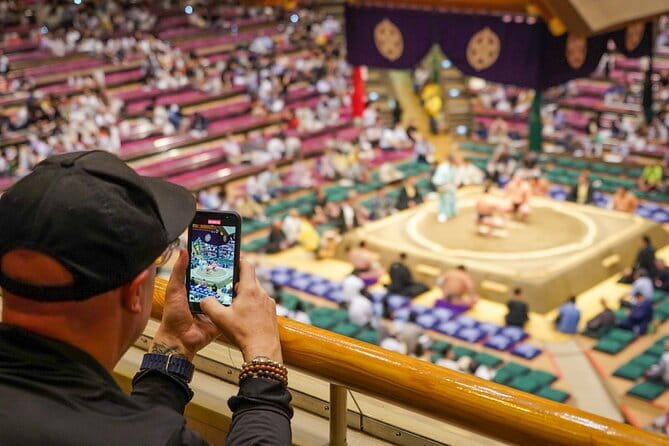
The strongest part of this activity is the human element. The listed guides vary, so you should not assume one particular person will lead your departure. Names praised in the available feedback include Anju, Fuma, Yuuka, Tomo, Keiko, K, Koyo, Ai, Kazuki, Nana, Mai, and Xin Yan.
The common strengths are clear speech, friendly conversation, historical detail, and a willingness to answer questions. Anju is repeatedly praised for enthusiasm and patience. Fuma is noted for entertaining the group with facts and stories. Yuuka is described as clear and helpful with photographs, while Tomo is praised for interaction and a comfortable pace.
Some guides are young Japanese students or early-career guides. That can be a plus if you like a friendly, conversational style rather than a formal lecture. Kosei, for example, is praised for connecting Japanese culture with international experience, helping place old customs in a modern setting.
The group size matters here. With a limit of 10 people, you are more likely to hear the explanation and get a direct answer than on a large coach tour. It also makes the walk easier to manage when the guide stops to show a wall detail, garden feature, or miniature structure.
Is $23 a fair price?
At $23 per person, this is a modestly priced activity for a two-hour guided walk in central Tokyo. The Imperial Palace grounds and East Gardens are the main sights, while the real purchase is the guide’s interpretation.
One point to keep in mind is that garden entry may not carry a large separate cost, so you are not paying $23 simply for admission. You are paying for the route, organization, English explanations, historical context, and the chance to ask questions as you go.
I think the price is fair for first-time visitors who want the site to make sense. It is less essential for someone who has already studied Edo Castle closely and prefers to wander alone. The value rises if you are interested in samurai, shoguns, castle design, or the development of Tokyo.
Free cancellation up to 24 hours before the start and reserve now, pay later terms also make it easier to fit the walk around a changing Tokyo schedule.
Practical advice for a comfortable walk
Wear shoes suited to walking and clothing that matches the forecast. A large part of the activity is outside, and the open palace grounds offer limited shelter if the weather turns unpleasant.
There is a security check when entering the Imperial Palace area. Do not bring knives or alcohol. Keep your belongings simple so you can move through the check without delay.
Wheelchairs can be used within the Imperial Palace grounds, but some slopes and sections require walking or going down on foot. If mobility is a concern, contact the provider before booking so you can clarify how the route fits your needs.
The tour is English only. Japanese language support is not available, so it is best for people comfortable listening to a two-hour explanation in English.
I would also arrive early at the Starbucks meeting point. The guide carries a Local Guide Stars sign, but a few extra minutes help you identify the right branch and avoid starting the tour in a hurry.
Who should book the Edo Castle walking tour?
I would choose this tour if you want a clear introduction to Tokyo’s political past without spending half a day in a museum. It suits history fans, people curious about samurai culture, and anyone who has seen a samurai drama and wants a real place to connect with the story.
It also works well early in a Tokyo visit. Once you understand Edo Castle’s role, streets and districts across the city become easier to place in context. The walk offers a calm break from Tokyo’s faster attractions without leaving the city center.
I would skip it if you want to enter palace interiors, see a full reconstructed castle, or spend most of your time sitting indoors. You should also think twice if you dislike outdoor walking or cannot comfortably follow an English-speaking guide.
For most visitors, I would book it. The route is short, the group is small, the price is reasonable, and the gardens keep the history from feeling like a lecture. Book it especially if you want the Imperial Palace to become more than a pretty wall and a photo stop.
FAQ
How long is the Tokyo Castle and Imperial Palace Shogun Walking Tour?
The tour lasts two hours, including the guided walk through the Imperial Palace grounds and East Gardens.
What language is the tour conducted in?
The live tour guide speaks English. Japanese language support is not available.
How many people can join the group?
The tour is limited to 10 participants, making it a small-group experience.
Where is the meeting point?
Meet in front of Starbucks Coffee Kōkyo Gaien Wadakura Fountain Park Store at 3-1 Kōkyo Gaien, Chiyoda City, Tokyo. The guide holds a Local Guide Stars sign.
Does the tour visit the inside of the Imperial Palace?
The activity covers the Imperial Palace grounds and East Gardens. It does not state that visitors enter private palace rooms or interior areas.
Can I take photographs during the walk?
Yes. Photography is encouraged, and the route includes moats, gates, gardens, stone walls, ruins, koi, and views suitable for photographs.
What should I avoid bringing?
There is a security check at the Imperial Palace entrance. Do not bring knives or alcohol. Dress for the weather because much of the tour takes place outdoors.
Just added around Tokyo
- Private Arrival Transfer : Narita International Airport to Central Tokyo City★ 4.5 · 12 reviews
- Narita Airport(NRT): Private Transfer to Tokyo/Yokohama 1-9pax★ 5.0 · 47 reviews
- Private Transfer from Narita Airport to Yokohama Port and City★ 4.5 · 17 reviews
- [Narita Airport Terminals 1, 2] 40-60km Sawara Itako Historic Bike Tour★ 5.0 · 13 reviews
- 3 Day Japan Highlights Tour: Tokyo, Mt.Fuji, Nara, Kyoto, Osaka★ 5.0 · 22 reviews
- Small Town in the Big City: Tasting Tokyo’s Kichijoji★ 5.0 · 195 reviews
- Small Town in the Big City: Tasting Tokyo’s Kichijoji★ 5.0 · 16 reviews
- The 10 Tastings of Tokyo With Locals: Private Street Food Tour★ 5.0 · 48 reviews
Tokyo Tours, compared.

Mt Fuji and Hakone 1-Day Bus Tour Return by Bullet Train
Read our review →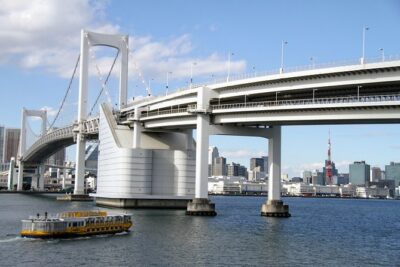

teamLab Planets TOKYO Digital Art Museum Entry Ticket
Read our review →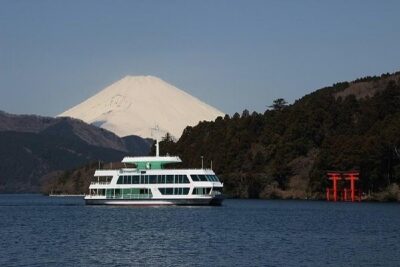
Mt Fuji & Hakone Cruise, Drum Show Bullet Train 1 Day from Tokyo
Read our review →
Sumo Show Experience with Chicken Hot Pot and a Photo
Read our review →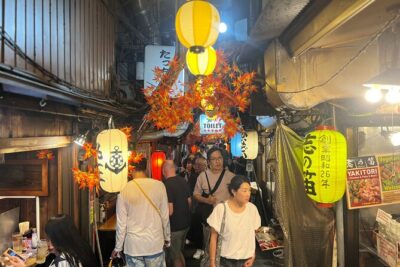
Shinjuku Food Tour (13 Dishes at 4 Local Eateries)
Read our review →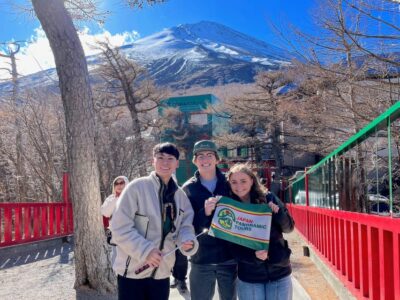
Tokyo Mt Fuji 5th St & Hakone Cruise Bus Tour w/Bullet Train
Read our review →
Flagship 2-Hours Official Street Go-Kart Tour – Tokyo Bay Shop
Read our review →Browse the lists this tour appears in