
Reviewed · TOKYO TOURS
Tokyo: Chopstick Making Workshop with Artisan
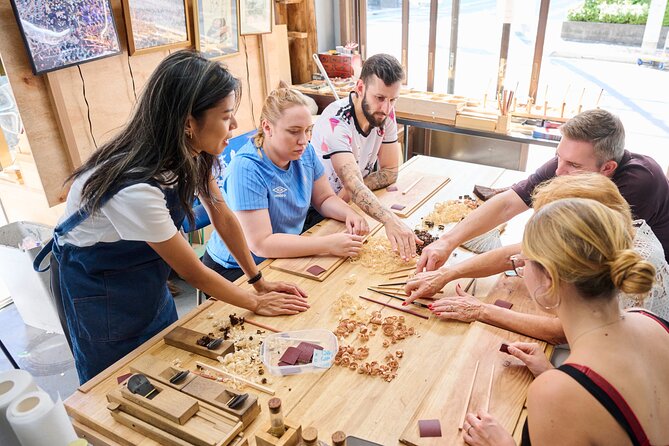
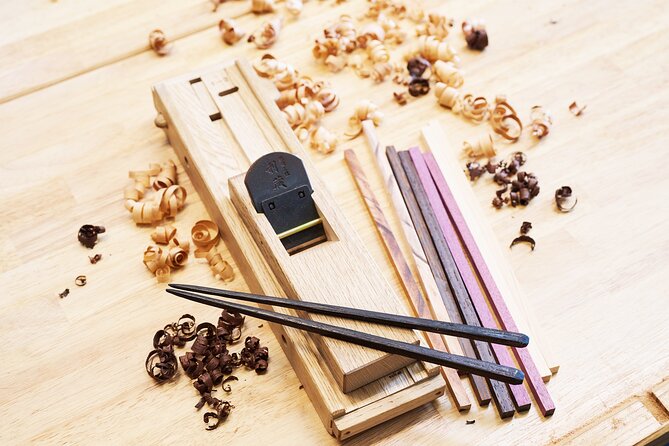
Making chopsticks by hand turns an everyday Japanese object into a personal souvenir. At Hashiyuki Chopsticks Shop & Workshop, you’ll shape the wood with traditional tools, smooth the surface, and finish a pair you can actually use at home.
I like the hands-on pace and the fact that your finished chopsticks are ready the same day. I also like the small-group setting, with room for up to 10 people and English-speaking staff who can explain both the craft and the cultural role of chopsticks.
The main thing to consider is time. One hour is enough for most people, but a single account found the session rushed when several people started at different times and only two staff members were helping. Work carefully, especially if you want engraving or a more detailed finish.
Key points at a glance
- Make a useful souvenir: You shape, sand, and personalize your own wooden chopsticks rather than simply buying a finished pair.
- Choose your wood: More than 10 wood types are available. Three choices are included, while higher-grade options cost extra.
- Meet local instructors: English and Japanese are spoken, with instructors including Yuki, Angie, Chihiro, Victoria, Kaana, Tomo, and Anthony.
- Small-group format: The workshop accepts up to 10 participants, making it suitable for couples, families, solo visitors, and friends.
- Good value at $16: The base price includes the workshop, tools, materials, and your handmade chopsticks.
- Allow for add-ons: Engraving is not listed among the included items. One participant paid an additional ¥1,000 and recommended it as a worthwhile finishing touch.
Why making chopsticks beats buying another souvenir
Tokyo offers no shortage of gifts, but many are easy to forget once you get home. A pair of chopsticks you shaped yourself has a different value. You remember the feel of the wood, the small corrections from the instructor, and the satisfaction of getting both sticks close to the same shape.
This workshop also gives you a short break from Tokyo’s busy streets. The work is quiet and repetitive in a good way. You focus on the wood in front of you instead of a phone, a map, or a crowded train platform. One participant described the session as a calming change from the city, and that is a useful way to think about it.
You do not need prior craft experience. The instructions cover the basic movements, and the staff stay nearby to correct mistakes or show you how to improve the shape. The activity is meant for beginners, not trained woodworkers.
The result will not be a factory-perfect pair made by a master artisan. That is part of the point. Small differences in shape or texture are reminders that you made them yourself.
More hands-on workshops in Tokyo:
- Sushi Making Tokyo Roll and Authentic Japanese Sushi Class
★ 5.0 · 3,971 reviews - Tokyo: Roll and Authentic Sushi Making Class in Asakusa
★ 4.9 · 1,957 reviews - Tokyo Shinjuku Chopsticks Making Class
★ 5.0 · 1,763 reviews
Arriving at Hashiyuki in Tokyo’s Taito district
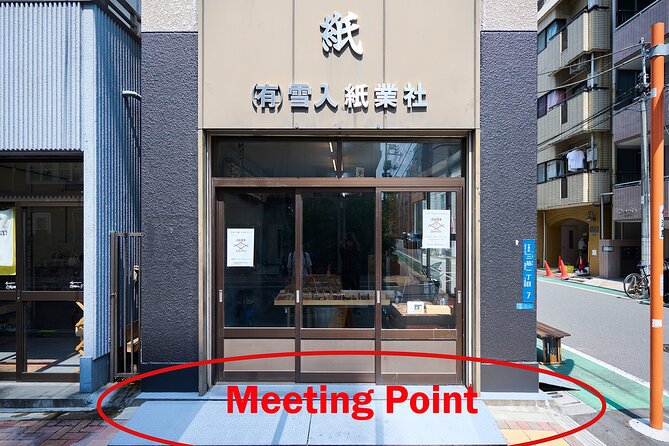
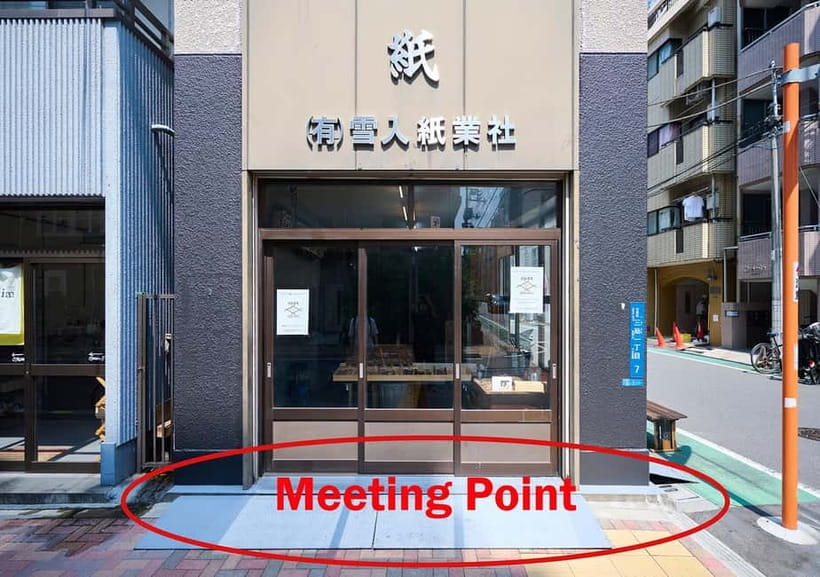
The meeting point is Hashiyuki Chopsticks Shop & Workshop at 1-7-1 Misuji, Taito-ku, Tokyo. The Japanese name shown for the location is 雪入紙業社, or Yukiirishigyosya, and the coordinates are 35.7032168, 139.7853879.
The workshop sits in one of Tokyo’s long-established craft areas, giving the activity a useful sense of place. You are not simply entering a tourist attraction built around a craft. You are visiting a neighborhood connected with small-scale making and traditional work.
Check the exact starting time when you book. The activity lasts about one hour, though your working speed can affect how quickly you finish. One participant said the job could take about 30 minutes for someone working quickly, while most people should expect to use much of the allotted hour.
I would arrive ready to start on time. The session is short, and late arrival could reduce the time available for choosing wood, shaping it, sanding it, and adding a personal finish.
Choosing wood before the tools come out
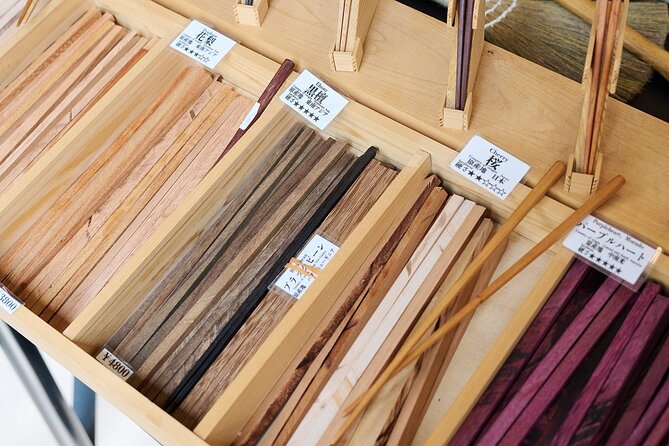
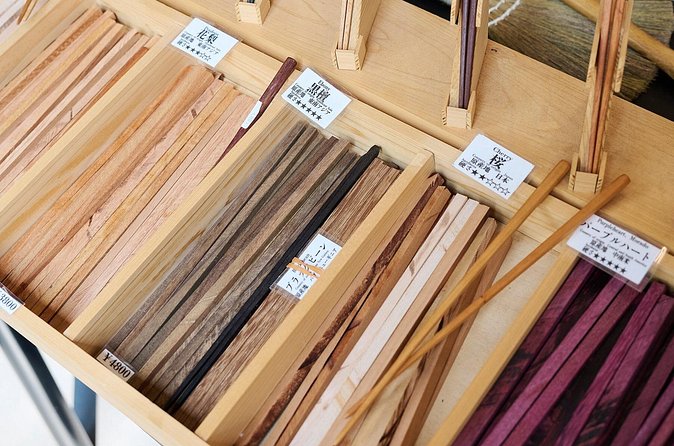
One of the best parts of the workshop comes before the carving begins. You can choose from more than 10 types of wood, with three types included in the standard price. Higher-grade woods are available for an additional charge.
This choice gives the activity more character than a one-size-fits-all craft class. Wood can differ in color, grain, feel, and appearance, so your pair begins with a material that suits your taste. The instructors explain the differences, helping you choose instead of leaving you to guess.
The $16 price is strongest if you are happy with one of the included woods. At that rate, you receive the class, tools, materials, and personalized chopsticks. If you want a premium wood, the final cost rises, so ask about the surcharge before choosing.
For a gift, wood choice can matter. A simple pair made from an included option still carries the story of your work, while a higher-grade material may appeal if you want a more polished present. Neither choice is automatically better. The important thing is knowing that the upgrade is optional.
Shaping the wood with traditional methods
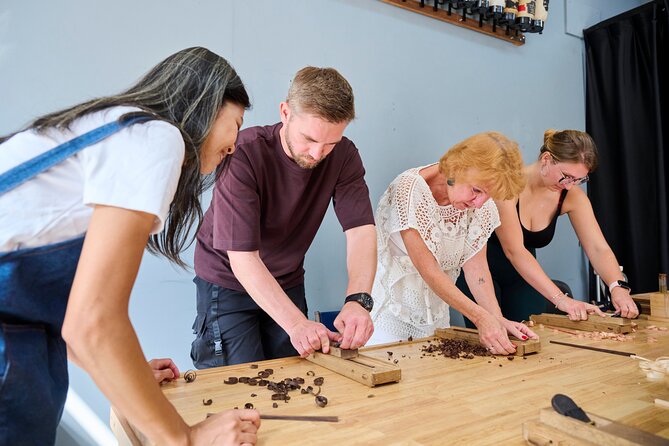
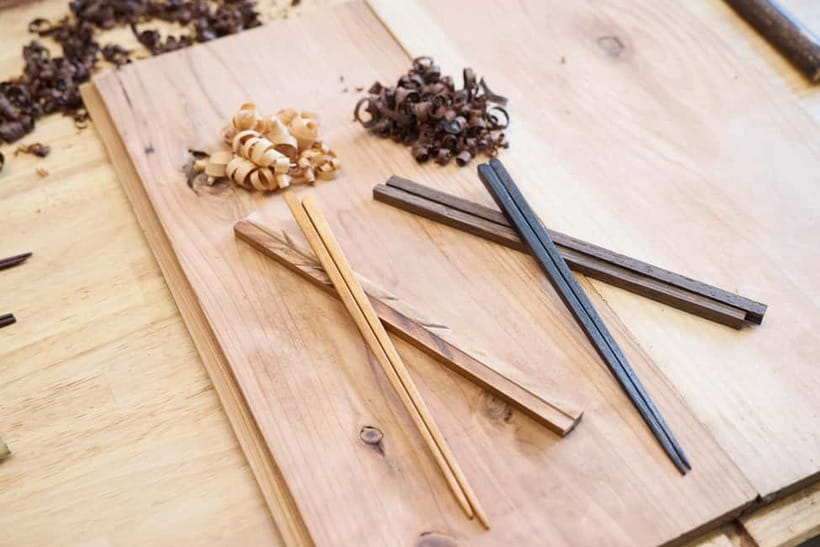
Once you have chosen your material, the instructor explains how to shape it. The workshop covers shaving or carving the wood, then sanding and smoothing the surface. You work on the chopsticks yourself, but you are not left alone with unfamiliar tools.
That guided approach is a major strength. The task is easy to understand, yet it still requires attention. You need to remove enough material to create a comfortable shape without taking away too much. The instructors help when a line goes wrong or one stick begins to look different from the other.
Names mentioned by participants include Yuki, Angie, Chihiro, Victoria, Kaana, Tomo, and Anthony. The repeated praise for Angie, Chihiro, and Yuki points to a teaching style that is patient and encouraging. Yuki was also able to offer a ramen recommendation after the session, a small but useful bonus if you are planning lunch nearby.
The English support is important for this kind of activity. You need to understand how to hold the tool and where to remove wood. English-speaking staff make those instructions easier to follow, while Japanese is also available.
A few more Tokyo half-days to weigh up
- Mt Fuji and Hakone 1-Day Bus Tour Return by Bullet Train
★ 5.0 · 26,383 reviews - 1-Day Tokyo Bus Tour
★ 5.0 · 14,250 reviews - Tokyo: TOKYO SKYTREE® Admission ticket
★ 4.5 · 11,192 reviews - Tokyo: teamLab Planets TOKYO Digital Art Museum Entry Ticket
★ 4.6 · 9,779 reviews
Sanding and getting the pair to match
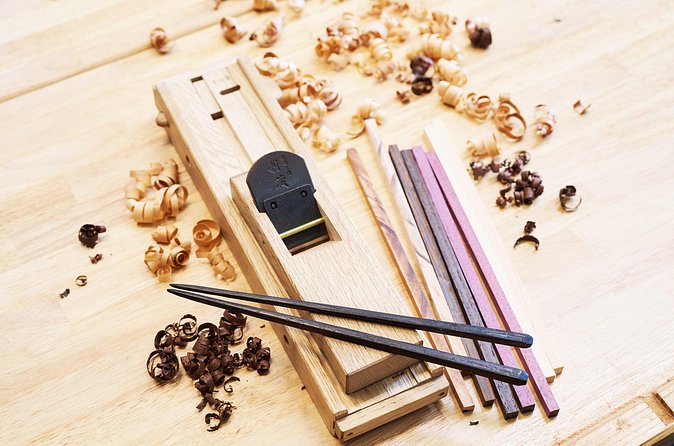
Shaping is only half the job. Sanding smooths the surface and helps you refine the feel of each chopstick. This stage may sound simple, but it is where patience pays off.
You will want the two sticks to look and feel like a pair. They do not need to be identical in a machine-made way, but uneven thickness or rough patches can affect how comfortable they are to use. The staff can point out areas that need more attention.
This is also where the one-hour limit matters most. If you spend too long choosing wood or making ambitious changes early on, the final sanding can feel hurried. I would follow the instructor’s demonstration closely and make steady progress rather than trying to create a dramatic shape.
The activity works well for children because the goal is clear and the process is manageable. A family group ranging from age 8 to 42 completed the workshop together, with the instructors helping each person at the right level. Younger children may need closer support, but the small group size makes that practical.
Adding a name or personal design
The standard experience gives you personalized chopsticks, but extra engraving may be available for an additional fee. One participant paid ¥1,000 for engraving and felt the result was beautifully done. Another used engraving to add a best friend’s name, turning the chopsticks into a gift.
Treat engraving as an optional extra, not part of the $16 base price. If you want it, ask the staff about the price and timing early in the session. A personalized name can make the souvenir feel much more special, particularly if you are giving the pair away.
If you are short on time, focus first on getting the wood smooth and comfortable. Engraving is a nice addition, but it should not distract from the main craft.
Learning why chopsticks matter in Japan
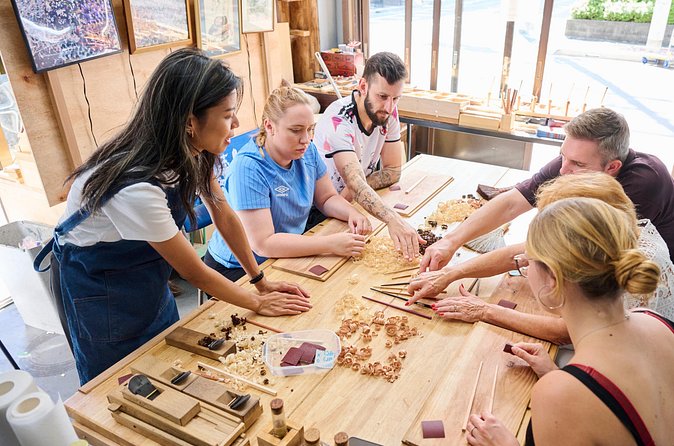
This is not just a wood-shaping class. The instructor also explains the cultural significance of chopsticks in Japan, adding meaning to an object you may otherwise take for granted.
Chopsticks are part of daily life, but they also appear in important social and family settings. The workshop gives you a chance to consider how much care can go into an item used at nearly every meal. That connection between ordinary use and skilled making is what makes the activity more valuable than a quick souvenir purchase.
The cultural explanation is not presented as a long lecture. It fits naturally around the practical work, so you can learn while your hands stay busy. I prefer this kind of teaching because the information sticks better when it is connected to something you are making.
You leave with a better sense of Japanese craftsmanship, but the activity remains light and relaxed. It is suitable if you want cultural context without signing up for a long museum visit or formal class.
How the one-hour format affects the experience
The stated duration is one hour, and most participants appear to finish within that window. Still, the timing deserves an honest warning.
A participant who attended with a group of around 10 people felt rushed because groups did not begin at exactly the same time. With only two employees assisting, the staff had to move between people in a small room. That situation may not happen every session, but it shows why the workshop can feel tight at busy times.
A 9am booking worked well for one couple, who found themselves in a very small group. An early session may offer a quieter start, though you should not assume every time slot will be private or lightly booked.
If you work carefully, follow directions, and avoid spending too long on the first shaping stage, the hour should be workable. If you want to linger over every detail, choose a less crowded time if available and keep your expectations realistic. This is a short introduction to chopstick making, not a full-day carpentry course.
Who will enjoy this Tokyo craft workshop
I would recommend this activity to:
- Couples looking for a shared souvenir with a personal story
- Families with children who can follow simple tool instructions
- Solo visitors who want a calm, social activity
- Anyone interested in Japanese design and traditional craftsmanship
- Visitors who prefer useful souvenirs to decorative objects
- People looking for a one-hour activity in the Taito area
It also suits a rainy day because the work takes place indoors, though the supplied information does not describe the room beyond its small-group setup. The venue is wheelchair accessible, which makes it an option for visitors who need step-free access, though you should still confirm any personal access needs before booking.
I would think twice if you dislike repetitive handwork, want a long cultural lecture, or need a very relaxed timetable. The class is easy for beginners, but the short session rewards focus.
Is $16 a fair price?
At $16 per person, the workshop offers good value. The fee includes instruction, tools, materials, and the pair of chopsticks you make. You are paying for an activity and a finished object, rather than admission to watch someone else work.
The strongest value comes from the combination of making and taking home. A purchased pair may cost less, depending on the shop, but it will not carry the same memory. The class also avoids the high price often attached to longer craft experiences.
Keep some extra budget in mind if you want premium wood or engraving. Three wood types are included, while higher-grade choices cost more. Engraving has been available for ¥1,000, based on a participant’s experience, but you should confirm the current charge directly at the workshop.
The flexible booking terms add practical value. You can cancel up to 24 hours before the activity for a full refund, and the reserve-now, pay-later option lets you hold a place without paying immediately. Those policies are useful in Tokyo, where weather, fatigue, and changing sightseeing plans can easily affect a day.
My practical advice before you book
Choose your wood with the finished user in mind. If the chopsticks are for you, think about the feel and appearance you will enjoy at home. If they are a gift, engraving a name can make them more personal.
Do not rush the first cuts. Ask the instructor to check the shape before you remove more material. The staff are there to fix mistakes and guide you, and several instructors have been praised for patient, clear help.
If you are visiting with children, stay involved during the tool demonstrations. The activity is family-friendly, but it still involves shaping wood with traditional tools. The supplied information does not specify age limits, so confirm the arrangements for very young children before booking.
Plan the rest of your day around the workshop rather than squeezing it between two fixed appointments. The session is only an hour, but the exact pace can vary. Leaving a little breathing room will make the activity more enjoyable.
Should you book it?
Book this workshop if you want a small, personal souvenir and an easy introduction to Japanese craftsmanship. The $16 base price is fair, the activity is suitable for beginners, and the finished chopsticks are useful rather than merely decorative.
The strongest reasons to go are the patient English-speaking guidance, the choice of wood, and the peaceful change of pace from Tokyo sightseeing. Families, couples, solo visitors, and small groups can all get something from it.
Skip it if you want a long, unhurried craft lesson or dislike the possibility of a busy room. The one-hour limit can feel tight when several people need help at once. For most visitors, though, the modest price and personal result make this a smart short activity in Taito.
FAQ
How long does the chopstick-making workshop last?
The workshop lasts one hour. Some people may finish in about 30 minutes if they work quickly, but most of the session is intended for shaping, sanding, and finishing the chopsticks.
What is included in the $16 price?
The price includes the chopstick-making workshop, tools, materials, and your personalized wooden chopsticks. Three wood types are included in the standard price.
Can I choose a different type of wood?
Yes. More than 10 wood types are available. Three types are included free of charge, while higher-grade woods require an additional payment.
Is engraving included?
Engraving is not listed among the included items. It may be available for an extra charge. One participant paid ¥1,000 for engraving, so confirm the current price at the workshop.
What languages do the instructors speak?
The instructors speak English and Japanese. English-speaking staff provide guidance throughout the workshop.
Where does the activity take place?
The meeting point is Hashiyuki Chopsticks Shop & Workshop, 1-7-1 Misuji, Taito-ku, Tokyo. The Japanese name shown for the location is 雪入紙業社, or Yukiirishigyosya. The venue is wheelchair accessible and accepts groups of up to 10 participants.
Just added around Tokyo
- Private Arrival Transfer : Narita International Airport to Central Tokyo City★ 4.5 · 12 reviews
- Narita Airport(NRT): Private Transfer to Tokyo/Yokohama 1-9pax★ 5.0 · 47 reviews
- Private Transfer from Narita Airport to Yokohama Port and City★ 4.5 · 17 reviews
- [Narita Airport Terminals 1, 2] 40-60km Sawara Itako Historic Bike Tour★ 5.0 · 13 reviews
- 3 Day Japan Highlights Tour: Tokyo, Mt.Fuji, Nara, Kyoto, Osaka★ 5.0 · 22 reviews
- Small Town in the Big City: Tasting Tokyo’s Kichijoji★ 5.0 · 195 reviews
- Small Town in the Big City: Tasting Tokyo’s Kichijoji★ 5.0 · 16 reviews
- The 10 Tastings of Tokyo With Locals: Private Street Food Tour★ 5.0 · 48 reviews
Tokyo Tours, compared.

Mt Fuji and Hakone 1-Day Bus Tour Return by Bullet Train
Read our review →

teamLab Planets TOKYO Digital Art Museum Entry Ticket
Read our review →
Mt Fuji & Hakone Cruise, Drum Show Bullet Train 1 Day from Tokyo
Read our review →
Sumo Show Experience with Chicken Hot Pot and a Photo
Read our review →
Shinjuku Food Tour (13 Dishes at 4 Local Eateries)
Read our review →
Tokyo Mt Fuji 5th St & Hakone Cruise Bus Tour w/Bullet Train
Read our review →
Flagship 2-Hours Official Street Go-Kart Tour – Tokyo Bay Shop
Read our review →Browse the lists this tour appears in