
Reviewed · TOKYO TOURS
Tokyo: Daikoku JDM Car Meet & Night Car Culture Tour
Tokyo’s famous Daikoku Parking Area is not a movie set. It is a real public rest stop where car enthusiasts gather, often with everything from tuned Nissan Skylines to Ferraris, Lamborghinis, and unusual custom builds. This four-hour night tour takes you there by comfortable vehicle, with city views and several car-focused stops along the way.
I like the local car knowledge and the chance to see the scene without renting a car or trying to work out Tokyo’s expressways yourself. I also like the mix of driving and stops: APIT Autobacs, Tatsumi Parking Area, Rainbow Bridge, and Daikoku each show a different side of the culture. The main drawback is simple: the cars are never guaranteed, and Daikoku can close without notice.
Key points before you book
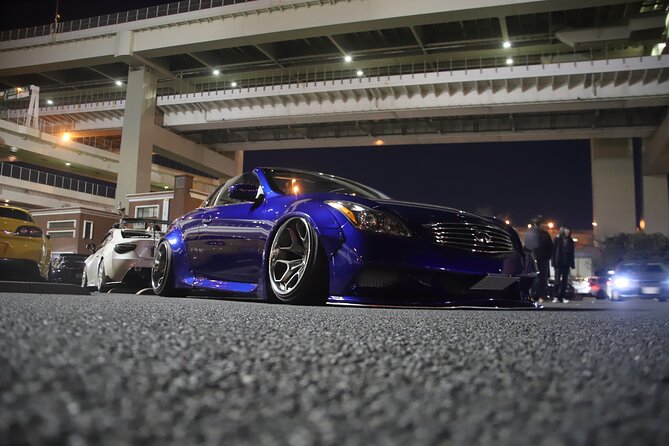
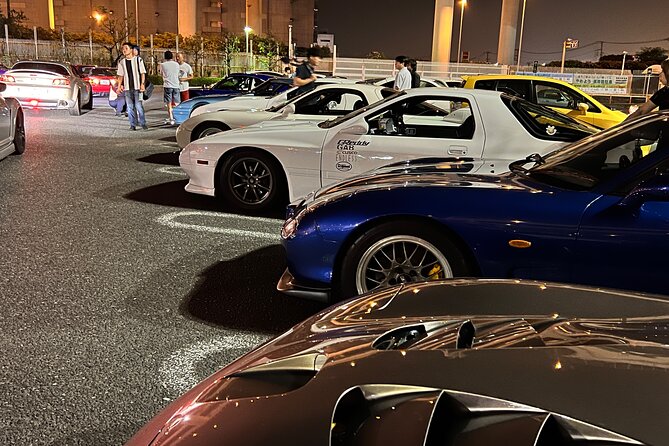
- Daikoku Parking Area is the main event: You get about an hour there when it is open, with time to walk around and photograph the cars.
- The night route is part of the experience: Rainbow Bridge, Tokyo Tower, Tokyo Skytree, and the illuminated city give the tour more than a simple car-spotting stop.
- APIT Autobacs is a car-lover’s shopping stop: Allow about 25 minutes for parts, accessories, models, clothing, and memorabilia.
- Guides bring real scene knowledge: Michael, Mori, Karim, Jason, Julian, and other hosts explain cars, roads, Tokyo, and the culture behind the meetups.
- You ride in a small group: The limit is 10 people, with vehicles ranging from vans to JDM, European, and luxury cars, depending on the booking and availability.
- This is responsible car culture, not Tokyo Drift: Expect legal driving and public meetups, not street racing, drifting, or loud contests.
What this Tokyo car tour really offers
This experience is best understood as a guided look at Japanese car culture, not a performance ride. You are not paying for a guaranteed supercar sighting or a chance to ride at racing speed. You are paying for access to places that are awkward to reach on your own, plus a host who can explain what you are seeing.
That difference matters. Daikoku Parking Area is a public highway rest stop, not a scheduled car show. The mix changes from night to night, and the lot can be quiet, busy, or closed. The uncertainty is part of the atmosphere, but it also means you should book this for the experience of the scene, not a particular model.
The tour has earned a 4.8 rating from 626 reviews, and 92 percent of ratings give the transport a perfect score. The strongest pattern is clear: guides receive high marks for explaining the cars and driving safely, while Daikoku and the night views provide the big visual payoff.
More evenings out in Tokyo:
- Tokyo Night Foodie Tour in Shinjuku – Seasonal Sushi, Wagyu Beef
★ 5.0 · 1,161 reviews - Tokyo After 5: Authentic Japanese Food & Drink Night Tour
★ 4.5 · 560 reviews - Tokyo: Samurai Entertainment Night Show in Kanda Shrine
★ 4.6 · 417 reviews
Starting in Shibuya and heading onto the expressways
The listed meeting point is at 2-chōme-29-8 Dōgenzaka, at the Toeidō Building, though the exact starting point can depend on the option you book. Hotel pickup and drop-off are not included, so plan your route to the meeting point carefully and bring your passport or another ID card.
Once you are aboard, the city becomes part of the show. The route can pass Roppongi Hills before heading toward the Rainbow Bridge, with Tokyo’s lights appearing through the windows as the tour moves onto the expressways.
I especially like this early stretch because it gives you context. Tokyo’s car culture is tied to its roads, tunnels, bridges, and elevated expressways. You are not simply being driven from one parking lot to another. You are seeing how the city itself shapes the experience.
Traffic can affect the order and timing. Weekend schedules may also change, and the host has discretion to alter the route for weather or road conditions. That flexibility is practical in Tokyo, where a short distance can take much longer than expected.
Rainbow Bridge and the city after dark
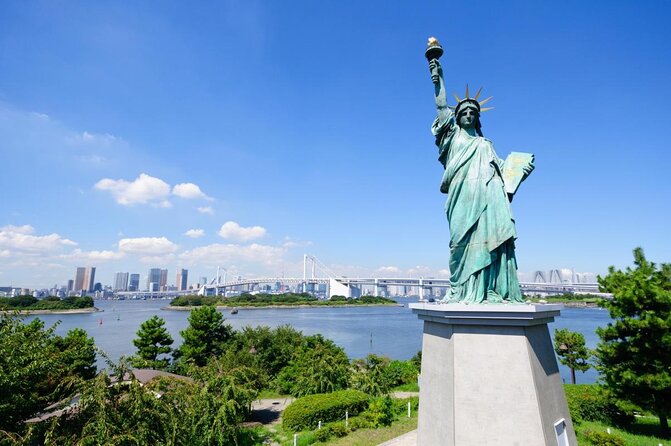
The Rainbow Bridge is a pass-by stop rather than a long walking visit. Still, it is one of the tour’s most attractive moments, especially at night, when the bridge and Tokyo skyline are lit up.
The route may pass the bridge twice, once on the way out and again on the return. You may also see Tokyo Tower, Tokyo Skytree, central Tokyo, Haneda Airport, Yokohama, and parts of the waterfront from the vehicle.
Do not expect a formal sightseeing stop at every landmark. The value is in seeing Tokyo from the road, with a car enthusiast’s route through the city. If you want long photo sessions at Tokyo Tower or the Skytree, this is not the right tour. If you like city lights, elevated roads, and the feeling of moving through Tokyo at night, the drive adds a lot.
APIT Autobacs: the shopping stop for car fans
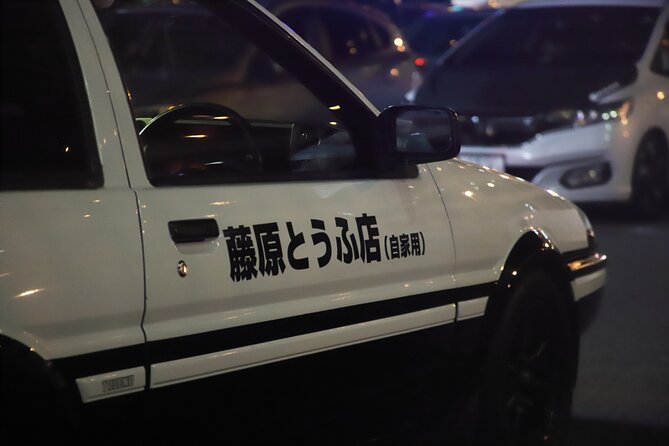
APIT Autobacs Shinonome is usually one of the first major stops, with about 25 minutes to look around. It is described as Japan’s largest automotive store, and it is packed with tuning parts, accessories, memorabilia, merchandise, and impressive builds.
You do not need to be an expert mechanic to enjoy this stop. The store gives you a useful look at the practical side of Japan’s car scene. It shows how tuning culture reaches beyond the meet itself, into parts, maintenance, styling, models, and everyday car ownership.
Twenty-five minutes is enough for a quick look and some shopping, but not for careful browsing of every aisle. One useful tip: decide before arriving whether you actually want souvenirs or car parts. It is easy to spend more than planned here, especially if you collect models, clothing, or automotive accessories.
A few people would prefer more time at APIT. That is a fair complaint, especially if you want to shop. The tour’s priority, though, is getting you to the meetups, so the store works best as a lively preview rather than the main attraction.
A few more Tokyo half-days to weigh up
- Mt Fuji and Hakone 1-Day Bus Tour Return by Bullet Train
★ 5.0 · 26,383 reviews - 1-Day Tokyo Bus Tour
★ 5.0 · 14,250 reviews - Tokyo: TOKYO SKYTREE® Admission ticket
★ 4.5 · 11,192 reviews - Tokyo: teamLab Planets TOKYO Digital Art Museum Entry Ticket
★ 4.6 · 9,779 reviews
Tatsumi 1st Parking Area and the changing schedule
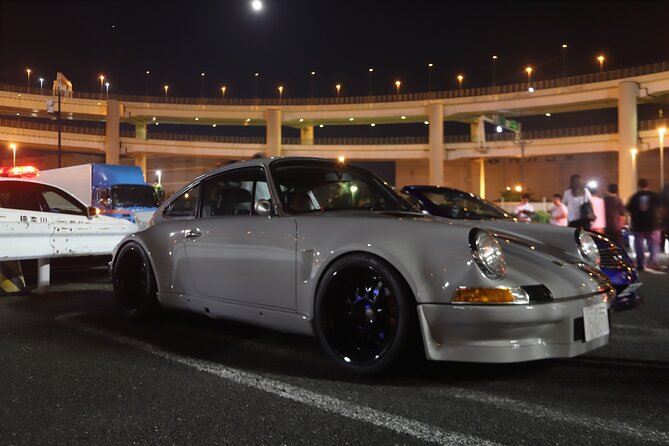
Tatsumi 1st Parking Area is listed as a 15-minute visit. Like Daikoku, it is a place where car enthusiasts may gather, but the turnout depends on the night, time, and local conditions.
The short stop can be enough to stretch your legs, look around, and see what is parked there. It may also feel brief if the lot is active or if you are having a good conversation with the guide. Since these are impromptu meeting places, nobody can promise a certain number or type of car.
The exact secondary stop can change. Depending on the day and time, the tour may use Tatsumi, Umihara, Autobacs, or Gaienmae as part of the route. The weekday itinerary shown for the experience is only an example, and traffic or weather can change the plan.
This is worth keeping in mind when you book. You are guaranteed a planned experience with at least three stops and Daikoku included in the route, but you are not buying a fixed car-show program.
Daikoku Parking Area, the reason most people book
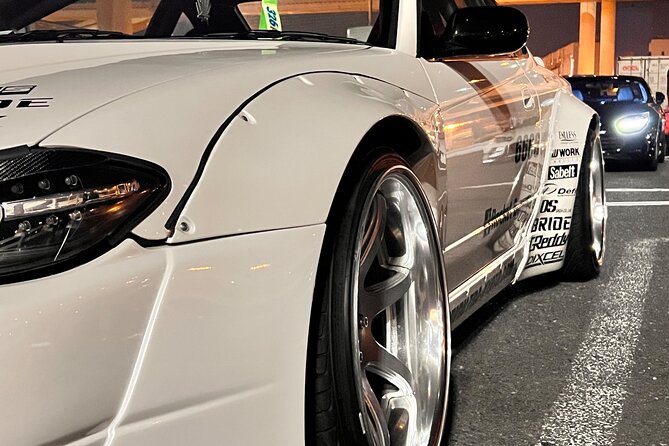
Daikoku Parking Area is the tour’s centerpiece, with about one hour scheduled there. For many people, this is the closest thing to stepping into the car culture seen in Tokyo Drift, Initial D, Wangan Midnight, and Japanese racing games.
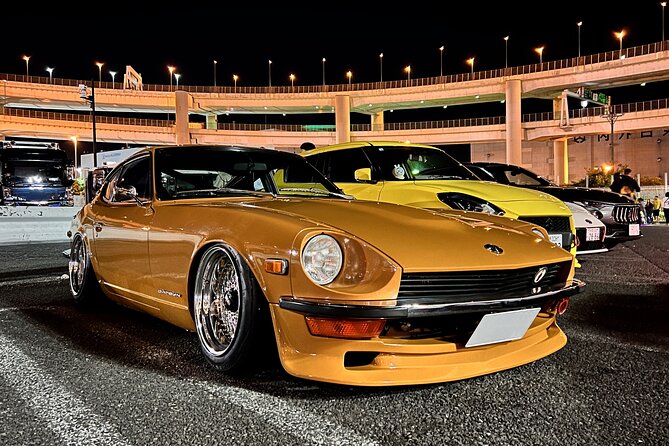
The setting is more grounded than Hollywood suggests. Cars arrive, owners talk, people look, and the mood is generally respectful. You may see modified JDM cars, older and newer Nissan Skylines, multiple generations of GT-Rs, RX-7s, European performance cars, American models, and luxury vehicles. A Ferrari, Lamborghini, or Lexus LFA might appear, but there is no promise.
The best advice is to treat every arrival as a bonus. Some nights may produce a packed lot, while another visit may offer a smaller gathering. A Friday or Saturday may bring stronger activity, based on the timing described by past participants, but the operator still cannot control who shows up.
Daikoku is also a public rest stop and can close without warning. If that happens, the host changes the route and offers other car-related locations. That is disappointing if Daikoku is your one reason for booking, but it is better to understand the rule before paying.
You should also follow the local tone. This tour does not include illegal drifting, street racing, reckless driving, or loud rev battles. The attraction is the cars and the community, not a staged stunt show.
The vehicles: comfort first, with some special options
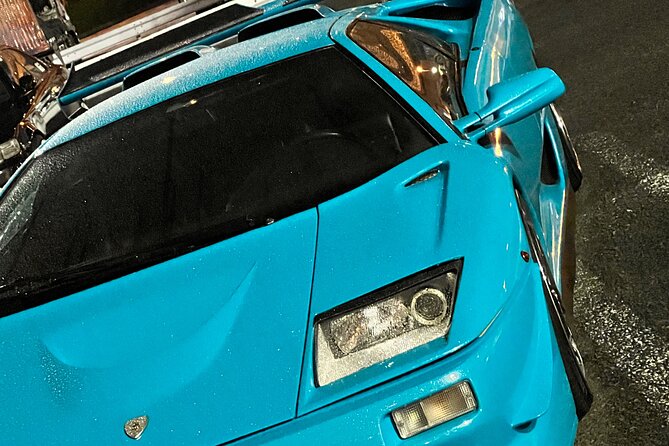
The vehicle depends on your group size, booking option, and availability. Choices may include spacious vans, JDM cars, European models, luxury vehicles, and factory high-performance cars. Some vehicles are customized by the company, while others remain close to their original factory specification.
Past rides have included a Nissan Skyline, an RX-7, a Lexus LS, sedans, and vans. A ride in a special car can make the evening feel extra personal, but you should not assume you will receive a specific model unless your booking clearly confirms it.
The van option may require your group to split between two vans if the party is large or seats are limited. For couples and small groups, the car choice may feel more flexible, but availability still controls the final arrangement.
One practical point came up about the RX-7: the rear seat is small, though manageable for a shorter adult. If you are tall or need extra legroom, contact the operator before booking and ask about the vehicle option. The transport receives especially strong marks for cleanliness, maintenance, and safe driving, which matters on a four-hour route.
The guides make the difference
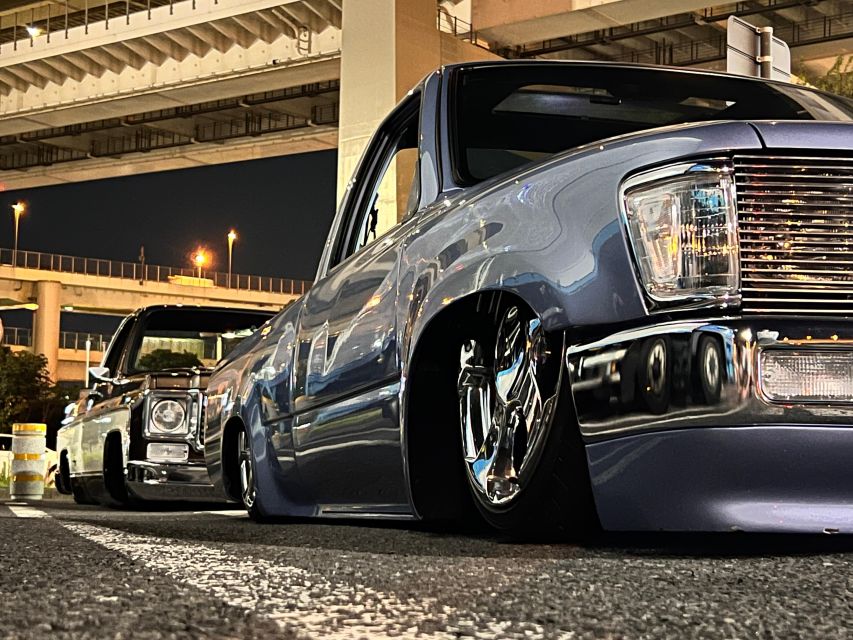
The best part of this tour is not just getting to Daikoku. It is having someone beside you who can explain why the place matters.
Michael is an auto-industry insider with more than 25 years of experience working with Japanese, European, and American brands. He has been praised for explaining cars, city roads, films, games, and the history of Japanese street racing in clear terms.
Mori is another frequently named guide. He explains both car culture and Tokyo, answers questions throughout the drive, and gives you room to explore at the stops. Karim is described as friendly, accommodating, and a careful driver, with a knack for making the ride conversational. Jason has led tours in an RX-7 and is noted for detailed explanations and a relaxed manner. Julian has been praised for managing the timing without making the stops feel rushed.
Guides can vary, so you should not book on the assumption that one particular person will lead every departure. English is the default, with Japanese, Polish, Italian, and German available when those guides are working.
What the price means at $98
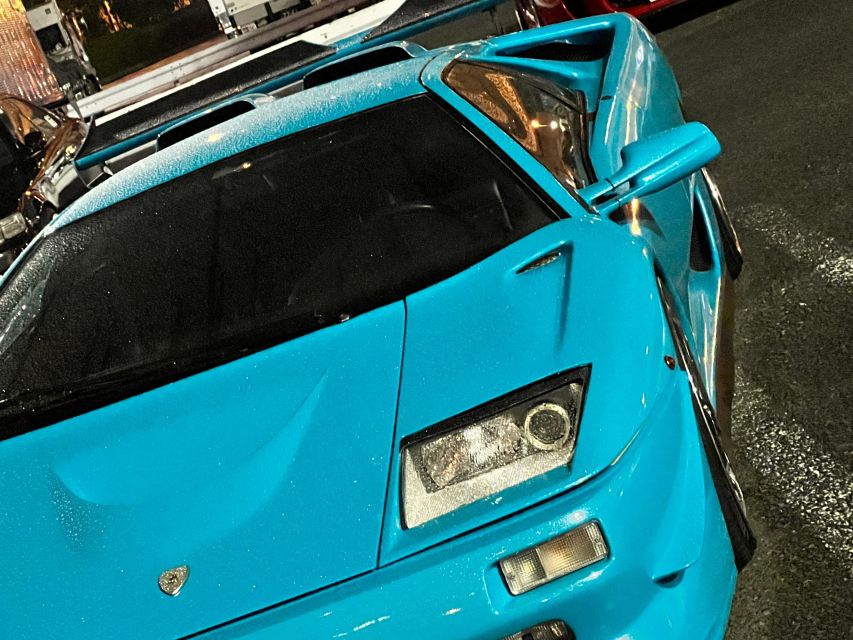
At $98 per person, this is not the cheapest way to see Tokyo, but it is a reasonable price for a four-hour small-group outing that includes transport, taxes, and a specialist host. You also avoid the difficulty of reaching Daikoku yourself, where public transport is not a simple solution.
The value is strongest for visitors who would otherwise need to arrange a private car, navigate unfamiliar expressways, and hope they find the right meetups. It is also a good deal if you care about the explanations, the night route, and the chance to share the experience with other car fans.
The value is weaker if you only want a guaranteed lineup of rare cars. For that, no tour can honestly promise the result at a public meeting place. You might see a remarkable mix, or you might spend more time enjoying the roads and city views than photographing dream cars.
Food, drinks, and souvenirs cost extra. Food and drinks are not allowed in the vehicle, and smoking is prohibited there as well.
Who should book this experience
You will get the most from this tour if you already like JDM cars, tuning, racing games, Japanese automotive films, or the mechanics of car culture. It suits solo visitors, couples, friends, and families with children aged five and over.
You do not need to be a serious enthusiast. The city drive, Rainbow Bridge, APIT Autobacs, and the guide’s explanations give curious newcomers plenty to enjoy. One parent even found it a strong choice for an eight-year-old, though younger children may find a four-hour evening ride tiring.
This tour is not suitable for children under five or wheelchair users. If a child aged five to seven needs a booster seat, contact the operator before the tour date.
Practical advice for a better night
Book an evening departure if you want the strongest atmosphere and illuminated city views. Daytime tours may be available, but the exact experience depends on conditions and availability.
Keep your expectations flexible. The route can shift with traffic, weather, weekday or weekend timing, and the status of the parking areas. Heavy rain may cancel the tour, though normal weather usually does not stop it.
Bring your passport or ID. Wear shoes and clothing that make it easy to walk around the parking areas, and bring a phone or camera with enough battery for photos. Ask about your vehicle in advance if legroom matters or if you have a strong preference for a van, sedan, or performance car.
Free cancellation is available up to 24 hours before departure, and you can reserve now and pay later. Check the meeting point tied to your selected option, since it may vary.
Should you book the Daikoku JDM tour?
Book it if you want a safe, guided introduction to Tokyo’s real car scene, especially at night. The combination of expressway views, APIT Autobacs, Tatsumi, Daikoku, and guides such as Michael, Mori, Karim, Jason, and Julian gives you much more than a simple ride to a parking lot.
Do not book it expecting guaranteed drifting, a specific car, or a fixed show lineup. Book it for the roads, the atmosphere, the stories, and the possibility of seeing something extraordinary when the next car rolls in. At $98, it is a strong choice for car fans and a surprisingly accessible night out for anyone curious about a side of Tokyo that ordinary sightseeing rarely reaches.
FAQ
How long is the Tokyo Daikoku JDM car tour?
The tour lasts four hours, including the city drive and visits to the automotive and car-meet locations.
How much does the tour cost?
The listed price is $98 per person. All fees and taxes are included, but food, drinks, and souvenirs are not.
Is Daikoku Parking Area guaranteed to be open?
No. Daikoku Parking Area is public and may close without notice. If it closes, the host adjusts the route and provides an alternative experience.
What cars will I see at Daikoku?
There is no guaranteed type or number of cars. You might see modified JDM vehicles, Nissan Skylines, GT-Rs, RX-7s, European cars, American cars, luxury vehicles, and other builds, depending on who arrives that night.
Does the tour include illegal drifting or street racing?
No. The tour follows local laws and does not include illegal drifting, street racing, reckless driving, or loud rev battles.
What languages are available?
English is the default language. Japanese, Polish, Italian, and German are also available when suitable guides are working.
Where does the tour start?
One listed starting point is 2-chōme-29-8 Dōgenzaka, at the Toeidō Building. The meeting point may vary according to the option booked.
Can children join the tour?
Children under five cannot join. Children aged five to seven who need a booster seat require advance contact with the activity provider. The tour is not suitable for wheelchair users.
What should I bring, and what is not allowed?
Bring your passport or another ID card. Smoking, alcohol, food, and drinks are not allowed inside the vehicle.
Just added around Tokyo
- Private Arrival Transfer : Narita International Airport to Central Tokyo City★ 4.5 · 12 reviews
- Narita Airport(NRT): Private Transfer to Tokyo/Yokohama 1-9pax★ 5.0 · 47 reviews
- Private Transfer from Narita Airport to Yokohama Port and City★ 4.5 · 17 reviews
- [Narita Airport Terminals 1, 2] 40-60km Sawara Itako Historic Bike Tour★ 5.0 · 13 reviews
- 3 Day Japan Highlights Tour: Tokyo, Mt.Fuji, Nara, Kyoto, Osaka★ 5.0 · 22 reviews
- The 10 Tastings of Tokyo With Locals: Private Street Food Tour★ 5.0 · 48 reviews
- Small Town in the Big City: Tasting Tokyo’s Kichijoji★ 5.0 · 195 reviews
- Small Town in the Big City: Tasting Tokyo’s Kichijoji★ 5.0 · 16 reviews
Tokyo Tours, compared.
Mt Fuji and Hakone 1-Day Bus Tour Return by Bullet Train
Read our review →
teamLab Planets TOKYO Digital Art Museum Entry Ticket
Read our review →
Mt Fuji & Hakone Cruise, Drum Show Bullet Train 1 Day from Tokyo
Read our review →
Sumo Show Experience with Chicken Hot Pot and a Photo
Read our review →
Shinjuku Food Tour (13 Dishes at 4 Local Eateries)
Read our review →
Tokyo Mt Fuji 5th St & Hakone Cruise Bus Tour w/Bullet Train
Read our review →
Flagship 2-Hours Official Street Go-Kart Tour – Tokyo Bay Shop
Read our review →Browse the lists this tour appears in