
Reviewed · TOKYO TOURS
Tokyo: Meiji Shrine and Shinto Culture Walking Tour
Tokyo’s Meiji Jingu is more than a grand gate and a pleasant forest walk. It is a working Shinto shrine, and the right guide helps you understand the small acts that give the visit meaning, from bowing at the torii to cleaning your hands before prayer. For $18, this two-hour walking tour offers a useful introduction without taking half your day.
I like the small maximum of 15 people, which leaves room for questions, and I like the way the tour connects the shrine to Emperor Meiji, Empress Shoken, and the changes that shaped modern Japan. The main consideration is pace: you will spend much of the time walking outdoors, and rain can make the forest path less comfortable.
Key points to know before you book
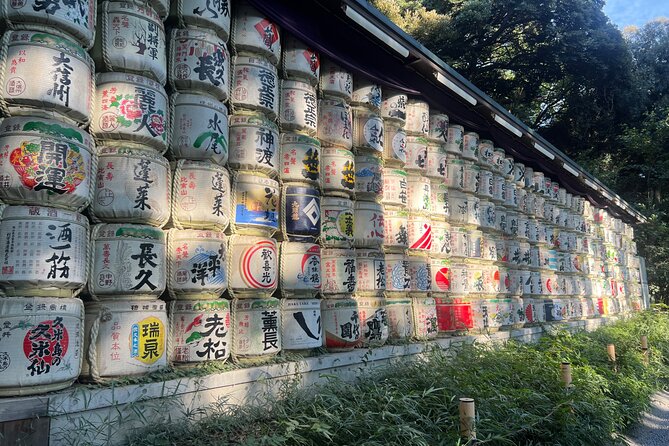
- The 12-meter torii sets the tone: Meiji Jingu’s huge wooden gate is one of the most impressive sights at the shrine.
- Shinto customs get explained clearly: Learn how to behave at the gate, where to cleanse your hands, and how shrine rituals work.
- The forest feels far from Harajuku: The walk leads from a busy Tokyo district into a broad, quiet shrine setting.
- Guides add personal detail: Yumi, Sara, Haydn, Matt, and Benjamin are among the guides named in past tour experiences.
- The tour is short and focused: Two hours gives you context without crowding your day in Tokyo.
- The price is modest: At $18 per person, the tour makes sense if you want cultural background rather than only photographs.
Why Meiji Jingu works so well as a first Shinto visit
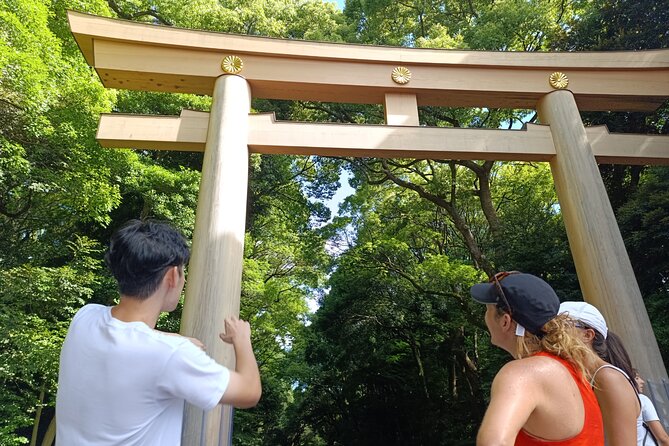
Harajuku is known for fashion, shopping, and youthful energy. Then, almost abruptly, Meiji Jingu draws you beneath tall trees and onto a broad path leading toward one of Tokyo’s most important Shinto shrines. That contrast is the heart of the experience.
Meiji Jingu was established in 1920 and is dedicated to the deified spirits of Emperor Meiji and Empress Shoken. The shrine honors a royal couple linked with Japan’s move into the modern era, making this more than a beautiful place of worship. It also gives your guide a natural way to explain how religion, national identity, and modern Japanese history meet here.
The grounds cover a large artificial forest of about 70 hectares. You are not walking through untouched woodland, but the scale makes the setting feel removed from central Tokyo. The forested route is one of the tour’s strongest features because it gives you time to adjust from the noisy streets of Harajuku before reaching the shrine buildings.
I would not choose this tour only for architecture. The buildings and gate are important, but the real value comes from understanding what you are seeing and how people use the space. Without that context, it is easy to walk through, take a few pictures, and miss the meaning of the rituals.
More walking tours in Tokyo:
- Tokyo Tsukiji Fish Market Food and Culture Walking Tour
★ 5.0 · 3,184 reviews - Tokyo: Imperial Palace and Shogun Historical Walking Tour
★ 5.0 · 2,251 reviews - Tokyo: Shinjuku Local Bar and Izakaya Guided Walking Tour
★ 4.9 · 1,794 reviews
Meeting at With Harajuku and entering the forest
The tour begins at Starbucks Coffee in the With Harajuku complex, at Jingumae 1-chome 14-30 in Shibuya. This is a practical meeting place near public transportation and close to the Harajuku side of Meiji Jingu.
Give yourself enough time to find the Starbucks and confirm the meeting point before the start. The experience ends back at the same meeting point, so you do not need to plan a separate pickup or figure out a new location at the end.
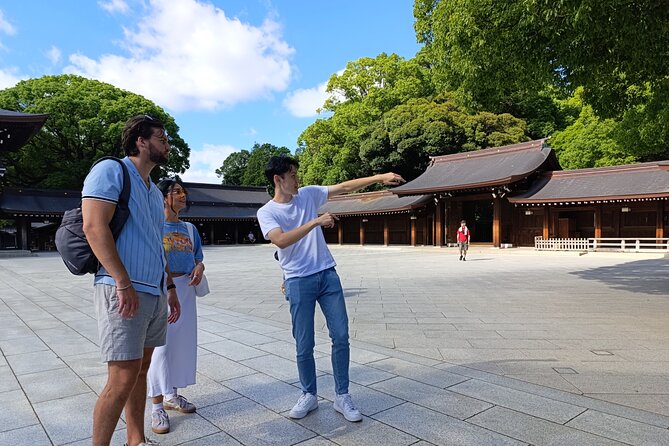
From there, the group heads toward the shrine grounds. The forest path is not simply a route between two points. It creates a gradual change in mood, with the city becoming less immediate as you walk. Your guide can explain the basic meaning of the torii and the proper approach to a Shinto shrine before you reach the central worship area.
That early explanation matters. Japanese religious customs can look simple from the outside, but small gestures carry meaning. A guide helps you avoid treating the shrine like a standard sightseeing stop and gives you a better sense of how to act respectfully.
The giant wooden torii at Meiji Jingu
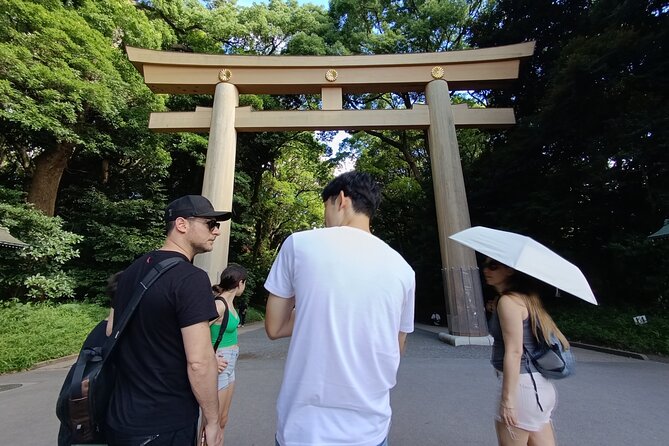
One of the tour’s clearest visual highlights is the massive wooden torii. It is described as the largest wooden myojin-style torii of its kind in Japan, measuring 12 meters high and 17.1 meters wide.
Those numbers are hard to picture until you are standing near it. The gate’s size gives the entrance real weight, both visually and symbolically. It marks a change from ordinary city space to sacred ground, and it helps you understand why the approach to a Shinto shrine often matters as much as the shrine itself.
Your guide can explain how to behave when passing through. The tour specifically covers customs such as bowing at the gates, a detail that many first-time visitors do not know. You are not expected to arrive with a background in Shinto practice. The point is to learn the gestures in a simple, respectful way.
This is also a good place to listen rather than rush for a photograph. The gate is impressive in its own right, but the explanation of its role gives the sight more meaning. If you arrive at Meiji Jingu on your own, you may notice the scale without understanding why the entrance is treated with such care.
Walking through a 70-hectare artificial forest
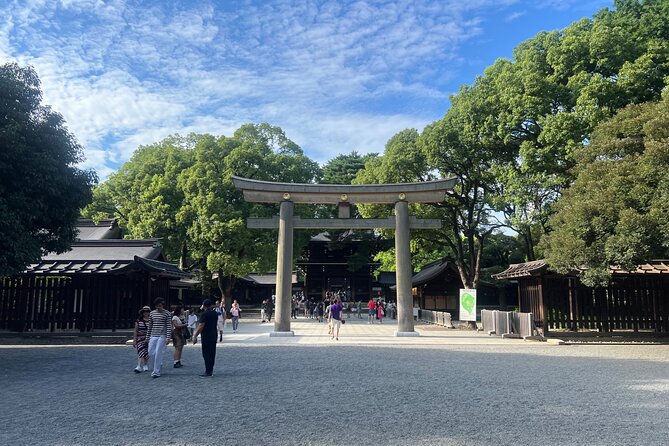
After the torii, the setting becomes the main attraction. Meiji Jingu’s artificial forest covers about 70 hectares, an enormous planted area in one of Tokyo’s busiest districts.
The path through the trees gives the tour room to breathe. You are not moving from one crowded room to another or standing in a long line of indoor displays. Instead, the guide can talk while you walk, linking the forest, the shrine approach, and the customs you are about to see.
The greenery is especially useful for visitors who have been spending their days among Tokyo’s concrete towers and packed commercial streets. I like that the tour treats the forest as part of the shrine experience rather than as empty space between attractions.
There is one practical trade-off. The tour is a walking experience, and the route is outdoors. A rainy day does not cancel the cultural value, but it can make the path less pleasant. One past experience still found the visit worthwhile in the rain because Matt offered careful guidance and explained Emperor Meiji and the Meiji Restoration in a memorable way. You should still wear suitable shoes and bring rain protection if the forecast looks poor.
A few more Tokyo half-days to weigh up
- Mt Fuji and Hakone 1-Day Bus Tour Return by Bullet Train
★ 5.0 · 26,383 reviews - 1-Day Tokyo Bus Tour
★ 5.0 · 14,250 reviews - Tokyo: TOKYO SKYTREE® Admission ticket
★ 4.5 · 11,192 reviews - Tokyo: teamLab Planets TOKYO Digital Art Museum Entry Ticket
★ 4.6 · 9,779 reviews
Learning Shinto customs instead of guessing
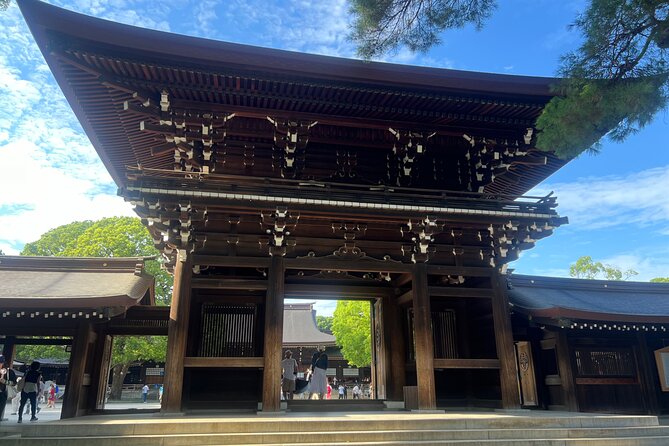
The most useful part of this experience is the explanation of ritual. A guide can show you how to approach the shrine, how to use the purification water, and how to understand the basic acts of worship.
Ritual cleansing is easy to miss when you are walking alone. It can look like a simple hand-washing station, but it has a specific place in the approach to prayer. The tour explains how the act fits into Shinto practice, giving you a clearer sense of why visitors pause there.
The same is true of bowing at the torii and the behavior around the worship area. This is not a lesson in every part of Shinto belief, nor is two hours enough for that. It is a practical introduction that helps you recognize the difference between observing a custom and simply copying what someone nearby is doing.
Guides have also explained the important features of Meiji Jingu and the customs in an interactive way. Sara, for example, has been described as friendly and able to make the subject accessible to a family group. Benjamin has led the walk with a calm manner, giving special attention to Japanese customs. Those details suggest that the guide’s personality can shape the experience, so expect the exact style to vary by departure.
Emperor Meiji, Empress Shoken, and modern Japan
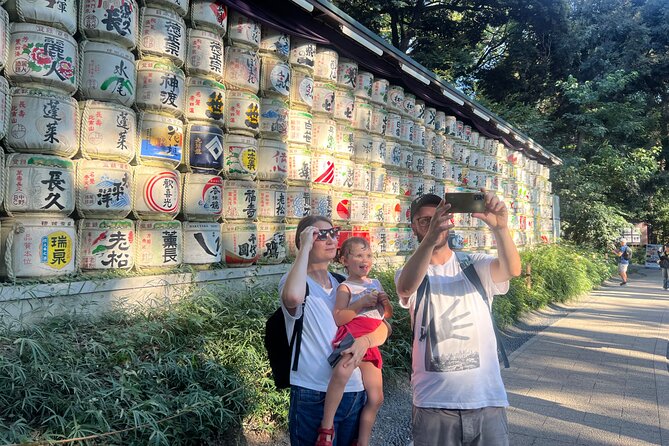
Meiji Jingu is dedicated to Emperor Meiji and Empress Shoken, not to a generic idea of Japanese spirituality. Understanding that connection gives the visit a historical anchor.
Emperor Meiji is associated with the Meiji Restoration and Japan’s rapid transformation into a modern state. The shrine’s dedication lets your guide discuss the emperor’s role and achievements while you walk through the grounds. This adds substance to a site that might otherwise seem focused only on quiet paths and traditional architecture.
The tour includes historical insights into the district, so the story is not limited to the shrine’s religious rituals. You get a wider look at how Meiji Jingu fits into Tokyo and Japan. Matt’s explanation of the Meiji Restoration and Emperor Meiji has been singled out as especially memorable, while other guides have connected the history with practical advice for getting around Tokyo.
That last point can be useful early in a visit. A good local guide may help you orient yourself beyond the shrine, though the official inclusions focus on the tour guide and historical insights rather than a full Tokyo orientation. Treat any extra city tips as a welcome bonus, not the main reason to book.
What the two-hour route actually gives you
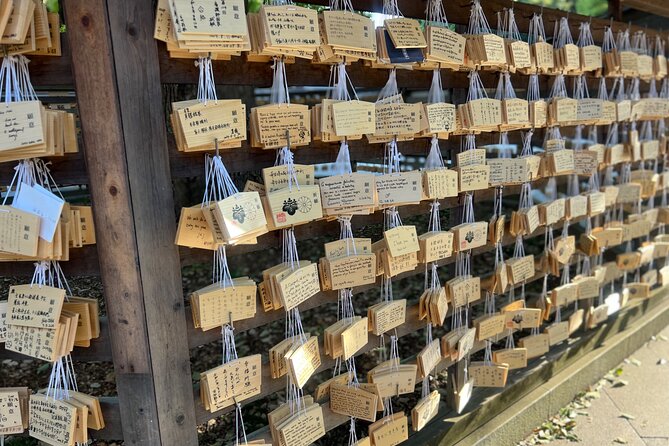
The listed itinerary gives Meiji Jingu about one hour, while the full activity lasts about two hours. The remaining time is used for meeting, walking, explanations, and moving through the grounds.
That is a sensible length for this site. A one-hour visit might show you the gate and the main shrine area, but it would leave little time for questions. Two hours allows the guide to explain rituals at a relaxed pace and still keep the activity manageable for a busy Tokyo schedule.
You should not expect a long museum visit, a meal, or several separate attractions. This is a focused walk centered on Meiji Jingu and Shinto culture. If you want a broad Harajuku sightseeing tour, this will feel narrow. If you want to understand one major Tokyo shrine, the limited focus is an advantage.
The group can include up to 15 people. That is not a private tour, but it is small enough to make questions possible, especially compared with a large coach group. The quality of the discussion will depend on the guide and the mix of people, yet the group limit supports the personal feel promised by the format.
Is $18 a fair price?
At $18 per person, this is an inexpensive way to add context to one of Tokyo’s best-known cultural sites. Admission to Meiji Jingu is included, and the guide provides the main value. You are paying less for exclusive access and more for interpretation.
The price works particularly well if you are visiting Japan for the first time and do not yet understand Shinto etiquette. You could walk through the shrine grounds without paying for a tour, but you would need to research the history and rituals yourself. For many people, the cost is worthwhile simply because it prevents the visit from becoming a silent walk past unfamiliar customs.
It is less attractive if you already have a strong background in Shinto or have visited Meiji Jingu with a private guide. The tour does not include tips, so plan for that additional discretionary cost. No other major extras are listed, which keeps the basic price easy to understand.
Who will get the most from this tour?
I would recommend this experience to first-time visitors to Tokyo, families, couples, and anyone who wants a gentle introduction to Japanese religious customs. The family experience led by Sara shows that the format can work for different ages when the guide keeps the discussion lively.
It is also a good choice for people who prefer questions and conversation over a recorded audio guide. Yumi has been described as accommodating and helpful with practical Tokyo advice, while Haydn has led a detailed explanation of Shinto culture for a small group.
You may want to skip it if you have very limited time and only want a quick photograph of the shrine entrance. The two-hour commitment is modest, but it is still longer than an independent stop. You should also consider the weather, since this is an outdoor walk through the forested grounds.
Confirmation arrives when you book, and the activity is near public transportation. Most people can participate according to the supplied information, but the tour provider does not give detailed accessibility notes. If you have specific mobility needs, ask before booking rather than assuming the forest route will suit you.
Practical details that can save you trouble
The tour uses a mobile ticket, so keep your booking information available on your phone. Meet at the Starbucks in With Harajuku, not at an unspecified point somewhere inside the shrine grounds.
The activity returns to the meeting point. That makes it easier to connect the tour with another Harajuku plan, but allow time after the stated two-hour duration if you have a fixed reservation elsewhere.
Free cancellation is available if you cancel at least 24 hours before the local start time. Changes or cancellations made within 24 hours are not accepted for a refund, so check your schedule and the weather before that deadline.
Tips are not included. The tour has been booked more than 10 times in a recent week and carries a listed rating of 5 from 225 reviews, with 100 percent recommending it. Those figures suggest strong demand, but the individual guide remains an important part of the experience, so book when your schedule is firm.
Should you book the Meiji Shrine walking tour?
Book it if you want Meiji Jingu to make sense, not simply to appear in your Tokyo photo collection. The giant torii, long forest path, purification customs, and connection to Emperor Meiji all become more meaningful when someone explains them as you go.
At $18, the risk is low, and the two-hour length fits neatly into a Harajuku day. I especially like it for first-time visitors, families, and people who feel unsure about Shinto etiquette. Skip it if you prefer exploring alone or already know the shrine’s history and rituals. For most visitors seeking a respectful, useful introduction, this is a sensible buy.
FAQ
Where does the Meiji Shrine walking tour begin?
The tour begins at Starbucks Coffee in the With Harajuku complex, at Jingumae 1-chome 14-30, Shibuya, Tokyo.
Where does the tour finish?
The activity ends back at the meeting point.
How long does the experience last?
The tour lasts approximately two hours.
How much does the tour cost?
The listed price is $18 per person.
Is admission to Meiji Jingu included?
Yes. Admission to Meiji Jingu Shrine is included.
How large is the tour group?
The activity has a maximum of 15 participants.
Can I cancel for a full refund?
Yes, if you cancel at least 24 hours before the experience start time. Cancellations made less than 24 hours in advance are not refunded.
Just added around Tokyo
- Private Arrival Transfer : Narita International Airport to Central Tokyo City★ 4.5 · 12 reviews
- Narita Airport(NRT): Private Transfer to Tokyo/Yokohama 1-9pax★ 5.0 · 47 reviews
- Private Transfer from Narita Airport to Yokohama Port and City★ 4.5 · 17 reviews
- [Narita Airport Terminals 1, 2] 40-60km Sawara Itako Historic Bike Tour★ 5.0 · 13 reviews
- 3 Day Japan Highlights Tour: Tokyo, Mt.Fuji, Nara, Kyoto, Osaka★ 5.0 · 22 reviews
- Small Town in the Big City: Tasting Tokyo’s Kichijoji★ 5.0 · 195 reviews
- Small Town in the Big City: Tasting Tokyo’s Kichijoji★ 5.0 · 16 reviews
- The 10 Tastings of Tokyo With Locals: Private Street Food Tour★ 5.0 · 48 reviews
Tokyo Tours, compared.

Mt Fuji and Hakone 1-Day Bus Tour Return by Bullet Train
Read our review →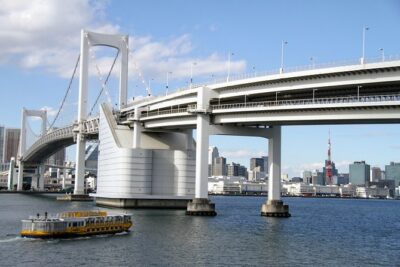
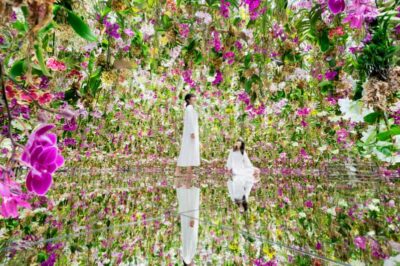
teamLab Planets TOKYO Digital Art Museum Entry Ticket
Read our review →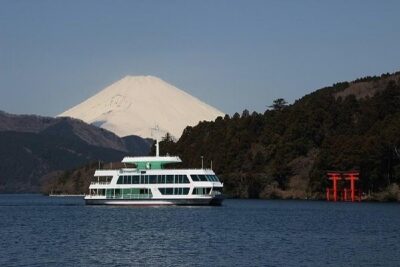
Mt Fuji & Hakone Cruise, Drum Show Bullet Train 1 Day from Tokyo
Read our review →
Sumo Show Experience with Chicken Hot Pot and a Photo
Read our review →
Shinjuku Food Tour (13 Dishes at 4 Local Eateries)
Read our review →
Tokyo Mt Fuji 5th St & Hakone Cruise Bus Tour w/Bullet Train
Read our review →
Flagship 2-Hours Official Street Go-Kart Tour – Tokyo Bay Shop
Read our review →Browse the lists this tour appears in