
Reviewed · TOKYO TOURS
Tokyo: Old Quarter Yanaka Walking Tour
Tokyo has plenty of famous sights, but Yanaka offers something different: a slower, more intimate look at the city. You’ll pass wooden houses, temples, narrow lanes, small galleries, traditional sweet shops, and a cemetery shaded by enormous trees. The old Tokyo atmosphere is the main attraction here.
I like two things in particular. First, the route lets you see everyday neighborhood life rather than only grand sights. Second, the English-speaking guides, including Aya, Junko, Rei, Polina, and Yoshie, are praised for explaining Japanese religion, customs, and local history in a warm, easygoing way. The relaxed pace also leaves room for questions, snacks, and unplanned discoveries.
The main consideration is that this is a walking tour, not a major landmark checklist. Some stops are quiet and simple, and the beer hall break may not work perfectly for every group. You’ll also want comfortable shoes and weather protection, since much of the three hours takes place outdoors.
Key points at a glance
- Old Tokyo atmosphere: Wander through wooden-house lanes and temple streets that feel far removed from modern central Tokyo.
- Tennoji Temple: See the large bronze Buddha and its gardens during a guided visit of about 20 minutes.
- Yanaka Cemetery: Walk beneath large trees while learning about the area and notable people connected with the cemetery.
- Local shops and a beer stop: Visit Yoshidaya Liquor Shop, then pause at Yanaka Beer Hall for up to 30 minutes.
- Nezu Shrine and Yanaka Ginza: Finish with one of Tokyo’s most attractive shrines and a lively shopping street full of food and small shops.
- Small English-speaking group: The group is limited to 10 people, with a three-hour route starting at Nippori Station.
Why Yanaka feels unlike central Tokyo
Yanaka survived much of the destruction that changed other parts of Tokyo, helping it retain a more traditional street pattern. The result is not a preserved museum district, but a real neighborhood where old houses, temples, shops, and ordinary residences sit side by side.
That distinction matters. You are not simply walking from one photo stop to the next. You are watching the small details of a local district: a narrow lane turning toward a temple, a modest shop selling sweets, an artisan workshop, or a quiet garden behind a wall.
The tour begins at JR Nippori Station, a useful starting point because Yanaka’s streets can be confusing if you do not know the area. Meet outside the North Ticket Gate, next to the NewDays convenience store. Arriving a little early is sensible, since large Japanese stations can take time to navigate.
From there, your guide leads you away from the station and into the older part of the district. The route is compact enough to cover on foot, but three hours gives you time to pause and hear the stories behind what you are seeing.
More walking tours in Tokyo:
- Tokyo Tsukiji Fish Market Food and Culture Walking Tour
★ 5.0 · 3,184 reviews - Tokyo: Imperial Palace and Shogun Historical Walking Tour
★ 5.0 · 2,251 reviews - Tokyo: Shinjuku Local Bar and Izakaya Guided Walking Tour
★ 4.9 · 1,794 reviews
Tennoji Temple and the bronze Buddha
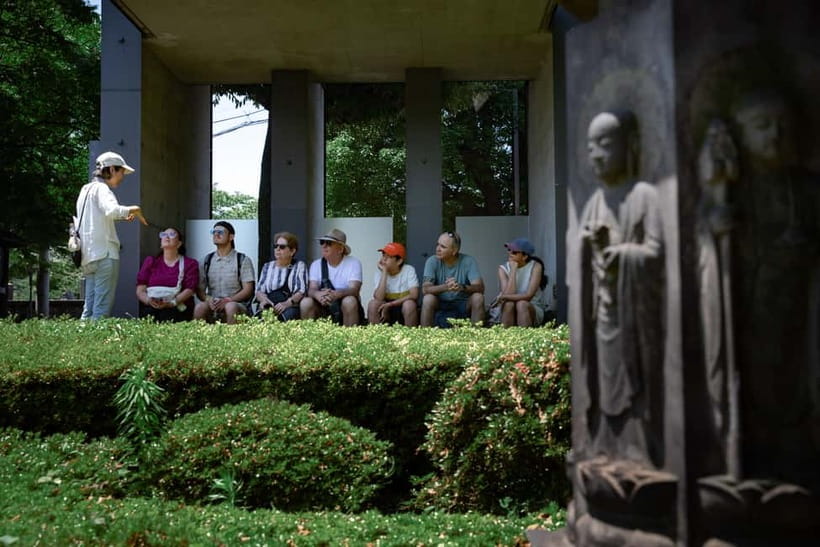
The first formal stop is Tennōji Temple, where the guided visit lasts about 20 minutes. The temple is known for a large bronze Buddha, described as one of the Seven Gods of Fortune and the only one located in Yanaka.
This is a good opening stop because it introduces the religious side of the neighborhood before the walk moves into its lanes and cemetery. Your guide can explain how Buddhist temples and Shinto shrines fit into Japanese life, a subject that can seem confusing when you encounter both on the same day.
The temple also offers a pause from the station area. You can look at the architecture, take in the gardens, and settle into the quieter rhythm of the tour. It is not a huge temple complex, so do not expect a long visit packed with buildings. Its appeal is its setting and the calm it brings to the start of the walk.
Several guides are praised for making religious and cultural details easy to understand. Aya, in particular, is noted for explaining Japanese culture, religion, and history in a friendly way. The quality of this stop will depend partly on your guide, but the small group makes it easier to ask questions than on a large coach tour.
Yanaka Cemetery beneath the trees
Next comes Yanaka Cemetery, with about 30 minutes set aside for a guided visit. This is one of the most atmospheric parts of the route.
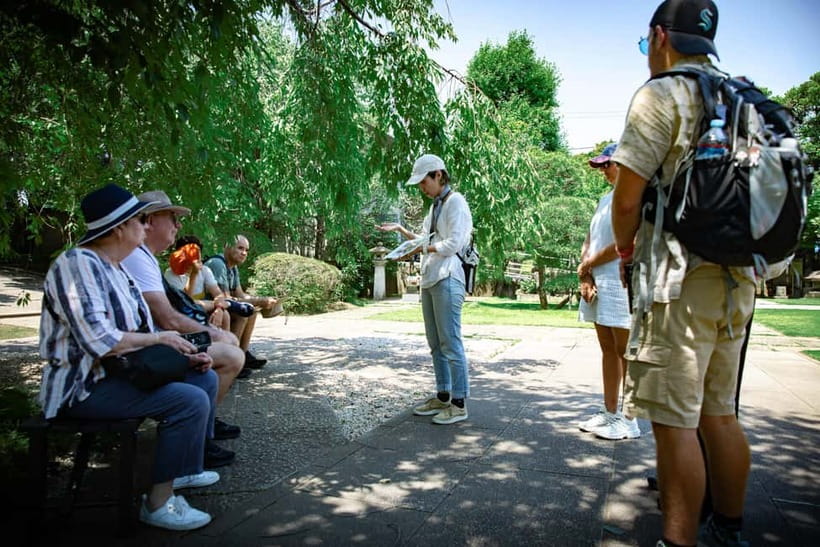
The cemetery is lined with enormous trees, and its quiet paths create a sharp contrast with the crowded parts of Tokyo. The setting is peaceful rather than gloomy. You’ll see how temples, graves, greenery, and residential streets overlap in this part of the city.
Your guide adds context by explaining the cemetery’s past and pointing out connections to notable figures buried there. That information gives the walk a stronger sense of place. Without guidance, you might simply see a pleasant cemetery with broad paths and old trees. With guidance, you can better understand why this area matters to Tokyo.
This section also rewards a slower pace. Keep your voice low and treat it as a place of respect, not just a backdrop for photographs. The tour’s strongest quality is its attention to this kind of everyday cultural setting.
If you prefer nonstop attractions, the cemetery may feel too quiet. I think that quiet is the point, but it is worth knowing before you book. Yanaka works best when you enjoy small changes in mood and atmosphere.
Yoshidaya Liquor Shop and local commerce
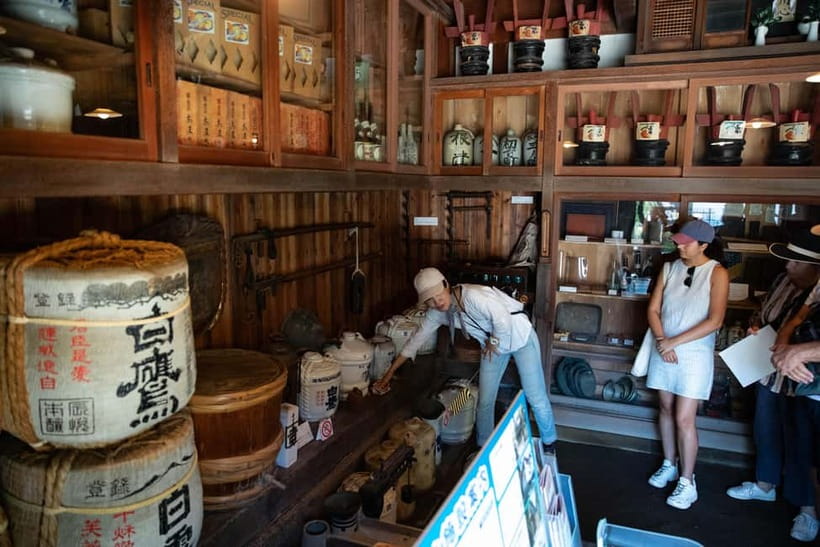
The route then moves toward Yoshidaya Liquor Shop, where the guided stop lasts about 10 minutes. This is a brief visit, but it shows another side of Yanaka: the small, long-running neighborhood business.
A shop like this helps explain how the district functions beyond its temples and old houses. You’ll have a chance to see a more local form of commerce and hear about the role such shops play in neighborhood life. The stop is not designed as a long tasting session, so keep your expectations focused on the place itself and the guide’s explanation.
This part of the tour also illustrates why a guide is useful here. Yanaka’s appeal is spread across many modest details. A shop, doorway, garden, or side lane may not announce its importance in English, and you could easily walk past without noticing.
A few more Tokyo half-days to weigh up
- Mt Fuji and Hakone 1-Day Bus Tour Return by Bullet Train
★ 5.0 · 26,383 reviews - 1-Day Tokyo Bus Tour
★ 5.0 · 14,250 reviews - Tokyo: TOKYO SKYTREE® Admission ticket
★ 4.5 · 11,192 reviews - Tokyo: teamLab Planets TOKYO Digital Art Museum Entry Ticket
★ 4.6 · 9,779 reviews
A pause at Yanaka Beer Hall
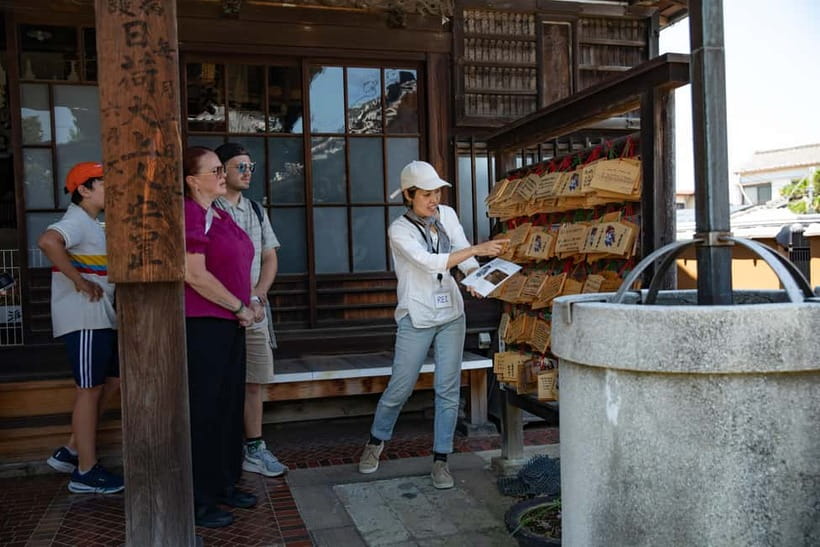
The itinerary allows about 30 minutes at Yanaka Beer Hall for a break, a visit, beer, and free time. This is a welcome change after the temple and cemetery sections, especially during Tokyo’s hot and humid months.
The stop can work as a social pause where you chat with other people in the group or ask your guide for advice about the rest of your Tokyo stay. One person described being grateful for a beer and treats on an exceptionally hot summer day, while another found that the stop did not work well because the whole group was not ordering drinks.
That gives you a useful practical point: do not assume this is a guaranteed individual beer tasting. The supplied details identify it as a break at the beer hall, but the exact experience may depend on group arrangements and what people choose to order.
The stop is still valuable even if you skip the beer. It breaks up the walking and gives you time to rest. If you are visiting in summer, carry water as well. Guides such as Aya have been praised for keeping groups in the shade and checking that everyone had enough water, but personal preparation still matters.
The Himalayan cedar and Yanaka’s back lanes
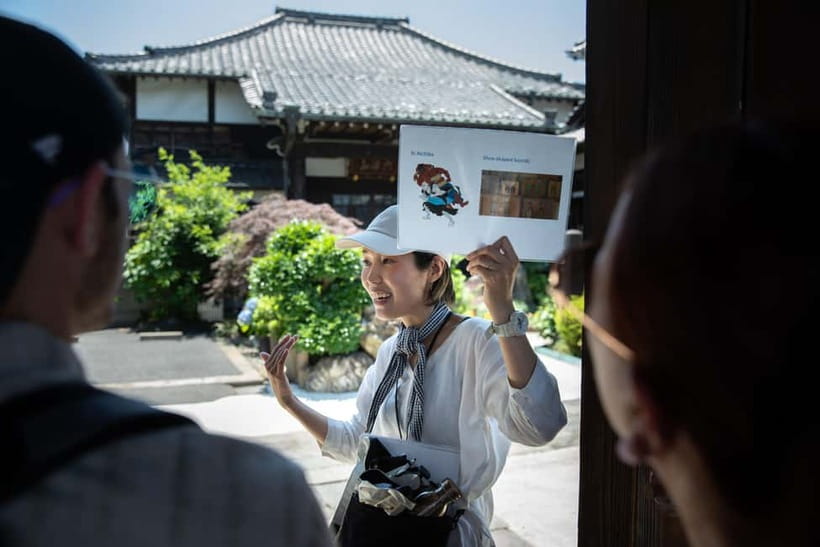
After the break, the group visits the Yanaka Himalayan Cedar Tree for about 10 minutes. This is a short stop, but it fits the tour’s theme: ordinary neighborhood sights with a story attached.
The tree provides a glimpse of how Yanaka’s older character survives among homes and narrow streets. You are not just moving between famous buildings. You are seeing the trees, lanes, shops, and small landmarks that give the district its shape.
The walk between stops is just as important as the stops themselves. Guides lead you through winding streets dotted with wooden houses, temples, galleries, and small shops. Several guides, including Kiyo and Junko, are praised for taking people to places they would not have found alone.
That is where the tour earns its $32 price. You could walk through Yanaka without paying, but you might miss the meaning behind the places and spend much of your time guessing which lanes are worth following. For a first visit, the guide turns a pleasant stroll into a more informed neighborhood walk.
Nezu Shrine and the final stretch
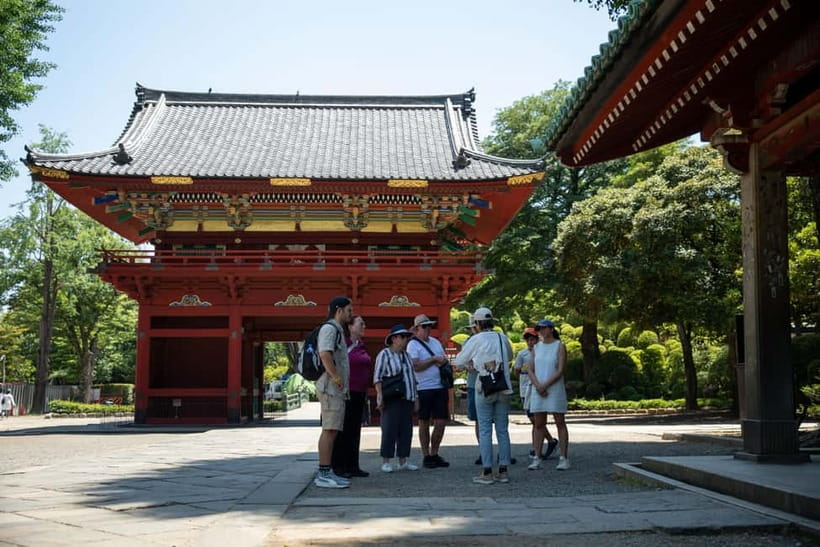
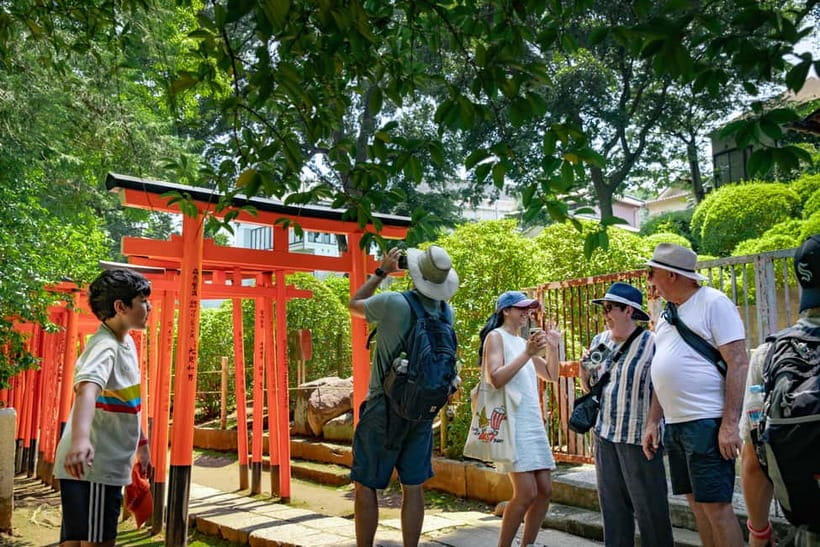
Nezu Shrine receives about 20 minutes of guided time. It is one of the route’s most visually appealing stops, with traditional architecture and a calmer setting than Tokyo’s most famous shrines.
Your guide can explain the difference between the Buddhist temple you visited earlier and this Shinto shrine. That comparison helps you make sense of Japan’s religious sites, especially if this is your first trip.
The shrine is also a strong late-tour stop because it brings together several themes from the walk: traditional design, quiet spaces, local belief, and the continuing place of older customs in a modern city. Seasonal details can add to the experience. One spring visit included blooming azaleas, while another group happened upon a local festival and had time to stay and watch.
Those moments may not occur on your tour, so treat them as possible bonuses rather than promised features. The fixed route gives you the main experience, while weather, season, and local events can change what you see along the way.
The tour finishes at Yanaka Ginza, a shopping street where you can continue exploring after the guide says goodbye. This is a useful ending because it leaves you near food shops, small stores, and a more active neighborhood atmosphere. You can stay for a snack, browse at your own pace, or use the area as a starting point for further exploration.
What the guides add
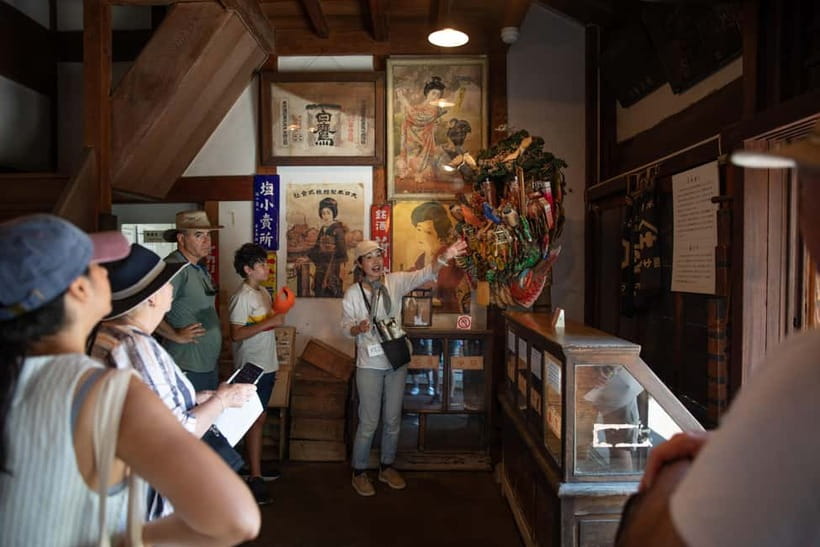
The guide is the reason to choose this experience instead of walking Yanaka alone. The route itself is accessible to independent visitors, but the explanations and local suggestions add real value.
Guides named in past departures include Aya, Junko, Rei, Polina, Yoshie, Kiyo, Mei, Mai, Kaori, Gray, Aki, and Miyu. You cannot select a particular guide from the details provided, but the repeated strengths are clear: friendly conversation, explanations of Japanese customs, and practical advice for the rest of your trip.
Junko is praised for a quiet sense of humor and for recommending a ramen restaurant that worked well after the tour. Mei is noted for answering general questions about Japan and offering ideas for later travel. Kiyo is especially associated with small shops, art galleries, and shrines that are easy to overlook.
The best guides do not simply recite dates. They explain daily life, local religion, neighborhood traditions, and the reasons behind small customs. That makes this a good choice if you enjoy asking questions rather than only taking pictures.
There can be occasional variation. One person joined a tour with a guide in training and felt some information was missed, though the trainer was strong. That seems to be an exception, but it is a reminder that any guided experience depends on the individual leading it.
How much walking and what to bring
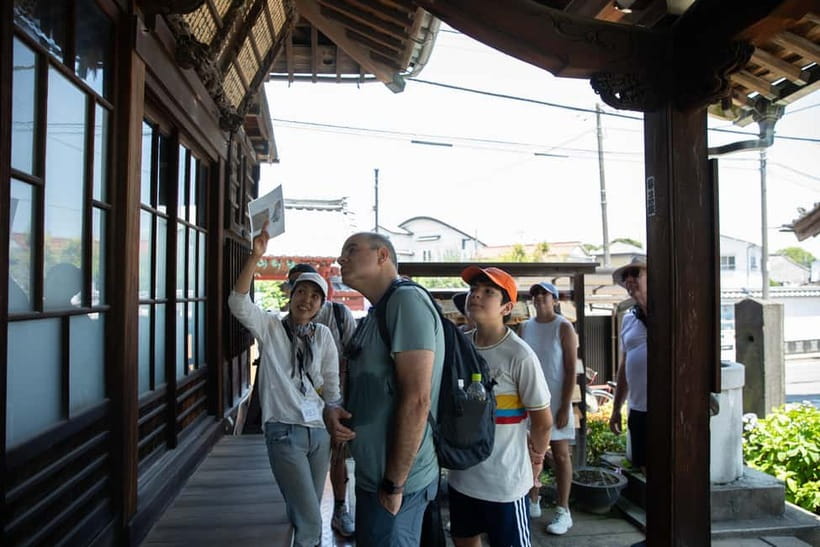
The experience lasts three hours and takes place mainly outdoors. The route includes temple grounds, cemetery paths, narrow residential streets, a shrine, shops, and a shopping street.
Wear comfortable shoes. You do not need specialist hiking gear, but Yanaka is best enjoyed at walking pace, and stopping often means you will spend much of the tour on your feet.
Weather can shape the day. Summer accounts describe intense heat, with guides making an effort to find shade and monitor water. Another group completed the walk during a thunderstorm and heavy rain but still enjoyed it. Bring water, sun protection, and rain gear suited to the forecast.
The small-group limit of 10 people is a real advantage in narrow lanes. It also makes conversation easier and gives you a better chance to hear explanations. In one summer departure, only two people attended, creating an almost private experience, though you should not book expecting that outcome.
The tour is offered in English with a live guide. If you have navigation trouble finding Nippori Station or are running late, allow extra time before the meeting point. One person wished for direct guide contact before the tour, so it is wise to locate the North Ticket Gate and NewDays before the start time rather than relying on a last-minute search.
Is $32 a fair price?
At $32 per person, this is a reasonable price for three hours with a small English-speaking group. The fee covers the guide, not food, drinks, or shopping, so budget separately for any beer, sweets, or purchases.
The value comes from interpretation and route planning. Yanaka is free to visit, but the most interesting parts are scattered. A guide helps connect Tennoji Temple, the cemetery, local businesses, the cedar tree, Nezu Shrine, and Yanaka Ginza into one readable story.
You are paying for access to context rather than admission tickets. If you are already comfortable researching neighborhoods and finding small lanes on your own, you may prefer an independent visit. If you have limited time in Tokyo or want a local introduction without spending a full day on a guided outing, $32 is easier to justify.
Flexible booking also helps. You can cancel up to 24 hours in advance for a full refund, and the reserve-now, pay-later option lets you hold a place without paying immediately.
Who should book this Yanaka walk?
I would choose this tour for a first or second visit to Tokyo, especially if you have already seen the major districts and want a quieter change of pace. It also suits anyone interested in temples, shrines, neighborhood history, small shops, and Japanese daily life.
Families and couples may appreciate the relaxed rhythm, while solo visitors can enjoy the social side of a small group. The route is also a good fit if you want recommendations for later meals and sightseeing. Guides have offered tips for ramen, shopping, and other parts of Japan during the walk.
I would think twice if you want a fast-moving tour packed with famous landmarks, or if you dislike cemeteries and residential streets. The experience is strongest when you enjoy atmosphere, conversation, and details that do not appear on every Tokyo sightseeing route.
Should you book it?
Book this Yanaka walking tour if you want to see a gentler side of Tokyo and understand what you are looking at. The combination of Tennoji Temple, the tree-shaded cemetery, local shops, Nezu Shrine, and Yanaka Ginza gives you a well-paced introduction to one of the city’s most distinctive old neighborhoods.
For the best experience, choose a day with manageable weather, wear good walking shoes, and arrive early at Nippori Station. Keep some money aside for snacks or a drink, and let the guide’s recommendations shape what you do after the tour. At $32, it is a solid choice for curious visitors who value local context more than a long list of headline sights.
FAQ
Where does the Yanaka walking tour meet?
Meet outside the JR Nippori Station North Ticket Gate, next to the NewDays convenience store.
How long does the tour last?
The walking tour lasts three hours.
What language is the tour offered in?
The tour is conducted in English with a live English-speaking guide.
How large is the group?
The group is limited to 10 participants.
What places does the route visit?
The route includes Tennōji Temple, Yanaka Cemetery, Yoshidaya Liquor Shop, Yanaka Beer Hall, the Yanaka Himalayan Cedar Tree, Nezu Shrine, and Yanaka Ginza.
Is food or beer included in the price?
The guide is included, but the provided details do not state that food or beer is included. Yanaka Beer Hall is scheduled as a break where you can have free time and potentially order a beer or treats.
Can I cancel the booking?
You can cancel up to 24 hours in advance for a full refund.
Can I reserve now and pay later?
Yes. The reserve-now, pay-later option allows you to hold a place without paying at the time of booking.
Just added around Tokyo
- Private Arrival Transfer : Narita International Airport to Central Tokyo City★ 4.5 · 12 reviews
- Narita Airport(NRT): Private Transfer to Tokyo/Yokohama 1-9pax★ 5.0 · 47 reviews
- Private Transfer from Narita Airport to Yokohama Port and City★ 4.5 · 17 reviews
- [Narita Airport Terminals 1, 2] 40-60km Sawara Itako Historic Bike Tour★ 5.0 · 13 reviews
- 3 Day Japan Highlights Tour: Tokyo, Mt.Fuji, Nara, Kyoto, Osaka★ 5.0 · 22 reviews
- Small Town in the Big City: Tasting Tokyo’s Kichijoji★ 5.0 · 195 reviews
- Small Town in the Big City: Tasting Tokyo’s Kichijoji★ 5.0 · 16 reviews
- The 10 Tastings of Tokyo With Locals: Private Street Food Tour★ 5.0 · 48 reviews
Tokyo Tours, compared.

Mt Fuji and Hakone 1-Day Bus Tour Return by Bullet Train
Read our review →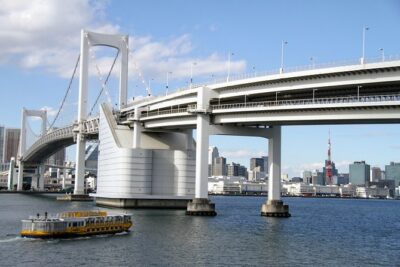

teamLab Planets TOKYO Digital Art Museum Entry Ticket
Read our review →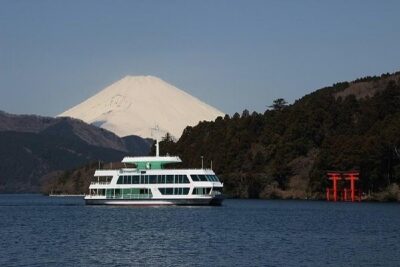
Mt Fuji & Hakone Cruise, Drum Show Bullet Train 1 Day from Tokyo
Read our review →
Sumo Show Experience with Chicken Hot Pot and a Photo
Read our review →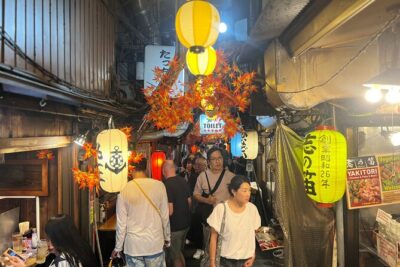
Shinjuku Food Tour (13 Dishes at 4 Local Eateries)
Read our review →
Tokyo Mt Fuji 5th St & Hakone Cruise Bus Tour w/Bullet Train
Read our review →
Flagship 2-Hours Official Street Go-Kart Tour – Tokyo Bay Shop
Read our review →Browse the lists this tour appears in