
Reviewed · TOKYO TOURS
Tokyo: Private Custom Walking Tour with Local Guide
Tokyo: Private Custom Walking Tour with Local Guide
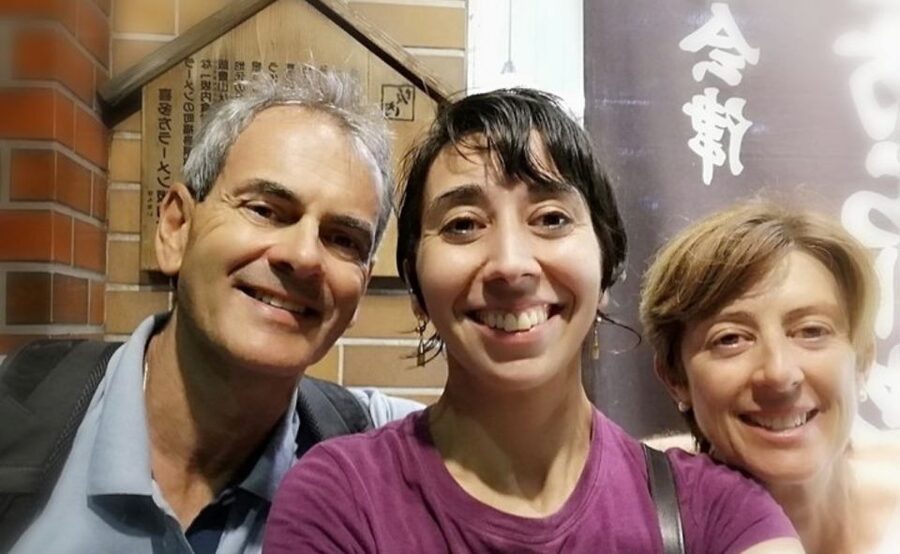
Tokyo makes more sense when someone shows you how its pieces fit together. This private tour lets you set the priorities, then explore with a local guide such as Francine, Karl, Enrique, or Cristiano, who can connect famous sights with quieter streets, food stops, and everyday city life. The route is built around you, not a fixed checklist.
I like two things right away: the practical help with Tokyo’s train system, and the freedom to change plans during the day. Guides have helped first-time visitors buy transport cards, collect rail passes, find suitable food, and learn temple manners. The main drawback is that tickets, food, and drinks cost extra, and a long route can mean a very large number of steps.
Key points to know before booking
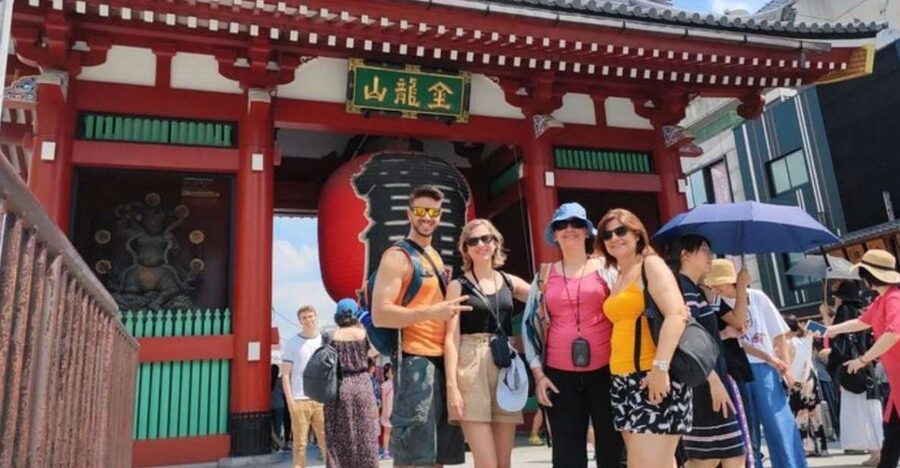
- Choose your own Tokyo: Focus on Asakusa, Shibuya, Shinjuku, Akihabara, Odaiba, gardens, shopping, temples, or a mix.
- Learn the trains while sightseeing: Public transport is part of the tour, so you can gain confidence for the rest of your stay.
- Meet at your hotel: Pickup is included when your accommodation is in Tokyo, with a central meeting point used for hotels outside the city center.
- Expect a private experience: The tour is for your group only, with durations from two to eight hours.
- Ask for local details: Guides can suggest restaurants, bars, karaoke, viewpoints, and places you may not find alone.
- Plan paid sights early: Museum visits and other attractions can be added, but admission tickets are not included.
A private introduction to a very large city
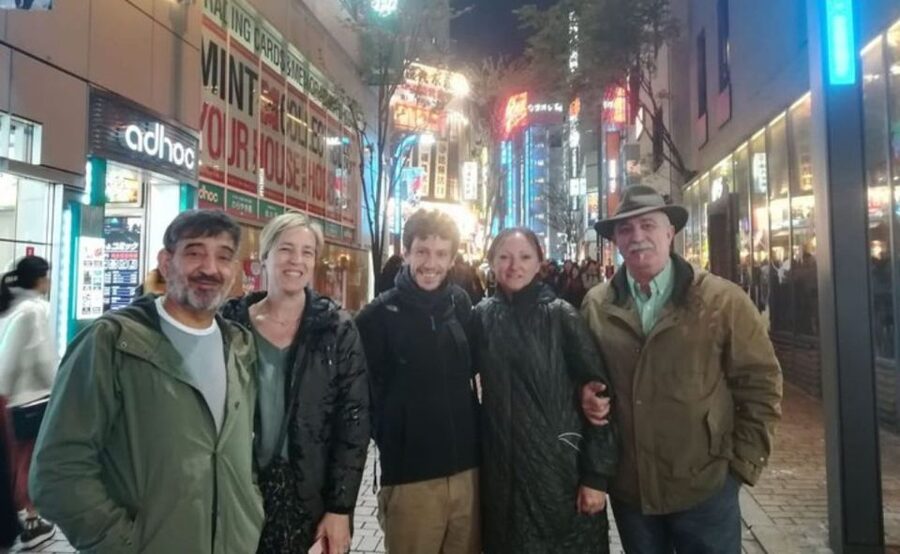
This is less a standard sightseeing walk than a flexible first lesson in Tokyo. You can use two hours for a sharp introduction to one neighborhood, or eight hours for a broad day that links several parts of the city by foot and rail.
That choice matters. Tokyo is not one compact center. Asakusa feels traditional, Shibuya is famous for modern city energy, Akihabara has its own pop-culture focus, and Odaiba offers a calmer waterfront setting. Trying to cover all of them in a short session would leave little time for context or rest.
Before the tour, your guide contacts you to discuss what you want. Be specific. If you care about food, temples, architecture, shopping, anime, modern Tokyo, gardens, family breaks, or transport, say so before the day begins. The better your guide understands your interests, the more useful the route becomes.
The guide can also adjust the plan while you are out. That is valuable when you find a neighborhood you like and want to stay longer, or when weather, tired legs, or a delayed attraction changes the day.
More walking tours in Tokyo:
- Tokyo Tsukiji Fish Market Food and Culture Walking Tour
★ 5.0 · 3,184 reviews - Tokyo: Imperial Palace and Shogun Historical Walking Tour
★ 5.0 · 2,251 reviews - Tokyo: Shinjuku Local Bar and Izakaya Guided Walking Tour
★ 4.9 · 1,794 reviews
Asakusa and Senso-ji for traditional Tokyo
Asakusa is one of the best choices for a first visit because it gives you a clear introduction to older Tokyo. A route here can include Senso-ji, traditional streets, local treats, and views over the surrounding area.
The temple visit is not just a photo stop. One guide helped visitors understand how to enter shrines and temples respectfully, making the place feel more meaningful. Your guide can explain customs as you go, rather than leaving you to guess what to do.
Senso-ji and the streets around Asakusa also work well for families. You can pause for snacks, take short detours, and adjust the pace when children need a break. One family particularly valued a guide who added quick stops and allowed regular pauses.
A useful extra is a higher viewpoint overlooking Senso-ji and the streets below. The experience can include a view from the top of a building, giving you a better sense of how the temple district fits into the larger city.
The tradeoff is time. Asakusa rewards a slower walk, but if you also want Shibuya, Shinjuku, and Akihabara, you need enough hours for the train rides between them.
Shibuya and Shinjuku for modern city life
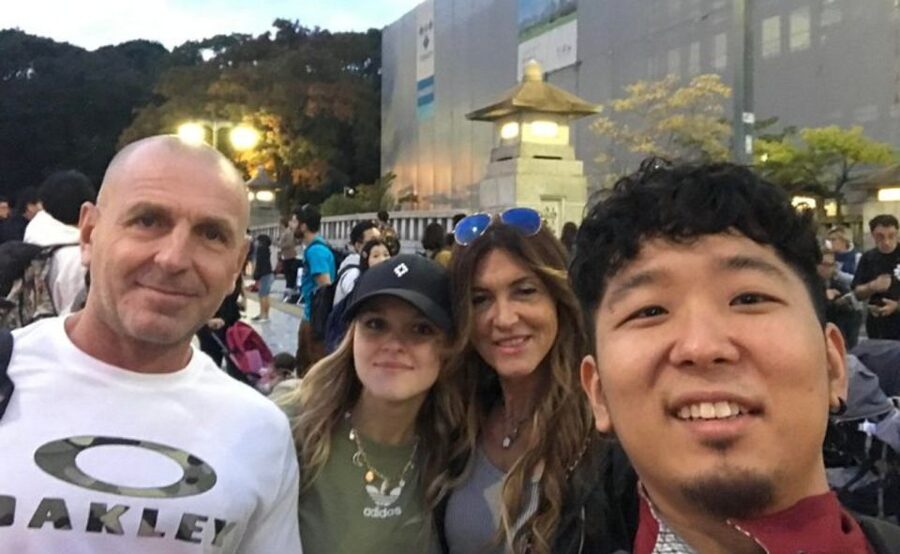
Shibuya and Shinjuku are natural choices if you want to understand present-day Tokyo. A guide can take you through major sights and also point out quieter corners that are easy to miss when you follow only the biggest signs.
One tour in this area combined temples, iconic buildings, quieter streets, favorite bars, restaurants, and karaoke suggestions. That mix is the point. You are not limited to the postcard version of Tokyo, and you can ask questions about how people live, work, eat, and spend their free time.
Shinjuku can also be paired with the Tokyo Metropolitan Government Building. The building provides a city view, and one visitor described a stop there as an unexpected bonus. If your route includes it, ask your guide how much time the visit will take and how it fits with your other priorities.
The guides also help you read the city at street level. You might discuss local customs, social habits, and what to do or avoid in everyday situations. This advice is especially useful on a first visit, when small choices such as how to behave at a temple or manage the train system can affect your comfort.
A short two-hour tour can cover part of Shibuya or combine a few nearby stops. It cannot offer the same relaxed pace as an eight-hour day, so be realistic about your list.
Imperial Palace Gardens and Marunouchi
The Imperial Palace Gardens and Marunouchi offer a different side of Tokyo. Here, you can move from open green space and historic imperial surroundings to the polished office district around Marunouchi.
A highlights route that included both areas gave visitors a useful contrast. Tokyo is not only neon streets and crowded stations. It also has formal gardens, broad avenues, business districts, and seasonal scenery.
Winter can give the gardens a crisp, spare look, while spring may bring a softer appearance. The tour information does not promise a particular seasonal display, so treat this as a pleasant setting rather than a guaranteed flower event.
This section works well for couples, families, and anyone who wants a break from dense commercial streets. It also suits visitors interested in architecture and civic life. The drawback is that the gardens and Marunouchi may feel less exciting if your main goal is pop culture, food, or nightlife.
A few more Tokyo half-days to weigh up
- Mt Fuji and Hakone 1-Day Bus Tour Return by Bullet Train
★ 5.0 · 26,383 reviews - 1-Day Tokyo Bus Tour
★ 5.0 · 14,250 reviews - Tokyo: TOKYO SKYTREE® Admission ticket
★ 4.5 · 11,192 reviews - Tokyo: teamLab Planets TOKYO Digital Art Museum Entry Ticket
★ 4.6 · 9,779 reviews
Akihabara, shopping, and special interests
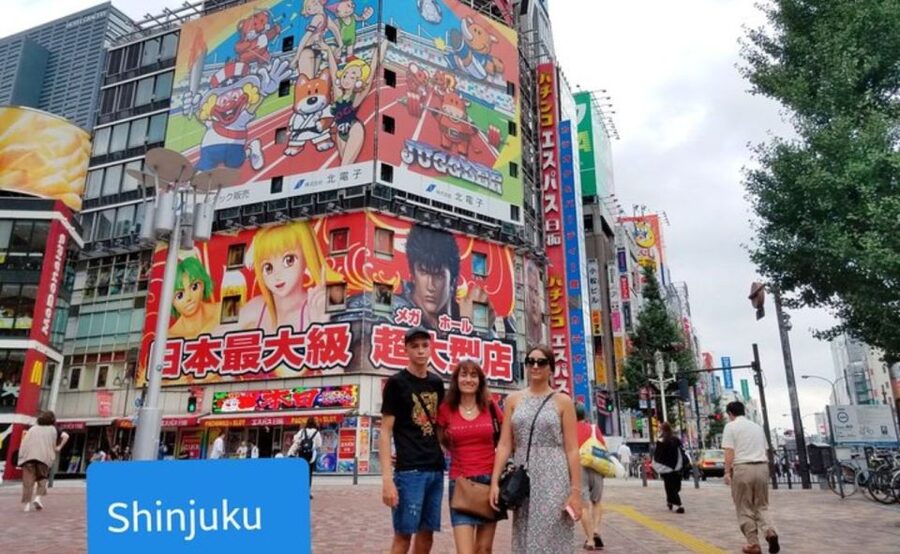
Akihabara is a strong choice for a first-time visitor interested in anime, games, electronics, or Japanese pop culture. A private guide can help you make sense of the area and explain its cultural background rather than leaving you to wander without a plan.
One solo visitor used the tour to see Akihabara and Asakusa while learning about Japanese culture and appropriate behavior. That combination shows how useful a custom route can be: one neighborhood delivers modern interests, the other offers temples and older traditions.
Families with teenagers can also build the day around special interests. One guide included a Pokémon Mega Center while also arranging a behind-the-scenes fish-market visit and finding food suitable for a guest with celiac disease. Food needs should be discussed before the tour, and you should still confirm ingredients yourself, but the guide’s help can reduce the strain of doing that in an unfamiliar city.
Shopping and special-interest stops can consume more time than expected. If you want to buy items, set aside time for browsing rather than packing too many distant sights into the same route.
Odaiba for a quieter change of pace
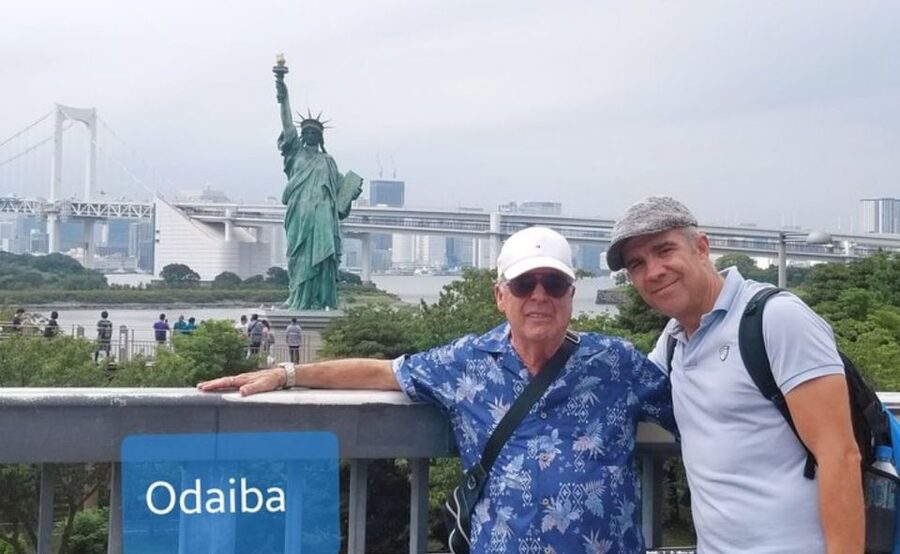
Odaiba offers a useful change from central Tokyo. A route to the Odaiba Marina can show you a more peaceful waterfront side of the city, with room to slow down and see a different kind of urban setting.
This is a good example of why a private guide can be worth considering. Odaiba may not be on every first-time visitor’s list, yet it can provide a welcome pause after temples, stations, and shopping streets.
The limitation is transport time. Because Odaiba is separate from the central neighborhoods, it may not pair well with a long list of Asakusa, Shibuya, and Shinjuku stops unless you book a longer tour. Tell your guide which sights matter most, and let the route be shaped around that.
Learning Tokyo’s trains without stress
For many people, the most useful part of this experience is not a monument. It is learning to get around.
Guides have helped visitors use the subway and train network, buy or arrange transport cards, collect JR rail passes, and find their way through large stations. One guide helped a visitor become comfortable with the metro on the first day, making the rest of the trip easier. Another showed a family how to handle trains while fitting several major sights into the day.
You still need to pay for your own transport where required, but public transport is included as part of the walking tour arrangement, except when you select an option with different transport terms. Confirm the details when booking.
This is also a practical way to learn small routines: where to find bathrooms, how to change trains, and how to move through a station without losing time. The benefit continues after the guide leaves. You are not just being taken from one sight to another. You are learning how to manage the city yourself.
Do not confuse the name walking tour with a short stroll. A full day can involve extensive walking and several rail journeys. One eight-hour outing reached about 23,000 steps. Ask for rest stops if anyone in your group has mobility concerns, and tell the guide about medical needs in advance.
The guide makes or breaks the experience
The company provides guides in English, French, Italian, Japanese, Spanish, and Portuguese. Individual guide assignments vary, so you may not receive a particular person unless the booking process allows you to request one.
Several names received especially strong praise for different strengths. Francine was noted for careful preparation, clear knowledge, and her ability to add less obvious places. Karl was praised for explaining modern Tokyo and helping visitors learn the metro. Enrique was valued for his route planning and train navigation, while Cristiano was singled out for adjusting plans and helping a visitor with poor weather and rail-pass tasks.
Other guides, including Albert, Himena, Fabian, Victor, Maria, and Shaban, were praised for friendly conversation, flexible routing, local tips, and family support. The pattern is clear: the best part of the tour is the guide’s ability to listen and adapt.
Still, personal style varies. You may prefer a guide who talks often about history, or one who focuses on daily life, food, shopping, and transport. State your preference before the tour. The more direction you give, the better chance you have of getting the kind of day you want.
What $53 per person really buys you
At $53 per person, the listed price is attractive for a private experience, especially if you are traveling with several people and can share the cost within your group. You are paying for planning, local help, a private guide, hotel pickup in eligible locations, and assistance with transport and desired bookings.
The value is strongest on your first day or two in Tokyo. A guide can reduce wasted time, show you how to use the trains, explain local manners, and leave you with practical ideas for the rest of your stay.
The price does not cover food, drinks, or attraction tickets. You should also allow for public transport costs according to the selected option. If you want museums or other paid sights, tell the provider in advance so the route can allow for them and the team can help with reservations.
For a solo visitor, $53 per person may feel more substantial than the cost of a group tour. The private format gives you control, though. If you value direct advice and a route built around your interests, that extra cost may be sensible.
Who should book this Tokyo tour?
I would consider this a strong choice for first-time visitors, families, couples, solo visitors, and anyone uneasy about Tokyo’s transport system. It also suits visitors with a short stay who want to use two to eight hours carefully.
Families benefit from the private pace. Parents can request breaks, children can follow special interests, and the guide can make small route changes without affecting a large group.
Solo visitors gain company and practical support without committing to a full group itinerary. Couples can combine major sights with quieter areas, food advice, and neighborhoods that match their interests.
Visitors with mobility concerns should contact the provider and guide before the day begins. The activity is listed as wheelchair accessible, and guides have adjusted routes for mobility needs, but Tokyo stations and long walking days can still require careful planning.
This is less suitable if you want a fixed, lecture-style sightseeing program or a tour with all admissions and meals included. It is also not ideal for trying to see every famous district in only two hours.
Useful details before you set out
Hotel pickup is included when your accommodation is in Tokyo. If your hotel is outside the city center, you will be given a convenient central meeting point instead.
The tour may finish somewhere different from where it began. Tell the provider in advance if you need to return to your hotel or end at a specific location.
You can book for two to eight hours, with starting times dependent on availability. The private group format means you do not share the guide with strangers.
Free cancellation is available up to 24 hours before the tour for a full refund. You can also reserve now and pay later, which helps if your plans are still changing.
Should you book it?
Book this tour if you want Tokyo explained in practical terms, not just photographed. It is especially useful at the start of a trip, when learning the trains, temple manners, and neighborhood layout can save time every day afterward.
Choose two hours for a focused introduction to one area. Choose four hours for a few linked sights and transport practice. Choose eight hours if you want several districts, a meal or shopping stop, and enough room for changes.
I would book it with a clear wish list, not a rigid schedule. Tell the guide your must-see places, your walking limits, food needs, and interests. If you want museums or paid attractions, arrange those details early. At $53 per person before extras, the tour offers good value for a private first look at Tokyo, provided you understand that the best results come from thoughtful planning and realistic pacing.
FAQ
How long is the private Tokyo walking tour?
You can choose a duration from two to eight hours, with available starting times shown during booking.
Is the tour private?
Yes. This is a private group experience for you and your companions.
Can I customize the itinerary?
Yes. The guide contacts you before the tour to discuss your interests, and the route can also be adjusted during the day.
Can the tour include a museum?
Yes. Your guide can adjust the itinerary for a museum visit if you request it in advance. Museum admission is not included.
Is hotel pickup included?
Pickup is included from your accommodation if it is located in Tokyo. If your hotel is outside the city center, a convenient central meeting point will be selected.
Can the tour end somewhere other than the starting point?
Yes. The tour may end at a different location from the departure point. Request a specific ending location before the tour if needed.
Does the tour use public transportation?
Yes. Walking and public transport are included, except when you select an option with different transport arrangements. Your own transport costs and exact terms should be confirmed when booking.
Are attraction tickets and food included?
No. Food, drinks, and attraction tickets are not included. The team can help you book tickets for desired visits.
Which languages are available?
Guides are available in English, French, Italian, Japanese, Spanish, and Portuguese.
Just added around Tokyo
- Private Arrival Transfer : Narita International Airport to Central Tokyo City★ 4.5 · 12 reviews
- Narita Airport(NRT): Private Transfer to Tokyo/Yokohama 1-9pax★ 5.0 · 47 reviews
- Private Transfer from Narita Airport to Yokohama Port and City★ 4.5 · 17 reviews
- [Narita Airport Terminals 1, 2] 40-60km Sawara Itako Historic Bike Tour★ 5.0 · 13 reviews
- 3 Day Japan Highlights Tour: Tokyo, Mt.Fuji, Nara, Kyoto, Osaka★ 5.0 · 22 reviews
- Small Town in the Big City: Tasting Tokyo’s Kichijoji★ 5.0 · 195 reviews
- Small Town in the Big City: Tasting Tokyo’s Kichijoji★ 5.0 · 16 reviews
- The 10 Tastings of Tokyo With Locals: Private Street Food Tour★ 5.0 · 48 reviews
Tokyo Tours, compared.

Mt Fuji and Hakone 1-Day Bus Tour Return by Bullet Train
Read our review →
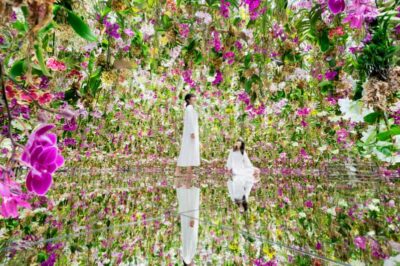
teamLab Planets TOKYO Digital Art Museum Entry Ticket
Read our review →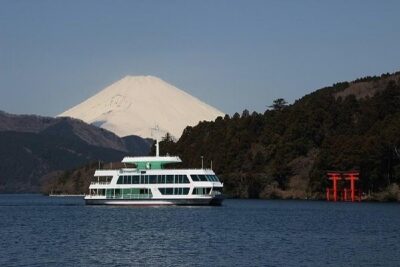
Mt Fuji & Hakone Cruise, Drum Show Bullet Train 1 Day from Tokyo
Read our review →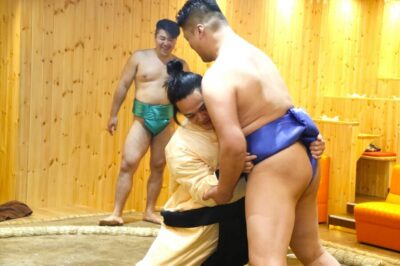
Sumo Show Experience with Chicken Hot Pot and a Photo
Read our review →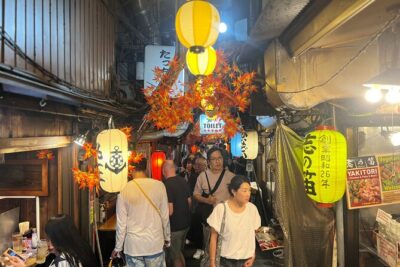
Shinjuku Food Tour (13 Dishes at 4 Local Eateries)
Read our review →
Tokyo Mt Fuji 5th St & Hakone Cruise Bus Tour w/Bullet Train
Read our review →
Flagship 2-Hours Official Street Go-Kart Tour – Tokyo Bay Shop
Read our review →Browse the lists this tour appears in