
Reviewed · TOKYO TOURS
Tokyo: Private Walking Tour with a Local Guide
Tokyo is easiest to enjoy when someone helps you choose. This private tour lets you trade a rigid sightseeing route for a day shaped around your interests, from Senso-ji and Tsukiji to small lanes, local shopping areas, and neighborhoods you might miss alone. Guides including Momo, Miwa, Rika, and Hina are praised for clear English, local insight, and warm company.
I like two things right away: the personal planning before the tour and the practical help with Tokyo’s rail system. Your guide asks what you care about, then adjusts the route, pace, and stops. You also get hotel pickup in central Tokyo, a private group, and temple and shrine entrance fees included.
The catch is Tokyo’s size. You cannot sensibly cover every district in a short outing, and a day built around trains can involve plenty of walking and crowded platforms. If you want taxis, extra attractions, meals, or a very relaxed pace, costs and timing can rise.
Key points at a glance
- Your guide plans around your interests: Choose traditional sights, food, shopping, pop culture, neighborhoods, or a mix.
- Tokyo transport becomes less intimidating: Your guide accompanies you on public transport and helps with routes and stations.
- The tour works well on a first day: Use it to get your bearings, learn local customs, and gather ideas for the rest of your visit.
- You can combine famous sights with quieter stops: The route may include major landmarks and lesser-known streets or local places.
- Six hours gives you useful range: Four hours can cover several connected areas, while eight hours allows a fuller day at a faster or more deliberate pace.
- The experience is walking-focused: Wear good shoes and think carefully about mobility, heat, rest stops, and the amount of standing you want.
Why a private Tokyo guide can save your day
Tokyo is not one compact sightseeing zone. Senso-ji is in Asakusa, Meiji Shrine is beside Harajuku, Shibuya is farther southwest, and Tsukiji, Ginza, Ueno, Akihabara, and Shinjuku each offer a different version of the city.
That variety is the tour’s main strength. Instead of spending your first morning studying railway maps, you can tell your guide what matters to you and let them connect the pieces. If you want temples and shrines, the route can lean traditional. If you want food, shopping, modern Tokyo, or a taste of ordinary neighborhoods, the plan can shift in that direction.
The guides also help with the small questions that shape a first visit: how to behave at a shrine, how a Buddhist temple differs from a Shinto site, how to use a station, where to pause for food, and which places deserve more of your limited time. Several guides, including Miwa and Momo, are especially praised for explaining Japanese life without burying you under dates and facts.
I see this as an orientation tour with sightseeing attached. You get landmarks, but you also gain enough confidence to continue exploring alone afterward.
More walking tours in Tokyo:
- Tokyo Tsukiji Fish Market Food and Culture Walking Tour
★ 5.0 · 3,184 reviews - Tokyo: Imperial Palace and Shogun Historical Walking Tour
★ 5.0 · 2,251 reviews - Tokyo: Shinjuku Local Bar and Izakaya Guided Walking Tour
★ 4.9 · 1,794 reviews
Planning your route before the meeting
The operator contacts you through WhatsApp within 24 hours before the tour. After booking, send a clear wish list rather than a vague request to see everything.
Tell your guide your hotel location, interests, food concerns, preferred pace, and any places already on your plan. You can ask for historical sights, local streets, markets, shopping, pop culture, photography, or public transport practice. The final route is worked out with your guide 24 hours before the tour.
The published stops are examples, not a promise that all of them fit into your time. A two hour tour must be selective. A four hour outing can connect a few major areas. Six hours gives you more range, while eight hours is the best choice for a full city introduction, provided you are happy walking and riding trains for much of the day.
This planning step matters. One guest found that Shibuya Crossing was less worthwhile than expected, while another group loved a route that mixed Asakusa, Ueno, Tokyo Station, Shibuya, Meiji Shrine, and Shinjuku. The lesson is simple: name your priorities and let your guide warn you when a famous stop will consume too much time for too little reward.
Senso-ji and Asakusa: Tokyo’s traditional opening
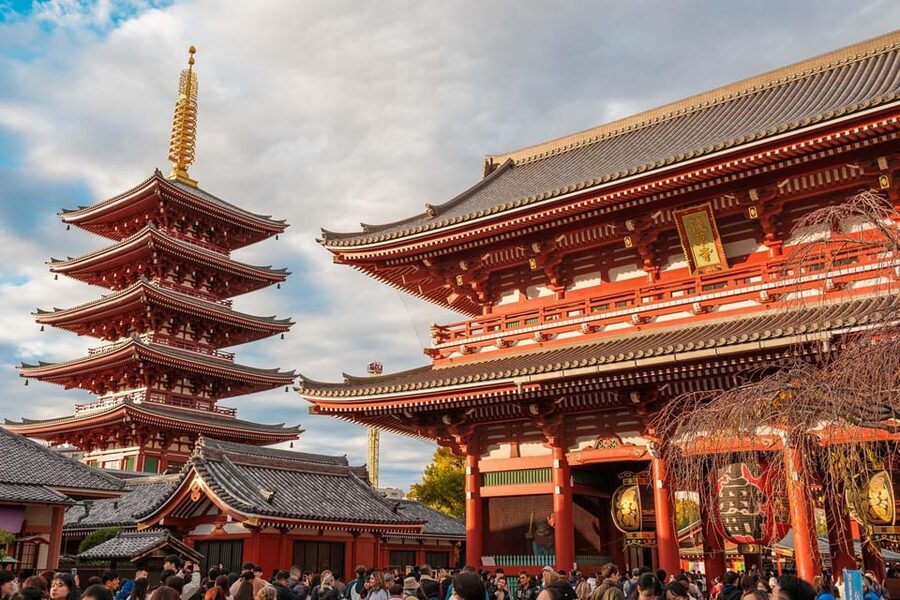
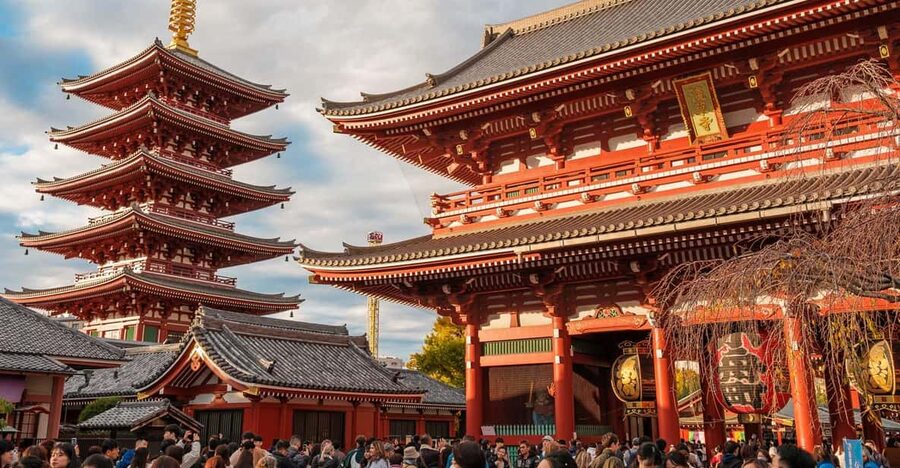
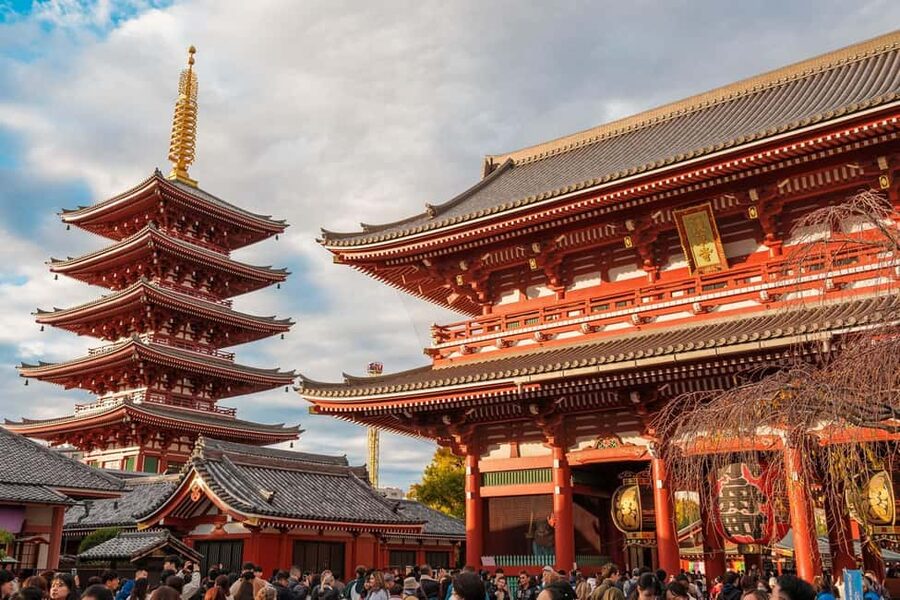
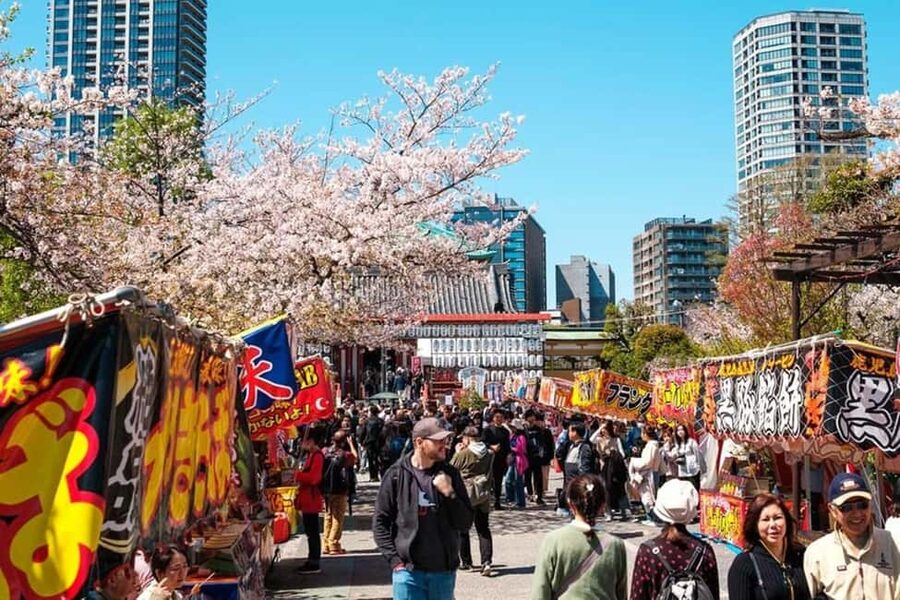
Senso-ji is one of the clearest places to begin if you want a first look at old Tokyo. The large Buddhist temple, its approach, and the surrounding Asakusa streets give your guide room to explain worship, offerings, temple etiquette, and the role of popular religious sites in city life.
Asakusa is more than a temple stop. The district lets you pair a major sight with nearby lanes, shops, and everyday city scenes. Your guide can explain what you are seeing instead of leaving you to photograph the gate and move on.
I would choose Asakusa for a first morning, especially if Japanese religious customs are new to you. It can become crowded, and the approach is not a quiet experience, but your guide can help you focus on the details rather than simply following the crowd.
Ueno and Ameya-Yokocho: markets, temples, and local color
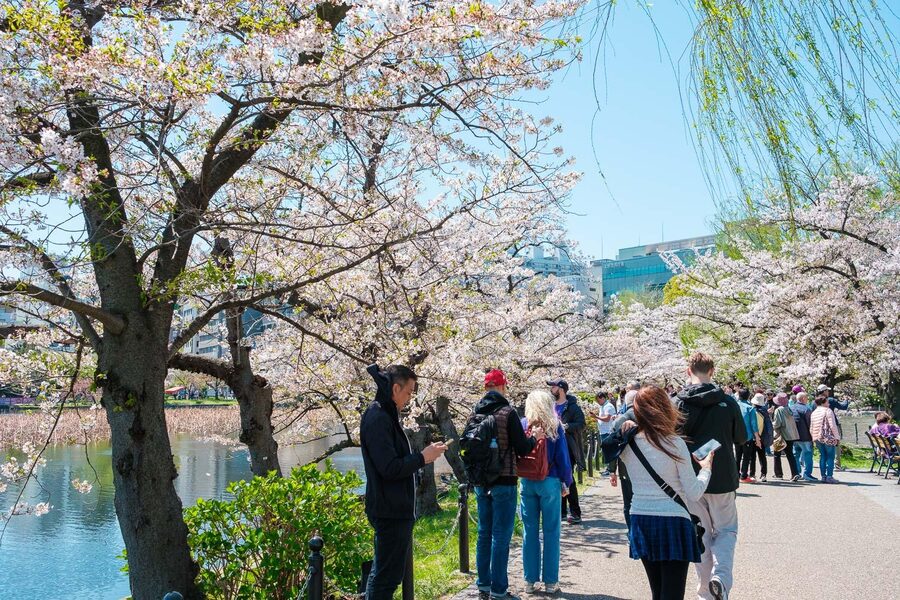
Ueno gives the day a different rhythm. The area is useful for visitors interested in markets, food, neighborhood life, and a less polished side of central Tokyo. Ameya-Yokocho adds shops and food stalls close to Ueno Station, making it a practical place to combine sightseeing with a snack or informal meal.
The experience here depends heavily on your guide’s choices and your interests. Ask for market tastings if food matters to you, or use this section for shopping and street scenes. One guide took a group through Tsukiji after asking about preferences, while another introduced visitors to small lanes and local places. That flexibility is more useful than a fixed list of stops.
You should budget energy for standing and moving through busy public areas. Ameya-Yokocho is not a slow, quiet stroll, and the tour does not include meals or drinks.
A few more Tokyo half-days to weigh up
- Mt Fuji and Hakone 1-Day Bus Tour Return by Bullet Train
★ 5.0 · 26,383 reviews - 1-Day Tokyo Bus Tour
★ 5.0 · 14,250 reviews - Tokyo: TOKYO SKYTREE® Admission ticket
★ 4.5 · 11,192 reviews - Tokyo: teamLab Planets TOKYO Digital Art Museum Entry Ticket
★ 4.6 · 9,779 reviews
Akihabara: modern Tokyo for pop culture fans
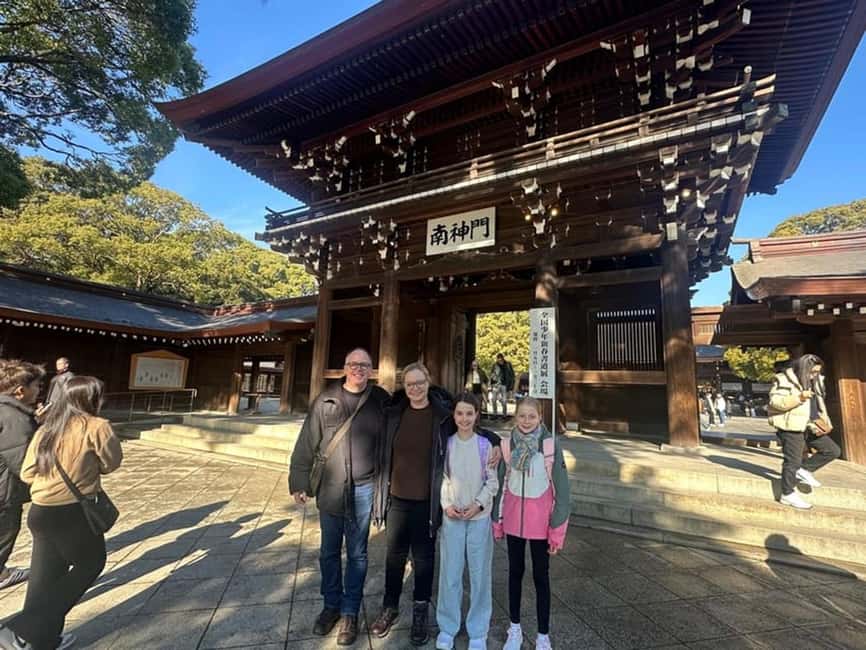
Akihabara is the natural choice for electronics, anime, manga, gaming, and the city’s modern entertainment culture. It helps balance the temples and shrines with a look at the Tokyo many first-time visitors already know from popular media.
Do not add Akihabara simply because it is famous if your real interests lie elsewhere. Tokyo’s districts are spread out, and a stop here can take valuable travel time. If you are keen on Japanese pop culture, tell your guide exactly what you want to see. If not, you may get more from another neighborhood or a longer temple and market visit.
Shibuya and Harajuku: famous streets with different moods
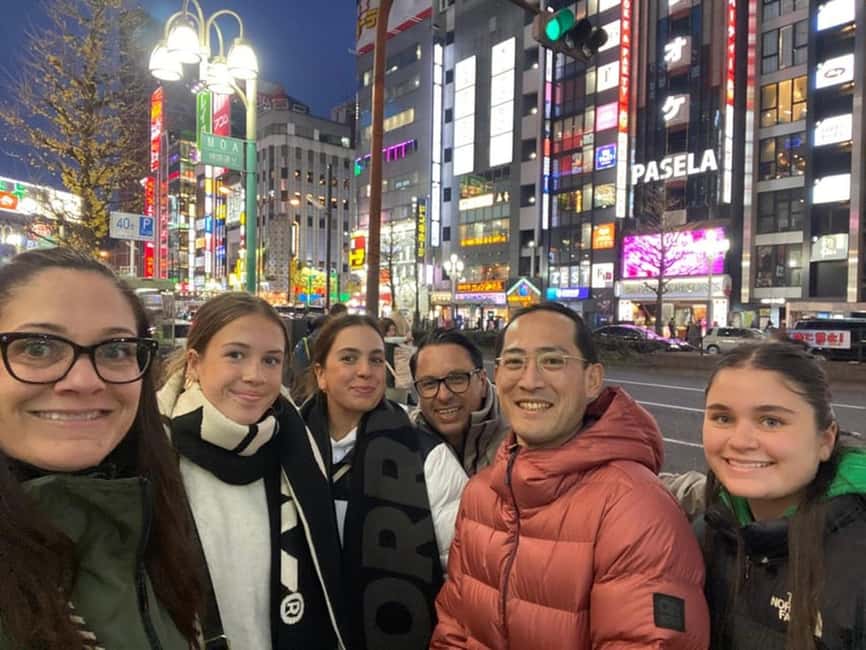
Shibuya Crossing is an obvious photo stop and one of Tokyo’s most recognizable urban scenes. It is quick to understand, easy to photograph, and useful if you want to see the scale and speed of modern Tokyo.
It is not automatically a highlight for everyone. I would treat it as a short stop unless you have a specific interest in shopping, city views, youth fashion, or the surrounding district. Its fame can exceed the time you personally want to spend there.
Harajuku pairs naturally with Shibuya but offers a different feel. It is associated with fashion, street culture, and access to Meiji Shrine. Your guide can help you decide how much time to spend on the commercial streets and how much to reserve for the shrine and its wooded grounds.
Meiji Shrine: a quiet counterpoint
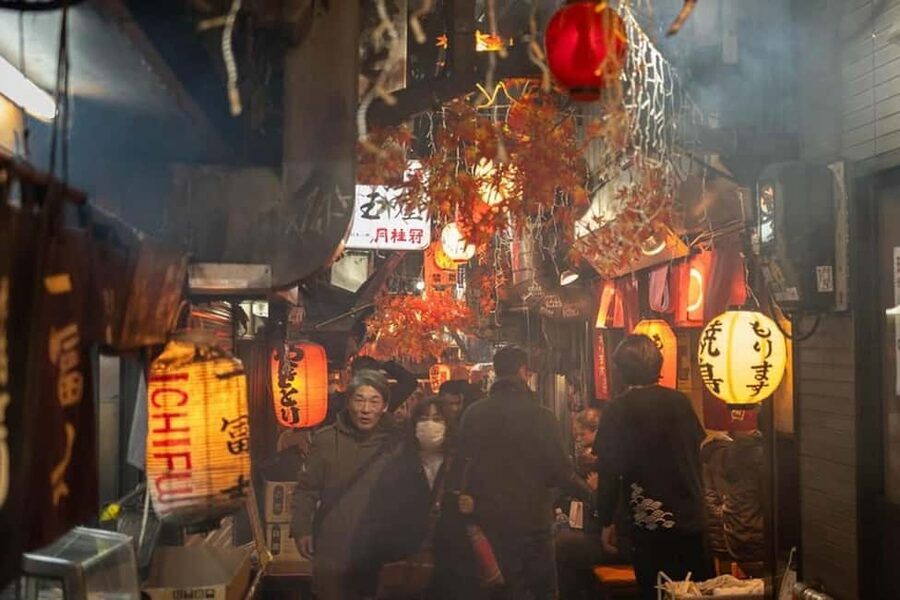
Meiji Shrine gives you a break from Tokyo’s traffic and tall buildings. It is a Shinto site, so it works especially well beside Senso-ji, a Buddhist temple. A local guide can explain the difference between the two traditions and show you how to approach the shrine respectfully.
The walk to the shrine involves standing and walking, but the setting offers a welcome change from stations and shopping streets. If you have only a few hours, combining Harajuku and Meiji Shrine is efficient because they are close to each other compared with many other Tokyo pairings.
I would place this stop high on your list if you want culture without a long lecture. Guides such as Momo and Miwa are often praised for making spiritual customs easy to understand and for answering questions in plain English.
Tsukiji Outer Market: the strongest food-focused option
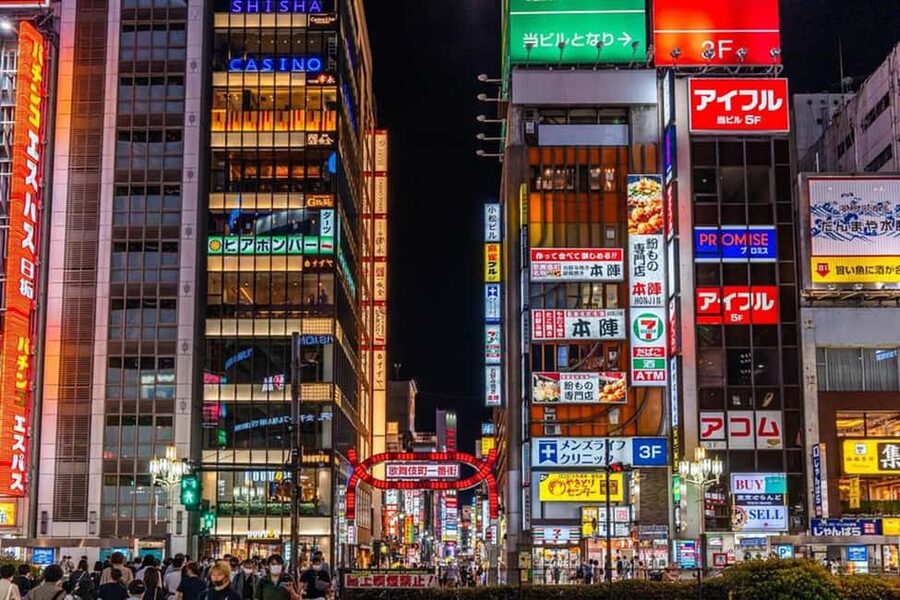
Tsukiji Outer Market is a smart choice if you want food and local guidance. The tour can include tastings and grilled seafood, but meals and drinks are not included, so bring cash or a card and expect to pay for anything you eat.
Your guide can help you make sense of the stalls, suggest places to pause, and connect the market with nearby temples and shrines. This is more useful than wandering through a food market while trying to decode every menu.
Tsukiji is also a good example of why you should state your interests early. If you want a food-centered morning, it may deserve a large portion of the tour. If you are not interested in eating as you walk, ask your guide to use the time elsewhere.
Ginza and the Imperial Palace: polished streets and national symbols
Ginza is the place to choose for department stores, refined shopping, and a more formal side of Tokyo. It can fit travelers who want retail time or a look at one of the city’s best-known commercial districts.
The Imperial Palace adds an important national and historical landmark. The exact access and sightseeing time depend on the route and current conditions, so do not assume a full interior visit. Think of it as a chance to see the palace area and learn about its place in Tokyo.
Ginza and the palace can work together, but they may feel less intimate than Asakusa, Ueno, or a local neighborhood. I would prioritize them if you enjoy architecture, shopping, or civic history.
Shinjuku: city scale at the end of the day
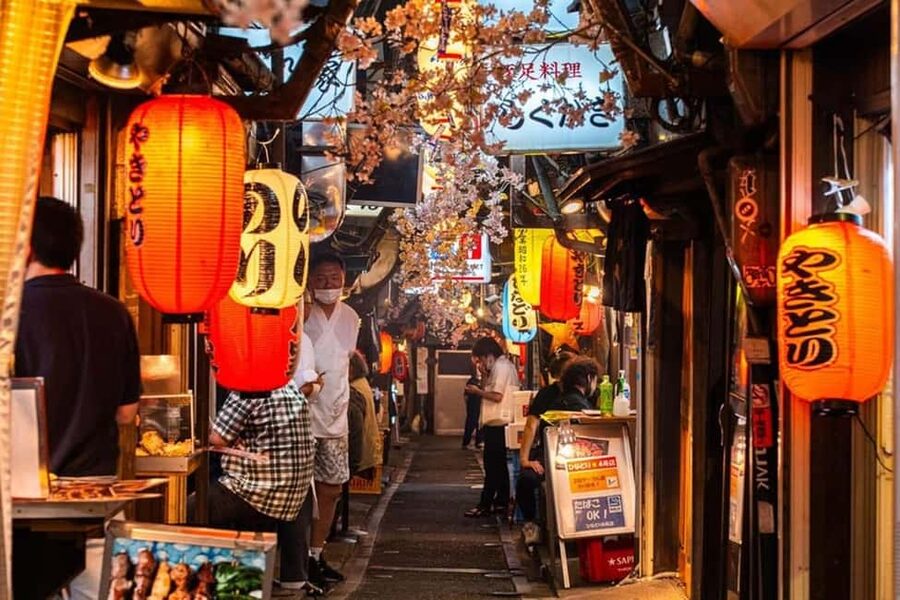
Shinjuku shows Tokyo at its most vertical and energetic, with major stations, shops, entertainment streets, and many places to eat. It is a good final district because your guide can leave you with practical suggestions for dinner, shopping, or a later independent visit.
The station area can be confusing even for experienced visitors. Having a local guide beside you saves time and reduces the chance of spending your afternoon looking for the right exit. Shinjuku also makes a useful base for learning how Tokyo’s central districts connect.
As with Shibuya, do not treat the famous name as a reason to stay for hours. Your guide can help you decide if the area deserves a quick look or a larger part of the plan.
Public transport, walking, and the real pace
This is a walking tour, but it also uses convenient public transport. Trains and subways make it possible to connect distant districts, though every transfer adds stairs, corridors, platform waits, and time on crowded trains.
Buy or load a Suica card if you can before the tour. One visitor specifically found that a loaded Suica card and a metro pass made movement faster. You still pay your own train fares, since other transport is not included.
Ask for a mix of trains and taxis if you do not want packed platforms or long walks, but taxis raise the cost and are not included. One person found the day involved too much walking and standing on trains, a useful warning for anyone who prefers a gentler schedule.
Wear comfortable shoes. Bring cash, a credit card, and identification. In warm, humid weather, ask for cooling breaks and a slower pace. A guide such as Momo has adjusted the timing with rest stops, but you need to communicate your needs clearly.
The experience is not suitable for wheelchair users or people with mobility impairments. Baby strollers and baby carriages are also not allowed.
What the $53 price really buys you
At $53 per person, the starting price is attractive for a private experience, especially if you are sharing the guide with family or friends. The value is not simply the number of sights. It is the time saved choosing an area, finding the right station exit, handling transfers, and understanding what you are looking at.
The price includes a private local guide, hotel or accommodation pickup and drop-off, public transport accompaniment, and entrance fees for temples and shrines. It does not include your train fares, food, drinks, airport transfers, private cars, or tickets for extra attractions. If an added attraction requires admission for your guide as well as you, you pay both fees.
For the best value, use the guide for decisions you cannot easily make from a map. Ask for neighborhood context, etiquette, food advice, and help using the railway. If you only want a list of famous photo spots, you may not get as much from a private guide.
The tour can last two to eight hours, but check the selected option carefully. A short tour is an introduction, not a complete Tokyo visit.
The guides and the personal touch
The strongest part of this experience is the guide match. Momo is repeatedly praised for warmth, energy, clear explanations, and care with families. Miwa is noted for thoughtful answers, careful planning, strong local insight, and help building confidence for the rest of a trip.
Rika is valued for efficient train use, route planning, and taking photos for the group. Hina is praised for an easy pace, clear English, and useful advice beyond the tour. Other guides named in the feedback include Yossy, Kanako, Yoshie, Saya, Nao, and Momoha.
You should not expect every guide to have the same personality or offer the same route. What is consistent in the experience description is the private format and English-language guiding. Send your preferences early so the assigned guide can prepare a useful plan.
If you stop for lunch or dinner, you are expected to cover your guide’s meal if you invite them to join. Tell the operator in advance if you prefer to eat separately.
Who should book this Tokyo tour?
I would recommend it most for a first visit, a short stay, families who want help with logistics, and anyone who wants Tokyo explained through local life rather than isolated monuments. It also suits solo visitors who want company and practical help without joining a large group.
It is a good first-day choice because you can learn the transport system, ask questions, and receive suggestions for the rest of your stay. You can also use it near the end of a trip for final shopping, temples, food, or a district you missed.
I would be cautious if you dislike public transport, cannot walk or stand for long periods, or want a fixed luxury itinerary with private vehicles. You should also avoid packing distant districts into a short booking. Tokyo rewards a few deliberate choices more than a frantic checklist.
The free cancellation deadline is 24 hours before the tour, and you can reserve now and pay later. Those policies make it easier to hold a place while your Tokyo plans take shape.
Should you book it?
Book this private Tokyo walking tour if you want a local guide to help you choose, connect, and understand the city. The best use of your time is not trying to fit all 13 sample areas into one day. Pick two or three priorities, add one flexible stop, and tell your guide how much walking you can handle.
At $53 per person, it offers solid value for a private introduction, especially when the guide’s transport help and local advice prevent wasted time. Just budget for trains, food, taxis, and any extra attraction tickets. Choose four hours for a focused introduction, six for a broad first day, or eight for the fullest route you can comfortably manage.
FAQ
How long does the Tokyo private walking tour last?
You can choose a duration from two to eight hours. Available start times and exact options should be checked when booking.
Where will the guide meet me?
Pickup is included from your hotel in central Tokyo or another preferred meeting place in Tokyo. The guide accompanies you by public transport and returns with you to your accommodation or agreed endpoint.
Which Tokyo sights can I visit?
Possible stops include Senso-ji Temple, Asakusa, Ueno, Ameya-Yokocho, Akihabara, Shibuya Crossing, Harajuku, Meiji Shrine, Tsukiji Outer Market, Ginza, the Imperial Palace, and Shinjuku. The final route depends on your chosen duration and interests.
Are meals and transport included?
Meals, drinks, train fares, private cars, taxis, and airport transfers are not included. Temple and shrine entrance fees are covered, but additional attraction tickets are your responsibility, including admission for your guide when required.
How is the itinerary decided?
After booking, share your interests, preferred places, and any dietary restrictions. Your guide contacts you on WhatsApp within 24 hours before the tour, and the final route is agreed at that time.
Is the tour suitable for wheelchair users?
No. The activity is not suitable for wheelchair users or people with mobility impairments. You should also bring comfortable shoes and be prepared for walking and public transport.
Just added around Tokyo
- Private Arrival Transfer : Narita International Airport to Central Tokyo City★ 4.5 · 12 reviews
- Narita Airport(NRT): Private Transfer to Tokyo/Yokohama 1-9pax★ 5.0 · 47 reviews
- Private Transfer from Narita Airport to Yokohama Port and City★ 4.5 · 17 reviews
- [Narita Airport Terminals 1, 2] 40-60km Sawara Itako Historic Bike Tour★ 5.0 · 13 reviews
- 3 Day Japan Highlights Tour: Tokyo, Mt.Fuji, Nara, Kyoto, Osaka★ 5.0 · 22 reviews
- Small Town in the Big City: Tasting Tokyo’s Kichijoji★ 5.0 · 195 reviews
- Small Town in the Big City: Tasting Tokyo’s Kichijoji★ 5.0 · 16 reviews
- The 10 Tastings of Tokyo With Locals: Private Street Food Tour★ 5.0 · 48 reviews
Tokyo Tours, compared.
Mt Fuji and Hakone 1-Day Bus Tour Return by Bullet Train
Read our review →
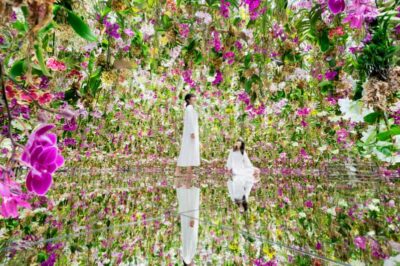
teamLab Planets TOKYO Digital Art Museum Entry Ticket
Read our review →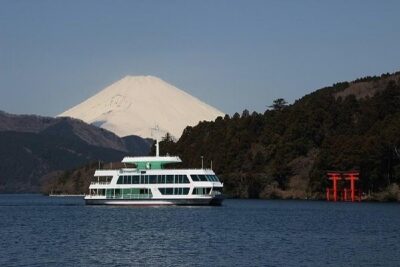
Mt Fuji & Hakone Cruise, Drum Show Bullet Train 1 Day from Tokyo
Read our review →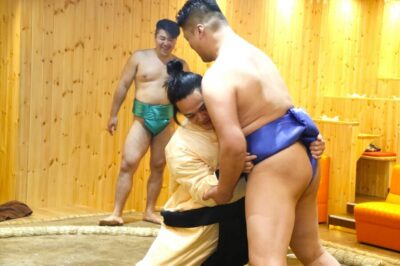
Sumo Show Experience with Chicken Hot Pot and a Photo
Read our review →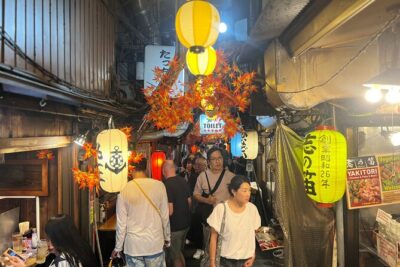
Shinjuku Food Tour (13 Dishes at 4 Local Eateries)
Read our review →
Tokyo Mt Fuji 5th St & Hakone Cruise Bus Tour w/Bullet Train
Read our review →
Flagship 2-Hours Official Street Go-Kart Tour – Tokyo Bay Shop
Read our review →Browse the lists this tour appears in