
Reviewed · TOKYO TOURS
Tokyo: Rice Ball Making Class
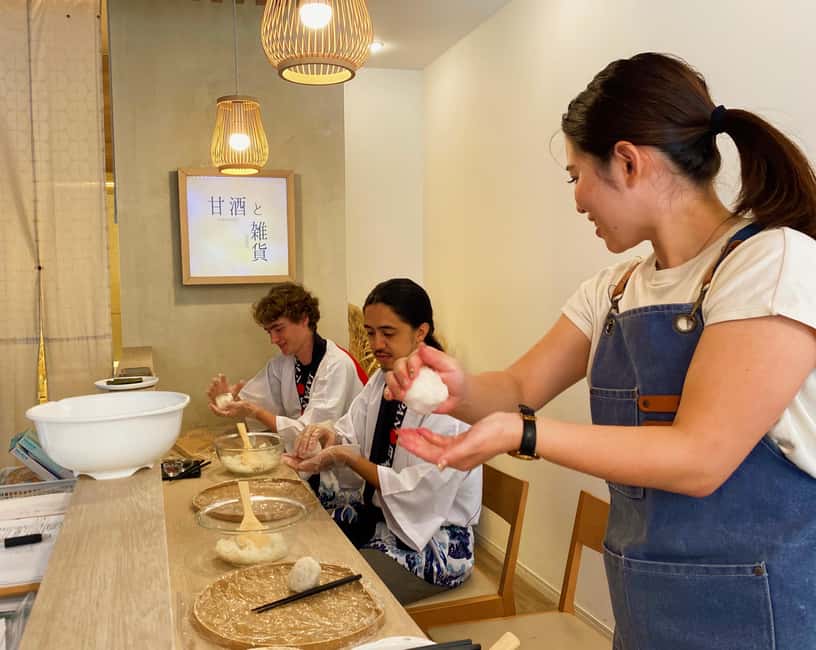
Tokyo has plenty of polished sightseeing, but this experience begins with something wonderfully ordinary: making your own onigiri, the rice balls many Japanese people know as a quick, comforting snack. You season warm rice, add fillings such as salmon, pickled plum, or tuna-mayo, and shape lunch with your own hands.
I like two things right away. First, the cooking class gives you a useful look at everyday Japanese food rather than another formal tasting. Second, the bicycle ride connects that small kitchen experience with Hamarikyu Gardens, where you can eat your still-warm onigiri beside ponds, flowers, teahouses, and Tokyo’s high-rise skyline.
The main drawback is the physical requirement. You need to ride a bike confidently, and the activity is not suitable for children under 12, people with mobility or back problems, wheelchair users, people with limited fitness, or anyone over 70. The total time can also range from one to three hours, so check the starting time and expected duration carefully.
Key points at a glance
- Shape your own onigiri: Prepare warm rice and choose from familiar fillings including salmon, pickled plum, and tuna-mayo.
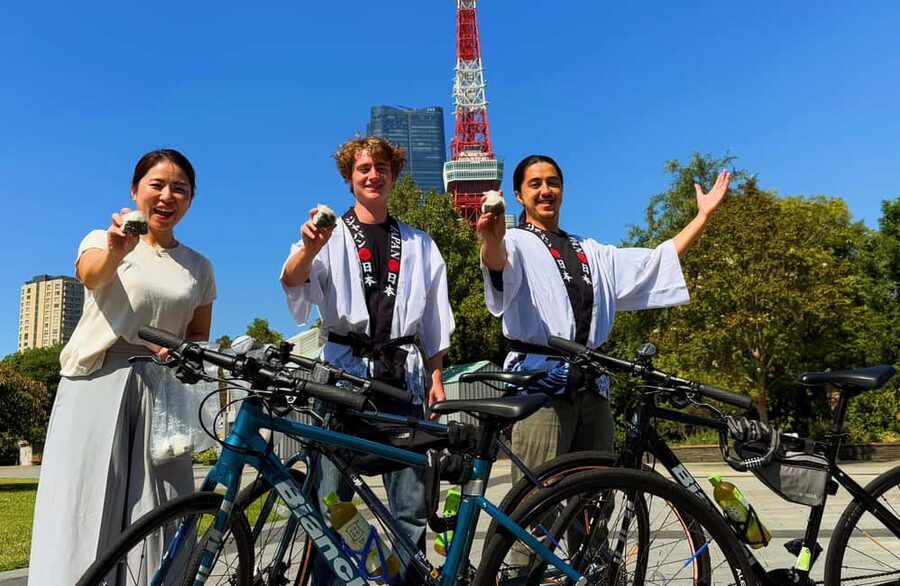
- Eat in Hamarikyu Gardens: Your homemade snack becomes a picnic lunch in one of central Tokyo’s historic gardens.
- See Tokyo by bicycle: Ride through local streets, riverside routes, and broad waterfront paths instead of staying on the usual sightseeing circuit.
- Small English-speaking group: The group is limited to six people, which makes hands-on help and conversation more likely.
- Look for guide Sho: Sho has led this experience and is specifically praised for making the cooking and cycling portions fun.
- Bring water and wear easy cycling clothes: Extra snacks and drinks from the shop cost more, and strollers are not allowed.
Why onigiri is a smart way to meet Tokyo
Onigiri is simple food, but that is part of its appeal. It is made from rice, seasoning, and a filling, yet the shape, texture, and balance of flavors matter. During the class, you learn how to season and shape freshly steamed rice, then work with fillings that show different sides of Japanese taste.
Salmon gives you a familiar savory option. Pickled plum, or umeboshi, brings a sharp, tangy flavor. Tuna-mayo is softer and creamy. You do not need advanced cooking skills for this activity, but you do get a practical introduction to a food that is closely tied to daily life in Japan.
I like that the class is hands-on from the start. You are not simply watching an instructor prepare a snack while you stand nearby. You make the rice balls yourself, which means the finished food feels personal, even though the ingredients are straightforward.
The cooking portion is also a good fit for people who want a cultural activity without committing to a long formal lesson. The full experience lasts between one and three hours, depending on the selected schedule and format. That gives you some flexibility, though it also means you should confirm the exact duration before booking.
More hands-on workshops in Tokyo:
- Sushi Making Tokyo Roll and Authentic Japanese Sushi Class
★ 5.0 · 3,971 reviews - Tokyo: Roll and Authentic Sushi Making Class in Asakusa
★ 4.9 · 1,957 reviews - Tokyo Shinjuku Chopsticks Making Class
★ 5.0 · 1,763 reviews
What happens during the rice ball class
You meet your guide at the onigiri-making class, rather than at a major station or landmark. The exact class address should be checked with your booking details, since the supplied information does not give a street address.
An English-speaking local expert guides the session. One guide named Sho has led the activity, and his role includes helping with both the food and the later bike ride. The small group limit of six matters here. With a hands-on food lesson, a crowded room can make it hard to see or ask questions. A group of this size should give you a better chance to receive direct help with shaping and filling your rice balls.
Expect the focus to be on basic technique rather than a long lecture. You season the freshly steamed rice, add your chosen filling, and shape the onigiri. The finished rice balls are packed for the ride and picnic.
Do not expect a broad Japanese cooking course. The food included is onigiri, and the activity does not promise a full meal or extra snacks. You can buy additional snacks and drinks at the shop, but those purchases are not included in the $51 price.
Cycling from the class to Hamarikyu Gardens
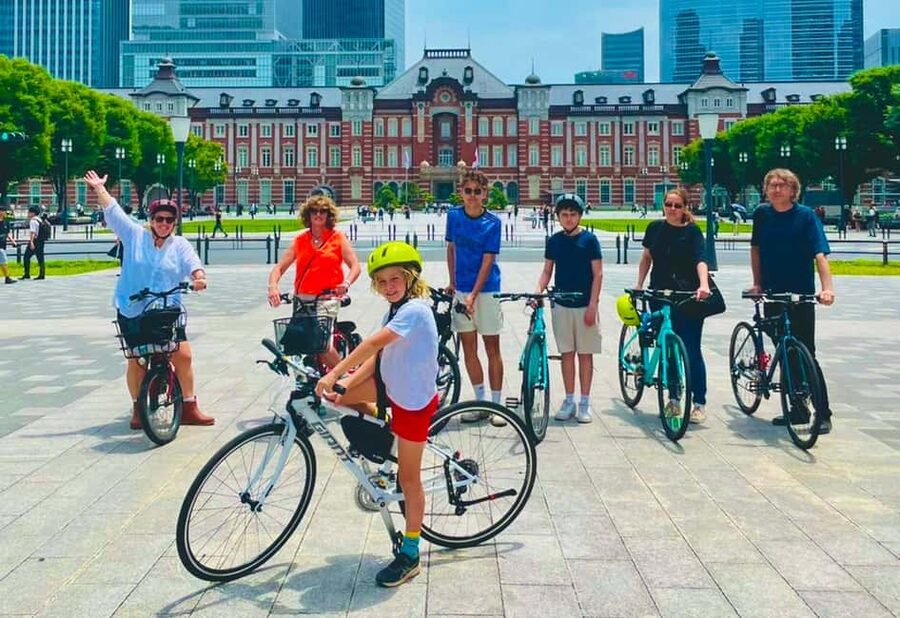
After the class, you take a bicycle with a local guide. The ride is designed to show you a quieter side of Tokyo, using backstreets and riverside paths before reaching Hamarikyu Gardens.
This is a useful change of pace from moving around Tokyo by train. A bicycle lets you notice the transitions between ordinary residential streets, waterways, major roads, and open waterfront spaces. The route is described as carefully chosen, but the exact streets and cycling distance are not provided, so you should not book this expecting a fixed mileage or a hard sightseeing timetable.
You will pass through local neighbourhoods where daily life continues away from the main tourist routes. That part may be less dramatic than a famous temple or tower, but it gives the ride its character. Tokyo is easier to understand when you see how small streets fit beside large public spaces and modern commercial districts.
The guide then leads you toward broader riverside and waterfront paths. These open sections offer views across Tokyo Bay and a chance to see the city from a different angle. Bring water. Even a leisurely ride can feel tiring if the day is warm, and buying drinks is not part of the included package.
Wear comfortable clothes that let you pedal easily. The operator specifically recommends comfortable cycling clothing. Strollers are not allowed, and the activity is not suitable for anyone who cannot ride a bike.
Eating your onigiri at Hamarikyu Gardens

Hamarikyu Gardens is the heart of the experience. The garden sits where the city meets the bay, giving you an unusual mix of old and new Tokyo in one view. Inside, you can find saltwater ponds, walking paths, seasonal flowers, lawns, and traditional teahouses.
Your onigiri becomes a picnic lunch here. The appeal is not just eating outdoors. It is the contrast between a handmade, everyday Japanese snack and the formal garden setting around you. Look toward the teahouses, then up at the modern skyline, and you get a quick lesson in Tokyo’s ability to place different eras side by side.
The garden entrance is included in the price, which is important because it turns the cycling ride into a complete outing rather than a simple transfer from one stop to another. You are not only passing the garden from outside. You have time to enter, walk, and eat your own food within it.
The information does not promise a specific picnic area, seating arrangement, or amount of free time. You may eat on the grass, as described, but conditions can vary by garden rules or the day’s schedule. It is best to think of this as a guided garden stop with a picnic, not a long independent visit.
A few more Tokyo half-days to weigh up
- Mt Fuji and Hakone 1-Day Bus Tour Return by Bullet Train
★ 5.0 · 26,383 reviews - 1-Day Tokyo Bus Tour
★ 5.0 · 14,250 reviews - Tokyo: TOKYO SKYTREE® Admission ticket
★ 4.5 · 11,192 reviews - Tokyo: teamLab Planets TOKYO Digital Art Museum Entry Ticket
★ 4.6 · 9,779 reviews
Tokyo Bay views, Zojoji Temple, and Tokyo Tower
The second part of the cycling route continues after you refuel. Your guide takes you along backstreets and waterfront lanes, with views connected to some of Tokyo’s best-known sights.
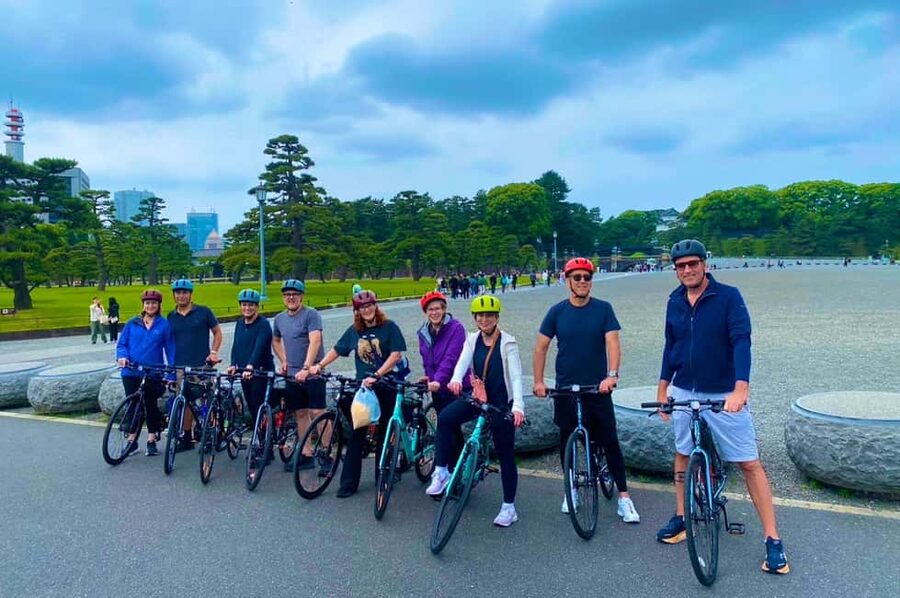
Tokyo Tower may appear in the distance, offering a strong visual reference as you move through the city. Zojoji Temple provides a more traditional landmark, while the Imperial Palace adds another major historic sight to the route. The experience does not include an entrance visit to the Imperial Palace or Zojoji Temple, and the information does not promise a stop inside either site.
That distinction matters. This is a moving city tour, not a temple tour or palace tour. You will catch views of these places from the bicycle route, but you should book a separate visit if you want detailed history, interior access, or extended time at any one landmark.
I like the way these sights are used here. You get the famous Tokyo images, but they are placed within a larger ride through ordinary streets and open waterfront areas. The result should feel less like checking off three attractions and more like seeing how the city’s old, modern, and residential areas connect.
How much value do you get for $51?
At $51 per person, the price covers several separate elements: the onigiri class, all class ingredients, a bicycle, a local English-speaking guide, and admission to Hamarikyu Gardens.
That is fair value if you want a compact activity that combines food, transport, and sightseeing. A cooking class by itself would give you the food lesson, while a normal walking or cycling tour would give you the city views. Here, the two parts support each other. You make lunch, carry it by bike, and eat it at a meaningful destination.
The small group limit also improves the value. With no more than six participants, the guide can spend more time helping people with the rice shaping and keeping the cycling group together. The strongest praise for the activity has focused on friendly, helpful instruction and an enjoyable guide. Sho, in particular, is described as fun and informative.
The price is less attractive if you do not care about cooking, cannot cycle comfortably, or mainly want extended time at Hamarikyu Gardens. You are paying for a combined experience, not simply garden admission or a meal.
Extra snacks and drinks from the shop are not included. Add those costs if you want more than the rice balls and need refreshments along the way.
Who should book this experience?
I would recommend it most strongly to visitors who want a small-group activity with a local feel and a moderate amount of movement. It suits couples, friends, and solo participants who enjoy learning by doing rather than only listening to a guide.
It can also work well early in a Tokyo visit. The route introduces you to waterfront areas, local neighbourhoods, Tokyo Tower, Zojoji Temple, and the Imperial Palace from the outside. That gives you useful orientation before you explore the city in more depth.
Food-focused visitors will appreciate the class, especially if onigiri is new to them. It is also a good choice if you want a Japanese activity that does not revolve around sushi, ramen, or a formal restaurant meal.
This is not a good pick for families with younger children because the minimum age is 12. It is also unsuitable for people with high blood pressure, back problems, mobility impairments, low fitness, or poor cycling ability. Wheelchair users and visually impaired participants are specifically excluded, as are people over 70.
The age and fitness rules are unusually specific, so take them seriously. You should feel comfortable riding a bicycle before booking. The activity provider does not present this as an option for someone who hopes to learn to cycle during the tour.
Timing, cancellation, and practical details
The listed duration is one to three hours. Since that is a wide range, check the available start times and the exact length when choosing your date. The amount of time affects how much of the garden and cycling route you can enjoy.
English is the tour language, and the activity is led by a live guide. Your meeting point is the onigiri class itself. Make sure you allow enough time to reach that location, since no separate meeting landmark is provided in the activity details.
The booking terms are flexible. You can reserve now and pay later, and you can cancel up to 24 hours before the activity for a full refund. Those terms help if your Tokyo schedule is still changing.
Bring water and wear comfortable clothing for cycling. You do not need to bring cooking ingredients because they are included. Extra food and drinks from the shop are optional purchases.
My verdict: a tasty, active slice of Tokyo
Book this experience if you want to make a familiar Japanese snack, eat it in a historic garden, and see Tokyo by bicycle rather than from a train window. The best features are the hands-on class, the small group of up to six, and the pleasing route from everyday streets to Hamarikyu Gardens and Tokyo Bay.
Skip it if you want a slow garden visit, a detailed temple tour, or a fully passive sightseeing trip. The activity asks you to cycle, and the health and age restrictions are clear.
For the right person, $51 buys more than a cooking lesson. It gives you a small food skill, a guided ride, a garden picnic, and a useful look at Tokyo’s changing scenery in one compact outing.
FAQ
How much does the Tokyo rice ball making class cost?
The activity costs $51 per person. The price includes the onigiri class, ingredients, bicycle, local guide, and entrance to Hamarikyu Gardens.
How long does the experience last?
The listed duration is between one and three hours. Check the available starting times and selected schedule for the exact duration.
Is the activity conducted in English?
Yes. The activity has a live English-speaking guide.
What fillings can I use for the onigiri?
The class includes classic fillings such as savory salmon, pickled plum, and tuna-mayo.
Is Hamarikyu Gardens admission included?
Yes. Entrance to Hamarikyu Gardens is included, and you eat your handmade onigiri there.
What should I bring and wear?
Bring water and wear comfortable clothes suitable for cycling. Extra snacks and drinks from the shop are not included.
Who cannot take part in the activity?
The experience is not suitable for children under 12, people with back problems, mobility impairments, high blood pressure, low fitness, or visual impairments. It is also not suitable for wheelchair users, people who cannot ride a bike, or people over 70. Baby strollers are not allowed.
Just added around Tokyo
- Private Arrival Transfer : Narita International Airport to Central Tokyo City★ 4.5 · 12 reviews
- Narita Airport(NRT): Private Transfer to Tokyo/Yokohama 1-9pax★ 5.0 · 47 reviews
- Private Transfer from Narita Airport to Yokohama Port and City★ 4.5 · 17 reviews
- [Narita Airport Terminals 1, 2] 40-60km Sawara Itako Historic Bike Tour★ 5.0 · 13 reviews
- 3 Day Japan Highlights Tour: Tokyo, Mt.Fuji, Nara, Kyoto, Osaka★ 5.0 · 22 reviews
- Small Town in the Big City: Tasting Tokyo’s Kichijoji★ 5.0 · 195 reviews
- Small Town in the Big City: Tasting Tokyo’s Kichijoji★ 5.0 · 16 reviews
- The 10 Tastings of Tokyo With Locals: Private Street Food Tour★ 5.0 · 48 reviews
Tokyo Tours, compared.

Mt Fuji and Hakone 1-Day Bus Tour Return by Bullet Train
Read our review →

teamLab Planets TOKYO Digital Art Museum Entry Ticket
Read our review →
Mt Fuji & Hakone Cruise, Drum Show Bullet Train 1 Day from Tokyo
Read our review →
Sumo Show Experience with Chicken Hot Pot and a Photo
Read our review →
Shinjuku Food Tour (13 Dishes at 4 Local Eateries)
Read our review →
Tokyo Mt Fuji 5th St & Hakone Cruise Bus Tour w/Bullet Train
Read our review →
Flagship 2-Hours Official Street Go-Kart Tour – Tokyo Bay Shop
Read our review →Browse the lists this tour appears in