
Reviewed · TOKYO TOURS
Tokyo: Tea Ceremony Experience in a small tea room
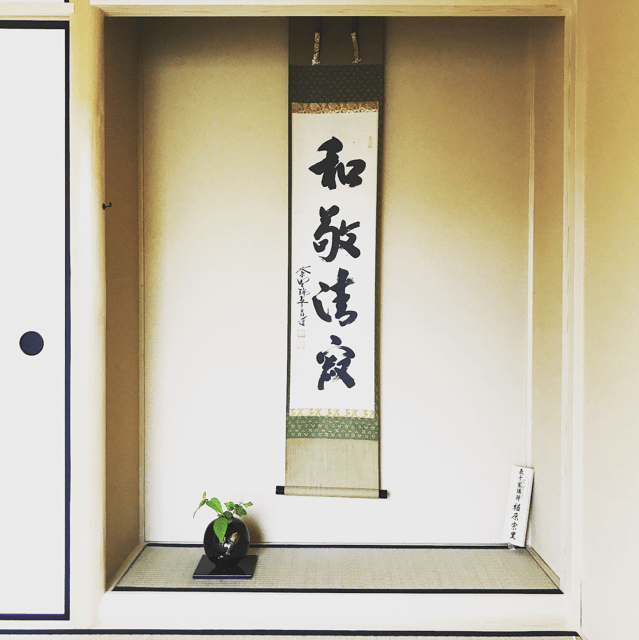
A Japanese tea ceremony is less about drinking a cup of tea than learning how attention, hospitality, and calm fit together. In this small-group session with Mari, you watch the formal movements, hear the reasons behind them, and then prepare your own matcha if you wish. The setting is a private home near Nishi-Nippori, close to Yanaka and Nezu Shrine.
I like the six-person limit, which keeps the lesson personal, and I like that beginners are welcome rather than expected to know how to kneel, bow, or handle the whisk. The main caution is the location: the room is upstairs in a residential area, with two narrow flights of stairs, and the entrance can be tricky for a taxi to find.
Key points at a glance
- A 20-year tea teacher: Mari explains the ceremony in English and patiently answers questions.
- Make your own matcha: You can whisk the powdered tea yourself and practice the correct movements.
- A quiet home setting: The ceremony takes place away from Tokyo’s busiest streets, near Nishi-Nippori.
- Only six people per session: The small group gives you time to ask questions and practice.
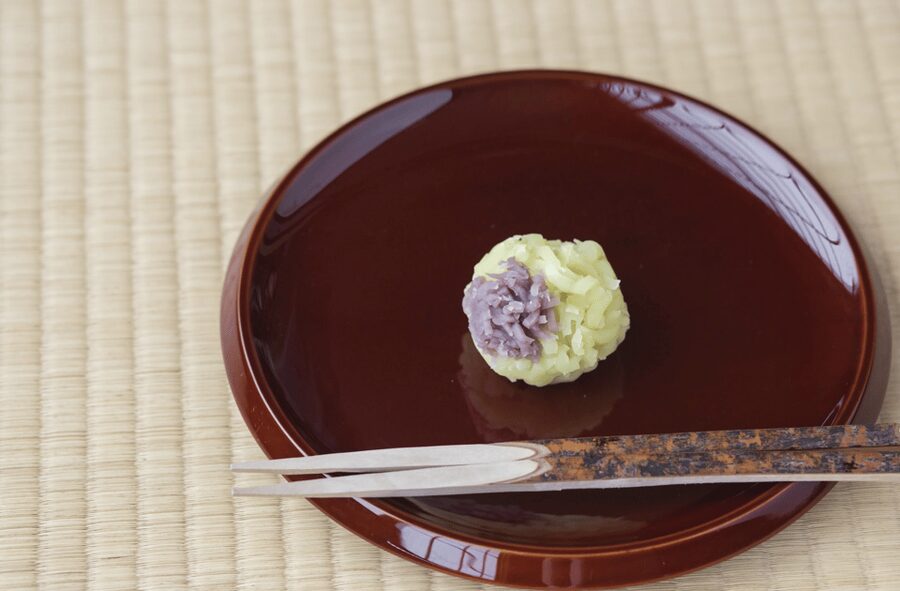
- Traditional sweets included: Matcha is served with dried Japanese sweets as part of the lesson.
- Kimono available by request: Dressing can be arranged for an extra charge, but confirm the price before booking.
What this Tokyo tea ceremony is really about
Many visitors first picture a tea ceremony as a performance: a person in formal clothing moves slowly, prepares matcha, and hands over a beautiful bowl. That is part of the appeal, but the meaning is broader. This hour introduces the ideas behind the movements, including purity, harmony, hospitality, and mindfulness.
Mari has taught the art of tea for more than 20 years. That matters because a beginner needs more than a display of practiced motions. You need someone who can explain why the cloth is folded in a certain way, why the tools are handled with care, and how the order of the ceremony creates a sense of calm.
The session is designed for people with no previous experience. You do not need to know Japanese etiquette or have attended a tea ceremony before. If you already know a little about matcha, you can use the time to ask more detailed questions and practice the preparation yourself.
The tone is welcoming rather than stiff. That is important. Traditional ceremonies can feel intimidating when every gesture appears exact and every mistake seems visible. Here, the teaching aims to make the tradition easier to approach without stripping away its formal side.
More Tea Ceremonies in Tokyo
- Tokyo: Traditional Tea Ceremony with a Tea Master
★ 5.0 · 528 reviews - Tea Ceremony Workshop in Tokyo by the Experienced Instrucor
★ 5.0 · 189 reviews - Tokyo: Asakusa Kimono Dressing and Matcha Experience
★ 4.9 · 173 reviews
Arriving near Nishi-Nippori and Senraku-an
The meeting point is Senraku-an, and you are asked to arrive 10 minutes before the experience begins. The location is described as about a seven-minute walk from Nishi-Nippori Station, in a residential part of Tokyo near the Yanaka and Nezu Shrine area.
This is a useful contrast with the city’s major sightseeing districts. You are not meeting at a large hotel or a clearly marked tourist attraction. You are heading into a local neighborhood, where the quiet streets are part of the experience.
That also creates the chief practical challenge. A taxi may have trouble finding the exact entrance, so I would not cut the timing close. Give yourself extra time if you are carrying luggage, using a taxi, or visiting the area for the first time.
The tea room is upstairs, reached by two narrow flights of stairs. This is manageable for many people, but it can be difficult if you have limited mobility or find stairs tiring. Ask for precise room and entrance details before booking if this could affect your comfort.
The surrounding area gives you useful options before or after the ceremony. Yanaka and Nezu Shrine are close by, and the setting is associated with quiet riverside scenery and nearby historical sites. The tea session itself lasts only one hour, so you can pair it with a longer walk through the neighborhood rather than giving up half a day.
The first lesson: seeing the ceremony from the inside
The session begins with an explanation of what you are about to see. Instead of simply watching a series of unfamiliar movements, you learn how the ceremony reflects Japanese ideas of care and respect.
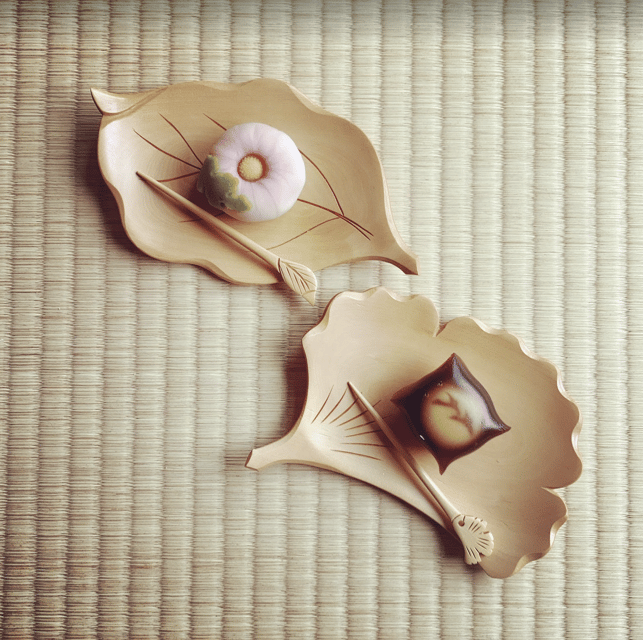
You will be served matcha and traditional dried sweets. The sweets are not just a small snack added to the price. They help balance the sharp, grassy taste of powdered green tea and show how tea, food, utensils, and timing work together.
Expect attention to detail. The tea teacher may point out how the utensils are placed, how the tea bowl is treated, and how the host prepares the space for the person receiving tea. These actions can look simple, but their order gives the ceremony its shape.
The pace is deliberately quiet. You are not racing from one sight to another, and there is no long lecture packed into a crowded schedule. The value comes from having time to watch and ask questions.
English instruction is included. Mari has been praised for explaining the process clearly, answering questions, and working patiently with beginners. That makes this a good pick if you want cultural context rather than a silent demonstration.
Preparing matcha with Mari’s guidance
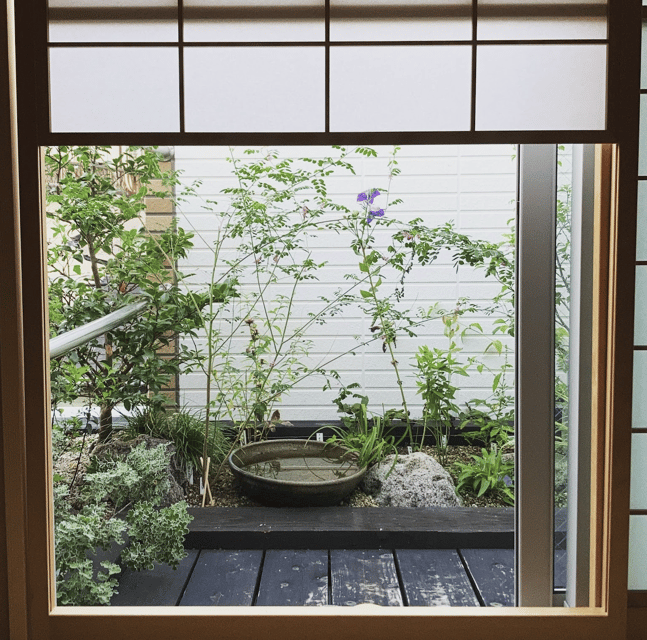
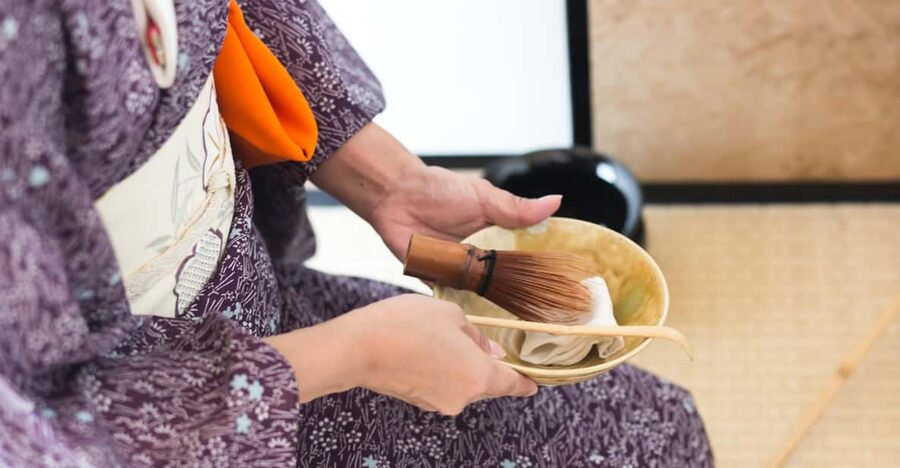
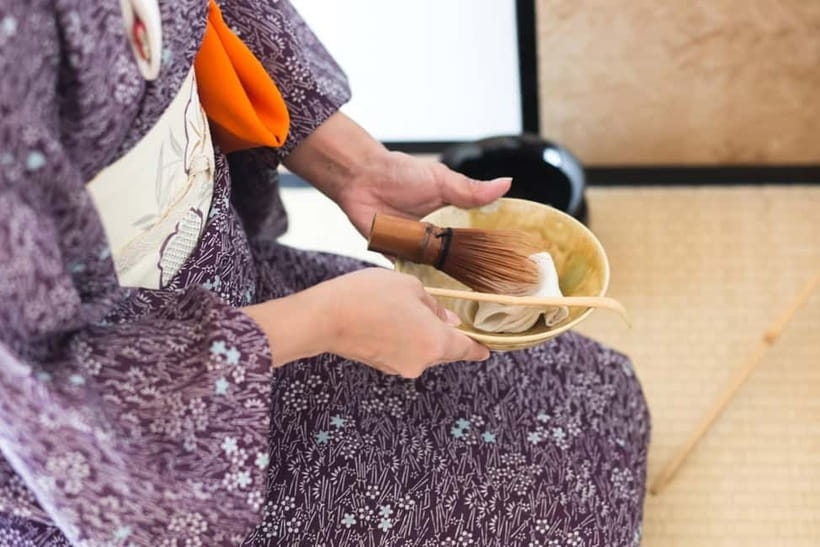
The most hands-on part comes when you prepare your own tea. You learn how to whisk matcha and follow the basic movements that give the drink its light foam.
This is where the small group makes a real difference. With a maximum of six participants, you have a better chance to receive direct help rather than watching from the back of a larger room. If you are unsure how to hold the whisk or move the tea towel, you can ask without interrupting a big presentation.
One particularly useful detail is the attention given to folding the tea towel. A participant found it helpful to practice the fold several times with Mari’s help. That may sound minor, but it shows the kind of patient correction that makes a traditional activity feel approachable.
You should not expect to become a tea master in one hour. The point is to understand the logic of the preparation and leave with a better sense of the discipline behind it. You will likely remember the repeated whisking and careful handling more clearly than if you had only watched.
You can choose to make your own tea if you wish. If you prefer to observe, you can still follow the ceremony and learn from the explanation. That flexibility helps families and mixed groups, where one person may want the hands-on part and another may be more comfortable watching.
Same base, a completely different sort of day:
- Mt Fuji and Hakone 1-Day Bus Tour Return by Bullet Train
★ 5.0 · 26,383 reviews - 1-Day Tokyo Bus Tour
★ 5.0 · 14,250 reviews - Tokyo: TOKYO SKYTREE® Admission ticket
★ 4.5 · 11,192 reviews - Tokyo: teamLab Planets TOKYO Digital Art Museum Entry Ticket
★ 4.6 · 9,779 reviews
Why the private-home setting matters
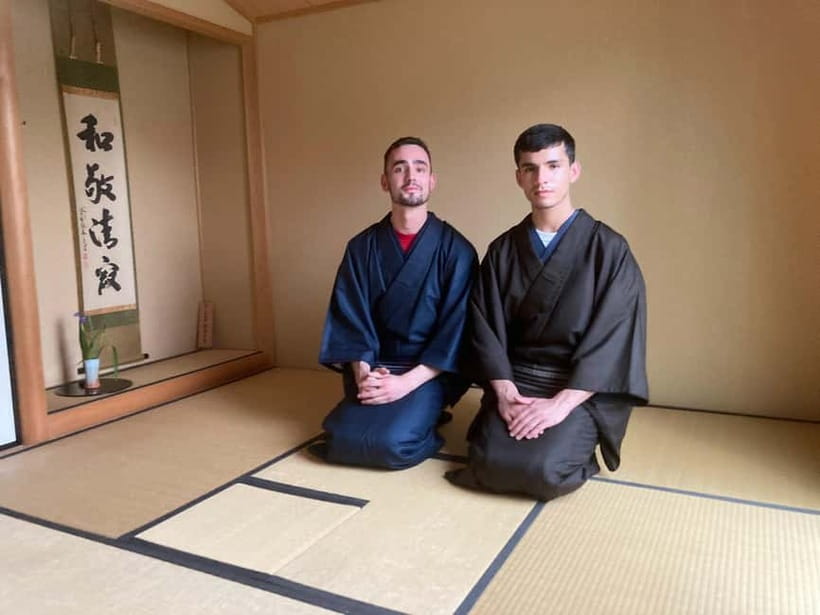
The ceremony takes place in Mari’s house, which gives the session a more personal feel than a large cultural venue. You are entering a real domestic setting rather than a staged room built only for tourists.
That can help you connect the ceremony to daily life. The setting makes the exchange feel more direct, and the quiet atmosphere offers a break from Tokyo’s crowded train platforms and busy shopping streets.
There is a tradeoff. A private home is not always as easy to find as a commercial attraction, and the upstairs room may not suit everyone. You should think of the residential location as part of the character of the experience, not as a polished attraction with a wide entrance and obvious signs.
The room is described as calm and quiet, and that stillness is one of the strongest reasons to book. Tokyo can make it hard to slow down. Here, the ceremony gives you a fixed hour in which the sound of whisking tea and the movement of the host become the focus.
What the tea ceremony teaches about Japan
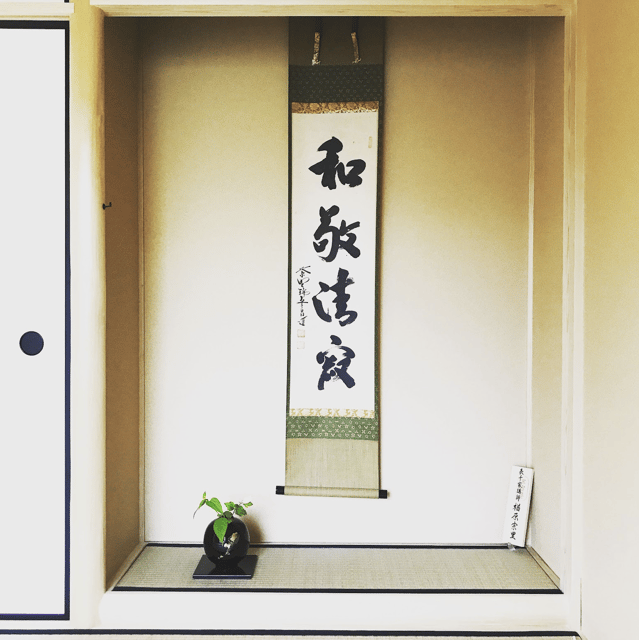
The best cultural activities give you a way to notice details elsewhere on your trip. This one introduces ideas that reach beyond tea.
Purity appears in the careful handling of tools and the preparation of the space. Harmony comes through the relationship between host, guest, utensils, tea, and sweets. Hospitality, often expressed through the Japanese concept of omotenashi, means anticipating the guest’s needs and showing care through small actions.
You do not need to memorize these terms. Their value is in seeing them put into practice. When Mari explains why a movement matters, a cup of tea becomes a lesson in how courtesy can be built into an entire sequence.
The ceremony also shows why Japanese traditions can feel both simple and demanding. The ingredients are modest: powdered tea, hot water, a whisk, a bowl, and sweets. Yet the process asks for concentration, good timing, and respect for the person in front of you.
For me, that is the strongest cultural payoff. You are not only learning how to make matcha. You are learning why a short meeting between host and guest can be treated as a complete occasion.
Group size, language, and the pace of the hour
The group is limited to six participants, and the instructor teaches in English. That combination works well for a short experience. You have enough structure to understand the ceremony, but the session does not feel like a large tour with a script delivered from a distance.
A one-hour duration is also easy to fit into a Tokyo itinerary. You can schedule it before lunch, after a morning visit to Yanaka, or as part of an afternoon around Nezu Shrine. Because the experience is short, you should plan your neighborhood sightseeing separately rather than expecting the ceremony to include a full walking tour.
The nearby historical sites and riverside scenery are useful additions, but they are not described as formal stops in the one-hour activity. Treat them as places to explore on your own before or after the tea session.
The English instruction is especially helpful for first-time visitors. A ceremony can be hard to understand if you only watch the motions. Direct explanation lets you ask about the tools, the etiquette, and the meaning behind each stage.
Is $51 a fair price?
At $51 per person, this is not the cheapest way to drink matcha in Tokyo. You can find tea in many cafés for far less. The comparison is not quite fair, though, because this price includes instruction, matcha, dried sweets, and the chance to prepare the tea yourself.
The real value is the teacher’s time. You are paying for a small class led by someone with two decades of experience, not simply for a beverage. The six-person limit also means the cost covers a more personal lesson.
I think the price is reasonable if you want cultural understanding and active participation. It is less attractive if you only want to taste matcha or take a quick photograph in traditional surroundings.
Kimono dressing is not included. It can be requested for an extra charge, and one family found the option useful, particularly for children. Another participant felt the cost was high, so ask about the exact price before adding it. The tea ceremony itself does not require a kimono, and you can enjoy the lesson without one.
Transportation is also not included. Since the meeting point is near Nishi-Nippori, you need to pay for your own train, taxi, or other transport. The station walk is short, but the residential address deserves careful attention.
Who will enjoy this experience most
I would recommend this tea ceremony to you if you want a calm cultural activity with real instruction. It is especially suitable for first-time visitors to Japan, couples, families, and anyone curious about the meaning behind Japanese hospitality.
It also works well for a parent and adult child or for a small group of friends. The private feel and quiet setting give you room to talk afterward about what you learned, unlike a large show where you simply sit and watch.
Families should consider the stair access and the extra cost of kimono dressing. Children who enjoy hands-on activities may like whisking the tea, but the ceremony still asks for patience and careful attention.
I would be more cautious if you have difficulty with narrow stairs, need step-free access, or dislike residential meeting points that can be hard for taxis to locate. The experience is welcoming, but the physical setting is not described as fully accessible.
Practical tips for a smoother visit
Arrive at Senraku-an 10 minutes early. That buffer matters because the meeting point is in a residential area rather than beside a large station sign.
Use Nishi-Nippori as your main navigation reference, and allow time to walk from the station. If you plan to take a taxi, confirm the exact entrance and room location in advance.
Wear something comfortable enough for an hour of quiet sitting and hand practice. A kimono is optional, not a requirement, and it costs extra.
If you have questions about the tea tools, ask them. The small group and English instruction are there to make the lesson interactive. This is not the sort of activity where you need to worry about making one wrong movement.
Plan Yanaka or Nezu Shrine separately. The ceremony is close to these areas, but the stated one-hour program centers on the tea lesson rather than a guided tour of nearby sights.
Cancellation is flexible: you can cancel up to 24 hours in advance for a full refund. You can also reserve now and pay later, which helps if your Tokyo schedule is still taking shape.
Should you book this Tokyo tea ceremony?
Book it if you want a quiet, hands-on introduction to Japanese tea culture rather than a quick matcha tasting. Mari’s long experience, clear English teaching, and patient guidance give the hour substance, while the small group keeps the lesson personal.
The private-home setting is a plus if you value a local feel, but it comes with practical limits. Two narrow flights of stairs, a residential entrance, and possible taxi confusion are worth taking seriously.
At $51, the experience makes sense for you if the lesson matters as much as the tea. Add kimono dressing only after confirming the extra price. If you can manage the access and want to understand ideas such as purity, harmony, and hospitality through a simple daily ritual, this is a thoughtful addition to a Tokyo visit.
FAQ
How long does the tea ceremony last?
The experience lasts one hour.
Where does the tea ceremony take place?
The meeting point is Senraku-an, in a residential area about a seven-minute walk from Nishi-Nippori Station. The location is also close to the Yanaka and Nezu Shrine area.
Who teaches the tea ceremony?
Mari leads the session. She is a tea ceremony teacher with more than 20 years of experience.
Is the activity taught in English?
Yes. English instruction is provided.
Can I prepare my own matcha?
Yes. You can make your own tea if you wish, with guidance on whisking the matcha and following the ceremony’s movements.
Is a kimono included?
No. Kimono dressing is not included in the price, but you can request it for an additional charge.
Just added around Tokyo
- Private Arrival Transfer : Narita International Airport to Central Tokyo City★ 4.5 · 12 reviews
- Narita Airport(NRT): Private Transfer to Tokyo/Yokohama 1-9pax★ 5.0 · 47 reviews
- Private Transfer from Narita Airport to Yokohama Port and City★ 4.5 · 17 reviews
- 3 Day Japan Highlights Tour: Tokyo, Mt.Fuji, Nara, Kyoto, Osaka★ 5.0 · 22 reviews
- [Narita Airport Terminals 1, 2] 40-60km Sawara Itako Historic Bike Tour★ 5.0 · 13 reviews
- Small Town in the Big City: Tasting Tokyo’s Kichijoji★ 5.0 · 195 reviews
- Small Town in the Big City: Tasting Tokyo’s Kichijoji★ 5.0 · 16 reviews
- The 10 Tastings of Tokyo With Locals: Private Street Food Tour★ 5.0 · 48 reviews
Tokyo Tours, compared.

Mt Fuji and Hakone 1-Day Bus Tour Return by Bullet Train
Read our review →

teamLab Planets TOKYO Digital Art Museum Entry Ticket
Read our review →
Mt Fuji & Hakone Cruise, Drum Show Bullet Train 1 Day from Tokyo
Read our review →
Sumo Show Experience with Chicken Hot Pot and a Photo
Read our review →
Shinjuku Food Tour (13 Dishes at 4 Local Eateries)
Read our review →
Tokyo Mt Fuji 5th St & Hakone Cruise Bus Tour w/Bullet Train
Read our review →
Flagship 2-Hours Official Street Go-Kart Tour – Tokyo Bay Shop
Read our review →Browse the lists this tour appears in