
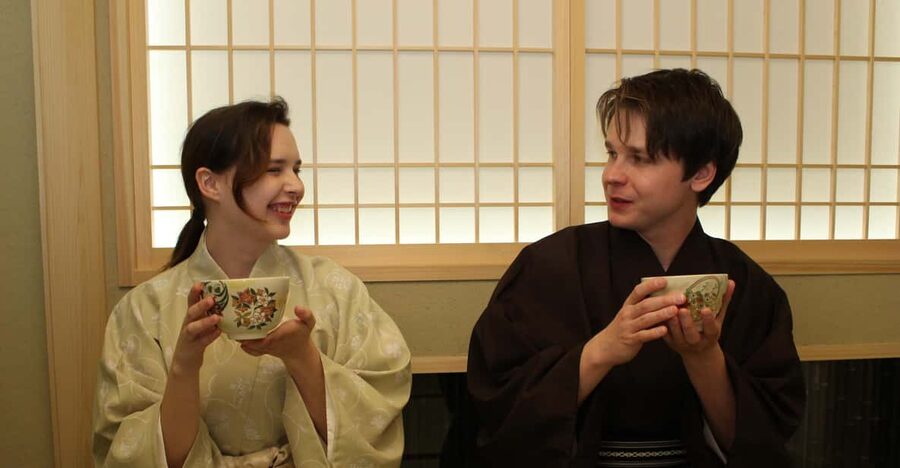
Reviewed · TOKYO TOURS
Tokyo: Tea Ceremony in Shibuya Tokyo
The heart of this private Shibuya tea ceremony is the chance to do more than watch. An English-speaking teacher explains the customs, shows the careful steps of otemae, then lets you whisk your own matcha. Before that, you taste a traditional Japanese sweet, an important part of the tea ritual.
I like the small group size, from one to four people, and the fact that you get the tea teacher’s attention instead of sharing the room with strangers. I also like the cultural extras, including kimono wear for an added charge and souvenirs made from kimono fabric, such as Pokemon figures. The main thing to check is the timing and pickup details before booking, since the available plans can vary.
Key points
- Private group of one to four: You share the experience only with your own family or friends.
- English-speaking instruction: The teacher explains tea history, etiquette, and each step of matcha preparation.
- You make your own matcha: The demonstration is followed by hands-on tea preparation.
- Traditional sweets included: You taste Japanese sweets before drinking the matcha.
- Kimono wear is optional: You can add kimono dressing for an extra charge, subject to arrangements.
- Shibuya souvenirs: Look for small gifts made from kimono material, including Pokemon designs.
A quiet tea lesson in the middle of Shibuya
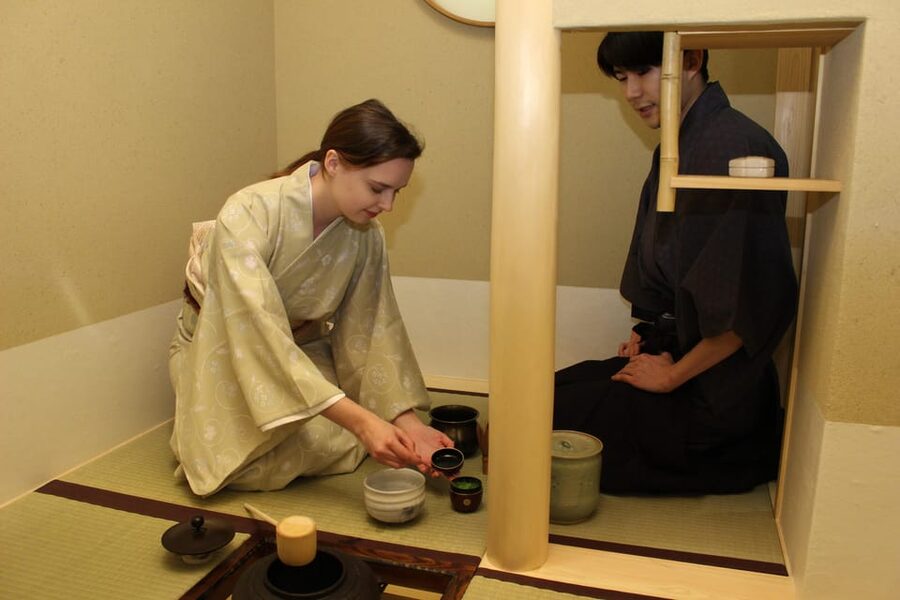
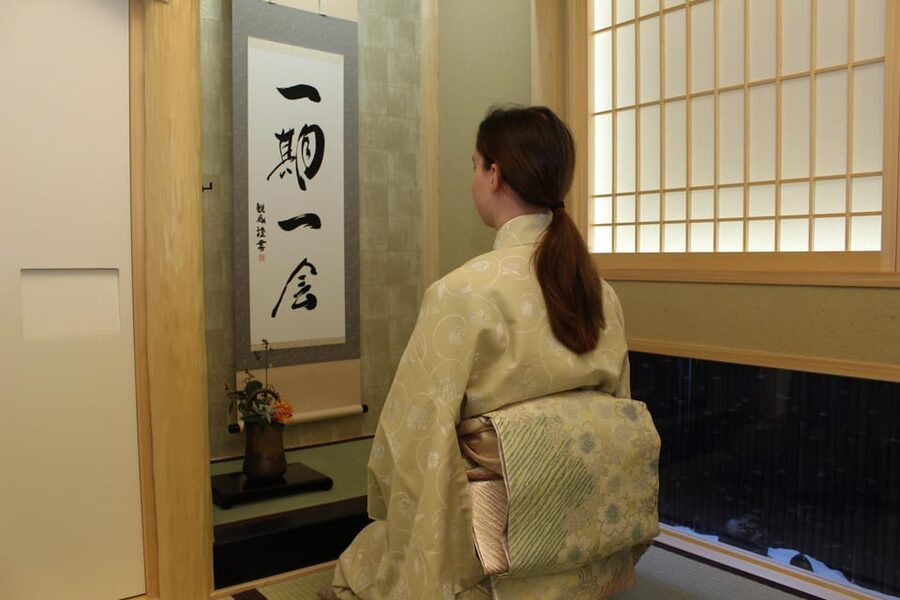
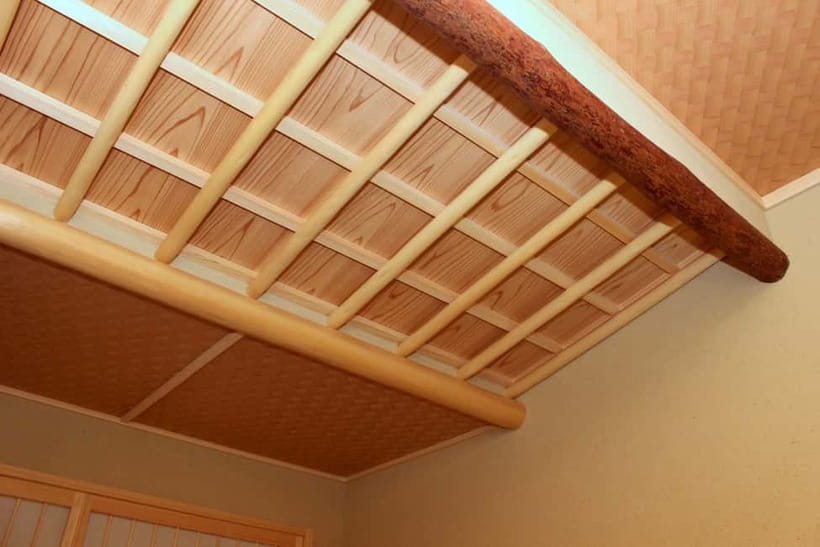
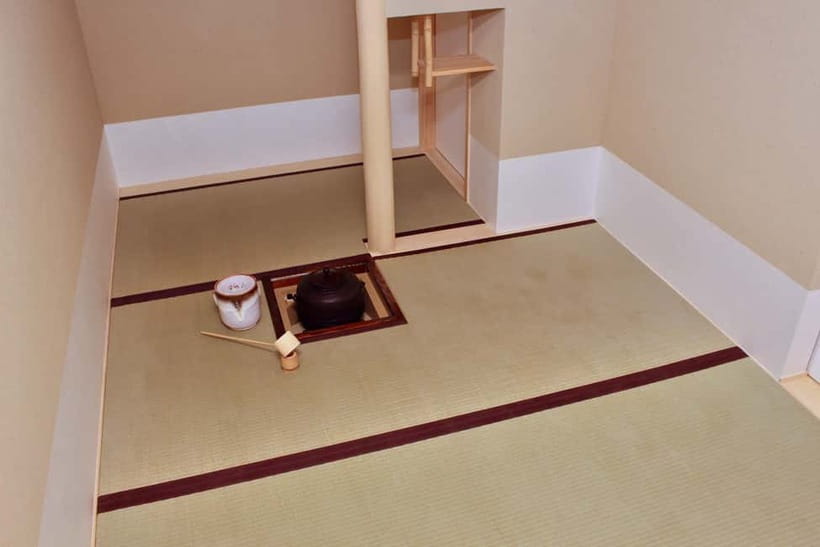
Shibuya is famous for bright signs, crowded crossings, fashion shops, and late-night energy. This tea ceremony gives you a different side of the district: a formal tea room, measured movements, and time to pay attention to small details.
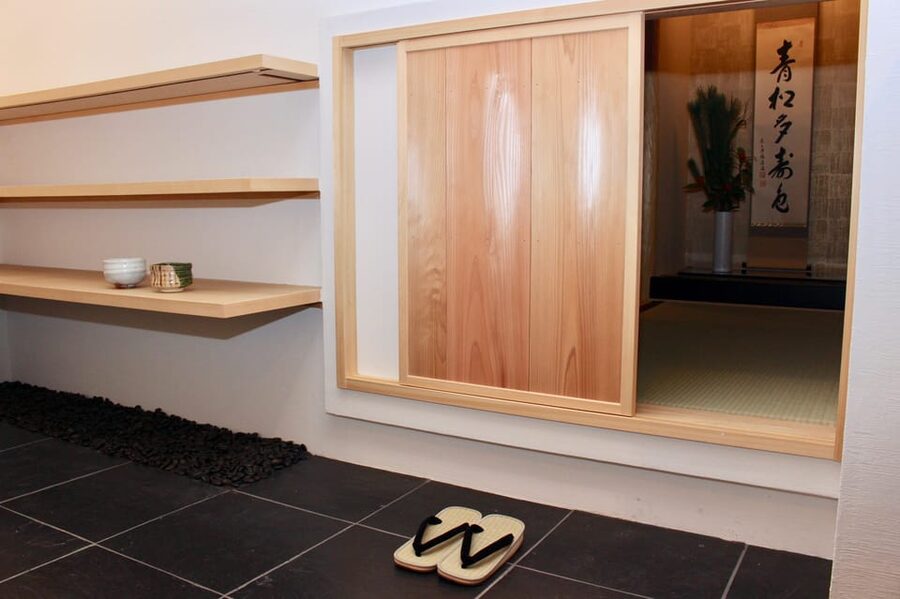
The setting is described as a prestigious tea room, and the class is led in English. That matters because the ceremony has many rules that can seem mysterious if you only watch from the side. Here, you receive an explanation of the history and culture, learn basic etiquette, and understand why the teacher handles each item with such care.
You are not expected to know anything about tea before arriving. The tone is built around teaching, not testing. You can ask questions, watch the demonstration, and then try the process yourself.
The private format is one of the strongest reasons to choose this experience. A solo visitor can book, as can a family or small group of friends, with a maximum of four people per booking. There are no mixed sessions, so you do not have to share the class with an unrelated group.
That makes the experience especially useful for families. Children may have a better chance of following the activity when the teacher can focus on your group, though parents should remember that the ceremony includes quiet, careful movements rather than a fast-paced show.
More Tea Ceremonies in Tokyo
- Tokyo: Traditional Tea Ceremony with a Tea Master
★ 5.0 · 528 reviews - Tea Ceremony Workshop in Tokyo by the Experienced Instrucor
★ 5.0 · 189 reviews - Tokyo: Asakusa Kimono Dressing and Matcha Experience
★ 4.9 · 173 reviews
What happens before you make the tea
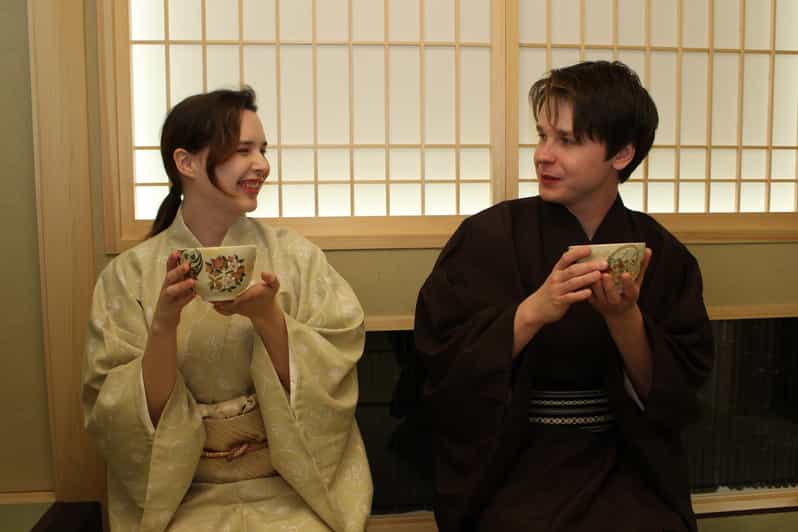
The class begins with an explanation of the ceremony, its background, and its etiquette. This is more useful than it may sound. Japanese tea ceremony is not simply a method for making a hot drink. The arrangement of the room, the handling of the utensils, and the way tea and sweets are received all carry meaning.
Your teacher sets the stage before preparing the matcha. You learn what to watch for during the demonstration, which makes the later hands-on portion easier to follow. The English instruction is an important practical advantage, especially if you want cultural context rather than a silent display.
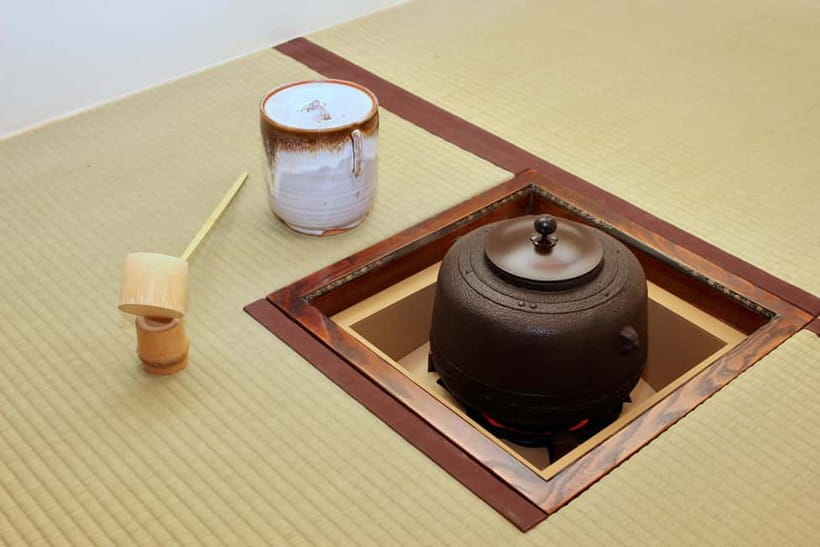
The teacher then performs otemae, the formal tea preparation. The process is deliberate, with each movement given its proper place. You may notice that the ceremony feels slower than ordinary tea making. That is the point. The pace encourages you to focus on the bowl, the utensils, the sound of preparation, and the act of serving.
Mako-san is one teacher associated with the experience. She has been described as charming and highly experienced in leading the ceremony. The class is also presented as being taught by English-speaking teachers with experience in tea, so the exact instructor may vary by date.
Matcha, sweets, and your turn at the bowl
Before you make tea, you taste a traditional Japanese sweet. This is not just a snack placed beside the drink. In the tea ceremony, the sweet prepares your palate for the bitterness of matcha.
The contrast is part of the pleasure. The sweet offers a gentle taste, while the matcha has a stronger, grassy flavor. If you have only had sweetened matcha drinks from a cafe, the traditional version may surprise you. It is worth approaching with an open mind rather than expecting a dessert.
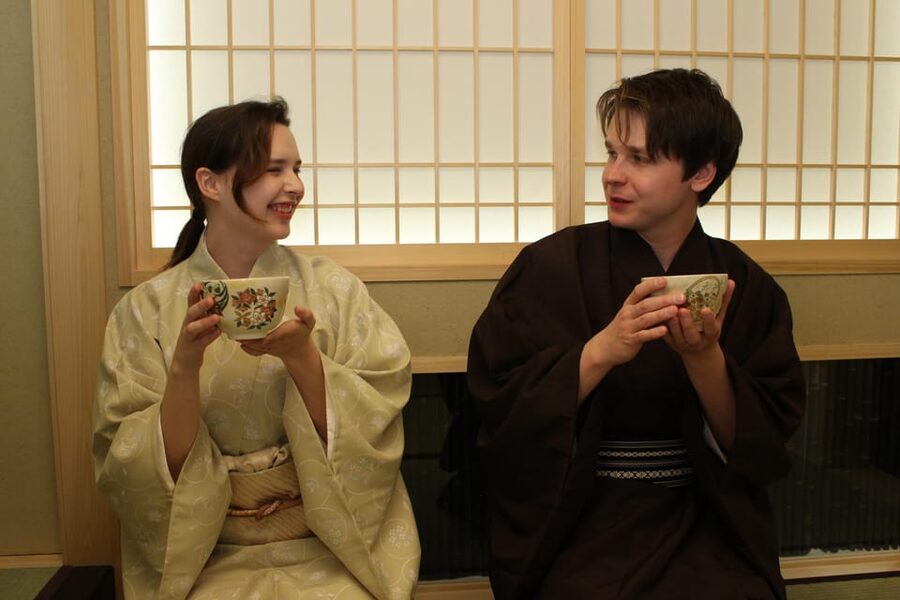
After watching the teacher, you prepare your own matcha. The class gives you the chance to handle the process instead of leaving it to the expert. You will be guided through the preparation, then taste the tea you have made.
That hands-on step is where the activity earns its place in a Tokyo itinerary. You are not merely taking a picture in a tea room. You are learning a small skill and seeing how technique affects the final bowl. Your whisking may not match the teacher’s first time, and that is perfectly fine. The value is in understanding the method and taking part.
The experience also makes a good pause between sightseeing stops. You leave the fast pace of Shibuya for a short period and give your attention to one carefully ordered activity. A shorter version has been offered at about one hour, but you should confirm the exact plan and duration for your date before booking.
Adding kimono wear to the ceremony
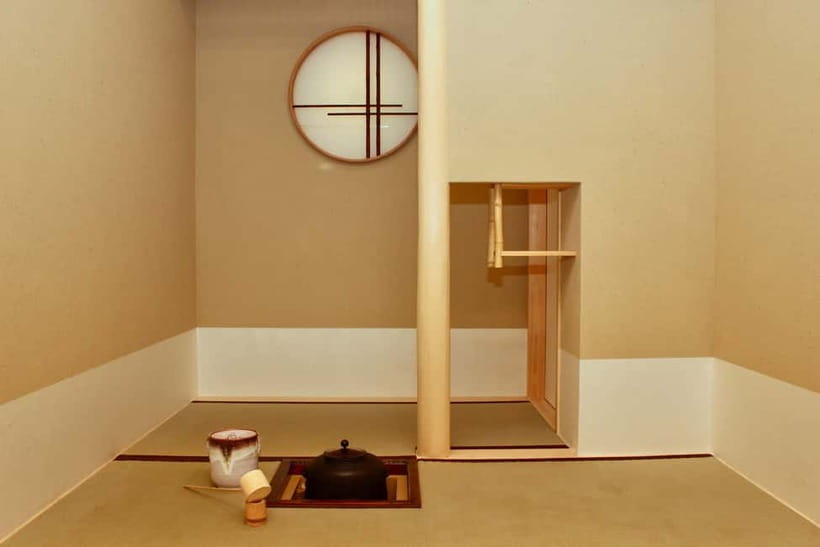
Kimono wear is available for an additional charge. One participant specifically enjoyed wearing kimono during the ceremony, and it can make the occasion feel more special for photographs and family memories.
The kimono option is not part of the stated $81 base price, so ask about the extra cost when arranging your visit. Dressing also adds another layer of preparation, which may affect the total time. If you want the ceremony itself to be the main focus, you may prefer to attend in your own clothes.
There is one practical clothing rule even if you skip the kimono. Wear a skirt or pants long enough to cover your knees. If your clothing is not suitable, the venue can lend you appropriate pants or a wrap skirt at no charge.
This is a helpful detail because tea ceremony etiquette includes sitting and moving in ways that may expose the knees in shorter clothing. You do not need to bring special equipment or tea supplies.
Same base, a completely different sort of day:
- Mt Fuji and Hakone 1-Day Bus Tour Return by Bullet Train
★ 5.0 · 26,383 reviews - 1-Day Tokyo Bus Tour
★ 5.0 · 14,250 reviews - Tokyo: TOKYO SKYTREE® Admission ticket
★ 4.5 · 11,192 reviews - Tokyo: teamLab Planets TOKYO Digital Art Museum Entry Ticket
★ 4.6 · 9,779 reviews
Small souvenirs with a Japanese twist
The experience includes access to souvenirs such as Pokemon items made from kimono material. These are more distinctive than the usual mass-produced Tokyo gifts because they connect a familiar character with Japanese textile craft.
A tea set and matcha have also been available for purchase after the ceremony. This may appeal to you if the class sparks an interest in making tea at home. Do not count these items as part of the $81 price, since the listed cost covers the class, tea, sweets, facility fees, and taxes.
The souvenir selection may be a pleasant bonus, but it should not be your main reason for booking. The real value comes from the private lesson and the chance to prepare matcha yourself. If you do buy a tea set, remember that it becomes another item to carry for the rest of your Tokyo trip.
Is $81 a fair price in Shibuya?
At $81 per person, this is not the cheapest way to drink matcha in Tokyo. You can find tea in cafes for far less. But comparing this activity with a cafe misses what you are paying for.
The price includes the tea, traditional sweets, facility charges, and taxes. It also covers instruction, the demonstration, the cultural explanation, and the private use of the session for your group. For one person or a pair, the cost buys personal attention that a public demonstration usually cannot provide.
For a group of four, the private format becomes easier to justify because you are dividing the experience among family or friends. A family may also value the calm setting and English explanation more than a quick cup of tea.
Pickup service is included if needed, but you must contact the provider by email before booking to arrange it. That is an important detail. Do not assume pickup happens automatically simply because it is available. Contact info is provided as [email protected].
You can reserve and pay later, which helps if your Tokyo schedule is still changing. Cancellation is allowed up to 24 hours in advance for a full refund. Check the current plan and conditions at the time of booking, since dates and arrangements can change.
Who will enjoy this tea ceremony most
I would recommend this activity to you if you want a clear introduction to Japanese tea culture without needing prior knowledge. The English instruction makes it accessible, while the small group keeps the lesson personal.
It is a good fit for:
- Couples looking for a calm cultural activity in Shibuya
- Families who prefer a private session
- First-time visitors curious about matcha and Japanese etiquette
- Friends who want a hands-on experience rather than a museum visit
- Anyone considering kimono wear for an added cultural touch
The activity may be less suitable if you want a long, highly formal tea-school ceremony with extensive ritual. The available information points to an approachable lesson, including an explanation, a demonstration, tea making, and sweets. It is designed to teach and involve you, not overwhelm you with complicated rules.
It may also not suit you if you dislike bitter drinks or have little interest in sitting quietly for a structured cultural activity. The sweets help balance the matcha, but traditional matcha is still very different from a sweet cafe beverage.
Practical details that affect your visit
The experience is offered in Shibuya, Tokyo, on Honshu. The exact meeting arrangements and available plans should be checked before you commit, especially if you need pickup service.
The class is conducted in English. That makes a real difference because the teacher can explain the meaning behind the actions, not just tell you when to lift a bowl or whisk the tea.
Bring nothing special. Tea and sweets are included, and the required equipment is provided. Dress with your knees covered, or use the free pants or wrap skirt offered by the venue.
The booking size ranges from one to four people. Since the sessions are private, you should book for the full number in your party. Mixed groups are not arranged, so your booking remains limited to your own companions.
The exact teacher may vary, but Mako-san has led the ceremony and is noted for her warm manner and strong command of the subject. You can expect an experienced English-speaking instructor, though you should not assume Mako-san will be your teacher unless the provider confirms it.
How this compares with a casual Tokyo tea stop
A cafe visit is quicker, cheaper, and easier to fit between shopping and sightseeing. It is also more passive. You order a drink and receive it.
This tea ceremony asks you to slow down and pay attention. You learn why the sweet is served first, watch otemae, and prepare your own bowl. The experience gives you a small window into Japanese manners and aesthetics, rather than just a taste of matcha.
That does not make it better for every schedule. If you have only a few hours in Shibuya, a cafe may be more practical. If you want one memorable cultural activity and can spare roughly an hour or more, the private class offers more substance for the time.
I especially like it as a counterpoint to Tokyo’s louder attractions. After the Shibuya crossing, shopping streets, and bright city lights, a tea room can reset the pace. You do not need to travel far outside central Tokyo to have that change.
Final decision: book it for the personal lesson
Book this tea ceremony if you want to understand matcha through a private, English-speaking lesson rather than simply drink it. The strongest features are the one-to-four-person format, the teacher’s demonstration, the chance to make your own tea, and the traditional sweet served before it.
The $81 price makes the most sense for a small group that values personal instruction. Add kimono wear if photographs and dress are important to you, but confirm the extra charge first. Contact the provider in advance if you need pickup, and check the exact duration and plan for your date.
Skip it if you only want an inexpensive tea break or prefer a fast sightseeing stop. For everyone else, this is a thoughtful way to add a quiet, hands-on piece of Japanese culture to a Shibuya day.
FAQ
Where does the tea ceremony take place?
The experience takes place in Shibuya, Tokyo, on Honshu, Japan.
How many people can join one booking?
Each booking accommodates from one person up to four people. Sessions are private for your own group, with no mixed groups.
Is the class taught in English?
Yes. The classes are led by English-speaking teachers experienced in tea.
What happens during the ceremony?
You receive an explanation of tea ceremony history, culture, and etiquette. The teacher demonstrates otemae, then guides you as you prepare your own matcha. You also taste matcha and traditional Japanese sweets.
Are tea and sweets included in the price?
Yes. The $81 price includes tea, sweets, facility charges, and taxes.
Can I wear a kimono?
Kimono wear is available for an additional charge. Confirm the extra cost and arrangements before booking.
What should I wear?
Wear a skirt or pants long enough to cover your knees. Suitable pants or a wrap skirt can be lent to you for free if needed.
Is pickup service available?
Pickup service is included if needed, but you must contact the provider by email before booking to arrange it. The listed email is [email protected].
Just added around Tokyo
- Private Arrival Transfer : Narita International Airport to Central Tokyo City★ 4.5 · 12 reviews
- Narita Airport(NRT): Private Transfer to Tokyo/Yokohama 1-9pax★ 5.0 · 47 reviews
- Private Transfer from Narita Airport to Yokohama Port and City★ 4.5 · 17 reviews
- 3 Day Japan Highlights Tour: Tokyo, Mt.Fuji, Nara, Kyoto, Osaka★ 5.0 · 22 reviews
- [Narita Airport Terminals 1, 2] 40-60km Sawara Itako Historic Bike Tour★ 5.0 · 13 reviews
- Small Town in the Big City: Tasting Tokyo’s Kichijoji★ 5.0 · 195 reviews
- Small Town in the Big City: Tasting Tokyo’s Kichijoji★ 5.0 · 16 reviews
- The 10 Tastings of Tokyo With Locals: Private Street Food Tour★ 5.0 · 48 reviews
Tokyo Tours, compared.

Mt Fuji and Hakone 1-Day Bus Tour Return by Bullet Train
Read our review →

teamLab Planets TOKYO Digital Art Museum Entry Ticket
Read our review →
Mt Fuji & Hakone Cruise, Drum Show Bullet Train 1 Day from Tokyo
Read our review →
Sumo Show Experience with Chicken Hot Pot and a Photo
Read our review →
Shinjuku Food Tour (13 Dishes at 4 Local Eateries)
Read our review →
Tokyo Mt Fuji 5th St & Hakone Cruise Bus Tour w/Bullet Train
Read our review →
Flagship 2-Hours Official Street Go-Kart Tour – Tokyo Bay Shop
Read our review →Browse the lists this tour appears in