
Reviewed · TOKYO TOURS
Tokyo: West-Side Cycling and Food Tour with Guide
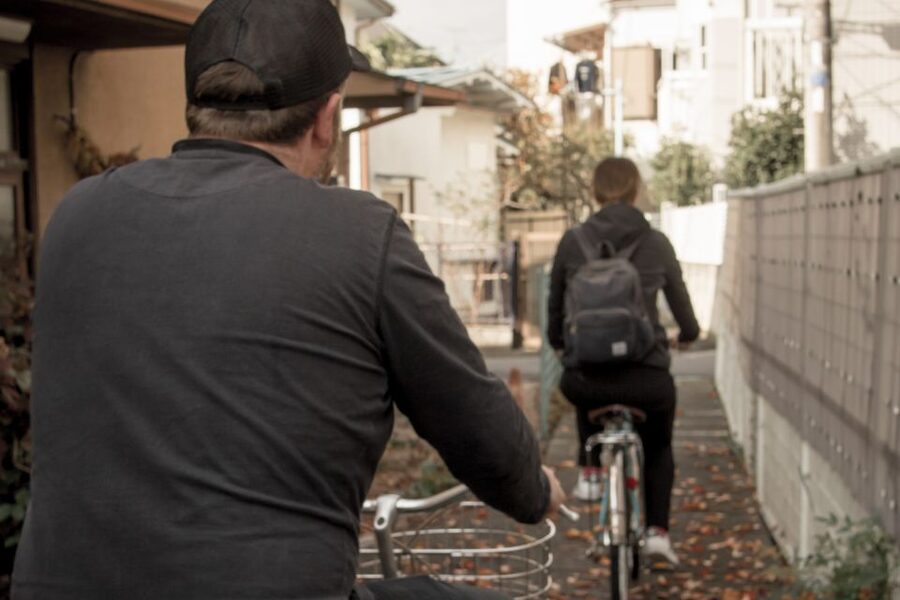
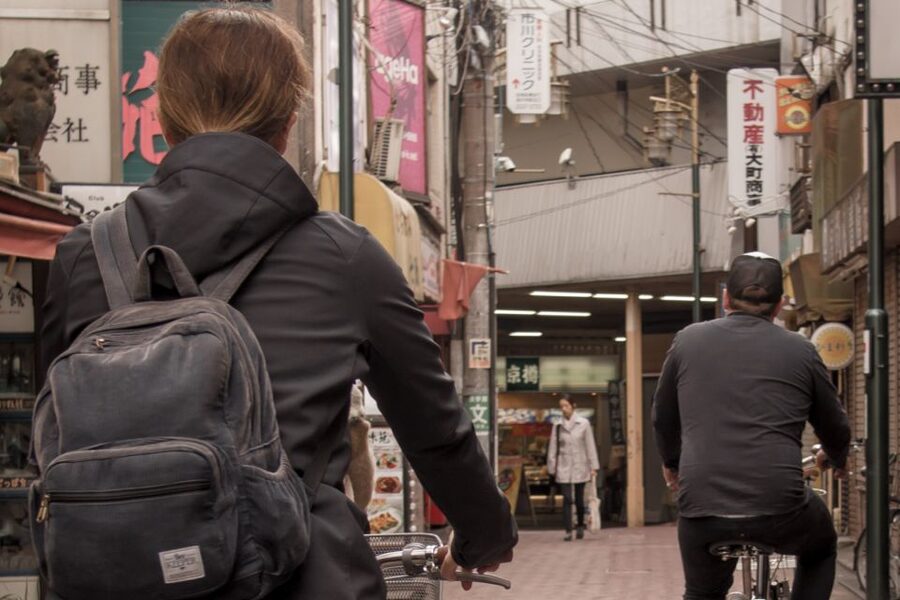
Tokyo’s west side is best understood at bicycle speed. On this 3.5-hour ride, you pedal through Nakano, Koenji, and Asagaya, using narrow lanes, riverside paths, and everyday shopping areas that most visitors miss. Guide Andy adds the useful details: how locals park bicycles, what the streets reveal about daily life, and how to handle the city on two wheels.
I like the salvaged mamachari bikes, which come with front baskets and are kept in good condition, and I like the food plan: a simple local lunch, two street-food stops, and a bottled drink. The main concern is that you need to ride confidently for 12 to 15 kilometers on uneven surfaces and occasionally narrow streets. Rain usually does not cancel the outing, so you should be ready to get wet.
Key Points Before You Book
- Ride three west Tokyo neighborhoods: Nakano, Koenji, and Asagaya show you a more residential side of the city.
- Use classic mamachari bicycles: These practical Japanese bikes have front baskets and suit a relaxed pace.
- Eat as you go: The price includes a simple lunch, two street-food items, and one bottled drink.
- Learn the local rules: Andy explains bicycle parking, street habits, food customs, and ordinary life in Tokyo.
- Plan for real cycling: Expect 12 to 15 kilometers, narrow lanes, uneven surfaces, and traffic around activity hubs.
- Meet on time at Koenji Station: Andy waits outside the ticket gates five minutes before departure, wearing a baseball cap.
Why West Tokyo Works Better by Bike
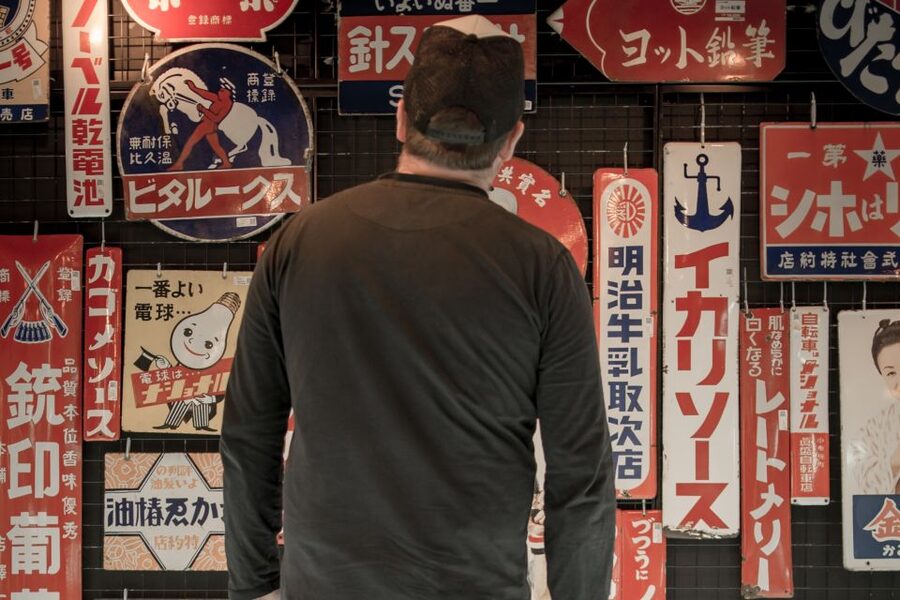
Central Tokyo can feel like a wall of signs, trains, department stores, and crowds. The inner west side has a different rhythm. You still see plenty of city life, but the streets are smaller and the details are easier to notice from a bicycle.
You might pass a quiet residential lane, then reach a local shopping street or a station area full of people on errands. The route links Nakano, Koenji, and Asagaya, three places with their own feel but a shared sense of ordinary Tokyo life.
Walking would let you notice the details, but it would take longer to cover the ground. A train would get you between stations quickly, but it would hide the small connections between them. The bicycle fills that gap. You cover a useful distance while staying close to the street.
This is not a sightseeing ride built around grand monuments. Its appeal lies in seeing how Tokyo functions between the famous sights. You learn where bicycles go, how people move through local streets, and where residents stop for a quick meal.
More Food Tours in Tokyo
- Tokyo: Shinjuku Food Tour (13 Dishes at 4 Local Eateries)
★ 5.0 · 6,603 reviews - Tokyo: Shinjuku Food Tour (15 Dishes and 4 Eateries)
★ 4.9 · 2,033 reviews - Best of Shinjuku: Izakaya Food Tour (4 Stops, 14+ Tastings)
★ 5.0 · 1,863 reviews
Starting Outside Koenji Station
The meeting point is directly outside the ticket gates at Koenji Station on the JR network. Koenji is six minutes from Shinjuku by train and about 18 minutes from Shibuya, making it fairly easy to reach from the central hotel districts.
Andy waits five minutes before the scheduled start and wears a baseball cap. The group leaves on time, so do not treat the meeting time as a loose suggestion. If you arrive late, the ride may leave without you.
That strict departure matters more here than on a walking tour. Once the bikes are moving through local streets, it is not practical for the guide to turn around and search for someone. Give yourself enough time to find the station gates and the meeting spot.
At the start, you get a mamachari bicycle. These are the familiar utility bikes used for everyday errands in Japan. The front basket is handy for small items, and the bikes are described as well maintained despite their salvaged character.
The bikes may feel creaky or squeaky at times. That is part of their practical, workaday personality, but it also means this is not a sleek road-cycling outing. You ride upright at a leisurely pace, not in racing posture.
Riding Nakano, Koenji, and Asagaya
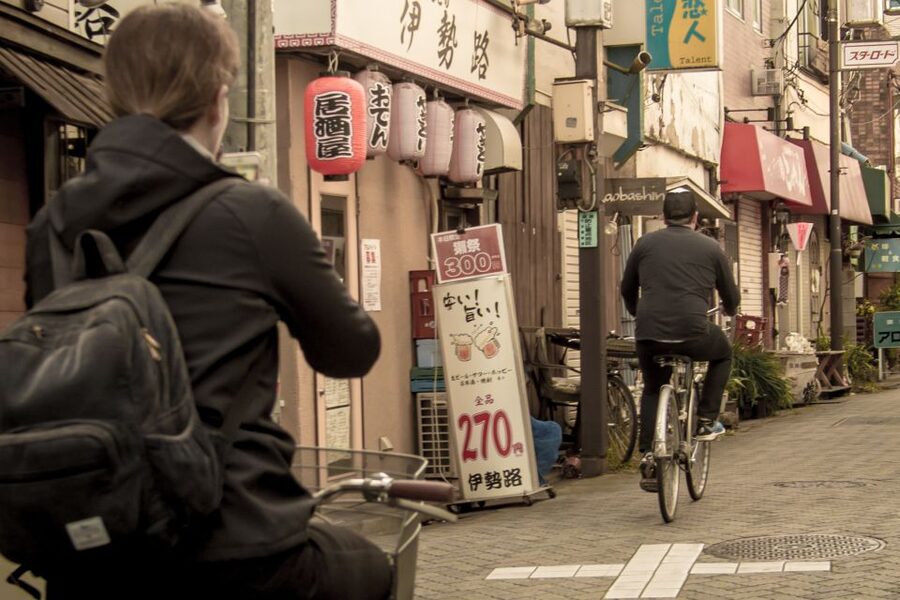
The route uses twisting back streets, riverside bicycle paths, and busier local activity areas. Because the streets are not always wide, you need to be comfortable steering around occasional pedestrians, other bicycles, and uneven patches.
You should also expect some sharp turns. The ride is relaxed, but relaxed does not mean effortless. The guide leads the way, and the small-group format gives you a better chance to ask questions and receive help with local street habits.
Nakano offers an early look at the west-side mix of residential streets and local activity. It is a useful place to understand the contrast between Tokyo’s enormous scale and the quieter lanes that sit only a short train ride from Shinjuku.
Koenji brings its own character. The ride begins here, and the area helps set the tone for the day: practical streets, neighborhood businesses, and a pace that feels less arranged for sightseeing. You are not simply passing through a major station district. You are seeing the connections between homes, shops, food stops, and public spaces.
Asagaya adds another local setting to the route. The point is not to collect three famous attractions. It is to compare the neighborhoods and notice how everyday Tokyo changes from one area to the next.
The cycling distance, roughly 7.5 to 9.5 miles, is manageable for a competent rider but worth taking seriously. The distance is longer than a short city spin, and the road surface will not always be smooth. People who rarely ride bicycles may find the narrow streets tiring or stressful.
Tokyo’s Bicycle Culture in Plain English
One of the most useful parts of the ride is the chance to see bicycle culture as part of daily city management. Andy explains Tokyo’s bicycle parking systems and the fees connected with parking the bikes during the outing.
That may sound like a small point, but it helps explain the city. In Tokyo, a bicycle is not simply something you leave wherever you like. Parking systems, pedestrian space, and local rules shape how people use bikes.
The tour includes bicycle parking fees, so you do not have to handle those costs along the way. You also receive cycling liability insurance as part of the ticket. That does not remove your responsibility to ride carefully, but it is a useful inclusion for an activity involving public streets.
You also get a practical introduction to riding in Tokyo rather than a lecture about cycling. You learn by following the route, watching how the streets work, and asking Andy about customs that may seem puzzling at first.
Same base, a completely different sort of day:
- Mt Fuji and Hakone 1-Day Bus Tour Return by Bullet Train
★ 5.0 · 26,383 reviews - 1-Day Tokyo Bus Tour
★ 5.0 · 14,250 reviews - Tokyo: TOKYO SKYTREE® Admission ticket
★ 4.5 · 11,192 reviews - Tokyo: teamLab Planets TOKYO Digital Art Museum Entry Ticket
★ 4.6 · 9,779 reviews
Food Stops That Match the Neighborhoods
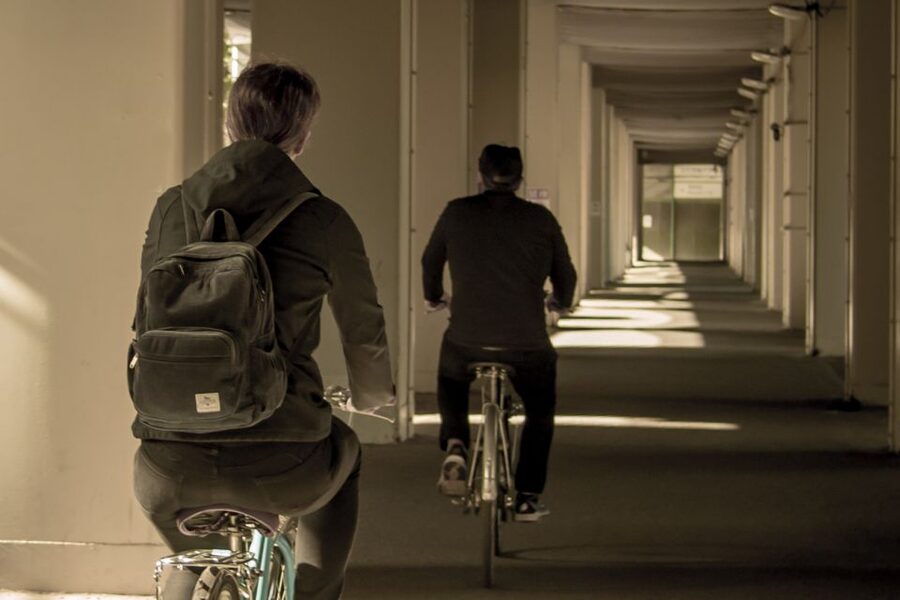
Food is built into the ride rather than added as a grand finale. The package includes two popular street-food eats, a simple Japanese lunch, and your choice of one bottled drink.
The lunch is described as a local noodle-bar stop, with counter seating and the kind of straightforward meal that suits people refueling during a busy day. You may find yourself sharing counter space with local office workers, which gives the meal a more everyday feel than a formal restaurant visit.
The street-food stops add variety. You sample popular local sweets or snacks while moving through the neighborhoods, giving you small tastes without turning the entire outing into a restaurant crawl.
This food approach works well for people who want context with their meal. Andy can explain the customs and habits around the food, and even ordinary details such as vending-machine drinks become easier to understand.
There is an important limitation. The tour does not cater to personal tastes, dietary requirements, or allergies. Vegans and people with food allergies should not book this experience. If you are simply selective about food, you may also find the fixed selection restrictive.
Bring hand sanitizer or tissues, along with a garbage bag. Those items are practical for a food-and-cycling day, especially since you may be eating simple street snacks while moving between stops.
Andy’s Role and the Human Side of the Ride
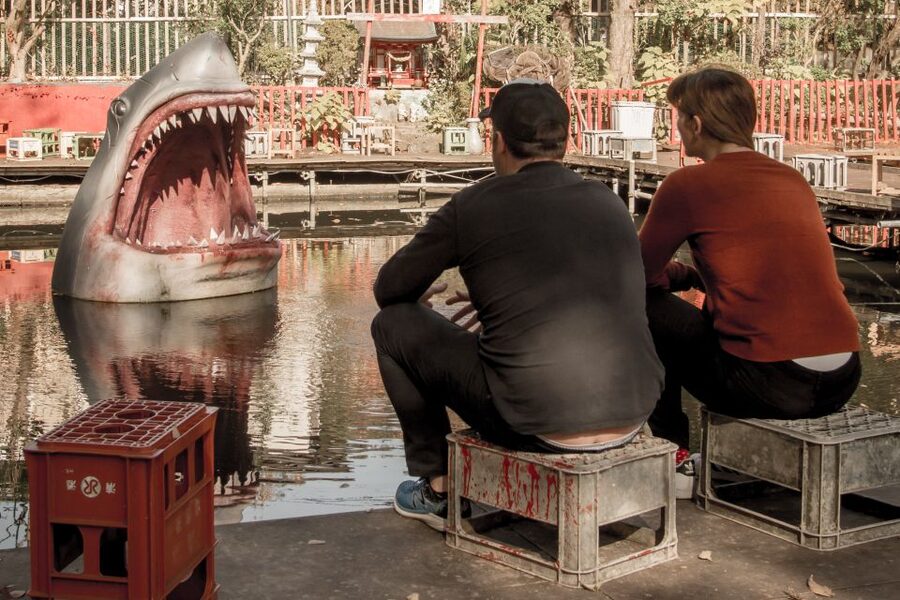
Andy is the named guide associated with this experience. He is an Australian transplant with a strong connection to the area, and his approach combines local Japanese customs with an easy conversational style.
That combination matters. You do not need a guide who only recites dates and place names on this kind of outing. You need someone who can explain why people behave a certain way, how a local system works, or what you are seeing in a residential street.
Andy’s value is especially clear if you like asking questions. The tour is designed around ordinary life, so the best moments may come from a short explanation about a custom, a shop, a bicycle rule, or a food habit.
Past participants also received neighborhood recommendations after the ride. That is not listed as a formal part of the package, so do not book solely for that reason, but it suggests that the conversation can continue beyond the scheduled route.
Private and small-group options are available. A smaller group should make it easier to keep the ride together and ask questions, though the exact group arrangement depends on the option you select.
What the $110 Price Covers
At $110 per person, this is not the cheapest way to see Tokyo. You are paying for more than bicycle hire, though. The price includes 210 minutes with an English-speaking guide, a maintained bicycle, bicycle parking fees, cycling liability insurance, two street-food items, lunch, and one bottled drink.
If you only want to rent a bike and explore independently, the price will feel high. You can also ride farther and stay out longer on your own. But independent cycling requires route planning, parking decisions, food choices, and confidence with Tokyo’s local streets.
The value improves if you want an introduction to west Tokyo without spending hours working out the practical details. Andy handles the route and explains what you are seeing, while the included food gives the outing a clear structure.
I would see this as a strong first or last activity in Japan. At the start of your trip, it helps you understand local customs and gives you ideas for further exploring. Near the end, it offers a relaxed change from major attractions and a final look at daily life.
The booking terms also reduce some risk. You can cancel up to 24 hours before the start for a full refund, and the reserve-now, pay-later option gives you some flexibility while planning.
Weather, Fitness, and Comfort
This is an outdoor activity in all seasons and weather conditions. Rain generally does not stop the ride, so bring clothing that can handle getting wet. The information provided does not promise rain gear, so plan for the weather rather than expecting the operator to supply it.
You need to be at least 140 centimeters tall to ride comfortably, and children under 10 are not suitable for the tour. The ride is also not suitable for anyone who cannot manage a bicycle on narrow streets, uneven surfaces, and crowded sections.
A leisurely pace helps, but it does not change the basic demands. You will still ride 12 to 15 kilometers and make turns through urban streets. If you are confident on a bicycle but out of practice, you should be fine if you allow yourself time to settle in. If you feel nervous around traffic or have trouble riding for several hours, choose a walking or food tour instead.
Wear comfortable clothing and shoes. Keep your day bag light, and use the bike basket sensibly. You should also carry your passport or another ID card, as requested in the practical information.
Who Will Get the Most From This Tour
I recommend this ride to people who have already seen the major Tokyo districts and want to understand the city at neighborhood level. It is also a good choice for a first visit if you prefer local streets, food, and conversation over landmark collecting.
It suits curious eaters who do not need a customized menu. It suits adults and children over 10 who can ride confidently. It is especially useful for anyone who wants to learn how Tokyo’s bicycle systems work instead of simply passing through the city in a taxi or train.
You should think twice if you need vegan food, have allergies, dislike eating at simple local counters, or want a carefully controlled route on wide roads. You should also skip it if rain would ruin your day, since the ride usually continues in wet conditions.
Should You Book the West-Side Cycling and Food Tour?
Book it if you want local Tokyo rather than another circuit of famous districts. The strongest parts are the mamachari ride, Andy’s explanations of daily customs, the three neighborhood route, and the food stops that keep the outing connected to ordinary life.
The $110 cost is fair when you use the included meals, bicycle, parking, insurance, and guide time. It is less attractive if you are comfortable planning your own route or want a longer, faster cycling day.
For most suitable riders, this is a thoughtful way to see Tokyo’s inner west side. Just arrive early at Koenji Station, bring rain protection, and be honest about your cycling ability and food needs.
FAQ
Where does the cycling tour begin?
It begins directly outside the ticket gates at Koenji Station on the JR Train Network.
How far is Koenji Station from Shinjuku?
Koenji Station is about six minutes from Shinjuku by train.
How far is Koenji Station from Shibuya?
It is about 18 minutes from Shibuya by train.
How long does the experience last?
The tour lasts 210 minutes, or about 3.5 hours.
Which neighborhoods does the route visit?
The route includes Nakano, Koenji, and Asagaya in west Tokyo.
How far will I ride?
You should expect to cycle roughly 12 to 15 kilometers, or 7.5 to 9.5 miles.
What food is included?
The ticket includes a simple local lunch, two popular street-food items, and one bottled drink.
Is the tour suitable for vegans or people with food allergies?
No. The experience does not cater to vegan diets, food allergies, or other personal dietary requirements.
What happens if it rains?
The tour generally proceeds as planned in rainy weather, so you should expect the possibility of getting wet.
How early should I arrive?
The guide waits outside the ticket gates five minutes before the start. The tour leaves on time, so you should arrive before the scheduled departure.
What height is required to ride the bicycles?
You should be over 140 centimeters, or about 4 feet 7 inches, to ride comfortably.
Are bicycle parking fees included?
Yes. Bicycle parking fees and cycling liability insurance are included in the ticket price.
More Bike Tours in Tokyo
- Tokyo Guided Small-Group Biking Tour
★ 5.0 · 1,250 reviews - Tokyo Great Cycling Tour
★ 5.0 · 811 reviews - Tokyo Top Highlights 3h Guided E-bike Tour
★ 5.0 · 714 reviews - 3h Tokyo E-Bike Tour: Hidden Gems, and Local Life with guide
★ 5.0 · 670 reviews
Just added around Tokyo
- Private Arrival Transfer : Narita International Airport to Central Tokyo City★ 4.5 · 12 reviews
- Narita Airport(NRT): Private Transfer to Tokyo/Yokohama 1-9pax★ 5.0 · 47 reviews
- Private Transfer from Narita Airport to Yokohama Port and City★ 4.5 · 17 reviews
- [Narita Airport Terminals 1, 2] 40-60km Sawara Itako Historic Bike Tour★ 5.0 · 13 reviews
- 3 Day Japan Highlights Tour: Tokyo, Mt.Fuji, Nara, Kyoto, Osaka★ 5.0 · 22 reviews
- Small Town in the Big City: Tasting Tokyo’s Kichijoji★ 5.0 · 195 reviews
- Small Town in the Big City: Tasting Tokyo’s Kichijoji★ 5.0 · 16 reviews
- The 10 Tastings of Tokyo With Locals: Private Street Food Tour★ 5.0 · 48 reviews
Tokyo Tours, compared.

Mt Fuji and Hakone 1-Day Bus Tour Return by Bullet Train
Read our review →

teamLab Planets TOKYO Digital Art Museum Entry Ticket
Read our review →
Mt Fuji & Hakone Cruise, Drum Show Bullet Train 1 Day from Tokyo
Read our review →
Sumo Show Experience with Chicken Hot Pot and a Photo
Read our review →
Shinjuku Food Tour (13 Dishes at 4 Local Eateries)
Read our review →
Tokyo Mt Fuji 5th St & Hakone Cruise Bus Tour w/Bullet Train
Read our review →
Flagship 2-Hours Official Street Go-Kart Tour – Tokyo Bay Shop
Read our review →Browse the lists this tour appears in