
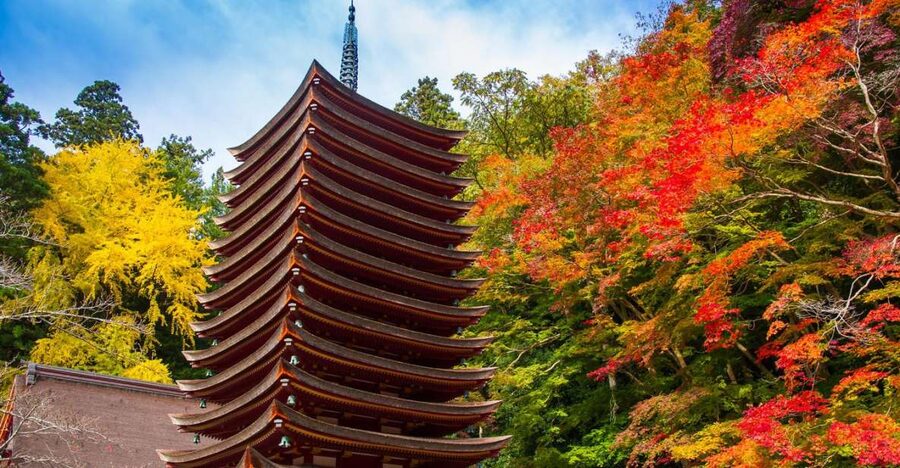
Reviewed · NARA TOURS
Nara: Private Tour with Private Guide
Nara’s biggest surprise is how much meaning a good guide can bring to a simple walk through temples, forests, and deer-filled parkland. On this private six-hour tour, you can see Todai-Ji, Kofuku-Ji, Kasuga Taisha, and Nara Park, while your guide explains the history, religion, and customs behind each stop.
I like the custom route, which lets you focus on major sights, quieter temples, gardens, food, or family needs. I also like the personal attention: guides such as Junichi, Ken, Rie, and Haru have adjusted schedules, arranged suitable meals, added rest breaks, and helped with train connections.
The main drawback is cost. At $151 per person, before admissions, meals, and transportation, this is not the cheapest way to see Nara. It makes the most sense for families, first-time visitors, and anyone who wants context instead of simply checking off temples.
Key points to know before booking
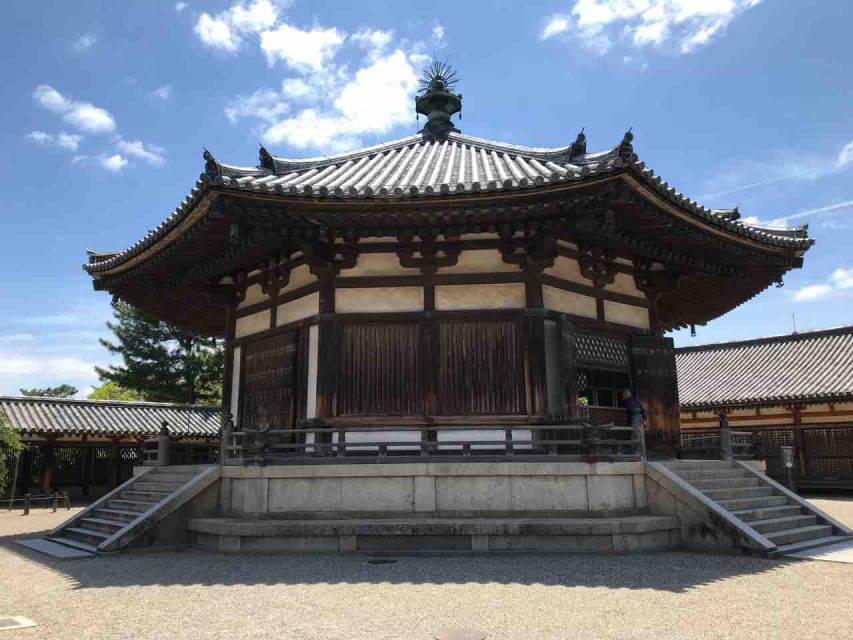
- Six hours gives you a serious look at Nara: The sample route covers Kofuku-Ji, Todai-Ji, Nara Park, and Kasuga Taisha without reducing the day to a rushed photo stop.
- Your guide can shape the day: You can request specific places, food needs, a gentler pace, or help with travel arrangements.
- The tour is fully private: You spend the day with your own group and guide, rather than following a large fixed party.
- Walking is central: Public transport or taxis can be used, but those costs are extra, as are entrance fees.
- The guides are the main value: Junichi, Ken, Haru, Rie, Shuji, and others are praised for planning, clear explanations, patience, and practical help.
- Nara works in bad weather, too: The tour runs rain or shine, and guides can adjust the pace and schedule.
Why a private guide changes a Nara day
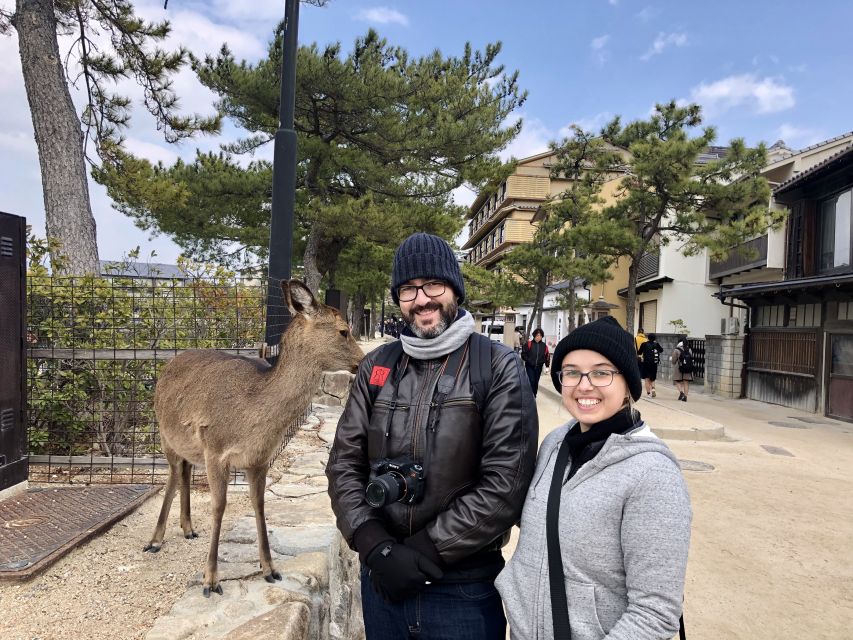
Nara is easy to reach from Kyoto or Osaka, and many of its major sights sit within a manageable sightseeing area. You can visit on your own, but the scale and symbolism of the temples can be hard to grasp from signs alone.
A private guide gives you someone to connect the pieces. Instead of seeing a giant Buddha, a red shrine, and a deer park as separate attractions, you learn how Nara fits into Japan’s religious and political past. You can ask direct questions, stop when something catches your eye, and skip what does not suit your group.
I especially like the flexibility for families. Ken created a route for children that included seeing young deer, while Kazuo Sumi adjusted his day carefully for a family with two children. Shuji added extra breaks, drinks, and rest time during a very hot and humid day without abandoning the main sights.
That flexibility also helps groups with different interests. One person can ask about Buddhist sculpture, another about Japanese building methods, and someone else about lunch. Guides have handled food restrictions, including gluten-free, dairy-free, and nut-free requests, when arranged in advance.
A few more Nara half-days to weigh up
- World Heritage Kyoto & Nara Uji Authentic Matcha Experience
★ 5.0 · 1,573 reviews - Nara Half Day Trip Walking Tour (Private Option Available)
★ 5.0 · 937 reviews - Nara Early Morning Tour (Kyoto or Osaka Departure Available)
★ 5.0 · 676 reviews
Starting at Kofuku-Ji and its Buddhist treasures
The sample itinerary begins at Kofuku-Ji, a historic temple complex and World Heritage site. This is a good opening stop because it introduces Nara’s importance before you reach the city’s most famous temple.
The temple is associated with important Buddhist sculpture, including the Statue of Ashura, one of the National Treasures highlighted on the tour. Your guide can help you look beyond the basic label and notice the artistic and religious details that make the work important.
Kofuku-Ji also gives your guide room to adjust the day. If your group is eager to see major landmarks, you may spend less time here. If you care about Buddhist art, temple design, or the development of Nara as an early Japanese capital, this can become a more thoughtful first chapter.
Keep in mind that entrance fees are not included. Your guide can explain what is worth entering, but you should budget separately for admission. The walking route may also involve uneven ground and long periods on your feet, so comfortable shoes are essential.
Todai-Ji and the Great Buddha
Todai-Ji is the emotional center of most first visits to Nara. The temple is a World Heritage site and home to Japan’s largest Great Buddha statue, making it much more than another stop on a temple circuit.
Approaching through Nandaimon Gate adds drama. The gate’s Kongo Rikishi statues are powerful guardian figures, and their large scale prepares you for the main hall and its Buddha. This is one of the places where a guide earns their fee quickly, since the visual impact is obvious but the meaning behind the figures is less so.
Inside, the Great Buddha can make even seasoned temple visitors pause. You will have time to see the hall and ask questions rather than being hurried along with a large group. Guides also help you manage the order of the day, which matters because Todai-Ji can draw many visitors.
Todai-Ji is a major public attraction, so do not expect solitude. The private format does not give you a private temple. It gives you a private interpreter and someone who can adjust your timing, explain what you are seeing, and help you make the most of the visit.
Meeting Nara’s deer in Nara Park
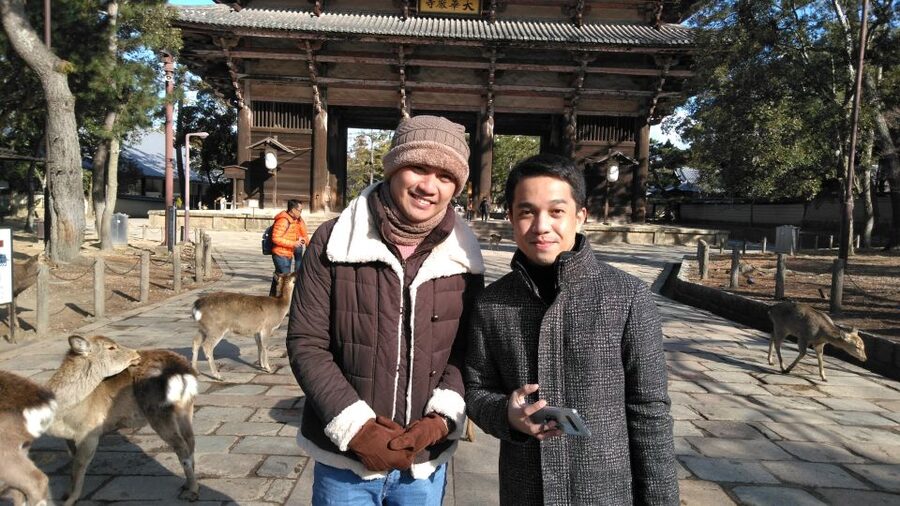
Nara Park connects the major temples with broad public grounds and free-roaming deer. Feeding the deer is one of the city’s most popular activities, and your guide can show you how to take part.
The deer are a major attraction, but they are not decorative statues. They are active animals, and feeding can become lively when several approach at once. A guide is useful here for explaining the local custom and helping children enjoy the encounter without getting overwhelmed.
The park also provides a welcome change after the interiors of Kofuku-Ji and Todai-Ji. You can slow down, enjoy the trees, and give children or older family members a break. On one private tour, Ken included a picnic in the park, while another guide added pauses during hot weather.
The deer are not the only reason to visit. The park gives you breathing room between the temple complexes and makes the day feel less like a chain of indoor visits. If you prefer a quieter experience, tell your guide early. The route can be adjusted around your interests and energy.
Same base, a completely different sort of day:
- Osaka: Nara and Uji Day Trip with Deer Park and Hot Spring
★ 4.4 · 302 reviews - Kyoto/Osaka: Kinkakuji, Bamboo Forest, and Nara Deer Park
★ 4.4 · 265 reviews - Nara 6hr Private Tour with Government-Licensed Guide
★ 5.0 · 219 reviews - E-Bike Nara Highlights – Todaiji, Knives, Deer, Shrine
★ 4.8 · 186 reviews
Kasuga Taisha and the forest approach
Kasuga Taisha is another World Heritage site, known for its striking red main shrine and its setting among the wooded eastern side of Nara. After the stone and wooden scale of Todai-Ji, the shrine offers a different mood.
The route to Kasuga Taisha can feel more peaceful, though it adds walking. That matters if you are traveling with young children, anyone with limited stamina, or a wheelchair user. The experience is advertised as wheelchair accessible, but you should discuss the exact route and transport needs with the provider before the day.
Inside the shrine area, the Kasuga-Taisha National Treasure Hall contains important Buddhist art. This stop rewards visitors who want more than photographs. Ask your guide to point out how Shinto shrine traditions and Buddhist art have influenced one another across Japanese history.
Kasuga Taisha is also a useful place to tell your guide what pace you want. Six hours can cover a lot, but it does not mean you should sprint between sites. A good guide can trim a stop, add a rest, or spend longer where your group is most engaged.
What your guide can add beyond the standard route
The strongest part of this experience is not a single monument. It is the human layer between the monuments.
Junichi has been praised for steady communication, careful organization, and the ability to answer questions throughout the day. Ken has created family routes, included younger deer, arranged picnics, and guided groups through Nara at a comfortable pace. Rie has prepared carefully, begun with attractive gardens, included the main sights, and added a good local mochi stop.
Haru has used public transport from Kyoto and adjusted the plan to help with final travel arrangements. One guide, Tue, arranged a four-course meal that met gluten-free, dairy-free, and nut-free needs, then handled hotel pickup and drop-off from Kyoto.
Other guides have added local touches, such as udon for a visitor who had not yet tried it, or a stop at a favorite tea merchant in a department-store food hall. Kiyoshi even accompanied a group onward to the shrine of 1,000 gates after Nara. These additions are not guaranteed, but they show what you should ask for when booking.
You can request history, religion, architecture, food, gardens, photography, or a family-friendly route. You can also ask for help with train tickets and timing, although transport costs remain separate.
Six hours, walking, and transport costs
The six-hour option is long enough to cover the standard highlights at a reasonable pace. It is still a full walking day, especially if you include all four major stops.
Pickup is included on foot from your accommodation if it is within a reasonable distance. Otherwise, you meet at a chosen location. During the tour, the group generally walks or uses public transportation. Taxis can be arranged if you prefer, but you pay the fare separately.
The price is $151 per person. You also need to pay for food, drinks, temple or museum entrance fees, and transportation to or from the meeting point. For a solo visitor, the total may feel high compared with using trains and walking independently.
For a family or small group, the value improves because the guide’s time is dedicated to you. You are paying for route planning, explanations, language support, flexible timing, and practical help, not just transportation. The tour is also useful if you have only one day in Nara and do not want to spend part of it working out the order of the sights.
Before booking, ask your guide to confirm the proposed route and likely extra costs. The booking is not fully confirmed until the guide contacts you, usually within seven days. The provider will contact you if no guide is available.
Weather, accessibility, and the right pace
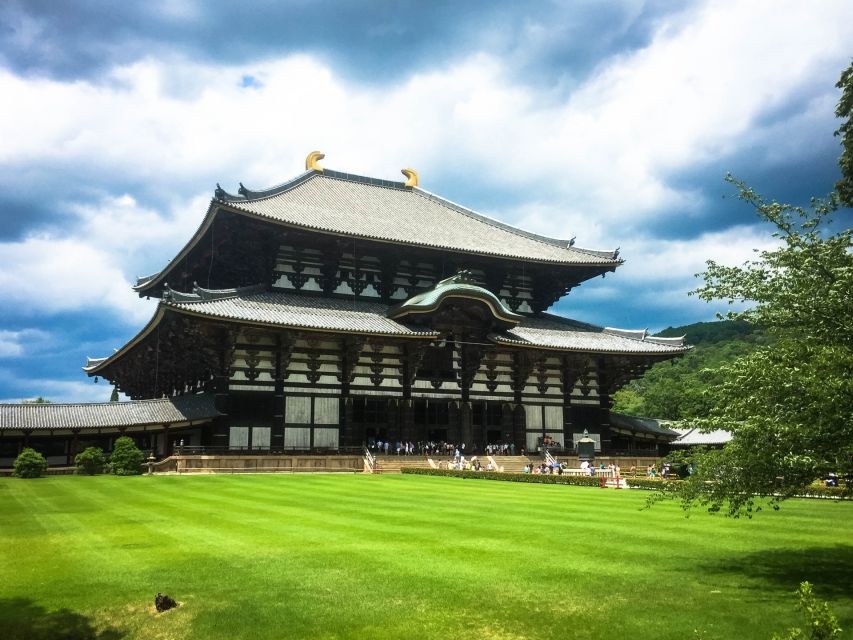
This experience operates rain or shine. Nara can still be enjoyable in rain, but open park paths and long temple approaches will feel different from a dry-day visit. Bring suitable clothing and shoes, then tell your guide if weather changes your priorities.
The private format is a real advantage in difficult conditions. Ichiro managed a rainy day with careful timing, while Shuji adjusted a hot-weather route with more breaks and drinks. You should not feel pressured to complete every stop exactly as first planned.
The tour is listed as wheelchair accessible, but accessibility depends on the route, transport, and specific sites. Contact the provider with your group’s needs before booking so the itinerary can be designed around them.
The same applies to children and older adults. Tell the guide in advance about walking limits, meal needs, nap schedules, or language preferences. A private tour can respond to these details far better than a fixed group excursion.
Who will get the most from this Nara tour
This is a strong choice if you are visiting Nara for the first time and want the main sights explained clearly. It also suits families, multigenerational groups, and anyone who wants a route built around personal interests.
You will get particular value if you are staying in Kyoto or Osaka and want help managing a day trip. Guides have met groups at Kyoto hotels, used public transportation, and helped visitors return to the correct train and platform.
Art and religious history fans should request extra time at Kofuku-Ji and the Kasuga-Taisha National Treasure Hall. Families should ask about deer, rest stops, and food. Food-focused visitors can request lunch ideas, mochi, udon, or dietary planning.
Independent visitors who enjoy reading signs, navigating trains, and choosing their own pace may find the price hard to justify. You can see the major sights without a guide. The question is how much you value interpretation and a day designed around you.
Should you book this private Nara tour?
Book it if you want personal planning and cultural context rather than a basic sightseeing walk. The 4.8 rating from 66 bookings reflects a consistent pattern of careful guides, strong communication, flexible routes, and warm service.
I would especially recommend it for families, first-time visitors, people with food or mobility concerns, and those making Nara a day trip from Kyoto. Ask for the interests and pace you want, then confirm the meeting point, route, transport, admissions, and meal arrangements before the day.
Skip it if you are comfortable exploring independently and want to keep costs low. For everyone else, $151 per person can be fair value when a private guide helps you understand Todai-Ji, handle the deer park, avoid a poorly ordered route, and make one busy day feel manageable.
FAQ
How long does the Nara private tour last?
The available tour options are four or six hours. The six-hour option is designed to cover the main Nara sights at a more relaxed pace.
Which languages are available?
The tour is available with a live guide in English or Japanese.
Can I customize the itinerary?
Yes. The experience can be personalized around your requested sites, interests, food needs, family requirements, and preferred pace.
Are entrance fees and transportation included?
No. Entrance fees, food, drinks, transportation to and from the meeting point, and public or private transportation during the tour are extra.
Is hotel pickup included?
Your guide can meet you on foot at your accommodation if it is within a reasonable distance. Otherwise, you meet at a location arranged in advance.
What happens if it rains?
The tour operates rain or shine. Your guide can adjust the route and pace, but you should bring suitable clothing and footwear for outdoor walking.
Just added around Nara
- Hammer a Pattern on Your Ring Workshop★ 5.0 · 57 reviews
- All must-sees in 3 hours – Nara Park Classic Tour! From JR Nara!★ 5.0 · 108 reviews
- Private Nara Tour and Sake Tasting (Departing from Kyoto/Nara)★ 5.0 · 40 reviews
- Nara World Heritage PRIVATE TOUR★ 4.5 · 15 reviews
- Nara Sake Tasting Tour at Local Brewerie(tasting fee included)★ 5.0 · 12 reviews
- Nara Private Tour: Flexible Pickup from Kyoto, Osaka, or Nara★ 5.0 · 17 reviews
- Nara – Heart of Nature Cross Bike Tour★ 5.0 · 19 reviews
- Nara Highlight Walking Tour with Furoshiki Experience with Lunch★ 5.0 · 73 reviews
Nara Tours, compared.
World Heritage Kyoto & Nara Uji Authentic Matcha Experience
Read our review →
Nara Half Day Trip Walking Tour (Private Option Available)
Read our review →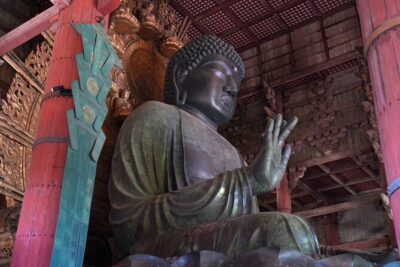
Nara Early Morning Tour (Kyoto or Osaka Departure Available)
Read our review →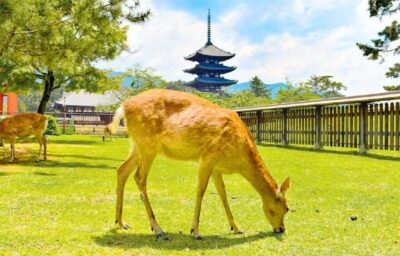
Nara and Uji Day Trip with Deer Park and Hot Spring
Read our review →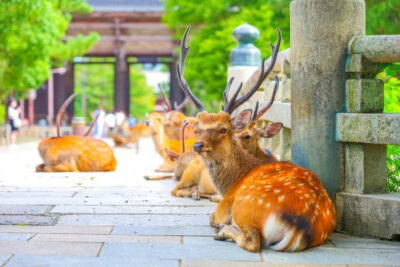
Kyoto/Osaka: Kinkakuji, Bamboo Forest, and Nara Deer Park
Read our review →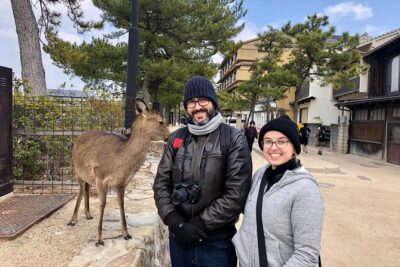
Nara 6hr Private Tour with Government-Licensed Guide
Read our review →
E-Bike Nara Highlights – Todaiji, Knives, Deer, Shrine
Read our review →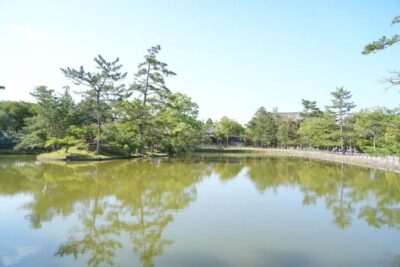
Nara Early Bird Tour (Kyoto Departure Option Available)
Read our review →Browse the lists this tour appears in