
Reviewed · NARA TOURS
Nara: Todai-ji y parque de Nara (Spanish Guide)
Nara’s best sights are tied together by deer, forest paths, old temples, and one enormous Buddha. This five-hour walking tour gives you the main story of the city without making you piece together the route yourself. I especially like the included Todai-ji ticket and the Spanish guidance at places where the setting can be as important as the building.
I also like the mix of famous stops and quieter pauses, from the views at Nigatsu-do to the pond at Ukimido. Guides named Alex, Diego, and Federico have led this experience, with Spanish-speaking guests praising the clear explanations and the amount covered. The main drawback is simple: you walk the entire route, so it is not a good fit if you have limited mobility or want a relaxed, vehicle-based outing.
Key points at a glance
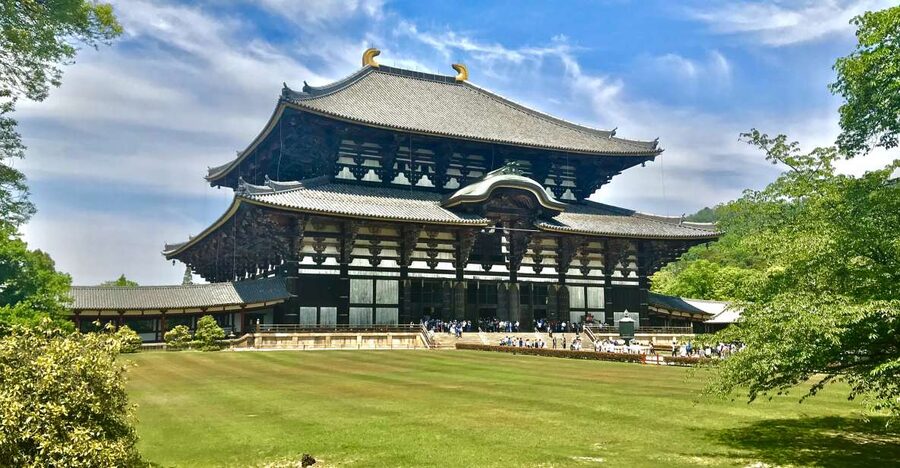
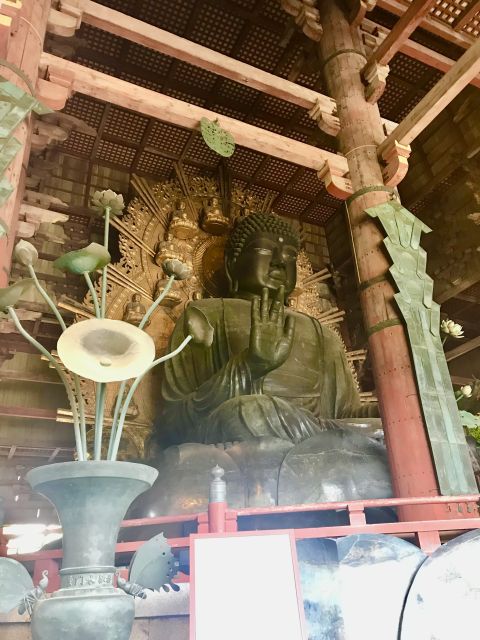
- The Great Buddha at Todai-ji: See one of the world’s largest religious statues inside one of Japan’s most imposing wooden temple buildings.
- A full walking route: Cover Todai-ji, Nigatsu-do, Tamukeyama Hachimangu, Kasuga Taisha, Nara Park, Ukimido, and Kofuku-ji in five hours.
- Spanish guidance throughout: A live guide explains the sites in Spanish, with Alex, Diego, and Federico among the guides associated with the tour.
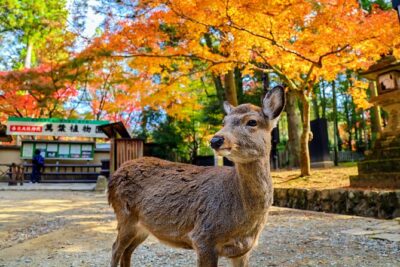
- Deer in their sacred setting: Watch Nara’s famous deer around the park, temples, paths, and pond rather than treating them as a separate attraction.
- Views and quiet corners: Nigatsu-do offers a broad view of Nara, while Ukimido provides a slower stop beside a peaceful pond.
- Useful value at $85: The price includes the Todai-ji entrance ticket and a guided route through several major sights.
Why this Nara route works so well
Nara can look easy on a map. The major sites are close enough to invite a casual walk, yet the area covers a lot of ground and includes temples, shrines, wooded paths, ponds, and open parkland. This tour gives you a clear five-hour plan, beginning and ending at Kintetsu-Nara Station.
I like the route because it does not stop at Todai-ji and send you back toward town. You continue into the temple grounds, visit Nigatsu-do and Tamukeyama Hachimangu, walk through the deer park, and finish at Kofuku-ji. That creates a better sense of Nara as a sacred district, not just a single famous building.
The Spanish language option matters here. A guide can explain why Todai-ji feels different from Kasuga Taisha, or why the deer are treated as divine messengers, while you are standing in the actual setting. The guides praised most strongly by Spanish-speaking guests include Alex for his excellent work, Diego for leading a well-rounded day, and Federico for bringing clear enthusiasm for Japanese history.
The pace is active. The route takes about five hours and includes walking at each stop, with short breaks at Nigatsu-do and Ukimido. Wear shoes you can walk in for several hours and clothes that suit changing weather. Baby strollers are not allowed, and the tour is not suitable for people with mobility impairments.
A few more Nara half-days to weigh up
- World Heritage Kyoto & Nara Uji Authentic Matcha Experience
★ 5.0 · 1,573 reviews - Nara Half Day Trip Walking Tour (Private Option Available)
★ 5.0 · 937 reviews - Nara Early Morning Tour (Kyoto or Osaka Departure Available)
★ 5.0 · 676 reviews
Meeting at Kintetsu-Nara Station
The meeting point is exit 5 of Kintetsu-Nara Station, a useful starting place because the route heads directly toward Nara’s main sights. You return to the same station at the end, so you do not need to arrange a separate ride back from the park.
This simple out-and-back structure is helpful if you are visiting Nara as a day trip. It keeps the final part of your day predictable, although the tour itself stays on foot. Check the available start times when booking, since the exact departure time is not fixed in the information provided.
Todai-ji and the Great Buddha
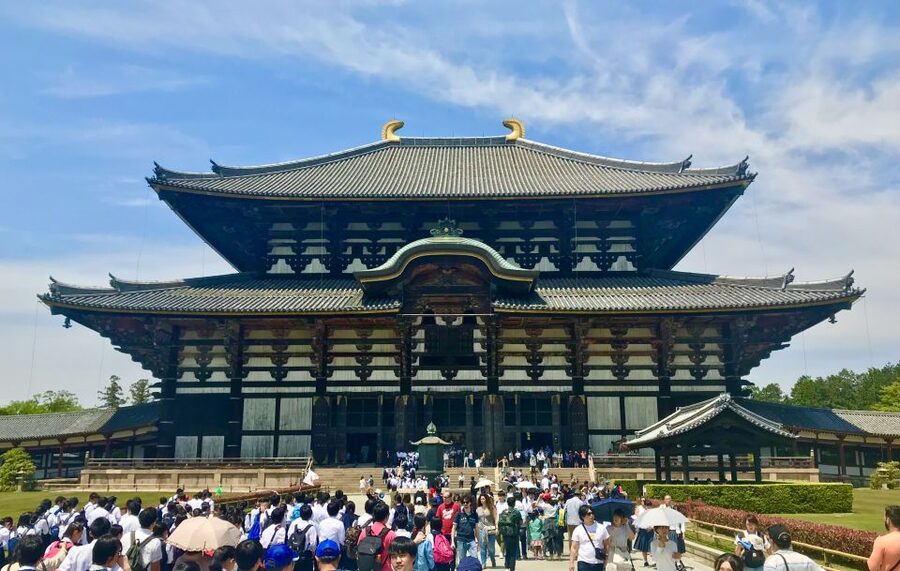
Todai-ji is the grand opening act, and it earns that position. The temple houses the Great Buddha, an immense religious figure that gives the visit an immediate sense of scale. You enter expecting a major statue and find that the building around it is just as important to the experience.
A guide adds value here because Todai-ji is not only a photo stop. The Spanish explanation helps you understand the temple as a place of Buddhist worship and gives context to the statue, the architecture, and the long story of Nara as an early center of Japanese culture.
The visit lasts about an hour and includes sightseeing, walking, scenic views along the way, and chances to see deer. The admission ticket is included, which makes the $85 price easier to assess. You are paying for a guide and a complete route, but one of the main entry costs is already covered.
Allow yourself time to look upward and outward. Todai-ji is a place where rushing from the doorway to the statue would miss much of the point. The structure feels vast, and the Great Buddha is designed to be seen as part of that setting.
Nigatsu-do’s open view over Nara
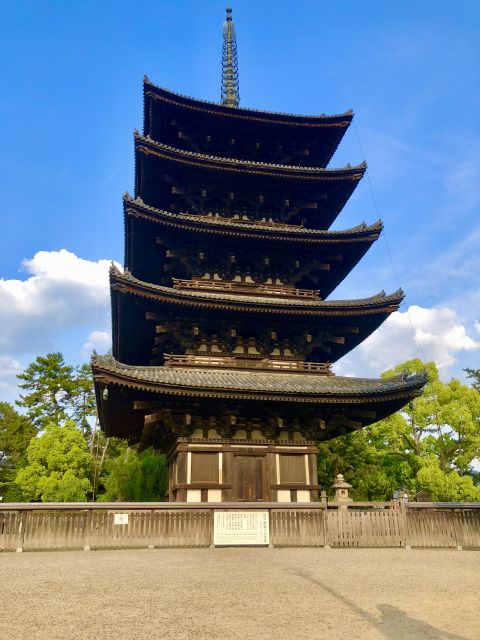
From Todai-ji, the route continues to Nigatsu-do, also called February Hall. This stop lasts around 30 minutes and includes a short break, guided sightseeing, walking, views, and more chances to see deer.
Nigatsu-do is valuable because it changes your viewpoint. After spending time focused on a temple interior and a huge statue, you look out across Nara from a higher position. The city comes into view in a way that helps you understand the area’s layout.
Spring is especially attractive here, when cherry blossoms add color to the approach and the view. The tour information specifically highlights the blossoms, but the stop is not limited to that season. The broader benefit is the pause, a chance to catch your breath and take photographs before continuing through the temple district.
This is one of the places where comfortable shoes matter. The tour is not a sequence of bus stops. You walk between the sights, and even scenic sections can feel tiring if you have packed unsuitable footwear.
Same base, a completely different sort of day:
- Osaka: Nara and Uji Day Trip with Deer Park and Hot Spring
★ 4.4 · 302 reviews - Kyoto/Osaka: Kinkakuji, Bamboo Forest, and Nara Deer Park
★ 4.4 · 265 reviews - Nara 6hr Private Tour with Government-Licensed Guide
★ 5.0 · 219 reviews - E-Bike Nara Highlights – Todaiji, Knives, Deer, Shrine
★ 4.8 · 186 reviews
Tamukeyama Hachimangu, a quieter link in the route
Tamukeyama Hachimangu receives about 30 minutes of guided sightseeing, with the group passing through on foot and viewing wildlife along the way. It may not have the instant name recognition of Todai-ji, but that is part of its appeal.
The stop helps connect the Buddhist temple grounds with the Shinto shrine traditions found elsewhere in Nara. You get a more complete picture of the area by seeing several types of sacred site in one walk instead of treating each landmark as an isolated attraction.
Because the supplied details do not specify a long interior visit or a separate admission, think of Tamukeyama Hachimangu as part of the route’s flow. The guide’s explanations are especially useful here, since the value comes from understanding what you are seeing as you move through the grounds.
Kasuga Taisha among lanterns and trees
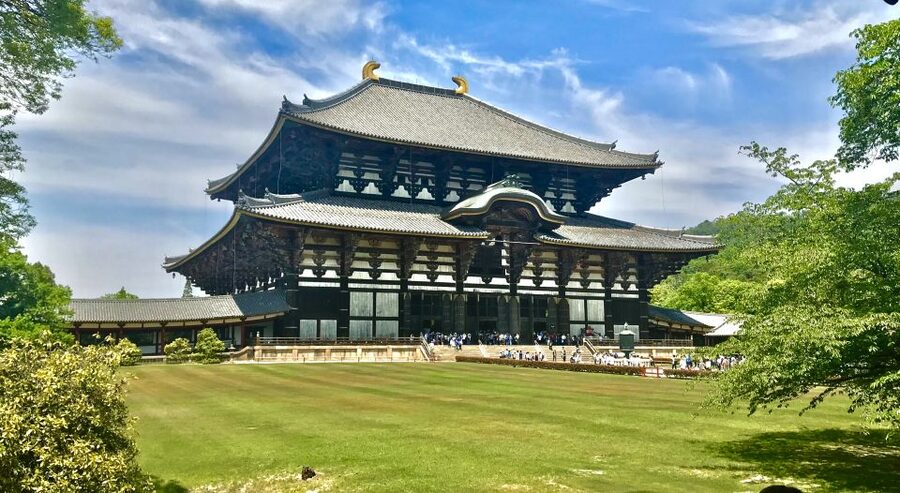
Kasuga Taisha brings a different mood. The shrine is known for its thousands of stone lanterns and its forested setting, creating a dimmer, more mysterious atmosphere than the open spaces around the Great Buddha.
You spend about 30 minutes here with guided sightseeing and walking. The route passes through the shrine area rather than promising an extended stop at every structure, so keep your expectations practical. This is a focused introduction, not an exhaustive study of every corner.
I like Kasuga Taisha as a counterpoint to Todai-ji. Todai-ji impresses through scale, while Kasuga Taisha draws your attention to repeated details, shaded paths, lanterns, and the relationship between worship and nature. A Spanish-speaking guide can help you connect those details to Japanese religious customs without forcing you to read every sign yourself.
The forest surroundings also provide a welcome change after the larger temple buildings. You are still walking, but the pace can feel more reflective here. Deer may appear along the route, reinforcing the link between the shrine, the park, and Nara’s sacred traditions.
Meeting Nara’s deer in the park
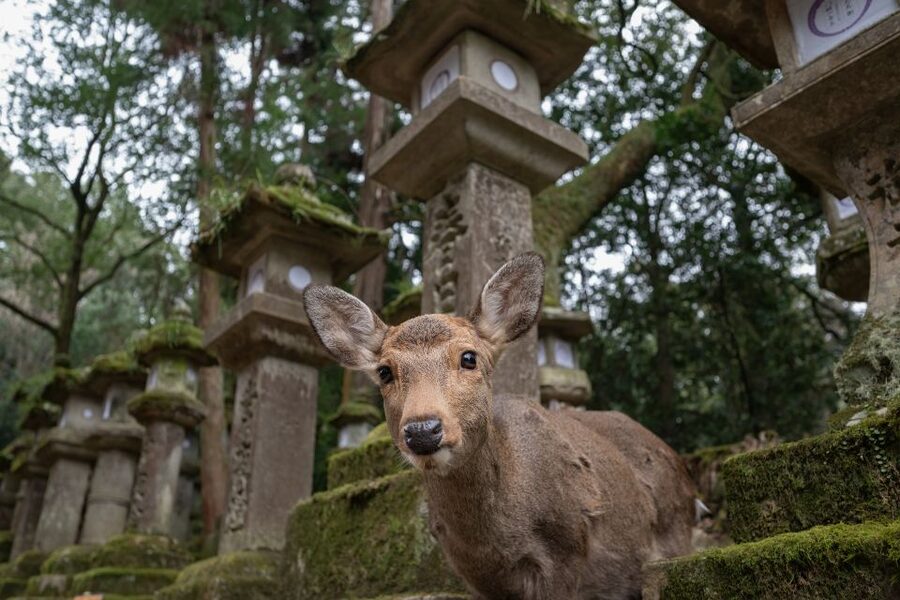
Nara Park is not a fenced-off animal display in the usual sense. Deer appear around the paths and historic sites, and they are treated in Japanese culture as divine messengers. That gives the encounters a cultural layer beyond the simple pleasure of seeing animals close by.
The park portion lasts about 30 minutes, with walking, guided information, and wildlife viewing. You should expect the deer to be part of the whole route rather than confined to this single half-hour segment. You may see them near Todai-ji, Kasuga Taisha, Ukimido, and the connecting paths as well.
The guide can help you understand why the deer matter to Nara. You also need to keep a little common sense around them. The provided information does not specify feeding procedures or special animal rules, so follow the guide’s instructions during the visit.
For many people, the deer will be the most memorable part of the day. They make the walk feel distinctly Nara, especially when an animal appears beside an ancient temple or under the trees. Still, the tour is not only a deer encounter. If you want a short animal visit with little walking, this is not the right format.
Ukimido and a quiet pond break
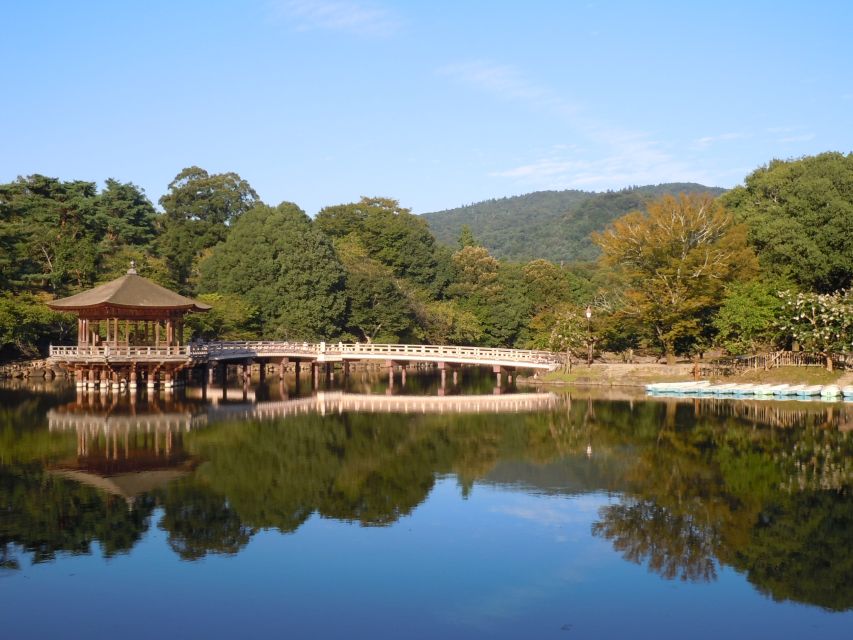
Ukimido is a small pavilion set in the middle of a tranquil pond in Nara Deer Park. The stop lasts around 30 minutes and includes a break, photographs, sightseeing, and scenic views.
This is the route’s calmest pause. After several temples and shrines, the pond gives you somewhere to slow down and take in the setting. Deer may be visible nearby, but the focus here is the combination of water, pavilion, and quiet park scenery.
Ukimido also gives the group a practical rest point. Five hours on foot can be demanding, and a planned break helps keep the day from becoming a march between landmarks. Bring water and use this pause to reset before the final temple.
The stop is listed as a pass-by visit rather than a long formal tour inside the pavilion. That means you should treat it as a scenic viewpoint and rest rather than expecting an extensive building tour.
Kofuku-ji and the five-story pagoda
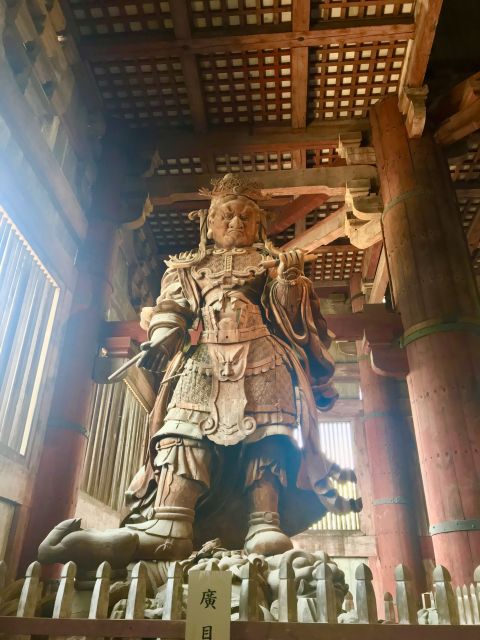
Kofuku-ji is the final major sight before returning to Kintetsu-Nara Station. Its five-story pagoda gives the temple area a strong visual landmark, and the gardens and old structures add another chapter to Nara’s long religious story.
You spend about 30 minutes here with guided sightseeing, walking, and photographs. The stop is useful at the end because it brings you back toward the station while still giving you a substantial final landmark.
Kofuku-ji also rounds out the architectural variety of the tour. You have seen Todai-ji’s massive wooden temple and Great Buddha, the lantern-filled atmosphere of Kasuga Taisha, and the open views at Nigatsu-do. Kofuku-ji adds a pagoda and temple grounds that feel different again.
The tour then returns to Kintetsu-Nara Station. That makes it easy to continue your day from a familiar point, though the exact ending time may vary with walking pace and the group’s schedule.
Is $85 a fair price?
At $85 per person, this tour is best value for someone who wants structure, Spanish explanations, and the major Nara sights in one outing. The Todai-ji entrance ticket is included, and the route covers seven named locations rather than focusing on one temple.
You are also paying for the convenience of not planning the sequence yourself. Nara’s sights are walkable, but a first visit can still involve map checking, missed turns, and uncertainty about how much time to allow at each stop. A guide keeps the day moving and explains the setting as you go.
The value is weaker if you are comfortable exploring alone in Spanish or prefer to spend a long time at one site. Several stops are around 30 minutes, and some are pass-by visits. Independent visitors may prefer a slower schedule with more time for photographs, gardens, or quiet observation.
For a Spanish-speaking visitor with only one day in Nara, I consider the price reasonable if you want broad coverage. The strongest value comes from the combination of Todai-ji admission, a live Spanish guide, and a well-connected walking route.
Who should book this walking tour?
I would recommend it to you if you want to see Nara’s main sights in a single half-day, prefer explanations in Spanish, and enjoy walking between historic places. It suits first-time visitors who want a clear introduction without spending hours planning the route.
It also works well for anyone who wants more than Todai-ji. The combination of the Great Buddha, Nigatsu-do, Tamukeyama Hachimangu, Kasuga Taisha, deer-filled park paths, Ukimido, and Kofuku-ji gives you a broad picture of the city.
I would hesitate if you have mobility limitations, need a stroller, or dislike walking for several hours. The activity involves physical effort from beginning to end, and no transport between stops is included.
The tour has received a perfect rating from 16 verified bookings, with particular praise for its complete coverage and Spanish guides such as Alex, Diego, and Federico. That does not remove the walking requirement, but it does point to the tour’s strongest feature: a well-organized introduction with human guidance in your language.
Should you book it?
Book this tour if you have five hours, want Nara’s essential sights in one route, and value Spanish commentary more than free time at each stop. The included Todai-ji ticket, deer encounters, scenic breaks, and return to Kintetsu-Nara Station make the plan practical.
Skip it if you want to explore at your own pace or cannot manage a full walking route. For everyone else, this is a strong first look at Nara, especially when a guide such as Alex, Diego, or Federico is leading the day.
FAQ
Where does the tour start?
The tour starts at Kintetsu-Nara Station, at exit 5.
Where does the tour finish?
The route returns to Kintetsu-Nara Station.
How long does the tour last?
The activity lasts five hours.
What language is the tour conducted in?
The live tour guide conducts the experience in Spanish.
Is the Todai-ji entrance ticket included?
Yes. The Todai-ji entrance ticket is included in the price.
Which places are visited?
The route includes Todai-ji, Nigatsu-do, Tamukeyama Hachimangu, Kasuga Taisha, Nara Park, Ukimido, and Kofuku-ji.
Is this a walking tour?
Yes. The entire route is completed on foot and involves some physical effort.
Is the tour suitable for people with mobility impairments?
No. The activity is not suitable for people with mobility impairments.
Can I bring a baby stroller?
No. Baby strollers are not allowed on this activity.
What should I wear and bring?
Bring comfortable shoes and wear comfortable clothes. You can also check available start times before booking, and cancellation is allowed up to 24 hours in advance for a full refund.
Just added around Nara
- All must-sees in 3 hours – Nara Park Classic Tour! From JR Nara!★ 5.0 · 108 reviews
- Private Nara Tour and Sake Tasting (Departing from Kyoto/Nara)★ 5.0 · 40 reviews
- Hammer a Pattern on Your Ring Workshop★ 5.0 · 57 reviews
- Nara World Heritage PRIVATE TOUR★ 4.5 · 15 reviews
- Nara Sake Tasting Tour at Local Brewerie(tasting fee included)★ 5.0 · 12 reviews
- Nara Private Tour: Flexible Pickup from Kyoto, Osaka, or Nara★ 5.0 · 17 reviews
- Nara Highlight Walking Tour with Furoshiki Experience with Lunch★ 5.0 · 73 reviews
- Nara – Heart of Nature Cross Bike Tour★ 5.0 · 19 reviews
Nara Tours, compared.
World Heritage Kyoto & Nara Uji Authentic Matcha Experience
Read our review →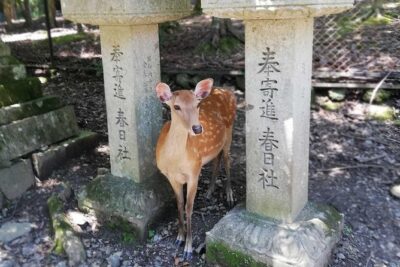
Nara Half Day Trip Walking Tour (Private Option Available)
Read our review →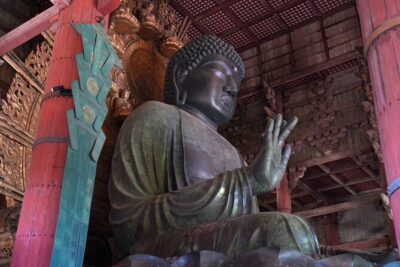
Nara Early Morning Tour (Kyoto or Osaka Departure Available)
Read our review →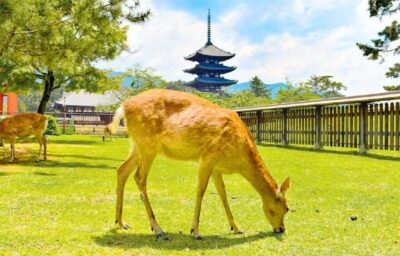
Nara and Uji Day Trip with Deer Park and Hot Spring
Read our review →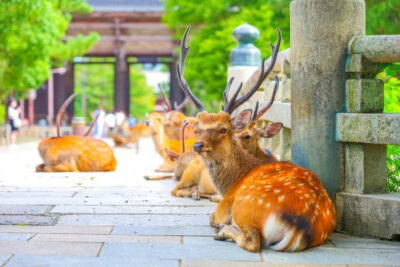
Kyoto/Osaka: Kinkakuji, Bamboo Forest, and Nara Deer Park
Read our review →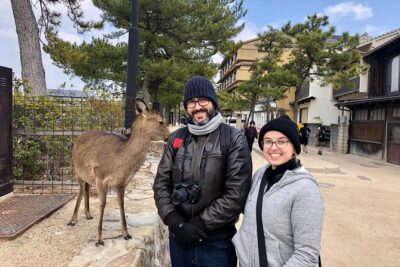
Nara 6hr Private Tour with Government-Licensed Guide
Read our review →
E-Bike Nara Highlights – Todaiji, Knives, Deer, Shrine
Read our review →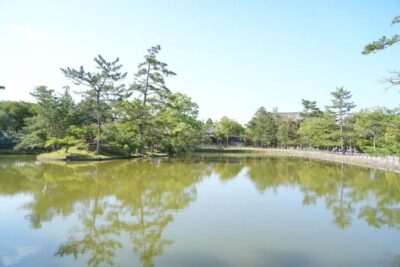
Nara Early Bird Tour (Kyoto Departure Option Available)
Read our review →Browse the lists this tour appears in