
Reviewed · KAMAKURA TOURS
Enoshima Aquarium: Admission Ticket
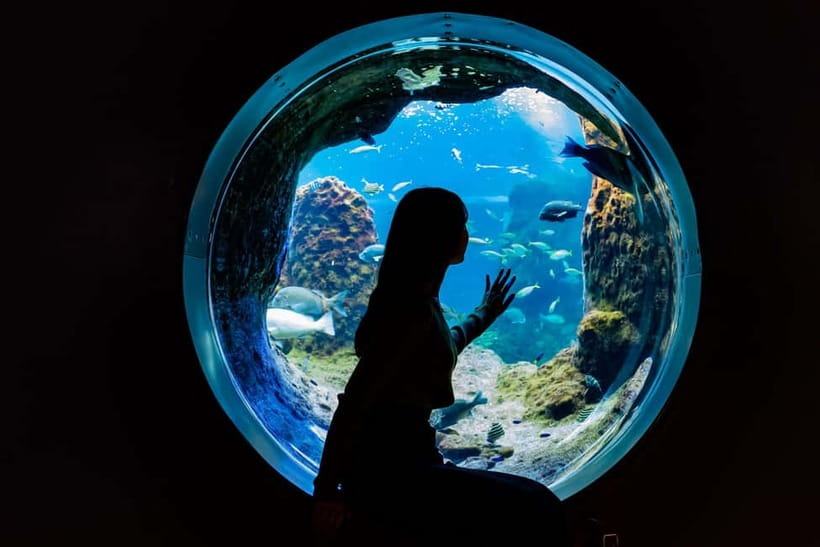
Enoshima Aquarium brings the nearby Sagami Bay into focus, then connects it to the wider Pacific Ocean. You move from local sea life to deep-sea creatures, jellyfish, and marine animals while learning how these systems affect one another. I like the clear sense of place, and I like that explanations and programs make the visit more than a room full of tanks.
The $18 admission is fair if you give the aquarium several hours, especially when seasonal displays or temporary events are running. The main caution is timing: opening hours can change, and one verified booking on December 30, 2025, was cut short because of an unannounced private event. Check the official schedule before setting out, particularly around holidays.
Key Points
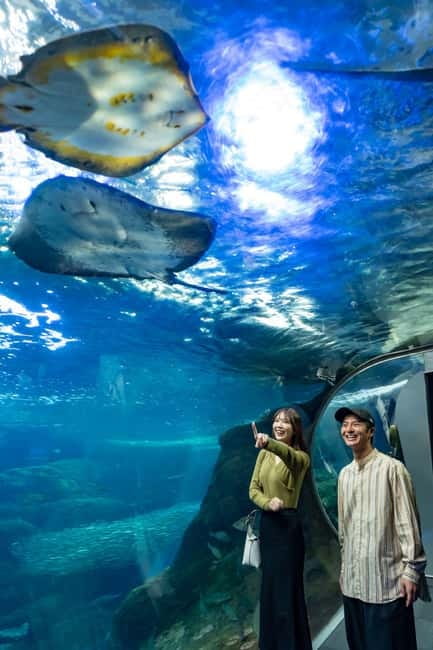
- Sagami Bay comes first: The aquarium begins with the waters closest to Enoshima before widening the story to the Pacific Ocean.
- Jellyfish and deep-sea creatures add variety: These exhibits offer a change from the more familiar marine animals.
- Learning is built into the visit: Explanations, shows, and programs help you understand the ocean rather than simply look at it.
- Seasonal events can change the experience: Temporary exhibits may give repeat visitors a fresh reason to return.
- Easy rail access: Katase-Enoshima Station is about a three-minute walk away.
- Plan around changing hours: The aquarium is listed as open daily, but schedules can shift for holidays, events, and private functions.
Start With Sagami Bay, Not a Generic Ocean Display
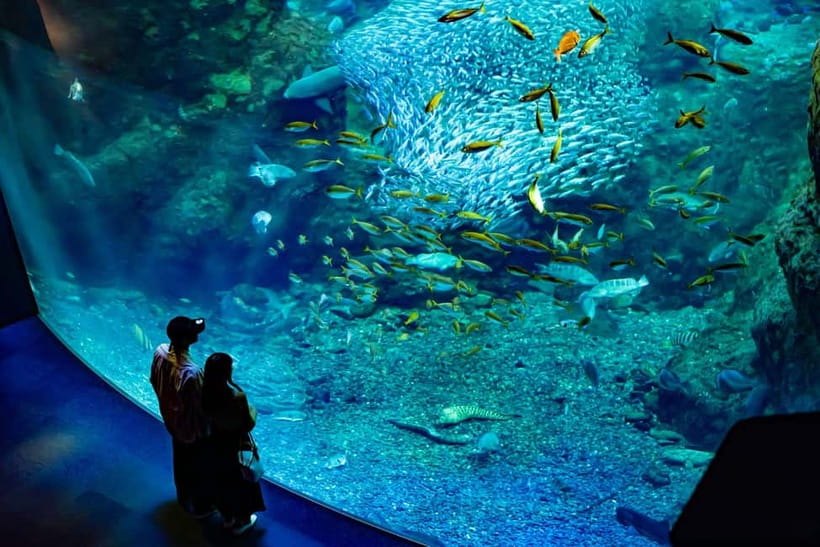
The first part of Enoshima Aquarium focuses on Sagami Bay. That choice gives your visit a useful local frame. Instead of beginning with a random collection of famous sea animals, the aquarium introduces the waters beside Enoshima and then shows how they connect with the larger Pacific.
I like this approach because it gives the exhibits a sense of order. You can think about what lives in nearby waters, how those habitats relate to the deep sea, and why the Pacific supports such a wide range of life. The theme is the connection between creatures, water, and the surrounding environment.
This is also a good place to slow down. If you rush through the opening displays, you may miss the basic idea behind the whole aquarium. Take time to read the explanations, since they set up the sections that follow and make the later exhibits easier to understand.
The aquarium is not presented only as a research facility. Its goal is also to create surprise, excitement, and a feeling of calm around marine life. That mix makes it suitable for families, couples, and solo visitors who want an indoor stop with some educational substance.
More aquariums in Kamakura:
- Naha: North Okinawa Sightseeing Tour & Churaumi Aquarium
★ 4.4 · 472 reviews - Tokyo: Art Aquarium Museum GINZA Entry Ticket
★ 4.5 · 278 reviews - Okinawa: Churaumi Aquarium, Ryukyu Village & Manza Bus Tour
★ 4.5 · 118 reviews
Move From the Pacific to the Deep Sea
After the Sagami Bay exhibits, the focus shifts toward the Pacific Ocean and the creatures that live below its surface. The deep-sea section gives the visit a different mood from the coastal displays. It points you toward parts of the ocean that are difficult for most people to see directly.
The supplied information does not identify every species on display, so I would not plan your visit around one particular animal. Instead, expect a broad look at deep-sea creatures within the aquarium’s larger story about ocean life. The value is in the contrast: familiar marine animals and local waters on one side, less familiar environments below the surface on the other.
This section may be especially appealing if you enjoy unusual adaptations and the less obvious corners of marine biology. It also helps explain why an aquarium can show more than colorful fish. The ocean is made up of many zones, and each one supports different forms of life.
You should allow time for reading here. The exhibits are designed to teach, and the explanations are part of the experience rather than an optional extra. If you are visiting with children, this can be a good point to turn the displays into questions about how animals live in different parts of the ocean.
Give the Jellyfish Displays Your Time
The jellyfish section is one of the clearest reasons to visit. Jellyfish offer a visual change from fish and larger marine animals, and their slow movement can make this part of the aquarium feel calm.
I like that the aquarium pairs learning with what it calls healing. You are not expected to hurry from one animal to the next. The jellyfish displays give you a chance to pause, watch movement, and take in the atmosphere without needing to chase a particular attraction.
The supplied details do not promise a specific jellyfish show or species, so keep your expectations flexible. What you can count on is jellyfish being part of the aquarium’s marine-life displays. Seasonal presentations may also affect what you see during your visit.
This section works well for different kinds of visitors. Children can watch the animals move, photographers may enjoy the shapes and lighting, and adults often appreciate having a quieter part of the visit. Flash photography is forbidden in some exhibit areas, so follow the signs and staff instructions.
Use the Shows and Programs to Add Context
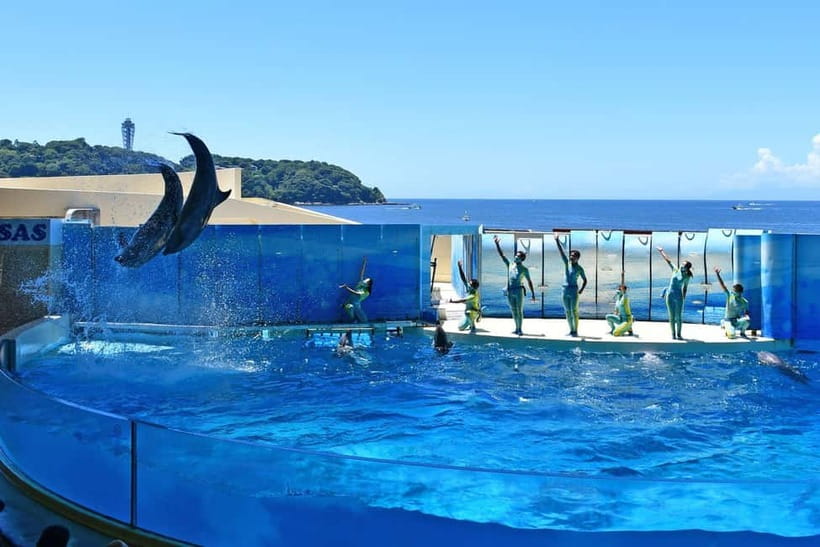
Enoshima Aquarium offers explanations, shows, and programs that allow you to interact with marine creatures. The exact schedule is not provided here, so check the aquarium website for current times before you arrive.
These activities matter because they can turn a passive visit into a more active one. You are not only looking through glass. You may hear an explanation, see a presentation, or take part in a program linked to marine life.
I would treat these as opportunities rather than building the entire day around one program. Schedules can change, and the aquarium may adjust its operations during busy periods or special events. Visit the main exhibits first if there is something you especially want to see, then fit a show or program into the rest of your day.
The interactive side also helps families manage the visit. A long sequence of displays can be tiring for younger children. A scheduled explanation or program gives the day a change of pace and can help hold attention.
A few more Kamakura half-days to weigh up
- Tokyo: Kamakura & Enoshima Day Trip including Temple Tickets
★ 4.5 · 1,375 reviews - From Tokyo: Kamakura & Enoshima 1-Day Bus Tour
★ 4.5 · 189 reviews - Kamakura Historical Walking Tour with the Great Buddha
★ 5.0 · 129 reviews - Kamakura Private Tour: Temples, Nature, and the Great Buddha
★ 5.0 · 121 reviews
Seasonal Exhibits Can Change the Visit
Seasonal exhibits and temporary events are part of Enoshima Aquarium’s appeal. They mean the experience may not be identical every time you visit, which is useful if you are spending more than one day in the Enoshima area or returning on a later trip.
The available information does not name the current temporary events, so you should check before booking if a particular exhibit is important to you. A seasonal display can add value to the $18 ticket, but it should be treated as a bonus rather than a guaranteed feature.
Special events also make timing more important. Hours may change during spring holidays, summer holidays, year-end and New Year holidays, or other events. A visit that looks simple on paper can become less convenient if you arrive without checking the day’s schedule.
One verified booking dated December 30, 2025, had to leave early because the aquarium was closing for a private event. The early closure was not shared in advance, according to the booking account. That is a useful warning: confirm opening and closing times directly with the aquarium, especially during the holiday season.
How Long Should You Allow?
Your ticket is valid for one day, and the listed experience duration is one day rather than a fixed guided time. That gives you flexibility. You can build the aquarium into a larger Enoshima outing or give it the main part of your day.
I would allow several hours if you want to read the explanations, see the Sagami Bay and Pacific displays, spend time with the jellyfish, and catch a program. The information does not provide an official average visit length, so the right amount of time depends on your pace and interest.
A quick visit may work if you are mainly looking for jellyfish and a few marine animals. You get more value from the ticket when you treat the aquarium as a place to learn, not just a short photo stop.
Busy periods may also affect your pace. Admission can be restricted if the aquarium becomes crowded. Arriving early is sensible, particularly during school holidays, summer holidays, and year-end travel.
Getting There From Three Nearby Stations
The easiest approach is from Katase-Enoshima Station on the Odakyu Enoshima Line. The aquarium is about a three-minute walk from the station, making this the best choice if you are selecting your rail route based on convenience.
You can also walk about ten minutes from Enoshima Station on the Enoshima Dentetsu Line. Shonan Enoshima Station on the Shonan Monorail Line is also about ten minutes away.
These short walks make the aquarium easy to add to a day in the Enoshima area. You do not need a separate shuttle based on the access information provided. The location coordinates are 35.3100048, 139.479428, though the nearby station directions are more useful for most visitors.
Large or long luggage is not allowed inside. Paid coin lockers are available on the second floor, so use them if you need to store a bag. It is better to deal with luggage before entering rather than risk being turned away at the entrance.
Opening Hours and Holiday Planning
The listed hours are 9:00 to 17:00 from March through November. From December through February, the aquarium opens at 10:00 and closes at 17:00.
Those hours are subject to change. Spring holidays, summer holidays, year-end and New Year holidays, and special events can all affect the schedule. The early closure reported on December 30 makes this more than a minor footnote.
Check the aquarium’s website on the day before your visit and again on the morning of your visit if your schedule is tight. This is especially important if you are arriving late, traveling during a holiday, or combining the aquarium with another paid attraction.
Because admission is non-refundable, a quick schedule check protects the value of your purchase. It also helps you avoid arriving at a time when entry is restricted because of crowding.
Is the $18 Ticket Good Value?
At $18 per person, this is a reasonably priced full-day attraction if you use the time well. The value comes from the range of themes: local Sagami Bay life, the Pacific Ocean, deep-sea creatures, jellyfish, marine animals, educational explanations, shows, and possible seasonal events.
I would consider the ticket good value for families who want a weather-proof activity and for anyone with a real interest in marine life. It is also useful when you want a quieter, more structured stop near Enoshima’s rail stations.
The value is weaker if you only have a short window or dislike reading exhibit explanations. A fast walk through the rooms may not feel worth $18, especially if a temporary closure limits your time inside.
The ticket includes admission only. It does not include transport, luggage storage, or any separately described add-on. Disabled visitors and one accompanying person each receive half-price admission with the required certificate shown onsite. High school students must present student identification.
Practical Rules Inside the Aquarium
Flash photography is prohibited in some exhibit areas. Tripods and selfie sticks may also be restricted when the aquarium is busy. If photography matters to you, pack light and be prepared to put equipment away in crowded sections.
The aquarium is wheelchair accessible. That makes it a practical option for visitors who need step-free access, though the supplied information does not describe every route or facility inside.
Admission may be restricted during periods of heavy crowding. For the best chance of entering without delay, aim for the beginning of the day and avoid assuming that a holiday visit will run on the normal schedule.
The activity is non-refundable, so check the date, operating hours, and any temporary-event notices before purchase. This is particularly important because the ticket is valid for one day, not an open-ended period.
Who Will Get the Most From Enoshima Aquarium?
I would recommend this aquarium to families, marine-life fans, and anyone who enjoys learning while sightseeing. The mix of local waters, the Pacific, jellyfish, deep-sea creatures, and interactive programs gives the visit more range than a simple animal display.
It also suits a rainy day or a break from outdoor sightseeing. The nearby train stations make it easy to reach, and the one-day ticket lets you set your own pace.
You may want to skip it if your Enoshima schedule is already packed or if you only want a single famous animal exhibit. The aquarium’s strength is the connected story of ocean life, supported by explanations and programs. You get the most from it when you give that story time.
Should You Book This Aquarium Ticket?
Book it if you want a flexible, educational indoor attraction near Enoshima and can spare several hours. I especially like the focus on Sagami Bay before the Pacific, plus the contrast between jellyfish, deep-sea creatures, and other marine animals.
Before paying, check the official opening hours and event notices. That one step matters because schedules can change, crowding can limit entry, and a private event once caused an early closure. If the hours work for your day, the $18 ticket offers a solid look at the ocean life around Japan and the wider Pacific.
FAQ
Where is Enoshima Aquarium located?
Enoshima Aquarium is in Honshu, Japan, at coordinates 35.3100048, 139.479428.
How do I reach Enoshima Aquarium by train?
It is about three minutes on foot from Katase-Enoshima Station on the Odakyu Enoshima Line. It is about ten minutes on foot from Enoshima Station on the Enoshima Dentetsu Line and from Shonan Enoshima Station on the Shonan Monorail Line.
What are the aquarium’s opening hours?
From March through November, the listed hours are 9:00 to 17:00. From December through February, the listed hours are 10:00 to 17:00.
Is Enoshima Aquarium open every day?
The aquarium is listed as open daily. Hours can change during spring holidays, summer holidays, year-end and New Year holidays, and special events.
What does the admission ticket include?
The ticket includes admission to Enoshima Aquarium.
Is the ticket valid for a full day?
Yes. The admission is valid for one day.
Is the aquarium wheelchair accessible?
Yes, Enoshima Aquarium is wheelchair accessible.
Can I bring large luggage inside?
No. Large or long luggage is not allowed inside. Paid coin lockers are available on the second floor.
Are there discounts for disabled visitors and students?
Disabled visitors and one accompanying person each receive half-price admission when the required certificate is shown onsite. High school students must present their student ID.
Just added around Kamakura
- When Emperors Reigned and Shoguns Ruled★ 5.0 · 43 reviews
- First time in Kamakura? Enjoy a Tour of All Must-sees!★ 5.0 · 15 reviews
- Your Own HANKO Name Seal Activity in Kamakura.★ 5.0 · 24 reviews
- Kamakura Bamboo Forest and Great Buddha Private Tour★ 5.0 · 12 reviews
- Kamakura 4hr Private Trip with Government-Licensed Guide★ 5.0 · 58 reviews
- Kamakura Walking Tour – The City of Shogun★ 5.0 · 100 reviews
- Exciting Kamakura – One Day Tour from Tokyo★ 5.0 · 40 reviews
- Kamakura Tours Half Day or Full Day Tours with a local guide.★ 5.0 · 12 reviews
Kamakura Tours, compared.
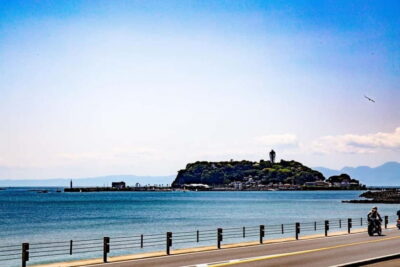
Kamakura & Enoshima Day Trip including Temple Tickets
Read our review →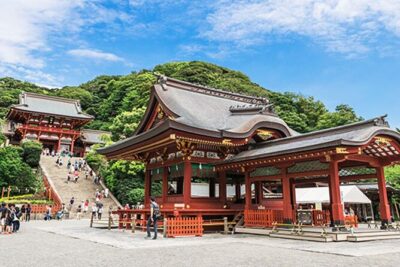
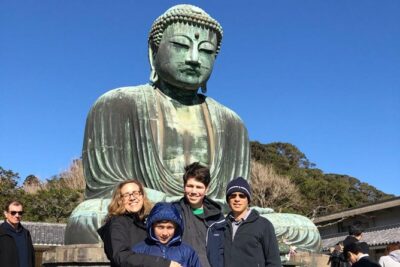
Kamakura Historical Walking Tour with the Great Buddha
Read our review →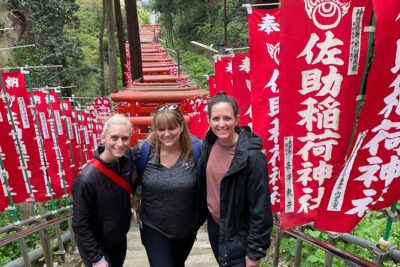
Kamakura Private Tour: Temples, Nature, and the Great Buddha
Read our review →
Kamakura 4hr Private Trip with Government-Licensed Guide
Read our review →
Kamakura Full Day Tour with a Local Expert Guide
Read our review →
Browse the lists this tour appears in