
Reviewed · OSAKA TOURS
Osaka: Sushi Making in Spacious Studio (SAME-DAY OK!)
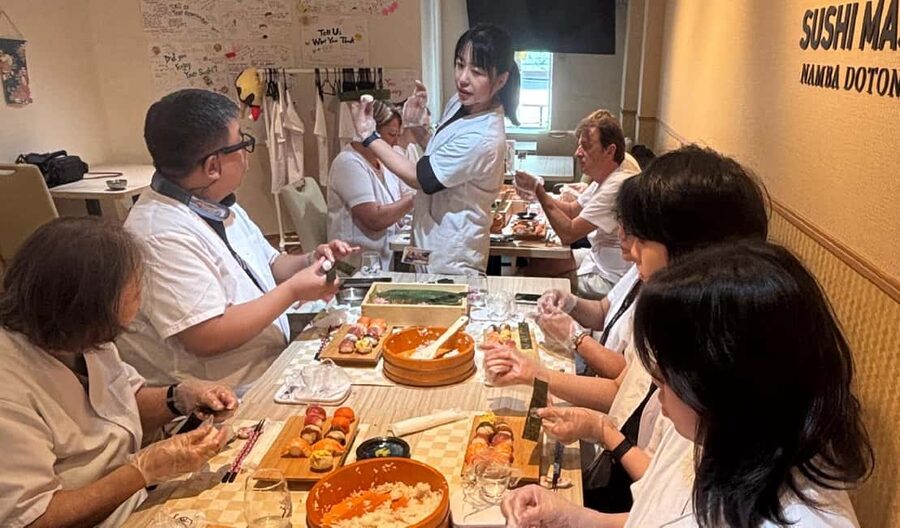
Osaka: Sushi Making in Spacious Studio is a hands-on 90-minute class where you make your own nigiri and gunkan sushi, then sit down and eat the results. Instructors such as Naho, Aki, Seina, and Tsuki explain the steps in clear English, with a friendly style that works well for first-timers and families.
I like the central Namba location, just three minutes from the station, and the fact that you do more than shape rice. You learn about Japanese food culture, sushi history, and the proper way to prepare sushi rice. The main consideration is that drinks cost extra, and vegetarians must contact the provider ahead of time for ingredient changes.
Key points at a glance
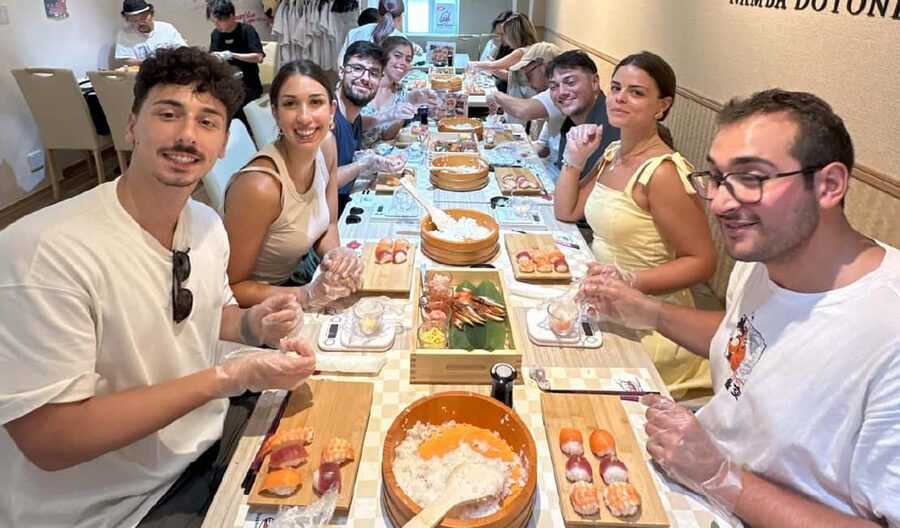
- Make and eat 8 or 10 sushi pieces: Choose the standard or premium course, then enjoy what you prepare.
- English instruction: Guides including Naho, Aki, Seina, and Tsuki are praised for clear explanations and patient teaching.
- Learn sushi basics: The class covers rice preparation and hands-on work with nigiri, gunkan, and sometimes temari sushi.
- Three minutes from Namba Station: The studio is easy to fit into a day around Dotonbori and central Osaka.
- Vegetarian substitutions are available: Send a message before booking so fish toppings can be replaced with vegetable ingredients.
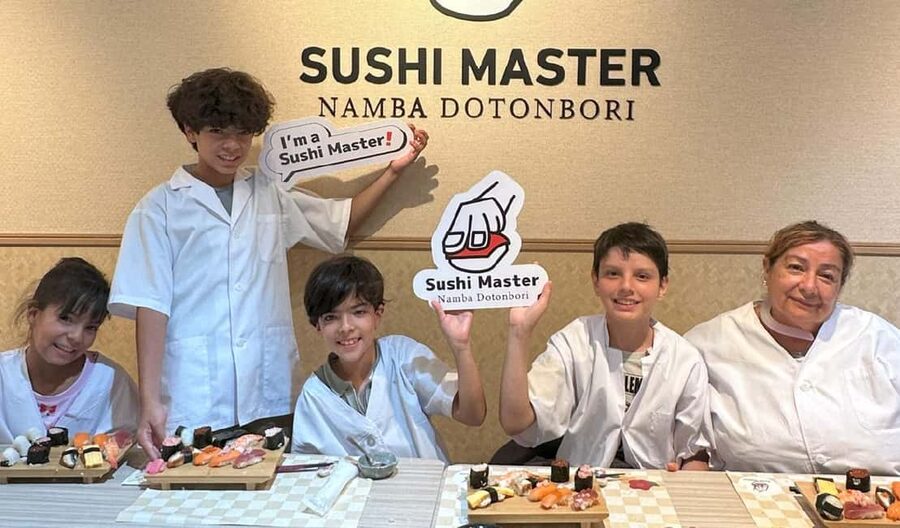
- Take home more than a full stomach: You receive a Sushi Master Certificate and a small Japanese souvenir.
What this Osaka sushi class is really like
This is not a demonstration where you sit back and watch a chef do all the work. You are given prepared ingredients and guided through the process yourself. That makes the class a good choice if you want a small piece of Japanese food culture you can repeat at home.
The class begins with a welcome and an introduction to Japanese food culture in English. An instructional video may be used at the start, giving you basic context before you touch the ingredients. This opening matters because sushi is more than fish placed on rice. The rice, seasoning, shape, and handling all affect the final bite.
The instructors prepare some elements in advance, including the sushi rice, fish, egg, and seaweed. That keeps the 90-minute class moving and leaves you enough time to shape and assemble the sushi. You are not spending the whole session measuring rice or waiting for ingredients to cook.
That also sets a realistic expectation. This is an introductory sushi workshop, not professional chef training. You learn the basic movements and ideas, but you will not leave ready to run an omakase counter. For most visitors, that is the right balance: enough technique to feel useful, without turning a holiday activity into a cooking exam.
More Sushi Making Classes in Osaka
- Sushi Making Osaka Roll and Authentic Japanese Sushi Class
★ 5.0 · 1,220 reviews - Osaka Sushi Making Experience
★ 5.0 · 400 reviews - Osaka Sushi Making Class – Hands-On Nigiri & Rolls (Same-Day OK)
★ 5.0 · 352 reviews
Learning the rice before the toppings
The most useful part of the class is the focus on sushi rice. Beginners often think the topping is the main challenge, but the rice gives sushi its structure and flavor. You learn how to handle and prepare it before assembling the pieces.
The exact method may vary with the class format, but the experience includes instruction on making sushi rice and working with it as the base for nigiri and other styles. You can expect the instructor to show you how to form rice without crushing it. That is a small skill, but it changes the texture of the finished sushi.
Once the rice is ready, you work with ingredients such as fish, egg, and seaweed. The prepared setup is helpful for families and people who have never cooked Japanese food. It also means the class can stay focused on the parts you will remember: shaping, topping, rolling, and presentation.
The food is part of the admission price. You do not make a few sample pieces and then pay for lunch afterward. You eat the sushi you have made during the session, with the standard course offering eight pieces and the premium course offering ten. The portions are described as a decent meal, though anyone arriving very hungry should remember that this is still a tasting-style class rather than a large restaurant dinner.
Nigiri, gunkan, and temari sushi
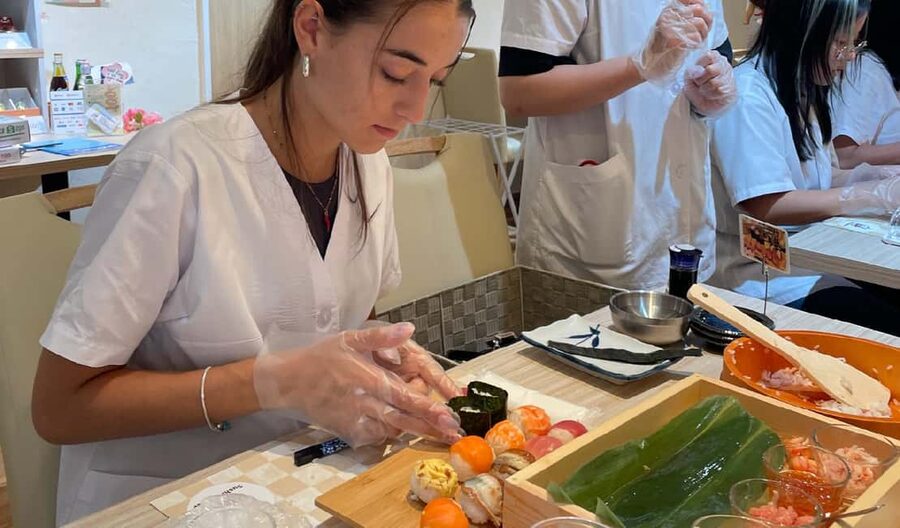
The class teaches basic sushi forms, with nigiri and gunkan included in the hands-on work. Nigiri is the familiar oval of rice topped with fish or another ingredient. Gunkan, sometimes called battleship sushi, has a strip of seaweed around the rice that holds a softer topping.
Some sessions also include temari sushi, a round style that is especially approachable for beginners. Its shape gives you a playful way to practice presentation, and it can be less intimidating than trying to make every piece look like it came from a sushi bar.
You may not make every style at every session, so treat the precise selection as flexible. The important point is that you are assembling sushi yourself, not simply decorating a pre-made plate. The instructors help with the steps and can answer questions as you go.
I like this format because mistakes become part of the fun. A slightly uneven piece still tastes good, and you quickly see how a small change in pressure affects the rice. The activity gives you a better sense of the care behind sushi without demanding perfect technique.
The instructors make the difference
The strongest part of this experience is the teaching. Names that appear in the available information include Naho, Aki, Seina, Tsuki, and Matsuri, though your instructor will depend on the date and schedule.
Naho is described as kind, dedicated, and easy to understand. Aki is praised for clear communication, useful explanations, and a relaxed manner. Seina is noted for patience, while Tsuki is described as friendly and personable. These details matter because sushi shaping can be awkward when you first try it, and a patient guide keeps the class comfortable.
The instruction is offered in English and Japanese. The English-speaking guides explain the process clearly enough for beginners, and the class allows you to ask questions. That personal attention is useful if you want more than a quick photo opportunity. You can ask why the rice is handled in a certain way, how the different sushi shapes work, or what makes one piece hold together better than another.
The teaching style also suits solo visitors. One participant went alone and found the class comfortable and easy to follow. You do not need to arrive with a group to make the activity worthwhile.
More sushi classes in Osaka:
- Osaka: Roll and Authentic Sushi Making Class in Dotonbori
★ 4.9 · 239 reviews - Osaka: Sushi Class in Dotonbori
★ 4.9 · 160 reviews - Osaka Dotonbori: Sushi Making Experience
★ 4.9 · 122 reviews - Sushi Making Tokyo Roll and Authentic Japanese Sushi Class
★ 5.0 · 3,971 reviews
A spacious studio near Namba
The studio is on the second floor of a narrow orange-colored building, about three minutes from Namba Station. Search for Sushi Master Namba on Google Maps, but allow a little care at the final turn because the map pin may be slightly misaligned.
This is a useful activity to place between other Namba plans. You can combine it with shopping, Dotonbori, or an evening meal without giving up half a day. At 90 minutes, it is long enough to feel substantial but short enough to fit into a busy Osaka schedule.
The room is described as spacious, which helps during a hands-on class. You need room to work with rice, seaweed, toppings, and utensils. A crowded table can make a simple task feel fussy, so the open classroom is a real advantage.
There is no hotel pickup or drop-off. You make your own way to the studio, and the provider asks you to call 0664848070 if you have trouble finding it. Smoking is not allowed, and outside food or drinks should stay at your hotel.
Eating what you make
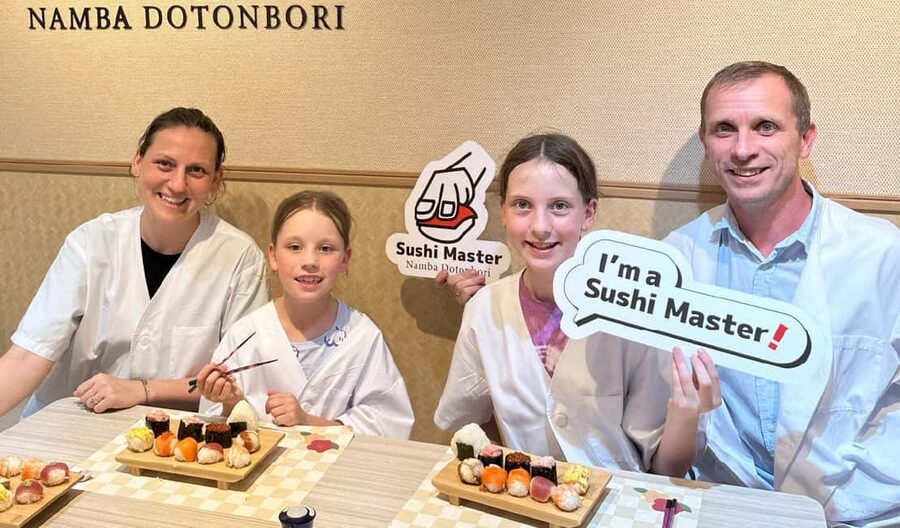
After the work comes the best part: you eat your sushi on the spot. This gives the class a satisfying finish and lets you judge your own progress immediately.
The ingredients are included, and the available information describes them as good quality. Fish, egg, seaweed, and the rice all contribute to the final meal. You may order a soft drink or alcohol during the class, but those drinks are not included in the $25 price.
Carefully selected sake is mentioned as part of the experience, while the practical details state that drinks can be ordered separately. I would treat sake and other drinks as optional extras rather than part of the base booking. If you are bringing children or do not drink alcohol, soft drinks are available to order.
This is also a good moment to take photos. The instructor may be happy to photograph you while you work, which saves you from trying to take pictures with sticky hands. The finished plate makes a better souvenir than a standard posed photo because you made it yourself.
The certificate and souvenir
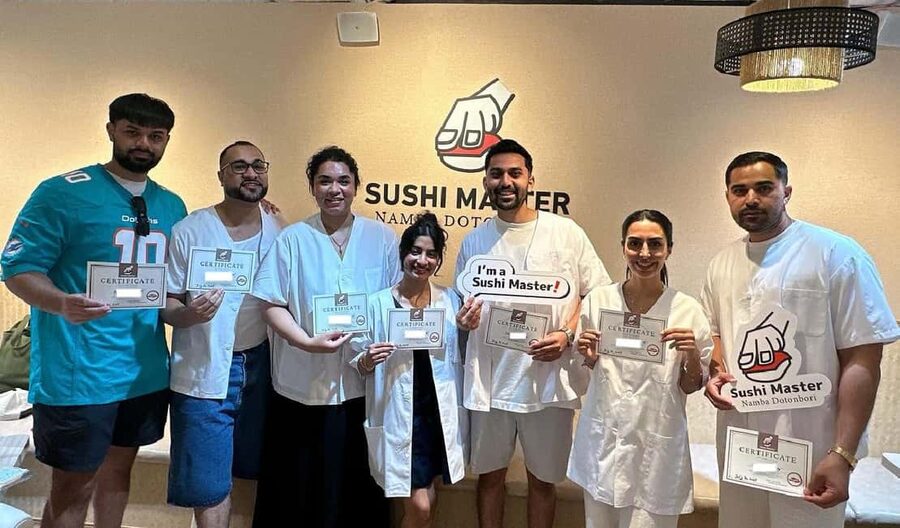
At the end, you receive a Sushi Master Certificate and a small Japanese souvenir. The certificate is playful rather than a professional qualification, but it gives the class a clear ending and makes a nice keepsake for children or first-time cooks.
The small gift is another thoughtful touch. It does not add much monetary value, yet it helps the activity feel personal. If you are collecting food-related memories from Japan, the certificate and souvenir are easy to pack and more useful than a bulky gift.
I would not book the class solely for these extras. The real value is the instruction and the meal. Still, they are welcome additions at this price and give you something tangible to take home.
Vegetarian planning and food concerns
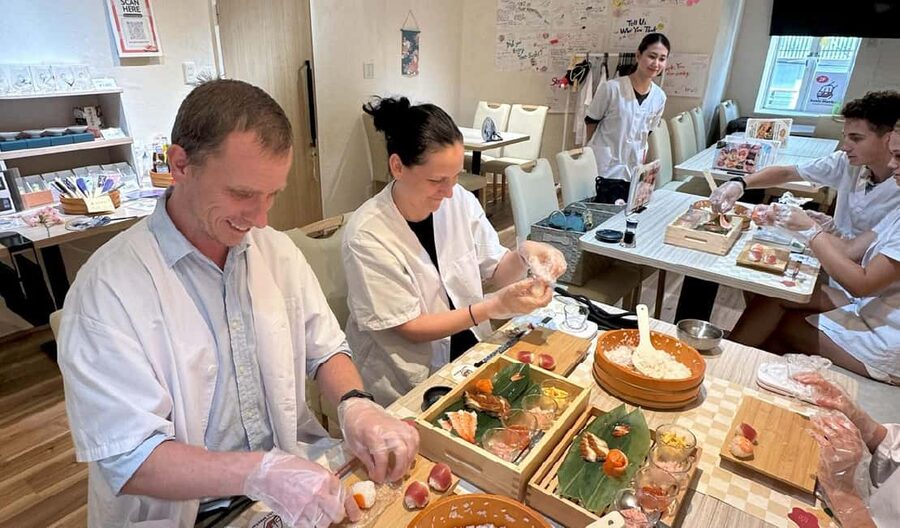
Vegetarian options are available, but you must send a direct message in advance. The fish toppings can be replaced with vegetable-based ingredients for a vegetarian member of your group.
Do not wait until you arrive to explain dietary needs. The provider specifically asks you to report allergies ahead of time, and advance notice is important because the ingredients are prepared for the session.
The available information does not spell out every possible allergy substitution or address every dietary restriction. If you have a serious allergy, contact the provider before booking and explain exactly what you cannot eat. Do not bring outside food or drinks into the studio.
Is $25 good value?
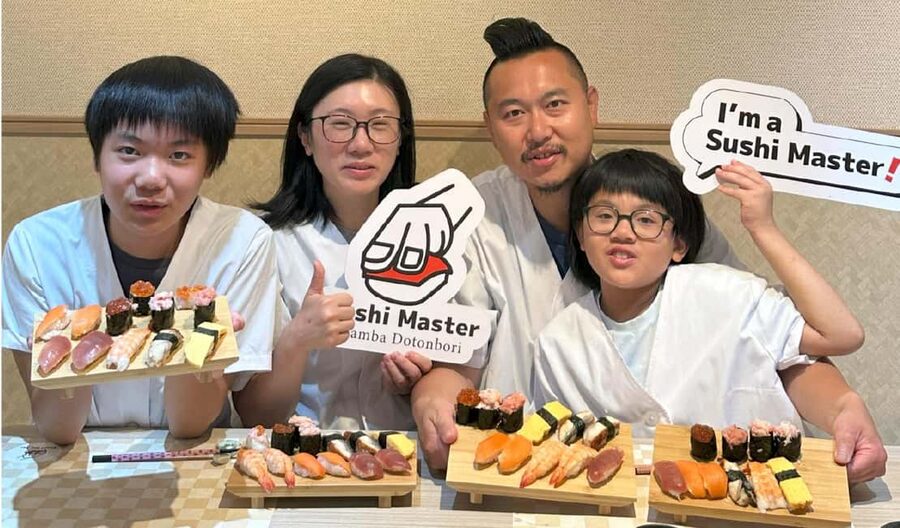
At $25 per person, this is a strong-value activity for central Osaka. You receive a 90-minute lesson, the ingredients, eight or ten pieces of sushi, instruction in English, a certificate, and a small souvenir. You also save the cost of a separate meal, although the sushi portion is not intended to replace a large dinner for a very hungry person.
The price makes more sense when you compare it with a standard sushi meal. In a restaurant, you eat the food and leave. Here, you also learn how the rice and shapes come together, ask questions, and get a memory you can repeat later.
The premium course gives you ten pieces instead of eight. The supplied details do not state the price difference between the standard and premium options, so check the booking screen before choosing. If the extra pieces matter to you, confirm what each course includes.
Reserve now and pay later is available, which helps if your Osaka schedule is still changing. Free cancellation is allowed up to 24 hours before the activity for a full refund. Starting times vary, so check availability for your chosen date.
Who should book this experience?
I would recommend it to first-time visitors who want an easy introduction to Japanese food culture. You do not need previous cooking experience, and the English instruction removes much of the usual worry about following a class abroad.
It is also a good family activity. The work is short, visual, and rewarding, and children can see a finished meal appear from the ingredients they handled. Parents should still consider each child’s food allergies and ability to follow hygiene instructions.
Solo visitors and couples fit well too. The class gives you a structured activity without taking an entire day, and the friendly teaching style helps you feel at ease even if you arrive alone.
Food lovers who already know sushi may find the material basic. If you are looking for advanced knife skills, fish cutting, or a serious chef apprenticeship, this is not the right choice. If you want to understand sushi rice and make recognizable pieces in a relaxed setting, it fits nicely.
My call: book it if you want a meal with a memory
Book this class if you want to make sushi rather than only eat it. The short walk from Namba, clear English instruction, spacious room, included food, and patient teaching make it easy to fit into an Osaka visit.
I would be especially happy to recommend it for families, solo visitors, and anyone nervous about a cooking class. Contact the provider first for vegetarian substitutions or allergies, and remember that drinks cost extra.
Skip it only if you want a large dinner or advanced sushi training. For a modest price, this gives you practical skills, a meal you helped create, and a certificate that will bring back the memory long after the last piece is gone.
FAQ
Where is the sushi-making class located?
The studio is about three minutes from Namba Station in Osaka. It is on the second floor of a narrow orange-colored building. Search for Sushi Master Namba on Google Maps, but note that the map may be slightly misaligned.
How long does the sushi-making experience last?
The class lasts 90 minutes. Starting times depend on availability for your chosen date.
How much does the experience cost?
The listed price is $25 per person. Check the booking details for the price of the standard and premium course options.
How many sushi pieces will I make?
The standard course includes 8 pieces, while the premium course includes 10 pieces.
Is the class taught in English?
Yes. Instruction is available in English and Japanese, and English-speaking instructors guide you through the activity.
What types of sushi can I learn to make?
The class includes basic sushi such as nigiri and gunkan. Temari sushi may also be included, depending on the session.
Are vegetarian options available?
Yes. Fish toppings can be replaced with vegetable-based ingredients. You must message the provider in advance if anyone in your group is vegetarian.
Are drinks included?
No. Soft drinks and alcohol can be ordered during the class, but drinks are not included in the booking price.
Can I cancel the booking?
You can cancel up to 24 hours in advance for a full refund. Reserve now and pay later is also available.
Just added around Osaka
- Discover Real Osaka: A Cultural Walk with Food & Drink★ 5.0 · 13 reviews
- Osaka 6hr Private Walking Tour with Government Licensed Guide★ 5.0 · 174 reviews
- Private Airport transfer Kansai Intl. Airport(KIX) to OSAKA CITY★ 4.5 · 12 reviews
- From Osaka/Kyoto: Kyoto & Nara Day Trip with Optional Lunch★ 4.5 · 79 reviews
- Osaka: Namba Local Food Walking Tour (Taste 15 Dishes)★ 5.0 · 20 reviews
- Osaka Delights: Traditional Japanese Food Tour★ 4.5 · 33 reviews
- Badminton in Osaka & Kyoto with Locals!★ 5.0 · 15 reviews
- From Osaka or Kyoto: Kyoto and Nara 1-Day Bus Tour★ 3.5 · 141 reviews
Osaka Tours, compared.


Shinsekai Food Tour with 13-15 Dishes at 5 Eateries
Read our review →
Osaka Food Tour: 13 Dishes at 5 Local Eateries
Read our review →
Hungry Osaka Street Food Tour:15 Tastings & 3 Drinks with a Local
Read our review →



Hotspots & Hidden Gems Walking Tour Private or Group
Read our review →Browse the lists this tour appears in