
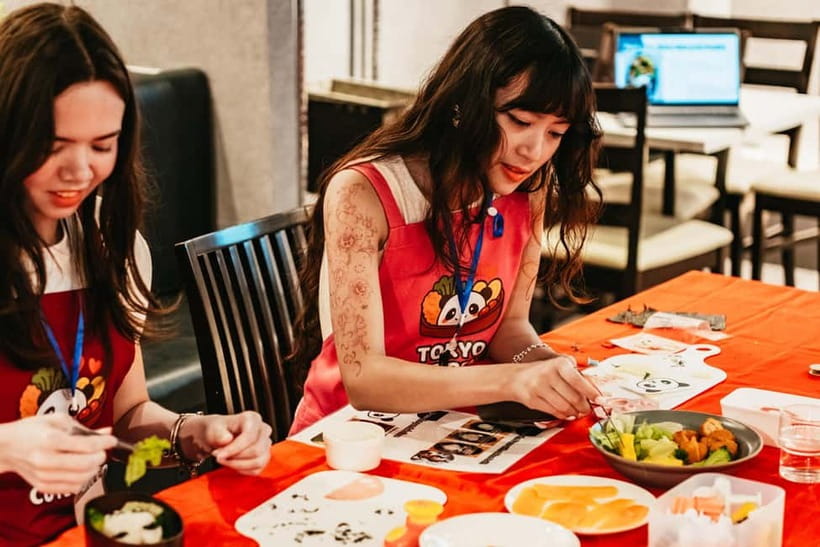
Reviewed · TOKYO TOURS
Tokyo: Kawaii Bento Cooking Class – Cute Character Lunchbox
Character bento turns an ordinary lunch into edible artwork. At Tokyo Cute Bento, you shape rice, arrange side dishes, and add tiny facial details under clear English guidance from instructors including Kenji and Mari. The result is a panda, brown bear, or seasonal design that is meant to be eaten, not just admired.
I like the blend of Japanese food culture and hands-on craft, and I like that beginners and solo participants fit naturally into the class. The huge range of small bento tools also makes the creative work easier than it first appears. The main consideration is safety: children can join, but knives and cooking tools require close supervision, and serious allergies may be difficult to accommodate.
Key points to know before booking
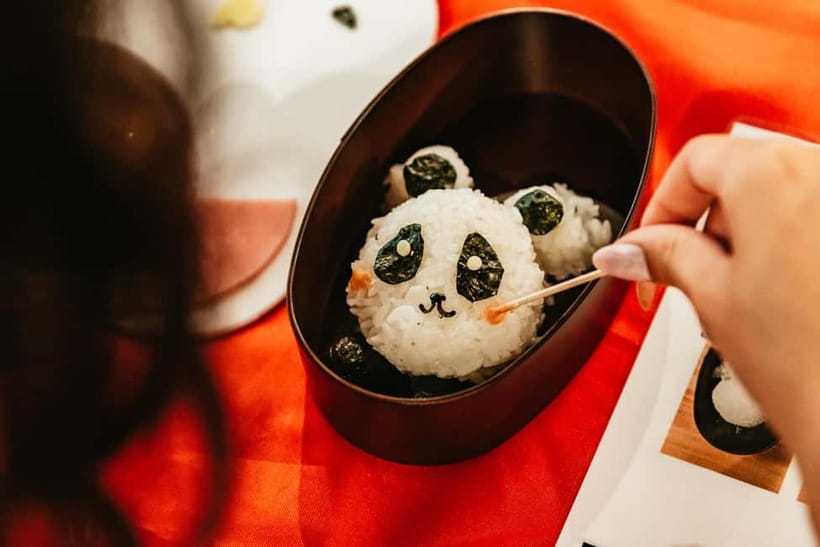
- You make the entire character bento yourself: The class guides you through decorated faces, rice shaping, and side dishes rather than simply handing you a finished lunch.
- Kenji and Mari teach in English: Their patient, step-by-step approach suits children, first-time cooks, and adults who do not consider themselves artistic.
- Choose your character after booking: Options include a panda, brown bear, or seasonal limited-edition bento, with the final choice confirmed by email.
- The two-hour schedule is nicely paced: Allow about 15 minutes for cultural background, 60 minutes for cooking, 15 minutes for photos, and 30 minutes to eat.
- Dietary adjustments need advance notice: Vegetarian and vegan options are available, and some allergies or pork restrictions can be handled with preparation.
- The class works in bad weather: It is indoors, wheelchair accessible, and located near Tameike-Sanno Station, with Exit 7 providing the simplest arrival route.
Why character bento makes a good Tokyo experience
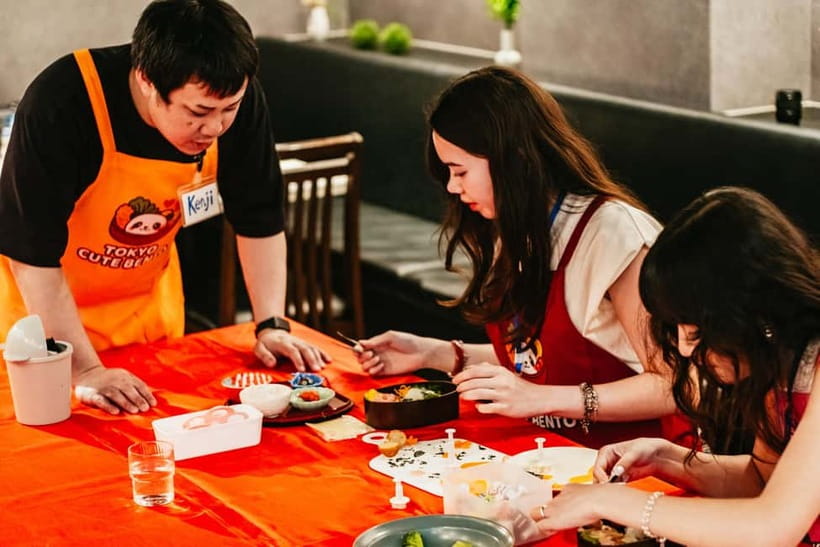
Japan’s bento tradition is practical, but it is also visual. A lunchbox can show care through color, arrangement, and small decorative touches. Character bento takes that idea further, turning rice and side dishes into a friendly face or animal.
That makes this class different from a standard cooking lesson. You are not only learning how to prepare food. You are learning why presentation matters in Japanese food culture, then using that idea with your own hands.
I find the format especially useful for families. Children get a clear project with a visible result, while adults can enjoy the food and the cultural explanation. Teenagers are not left with a childish activity either. The design work feels like a craft project, and the final box gives everyone something to photograph.
Couples and friends can also split the creative work. One person might make a panda while another chooses a different character. Solo participants are welcome, and the workshop has a social setup without requiring you to arrive with a group.
More cooking classes in Tokyo:
- Ramen & Gyoza Cooking Class in Tokyo with Local Supermarket Visit
★ 5.0 · 823 reviews - Tokyo: Easy Ramen Cooking Experience in Kabukicho, Shinjuku
★ 4.6 · 321 reviews - Ramen and Sushi Cooking Class with Sake Pairing Set in Tokyo
★ 5.0 · 291 reviews
Finding the basement studio near Tameike-Sanno
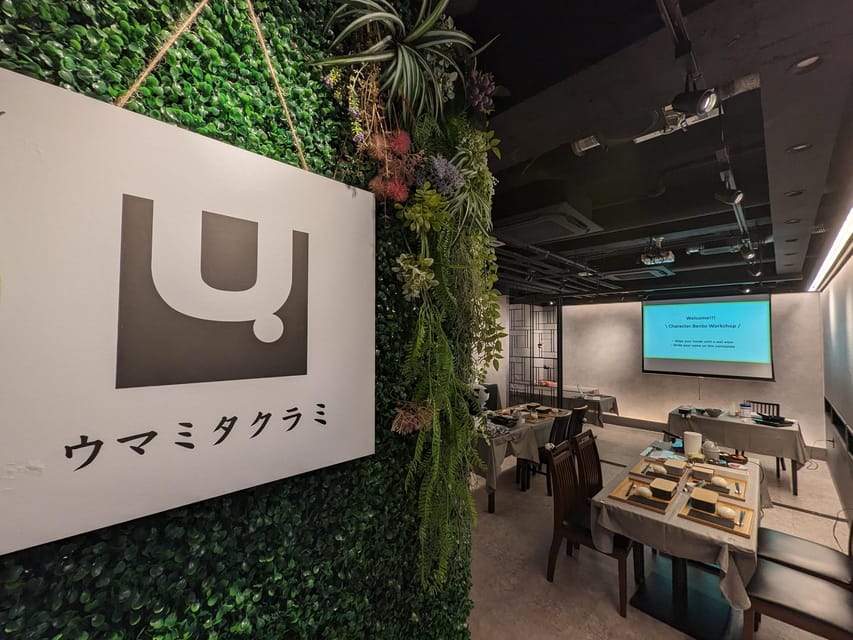
The meeting point is at Tameike-Sanno Station. Use Exit 7, walk straight ahead, and cross the intersection. The building directly in front of you is the correct one, with a panda bento sign serving as the landmark.
The class takes place in the basement, or B1, beneath a ramen shop. That detail matters because the entrance may not look like a large cooking school from the street. Look for the panda sign and go downstairs rather than searching for a separate reception desk.
The activity information also places the workshop within convenient reach of Tokyo Station, Shibuya, and Asakusa. I would still allow a little extra time to find the exact building, especially if you are unfamiliar with the station. Ticket redemption and the class itself happen at the same location.
The indoor setting is a practical advantage. Tokyo heat, rain, or a sudden change in weather will not spoil the plan. The location is also wheelchair accessible, which makes this a more flexible choice than many small food activities.
The first 15 minutes: bento culture before the cooking begins
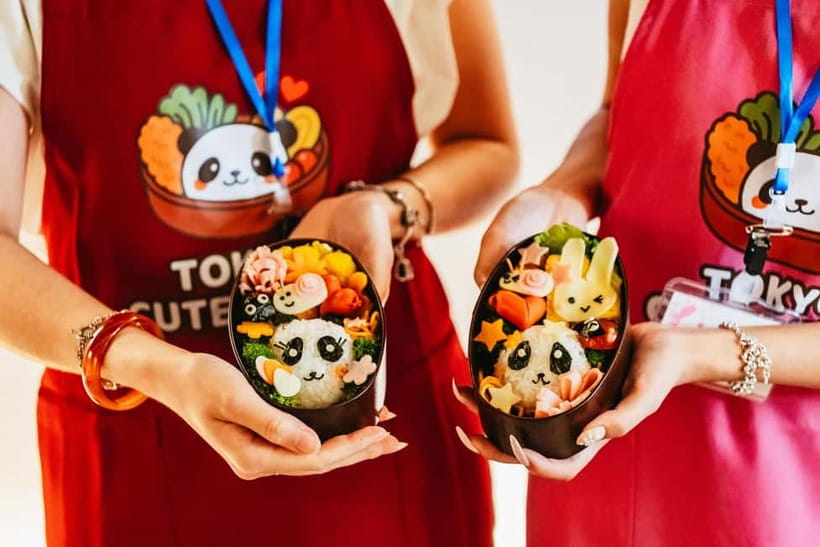
The class opens with about 15 minutes on the role of bento in Japan. This short introduction gives the food a useful context before you start cutting and arranging ingredients.
You learn that bento is more than a container for lunch. Its appeal comes from balance, order, portability, and visual presentation. Those ideas help explain why even a small decorative detail matters in a character box.
I appreciate this opening because it keeps the activity from becoming a simple food craft. You learn the reason behind the arrangement, then see how that principle works in your own box.
The explanation is designed for an English-speaking audience, and the class does not require previous cooking experience. Kenji’s teaching style has been described as patient and clear, while Mari is also praised for guiding each stage carefully. You should expect instruction aimed at beginners, not a technical cooking lecture.
Choosing a panda, brown bear, or seasonal design
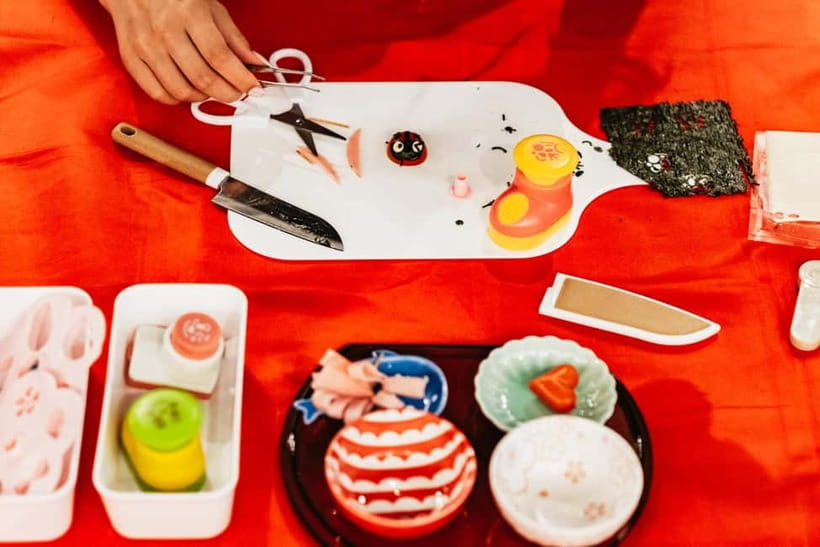
Your character choice is part of the booking process, but the selection is confirmed by email after you reserve. The available designs include a cute panda bento, a brown bear bento, and a seasonal limited-edition option.
This is worth checking before your class. If you have your heart set on a particular character, do not assume the choice is automatic. Reply to the confirmation email and make your preference clear.
The character is built from the food itself. Rice becomes the main shape, while decorated details create the face. Side dishes fill the rest of the box and help give it color and balance.
You do not need to arrive with drawing skills or professional kitchen experience. The instructors demonstrate each stage, and the tools help with small shapes and decorations. Several people who expected the process to be difficult found it easier once the steps were broken down.
That said, this is still a hands-on class. You will need to pay attention to placement and use cooking tools carefully. The cute final result comes from a series of small tasks, not from pressing one button.
More hands-on workshops in Tokyo:
- Sushi Making Tokyo Roll and Authentic Japanese Sushi Class
★ 5.0 · 3,971 reviews - Tokyo: Roll and Authentic Sushi Making Class in Asakusa
★ 4.9 · 1,957 reviews - Tokyo Shinjuku Chopsticks Making Class
★ 5.0 · 1,763 reviews - Tokyo: Sushi Making Class in a Happi Coat near a Famous Spot
★ 4.9 · 1,377 reviews
The 60-minute hands-on bento workshop
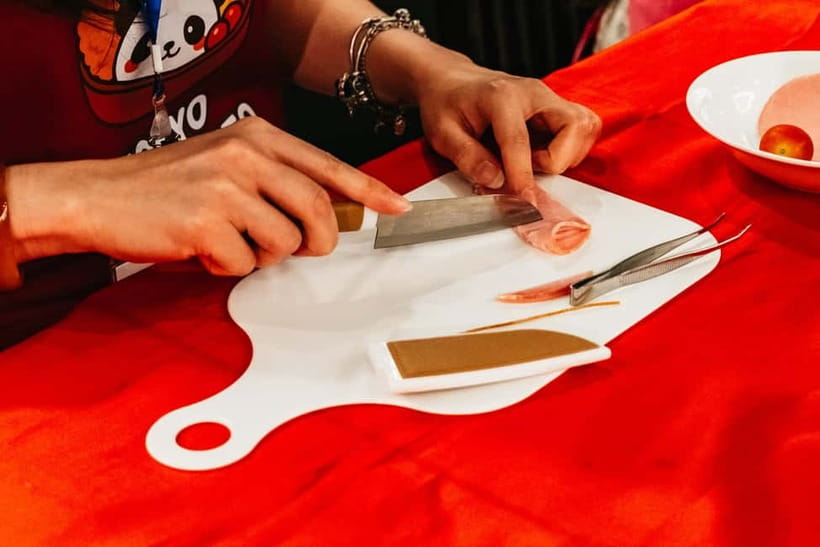
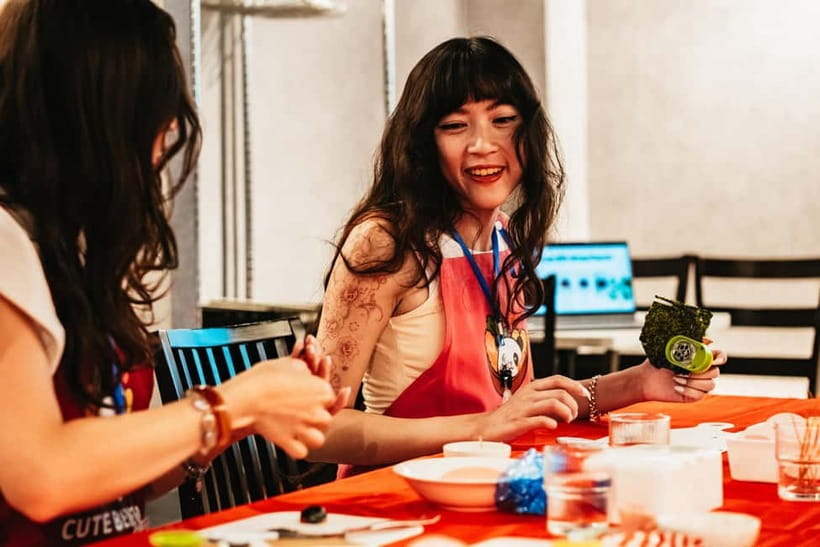
The main cooking section lasts about an hour. You work with the provided ingredients and tools while the instructor leads you through the character design and side dishes.
The large selection of bento-making tools is one of the best practical features. Small cutters and shaping aids give you more ways to form details, and they reduce the pressure on anyone who is not naturally precise. You can focus on the fun parts of the design instead of worrying that every shape must be perfect.
Kenji has been singled out for his warm hosting and careful pacing. Families have found that he adjusts the rhythm well, and children as young as seven have been able to take part with adult supervision. The class is also suitable for adults who want to make something attractive without a long culinary lesson.
The food is not just decoration. You pack a real lunchbox with rice and side dishes, then eat it at the end. The amount can be generous for the size of the container, so do not assume you will leave hungry.
The class may be especially useful if you want to repeat the idea at home. You receive English recipes, and the basic process can be adapted to your own kitchen. You will not take home the class tools, but you will understand how the shapes and arrangements are made. A souvenir after the class adds a small extra reminder of the experience.
Taking photos before the first bite
After the bento is assembled, the schedule allows about 15 minutes for photographs. This is the right moment to capture the character before lunch begins.
The photo session is not a minor detail. The whole point of character bento is its appearance, and the box may be the most memorable visual record of your class. If you are with children or friends, this also gives everyone a natural end point before the food is opened.
I would take a few photos from above and at table level if the setup allows it. The exact photography arrangement is not specified, so follow the instructor’s direction. The important thing is to photograph the box while the details are fresh and neatly arranged.
Some participants have carried their finished bento to a park for a picnic, including Shinjuku Gyo-en. The class itself includes time to enjoy the meal, so taking it elsewhere would be an optional plan rather than part of the standard schedule.
Eating your creation for the final 30 minutes
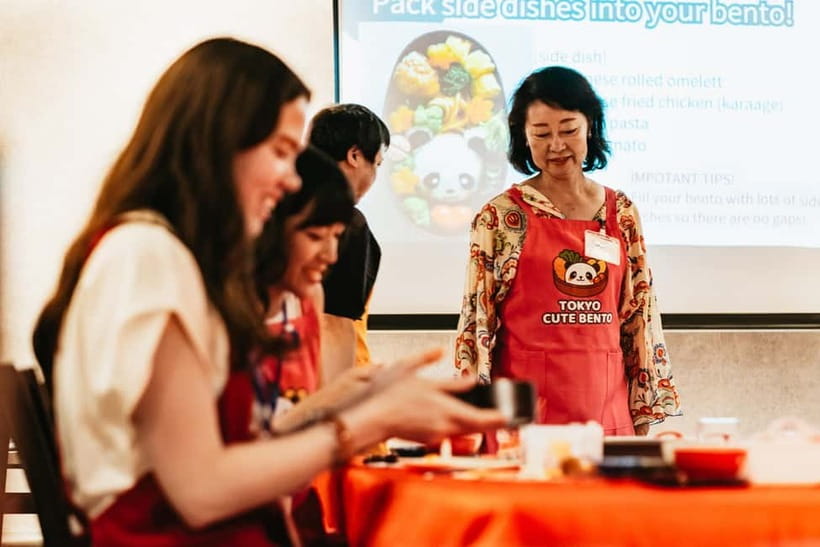
The final half hour is set aside to eat the bento. This gives the class a relaxed finish instead of sending you out immediately after the craft work.
There is a simple pleasure in eating something you have just arranged yourself. You can see how presentation changes the feel of familiar ingredients, and you get a chance to taste the side dishes rather than treating the box as a display.
Food preferences should be discussed before arrival. Vegetarian and vegan options are available, and the kitchen may adjust ingredients for needs such as pork restrictions. One participant had pork replaced in advance, and another group received specially prepared ingredients for dietary requirements.
Do not wait until the class starts to mention restrictions. The provider asks you to give details at booking, and advance notice is particularly important for substitutions.
Dietary needs and food safety
The kitchen uses common allergens, including seafood, soy, and sesame. If you have a severe food allergy, this activity may not be suitable. The provider may be able to adjust the ingredients with advance notice, but you should not assume that every cross-contact concern can be removed.
Strict dietary requirements may also be difficult to meet in full. Vegetarian and vegan options are listed, but you should explain exactly what you can and cannot eat before booking.
Children are welcome, but knives and other cooking tools are used during the class. Parents or guardians need to supervise younger children. This is not a drop-off activity.
For families, that safety point is manageable if an adult stays involved. It also means the workshop may work better for children who can follow instructions and handle a structured activity, rather than very young children who need constant hands-on help.
The value of the $64 price
At $64 per person, this is not the cheapest meal you can buy in Tokyo. That is not really the right comparison.
The price includes a two-hour English-language class, ingredients, tools, cultural instruction, the finished meal, photography, English recipes, and a souvenir. You are paying for a guided activity as well as lunch, and the value improves if you want a memorable cultural experience rather than another restaurant stop.
Families should remember that each participating person has a separate price. The upside is that everyone gets to make an individual character bento rather than watching one person cook.
Couples and friends also get a shared activity with a clear result. Solo participants receive the same instruction and are not excluded by the format. If you enjoy food crafts, Japanese design, or practical experiences you can repeat at home, the fee is easier to justify.
The possible weak point is simple: if you only want to eat a bento, buying one from a shop will cost less and take less time. Book this class for the making, cultural explanation, photos, and social experience.
Who will enjoy the two-hour format most
I would recommend this class most strongly to:
- Families with children who can follow safety instructions
- Couples looking for a playful indoor activity
- Friends who enjoy food, crafts, and taking photos
- Solo participants who want a guided cultural activity
- First-time cooks who prefer clear demonstrations
- People interested in recreating character bento at home
The class is also a sensible rainy-day or hot-weather plan. Its two-hour length fits neatly between other Tokyo activities, and the timetable is structured without feeling like a full-day commitment.
It may be less suitable if you have severe allergies, highly restrictive food requirements, or no interest in handling ingredients and tools. The food is part of the experience, but so is the preparation.
Booking, timing, and optional add-ons
The starting time depends on availability, so check the schedule before choosing your day. The standard class lasts two hours.
Two limited-time add-ons may be available if requested in advance. A 30-minute advanced side-dish preparation session takes place before the workshop, while a 30-minute Akasaka tour follows it. These are not automatic parts of the class, so ask for them when booking.
You can cancel up to 24 hours ahead for a full refund. A reserve-now, pay-later option is also available, which helps if your Tokyo plans are still shifting.
Since dietary requests and add-ons both need advance notice, booking early gives you the best chance of arranging the experience you want.
Should you book Tokyo Cute Bento?
Book it if you want to do something with your hands, learn a small but meaningful part of Japanese food culture, and leave with a meal you made yourself. The strongest reasons are the patient English instruction, the generous collection of shaping tools, and the fact that beginners consistently receive enough help to make a cute result.
I would choose it for a family day, a light couple’s activity, or a solo morning that feels more personal than sightseeing from a train window. Kenji’s friendly teaching and Mari’s careful guidance suit people who want structure without a stiff classroom mood.
Skip it if your main goal is simply a cheap lunch, or if severe allergies make a shared food-preparation setting risky. For everyone else, $64 buys more than a bento. It buys a practical lesson, a cultural story, a photo-ready creation, and a fun memory you can try again at home.
FAQ
How long does the Tokyo Kawaii Bento Cooking Class last?
The class lasts two hours. The approximate schedule includes 15 minutes of bento culture, 60 minutes of hands-on preparation, 15 minutes for photography, and 30 minutes to eat.
Where does the class meet?
Meet at Tameike-Sanno Station, Exit 7. Walk straight ahead, cross the intersection, and enter the building directly in front of you. Look for the panda bento sign. The workshop is in the basement, beneath a ramen shop.
Is the class taught in English?
Yes. English-speaking instruction is included, along with English recipes.
Do I need cooking experience?
No prior cooking experience is needed. The instructors guide you through each step.
Can children join the workshop?
Yes, children are welcome. Knives and other cooking tools are used, so parents or guardians should supervise younger participants.
Which character bento can I make?
You can choose a panda, a brown bear, or a seasonal limited-edition bento. Your choice is confirmed by email after booking.
Can vegetarian or vegan participants join?
Vegetarian and vegan options are available. Tell the provider about your dietary needs when booking so adjustments can be considered in advance.
What if I have a severe food allergy?
The activity uses common allergens such as seafood, soy, and sesame. It may not be suitable for people with severe allergies, though adjustments may be possible with advance notice.
Is the activity wheelchair accessible?
Yes, the activity is listed as wheelchair accessible.
Just added around Tokyo
- Private Arrival Transfer : Narita International Airport to Central Tokyo City★ 4.5 · 12 reviews
- Narita Airport(NRT): Private Transfer to Tokyo/Yokohama 1-9pax★ 5.0 · 47 reviews
- Private Transfer from Narita Airport to Yokohama Port and City★ 4.5 · 17 reviews
- [Narita Airport Terminals 1, 2] 40-60km Sawara Itako Historic Bike Tour★ 5.0 · 13 reviews
- 3 Day Japan Highlights Tour: Tokyo, Mt.Fuji, Nara, Kyoto, Osaka★ 5.0 · 22 reviews
- Small Town in the Big City: Tasting Tokyo’s Kichijoji★ 5.0 · 195 reviews
- Small Town in the Big City: Tasting Tokyo’s Kichijoji★ 5.0 · 16 reviews
- The 10 Tastings of Tokyo With Locals: Private Street Food Tour★ 5.0 · 48 reviews
Tokyo Tours, compared.

Mt Fuji and Hakone 1-Day Bus Tour Return by Bullet Train
Read our review →

teamLab Planets TOKYO Digital Art Museum Entry Ticket
Read our review →
Mt Fuji & Hakone Cruise, Drum Show Bullet Train 1 Day from Tokyo
Read our review →
Sumo Show Experience with Chicken Hot Pot and a Photo
Read our review →
Shinjuku Food Tour (13 Dishes at 4 Local Eateries)
Read our review →
Tokyo Mt Fuji 5th St & Hakone Cruise Bus Tour w/Bullet Train
Read our review →
Flagship 2-Hours Official Street Go-Kart Tour – Tokyo Bay Shop
Read our review →Browse the lists this tour appears in