
Reviewed · TOKYO TOURS
Tokyo: Sumo Show and Dining Experience
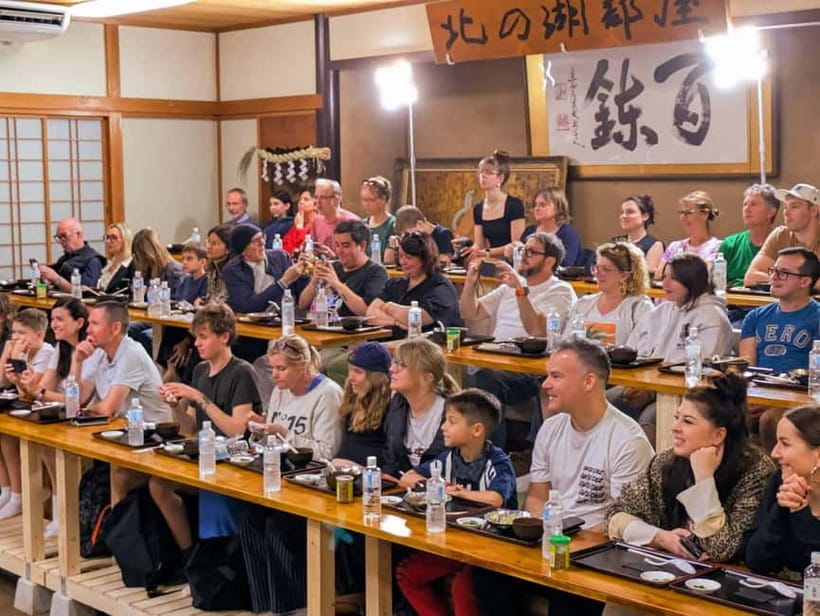
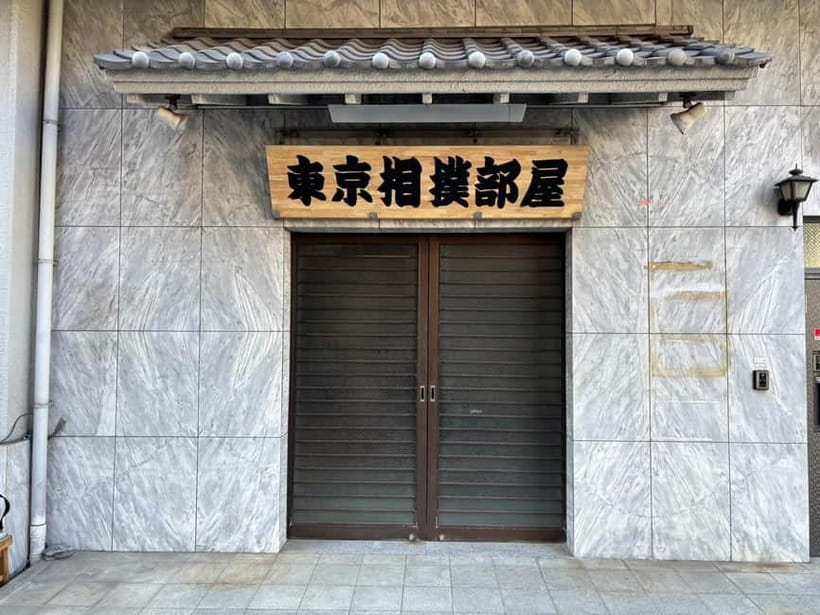
Tokyo Sumo Room puts you close to the action without the long wait for a tournament ticket. Former Makuuchi wrestler Tokitsumi operates this small venue in Kiyosumi-Shirakawa, where former rikishi demonstrate sumo, explain its rules, and invite willing members of the audience into the ring. I especially like the clear English presentation and the chance to see the sport as a demanding physical discipline, not just a comic spectacle. The chanko-style food and warm, informal atmosphere add real value.
The main thing to watch is the meal option. Food is offered with the 11:00 AM and 7:00 PM shows, but not with the 3:00 PM show, and the exact booking label can be confusing. Check what your selected time includes before paying. The event lasts about 90 minutes to two hours, so it fits neatly into a Tokyo day, though the show is more entertainment than a formal professional tournament.
Key points at a glance
- Former Makuuchi wrestler Tokitsumi runs the venue: You get an experience shaped by people who know sumo from the inside.
- The action happens close to your table: Demonstrations, practice, and playful contests bring the ring within easy view.
- English makes the sport easy to follow: The host explains history, rules, training, and the meaning behind the rituals.
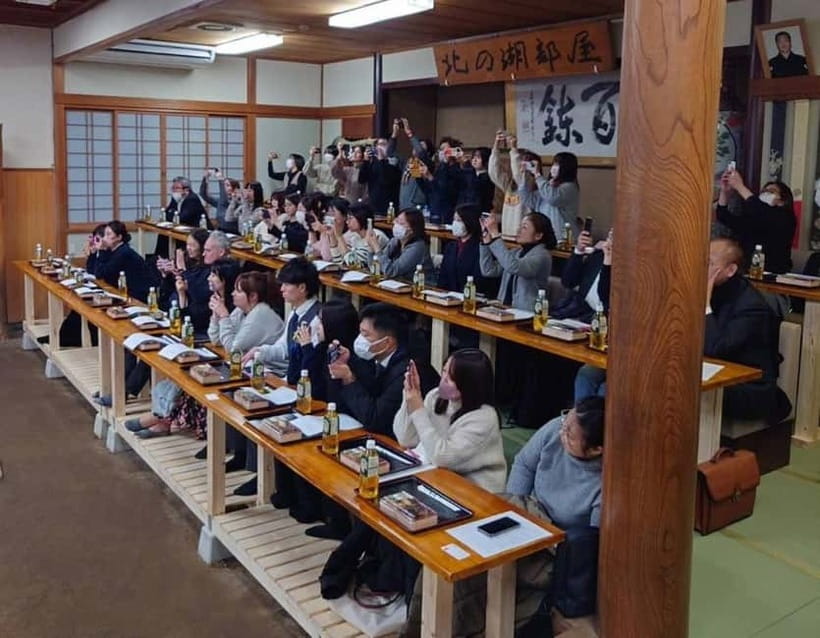
- Audience participation is a major part of the fun: You may practice with or challenge a former wrestler if you choose.
- Chanko-style food adds substance: Meal plans at the 11:00 AM and 7:00 PM shows include Japanese dishes inspired by wrestlers’ traditional hot pot.
- Kiyosumi-Shirakawa is easy to reach by public transport: Plan your route in advance and arrive ready for a compact, active cultural show.
Why this small sumo room works so well
Professional sumo tournaments are held during set periods and can be difficult to fit into a short Tokyo visit. Tickets may also be hard to secure. Tokyo Sumo Room offers a simpler way to understand the sport on an ordinary day, with no need to plan your trip around the tournament calendar.
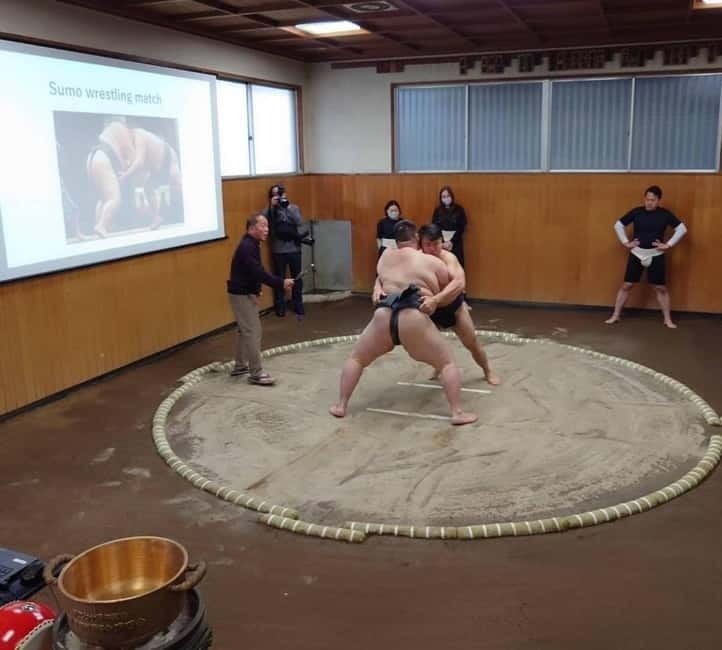
The setting is small enough to make the demonstrations feel immediate. You are not watching distant figures across a large arena. You see the wrestlers’ footwork, balance, force, and preparation at close range. That matters because sumo can look simple from a distance: two large athletes push, pull, and try to force each other out. The presentation helps you see the timing and technique behind those few explosive seconds.
I also like that the show is run by people connected to sumo itself. The tone is friendly and relaxed, but the athletic work is taken seriously. The humor makes the sport approachable for children and first-time viewers, while the explanations give adults enough context to appreciate what they are seeing.
The atmosphere is not solemn. Expect laughter, audience interaction, and playful moments between the wrestlers and the host. If you want a quiet lecture on Japanese sporting tradition, this is not that. If you want a useful introduction with a good chance of laughing along, it is a strong fit.
More Sumo Experiences in Tokyo
- Tokyo: Sumo Show Experience with Chicken Hot Pot and a Photo
★ 4.8 · 6,678 reviews - the SUMO show
★ 5.0 · 1,960 reviews - Tokyo Shinjuku Sumo Show & Experience with Photo
★ 5.0 · 1,750 reviews
The opening presentation explains more than the rules
The event begins with an English-speaking host introducing sumo and its place in Japanese culture. You learn the basic rules and get a short account of how the sport developed, along with an explanation of the training and customs that shape a wrestler’s life.
This opening is important because it gives the demonstrations a framework. You learn what counts as victory, why wrestlers use certain movements, and how the ring shapes the contest. The host also explains the physical preparation that goes into the sport, including practice movements and strength work.
The English is a major advantage for international visitors. You do not have to rely on guessing from gestures or reading a translated sheet. The host’s energy keeps the explanation moving, and the presentation is short enough that younger children are unlikely to lose patience.
Still, this is an introduction rather than a full academic lesson. The history section is designed to prepare you for the performance, not replace a book or a visit to a sumo museum. I find that balance sensible for a dining show. You receive enough background to understand the action, then get to see the wrestlers demonstrate it.
Watch the wrestlers practice before the contests
After the introduction, the former rikishi show elements of their training and sumo technique. This is one of the most useful parts for anyone who has only seen sumo on television or in photographs.
You can watch how much control is required to move a heavy body quickly and safely. The wrestlers demonstrate force, balance, and the basic physical demands of the sport. Their size is striking, but the real lesson is that sumo is not simply about being the biggest person in the ring.
The demonstrations also help explain why a bout can end so quickly. A wrestler needs to read the opponent, keep a strong stance, and use the right movement at exactly the right time. At close range, you can better appreciate the speed hidden inside the sport’s short matches.
The show may feature two or three former wrestlers, depending on the session. One reported evening had two wrestlers and a group of only eight people, while another session included three former wrestlers. Group size can vary, but the venue can accommodate more than a very small private gathering, so do not expect every session to feel identical.
The bouts bring real athletic power to the room
The contests are demonstrations rather than official tournament matches. That distinction is worth keeping clear. You are not watching a live professional bout from the Japan Sumo Association’s top division, but you are seeing experienced former wrestlers use the ring, explain the mechanics, and show why the sport demands so much strength.
The energy rises once the wrestlers face one another. The host adds humor and commentary, and the matches give you a visual break from the spoken explanation. The format keeps the show moving and gives the audience several chances to see different movements.
I like the contrast between the playful mood and the obvious effort involved. The wrestlers joke with one another and the audience, yet their physical ability is impressive. You may leave with a better sense of sumo as an extreme workout, not just a traditional performance.
Some people may find the contests too staged if they expect hard-fought competitive sumo. That is a fair criticism. The value here is access and explanation. You see the athletes close up, learn what they are doing, and enjoy a social show built around the sport.
More sumo mornings and shows:
- Tokyo: Sumo Show and Experience in Shinjuku
★ 4.8 · 1,001 reviews - Tokyo: Sumo Tournament Tour with Chair Seat Tickets
★ 4.6 · 753 reviews - Tokyo:Luxury Sumo Show Experience & Japanese cuisine & Drink
★ 4.7 · 577 reviews - Tokyo: Sumo Morning Practice Viewing Tour
★ 4.8 · 570 reviews
The best part may be stepping into the ring
Audience participation is optional, but it is a major reason to book this rather than simply watch a video about sumo. During the interactive portion, willing participants can practice with a wrestler or attempt a playful match.
You do not need to be an athlete. The point is to feel the difference in weight, balance, and strength. Even a brief push against a former sumo wrestler can show you how little ordinary size or effort means against someone trained for this sport.
Several parts of the evening are designed to make participation comfortable. The wrestlers guide the activity, and the tone is light. Children can enjoy watching parents or other adults take part, while more confident visitors can volunteer themselves.
Bring comfortable shoes, and think carefully before joining if you have mobility or health concerns. The venue is wheelchair accessible, but the activity itself involves physical movement. You can enjoy the show without entering the ring.
A camera is also worth bringing. The setting is close and interactive, and the staff may be able to help capture the moment. One particularly thoughtful touch described by a participant was the owners charging phones and recording a sumo challenge. That may not happen in exactly the same way every time, but a charged phone is a useful idea.
Chanko-style food makes the evening more than a show
The meal option adds a welcome Japanese food component. Dishes are designed to complement the sumo theme, with hearty food inspired by chankonabe, the hot pot traditionally associated with sumo wrestlers.
Chankonabe is often described as wrestlers’ food because it can provide a filling communal meal. Here, the dish gives you a taste of the food culture linked to sumo rather than an unrelated restaurant dinner. Some meals include hot pot, seasonal items, and additional Japanese dishes.
The portions appear generous enough for hungry diners, and seconds may be available. Sake can also be ordered with the meal, according to the experience details provided by the venue. Vegetarian options are available if requested, and the food can also be modified on the day.
Do not assume that every show includes dinner. The 11:00 AM and 7:00 PM shows have meal options, while the 3:00 PM show has no meal plan. The booking choices may use similar wording, so read the exact selection carefully. If food is important to your plans, confirm the meal inclusion rather than relying on the general activity title.
For a group, the meal helps the experience feel like a shared outing rather than a short stage act. Families can eat while listening, and the food creates time for conversation before or after the interactive portion.
Kiyosumi-Shirakawa gives you a different Tokyo address
Tokyo Sumo Room is in Kiyosumi-Shirakawa, a district that is easy to reach by public transport. Transportation is not included, so you need to plan your own route and allow enough time to find the venue.
The location also gives this activity a useful place in a Tokyo itinerary. It is not tied to the main sightseeing cluster around Asakusa, Shibuya, or Shinjuku. You can make it part of a day exploring eastern Tokyo, then continue to dinner or return to your hotel after the evening show.
Because the event runs for about 90 minutes to two hours, it does not consume an entire day. The 3:00 PM session can fill a gap between daytime sightseeing and dinner, while the 7:00 PM show works as a complete evening plan if you select the meal option.
Book ahead, especially if you have a fixed travel schedule or want a particular showtime. The venue is popular, and its small-room format means spaces can fill even though the activity is shorter than a full theater performance.
How much value do you get for $79?
At $79 per person, this is not the cheapest cultural activity in Tokyo. You are paying for more than a meal, though. The price covers the sumo performance, the English presentation, access to former wrestlers, and the possibility of taking part in the ring.
The value is strongest if you would otherwise struggle to see sumo during an official tournament. You receive a direct introduction to a sport that can be difficult to understand from television alone, plus a meal on the appropriate package.
Families may find the price easier to justify because the event serves several purposes at once. It is a show, a short cultural lesson, a meal, and an interactive activity. The format also works for mixed-age groups, including children and older relatives who may not want a long walking tour.
The value is weaker if you only want a formal athletic contest or a quiet Japanese dinner. This is a hosted entertainment experience, with jokes, audience participation, and a planned demonstration. You are paying for access and interaction rather than a seat at a professional tournament.
Check the meal wording before comparing prices with other Tokyo activities. A $79 package with food offers a different value from a show-only ticket, and the 3:00 PM option should be treated as a separate product.
Who will enjoy Tokyo Sumo Room most?
I would recommend this for first-time visitors who want a clear introduction to sumo without building an entire day around it. The English explanations remove much of the confusion, and the interactive part gives you a memory that a standard talk cannot provide.
It is particularly good for families. Children can watch the wrestlers demonstrate their strength, learn a few simple rules, and see an adult volunteer enter the ring. Groups of several generations can share the meal and activity without needing special knowledge of Japanese sport.
It also suits solo visitors. The atmosphere is social, and the staff make an effort to include people who arrive alone. You do not need to bring a large group to enjoy the show.
Sumo fans may appreciate the access to former wrestlers, though they should set expectations correctly. This is not a substitute for a tournament day at Ryogoku Kokugikan. It is a closer, more relaxed look at the sport, shaped for visitors who want explanation and participation.
People with strict dietary needs should contact the venue or request a vegetarian option in advance. Vegetarian modifications are available, but the supplied information does not list every ingredient or guarantee accommodation for all allergies.
Small practical details that matter
The venue is wheelchair accessible, which makes the show possible for a wider range of visitors. That does not mean every part of the optional wrestling activity will suit every person, so participate only if you feel comfortable.
Wear comfortable shoes. You may sit through much of the event, but the activity can involve standing and movement. Smoking is not allowed, including indoors.
The listed instructor language is English. That makes the history and rules easier to follow, though the experience remains rooted in Japanese customs and food. Bring a camera, but keep it ready for short moments rather than expecting a long staged photo session.
Cancellation is free up to 24 hours before the activity for a full refund, and you can reserve now and pay later. Those terms are useful if your Tokyo schedule is still changing, but always check the conditions attached to the exact booking time you select.
Should you book it?
Book Tokyo Sumo Room if you want close-up access, a friendly English introduction, and a chance to test your strength against a former wrestler. The food package makes the 7:00 PM show especially practical for a family evening, while the 3:00 PM show suits people who want the activity without dinner.
Skip it if your main goal is to watch official competitive sumo or enjoy a quiet meal with no audience participation. For most first-time visitors, though, the $79 price is reasonable because the event combines sport, culture, food, and humor in one compact visit. Just confirm the meal option, arrive by public transport, and volunteer for the ring if you are willing.
FAQ
Where is Tokyo Sumo Room located?
Tokyo Sumo Room is located in Kiyosumi-Shirakawa in Tokyo, on Honshu. The venue is accessible by public transport.
How long does the sumo experience last?
The activity lasts about 90 minutes to two hours. The exact duration can vary with the show format and participation.
How much does the experience cost?
The listed price is $79 per person.
Is food included with every show?
No. Japanese cuisine is included with the meal option for the 11:00 AM and 7:00 PM shows. The 3:00 PM show does not have a meal plan.
Can I participate in sumo activities?
Yes. Optional authentic training and audience participation are available. You may have the chance to practice with or challenge a former sumo wrestler.
Is the experience conducted in English?
Yes. English is listed as the instructor language, and the host explains sumo history, rules, and traditions in English.
Are vegetarian meals available?
Yes. Vegetarian options can be requested in advance and may also be modified on the day of your visit.
Is the venue wheelchair accessible?
Yes. Tokyo Sumo Room is wheelchair accessible. The optional physical participation may not suit every visitor, so you can choose to watch instead.
More Places to Eat in Tokyo
- Tokyo: Samurai Restaurant Show Ticket with 2 Drinks
★ 4.5 · 1,307 reviews - Tokyo Dinner Cruise & Tradition Show & Drinks & Tokyo Tower
★ 4.7 · 315 reviews - Tokyo Bay: Traditional Japanese Yakatabune Dinner Cruise
★ 4.7 · 243 reviews - Professional Ramen & Gyoza with Ramen Chef in a restaurant!
★ 5.0 · 223 reviews
More Dinners Out in Tokyo
- Tokyo Bar Hopping Tour in Shinjuku (All-You-Can-Drink + Dinner)
★ 5.0 · 3,587 reviews - Sumida River: Japanese Traditional Yakatabune Dinner Cruise
★ 4.6 · 779 reviews - Tokyo Bay Yakatabune Dinner/Day Cruise with Japan Show and Drinks
★ 4.5 · 473 reviews - Tokyo: Shinjuku Bar Hopping with All-You-Can-Drink & Dinner
★ 4.9 · 440 reviews
Just added around Tokyo
- Private Transfer from Narita Airport to Yokohama Port and City★ 4.5 · 17 reviews
- Private Arrival Transfer : Narita International Airport to Central Tokyo City★ 4.5 · 12 reviews
- Narita Airport(NRT): Private Transfer to Tokyo/Yokohama 1-9pax★ 5.0 · 47 reviews
- [Narita Airport Terminals 1, 2] 40-60km Sawara Itako Historic Bike Tour★ 5.0 · 13 reviews
- 3 Day Japan Highlights Tour: Tokyo, Mt.Fuji, Nara, Kyoto, Osaka★ 5.0 · 22 reviews
- Small Town in the Big City: Tasting Tokyo’s Kichijoji★ 5.0 · 195 reviews
- Small Town in the Big City: Tasting Tokyo’s Kichijoji★ 5.0 · 16 reviews
- The 10 Tastings of Tokyo With Locals: Private Street Food Tour★ 5.0 · 48 reviews
Tokyo Tours, compared.

Mt Fuji and Hakone 1-Day Bus Tour Return by Bullet Train
Read our review →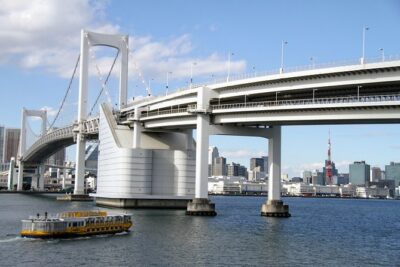
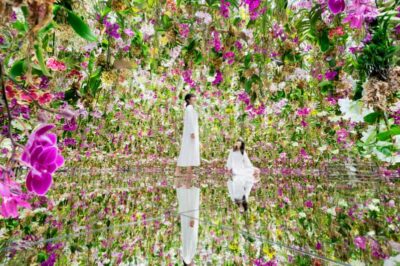
teamLab Planets TOKYO Digital Art Museum Entry Ticket
Read our review →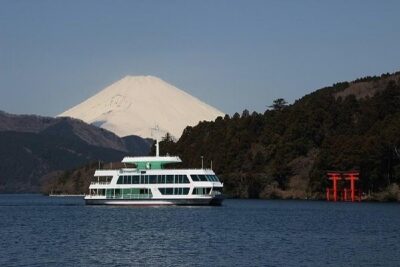
Mt Fuji & Hakone Cruise, Drum Show Bullet Train 1 Day from Tokyo
Read our review →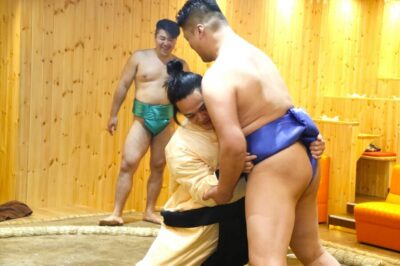
Sumo Show Experience with Chicken Hot Pot and a Photo
Read our review →
Shinjuku Food Tour (13 Dishes at 4 Local Eateries)
Read our review →
Tokyo Mt Fuji 5th St & Hakone Cruise Bus Tour w/Bullet Train
Read our review →
Flagship 2-Hours Official Street Go-Kart Tour – Tokyo Bay Shop
Read our review →Browse the lists this tour appears in