
Reviewed · KAMAKURA TOURS
Exciting Kamakura – One Day Tour from Tokyo
Kamakura packs a former shogun capital, giant bronze Buddha, hillside temple, bamboo grove, and seaside views into one rewarding day from Tokyo. The private format matters here: your guide can help with trains, local buses, temple customs, lunch, and questions as you go.
I like the hotel pickup and the direct help with Tokyo’s rail system. I also like the carefully chosen route, especially Hase-dera’s ocean view and Hokoku-ji’s quiet bamboo grove. The catch is simple: this is an active day with many steps, public transportation, and separate entrance fees.
Key points to know
- A private day with local guides: Guides including Akira, Yumi, Yoshi, and Kono-san have led this route, with personal attention rather than a large bus group.
- Four major Kamakura sights: You visit Kotoku-in, Hase-dera, Hokoku-ji, and Tsurugaoka Hachimangu.
- Public transportation is part of the experience: The guide meets you at your Tokyo hotel and helps with trains and local buses, but transportation costs are extra.
- Hase-dera changes with the season: June and July can bring impressive hydrangea displays, along with ocean views, gardens, statues, and a cave shrine.
- Expect a full walking day: You need moderate fitness, and the schedule can feel demanding if you move slowly or need frequent breaks.
- Good help for first-time Japan visitors: A guide can make train transfers, temple visits, lunch, and local navigation far easier.
Why Kamakura makes a strong day trip from Tokyo
Kamakura gives you a sharp change of pace from Tokyo. The city was Japan’s political center from the 12th through the 14th centuries, when warrior rule shaped the country. Today, its temples, shrine, gardens, old streets, and coastal setting make it one of the most useful day trips for a first visit to Japan.
The problem is choosing what to see. Kamakura has enough religious sites and small streets to fill several days. This tour solves that problem with a practical shortlist: the Great Buddha, Hase-dera, Hokoku-ji, and Tsurugaoka Hachimangu.
The tour lasts about eight and a half hours, beginning at 9:00 in the morning. You meet your guide in your hotel lobby. The guide then helps you make your way to Kamakura by train and handles local bus or rail connections once you arrive.
Do not picture a private car waiting downstairs. The tour is private because only your party participates, but the transportation is public. That distinction matters. You get personal guidance, not a chauffeur.
The tour has a 4.9 rating based on 40 ratings, with 98 percent recommending it. The strongest pattern is clear: people value the guides’ patience, local knowledge, help with trains, and ability to keep a busy day moving.
A few more Kamakura half-days to weigh up
- Tokyo: Kamakura & Enoshima Day Trip including Temple Tickets
★ 4.5 · 1,375 reviews - From Tokyo: Kamakura & Enoshima 1-Day Bus Tour
★ 4.5 · 189 reviews - Mt Fuji and Hakone 1-Day Bus Tour Return by Bullet Train
★ 5.0 · 26,383 reviews
Hotel pickup and the Tokyo train challenge
Starting in your hotel lobby is one of the best features. You do not need to find a distant meeting point or work out the first train connection alone. Guides such as Yoshi, Yumi, Akira, and Kono-san have been praised for arriving on time and helping with the route.
For a first visit to Tokyo, the station system can feel like a project before the sightseeing even begins. One guide helped a group handle their Pasmo cards, while another prepared a typed itinerary before departure. That kind of practical support can save time and reduce stress.
The listed transportation cost is about 2,720 yen per person, and it is not included in the tour price. You should also plan for train and local bus travel rather than expecting all movement to happen on foot or in a private vehicle.
The ride to Kamakura can take roughly an hour or longer depending on the route and connections. One account described the full trip as about an hour and a half. Your exact timing will depend on your hotel and the day’s transport conditions.
Your guide’s ability with English can affect the experience. Many guides, including Akira and Yumi, were praised for clear explanations and easy communication. One lower-rated experience involved a language barrier, while another guide was described as walking too fast and giving a set speech without leaving much room for questions. I would contact the operator in advance if detailed English explanations are important to you.
Kotoku-in and the Great Buddha
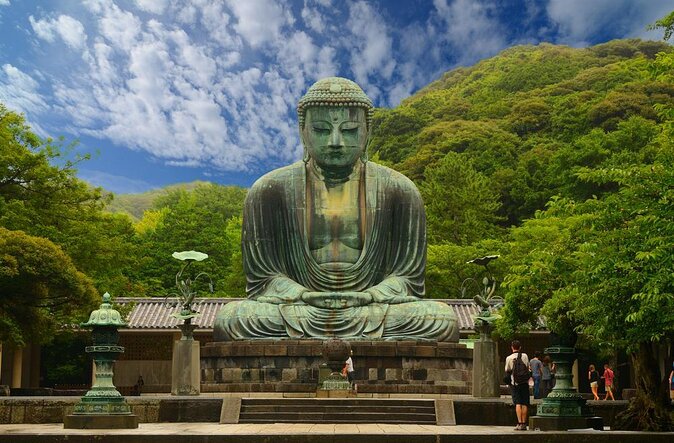
The first major stop is Kotoku-in, home of Kamakura’s famous Great Buddha. The bronze statue dates from the 13th century and is the city’s most recognizable sight.
You get about an hour here. That is enough time to see the statue, hear about its place in Kamakura’s religious and political past, and take photographs without treating the stop as a rushed photo call.
A special feature is the chance to enter the Buddha. The interior is confined, so skip that part if you are uncomfortable in tight spaces. This small detail can make a big difference for families or anyone who dislikes enclosed areas.
The advertised entrance information is not fully consistent. The itinerary lists 300 yen, while the separate cost information lists 1,100 yen per person. Since admission is not included, check the current fee before booking and carry enough yen for the day.
The Great Buddha is an excellent opening stop because it gives you an immediate sense of Kamakura’s scale and identity. It is also a relatively straightforward place to orient yourself before moving into temple grounds, gardens, and shrine paths.
Hase-dera’s garden, cave, and coastal view
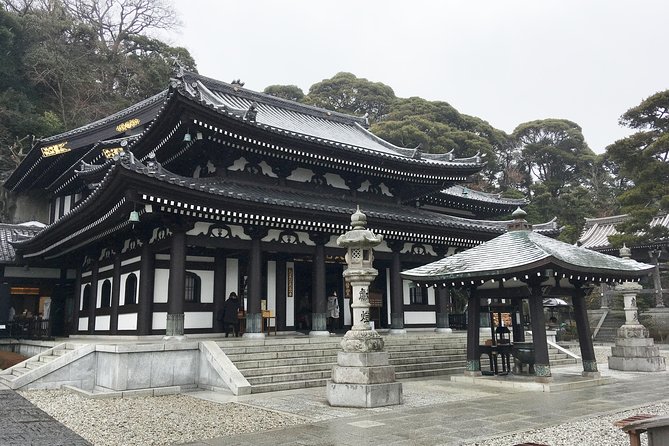
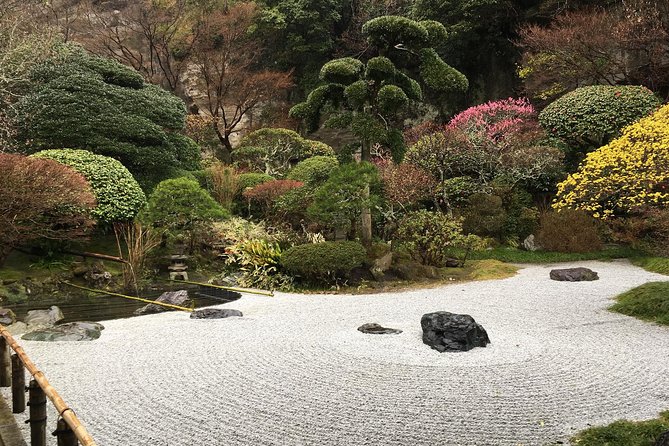
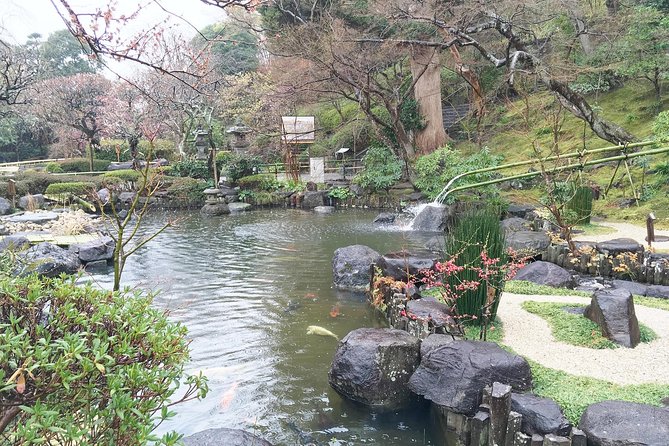
Hase-dera is likely to be the most varied stop. The temple includes a Japanese garden, Buddhist statues, a distinctive cave shrine, and a hillside view toward the Pacific Ocean. You have about an hour here.
The temple is associated with Kannon, the Buddhist figure of compassion. One guide also helped arrange a Buddhist vegetarian meal with a broad view across Kamakura, although lunch is not specified as a formal included part of this tour. Your guide may suggest a restaurant, and past guides have helped with dietary needs, including finding food for a visitor with celiac disease.
Hase-dera is especially attractive in June and July, when hydrangeas can fill the hillside with color. A June visit may be one of the prettiest times to take this tour, but seasonal flowers are never guaranteed. The garden and ocean view still give the stop value outside hydrangea season.
You should expect stairs and uphill walking. Hase-dera is not a flat museum visit. Wear shoes with good grip, keep water handy, and do not assume you can cover every corner at the same pace as your guide.
I like this stop because it offers more than one kind of sight. You get religious art, plants, a cave, city views, and the sea. If your ideal day trip includes variety rather than a chain of similar temple halls, Hase-dera earns its place.
Admission is listed separately at 400 yen per person.
Same base, a completely different sort of day:
- Kamakura Historical Walking Tour with the Great Buddha
★ 5.0 · 129 reviews - Kamakura Private Tour: Temples, Nature, and the Great Buddha
★ 5.0 · 121 reviews - Kamakura Walking Tour – The City of Shogun
★ 5.0 · 100 reviews - Kamakura 4hr Private Trip with Government-Licensed Guide
★ 5.0 · 58 reviews
Hokoku-ji and the small bamboo grove
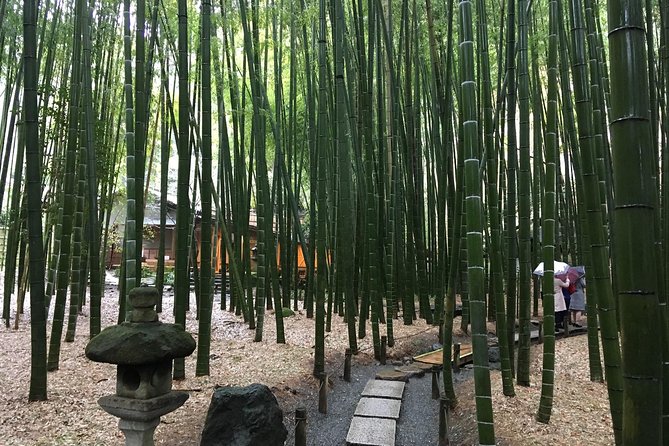
Hokoku-ji offers a different mood from the Great Buddha and Hase-dera. Its main draw is a compact bamboo grove, often called Takedera. The setting is quieter and more intimate than the larger headline sights.
You have about an hour here, which gives you time to walk among the bamboo and take in the contrast between the narrow green paths and the more open temple spaces elsewhere in Kamakura. A tea house is associated with the grove, and one especially memorable day ended with tea there.
Hokoku-ji is not a giant forest. That is worth knowing before you go. Its appeal comes from the calm, the close-set bamboo, and the way the temple feels different from the other stops. If you are expecting a long woodland walk, you may find the visit brief.
The entrance fee is listed as 400 yen in the itinerary and 300 yen in the additional cost section. Again, the figures conflict, so confirm the current price. The separate admission is small, but the fees add up across three paid sites.
This is a good place to slow the day down. The route can feel busy, especially with trains, buses, and four one-hour stops. Hokoku-ji gives you a quieter pause before the final shrine.
Tsurugaoka Hachimangu and warrior-era Kamakura
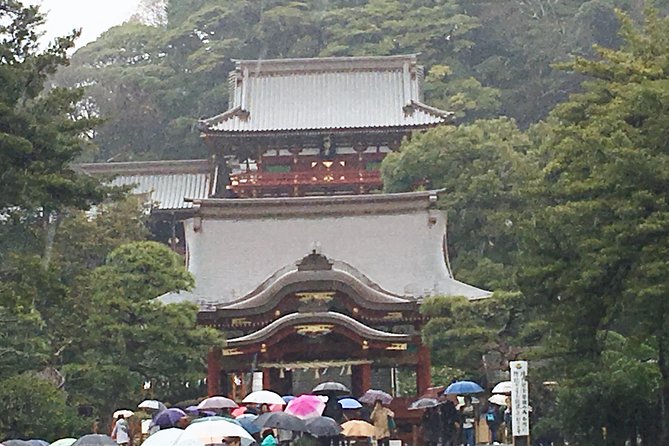
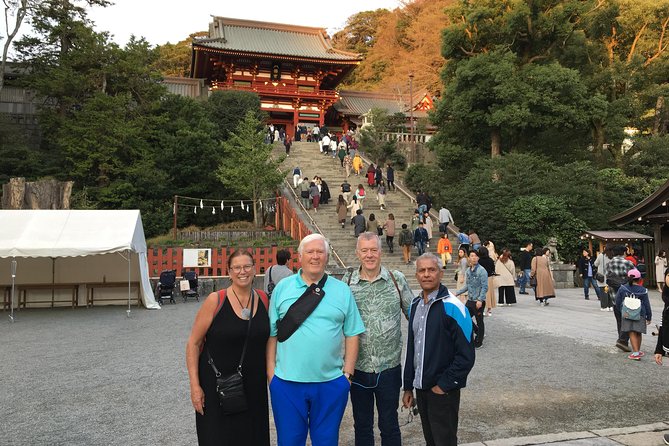
Tsurugaoka Hachimangu is Kamakura’s major Shinto shrine and the only listed stop with no admission fee. It served as the official guardian shrine of the Kamakura shogunate and was closely tied to the warrior class.
This stop helps explain why Kamakura matters. The city was not simply a temple town. It was a center of military government, and the shrine connected religious belief with the authority of samurai rulers.
You have about an hour to see the grounds. The setting includes peaceful natural areas, lotus ponds, and carp, according to the experience details. Those small features make the shrine more than a grand staircase and ceremonial buildings.
Your guide’s explanation is especially useful here. Without context, a shrine can look like a beautiful collection of gates, buildings, and offering areas. With a clear explanation, you can better understand the difference between Shinto and Buddhist sites and why both are so important in Kamakura.
Tsurugaoka Hachimangu makes a fitting final stop because it gathers the day’s themes: religion, power, nature, and local tradition. It also leaves you near central Kamakura, where lunch or a short look at the surrounding shops may be possible if the schedule allows.
What the guides add to the day
The guide is the main reason to choose this tour instead of planning Kamakura alone. Several guides have led the experience, so the exact style will vary.
Akira received repeated praise for careful timing, clear explanations, and calm train navigation. He has also helped with restaurant choices and dietary concerns. Yumi was described as attentive and flexible, with strong explanations of how emperors and shoguns shaped Japan. Yoshi has been praised for combining facts with personal stories and for helping a family collect stamps in a goshuincho book at each stop.
Kono-san was praised for punctuality, good English, and help with Pasmo cards and gluten-free food. Other guides, including Hideaki and Yoshio, were appreciated for gentle explanations and an easygoing manner.
That personal help can turn a difficult day into a smooth one. You can ask why a site matters, how to behave at a shrine, where to eat, or how to use the next bus. You may also get small local touches that a fixed audio guide cannot provide, such as a music box shop, a favorite noodle place, or a less obvious corner of the route.
Still, guide quality is not identical every day. One guide was criticized for walking ahead too quickly and not adjusting the explanation to the group’s questions. If you walk slowly, have young children, or need frequent pauses, say so at the start.
Cost, walking, and what the price really covers
The tour price is $145.31 per person. For a private eight-and-a-half-hour day with hotel pickup and a guide, that can be fair value, especially for a first visit to Japan or a family that does not want to manage complicated transport.
But the headline price is not the final cost. Transportation is about 2,720 yen per person. The three paid attractions also cost extra, with the supplied figures listing Kotoku-in at either 300 or 1,100 yen, Hokoku-ji at either 300 or 400 yen, and Hase-dera at 400 yen.
Lunch is also not listed as included. Budget for food, drinks, and any small purchases separately.
You need moderate physical fitness. The day includes trains, local buses, temple paths, shrine grounds, stairs, and many steps. Several descriptions emphasize how much walking is involved. This is not the best choice if you want a slow, seated sightseeing day.
Children must be accompanied by an adult. Since the activity is private, your group can ask for help with pacing, but the published schedule still covers four major sites in one day.
Free cancellation is available up to 24 hours before the start time. Changes or cancellations inside that window are not refunded.
Who should book this Kamakura day
I would choose this tour if you are visiting Tokyo for the first time, want Kamakura’s main sights in one day, or feel uneasy about navigating Japanese trains and buses. It is also a strong option for families, couples, and small groups who want a guide focused only on their party.
It suits people who enjoy temples, shrines, gardens, coastal views, and historical explanation. It is less suited to anyone who wants long unplanned stops, a private car, or a leisurely pace with little walking.
Try to request a guide with strong English if that matters to you. If your trip falls in June or July, Hase-dera’s hydrangeas add a seasonal reason to go. If you are visiting in another season, the Great Buddha, bamboo grove, shrine, and ocean views still give the day a clear shape.
Should you book it?
Book this tour if the value you want is confidence and context, not simply transportation. The guide handles the route, explains the sites, helps with lunch and local customs, and keeps a demanding day on track.
Skip it if you are comfortable planning trains and buses, prefer setting your own pace, or want to spend half a day at one temple. Before paying, confirm the current entrance fees, transportation arrangement, and guide language. For most first-time Tokyo visitors who want a well-planned introduction to Kamakura, this is a practical and worthwhile choice.
FAQ
How long is the Kamakura tour?
The experience lasts approximately 8 hours and 30 minutes. The listed start time is 9:00 am.
Where does the tour begin?
Your guide meets you in the lobby of your hotel in Tokyo. Hotel pickup and drop-off are offered.
Is this a private tour?
Yes. Only your group participates in the activity.
Which Kamakura sights are included?
The planned stops are Kotoku-in, home of the Great Buddha; Hase-dera Temple; Hokoku-ji Temple; and Tsurugaoka Hachimangu Shrine.
Are transportation costs included?
No. Transportation costs are listed at about 2,720 yen per person and are paid separately.
Are temple admission fees included?
No. Entrance fees for Kotoku-in, Hase-dera, and Hokoku-ji are not included. The supplied prices contain some differences, so confirm the current fees before the visit.
Can I cancel for a full refund?
Yes. You can cancel at least 24 hours before the experience start time for a full refund. Cancellations or changes made less than 24 hours before the start time are not accepted for a refund.
Just added around Kamakura
- When Emperors Reigned and Shoguns Ruled★ 5.0 · 43 reviews
- First time in Kamakura? Enjoy a Tour of All Must-sees!★ 5.0 · 15 reviews
- Your Own HANKO Name Seal Activity in Kamakura.★ 5.0 · 24 reviews
- Kamakura Bamboo Forest and Great Buddha Private Tour★ 5.0 · 12 reviews
- Kamakura 4hr Private Trip with Government-Licensed Guide★ 5.0 · 58 reviews
- Kamakura Walking Tour – The City of Shogun★ 5.0 · 100 reviews
- Kamakura Tours Half Day or Full Day Tours with a local guide.★ 5.0 · 12 reviews
- Buddha, Bamboo & Zen – Bespoke Kamakura Private Walking Tours★ 5.0 · 25 reviews
Kamakura Tours, compared.
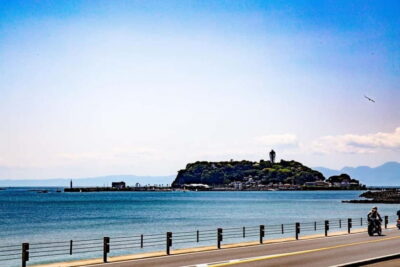
Kamakura & Enoshima Day Trip including Temple Tickets
Read our review →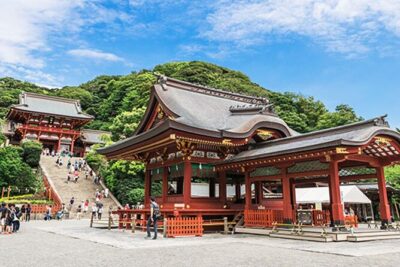
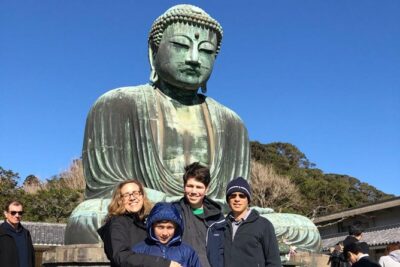
Kamakura Historical Walking Tour with the Great Buddha
Read our review →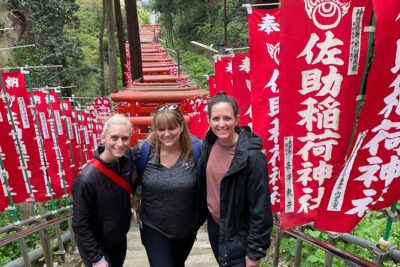
Kamakura Private Tour: Temples, Nature, and the Great Buddha
Read our review →
Kamakura 4hr Private Trip with Government-Licensed Guide
Read our review →
Kamakura Full Day Tour with a Local Expert Guide
Read our review →
Browse the lists this tour appears in