
Reviewed · YOKOHAMA TOURS
Sencha-do the Japanese Tea Ceremony Workshop
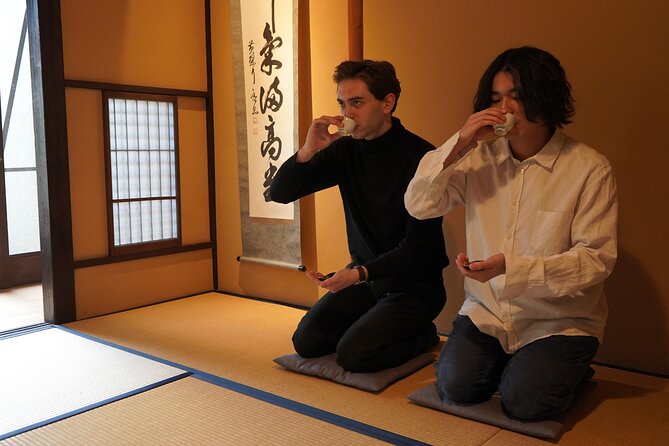
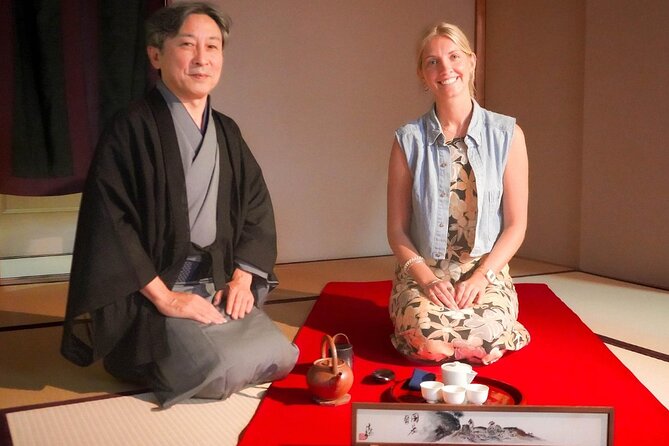
The most interesting part of this Kawasaki workshop is that you make the tea yourself. Sencha-do uses loose green tea leaves and careful infusion, not powdered matcha whisked into water. You first watch the ceremony, then take hold of the utensils and repeat the process under a school master’s guidance.
I like the small size, capped at four people, and the way the lesson gives you context before asking you to perform it. Japanese sweets are included, and photography is welcome, which helps you remember the quiet details of the ritual. The one catch is practical: the meeting point can be hard to find, and some descriptions refer to the school’s Kyoto branch, so check that your booking clearly says Kawasaki.
Key points at a glance
- You brew loose-leaf green tea: This is Sencha-do, not a standard powdered-matcha class.
- The group is very small: A maximum of four people allows close help with the utensils and brewing steps.
- You watch before you practice: The demonstration explains the manners, movements, and meaning behind the ceremony.
- A school master leads the lesson: The instructor belongs to the Higashi Abe school, with Kyo and the school’s grandmaster identified as teachers in past sessions.
- Japanese sweets are included: The sweets give you a traditional partner for the freshly brewed tea.
- The session lasts about 90 minutes: It is long enough for explanation, observation, practice, and tasting without taking over your day.
Why Sencha-do is different from a matcha ceremony
Most people first meet Japanese tea culture through matcha. The powder is whisked with hot water, producing a strong, cloudy drink. Sencha-do takes a different path, using tea leaves that are infused in water and then poured.
That difference is more than a change in equipment. The experience draws your attention to water, timing, the amount of leaf, and the way the tea is poured. You can notice how a drink made by hand changes with small choices, then compare it with the cup brewed by someone beside you.
The school behind this workshop is the Higashi Abe school. The instructor is described as a master of that tradition, and the class includes an explanation of the school’s approach and the wider history of Sencha-do. One especially useful part of the lesson is learning that Japanese tea ceremony is not one single practice. Several schools and forms exist, each with its own movements and customs.
That makes this a good choice if your tea knowledge begins and ends with matcha. You will leave with a clearer picture of how broad Japanese tea culture is, and with a cup you prepared rather than simply received.
More tea ceremonies in Japan:
- Kyoto: Tea Ceremony in a Traditional Tea House in Kiyomizu
★ 4.9 · 3,519 reviews - Kyoto: Tea Ceremony Ju-An at Jotokuji Temple
★ 4.9 · 3,207 reviews - Kyoto: 45-Minute Tea Ceremony Lesson Experience
★ 4.3 · 2,378 reviews
What happens during the 90-minute lesson
The workshop begins at the Higashi Abe school location in Kawasaki. The listed address is 1-chōme-7-2 Totehonmachi, Saiwai Ward, Kawasaki, Kanagawa 212-0023, Japan, at the organization named 一般財団法人 煎茶道東阿部流.
Allow extra time to locate the building. One attendee had trouble following the online directions and needed local help, so do not assume the address will be obvious once you arrive in the neighborhood. The school is near public transportation, but the information does not identify a particular station or give a walking time.
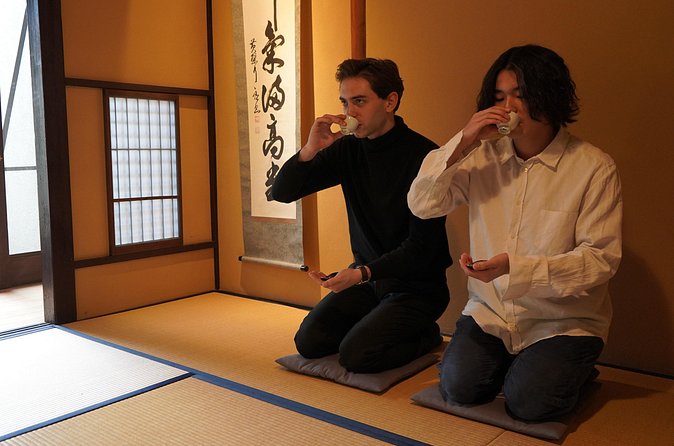
The first stage is observation. You sit and watch the instructor perform the ceremony, while the movements and background are explained. This opening matters because the gestures can seem mysterious if you only see the finished ritual. Here, you get a reason for what is happening before you are asked to copy it.
The ceremony is not presented as a quick demonstration for photographs. You learn about the tea, the utensils, and the customs that shape the preparation. The pace is likely calm and deliberate, so you should not expect a fast tasting session.
Japanese sweets are served during the experience. They are included in the $65.69 price and help place the tea in a traditional setting. The sweets are also useful for comparison, since the brewed tea has its own flavor and sweetness rather than the familiar taste of a matcha drink.
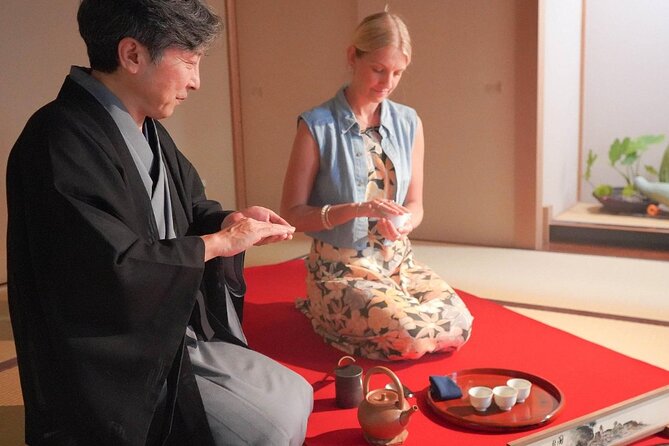
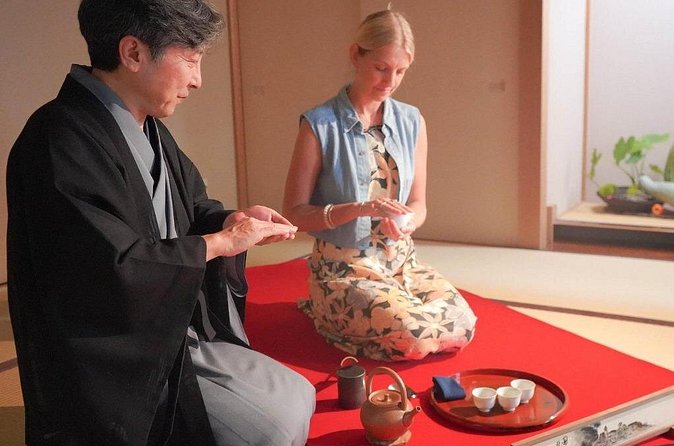
After the demonstration, you move into the hands-on part. This is where the workshop earns its place over a simple tea tasting. You handle the utensils, measure or arrange the tea as instructed, add water, and brew the leaves under guidance from the teacher. The exact sequence belongs to the school’s tradition, so you should follow the instructor rather than treat it like a casual home brewing lesson.
The instructor is described as patient and careful, and Kyo is named in accounts of earlier classes. Other sessions have been taught by the school’s grandmaster. That means the exact teacher may vary, but the important point is that you are learning within the Higashi Abe school rather than from a general cultural host.
At the end, you taste the tea you made. If you are with family or friends, you can compare cups and notice how small differences in brewing affect the result. Solo participants still get the main benefit, but the comparison element is strongest with two to four people.
The value of handling the utensils
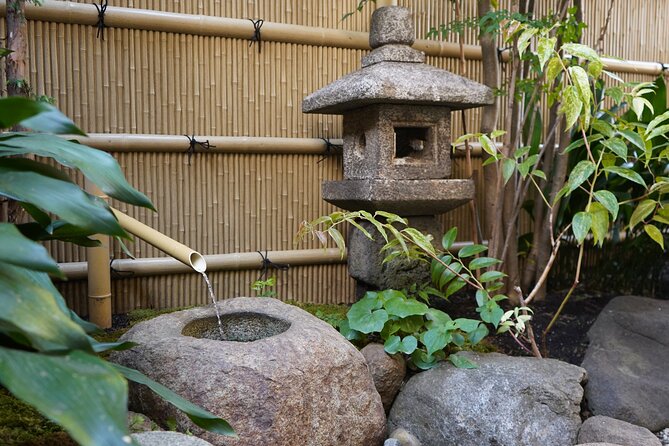
In many formal tea experiences, you watch a practitioner but never touch the tools. That can be beautiful, yet it leaves you with only a visual memory. This workshop gives you a physical understanding of the process, which makes the ceremony easier to recall later.
The utensils are not props. Their placement, handling, and use form part of the lesson. By brewing tea yourself, you gain a better sense of the concentration required to repeat the movements correctly. You may also discover that the taste is more delicate or more complex than expected.
This hands-on format works well for families. Children who might struggle with a long demonstration have a clear task later, and the small group means the teacher can provide individual help. The experience also suits couples and solo visitors who want an activity with more substance than a quick cup in a tea shop.
Keep your expectations sensible. You are not becoming a tea master in 90 minutes. The class introduces the tradition and lets you practice one part of it. The value lies in the access, explanation, and careful contact with the utensils, not in mastering every rule.
A small group changes the feel
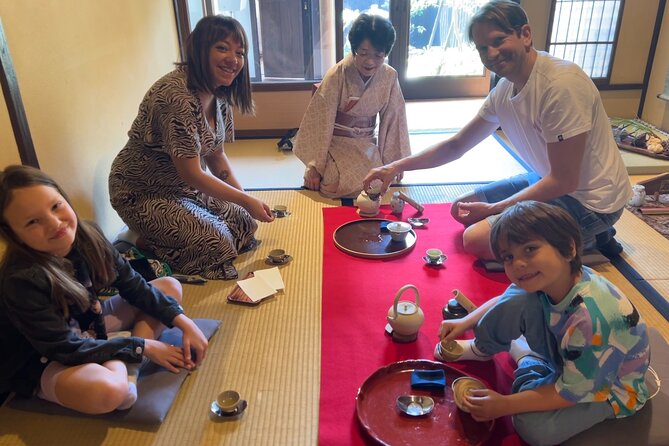
The maximum group size is four. That is a major advantage here. A large class can turn a formal tea lesson into a demonstration viewed from the back of the room. With four or fewer people, you should have a better chance to see the details and receive help during your turn.
The small group also keeps the experience personal. Questions about tea, school traditions, and ceremony customs can be answered as they arise. Several accounts describe the teaching as welcoming, polite, and respectful, which fits the format.
There is one trade-off. A small workshop can feel quieter and more formal than a broad cultural attraction. If you want a lively group activity with lots of conversation, this may seem restrained. If you prefer careful instruction and a direct connection with the teacher, the format is a strong match.
Photography is allowed, and you may take as many pictures as you like. Be sensible about timing. The ceremony involves concentration and etiquette, so you should wait for a suitable moment if the instructor gives guidance about when to photograph.
More hands-on workshops in Japan:
- Sushi Making Tokyo Roll and Authentic Japanese Sushi Class
★ 5.0 · 3,971 reviews - Tokyo: Roll and Authentic Sushi Making Class in Asakusa
★ 4.9 · 1,957 reviews - Ramen Cooking Class at Ramen Factory in Kyoto
★ 5.0 · 1,937 reviews - Tokyo Shinjuku Chopsticks Making Class
★ 5.0 · 1,763 reviews
Price, timing, and what the fee covers
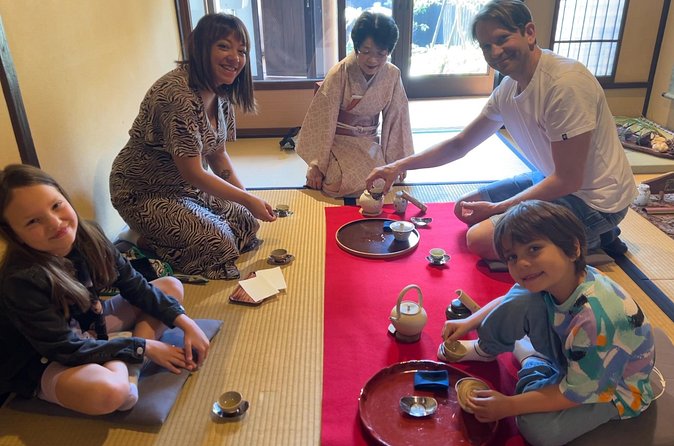
At $65.69 per person, this is not the cheapest way to drink green tea in Japan. It is also not priced like a simple café stop. You are paying for a 90-minute lesson, a formal demonstration, instruction from a Higashi Abe school master, hands-on use of the utensils, green tea, and Japanese sweets.
I consider that fair value for someone who wants an introduction to tea culture rather than a snack break. The four-person limit is important in that calculation. A small class gives you more direct attention and a better chance to practice, which is hard to reproduce in a large group.
The activity is usually reserved about 13 days ahead. That does not guarantee every date sells out, but it is a useful planning clue. If this is important to your schedule, book before your final days in Japan rather than waiting until you are already in Kawasaki.
The activity returns to the meeting point when it ends. There is no private transportation included, so you must make your own way to and from the school. Public transportation is nearby, but the precise route is not provided in the available details.
Kawasaki location, with one detail to verify
The experience is listed in Kawasaki, in Kanagawa Prefecture. That makes it a possible fit if you are staying in the greater Tokyo area or building a day around Kawasaki. It is not presented as a Kyoto sightseeing stop.
However, some descriptions connected with the school refer to a Kyoto branch near Kitano Tenmangu Shrine. That branch appears to be part of the same Higashi Abe school network, but it is not the listed Kawasaki meeting point. Confirm the exact address on your booking confirmation, especially if you found the experience through a page that also mentions Kyoto.
The Kawasaki meeting point is the place where the activity starts and finishes. No hotel pickup is offered, and no private vehicle is included. Since finding the building has been difficult for at least one person, save the Japanese organization name and full address on your phone.
Who will enjoy this tea workshop
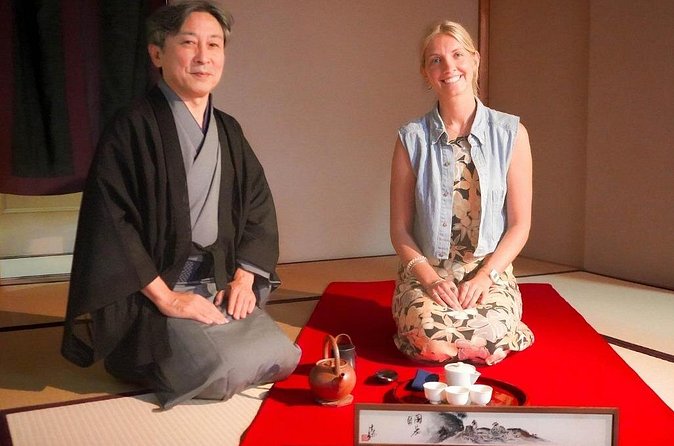
I would choose this for you if you want to understand how Japanese tea ceremony works from the inside, but you do not want a long multi-hour course. The 90-minute length fits neatly into a busy itinerary and still leaves enough time for history, demonstration, practice, and tasting.
It is especially suitable for:
- Tea lovers: You can explore brewed leaf tea beyond the usual matcha experience.
- Families: The hands-on section gives children a direct role, and the group stays small.
- Couples and friends: You can compare the tea each person brews.
- Solo visitors: The intimate format offers direct contact with the teacher.
- Culture-focused visitors: The class explains a living school tradition rather than presenting tea as a decorative show.
You should think twice if you want a completely casual activity. The ceremony has rules, manners, and careful movements. You will need to pay attention and follow instruction. That is part of its appeal, but it may not suit someone looking for a quick, informal tasting.
The experience is listed as suitable for most people, and service animals are allowed. No special physical requirement is stated. If you have concerns about sitting or handling the utensils, ask the provider before booking, since the available information does not describe the seating arrangement.
Cancellation and booking details worth knowing
Confirmation is provided when you book. Free cancellation is available if you cancel at least 24 hours before the local start time. Changes made inside that 24-hour window are not accepted, and the amount paid is not refunded for a late cancellation.
The activity requires good weather and a minimum number of participants. If poor weather or low enrollment causes cancellation, you are offered another date or experience, or a full refund. That policy gives you some protection, but keep the weather condition in mind when placing the workshop into a tightly timed itinerary.
A mobile ticket is available, and group discounts are listed. The small four-person limit matters more than the discount for many people, so check the final total if you are booking for a family or group.
Should you book Sencha-do in Kawasaki?
Book it if you want more than a photograph of a tea ceremony. The chance to watch a formal preparation, learn the background, handle the utensils, and brew loose-leaf tea yourself makes this a thoughtful introduction to a less familiar side of Japanese culture.
The strongest reasons to go are the hands-on format, tiny group, patient instruction, and clear contrast with matcha. Japanese sweets add a pleasant traditional touch, and the $65.69 cost is reasonable when you value instruction and personal attention.
I would not book without checking the location carefully. The Kawasaki address should be your reference point, yet the school also has a Kyoto branch and some descriptions use Kyoto settings. Get the meeting point straight before you set out.
For a family, couple, solo visitor, or tea enthusiast with 90 minutes to spare, this is a worthwhile choice. You will not master Sencha-do in one sitting, but you will understand it better, taste tea made by your own hands, and carry away a more accurate picture of Japan’s varied tea traditions.
FAQ
Where does the Sencha-do workshop take place?
The listed meeting point is 一般財団法人 煎茶道東阿部流, 1-chōme-7-2 Totehonmachi, Saiwai Ward, Kawasaki, Kanagawa 212-0023, Japan.
How long does the activity last?
The workshop lasts approximately 1 hour and 30 minutes.
What kind of tea is used?
The workshop uses green tea leaves that are brewed by infusion. It does not use powdered green tea.
Will I be able to make tea myself?
Yes. You first watch the ceremony, then use tea utensils to brew tea under the instructor’s guidance.
Are Japanese sweets included?
Yes. Green tea and Japanese sweets are included in the price.
How many people can join?
The activity has a maximum of four participants.
Is transportation included?
No. Private transportation is not included. The activity begins and ends at the meeting point, which is near public transportation.
Can I take photographs?
Yes. Photography is allowed during the experience.
Are service animals allowed?
Yes. Service animals are allowed.
What is the cancellation policy?
You can cancel for a full refund up to 24 hours before the local start time. Late cancellations and changes made within 24 hours are not accepted. If the activity is canceled because of poor weather or insufficient participants, you are offered another date or experience, or a full refund.
Just added around Japan
- Private Arrival Transfer : Narita International Airport to Central Tokyo City★ 4.5 · 12 reviews
- Narita Airport(NRT): Private Transfer to Tokyo/Yokohama 1-9pax★ 5.0 · 47 reviews
- Private Transfer from Narita Airport to Yokohama Port and City★ 4.5 · 17 reviews
- 3 Day Japan Highlights Tour: Tokyo, Mt.Fuji, Nara, Kyoto, Osaka★ 5.0 · 22 reviews
- [Narita Airport Terminals 1, 2] 40-60km Sawara Itako Historic Bike Tour★ 5.0 · 13 reviews
- All must-sees in 3 hours – Nara Park Classic Tour! From JR Nara!★ 5.0 · 108 reviews
- Private Nara Tour and Sake Tasting (Departing from Kyoto/Nara)★ 5.0 · 40 reviews
- Hammer a Pattern on Your Ring Workshop★ 5.0 · 57 reviews
Yokohama Tours, compared.
Authentic Sumo Experience in Tokyo: Enter the Sanctuary
Read our review →
EVO, WRX, Skyline – JDM Night Run to Daikoku Car Meet
Read our review →


R34Skyline Daikoku PA Fast & Furious Private Experience
Read our review →
Guided Cup Noodles Museum Tour & Make Your Own Cup
Read our review →
Daikoku & Tokyo JDM Night Tour in R34 or TopSecret R35 GT-R
Read our review →Browse the lists this tour appears in