
Reviewed · KYOTO TOURS
Kyoto and Nara Private Car Tour with a Local English Guide Driver
Kyoto’s famous sights are spread across the city, and Nara sits beyond it. This private car tour lets you link major temples, shrines, markets, and deer parks without wrestling with train connections. Guides such as Yama and Hibiki provide English and Japanese support, while a licensed green-plate driver handles the road.
I like the door-to-door pickup and drop-off, especially for families, older visitors, and groups carrying shopping bags. I also like the freedom to choose your stops, with room for local suggestions and help with restaurant or Shinkansen reservations. The main catch is time: the listed stops are a huge menu, not a realistic promise to visit all 24 in one day.
Key points to know before booking
- Private transport for up to 13 people: Your group rides together in an air-conditioned vehicle with Wi-Fi.
- Local English-speaking guides: Yama and Hibiki are named guides associated with the service, and the team also speaks Japanese.
- Kyoto and Nara in one day: You can combine both areas, but you will need to choose carefully.
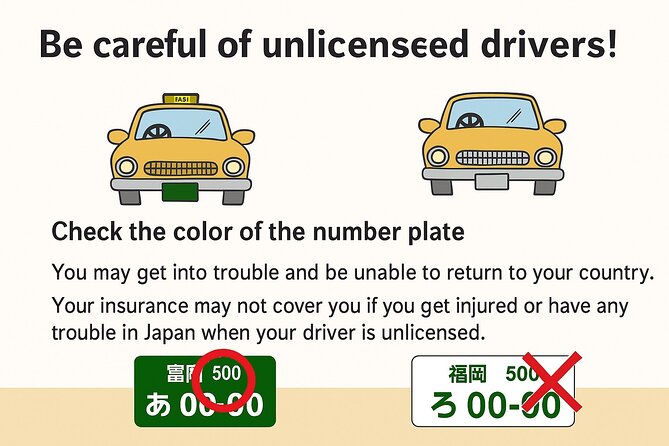
- Licensed green-plate driver: This adds a useful safety and reliability check when hiring a private car in Japan.
- Extra costs matter: Entrance tickets, meals, and ¥10,000 in cash for gas, parking, and highway fees are not included.
- Flexible access to local experiences: The company advertises help with activities such as ninja training, chopstick-making, and private geisha or maiko performances.
What a 10-hour private day really gives you
The strongest feature here is not the number of sights on the page. It is the ability to shape the day around your own priorities.
A typical first-time visit might focus on Fushimi Inari, Arashiyama, Kinkaku-ji, Kiyomizu-dera, and Nara Park. A culture-heavy day could replace shopping with Nijo Castle, Sanjusangen-do, and Todai-ji. If you want a slower day, you might choose just three or four major stops and spend more time walking, eating, and looking around.
The service is priced at $459.81 per group of up to 13. That is not a cheap solo excursion, but the calculation changes with a full vehicle. Split among 10 people, the base price is about $46 per person. Split among four, it is roughly $115 each, before the required ¥10,000 vehicle-related cash payment and entrance fees.
That price buys convenience rather than admission to attractions. You are paying for a private vehicle, a professional licensed driver, an English-speaking guide, hotel pickup and drop-off, and a day built around your group. For a large family or friend group, that can be fair value. For one or two people who are happy using Kyoto’s trains and buses, public transport will cost much less.
A few more Kyoto half-days to weigh up
- Kyoto Private Car Tour – Full Day with Local Guide & Nara Option
★ 5.0 · 169 reviews - Private car tour in Kyoto (up to 4)
★ 5.0 · 123 reviews - Private car tour in Kyoto (up to 9)
★ 5.0 · 74 reviews
Fushimi Inari and the red torii gates
Fushimi Inari-taisha is a smart morning choice if it is high on your list. The shrine is famous for its thousands of orange-red torii gates, which form long corridors up the wooded mountain.
The stated stop time is 15 minutes, which is enough for a quick look near the entrance and a few photographs. It is not enough to walk far into the torii route. If you want the full experience, tell your guide before the day starts and be prepared to shorten another stop.
The shrine grounds have no admission fee. That makes Fushimi Inari an easy addition to the day, though its popularity means a quick visit can feel more like a photo stop than a proper walk. I would not pair it with every other Kyoto sight unless your group is comfortable moving fast.
Arashiyama’s many separate sights
Arashiyama appears several times in the suggested route because it contains a cluster of different places. The bamboo forest, Tenryu-ji Temple, Togetsukyo Bridge, Kimono Forest, the Sagano Romantic Train, and Monkey Park Iwatayama are not one single attraction.
The Bamboo Forest is the best-known stop. Tall bamboo rises on both sides of the path, creating a striking corridor. Fifteen minutes gives you a taste, but not much time to linger or walk beyond the busiest section.
Nearby Tenryu-ji is a UNESCO World Heritage site with traditional buildings and carefully arranged gardens. Admission is extra. If gardens appeal to you, this is one of the Arashiyama stops worth protecting from an overly tight schedule.
Togetsukyo Bridge crosses the Katsura River and gives you a classic Arashiyama view. It is free to see and easy to photograph, but again, 15 minutes means a brief pause rather than a full district visit.
The Kimono Forest near Arashiyama Station is a modern installation made from pillars wrapped in colorful kimono fabric. It is a quick, photogenic stop and may work well when your group needs a lighter break from temples.
The Sagano Romantic Train offers a scenic ride through the Hozugawa Gorge. A train ticket is not included, and a ride requires more planning than a short roadside stop. Ask about availability and timing before you build the day around it.
Monkey Park Iwatayama is also more than a quick photo stop. You climb a short mountain trail to see Japanese macaques and look across Kyoto from above. Admission is extra, and the walk means this stop demands more time and energy than the itinerary’s 15-minute label suggests.
My advice is to choose two or three Arashiyama highlights. Trying to fit all six into a morning would leave you rushing from one entrance to the next.
Gion, Yasaka Shrine, and Kyoto’s old streets
Gion is Kyoto’s best-known traditional district, with wooden buildings, narrow lanes, and a connection to geisha and maiko culture. Hanami-koji Street and the Shirakawa Canal are the main areas named for a walk.
This is a place where a guide can add useful context. You can ask about the difference between geisha and maiko, the purpose of the traditional buildings, and respectful behavior around working performers. Do not expect a guaranteed geisha sighting simply because you visit Gion.
Yasaka Shrine sits between Gion and Higashiyama. Its lanterns and lively shrine grounds make it an easy pairing with Gion. There is no admission fee, so you can add it without increasing the ticket budget.
Chion-in Temple is another nearby option. It is the head temple of the Jodo Buddhist sect and is known for its huge Sanmon Gate. The grounds are free to enter according to the tour details, making it a good choice if your group wants a major religious site without another admission charge.
More private driver days in Kyoto:
- Explore Kyoto | Private Tour – Local English Driver(guide option)
★ 4.5 · 203 reviews - Kyoto Private 6 hour Tour: English Speaking Driver Only, No Guide
★ 5.0 · 88 reviews - Kyoto Private Day Tour with English-Speaking Driver from Kyoto
★ 4.5 · 85 reviews - Private Kyoto Customizable Day Tour with English Speaking Driver
★ 4.5 · 82 reviews
Kiyomizu-dera and the eastern temple district
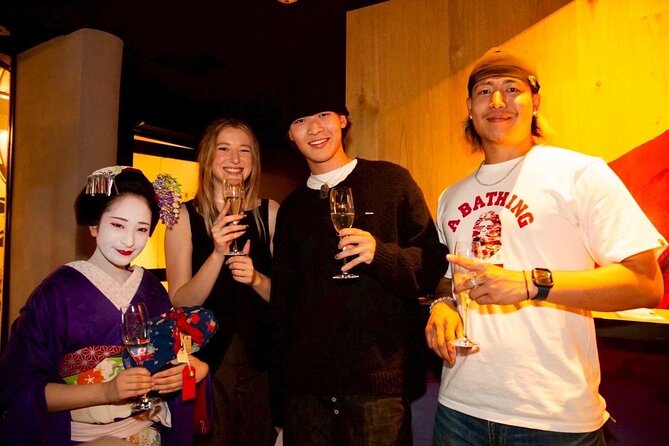
Kiyomizu-dera is one of Kyoto’s essential sights. Its large wooden stage projects from the hillside and gives the temple its famous appearance. Admission is extra, and the surrounding Higashiyama area can add walking on sloping streets.
If you choose Kiyomizu-dera, I would give it more attention than 15 minutes. The temple is not just a quick exterior photograph. You may want time for the main hall, views, nearby lanes, and the approach through the historic district.
Sanjusangendo offers a very different experience. Its long wooden hall contains 1,001 life-size statues of Kannon, the Buddhist figure associated with compassion. Admission is extra, and photography rules inside the hall should be followed.
Ginkaku-ji, the Silver Pavilion, is admired less for silver than for its calm design, moss gardens, and restrained Zen style. Admission is extra. It pairs naturally with the Philosopher’s Path area, though the tour details do not promise time for that walk.
These eastern Kyoto sights are rewarding, but they are not close enough to treat as a single five-minute circuit. You should ask your guide to group stops by area and cut less important ones if the day begins to run late.
Kinkaku-ji, Nijo Castle, and Nishiki Market
Kinkaku-ji, the Golden Pavilion, is one of Kyoto’s most recognizable sights. The gold-covered structure reflects in its pond, and the surrounding grounds make the visit more than a single photograph. Admission is extra.
The standard route can move quickly here because the viewing path is organized, but 15 minutes still gives you limited time. If this is a must-see for you, keep it on the final plan rather than treating it as one of many optional stops.
Nijo Castle offers a different look at Japan’s shogun-era power. It is known for its palace buildings, gardens, and distinctive nightingale floors. Admission is extra, and the interior deserves more than a rushed walk past the gate.
Nishiki Market is Kyoto’s food-focused shopping street, with more than 100 shops and stalls. The market is free to enter, but food costs extra. I like this stop for groups with mixed interests because you can browse, sample food, and buy gifts without committing to a formal meal.
Still, markets work best when you have time to wander. A 15-minute pause may be enough to see the main street, but not enough to enjoy its food stalls at an easy pace.
Nara Park, Todai-ji, and Kasuga Grand Shrine

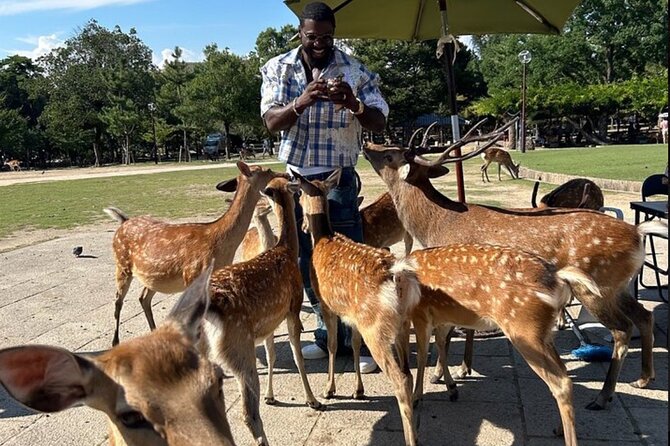
A Kyoto and Nara combination can work if Nara is a clear priority. Nara Park is free and known for its freely roaming deer. The animals are part of the appeal, but you should follow the guide’s instructions and treat them with care.
Todai-ji is Nara’s major architectural and religious sight. The Great Buddha Hall contains a massive bronze Buddha and is one of Japan’s most memorable temple interiors. Admission is extra.
Kasuga Grand Shrine is known for its many stone and bronze lanterns. Admission is extra, and its setting gives you a different feel from the open park and large temple hall.
Kofuku-ji, founded in 710, is another important Nara temple. Its five-story pagoda is a familiar city landmark. The suggested stop calls attention to the pagoda, but the time available may not allow a full visit to the temple grounds.
I would choose Todai-ji plus Nara Park as the essential pair, then add Kasuga or Kofuku-ji only if your group wants a longer Nara visit. Combining all four with a full Kyoto program would make the day very compressed.
Amanohashidate and Ine are a separate kind of day
Amanohashidate and Ine no Funaya appear among the possible stops, but they belong to a very different plan from central Kyoto and Nara.
Amanohashidate is a 3.6-kilometer pine-covered sandbar in Miyazu, one of Japan’s Three Scenic Views. Amanohashidate View Land provides a place to look over the sandbar, with admission extra. Ine is a fishing village known for wooden funaya boathouses built directly over the water, with boat storage on the lower level.
These places are appealing precisely because they are outside the usual Kyoto core. They also require substantial road time compared with central temples. I would ask the operator to design a dedicated northern Kyoto day if you want them, rather than adding them to a Kyoto and Nara sightseeing circuit.
What the car and guide add

The private vehicle is air-conditioned and includes Wi-Fi. Hotel pickup and drop-off remove the need to find a meeting point, which is useful when your group includes children, older adults, or people with limited patience for station changes.
The vehicle is described as having a professional licensed green-plate driver. That detail matters in Japan, where licensing and insurance standards are important considerations when booking private road transport. The guide and driver arrangement also means you can focus on the sights instead of directions, parking, and transfers.
The company says it can provide English and Japanese support in emergencies. It also offers help with Shinkansen and restaurant reservations, which can be useful if you are moving between cities during a larger Japan trip.
Vehicle choice is part of the offer. A Mercedes-Benz V-Class is available as a higher-cost VIP option. The standard vehicle type is not specified, so larger groups should confirm the exact vehicle and luggage capacity before booking.
Extra costs and practical planning
The base price excludes every entrance fee. Depending on your route, you may pay separately for Tenryu-ji, the Sagano Romantic Train, Monkey Park, Kinkaku-ji, Kiyomizu-dera, Ginkaku-ji, Sanjusangendo, Nijo Castle, Amanohashidate View Land, Todai-ji, Kasuga Grand Shrine, and Kofuku-ji.
Meals are also your responsibility. Nishiki Market can supply snacks and casual food, but do not assume lunch is included or arranged.
You must also bring ¥10,000 in Japanese yen cash per booking for gas, parking, and highway fees. This is a major cost detail, so include it when comparing the tour with trains, taxis, or a smaller private car.
Free cancellation is available when you cancel at least 24 hours before the local start time. Changes or cancellations inside that window are not refunded. Confirmation arrives at booking, and service animals are allowed.
Who will get the most from this tour
I would consider this tour for a large family, a multigenerational group, or anyone who wants one vehicle and one point of contact all day. It can also suit first-time visitors who feel uneasy handling Kyoto’s transport system while trying to cover several districts.
The service is especially useful if you have a short stay and a firm list of priorities. Tell the operator your top three sights, your walking limits, and your preferred pace. A good private day depends on that planning.
I would be cautious if you want a slow, detailed temple visit. The long list of possible stops can tempt you into an exhausting checklist. I would also compare costs carefully if your group has only two or three people, since admissions, cash road charges, and the base rate can add up.
Should you book the Kyoto and Nara car tour?
Book it if comfort, flexibility, and group transport matter more to you than the lowest possible price. The combination of hotel pickup, a licensed Japanese driver, English-speaking guides such as Yama or Hibiki, Wi-Fi, and a fully private vehicle solves several common Kyoto problems at once.
Do not book it expecting to see every location named in the program. Choose a focused route. For one day, I would select either a Kyoto highlights plan with a short Nara visit, or a slower Kyoto route with Arashiyama and the eastern temple district. Amanohashidate and Ine deserve their own outing.
The strongest value comes when you fill the vehicle and use the guide’s local support. With a carefully chosen route, this can be a practical way to see major Kyoto and Nara sights without losing half the day to transfers.
FAQ
How long is the Kyoto and Nara private car tour?
The tour lasts approximately 10 hours.
How many people can join the private tour?
The price covers one private group of up to 13 people.
Are hotel pickup and drop-off included?
Yes. Hotel pickup and drop-off are included.
Are admission tickets included?
No. Entrance fees for temples, attractions, and other paid sites are not included.
What other costs must I pay during the tour?
Meals are not included. You must also pay ¥10,000 per booking in Japanese yen cash for gas, parking, and highway fees.
Can I cancel for a full refund?
Yes, if you cancel at least 24 hours before the experience start time. Cancellations or changes made less than 24 hours before the start are not refunded.
Just added around Kyoto
- Kyoto: Zen Meditation at a Private Temple with a Monk★ 5.0 · 25 reviews
- Kyoto: Gion Geisha District & Sake-in-Hand Walking Tour★ 5.0 · 37 reviews
- Private Pewter Sake Cup Experience with a Kyoto Artisan★ 5.0 · 31 reviews
- Your Private Vacation Photography Session In Kyoto★ 5.0 · 110 reviews
- Private Guided Traditional Buddhist Cooking in Japan★ 5.0 · 16 reviews
- Kyoto Wagashi(Japanese sweets) Cooking Class near Fushimiinari★ 5.0 · 60 reviews
- Traditional Japanese Music show & Experience Tour in Kyoto★ 5.0 · 57 reviews
- Kyoto:Family-Friendly Kimono & Yukata Experience at WARGO★ 5.0 · 147 reviews
Kyoto Tours, compared.


Fushimi Inari, Kinkakuji, Bamboo Grove 1 Day Bus Tour
Read our review →
Tea Ceremony in a Traditional Tea House in Kiyomizu
Read our review →
Kyoto Geisha Walking Tour: Gion District & Hidden Gems
Read our review →

Gion Magical Night Walking Tour with Geisha Trivia
Read our review →

Gion Geisha District Walking Tour – Stories of Geisha
Read our review →Browse the lists this tour appears in