
Reviewed · NARA TOURS
Make Your Own Soy Sauce in Japan’s Old Capital Asuka Nara
Asuka’s soy sauce experience turns a common table condiment into the main event. You’ll visit Tokusei Soy Sauce, a natural-brewing shop operating since 1918, then press liquid from moromi, the thick mash that gives soy sauce its character. The final bottle gets your own label, which makes a useful souvenir instead of another trinket.
I like two things here: the hands-on work with the traditional wooden press, and the chance to taste soy sauce before it has been heated. The tofu from Shimode Tofu and the mitarashi dumplings with Tokusei’s sauce add local flavor without padding the afternoon with unrelated sightseeing.
The main consideration is location. You must reach the meeting point in Asuka Village by 1 p.m., and private transportation is not included. The journey from Nara is manageable, but you’ll want to allow time to plan the connection rather than treat this as a quick city-center stop.
Key points at a glance
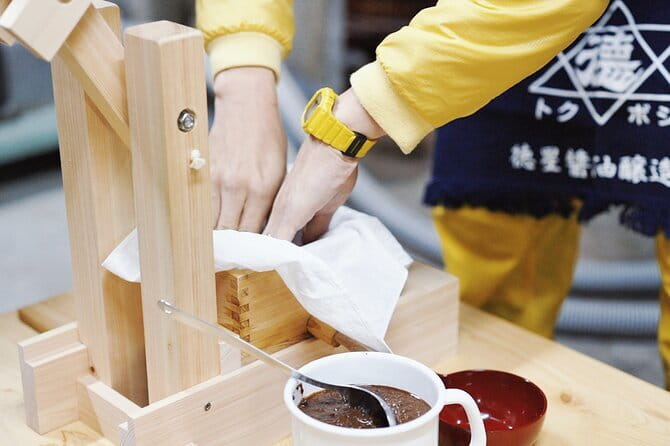
- Press your own soy sauce: Use an original hand press and traditional wooden pressing method to draw soy sauce from moromi.
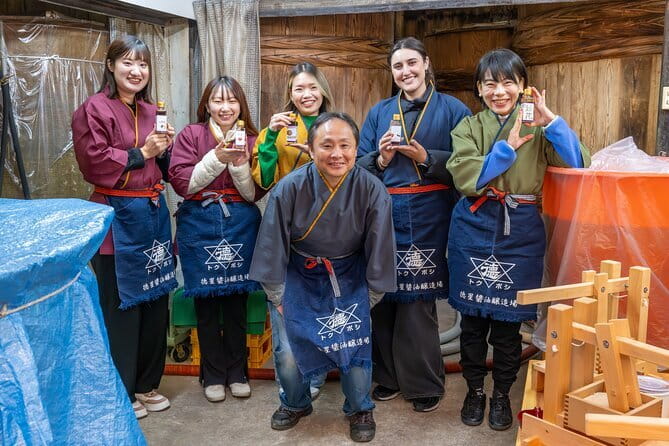
- Visit a working brewery: Tokusei Soy Sauce has operated for three generations since 1918 on the approach to Okadera Temple.
- Taste unheated soy sauce: Try the fresh pressing with tofu from Shimode Tofu in Asuka Village.
- Make a personal bottle: Fill and decorate a bottle with your own label to take home.
- Finish with local sweets: Sample mitarashi dumplings served with an original Tokusei soy sauce sauce.
- Enjoy a private visit: Only your group takes part, with a mobile ticket and a total duration of about two and a half hours.
Why this small Asuka experience is worth your afternoon
Soy sauce is easy to overlook because it appears on nearly every Japanese table. That is exactly why this activity works. Instead of simply buying a bottle, you get to see the brewery, handle the mash, operate the press, and taste the result while it is still fresh.
The setting adds weight to the visit. Tokusei Soy Sauce has been making its product on the approach to Okadera Temple for more than a century. It has continued through three generations, giving you a direct connection to a local food tradition rather than a factory-style demonstration built only for sightseeing.
I especially like the scale of the activity. This is a private experience, so your group is the only group taking part. That should make the pressing and labeling stages easier to follow, and it gives you room to ask questions as the process unfolds. No guide names are provided, so you should not book this expecting a named English-speaking host or a specific personality-led tour.
The activity receives a 5 out of 5 rating with a 100 percent recommendation rate based on 22 ratings. That is a strong signal for a small, specialized experience, though the sample remains modest. The best reason to book is still the unusual subject: you are doing something connected to everyday Japanese cooking that most standard Nara tours do not cover.
A few more Nara half-days to weigh up
- World Heritage Kyoto & Nara Uji Authentic Matcha Experience
★ 5.0 · 1,573 reviews - Nara Half Day Trip Walking Tour (Private Option Available)
★ 5.0 · 937 reviews - Nara Early Morning Tour (Kyoto or Osaka Departure Available)
★ 5.0 · 676 reviews
Reaching Tokusei Soy Sauce near Okadera Temple
The meeting point is 明日香スタンド7, at Oka in Asuka, Takaichi District, Nara 634-0111. The experience begins at 1 p.m. and finishes back at the same meeting point.
Asuka is known as Japan’s old capital area, and the brewery sits on the approach to Okadera Temple. That makes this a natural add-on to a day spent exploring Asuka, rather than an activity to squeeze between major Nara Park sights. If you are coming from Nara, allow time for the trip and check your route before the day begins.
A useful practical note is that the experience is near public transportation, but private transportation is not included. The available information does not specify a pickup service, taxi arrangement, or exact transit route. You are responsible for getting to the start point, so confirm the final approach before booking.
The mobile ticket is convenient once you have booked. Keep the confirmation available on your phone, and arrive with enough time to find the meeting point. Since the start time is fixed at 1 p.m., arriving late could eat into the short hands-on portion of the visit.
Inside a brewery operating since 1918
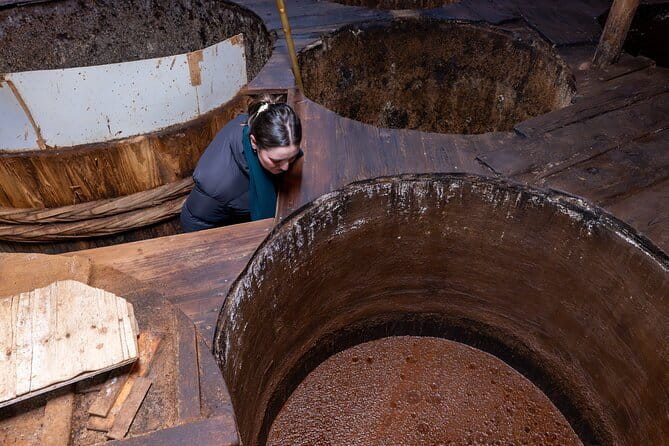
The visit begins with a tour of Tokusei Soy Sauce’s brewery. This is a genuine natural-brewing shop that has continued operating for three generations. The value here is not in a long list of machinery or a staged performance. It is in seeing where the product is made and understanding that the bottle you create comes from an established local maker.
The central ingredient is moromi. This is the mash from which soy sauce is pressed. At this stage, soy sauce is not yet the clear condiment you pour over sushi or tofu. It is a working base, and the pressing stage lets you see the physical link between the mash and the finished liquid.
The brewery tour also gives context to the tasting later. A fresh sample means more when you have just seen the material and method behind it. You do not need to be a food specialist to appreciate the difference between a familiar supermarket bottle and soy sauce served directly after pressing.
The information provided does not specify how much of the brewery is open to view, how long the tour portion lasts, or whether interpretation is offered in a particular language. Keep your expectations focused on a compact local visit, not a large museum with extensive exhibits.
Pressing soy sauce from moromi by hand
The hands-on portion is the heart of the activity. You use an original squeezer to press soy sauce from the moromi by hand. The experience also features a traditional wooden press, so you are not simply watching staff operate equipment while you pose for a photograph.
This step gives the tour its sense of place. Soy sauce production can sound abstract when explained as fermentation and extraction. Pressing it yourself makes the process clear. You apply pressure, see the liquid emerge, and begin to understand why the mash is the essential base of the finished condiment.
The work is simple enough to appeal to families and first-time food visitors, but it is not just a children’s craft. Adults who enjoy cooking, Japanese food, or old production methods will find more to notice. The activity connects your hands with a process that has supported a local shop for generations.
There is no indication that you produce a large quantity. Think of your bottle as a personal sample and souvenir, not a year’s supply of soy sauce. The practical reward is the memory of making it, plus a small bottle that carries your label and your connection to Asuka.
Same base, a completely different sort of day:
- Osaka: Nara and Uji Day Trip with Deer Park and Hot Spring
★ 4.4 · 302 reviews - Kyoto/Osaka: Kinkakuji, Bamboo Forest, and Nara Deer Park
★ 4.4 · 265 reviews - Nara 6hr Private Tour with Government-Licensed Guide
★ 5.0 · 219 reviews - E-Bike Nara Highlights – Todaiji, Knives, Deer, Shrine
★ 4.8 · 186 reviews
A fresh tasting with Shimode Tofu
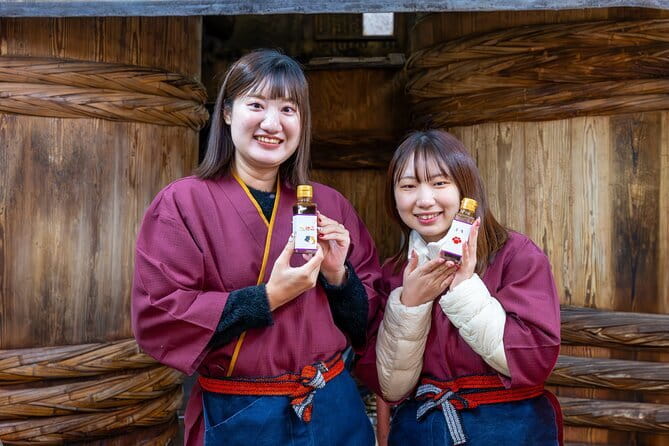
After pressing, you taste the soy sauce on the spot with fresh tofu from Shimode Tofu in the village. This is one of the strongest parts of the experience because tofu provides a clean, mild base. It lets the freshly pressed soy sauce take the lead.
The soy sauce has not been heated, which gives the tasting a clear purpose. You are sampling it in a state that differs from the finished product you normally use at home. The combination is also suitably Japanese: simple tofu, carefully made soy sauce, and no need for elaborate decoration.
I would pay attention to the contrast between the pressing activity and the tasting. First, you work with the moromi. Then, you taste the liquid in a restrained setting where its flavor can be noticed. That sequence makes the food lesson feel complete without turning it into a formal cooking class.
Snacks are included. The listed food details are tofu and mitarashi dumplings, so do not treat this as a full meal. If you are hungry, eat beforehand or plan another meal after the tour.
Bottling and labeling your own creation

Once your soy sauce has been pressed, it is filled into a bottle and decorated. You attach your own label, creating a personalized bottle to take away. This small finishing step matters because it gives the activity a physical result.
Many food tours end with a tasting and a quick goodbye. Here, your bottle extends the experience beyond Asuka. You can use it at home, give it as a gift, or keep it as a reminder of the brewery visit. The label also separates your bottle from a standard shop purchase.
The information does not state the bottle size, packaging method for luggage, or how long the soy sauce keeps. If you are traveling onward with only hand luggage, ask the provider about carrying it before you book. The activity does provide a bottle, but precise packing details are not supplied.
The labeling portion should also appeal to younger participants, though children should be supervised during any pressing activity. Since this is a private activity, your group can work at its own pace within the scheduled visit.
Mitarashi dumplings with a local sauce
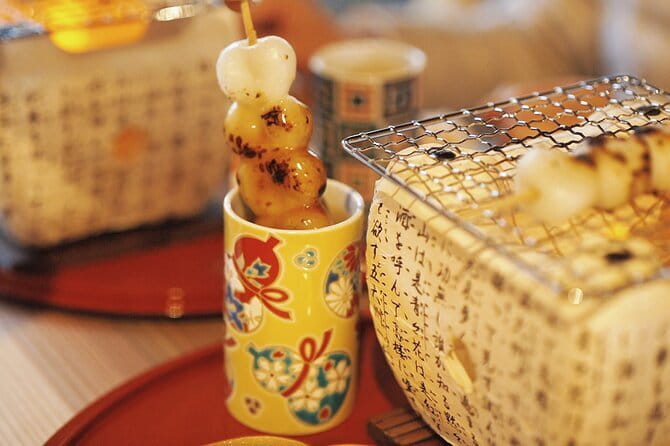
The final food stop is mitarashi dumplings served with an original sauce made from Tokusei Soy Sauce. The sauce was created in collaboration with a popular long-standing local shop, adding another local connection to the snack.
Mitarashi dumplings are a fitting finish. Their sweet-savory sauce gives you a different way to think about soy sauce. Instead of using it only as a salty dip, you taste it as part of a prepared sauce with a sweeter profile.
This also keeps the ending relaxed. You have already completed the technical part, so the dumplings offer time to enjoy the result. Because the food is described as a snack, the serving should be viewed as a tasting rather than a substantial dessert course.
For anyone planning an afternoon around Asuka, this closing bite helps the activity feel tied to the village. You are not only touring a brewery and making a bottle. You are also sampling how the local product appears in another nearby food tradition.
What the $78.83 price gets you
At $78.83 per person, this is not a bargain-priced tasting. The value depends on what you want from a Nara outing.
You are paying for a private, two-and-a-half-hour experience rather than a quick shop visit. The price covers access to a brewery with more than 100 years of continuous operation, a guided tour, the pressing activity, your bottled and labeled soy sauce, fresh tofu tasting, and mitarashi dumplings. Those elements make the cost easier to justify for people who prefer small, hands-on activities to large sightseeing packages.
The price is less attractive if you only want to buy soy sauce or take a brief look around a shop. You may find the visit too specialized if food production is not a real interest. It also does not include private transportation, so add the cost of reaching Asuka if you need a taxi or other paid connection.
For a private group, the price can work well. You are not sharing the activity with a large crowd, and the hands-on steps are central rather than optional. I would book it as a focused half-day experience in Asuka, not as a standalone reason to travel across the prefecture for a short tasting.
Who should book this experience
I would recommend it most strongly to:
- People who enjoy Japanese food and want to understand one of its basic ingredients.
- Visitors already planning time in Asuka or near Okadera Temple.
- Families looking for a practical activity with a bottle to take home.
- Couples and small groups who prefer a private experience.
- Repeat visitors to Nara seeking something beyond temples and major sights.
- Curious cooks who like traditional production methods and simple tastings.
It may be less suitable for someone with limited time in Nara, especially if the schedule is built around central Nara attractions. It is also not the right choice if you expect a full meal, extensive museum displays, or private transportation from your accommodation.
The experience is booked, on average, 23 days in advance. That suggests you should reserve ahead if your dates are fixed, particularly because it is a private activity with a set 1 p.m. start. Confirmation is provided at booking, and the mobile ticket makes the reservation easy to keep on your phone.
Cancellation and planning details
You can cancel for a full refund up to 24 hours before the local start time. Cancellations or changes made less than 24 hours before the activity are not accepted for a refund.
The activity requires a minimum number of participants. If the provider cancels because that minimum is not met, you will be offered another date or experience, or receive a full refund. This is worth knowing before you arrange transport around the 1 p.m. start.
The activity ends back at the meeting point. Since the supplied details do not give an exact finishing time beyond the approximate two hours and thirty minutes, plan for an end around 3:30 p.m., with a little flexibility.
Should you book the Asuka soy sauce experience?
Book it if you want a small, private food experience with a real local connection. The brewery, moromi pressing, unheated tasting, Shimode Tofu, personalized bottle, and mitarashi dumplings create a clear story from production to plate.
Skip it if your Nara schedule is tight, if you need hotel pickup, or if you are looking for a broad sightseeing tour. For the right visitor, the $78.83 price buys more than soy sauce. It buys time in Asuka, contact with a long-running local maker, and a useful souvenir you helped produce yourself.
FAQ
Where does the soy sauce experience take place?
It takes place at 明日香スタンド7, Oka, Asuka, Takaichi District, Nara 634-0111, Japan, near the approach to Okadera Temple.
What time does the activity start?
The activity starts at 1 p.m.
How long does the experience last?
The approximate duration is two hours and thirty minutes.
Is transportation included?
No. Private transportation is not included. The meeting point is near public transportation.
Is this a private activity?
Yes. Only your group participates in the activity.
What food is included?
Snacks are included. The experience includes fresh tofu from Shimode Tofu and mitarashi dumplings with an original Tokusei Soy Sauce sauce.
Do I receive a bottle of the soy sauce I press?
Yes. The pressed soy sauce is filled into a bottle, and you attach your own label to personalize it.
Can I cancel for a full refund?
Yes. You can cancel at least 24 hours before the local start time for a full refund. Cancellations or changes made less than 24 hours before the start time are not accepted.
Just added around Nara
- All must-sees in 3 hours – Nara Park Classic Tour! From JR Nara!★ 5.0 · 108 reviews
- Private Nara Tour and Sake Tasting (Departing from Kyoto/Nara)★ 5.0 · 40 reviews
- Hammer a Pattern on Your Ring Workshop★ 5.0 · 57 reviews
- Nara World Heritage PRIVATE TOUR★ 4.5 · 15 reviews
- Nara Sake Tasting Tour at Local Brewerie(tasting fee included)★ 5.0 · 12 reviews
- Nara Private Tour: Flexible Pickup from Kyoto, Osaka, or Nara★ 5.0 · 17 reviews
- Nara Highlight Walking Tour with Furoshiki Experience with Lunch★ 5.0 · 73 reviews
- Nara – Heart of Nature Cross Bike Tour★ 5.0 · 19 reviews
Nara Tours, compared.
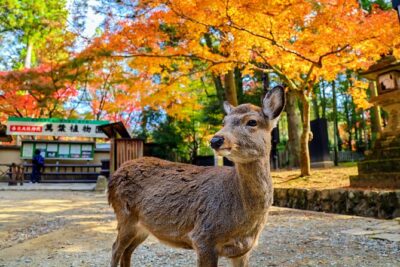
World Heritage Kyoto & Nara Uji Authentic Matcha Experience
Read our review →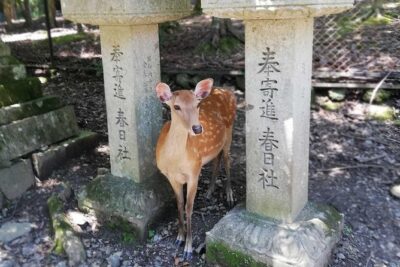
Nara Half Day Trip Walking Tour (Private Option Available)
Read our review →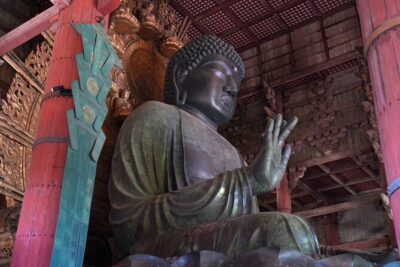
Nara Early Morning Tour (Kyoto or Osaka Departure Available)
Read our review →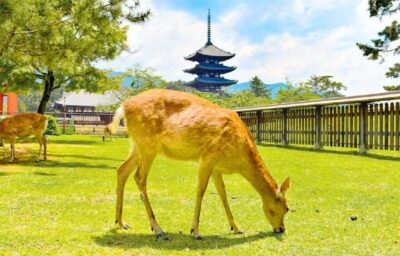
Nara and Uji Day Trip with Deer Park and Hot Spring
Read our review →
Kyoto/Osaka: Kinkakuji, Bamboo Forest, and Nara Deer Park
Read our review →
Nara 6hr Private Tour with Government-Licensed Guide
Read our review →
E-Bike Nara Highlights – Todaiji, Knives, Deer, Shrine
Read our review →
Nara Early Bird Tour (Kyoto Departure Option Available)
Read our review →Browse the lists this tour appears in