
Reviewed · TOKYO TOURS
Tokyo: Private Japanese Cooking Class with a Local Chef
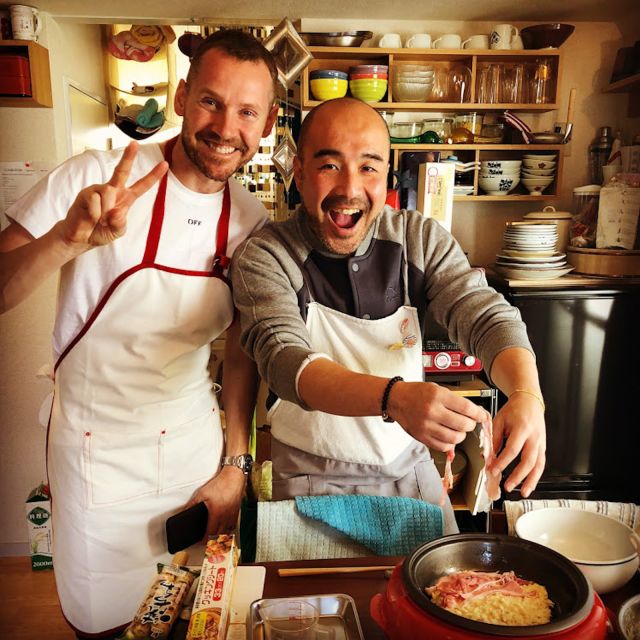
Tokyo has plenty of polished food tours, but this class brings you into Chef Sato’s apartment in Shinjuku to cook the sort of Japanese dishes people make at home. You do the chopping, seasoning, shaping, and cooking, then sit down to eat what you prepared.
I especially like the focus on seasonal ingredients and the easy, personal setting. I also like that Sato shares family cooking traditions, practical tips, and local Tokyo suggestions. The main consideration is the changing menu and slightly unclear timing: the activity is advertised as three hours, or 270 minutes, while the regular class schedule runs for two and a half hours. Confirm the details when booking.
Key points at a glance
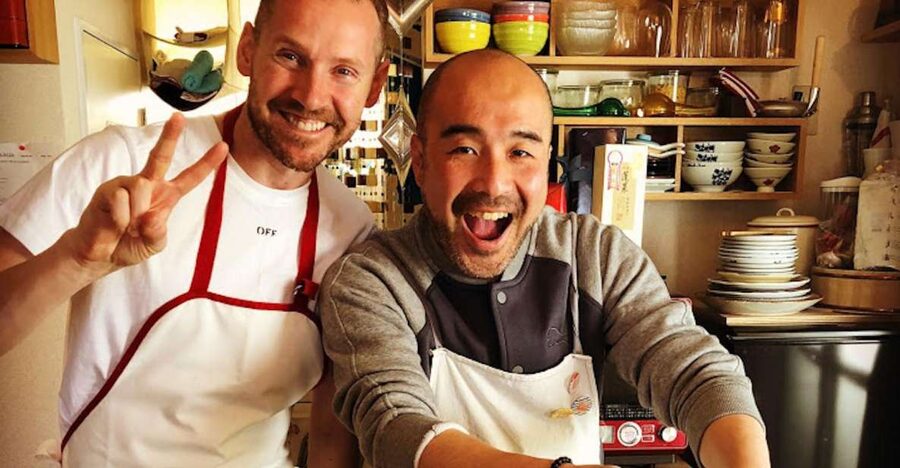
- Chef Sato teaches in English, with a patient, relaxed approach suited to beginners and home cooks.
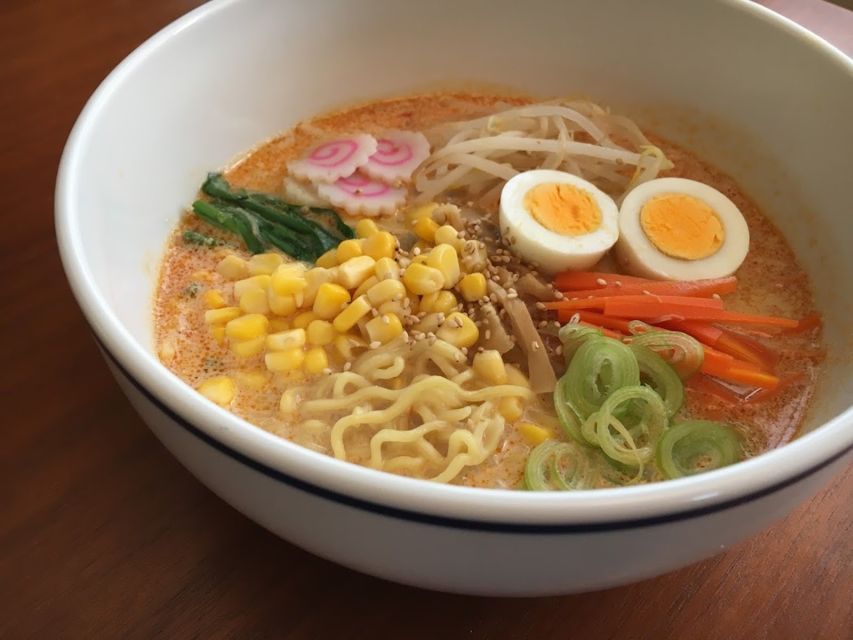
- The menu changes by day, from traditional teishoku set meals to ramen, gyoza, curry, okonomiyaki, and other popular foods.
- You cook two to four dishes, not just watch a demonstration.
- The setting is a private apartment in Shinjuku, giving the class a personal home-cooking feel.
- Morning participants can add a short local walk from 1 PM to 3:30 PM, with stops in areas such as Shinjuku and Nakano.
- The $120 price includes food, barley tea, and meeting-point pickup, making the value strongest for people who want both a meal and cultural conversation.
Cooking Japanese food in a Shinjuku apartment
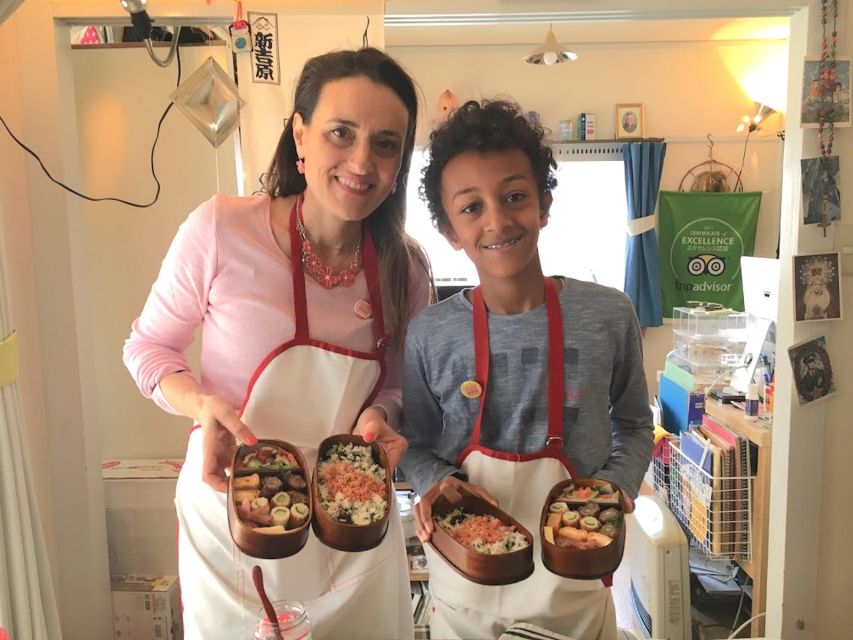
The experience begins at the police box by Shinjuku Station’s east exit. The meeting point is listed as Shinjuku Station East Exit Police Box, at 3-38-38-1, Shinjuku, Shinjuku-ku, Tokyo. From there, Chef Sato leads you to his apartment.
That walk matters. You are not heading into a cooking school designed for large groups. You are going to a real residential home, where the class feels closer to being invited over for dinner than attending a formal lesson. The apartment is described as cute and filled with personal items, and the setting gives the experience a more everyday Tokyo feel.
The private format is a major plus. You are not sharing the cooking bench with a busload of people, and the menu can be discussed around your food preferences. One couple arranged a class featuring katsu curry with rice, tofu salad, chikuwa vegetable appetizers, and homemade miso. That kind of flexibility makes the class more useful than a fixed demonstration.
Still, keep your expectations practical. This is home cooking, not a restaurant kitchen or a professional culinary school. Space and equipment will be modest compared with a purpose-built cooking studio. That is part of the appeal, but it also means the experience is best for people who value conversation and participation over polished production.
More cooking classes in Tokyo:
- Ramen & Gyoza Cooking Class in Tokyo with Local Supermarket Visit
★ 5.0 · 823 reviews - Tokyo: Easy Ramen Cooking Experience in Kabukicho, Shinjuku
★ 4.6 · 321 reviews - Ramen and Sushi Cooking Class with Sake Pairing Set in Tokyo
★ 5.0 · 291 reviews
What Chef Sato brings to the class
Sato’s cooking comes from family practice. He learned traditional Japanese food from his parents from a very young age, and he connects recipes to his family background and his own life. His teaching style is repeatedly described as warm, patient, and relaxed.
That tone makes a real difference if you are not used to Japanese ingredients. You can ask why a certain seasoning is used, how a vegetable should be cut, or how a dish fits into Japanese home cooking without feeling rushed. The class is conducted in English, and Sato is described as speaking excellent English.
The best part is that you take part in the work. Depending on the menu, you might chop vegetables, season meat, prepare soup, shape gyoza, assemble a salad, or help build a complete meal. You are not simply standing behind a counter while someone else does everything.
Sato also pays attention to presentation. One class included instruction on arranging each dish attractively, a useful lesson since Japanese meals often depend as much on balance and appearance as on flavor. You may leave with ideas for how to serve familiar ingredients in a more appealing way.
Choosing the right day and menu
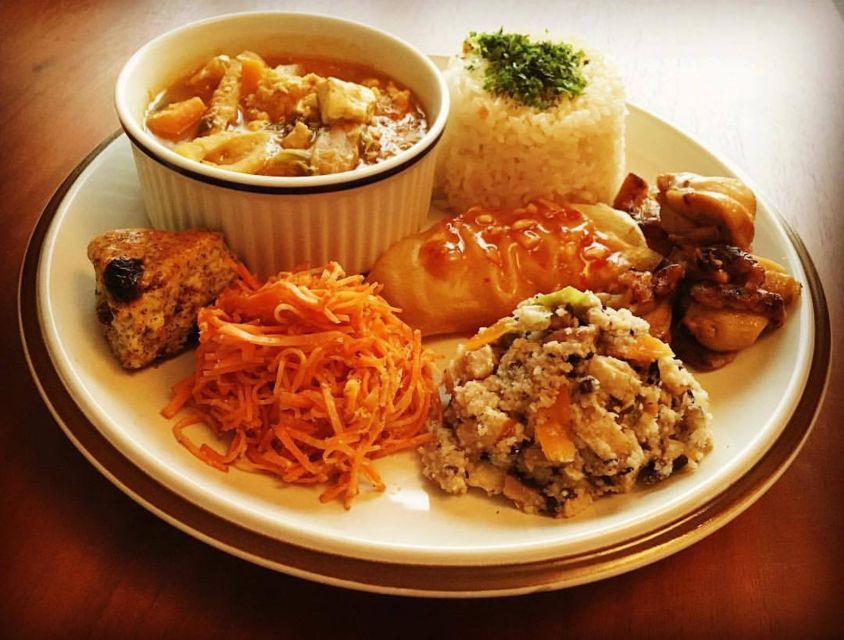
The schedule is divided into two menu styles. Saturday through Tuesday are listed as standard traditional meal days. Wednesday through Friday focus on popular Japanese foods.
The traditional menu may include:
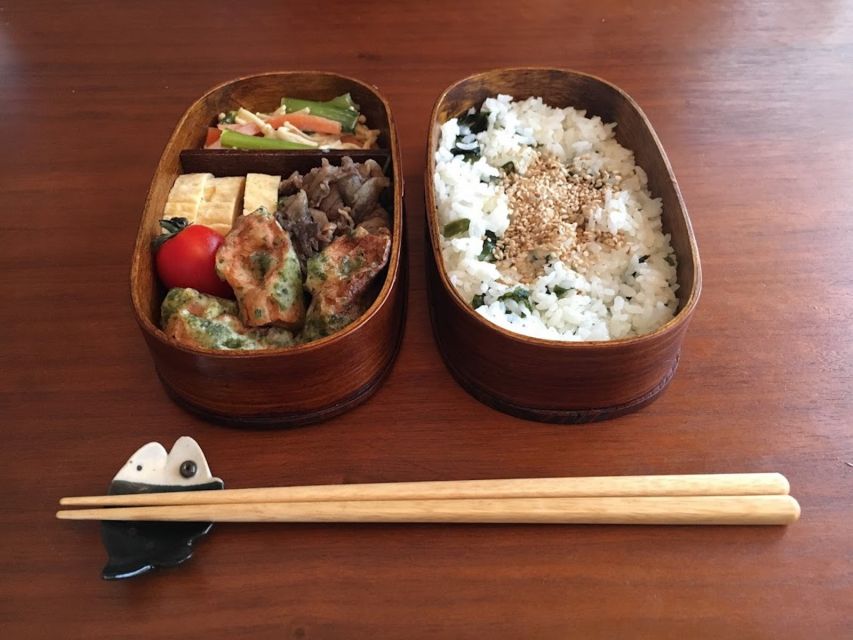
- Teishoku, a set meal with rice, a seasonal main dish, and two seasonal side dishes
- Donburi, a bowl served over rice
- Obento
- Tonjiru
- Rice balls
The popular-food menu may include:
- Ramen
- Gyoza
- Curry rice
- Okonomiyaki
- Kara-age
- Yakisoba
- Rice burgers
- A teishoku meal with a fried main dish
The menu includes two to four items, and it changes according to the day. This is important when planning. If your heart is set on ramen and gyoza, do not assume they are available every day. Choose a Wednesday, Thursday, or Friday class, then confirm what will be prepared.
If you want to understand Japanese meal structure, a Saturday through Tuesday class may be the better pick. Teishoku introduces the idea of rice, soup, a main dish, and several smaller sides working together. It also shows why seasonal produce matters in Japanese cooking.
If you want recognizable favorites, select a popular-food day. Ramen, gyoza, curry, and okonomiyaki are familiar to many visitors, but making them yourself gives you a better sense of the steps behind the finished dish.
Seasonal cooking is more than a menu label
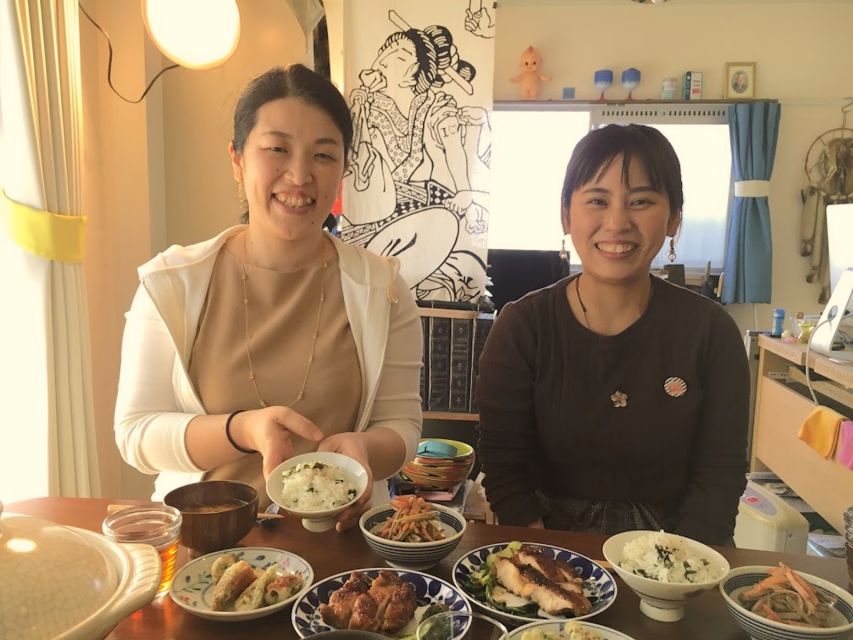
Seasonality is one of the clearest themes in this class. Sato explains that using seasonal ingredients is a basic part of Japanese cuisine, not a special extra. That lesson helps you understand why Japanese meals often include several small dishes rather than one large plate.
The cooking also gives you practical examples. You may learn how ingredients are prepared, seasoned, and arranged in ways that keep their individual character. One participant specifically appreciated learning a simple technique for cutting black spots from potatoes, a small household tip that says a lot about the class style.
The food is designed to be made at home. Past menus have included teriyaki chicken with rice, miso soup, salad, stuffed fish cake, homemade miso, tofu salad, katsu curry, ramen, and gyoza. These are dishes you can realistically try again after returning home, provided you can find the required ingredients.
That last point is worth remembering. Japanese pantry items may not be available at every supermarket outside Japan. The class can teach you the method and flavor balance, but you may need to visit an Asian grocery or find substitutions later. Ask Sato about ingredients and recipes before you leave.
More hands-on workshops in Tokyo:
- Sushi Making Tokyo Roll and Authentic Japanese Sushi Class
★ 5.0 · 3,971 reviews - Tokyo: Roll and Authentic Sushi Making Class in Asakusa
★ 4.9 · 1,957 reviews - Tokyo Shinjuku Chopsticks Making Class
★ 5.0 · 1,763 reviews - Tokyo: Sushi Making Class in a Happi Coat near a Famous Spot
★ 4.9 · 1,377 reviews
From ramen and gyoza to a full home meal
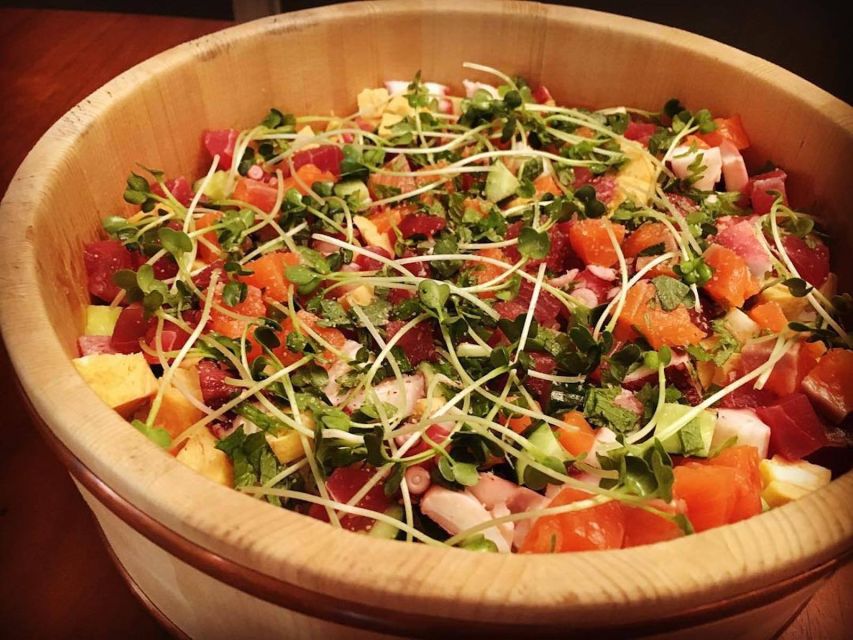
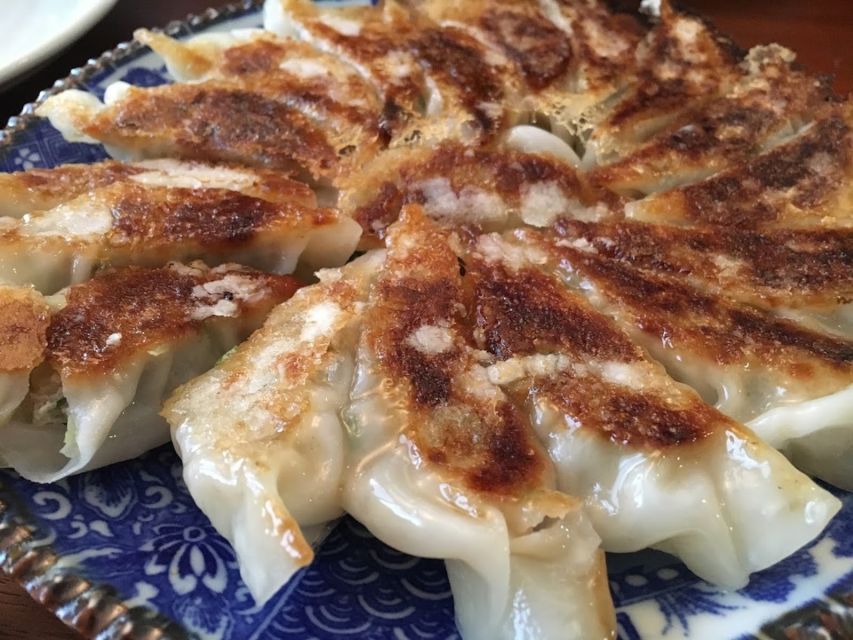
Ramen and gyoza have been especially popular choices for this experience. Making both from scratch gives the class a clear sense of progress. You prepare the ingredients, work through the cooking steps, and then taste the finished result together.
The appeal is not just that the food tastes good. You also learn that common Japanese dishes involve more preparation than their casual image suggests. Gyoza requires careful filling and folding, while ramen depends on several parts coming together at the right time.
Other menus offer a broader view of home dining. A traditional class can include rice, miso soup, a main dish, and side dishes. This is likely the better choice if you want to understand how an everyday Japanese meal is balanced.
The amount of food should be substantial enough to function as a meal, since meals are included in the price. You sit at the table afterward and eat what you helped prepare, with Japanese barley tea provided as the free drink.
The class is also social. Sato shares stories, answers questions, and talks with you about Tokyo and Japanese culture. Several participants described the atmosphere as similar to cooking with a friend. That personal side is the reason to choose this class over a standard food tasting.
Adding the local walk after the morning class
A short optional trip runs daily after the morning class, from 1 PM to 3:30 PM. It is offered as an extra experience rather than part of the core cooking session, so check whether it carries a separate charge and how it should be reserved.
The walk is designed around places you might not find in a standard guidebook. Past routes have included parts of Shinjuku and Nakano. Sato has also pointed out places for dessert and offered suggestions for other things to do in Tokyo.
This is a useful add-on if you want help seeing the city beyond the major sights. Shinjuku is easy to visit on your own, but a local host can help you notice smaller details and explain why a place matters. Nakano also gives the outing a different flavor from the most familiar central Tokyo stops.
The drawback is time. A morning class runs from 10:30 AM to 1 PM, followed by the optional walk until 3:30 PM. That creates a long block in your day. If you have timed tickets elsewhere, a booked restaurant, or limited energy, keep the walk optional.
An evening class runs from 6 PM to 8:30 PM. That works well for a relaxed dinner activity, but it does not include the afternoon walk. Decide if food or neighborhood exploration is your priority.
How much value does $120 provide?
At $120 per person, this is not a cheap meal. You could eat several Japanese dishes in Tokyo for less. The price makes more sense when you count the private instruction, ingredients, meal, barley tea, English-language teaching, and time spent with a local host.
You are paying for access to a personal setting and for hands-on guidance. A restaurant teaches you what Japanese food tastes like. This class shows you how it is prepared and why certain ingredients and meal patterns matter.
The private-group format improves the value for couples, families, or friends who want a quieter session. It also makes the cost easier to justify if Sato adjusts the menu to your preferences and answers questions throughout the class.
The optional walk can make the day feel more complete, especially on a first visit to Tokyo. Just make sure you understand if it is included or priced separately. The details provided clearly include meals, barley tea, and pickup at the meeting point, but they do not state a separate price for the walk.
For a solo visitor, $120 is a larger spend. You may still find it worthwhile if cooking and cultural exchange are central to your trip. For two or more people who enjoy food, the personal nature of the class gives it stronger value.
Timing, meeting point, and what to plan for
The listed morning class is 10:30 AM to 1 PM. The evening class is 6 PM to 8:30 PM. The activity description also gives a duration of three hours and 270 minutes, which do not match each other or the class times exactly.
This is a small but important planning issue. Confirm the exact duration, menu, meeting instructions, and optional walk arrangements after booking. The meeting point is specific, but Shinjuku Station is large, so allow time to find the east exit and the police box.
Pickup at the meeting point is included. Based on the way the class is described, this means Sato meets you there and takes you to the apartment. You should not need to find the apartment independently.
Food preferences can be discussed in advance. That is particularly useful if you have allergies, avoid certain foods, or want to focus on a specific dish. The available information confirms that menus may be tailored in some cases, but it does not promise that every dietary request can be met, so ask before committing.
Cancellation is flexible, with a full refund available if you cancel at least 24 hours ahead. You can also reserve and pay later, which helps if your Tokyo schedule is still changing.
Who will enjoy this most
I would choose this experience for:
- First-time visitors who want a personal introduction to Japanese food
- Couples looking for a shared activity rather than another restaurant meal
- Families who want children or teens to take part in cooking
- Home cooks who plan to recreate dishes after the trip
- Visitors who enjoy conversation and learning about a host’s family traditions
- Anyone who wants a local walk in Shinjuku or Nakano after the class
Beginners are welcome. The class is not presented as advanced training, and the relaxed teaching style should suit people who cook often as well as people who rarely do.
I would be more cautious if you dislike intimate home settings, need a highly predictable menu, or want a formal professional kitchen. The experience depends on personal contact and a flexible schedule. That is its strength, but it will not suit every travel style.
A personal Tokyo memory, not just a recipe lesson
The strongest reason to book is the combination of food and hospitality. You learn recipes, but you also hear about Sato’s family, his path as a cook, and the place cooking holds in Japanese life.
The meal at the end gives the class a natural finish. You prepare the food together, sit at the table, and talk while eating. That simple rhythm can feel refreshingly different after days of moving through stations, shopping streets, and crowded sightseeing areas.
Several menus have produced food people wanted to make at home, including ramen, gyoza, katsu curry, teriyaki chicken, miso soup, and rice dishes. Recipe handouts have also been provided in some classes. Ask about getting the recipes so the experience continues after your flight home.
The class has earned a perfect 5 rating from 81 reviews, and the praise is notably consistent around Sato’s warmth, clear English, patience, food, and local suggestions. Those are the parts I would give the most weight when deciding.
Should you book Chef Sato’s cooking class?
Book it if you want hands-on Japanese home cooking, a private setting, and genuine conversation with a local host. It is especially good for couples, food lovers, and anyone who wants to take a few useful recipes home.
Choose your day carefully. Traditional-food days are best for teishoku and seasonal meal structure, while Wednesday through Friday offer popular dishes such as ramen, gyoza, curry, and okonomiyaki. If your schedule allows, add the afternoon walk after the morning class.
Skip it if you want a low-cost meal, a fixed menu, or a large professional studio. At $120, the value comes from the personal instruction and home setting, not from the amount of food alone. For the right visitor, that makes this one of the more memorable ways to spend a few hours in Tokyo.
FAQ
Where does the cooking class meet?
The meeting point is the police box at the east exit of Shinjuku Station, at 3-38-38-1, Shinjuku, Shinjuku-ku, Tokyo, 160-0022, Japan.
How long is the class?
The morning class runs from 10:30 AM to 1 PM, and the evening class runs from 6 PM to 8:30 PM. The activity information also lists a duration of three hours and 270 minutes, so confirm the exact timing when booking.
Who teaches the class?
Chef Sato, also referred to as Satoru or Sato-san, teaches the class in English.
What food will I cook?
The menu changes by day. Traditional days may include teishoku, donburi, obento, tonjiru, rice balls, and seasonal side dishes. Popular-food days may include ramen, gyoza, curry rice, okonomiyaki, kara-age, yakisoba, rice burgers, and fried dishes.
How many dishes will I prepare?
You will cook two to four items, depending on the menu selected for that day.
Is the afternoon walk included?
An optional short trip is available every day after the morning class from 1 PM to 3:30 PM. The supplied information does not state whether it has a separate fee, so confirm that detail before booking.
What is included in the price?
The $120 per-person price includes the meal, Japanese barley tea, and pickup at the meeting point. The experience is a private group activity.
Just added around Tokyo
- Private Arrival Transfer : Narita International Airport to Central Tokyo City★ 4.5 · 12 reviews
- Narita Airport(NRT): Private Transfer to Tokyo/Yokohama 1-9pax★ 5.0 · 47 reviews
- Private Transfer from Narita Airport to Yokohama Port and City★ 4.5 · 17 reviews
- [Narita Airport Terminals 1, 2] 40-60km Sawara Itako Historic Bike Tour★ 5.0 · 13 reviews
- 3 Day Japan Highlights Tour: Tokyo, Mt.Fuji, Nara, Kyoto, Osaka★ 5.0 · 22 reviews
- Small Town in the Big City: Tasting Tokyo’s Kichijoji★ 5.0 · 195 reviews
- Small Town in the Big City: Tasting Tokyo’s Kichijoji★ 5.0 · 16 reviews
- The 10 Tastings of Tokyo With Locals: Private Street Food Tour★ 5.0 · 48 reviews
Tokyo Tours, compared.

Mt Fuji and Hakone 1-Day Bus Tour Return by Bullet Train
Read our review →

teamLab Planets TOKYO Digital Art Museum Entry Ticket
Read our review →
Mt Fuji & Hakone Cruise, Drum Show Bullet Train 1 Day from Tokyo
Read our review →
Sumo Show Experience with Chicken Hot Pot and a Photo
Read our review →
Shinjuku Food Tour (13 Dishes at 4 Local Eateries)
Read our review →
Tokyo Mt Fuji 5th St & Hakone Cruise Bus Tour w/Bullet Train
Read our review →
Flagship 2-Hours Official Street Go-Kart Tour – Tokyo Bay Shop
Read our review →Browse the lists this tour appears in