
Reviewed · TOKYO TOURS
Akihabara Anime & Game Adventure Walking Tour (Group or Private)
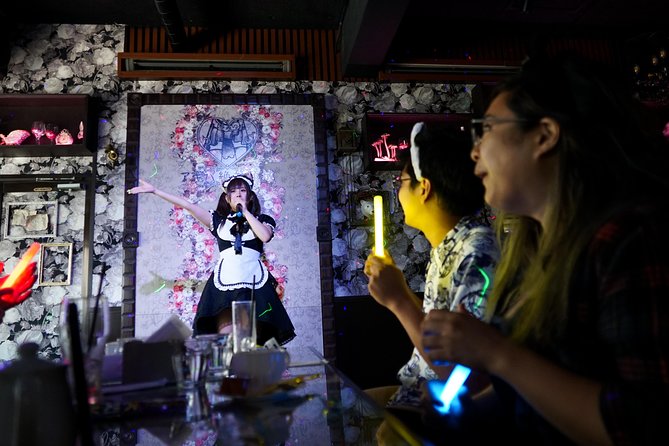
Akihabara is easiest to enjoy once someone helps you sort the signal from the noise. This tour takes you from Super Potato’s retro games to anime shops, gachapon machines, arcades, purikura, and a maid cafe, giving you a quick introduction to the neighborhood’s playful side.
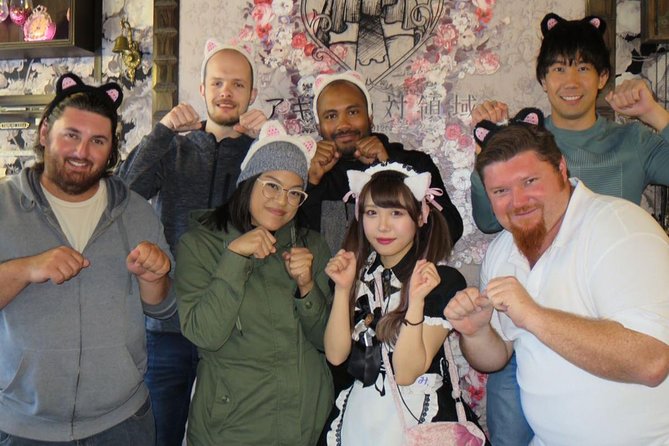
I like two things here: the small group, capped at seven, and the included maid cafe entry with one drink. Guides such as Ai, Ryo, Seina, and Taka have been praised for matching the route to interests, helping with translations, and pointing out shops you might miss alone.
The catch is that this is an introduction, not a detailed study of anime culture or Akihabara’s past. Some guides add plenty of context, while some outings appear to focus more on directing you from shop to shop. If you already know the district well, the $90.86 price may feel high.
Key points before you book
- Super Potato starts the tour with retro Nintendo-era appeal, including old games and classic machines that give Akihabara a strong nostalgic kick.
- The maid cafe is the centerpiece, with admission and one drink included, while food, extra drinks, and the ¥1,430 live performance cost more.
- A group of no more than seven gives you a better chance to ask questions and request anime, manga, gaming, or shopping stops.
- Purikura is included, adding a distinctly Japanese photo booth experience to the walking route.
- The route mixes famous stops with quick shop visits, so you get an overview rather than long browsing time in each store.
- Summer heat matters, since much of the experience is outdoors and Akihabara’s streets can feel hot and humid.
Why a guide helps in Akihabara
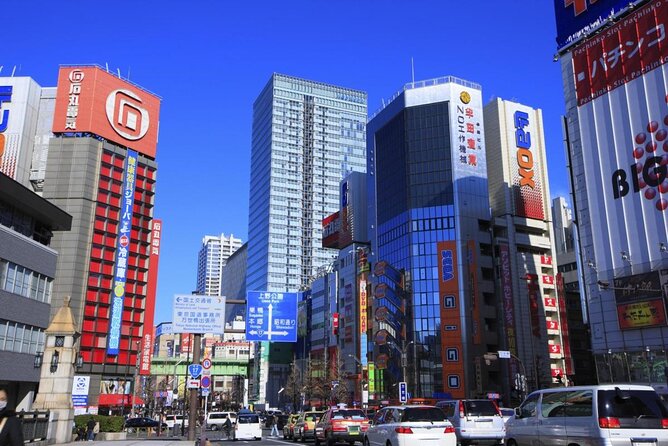
Akihabara can look simple from the station: bright signs, game centers, electronics stores, and shelves of figures. The difficulty comes once you start walking. Shops are often packed into narrow buildings, with different floors aimed at different interests and age groups.
A guide gives you a starting filter. Instead of spending your first hour wondering which stairwell leads to retro games and which leads to newer collectibles, you move through a planned selection of stops. That matters most if you have only one day in Tokyo or are traveling with a child who has a very specific interest.
The best part of the guiding depends on the individual guide. Ai has been singled out for anime and electronics trivia, while Ryo has helped people locate particular shops and adapted the route to their tastes. Seina has been praised for her energy and for making first-time visitors feel comfortable, and Taka has helped with maid cafe reservations, translation, and photographs.
That variation is important. Strong guides explain what you are seeing, describe how the area has changed, and add local context. A weaker outing may feel like a walking escort, with the guide pointing out stores but giving little explanation. I would book this for orientation and conversation, not as a guaranteed expert lecture.
More anime and pop-culture days in Tokyo:
- Official Street Go-Kart Tour – Akihabara
★ 5.0 · 1,578 reviews - Tokyo Go Kart: Asakusa, Skytree, and Akihabara **IDP MUST**
★ 5.0 · 988 reviews - Tokyo Studio Ghibli Museum and Ghibli Film Appreciation Tour
★ 4.5 · 421 reviews
Meeting at Electric Town Gate
The meeting point is in front of the Ticket Office outside the Electric Town Gate of JR Akihabara Station, at the Travel Service Center, 1 Chome-17 Sotokanda. The tour returns to this same meeting point at the end.
Akihabara Station has several exits and can be confusing, so give yourself extra time to locate the correct side of the station. The guide may be holding a simple sign, and precise meeting instructions matter. One poorly handled meeting caused serious frustration when a group waited on the wrong side of the station, so double-check the meeting location before you leave your hotel.
The route uses public streets, stores, stairs, and crowded indoor spaces. Most people can take part, but the supplied information does not promise special accessibility arrangements. If you use a wheelchair, have limited mobility, or need a specific accommodation, contact the operator before booking rather than assuming the group route can be changed at the last minute.
Super Potato: a first taste of retro gaming
The first planned stop is Super Potato, a retro video game shop and one of the clearest ways to understand Akihabara’s appeal to older gamers. You get about 30 minutes here, with admission included.
This is less about modern shopping and more about memory. The store is known for older Japanese video games and consoles, making it especially useful if you grew up during the early years of home gaming. Even if you do not buy anything, the old titles and hardware show how much of Akihabara’s identity is tied to games that are no longer common in ordinary electronics shops.
The practical issue is time. Thirty minutes can pass quickly in a cramped store, especially if you want to inspect prices, read game labels, or browse several floors. Treat this as a focused introduction. If Super Potato is your main reason for booking, plan to return on your own after the tour.
Akiba Cultures Zone and the anime store circuit

Next comes Akiba Cultures Zone, with about 30 minutes devoted to anime goods, idol-related items, maid cafe culture, and other forms of Japanese pop culture. This is where the route shifts from old games to the wider world of Akihabara merchandise.
You might find figures, models, character goods, and souvenirs, but the exact stores and selection can vary. The value here is the guide’s ability to explain what you are looking at and steer you toward the type of merchandise you want. Families have found this useful because the route can save time when one person wants anime figures and another is more interested in games.
Do not expect half an hour to cover every anime or manga shop in the district. Akihabara is far too large for that. The tour gives you a sample and helps you learn how the shopping streets work, then you can return to the stores that fit your interests.
More walking tours in Tokyo:
- Tokyo Tsukiji Fish Market Food and Culture Walking Tour
★ 5.0 · 3,184 reviews - Tokyo: Imperial Palace and Shogun Historical Walking Tour
★ 5.0 · 2,251 reviews - Tokyo: Shinjuku Local Bar and Izakaya Guided Walking Tour
★ 4.9 · 1,794 reviews - Tokyo: Tsukiji Fish Market Food and Walking tour
★ 5.0 · 1,724 reviews
Gachapon Hall: small machines, quick fun
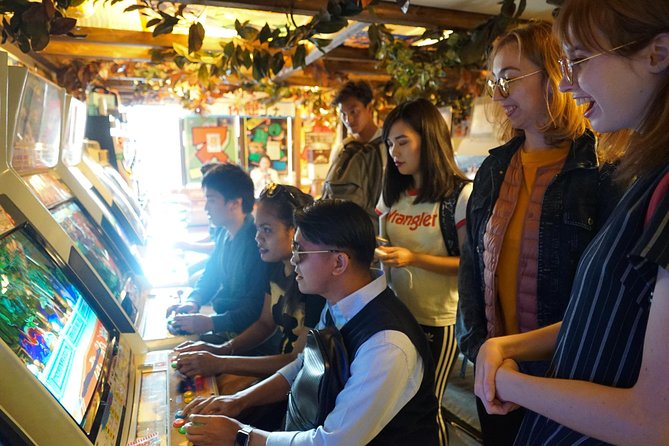
The stop at Akihabara Gachapon Hall lasts around 15 minutes. Gachapon machines sell small capsule toys, often based on anime characters, animals, toys, food, or odd little everyday objects.
The hall has been known as a major gachapon destination for years, with both newer releases and harder-to-find items. It is easy to understand, easy to photograph, and fun even if you are not a serious collector. Children usually need little encouragement here, though you should expect to pay for any capsules you choose to buy.
Fifteen minutes is enough for an introduction but not enough for careful browsing. If you spot a machine you like, remember where it is. The short stop keeps the tour moving, but it also means you may want to revisit the hall later.
Heaven’s Gate and the maid cafe experience
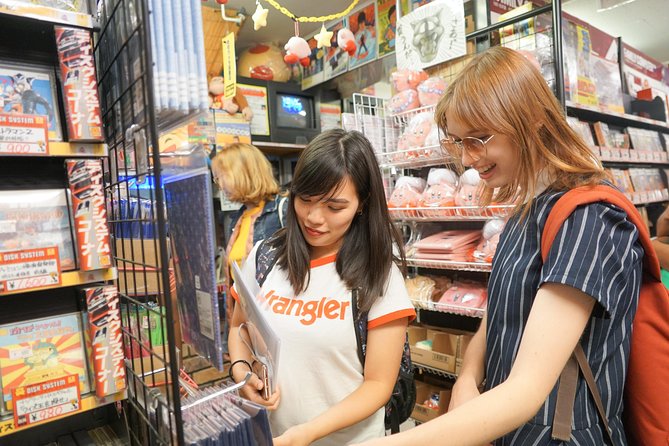
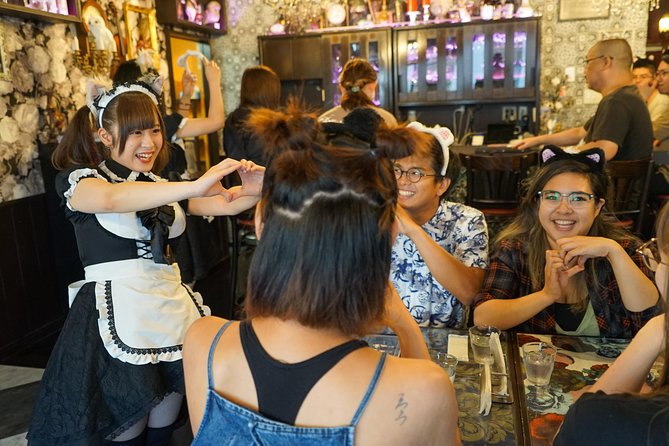
The maid cafe takes about one hour and is the tour’s main cultural experience. Admission and one drink are included, although the cafe visited may change depending on the situation.
For first-time visitors, the cafe can feel unusual. The staff may use playful service, themed language, and simple audience participation. The tour is designed to help you understand the basic manners and activities, which can make the experience less awkward than walking into a cafe alone without knowing what to expect.
The included drink is a useful part of the price because maid cafes often involve extra charges for food, drinks, photos, or performances. Additional food and drinks are not included, and the maids’ live performance costs ¥1,430 per person. A Polaroid photo with a maid is also available for purchase.
Expect the cafe to be more about atmosphere and performance than a quiet meal. Some people find it funny and memorable, while others find it strange or underwhelming. The quality of the experience may also depend on which cafe is operating on the day, since the venue is not guaranteed.
This is also where guide quality matters. A good guide can explain what is happening, translate basic exchanges, and help everyone take part without pressure. The tour is a better fit if you are open-minded and curious about a very specific part of Akihabara culture. If you dislike staged service or group participation, the cafe may be the least comfortable hour of the outing.
Taito Station and Akihabara’s arcade side
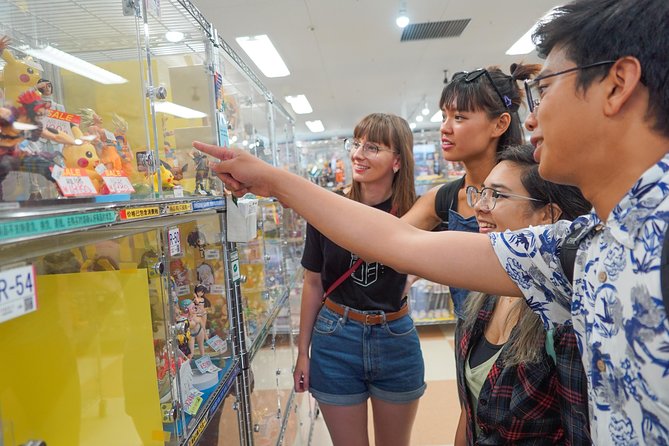
The route then moves to Taito Station Akihabara, about a three-minute walk from the station. The large Space Invaders sign makes the building easy to spot, and you get roughly 25 minutes here.
Taito Station represents the arcade side of Akihabara. You might see older machines, newer games, prize machines, and the noisy, colorful energy that makes Japanese game centers different from a standard shopping mall arcade. The stop gives you time to play, but the exact machines and amount of hands-on gaming depend on the group’s pace.
Some outings have included old arcade favorites and smaller game shops that are difficult to locate without local help. If you are a serious arcade player, 25 minutes will feel short. Still, it is enough to decide if you want to return later for a longer session.
Purikura, cosplay, and the final walk
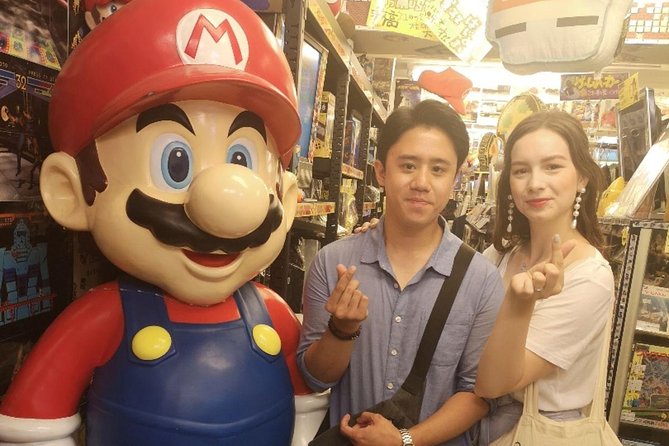
The tour includes a Japanese photo booth experience known as purikura. These booths usually let you decorate and alter photos with stamps, frames, and other effects. It is a light activity, but it gives you something more active to do than simply looking at merchandise.
The final portion lasts around 15 minutes and may include cosplay sights or unusual vending machines around Akihabara. This part is less predictable than the named stops, which is useful if you want to see the neighborhood as it changes from one street to the next, but less satisfying if you expect a fixed attraction.
The full activity is advertised at about three hours, though timing can shift. Shop visits, cafe seating, crowd levels, and the group’s interests all affect the pace. Leave room in your day rather than scheduling a train, meal, or timed attraction immediately afterward.
What the $90.86 price really buys
At $90.86 per person, this is not a cheap neighborhood walk. You are paying for the guide, a small group, maid cafe entry, one drink, and the convenience of a planned introduction. You are also paying for help with a district that can be visually exciting but hard to read on your own.
The price makes the most sense for a first visit, a family with mixed interests, or anyone who wants to try a maid cafe without handling the language and social details alone. It can also be useful if you want a guide who can help identify specific anime or gaming shops.
The value drops if you mainly want free time to browse. Most stores do not charge admission, and Akihabara is easy to reach by train. You can walk through Electric Town, visit arcades, buy gachapon capsules, and browse merchandise without a tour fee. The tour earns its keep only when the guide adds useful explanation, saves you search time, or helps you enjoy the maid cafe.
Group discounts may be available, and the group size is limited to seven. The experience is described as group or private, but the supplied details specifically confirm the seven-person maximum rather than explaining private-tour pricing or arrangements. If a private format is important to you, confirm the exact option before paying.
Who will enjoy this most
I would recommend this tour to:
- First-time Akihabara visitors who feel overwhelmed by the number of shops.
- Anime, manga, and gaming fans who want a quick list of places to revisit.
- Families with children or teenagers who need a route that keeps moving.
- People curious about maid cafes but unsure how to enter one alone.
- Visitors who value a guide’s help with translation, shopping questions, or local navigation.
I would be more cautious if you have already explored Akihabara several times. You may find the stops familiar and the browsing time too short. Serious collectors should also protect time for independent shopping, since the tour cannot cover every specialty store.
The experience is not ideal for anyone expecting a formal museum-style presentation. The strongest outings include area history and clear explanations, but the route is built around shops, games, and pop culture rather than a long lecture.
Heat, crowds, and practical planning
Wear comfortable shoes and bring water, especially in summer. Japan’s summer can be hot and humid, and the route includes outdoor walking between indoor stops. A hat is sensible, and light clothing will make the afternoon easier.
Akihabara is often crowded, so keep your belongings close and expect some stairs and tight shop interiors. If you are shopping for fragile figures, games, or electronics, bring a bag that will not get in the way as you move through narrow aisles.
The tour requires good weather. If the operator cancels because of poor conditions, you should be offered another date or a full refund. You can cancel for a full refund up to 24 hours before the start time, but changes or cancellations inside that window are not accepted.
Food allergies and dietary restrictions need special care. The operator cannot guarantee allergy-free food because the cafes use kitchens outside its control, and substitutions may not always be possible. Tell the operator in advance, but do not treat that as a guarantee.
Should you book it?
Book this Akihabara tour if you want a friendly three-hour orientation with a maid cafe, retro games, gachapon, arcades, and purikura built into one route. The small group and included cafe drink make it easier to try several parts of the district without planning every stop yourself.
Skip it if you prefer to browse slowly, already know Akihabara, or expect detailed anime history at every stop. At $90.86, the guide must add real value for you. For a first visit, especially with children or a dedicated anime fan in your group, that convenience can be worth the cost. Just confirm the meeting point, prepare for the heat, and keep an open mind about the maid cafe.
FAQ
How long does the Akihabara Anime and Game Adventure Walking Tour last?
The tour lasts approximately three hours, although the actual timing can change because of crowds, shop visits, cafe arrangements, and group pace.
Where does the tour meet?
It meets in front of the Ticket Office outside the Electric Town Gate of JR Akihabara Station, at the Travel Service Center at 1 Chome-17 Sotokanda, Chiyoda City, Tokyo 101-0021.
Where does the tour end?
The activity ends back at the meeting point.
How many people can join the group?
The group has a maximum of seven participants.
Is maid cafe entry included?
Yes. Maid cafe entry and one drink are included in the tour price.
Are food and extra drinks included at the maid cafe?
No. Additional drinks and food are available for purchase but are not included.
Does the tour include a maid cafe performance?
A live performance is not included. It is available for an additional ¥1,430 per person.
Is the purikura photo booth experience included?
Yes. A Japanese photo booth, or purikura, experience is included.
Can I buy a Polaroid photo with a maid?
Yes. Polaroid photos with a maid are available for purchase.
Can the maid cafe change?
Yes. The cafe visited may vary depending on the situation.
Is the tour suitable in summer?
Yes, but summer in Japan is very hot and humid. Bring water and wear a hat to reduce the risk of heat stroke.
What happens if bad weather cancels the tour?
You should be offered a different date or a full refund if the activity is canceled because of poor weather.
What is the cancellation policy?
You can cancel at least 24 hours before the start time for a full refund. Cancellations or changes made less than 24 hours before the start time are not accepted and will not be refunded.
Just added around Tokyo
- Private Arrival Transfer : Narita International Airport to Central Tokyo City★ 4.5 · 12 reviews
- Narita Airport(NRT): Private Transfer to Tokyo/Yokohama 1-9pax★ 5.0 · 47 reviews
- Private Transfer from Narita Airport to Yokohama Port and City★ 4.5 · 17 reviews
- [Narita Airport Terminals 1, 2] 40-60km Sawara Itako Historic Bike Tour★ 5.0 · 13 reviews
- 3 Day Japan Highlights Tour: Tokyo, Mt.Fuji, Nara, Kyoto, Osaka★ 5.0 · 22 reviews
- Small Town in the Big City: Tasting Tokyo’s Kichijoji★ 5.0 · 16 reviews
- The 10 Tastings of Tokyo With Locals: Private Street Food Tour★ 5.0 · 48 reviews
- Small Town in the Big City: Tasting Tokyo’s Kichijoji★ 5.0 · 195 reviews
Tokyo Tours, compared.

Mt Fuji and Hakone 1-Day Bus Tour Return by Bullet Train
Read our review →

teamLab Planets TOKYO Digital Art Museum Entry Ticket
Read our review →
Mt Fuji & Hakone Cruise, Drum Show Bullet Train 1 Day from Tokyo
Read our review →
Sumo Show Experience with Chicken Hot Pot and a Photo
Read our review →
Shinjuku Food Tour (13 Dishes at 4 Local Eateries)
Read our review →
Tokyo Mt Fuji 5th St & Hakone Cruise Bus Tour w/Bullet Train
Read our review →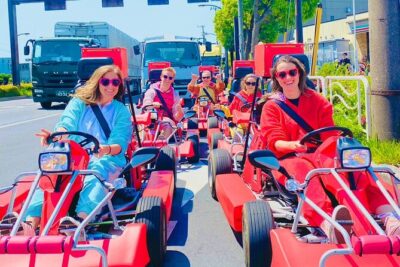
Flagship 2-Hours Official Street Go-Kart Tour – Tokyo Bay Shop
Read our review →Browse the lists this tour appears in