
Reviewed · TSUKIJI FISH MARKET TOURS
Awesome Private Tour: Tsukiji, Asakusa, Shinjuku, Shibuya
Tokyo is easiest to enjoy when someone helps you connect the dots. This private walking and subway tour lets you shape the day around temples, food, shopping, pop culture, or major sights rather than follow one fixed route. Abu, Maruf, and Ayoub are among the guides associated with the experience.
I like the practical local help, especially food tips at Tsukiji Outer Market and shop suggestions around Senso-ji. I also like the small-group format, which lets you slow down, take breaks, or adjust the plan in hot weather. The main caution is the price: at $116 per person, transportation, food, and attraction tickets are extra, and the published route contains far more stops than fit comfortably into four hours.
Key things to know before booking
- Your guide can shape the day around you: Choose major sights, food, shopping, history, anime, architecture, or quieter neighborhoods.
- Tsukiji and Asakusa make a strong opening: You get market food, a striking temple, traditional shops, and useful local advice early in the day.
- The route can cover much of Tokyo: Ginza, Shibuya, Harajuku, Ueno, Akihabara, Shinjuku, Yanaka, Nakano, and Kichijoji are possible areas.
- Private means flexible, not all-inclusive: You pay your own subway fares, food bills, and entrance fees.
- The timing needs careful planning: Four hours suits two or three areas. The longer option is better if you want Tokyo Skytree or several distant districts.
- The guide can help with the rest of your trip: The experience includes recommendations for places to eat, shop, and visit after the tour ends.
A useful way to see Tokyo in one day
The best feature here is not a single landmark. It is the ability to ask for the Tokyo you actually want. A first-time visitor can focus on Asakusa, Tsukiji, and Shibuya. A repeat visitor can skip the obvious photo stops and request Yanaka, Nakano, or Kichijoji.
That matters because Tokyo is not one compact sightseeing zone. It is a collection of districts spread across a huge rail and subway network. A private guide can help you spend your limited time in the areas that match your interests, instead of losing half a day to wrong turns and random train changes.
The experience is described as a four-hour half-day tour, with options that may run from four to eight hours. That range is important. The shorter version realistically fits two or three nearby or well-chosen areas. The longer version gives you room for distant stops, shopping, meals, and more time at major attractions.
You should discuss your priorities before setting out. If Tsukiji food, Senso-ji, and Shibuya Crossing are your top picks, say so. If you want anime stores, local bars, or old residential streets, say that instead. The guide’s role is most useful when the plan is specific.
More fish market mornings:
- Tokyo Tsukiji Fish Market Food and Culture Walking Tour
★ 5.0 · 3,184 reviews - Tokyo: Tsukiji Fish Market Food and Walking tour
★ 5.0 · 1,724 reviews - Tokyo: Tsukiji Fish Market Guided Walking Tour
★ 4.9 · 1,397 reviews
Tsukiji starts with food and local advice
Tsukiji Outer Market is a smart first stop. Its narrow lanes are filled with food shops, cooking goods, snacks, and small places to eat. The planned visit allows about 30 minutes, which is enough to get a taste of the area but not enough for a long food crawl.
I would use this stop for orientation and targeted eating advice. Ask your guide what to try, where to browse, and how to avoid spending the entire morning in one line. One particularly useful part of the experience is help choosing food at Tsukiji, an area where a local’s guidance can be more valuable than a generic list.
The nearby Tsukiji Hongan-ji temple adds a change of mood. You walk there in about five minutes and spend roughly 15 minutes visiting. Its unusual architecture makes it worth a short look, even if you are not planning a long religious site visit.
You then pass Kabuki-za on the way toward Ginza. The theater is included as a pass-by stop, not a full performance visit. If kabuki interests you, ask about it in advance, since a ticket and extra time are not part of the tour price.
Ginza brings Tokyo’s polished side
Ginza is Tokyo at its most refined. The district is known for luxury shops, gourmet restaurants, stylish cafes, and the Kabuki-za theater. You get about 15 minutes here for photos, a short walk, shopping, or a quick look at the streets.
That timing works as an introduction, but it is too short for serious shopping. Ginza is better treated as a contrast to Tsukiji and Asakusa. Within a short distance, you move from market stalls and temple traditions to major brands and formal storefronts.
I would not choose Ginza as one of your main areas if you want a slow food experience or local neighborhood atmosphere. I would include it if you enjoy design, architecture, high-end retail, or seeing how Tokyo shifts from old downtown traditions to modern commerce.
Asakusa gives you Tokyo’s traditional center
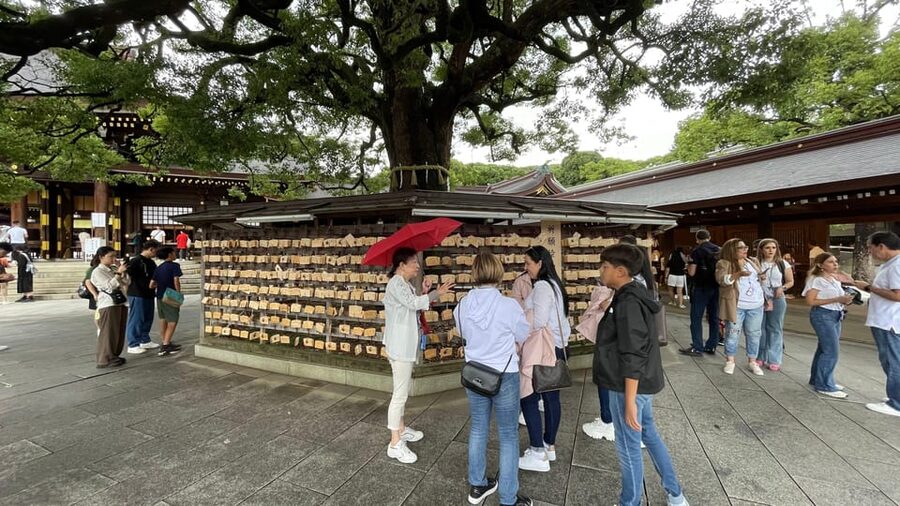
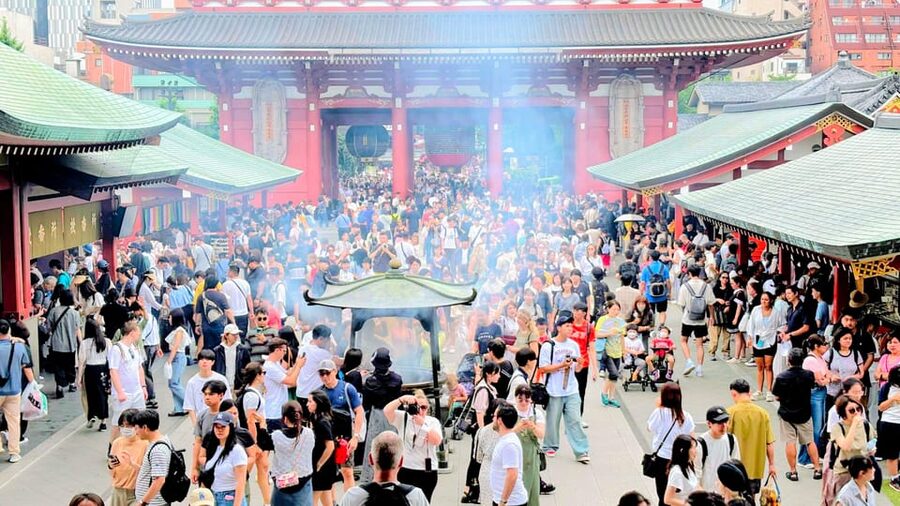
Asakusa is likely to be the strongest stop for a first visit. The area combines Senso-ji, Tokyo’s oldest and most important Buddhist temple, with Nakamise Shopping Street and the surrounding old downtown feel.
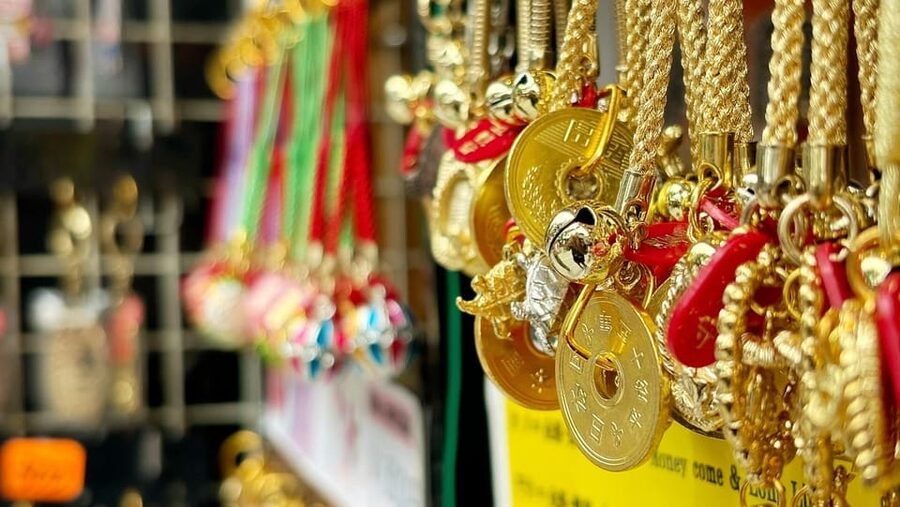
Nakamise is a good place to browse traditional snacks, souvenirs, and small gifts. The planned visit lasts about 20 minutes, followed by roughly 30 minutes at Senso-ji. That gives you time for photos, a temple visit, free browsing, and a short explanation of the site.
Senso-ji is not just a quick photo backdrop. The approach, gate, incense, worship hall, and surrounding lanes give you a useful introduction to Japanese temple customs. Your guide can explain what you are seeing and help you handle the visit with respect.
The surrounding shops can also be a practical stop. One guide, Abu, is especially noted for giving useful suggestions about where to browse near Senso-ji. That kind of advice can save you from buying the first souvenir you see at the front of Nakamise.
Asakusa works well for families, first-time visitors, and anyone who wants a clear sense of old Tokyo. It can get crowded, so a short visit may feel rushed if you want to shop carefully or take your time at the temple.
A few more Tokyo half-days to weigh up
- Mt Fuji and Hakone 1-Day Bus Tour Return by Bullet Train
★ 5.0 · 26,383 reviews - 1-Day Tokyo Bus Tour
★ 5.0 · 14,250 reviews - Tokyo: TOKYO SKYTREE® Admission ticket
★ 4.5 · 11,192 reviews - Tokyo: teamLab Planets TOKYO Digital Art Museum Entry Ticket
★ 4.6 · 9,779 reviews
Tokyo Skytree needs more than a quick photo
Tokyo Skytree is listed with a possible two-and-a-half-hour stop. That is a major time commitment, and you should decide if the tower is a priority before building your route.
The stop can include photos, free time, shopping, and sightseeing. Entrance tickets are not included, so going up the tower adds another cost. If you only want a view from the area, you may not need the full two-and-a-half hours. If you want the observation decks and time to look around, the longer visit makes more sense.
This is also where the timing issue becomes clear. Tsukiji, Ginza, Asakusa, Skytree, Akihabara, Ueno, Shibuya, and Shinjuku cannot all receive meaningful attention in a four-hour tour. Even the subway rides between them take time.
I would choose Skytree only if the view is more important to you than another neighborhood. Otherwise, use those hours for a slower Asakusa visit, a meal, or a district such as Yanaka.
Akihabara and Ueno serve different interests
Akihabara is the choice for electronics, manga, anime, games, and Japanese pop culture. The planned stop is about 30 minutes, so it works best as a quick introduction or a targeted visit to a shop or arcade area.
If you have a specific interest, tell your guide before the tour. A short stop becomes more useful when you know what you want to find. Without a clear goal, Akihabara can feel like a blur of signs and stores.
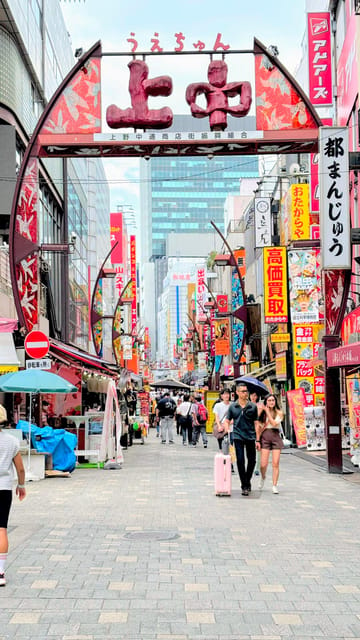
Ueno offers a different side of Tokyo. The area is connected with parks, museums, shopping, and older neighborhood life. The schedule allows about 20 minutes, with time for sightseeing, photos, shopping, or a short class-style explanation.
Neither stop is ideal if you want an unhurried visit. Akihabara needs time for browsing, while Ueno has enough to offer for a full morning or afternoon. I would pair one of them with Asakusa rather than try to squeeze in both on a short tour.
Shibuya is the modern Tokyo photo stop
Shibuya Crossing is one of Tokyo’s defining sights. You can watch the pedestrian flow from street level or nearby viewpoints, then visit the Hachiko Statue, which honors the loyal dog associated with the station.
The planned stop is about 30 minutes. That is enough to cross the intersection, take photos, see Hachiko, and get a quick explanation of the district. It is not enough for serious shopping or a long meal.
Shibuya is also a useful choice if you want fashion, restaurants, bars, and entertainment. It gives you a sharp contrast with Asakusa. One moment you are near a centuries-old temple, and later you are amid giant screens, department stores, and young city culture.
I would include Shibuya on a first Tokyo visit unless your interests are strongly focused on older neighborhoods. It is familiar from photographs, but standing in the crossing helps you understand the scale and energy of the city.
Harajuku pairs youth culture with a quiet shrine
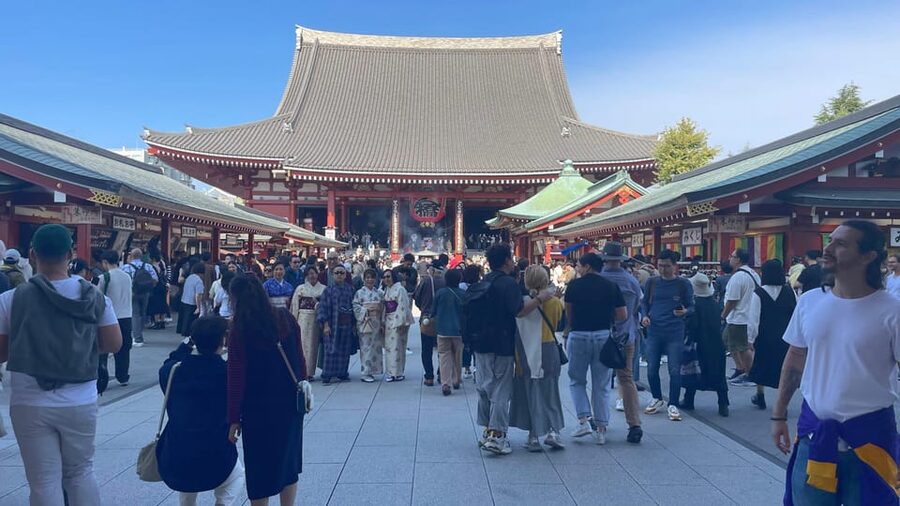
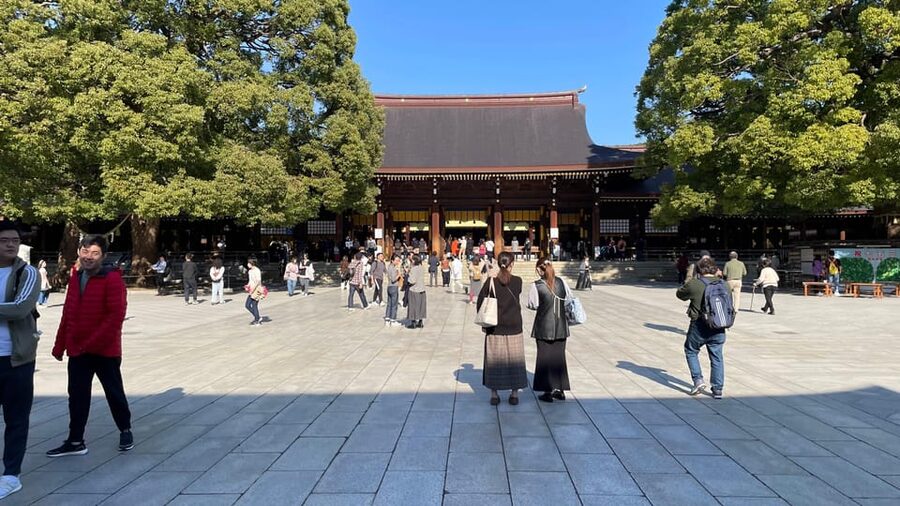
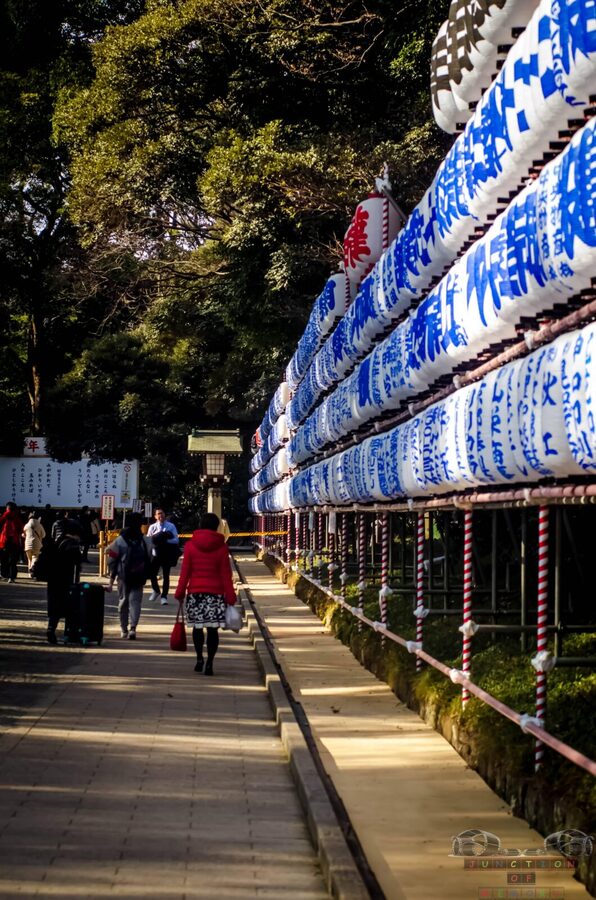
Harajuku gives you two very different experiences close together. Takeshita Street is known for youthful fashion, unusual cafes, and small boutiques. Meiji Shrine offers a forested setting and a calmer religious visit nearby.
That contrast is the reason to request Harajuku. You can see how Tokyo makes room for bold street style and quiet shrine traditions within the same district. The tour does not promise a fixed amount of time here, so your guide should help decide if it replaces Shibuya, Ginza, or another area.
Harajuku is a good match for fashion, shopping, cafes, and Japanese culture. It is less useful if your only goal is to collect landmark photos, since Tsukiji, Asakusa, and Shibuya already provide that.
Yanaka offers a slower walk
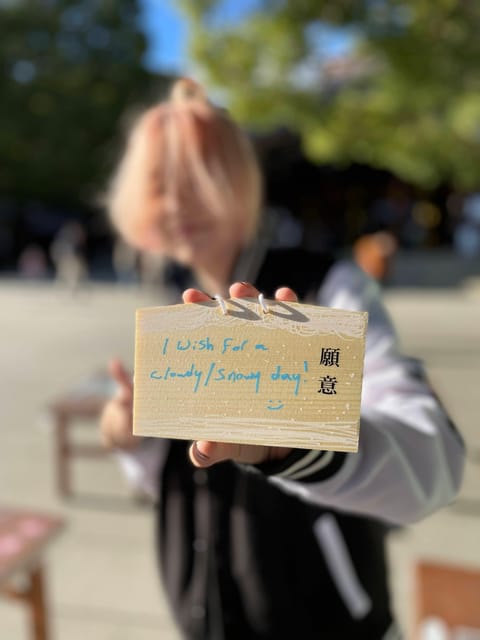
Yanaka is one of the better choices for a visitor who wants older Tokyo without spending the day at major attractions. Narrow lanes, temples, local shops, and Yanaka Ginza create a more relaxed neighborhood visit.
Yanaka Ginza is suited to browsing small stores and sampling street food. The area also gives you a chance to walk without the scale of Shibuya or the tourist focus of Senso-ji.
I would request Yanaka if you have already seen Tokyo’s biggest sights or if you want a quieter look at everyday city life. It may not satisfy someone who wants tall buildings, major shopping centers, or a packed schedule of famous landmarks.
Nakano is the pop culture alternative
Nakano is a strong pick for manga, anime, collectibles, and local food. Nakano Broadway is the main draw, with shops aimed at people who want more than the standard Akihabara circuit.
The area also has izakayas, or Japanese pubs, which gives the district a food and nightlife angle. A short stop makes sense if you want to browse a specific type of collectible. A longer visit is better if you want to shop, eat, and explore the surrounding streets.
Nakano is especially useful for repeat visitors and fans with clear interests. If anime is not part of your plan, choose Yanaka, Kichijoji, or a major historic area instead.
Kichijoji slows the pace
Kichijoji is the most relaxed choice among the suggested districts. Inokashira Park has a lake, walking paths, and a setting popular with local residents. Around the park, you can find cafes, vintage shops, and food markets.
This is a good area when you need a break from Tokyo’s central rush. It is also a pleasant choice for anyone interested in cafes, shopping, parks, and a more easygoing neighborhood feel.
The drawback is distance. Kichijoji does not pair naturally with every central Tokyo stop in a four-hour schedule. Choose it as a main destination, not as a quick add-on to Tsukiji, Asakusa, and Shibuya.
Shinjuku after dark has a different character
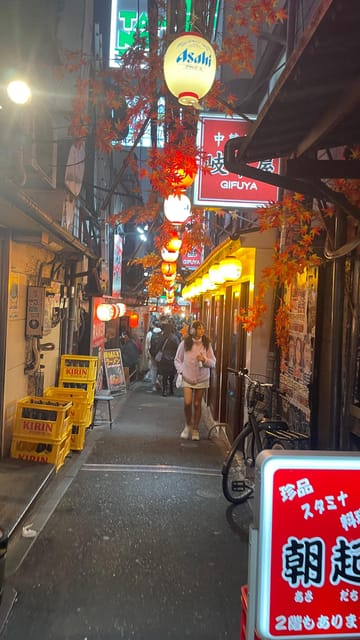
The possible Shinjuku section includes Omoide Yokocho, Kabukicho, and Golden Gai. These stops focus on narrow lanes, small eating and drinking places, nightlife, and the district’s famous city atmosphere.
Omoide Yokocho receives about 20 minutes, Kabukicho about 30 minutes, and Golden Gai about 20 minutes in the suggested schedule. That makes the section a good orientation walk, not a full night out.
Golden Gai is made up of tiny bars, and Kabukicho is known for its entertainment district. You should ask what kind of evening route fits your interests before choosing these areas. Food and drinks are not covered, and the small venues may require their own spending decisions.
I would choose Shinjuku for a late-day or evening plan, especially if you want city lights, narrow lanes, and nightlife. It is less suitable if you prefer temples, parks, or daytime shopping.
What the $116 price really covers
At $116 per person, this tour is not the cheapest way to collect Tokyo landmarks. The value comes from private attention, route planning, language help, and local recommendations rather than from included admissions or transport.
You still pay for subway and metro rides, food, drinks, and any tickets. That matters because the possible route includes several train journeys and Tokyo Skytree admission can add to the bill.
The price makes the most sense for a short Tokyo stay, a private group, or someone who wants help using the city quickly. It is also useful when your group has mixed interests. One person can ask about food, another about temples, and another about shopping, then the guide can build a workable plan.
The price feels less convincing if you only want a simple walk through one neighborhood. In that case, a shorter local tour or self-guided visit may offer better value. One booking specifically viewed the walking-tour price as high compared with food experiences, so you should compare the cost with what you most want from the day.
Timing, transport, and comfort
The tour is private and designed for small groups, which gives you room to request breaks and changes. That flexibility proved useful during very hot weather, when one guide adjusted the pace and built in rest periods.
You are responsible for subway and metro fares. The suggested route includes several rides, often between 15 and 25 minutes, so keep a little money and time ready for transport.
The walking level varies by neighborhood. Tsukiji, Asakusa, Ginza, Shibuya, and Shinjuku all involve walking, while the train connections break up the day. The activity is listed as wheelchair accessible, but you should still discuss the exact route and preferred stops with the host before departure.
The tour can be canceled up to 24 hours ahead for a full refund, and you can reserve now and pay later. Those policies help if your Tokyo schedule is still changing.
Which guide style might suit you
The English-speaking hosts are presented as local guides who can explain culture, history, neighborhoods, food, and practical trip planning. Abu has been particularly helpful with Tsukiji food advice, Asakusa shopping suggestions, and even directing a group toward a ramen lunch near Akihabara after the tour.
Maruf is noted for planning a well-organized Tokyo route and taking good photos. Ayoub is associated with a pleasant, custom neighborhood visit. These details suggest that the guide’s personal style can shape the experience, so use the planning conversation to state your priorities clearly.
I would ask for three things before starting: the exact districts, the expected walking level, and which optional costs you may face. That avoids the common problem of trying to cover eight neighborhoods when the day really allows three.
Who should book this private Tokyo tour?
I would choose it if you have only one day in Tokyo, want a guide for your first orientation, or prefer private help over a large group. It also suits families and mixed-interest groups that need a flexible pace.
Food-focused visitors should request Tsukiji. First-time visitors should consider Asakusa and Shibuya. Pop culture fans should choose Akihabara or Nakano, while repeat visitors may get more from Yanaka or Kichijoji.
I would skip it if you are happy planning subway routes yourself and want to spend hours inside one museum, shop, tower, or restaurant. I would also avoid booking the short version with an unrealistic list of stops.
Should you book it?
Book this tour if you want a personal Tokyo orientation with useful neighborhood advice, flexible pacing, and a private guide. The strongest plan is two or three areas, not every stop in the full route.
For the best value, tell your host your top interests before the day begins, budget separately for transport and food, and treat Tokyo Skytree or long shopping sessions as choices that require extra time. If you do that, the $116 fee can buy confidence and local context during a short stay. If you only need a cheap landmark checklist, it is probably too expensive.
FAQ
How long does the tour last?
The experience is offered for four to eight hours. The four-hour option is designed as a half-day visit, while a longer booking gives you more time for distant districts and extended stops.
What is the price?
The listed price is $116 per person.
Is the tour private?
Yes. It is offered as a private group experience with a small-group format.
What language does the guide speak?
The live tour guide speaks English.
Which areas can the tour visit?
Possible areas include Tsukiji, Asakusa, Shibuya, Harajuku, Ginza, Ueno, Yanaka, Nakano, Kichijoji, Akihabara, and Shinjuku.
Are transportation costs included?
No. You are responsible for your own subway and metro expenses during the tour.
Are food and drinks included?
No. Additional food and drinks are paid for separately.
Are attraction entrance fees included?
No. Tickets for attractions and activities are not included in the tour price.
Can I cancel the booking?
Yes. You can cancel up to 24 hours in advance for a full refund. You can also reserve the experience and pay later.
Just added around Tokyo
- Private Transfer from Narita Airport to Yokohama Port and City★ 4.5 · 17 reviews
- Private Arrival Transfer : Narita International Airport to Central Tokyo City★ 4.5 · 12 reviews
- Narita Airport(NRT): Private Transfer to Tokyo/Yokohama 1-9pax★ 5.0 · 47 reviews
- [Narita Airport Terminals 1, 2] 40-60km Sawara Itako Historic Bike Tour★ 5.0 · 13 reviews
- 3 Day Japan Highlights Tour: Tokyo, Mt.Fuji, Nara, Kyoto, Osaka★ 5.0 · 22 reviews
- Small Town in the Big City: Tasting Tokyo’s Kichijoji★ 5.0 · 195 reviews
- Small Town in the Big City: Tasting Tokyo’s Kichijoji★ 5.0 · 16 reviews
- The 10 Tastings of Tokyo With Locals: Private Street Food Tour★ 5.0 · 48 reviews
Tsukiji Fish Market Tours, compared.
Tokyo Tsukiji Fish Market Food and Culture Walking Tour
Read our review →

Tokyo Sushi Making Class in Tsukiji with Professional Chef
Read our review →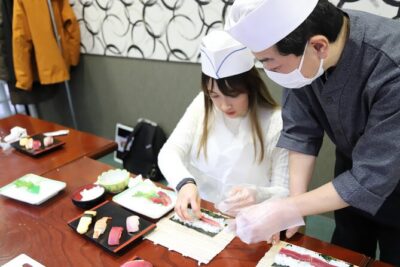
Tsukiji Fish Market Guided Tour and Sushi Making with Pro Chef
Read our review →Tsukiji Fish Market Food and Culture Walking Tour
Read our review →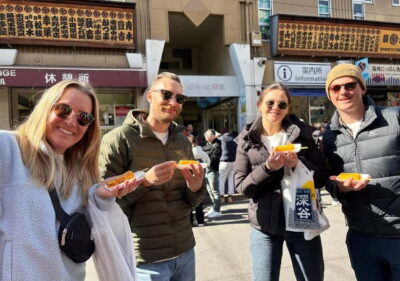
Tsukiji Fish Market: Street Food & Culture Walking Tour
Read our review →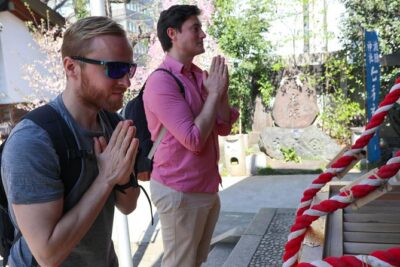
Tsukiji Fish Market Small-Group Food Walking Tour
Read our review →Browse the lists this tour appears in