Reviewed · KYOTO TOURS
Kyoto: Early Morning Tour with English-Speaking Guide
Kyoto’s famous sights are much easier to appreciate before the crowds arrive. This early start takes you from Kyoto Station to Fushimi Inari, Arashiyama, and Kinkakuji in one morning, using trains and buses rather than a sightseeing coach.
I like two things right away: you see three of Kyoto’s essential sights in about five and a half hours, and a guide handles the public transport while explaining the customs, stories, and setting at each stop. Guides such as Haruki, Aya, Hinano, and Rin have also helped with photos, food suggestions, and onward travel advice.
The catch is simple: this is an active walking tour, not a private car ride. You pay extra for transport and Kinkakuji, must meet on time, and may encounter crowded buses later in the morning.
Key points to know before booking
- Fushimi Inari comes first, when its famous torii gates are generally calmer and easier to enjoy.
- The group is capped at eight, giving you more contact with the English-speaking guide than on a large coach tour.
- You use public transport, including trains and a bus, with about 1,240 yen in fares not included.
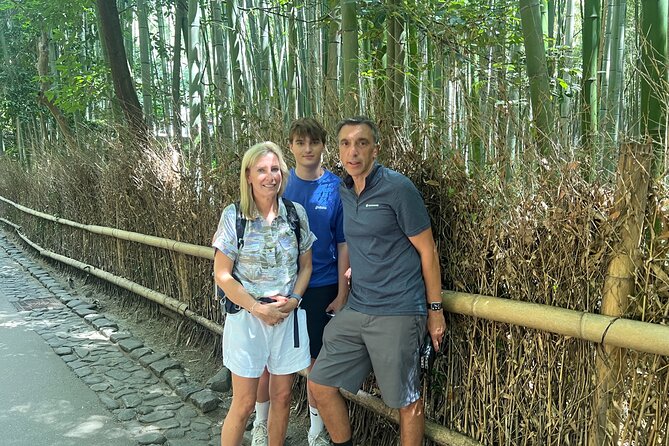
- Arashiyama includes the bamboo forest, one of Kyoto’s most photographed walks.
- Kinkakuji costs an additional 500 yen, and bus traffic can make this final transfer slower.
- You finish around lunchtime, leaving the rest of the day free for more Kyoto sightseeing.
Why the early start matters at Fushimi Inari
Meet your guide at the Central Ticket Gate of Kyoto Station. Look for the large gate near Kyoto Tower and the nearby Seven-Eleven. The guide holds a GuideMe Japan board, and contact before the tour is made through WhatsApp, so download the app and provide a Japanese phone number that works during your stay.
You need to arrive five to ten minutes early. This group cannot wait for late arrivals, and missing the departure means you cannot join later or receive a refund. That rule may feel strict, but it matters when three distant parts of Kyoto must fit into one morning.
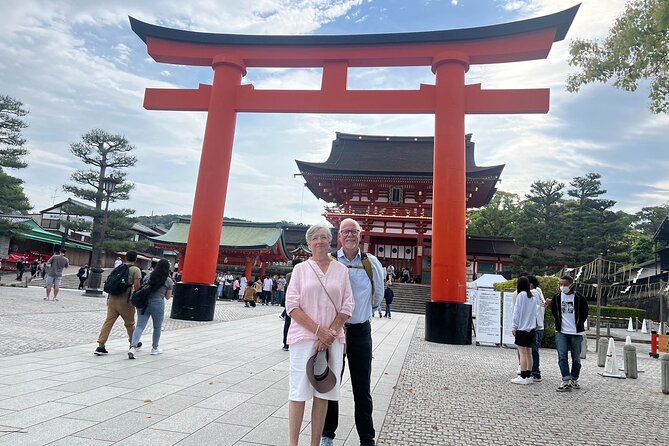
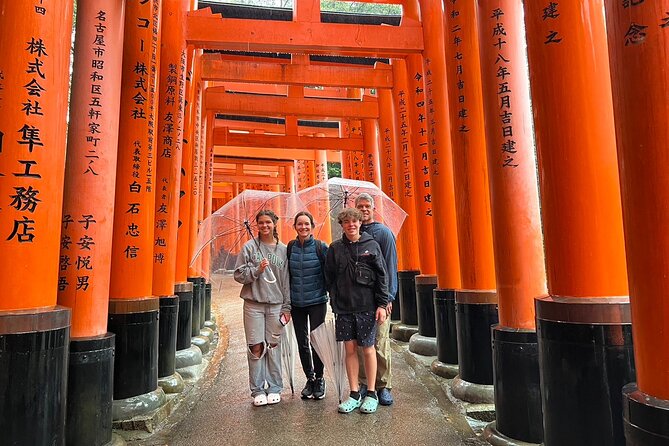
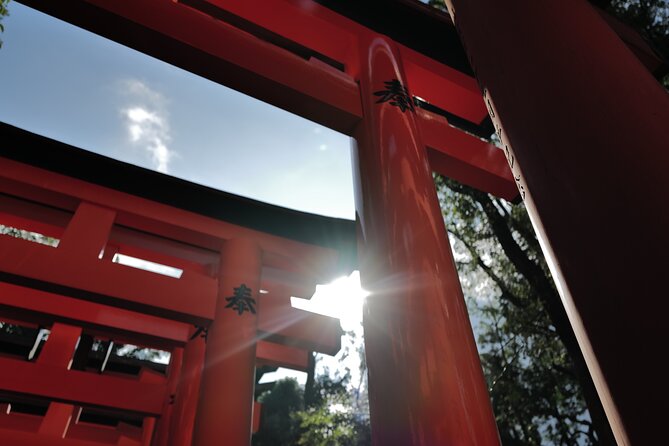
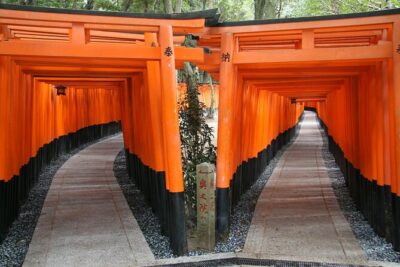
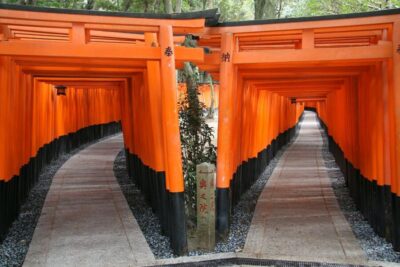
The first train ride takes about ten minutes. Fushimi Inari Taisha is an excellent opening stop because the shrine grounds are especially atmospheric in the morning. The route of orange torii gates climbs into the wooded hills behind the shrine, and the repeated gates create the visual effect most people associate with Kyoto.
You have about 70 minutes here with the guide. That is enough to see the main shrine area, walk beneath a section of the torii, pause for photographs, and hear about Shinto practice and the meaning of the site. You do not have time to walk the entire mountain trail, so set your expectations correctly.
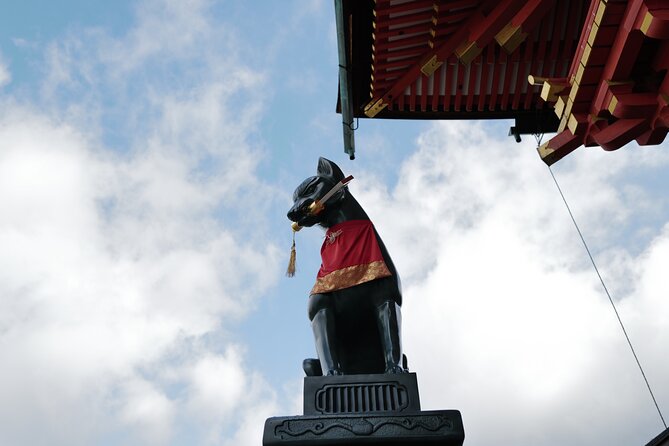
This is also where a guide adds real value. A good explanation helps you tell a Shinto shrine from a Buddhist temple, understand how to behave at the entrance, and notice details you could easily pass without seeing. Several guides, including Rin, Aya, and Hinano, have been praised for making the customs and background clear without turning the visit into a lecture.
More early starts in Kyoto:
- Kyoto Early Morning Tour with English-Speaking Guide
★ 5.0 · 1,427 reviews - From Kyoto: Nara Guided Morning Tour
★ 4.6 · 335 reviews - Kyoto Morning Tour from Kyoto or Osaka
★ 4.0 · 281 reviews
Arashiyama and the bamboo forest
From Fushimi Inari, the next train journey takes about 30 minutes. The change of scenery is part of the appeal. You move from a shrine in southeastern Kyoto to Arashiyama in the western hills, an area known for its bamboo grove, temple grounds, and wooded slopes.
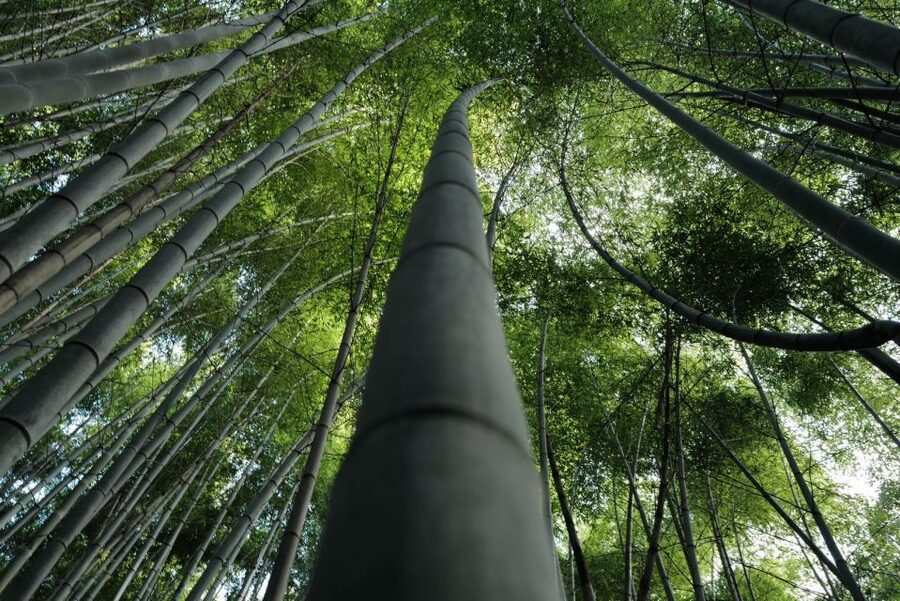
The guided visit lasts about an hour. The bamboo forest is the obvious draw, and the early timing gives you a better chance to walk through it without the heaviest daytime foot traffic. Do not expect complete solitude. Arashiyama is one of Kyoto’s most popular districts, but arriving early makes a meaningful difference.
The bamboo path itself is not a long wilderness walk. It is a busy sightseeing route with tall bamboo on either side, so the pleasure comes from the height, filtered light, and unusual sound of the stalks moving overhead. Your guide can help you find good places for photographs and explain how the area fits into Kyoto’s wider religious and cultural setting.
Winter can be especially striking. One January visit included snow in the bamboo forest, creating a memorable scene, though weather like that is never guaranteed. In colder months, wear a warm layer beneath your coat, since the morning can be chilly and you will spend much of the tour outdoors.
Arashiyama is also the part of the morning where you may wish for more time. An hour allows a focused visit, but not a leisurely exploration of every lane, temple, or riverside path. If you want to spend half a day in Arashiyama, book this tour for orientation and return on your own later.
Kinkakuji, the Golden Pavilion, as the final stop
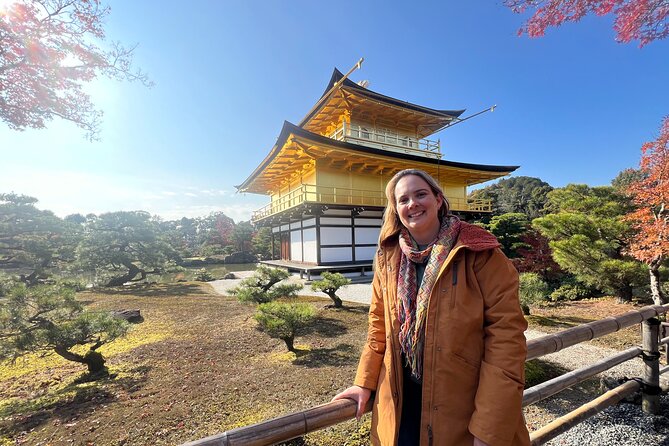
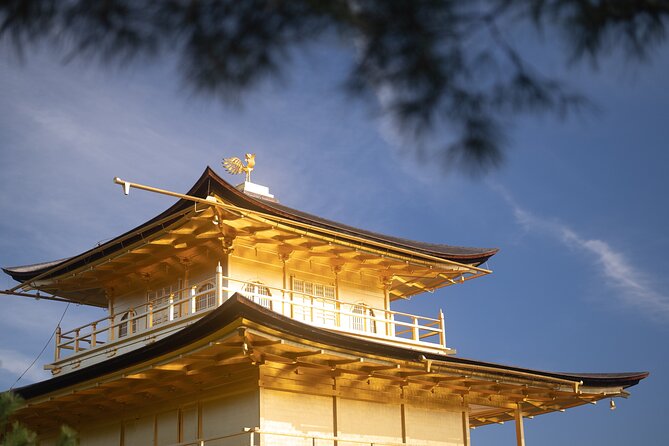
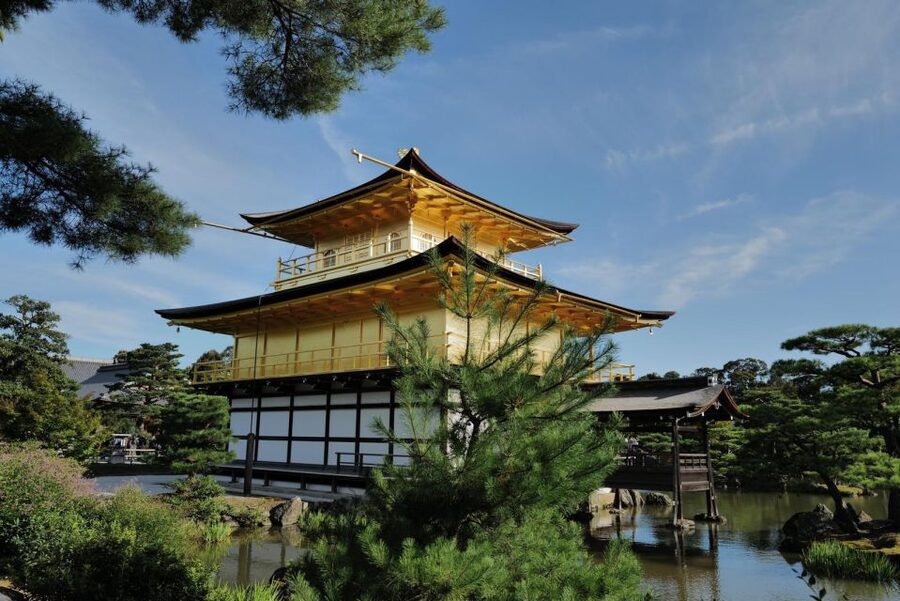
After Arashiyama, expect another 15-minute train ride followed by a bus journey of roughly 20 minutes. Kinkakuji, officially known as Rokuonji, is the celebrated Golden Pavilion, a Buddhist temple covered in gold leaf and set beside a reflective pond.
The visit lasts about an hour. The main view is quick to reach, but the grounds give you time to see the pavilion from different angles and follow the prescribed walking route. The gold exterior is striking in clear weather, while cloudy conditions can soften its appearance. Either way, this is a place where the guide’s explanation helps put the building and Buddhist setting into context.
The temple entrance costs 500 yen and is not included in the tour price. Bring cash. You also need about 1,240 yen for the morning’s trains and bus rides, unless your IC card or JR Pass covers the relevant journeys. The exact fare is listed as an approximate amount, so keep a little extra yen available.
Kinkakuji is the most likely stop to feel crowded. The group normally reaches it later in the morning, when more people are arriving, and bus service can be slower on busy days or Sundays. One winter transfer had to be adjusted with a taxi because of a bus problem. That shows both the limitation of public transport and the benefit of having a guide who can react when the plan changes.
The taxi cost in that situation is not presented as part of the standard tour price, so ask your guide about any extra fare before agreeing to a change. Most of the time, the published plan uses trains and buses.
A small group with practical local help
The maximum group size is eight. That is large enough to create a social morning but small enough for the guide to answer questions and keep an eye on the group at stations and crossings. Some departures may be much smaller, including one booking with only a couple and their guide.
The individual guide will vary. Names appearing in recent bookings include Haruki, Aya, Hinano, Hina, Rin, Genki, Chihiro, Suzuka, Toshiya, Ramu, Koi, and Natsuki. The strongest pattern is not one particular personality but a consistent focus on clear English, local history, friendly conversation, photographs, and useful suggestions for the rest of your trip.
Haruki has been singled out for fluent English, humor, photo help, and his ability to include an 11-year-old in the discussion. Hinano has helped with restaurant recommendations and onward directions. Aya has shared food lists and advice for Osaka. Rin has combined stories about Japanese history, Shinto, and Buddhism with practical tips.
That kind of help is useful beyond the three stops. Kyoto’s trains and buses are manageable, but the city spreads widely and the transport system can seem confusing on a first visit. By following the guide, you learn how the system works and gain confidence for later journeys.
The tour is offered in English or Korean. You should confirm your preferred language and departure option when checking availability.
A few more Kyoto half-days to weigh up
- PERFECT KYOTO 1-Day Bus Tour
★ 5.0 · 13,518 reviews - Kyoto: Fushimi Inari, Kinkakuji, Bamboo Grove 1 Day Bus Tour
★ 4.8 · 4,316 reviews - Kyoto: Tea Ceremony in a Traditional Tea House in Kiyomizu
★ 4.9 · 3,519 reviews - Kyoto Geisha Walking Tour: Gion District & Hidden Gems
★ 4.7 · 3,273 reviews
What the $101 price really covers
At $101 per person, this is not a cheap way to buy train rides. The transport alone costs only about 1,240 yen, and Kinkakuji adds 500 yen. The main part of the price pays for the guide, route planning, time management, explanations, and the chance to connect three major sights in a single morning.
That can be good value if you have only a short stay in Kyoto. Seeing Fushimi Inari, Arashiyama, and Kinkakuji independently is possible, but the sites are far apart. You would need to plan the order, watch train connections, work out bus routes, pay separate fares, and judge how long to stay at each place.
The value is weaker if you enjoy slow visits or already know Kyoto’s transport system. You will have limited time at each stop, and you may prefer to spend a full morning at one temple district rather than cover three areas. Independent visitors also have more freedom to stop for breakfast, shopping, or photographs.
Lunch is not included, but the finish near Kyoto Station is convenient. You can eat around the station or continue to another part of the city. Guides have provided restaurant recommendations, but you should budget separately for your meal.
Free cancellation is available up to 24 hours before the start, and you can reserve while paying later. Check the exact start time before booking, since departures vary. The most useful departures are early enough to reach Fushimi Inari before the main crowds.
Walking, weather, and physical demands
This tour is not accessible to wheelchair users and is not recommended for people who use a cane. Baby strollers are not allowed, and the activity is unsuitable for babies under one year. It is also not suitable for people with heart problems or anyone over 95.
Even if you meet none of those conditions, take the walking warning seriously. You will move through station corridors, streets, shrine paths, temple grounds, and bus stops. Fushimi Inari includes an uphill route if you follow the torii gates beyond the main area, and Arashiyama involves standing and walking outdoors.
Wear comfortable shoes. Bring cash, an IC card such as Suica, ICOCA, or PASMO, or a JR Pass if you have one. The tour uses public transportation, so it is not a good fit if you want to remain seated in a private vehicle between sights.
Rain and cold do not stop the tour. A wet day can make the paths less comfortable, but early morning still helps with crowd levels. Bring weather protection and dress for several hours outside.
How to make the morning run smoothly
Before leaving your hotel, charge your phone and check WhatsApp. The guide uses it to contact you before the tour and clarify the meeting point. Kyoto Station is large, so allow time to find the Central Ticket Gate rather than assuming every station exit leads to the same place.
Have your transport card ready before boarding. If you need to buy tickets at each station, the group may have less time at the sights. A small amount of cash covers the temple admission and helps with transport if your card balance is low.
Eat something before meeting the group or carry a small snack. Breakfast and lunch are not included, and the early start may be well before your usual first meal. Keep your bag light because you will carry it through several transfers.
The tour is scheduled for 330 minutes, or five and a half hours, but the actual finish can vary by about 30 minutes either way. Bus delays, weather, crowds, and group pace all matter. Do not schedule a train departure or timed attraction immediately after the stated end.
Who should book this Kyoto morning tour?
I would choose it for a first visit, a short stay, or a day when you want Kyoto’s biggest sights handled efficiently. It is also useful for couples, families with older children, and solo visitors who prefer company and help with transport.
You will get the most from it if you enjoy walking, asking questions, and seeing a lot in a short span. The guides often add food advice, photo help, and suggestions for Osaka or the rest of Kyoto, which can save time later.
I would skip it if you want a private experience, dislike early mornings, use a wheelchair or stroller, or prefer long unhurried visits. The group size is small, but it is still a group, and the schedule must keep moving.
Should you book it?
Book this tour if your priority is three major Kyoto sights before lunch, with an English-speaking guide and no need to solve every train and bus connection yourself. The combination of Fushimi Inari, Arashiyama, and Kinkakuji is hard to fit into one morning without careful planning.
Just budget for about 1,240 yen in transport, 500 yen for Kinkakuji, and lunch afterward. Arrive early, wear good shoes, install WhatsApp, and accept that the final bus ride may be the least predictable part. For an active first look at Kyoto, the tradeoff is worthwhile.
FAQ
Where does the tour meet?
It meets at Kyoto Station’s Central Ticket Gate, near Kyoto Tower and a Seven-Eleven. The guide holds a board marked GuideMe Japan and contacts you through WhatsApp with meeting details.
How long does the tour last?
The scheduled duration is 330 minutes, or about five and a half hours. The actual finish can be around 30 minutes earlier or later.
What sights are included?
The tour visits Fushimi Inari Taisha, Arashiyama including the bamboo forest, and Kinkakuji, also called the Golden Pavilion.
Is this a private tour?
No. It is a small-group tour with a maximum of eight participants.
Is transportation included?
No. The tour uses public trains and buses, and transportation costs are approximately 1,240 yen.
How much is the Kinkakuji entrance fee?
The Kinkakuji entrance fee is 500 yen and is not included in the tour price.
What languages are available?
The tour is offered with a live guide in English or Korean.
What should I bring?
Bring comfortable walking shoes, cash, and an IC transport card such as Suica, ICOCA, or PASMO, or a JR Pass.
Can I join if I arrive late?
No. You must arrive five to ten minutes early. The group leaves at the scheduled time, and late arrivals cannot join or receive a refund.
Is the tour wheelchair or stroller accessible?
No. It is not suitable for wheelchair users, baby strollers, or guests who use a cane. It is also not suitable for babies under one year, people with heart problems, or people over 95.
Just added around Kyoto
- Kyoto: Zen Meditation at a Private Temple with a Monk★ 5.0 · 25 reviews
- Kyoto: Gion Geisha District & Sake-in-Hand Walking Tour★ 5.0 · 37 reviews
- Private Pewter Sake Cup Experience with a Kyoto Artisan★ 5.0 · 31 reviews
- Your Private Vacation Photography Session In Kyoto★ 5.0 · 110 reviews
- Private Guided Traditional Buddhist Cooking in Japan★ 5.0 · 16 reviews
- Kyoto Wagashi(Japanese sweets) Cooking Class near Fushimiinari★ 5.0 · 60 reviews
- Traditional Japanese Music show & Experience Tour in Kyoto★ 5.0 · 57 reviews
- Kyoto:Family-Friendly Kimono & Yukata Experience at WARGO★ 5.0 · 147 reviews
Kyoto Tours, compared.
Fushimi Inari, Kinkakuji, Bamboo Grove 1 Day Bus Tour
Read our review →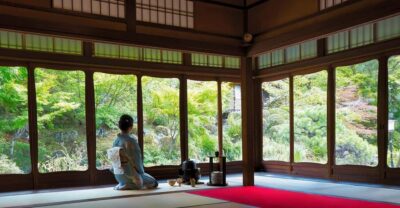
Tea Ceremony in a Traditional Tea House in Kiyomizu
Read our review →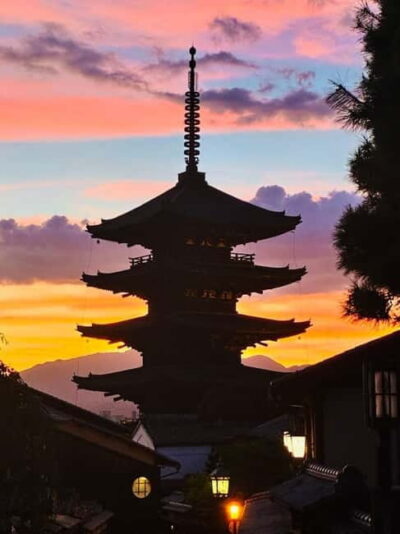
Kyoto Geisha Walking Tour: Gion District & Hidden Gems
Read our review →
Gion Magical Night Walking Tour with Geisha Trivia
Read our review →